

_1745823981883.webp)

Cost-Effective Containerized RO Plant Installation: What You Need to Know
When looking at different ways to clean water, many procurement managers ask themselves: how can we get effective treatment capacity without spending too much money or taking too long to build? A containerized RO plant is just that—a fully integrated reverse osmosis system that is housed in normal shipping containers. It can be set up with little to no site preparation and can be expanded as needed. This method gets rid of the need for long civil building projects and drastically lowers the costs of installation. It also meets the high-performance standards needed in the pharmaceutical, food processing, city, and energy sectors.
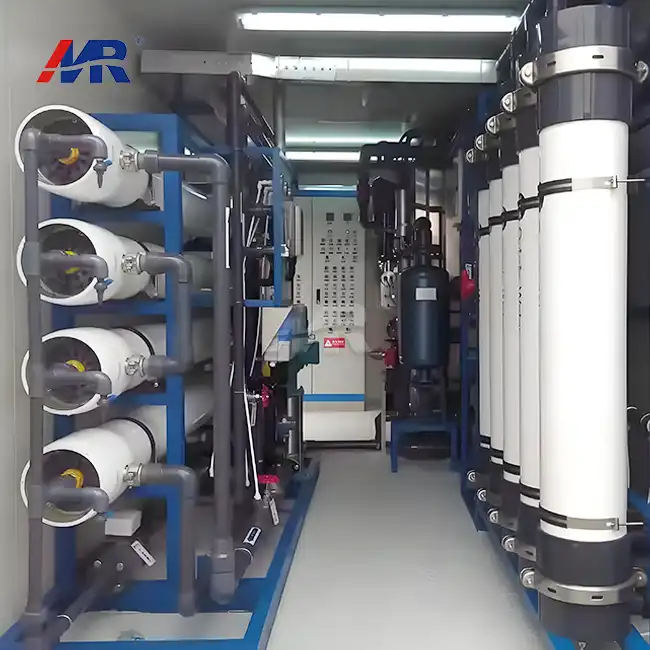
Understanding Containerized RO Plants and Their Cost Benefits
Reverse osmosis systems that are contained in containerized RO plants are a big change in the way water is treated. Permanent setups need a lot of work to be done on the ground and a long time to get up and running. These portable units, on the other hand, come factory-tested and ready to use right away.
What Makes Containerized Systems Unique?
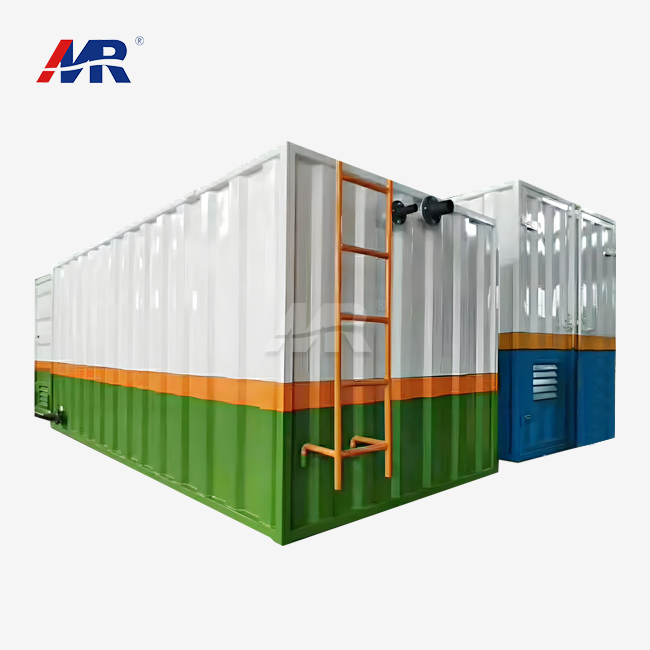
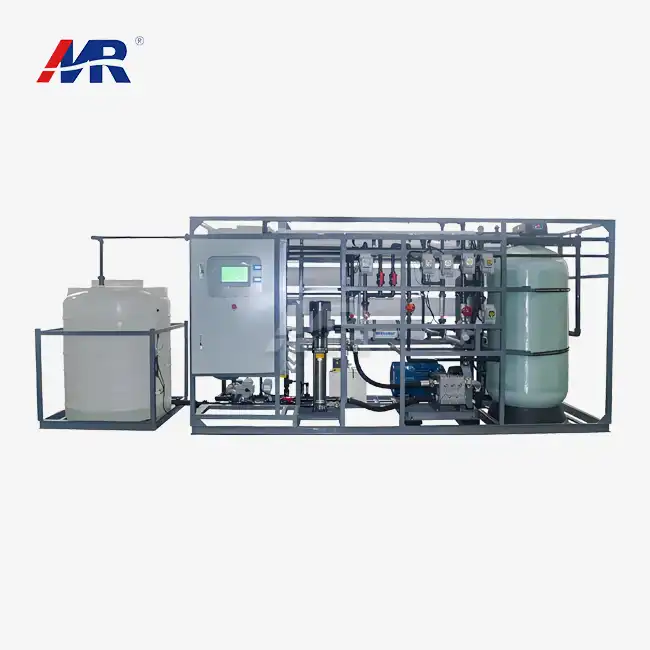
A containerized RO plant has all the important parts inside an ISO container that keeps the water cool. These include high-pressure pumps, membrane housings, pre-treatment filters, control screens, and chemical dosing systems. This design keeps sensitive equipment safe from the outside world while making sure that it always works the same way, no matter what the weather is like. The container framework provides support for the structure, protection from the weather, and security. This makes these systems perfect for remote areas, short-term projects, and long-term installs.
Quantifiable Cost Advantages Over Traditional Infrastructure
For traditional water treatment plants, you have to pay a lot of money up front for civil construction, building permits, and putting the plant together on-site. Case studies in industrial water treatment show that containerized solutions can cut down on installation times by 60 to 70% compared to traditional builds. Getting rid of permanent buildings lowers the cost of making changes to land, speeds up the permit process, and lets you move assets as business needs change. By improving recovery rates and planning maintenance ahead of time, energy-efficient membrane designs and automatic tracking systems cut down on operating costs even more.
Scalability That Matches Business Growth
With a modular design, owners can start with the capacity they need to meet present demand and add to it over time. A 20-foot barrel could make 50 to 100 cubic meters of material every day, which is enough for medium-sized factories. In parallel setups, more units can be added as production grows without stopping what's already going on. This method of making small investments over time protects working capital and lines up spending directly with the growth of capacity that brings in money.
Step-by-Step Guide to Cost-Effective Installation
When you plan strategically, deploying a containerized RO plant changes from a purchase to an investment that maximizes value.
Pre-Installation Assessment and Planning
A thorough site review is the first step to a successful rollout. Some important things to think about are the amount of room you have for containers, how close you are to raw water sources and discharge points, the power supply's ability (usually 380–480V three-phase for industrial units), and how easy it is for delivery vehicles to get to. Before specifying, you should do a water quality study to make sure that the membrane you choose fits the characteristics of the feedwater. Total dissolved solids, hardness, pH, and potential foulants like iron or silica have a direct effect on how the system is set up and what kind of preparation is needed.
Installation Process and Timeline Optimization
After shipping, installation usually goes through these steps:
- Foundation preparation involves making a level concrete pad or a base of crushed dirt that can hold the weight of the loaded container (15 to 25 tons for a 40-foot unit). With the right ventilation around the pad, water doesn't build up and weaken the structure.
- Utility connections include connecting the power source to the control panel, installing pipes for the raw water intake and permeate release, and planning the route for the concentrate disposal. Standardizing this process is made easier by connecting points that come pre-set up on containerized units. This cuts down on installation variations and the costs of labor.
- System commissioning includes chemical flushing to protect the membrane, pressure tests, calibration of the control system, and performance proof. When systems are pre-tested in the factory, they can be put into use on-site in three to five days instead of two to three weeks when they are put together in the field.
Maintenance Protocols That Protect Your Investment
Automated tracking systems keep an eye on important factors like feed pressure, permeate flow, conductivity, and membrane differential pressure. This lets them know right away when performance is going down. Setting up regular maintenance plans for cleaning the membrane (usually every 3 to 6 months, based on the quality of the feedwater), replacing the filter cartridge, and checking the seals on the pump increases the life of the equipment and keeps it working at its designed level. Our technical team can identify problems ahead of time thanks to remote tracking, and problems are often fixed before they affect production.
Comparing Containerized RO Plants to Alternative Water Purification Systems
Figuring out how containerized RO plants compare to other methods makes their strategic value clearer.
Containerized vs. Skid-Mounted Systems
Skid-mounted units put together a lot of equipment on structure frames, but they don't protect the environment and need their own buildings or shelters. This makes the job take longer and costs more to build. Containerized systems get rid of this need while also making them easier to move around. The enclosed form also cuts down on noise pollution, which is important for activities near homes or in buildings with a lot of different uses.
Performance Metrics and Operating Economics
How much energy is used per cubic meter of product depends on how the system is designed and how salty the feedwater is. Containerized plants that are well-designed can use between 2.5 and 4.5 kWh/m³ of energy for brackish water uses. This is the same as or better than permanent installations because the components are better integrated and the plants are run automatically, which cuts down on inefficient times. Recovery rates are usually between 70 and 85% for brackish water and between 40 and 50% for seawater. This means that less concentrated trash is made than with older methods.
Real-World Implementation Evidence
A pharmaceutical company in the southwestern United States had problems with the quality of the water, which made it hard to follow production rules. Traditional plant building costs more than $800,000 and takes 18 months. They chose a containerized option that would give them the same amount of space for $520,000 and be up and running in 8 weeks. Production delays that would have cost a lot more than the cost of the system investment were avoided by speeding up the rollout.
Procurement and Vendor Selection Strategies for B2B Buyers
When choosing a source, you need to look at both their professional skills and their ability to meet your business needs. Compliance with certification is the basis of a supplier's trustworthiness. Check for electricity safety approvals in your area, ISO 9001 quality management Certifications, and pressure vessel certifications for membrane housings. Suppliers of membranes should show that they meet NSF/ANSI Standard 61 for uses in drinking water or FDA material approvals for uses in pharmaceuticals.
Critical Vendor Evaluation Criteria
How warranties are set up shows how confident the maker is in the product's longevity. Standard guarantees last between 12 and 24 months, but top providers offer longer warranties that reflect the higher quality of their parts. Pay close attention to what the guarantee doesn't cover. For example, some companies won't cover you if you use consumables that aren't allowed, which can lead to long-term cost problems.
Understanding Total Cost of Ownership
The purchase price is only one part of a financial study of a containerized RO plant. Ask for full running cost estimates that include how much energy will be used, how often the membrane will need to be replaced (usually every 3 to 5 years, based on the quality of the feedwater and the level of upkeep), how much chemical will be used for cleaning and pretreatment, and how often the filter cartridge will need to be replaced. Over the course of 10 years, these ongoing costs often go over the original capital spending. This is why it is important for vendors to be open about these costs. Different types of financing and hiring plans work best for different types of businesses. Rental agreements are good for places like building sites, emergency situations, or businesses that want to try water treatment before buying it. Some suppliers have "lease-to-own" plans that help you keep your cash flow while building property.
Customization and Future-Proofing Considerations
Standard setups work well for many uses, but customization is better for some businesses. For pharmaceutical processes, electropolished stainless steel wetted parts and validation paperwork packages may be needed. CIP (clean-in-place) methods need to be added to food processing plants all the time. When making electronics, ultra-low conductivity water is needed, which means that RO and electrodeionization must be used together. Talking about these needs early on in the buying process ensures that the system chosen meets both current and possible future needs without having to be modified, which can be expensive.
Addressing Common Challenges and Ensuring Long-Term Efficiency
Operational problems can happen with even the best-designed containerized RO plant, but careful management can help fix them.
Preventing and Managing Membrane Fouling
Membrane fouling, which is when particles, organic material, or scale build up on membrane surfaces, is the main way that function is lost. The first line of defense is effective pretreatment, which includes multimedia filtering, cartridge filters, and antiscalant dosing that is based on the features of the feedwater. By keeping an eye on standardized permeate flow and pressure drop trends, fouling can be found before it causes a lot of capacity loss. When performance indicators go above accepted limits, established cleaning procedures using the right chemical formulations bring them back to normal.
Optimizing Energy Consumption
Making the best use of energy involves high-pressure pumps with variable frequency drives that can change their output to match real demand instead of running at full power all the time. Energy recovery devices on marine containerized RO plant systems take pressure from concentrate streams and use it to lower the total amount of power used by 30 to 40 percent. These technologies, which are often included in high-quality containerized RO plant systems, lower running costs in a way that can be measured and help with ROI estimates.
Regulatory Compliance and Environmental Responsibility
Following the rules and being responsible for the environment means that discharge rules control how concentrates are thrown away. After the right diffusion system design, coastal sites can send wastewater to ocean outfalls. Depending on the rules in the area and the conditions of the spot, inland activities may use deep well injection, evaporation ponds, or zero-liquid discharge technologies. Knowing these needs during planning keeps you from having to make expensive changes after installation. Noise dampening, extra containment for chemical storage, and small footprints that minimize land damage are all features of modern designs that help protect the environment.
Conclusion
Traditional infrastructure can't compare to the value of containerized RO plants, which offer simpler installation, faster deployment, and more operating freedom. The modular method makes sure that capital investments are in line with real capacity needs while still leaving room for growth or transfer in the future. To be successful, you need to carefully evaluate the site, choose a provider based on their technical skills and ability to meet your business needs, and keep up with preventative maintenance that protects system performance. As rules about water quality get stricter and production needs rise, these systems offer solutions that can be scaled up to meet industry standards without the cost and time constraints of long-term building projects.
FAQ
1. What is the typical lead time from order to operational status?
Lead times depend on how customized the containerized RO plant needs to be and how busy the factory is right now. Standard setups usually ship between 8 and 12 weeks, and installation and testing take an extra 2 to 4 weeks. Custom-engineered systems that need unique parts or certifications may make the total time frame 16 to 20 weeks.
2. How much customization is possible for specific industrial applications?
A lot of flexibility meets the needs of specific industries. We often change the materials we use, add specialized tracking tools, connect automation connections to existing control systems, and include validation paperwork that is specific to the industry. Our tech team looks at the specifics of each program to suggest the best configurations.
3. How do energy costs compare to traditional fixed installations?
Containerized systems that are well-designed can use as little energy as or less than fixed setups. Modern high-efficiency pumps, optimized membrane arrays, and automatic operation can usually clean brackish water with 2.5 to 4.5 kWh/m³ of energy, which is about the same as any other method. The sealed design also keeps heat in during cold weather, so the machine stays at the right temperature without spending too much on heating.
Partner with Morui for Your Containerized RO Plant Solutions
Every project that Guangdong Morui Environmental Technology works on is based on our more than ten years of experience treating water. Our containerized RO plant solutions are reliable and have been tried in the factory. They can be set up in a number of different ways, making them suitable for use in pharmaceutical production, food processing, industrial manufacturing, and urban settings. We offer full help from the first consultation through installation and ongoing upkeep. We have 14 branches, 500 committed workers, and 20 specialized engineers. We make our own membranes and work with top component names like Shimge Water Pumps and Runxin Valves to make sure quality at every stage. Whether you need a provider of a turnkey plant or unique water treatment solutions, Our Team can help you find the best systems at the best price. Get in touch with us at benson@guangdongmorui.com to talk about your unique needs and find out how our tried-and-true solutions can improve your water cleaning process while lowering the total cost of ownership.
References
1. American Water Works Association. (2022). "Modular Water Treatment Systems: Design and Implementation Guidelines." AWWA Manual M66, Denver, Colorado.
2. Greenlee, L.F., Lawler, D.F., Freeman, B.D., Marrot, B., & Moulin, P. (2021). "Reverse Osmosis Desalination: Water Sources, Technology, and Today's Challenges." Water Research, Vol. 43, pp. 2317-2348.
3. International Desalination Association. (2023). "Containerized Desalination Systems: Market Analysis and Technical Performance Review." IDA Technical Report Series, Topsfield, Massachusetts.
4. National Research Council. (2020). "Desalination: A National Perspective on Water Reuse and Treatment Technologies." National Academies Press, Washington, D.C.
5. Voutchkov, N. (2021). "Pretreatment for Reverse Osmosis Desalination: Techniques, Performance, and Cost Evaluation." Elsevier Science Publishers, Amsterdam.
6. World Health Organization. (2022). "Guidelines for Drinking-water Quality: Fourth Edition Incorporating the First and Second Addenda." WHO Press, Geneva, Switzerland.
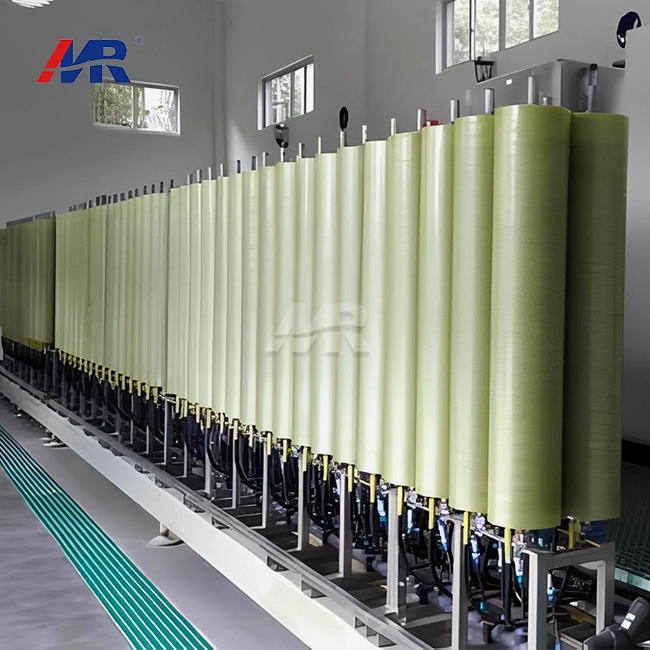 VIEW MORELeachate DTRO Treatment Equipment
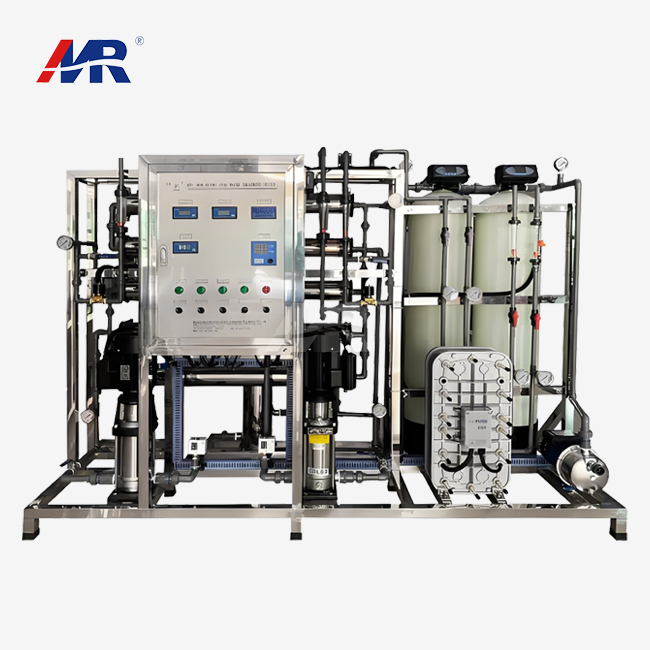 VIEW MORE500LPH EDI equipment
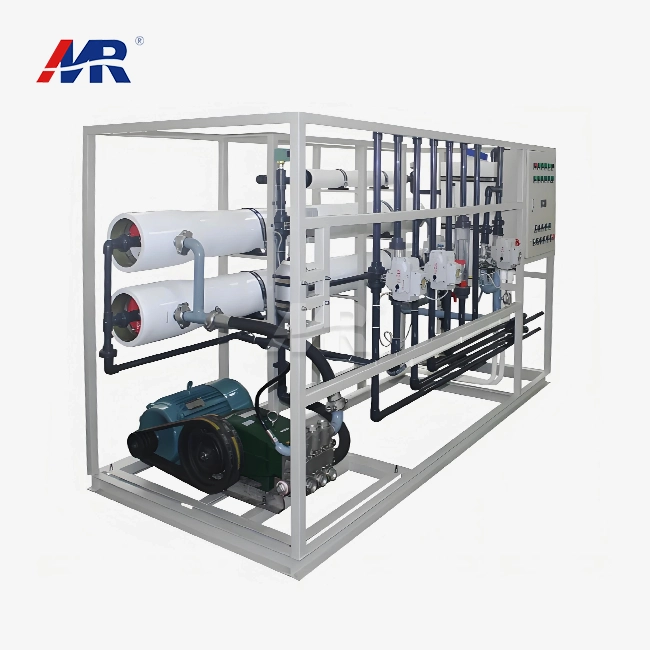 VIEW MOREseawater desalination pre-treatment
 VIEW MOREindustrial sewage treatment plant
 VIEW MORE200m3/hour ultrafiltration equipment
 VIEW MORE500m3/day reverse osmosis RO plant
 VIEW MOREseawater treatment plant
 VIEW MORE5m3/hour seawater desalination equipment
