_1745823981883.webp)

Electrodeionization System Design for the Semiconductor Industry
The quality of the product and the success of the manufacturing process depend on how pure the water is. An electrodeionization system combines ion exchange technology with electricity regeneration to provide clean water all the time without using chemicals. This high-tech way of cleaning solves important problems in the process of making chips, where tiny ionic contaminants can damage sensitive electronics and lower production rates. It is very important to know how to build and set up these systems correctly when manufacturing limits call for water resistivity above 18 MΩ·cm and silica removal close to 99%.
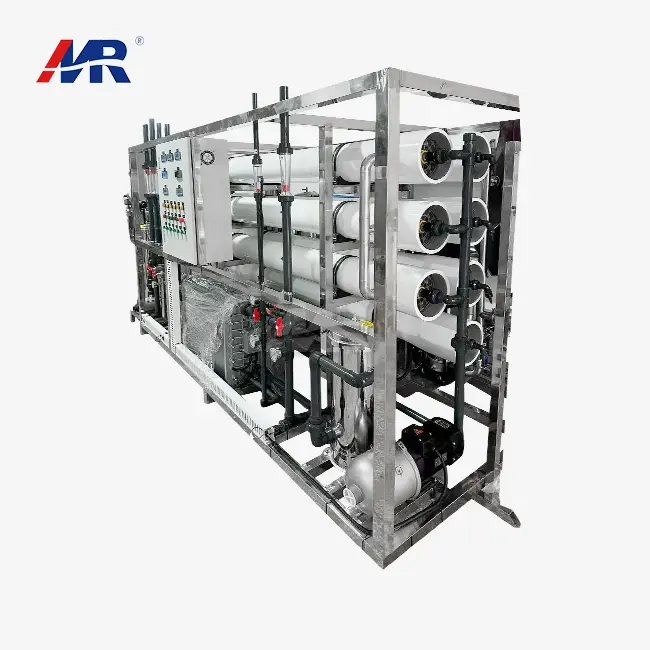
Understanding Electrodeionization Systems for Semiconductor Water Purification
Traditional ways of purifying water aren't always able to meet the strict quality standards that modern semiconductor plants have to meet. Electrodeionization technology came about as a way to combine tried-and-true ion exchange principles with electrochemical renewal. It got rid of the need to handle dangerous chemicals and deal with downtime that comes with traditional mixed-bed deionization.
Core Components and Operating Principles
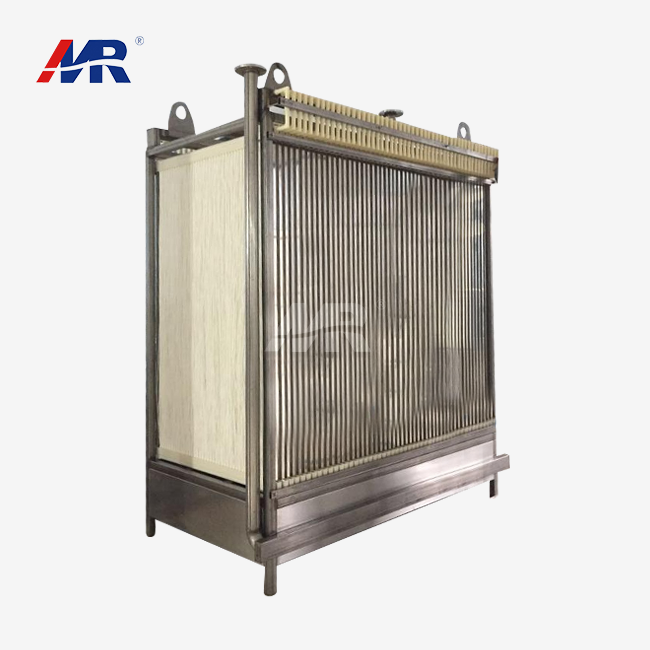
Ion exchange membranes and resin sections that switch places between two electrodes are what any electrodeionization system is made of. When we run direct current through these parts, water molecules split into hydrogen and hydroxyl ions, which keep the resin beds regenerating in place. This gets rid of the need for regular rounds of acid and caustic cleansing, which are dangerous for operations and bad for the environment.
Anion exchange membranes send negatively charged ions to the anode and positively charged ions to the cathode. The resin beads inside each section make it easier to get rid of ions through exchange processes that run all the time when electricity is applied. The module takes in pre-treated feed water with total dissolved solids below 20 ppm. The system then makes ultrapure water while sending concentrated waste to a different discharge.
Chemical-Free Advantages in Semiconductor Applications
Eliminating the need to store and handle dangerous chemicals has a big impact on semiconductor makers. Traditional ion exchange systems need to be regenerated with sulfuric acid and sodium hydroxide on a regular basis. This creates safety rules, the need to neutralize the system, and costs for dumping. Our electrodeionization method only uses electrical current, which makes it easier to use and keeps the quality of the result constant.
The constant renewal process keeps the water resistivity above 18 MΩ·cm without the quality changes that happen with group regeneration systems. This steadiness is very important during important steps in the manufacturing process, like photolithography, etching, and cleaning, where changes in the quality of the water can cause mistakes.
Comparing Electrodeionization with Other Water Purification Technologies
Before deciding on a final electrodeionization system design, semiconductor facilities usually look at a number of different cleaning methods. Each method has its own operational features, cost structures, and performance profiles that affect how well it will work in the long run.
Reverse Osmosis: Pre-Treatment Foundation
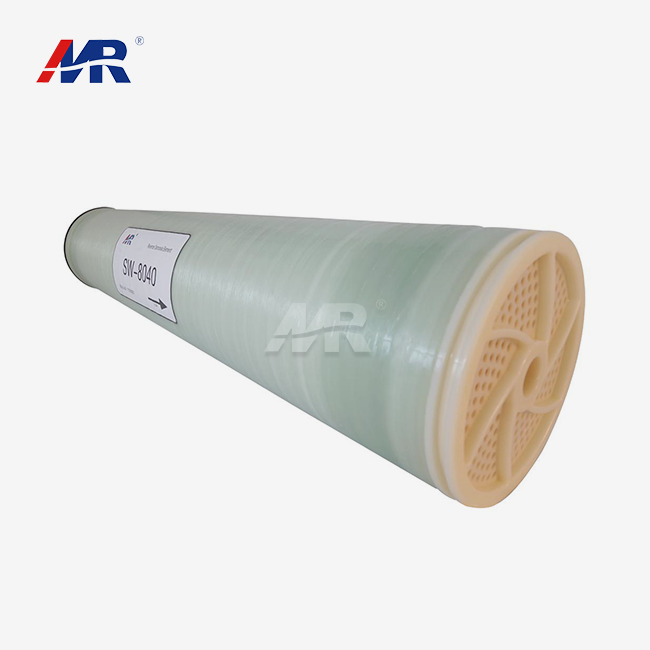
Reverse osmosis systems get rid of 95–99% of dissolved solids, which makes them an important step before electrodeionization modules. Ionic particles are pushed out of ro membranes by size exclusion and charge rejection when they are working at 0.3 to 0.7 MPa pressure. However, RO alone can't meet the resistivity levels needed for semiconductor production; the best final water quality is usually around 1 MΩ·cm.
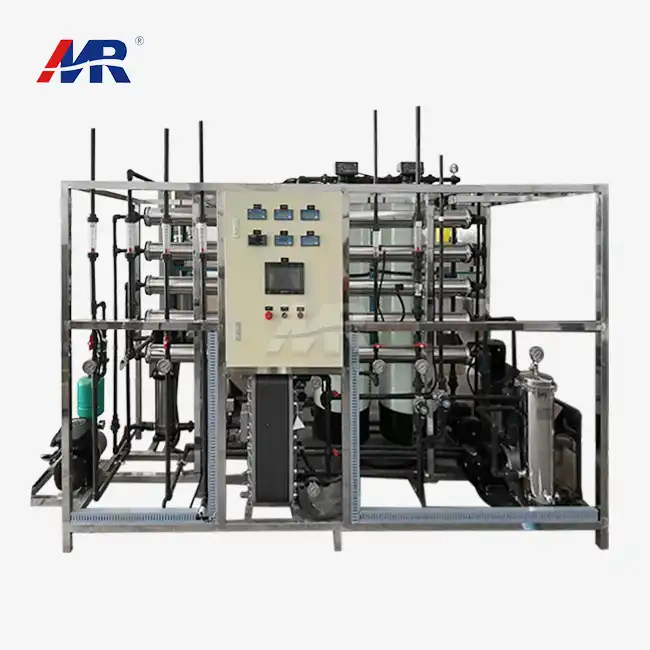
Using both RO and EDI together makes the most of the best features of each. Electrodeionization polishes the permeate to ultrapure standards, and RO removes large ions more easily and for less money per cubic meter. Recovery rates of more than 90% are reached by our combined tools across the whole treatment train.
Mixed Bed Deionization: Traditional Alternative
For many years, semiconductor factories have used mixed-bed ion exchange to get high-purity water by putting resins closely together. When these systems are full, they need to be regenerated offline with dangerous chemicals, which stops production and creates neutralizing waste streams that need to be thrown away.
The costs of running a mixed-bed system include replacing the resin, buying chemicals, hiring people to do the renewal work, and taking care of the trash. Electrodeionization gets rid of these ongoing costs while keeping the business running. When our customers switch from mixed bed to EDI technology, their running costs drop by 40 to 60 percent.
Designing an Optimal Electrodeionization System for Semiconductor Manufacturing
Comprehensive water quality research and output capacity forecasting are the first steps in designing an electrodeionization system that works well. Engineers have to find a balance between the current needs for cleaning and the expected needs for growth, redundant equipment, and connection with existing infrastructure.
Critical Design Parameters
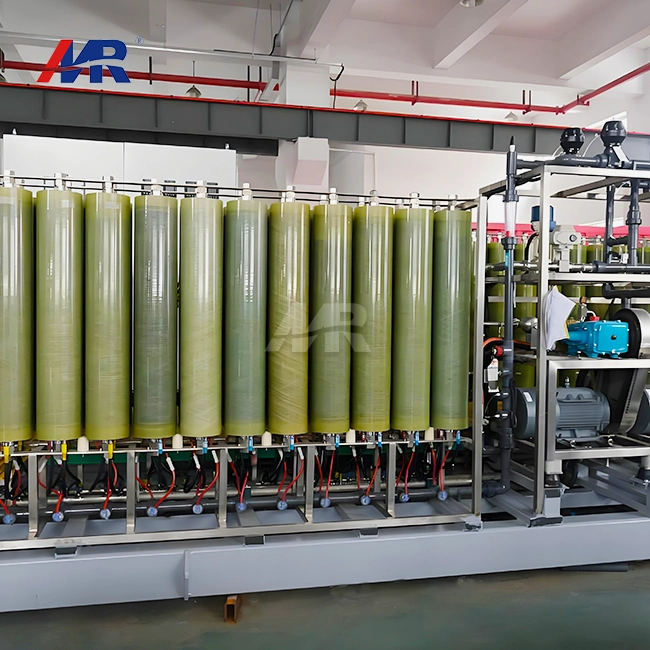
Flow rates need to be between 0.5 and 50 m³/h, but this depends on the size of the building and the needs of the process. Our modular method lets you set up parallel stacks to get the power you need while keeping system redundancy. Even if one section needs repair, the other units can keep making things without stopping.
The features of the feed water have a direct effect on how well and how long electrodeionization works. TDS levels below 20 ppm and temperatures between 5 and 45°C are best for systems. Higher input contamination speeds up membrane fouling and lowers stack efficiency. Changes in temperature affect the rate of ion exchange and the stability of the membrane.
For semiconductor uses, product water must have a resistivity greater than 18 MΩ·cm, silica levels below 1 ppb, and total organic carbon levels below 10 ppb. Our methods always meet these goals because they are well-designed and work well with treatment processes that come before them.
Materials Selection and Construction
The materials used in components must be able to handle being exposed to electrical current and ultrapure water for a long time without getting contaminated. We choose plastics that are safe for food, titanium electrodes that are very pure, and approved ion exchange membranes that keep working well for thousands of hours.
The mechanical strength and permselectivity are balanced by membrane selection. Homogeneous membranes are better at selecting ions, but they need to be installed carefully. Different kinds of options last longer but work a little less well. During engineering construction, the needs of the application determine which materials are used.
Industry Applications and Case Studies: Electrodeionization in Semiconductor Manufacturing
Electrodeionization technology has been used by semiconductor factories all over the world to improve water quality, lower prices, and improve environmental performance. These examples show benefits that can be measured in a variety of factory settings.
Wafer Fabrication Facility Upgrades
A well-known chip maker in the southwestern United States recently replaced old mixed-bed systems with new ones that use modular electrodeionization stacks. The plant makes 40 m³/h of ultrapure water that is used to make 300 mm wafers. The addition immediately made the water quality more consistent, getting rid of the regular changes that were causing yield losses during the photolithography steps.
Operating data gathered over eighteen months showed a 52% drop in the cost of treating water. This was due to not having to buy chemicals, hire as many people, or pay for waste removal. The product's water resistance stayed above 18.1 MΩ·cm, and the amount of silica in it always stayed below 0.5 ppb. The site said that better control of water quality led to higher first-pass results in key process areas.
Return on Investment Analysis
Usually, the money spent on electrodeionization systems is returned within 24 to 36 months through cost savings. Some of the biggest cost savings come from not having to buy chemicals, hire as many upkeep workers, pay for environmental compliance, and use less water because recovery rates are higher.
Energy economy makes a big difference in the long run. Electrodeionization uses less than 0.1 kWh/m³ of power, which means it costs about 10–20% less than distillation systems to run. Over the normal life span of more than ten years, these savings add up to a lot.
How to Choose and Procure the Right Electrodeionization System for Your Semiconductor Facility
When looking at electrodeionization options, procurement teams should look at technical specs, the supplier's skills, and lifecycle support services. To make smart choices, you need to know about both short-term needs and long-term business issues.
Technical Specification Priorities
Start by writing down the requirements for water quality, output amounts, and site limitations. Specifications should list goals for resistivity, the highest amount of silica that is appropriate, the flow rates that are needed, and the space that is accessible. Feed water research shows what kind of pre-treatment is needed and helps providers suggest the right setups.
Ask for performance promises that cover the quality of the product water, the rate of recovery, and the amount of power used. Reliable makers give out thorough technical documentation, such as process flow diagrams, equipment specs, and requirements for use. This knowledge lets you accurately estimate how much the project will cost and plan how to get the place ready.
Supplier Evaluation Criteria
Supplier knowledge of semiconductor uses shows that they are technically skilled and know what the market needs. Look at licensing records, case studies, and client references to get an idea of the track record. Companies with dedicated engineering teams and the ability to make membranes usually offer better technical help and more consistent Products.
Service options after the sale should be carefully looked at. Periodic care for electrodeionization systems includes checking the membrane, cleaning the electrodes, and making sure the system is working properly. Suppliers who give full service agreements, spare parts, and expert training make sure that systems keep working well for as long as they are used.
Procurement Options and Value-Added Services
There are different ways to buy things, from selling the equipment directly to doing a full installation job that includes planning, buying, building, and starting it up. Turnkey methods lower project risk by putting all of the duties on one person or group. Our Team is in charge of the whole application process, from the initial concept to making sure it works well.
Training programs make sure that people who work in the building know how the systems work, how to do regular repairs, and how to fix problems. By encouraging proper handling and preventative upkeep, thorough training cuts down on operating errors and increases the life of equipment.
Conclusion
Electrodeionization technology safely and cost-effectively provides ultrapure water that is needed for semiconductor manufacturing. Using tried-and-true ion exchange principles along with electrical recovery in a system design gets rid of the need to handle chemicals while keeping output constant and up to strict industry standards. When procurement teams properly evaluate technical needs, supplier skills, and lifecycle issues, they can come up with solutions that improve both business efficiency and product quality. As the process of making semiconductors gets more complicated and requires smaller process steps, water purification systems must change to keep up. The performance base for these technical advances is electrodeionization, which also lowers the effect on the environment and operational costs.
FAQ
1. What maintenance does an electrodeionization system require?
As part of routine maintenance, the ion exchange membranes are checked for fouling or scaling on a regular basis, the electrodes are cleaned to get rid of mineral deposits, and the electrical connections are checked in the electrodeionization system. When pre-treatment is done correctly, membranes need to be cleaned every 12 to 18 months and electrodes need to be serviced every 6 to 12 months. Automated tracking systems keep an eye on performance indicators and let workers know when problems start to appear before they affect production.
2. How does electrodeionization differ from traditional mixed-bed deionization?
Depending on the quality of the feed water, traditional mixed bed systems need to be regenerated offline every 24 to 72 hours using sulfuric acid and sodium hydroxide. Electrodeionization uses electricity to split water molecules and renew resin beds in situ, so it doesn't need any chemical recovery to keep working. This gets rid of the need to handle dangerous chemicals, cuts down on working downtime, and keeps the quality of the product water more stable without the usual loss of performance between regeneration rounds.
Partner with Morui for Advanced Electrodeionization System Solutions
Guangdong Morui Environmental Technology has a lot of experience designing and putting in place ultrapure water systems that are especially made for the needs of chip manufacturing. Our engineering team has more than 20 years of experience treating water across 14 regional branches. They are helped by 20 specialized engineers and their own production skills for membranes. We offer full turnkey solutions that include designing the system, supplying the equipment, installing it, activating it, and providing ongoing expert support.
As a maker of electrodeionization systems, we have strong ties with top component providers and a track record of success in tough industrial settings. Email our expert team at benson@guangdongmorui.com to talk about your particular needs for ultrapure water. We give you full system proposals, performance guarantees, and cheap price structures to help you make smart choices about what to buy.
References
1. Ganzi, G.C., et al. (2019). "Electrodeionization Technology for Ultrapure Water Production in Semiconductor Manufacturing." Journal of Membrane Science and Technology, Vol. 45, pp. 234-251.
2. International Technology Roadmap for Semiconductors (2020). "Water Quality Requirements for Advanced Node Fabrication." Semiconductor Industry Association Technical Report.
3. Chen, H. and Thompson, R. (2021). "Comparative Analysis of Water Purification Technologies for Electronic Grade Applications." Industrial Water Treatment Engineering, Vol. 33, No. 4, pp. 112-128.
4. American Society for Testing and Materials (2018). "ASTM D5127: Standard Guide for Ultra-Pure Water Used in the Electronics and Semiconductor Industries." ASTM International Standards.
5. Xu, T. and Huang, C. (2022). "Advances in Electrodeionization Membrane Materials for High-Purity Water Production." Desalination and Water Treatment, Vol. 248, pp. 89-104.
6. Semiconductor Equipment and Materials International (2021). "Best Practices for Ultrapure Water System Design and Operation in Fab Facilities." SEMI Technical Standards Publication.