

_1745823981883.webp)

EDI Water System Design for Pharmaceutical Applications
To create an EDI water system for pharmaceutical uses, exact engineering is needed that combines electrodeionization technology with regulatory compliance frameworks. An improved EDI water system continuously removes ionic contaminants using electric fields and ion-exchange membranes, producing ultrapure water with a resistivity of up to 10-18.2 MΩ·cm. This chemical-free purification process meets USP, EP, and cGMP standards while eliminating harmful regeneration chemicals. It is the best choice for pharmaceutical production plants that want stable water quality, lower operational costs, and a more environmentally friendly approach.
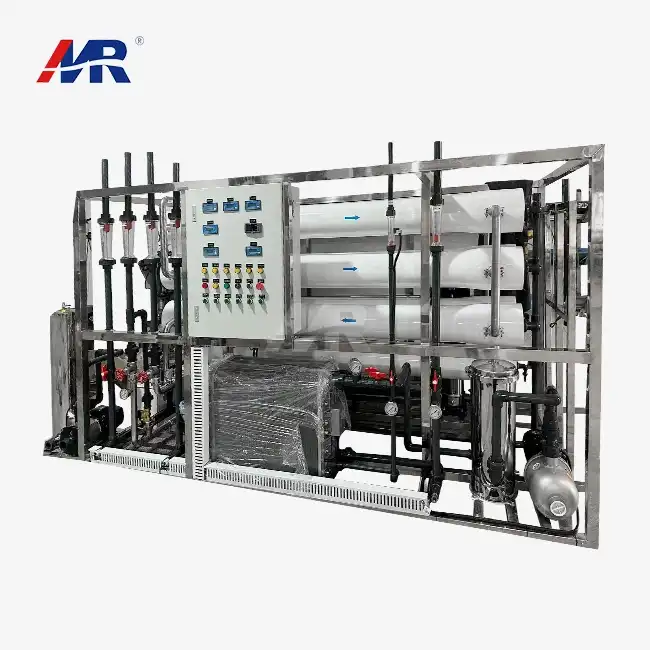
Introduction
Maintaining pharmaceutical production integrity requires ultrapure water. Every stage in injecting, synthesising, or cleaning equipment requires pharmacopeia-compliant water. We've seen how poor water cleaning systems can impede production, put organisations at risk of non-compliance, and create unplanned downtime in pharmaceutical facilities from small biotech laboratories to big pharmaceutical corporations like Morui.
This document tackles electrodeionization technology evaluation problems for plant engineers, quality assurance leaders, and procurement managers. We'll discuss how contemporary edi water systems function with existing infrastructure, how they compare to other technologies, and the design elements that ensure long-term reliability in strictly restricted locations. Learn about these methods to make wise investments that maintain product quality and operational efficiency, whether replacing deionisation equipment or developing a new pharmaceutical manufacturing line.
Understanding EDI Water Systems and Their Role in Pharma
The Technology Behind Electrodeionization
Electrodeionization is a big step forward in continuous water purification. Ion-exchange resins and selective membranes are positioned between the cathode and anode electrodes in this technique. As direct current flows through this assembly, dissolved ions move through the membranes and toward their respective electrodes. At the same time, the electric field continuously regenerates the resin beds. This process doesn't need to be restarted every time, which eliminates the batch regeneration cycles common in other deionization methods.
How EDI Produces Pharmaceutical-Grade Water
When water goes into an EDI water system, it goes through sections that are diluted. In these sections, ion-exchange resins catch any leftover ions from the reverse osmosis treatment that happened earlier. The voltage pushes these trapped ions through concentrated sections next to each other, making two separate water streams. The purified dilute stream achieves resistivity levels between 10–18.2 MΩ·cm and a total organic carbon level below 10 ppb, meeting the ASTM D1193 requirements for Type I reagent water. The concentrate stream, on the other hand, moves the rejected ions to the drain, usually making up less than 5% of the feed water volume.
Why Pharmaceutical Manufacturing Prefers EDI
EDI is different from standard mixed-bed deionization because it doesn't use chemicals. Now, drug companies don't have to keep, handle, or get rid of dangerous regeneration chemicals like sodium hydroxide and sulfuric acid. This change lowers the risk of accidents at work, makes it easier to follow environmental rules, and gets rid of the need for production stops during resin recovery cycles. The constant operation keeps the water quality fixed during production shifts, which stops the changes in quality that happen when regular DI resins get close to running out.
Key Design Principles of EDI Water Systems for Pharma Use
Meeting Regulatory Water Quality Standards
Pharmaceutical water systems have to meet a lot of different rules at the same time. USP <1231> sets the conductivity standards for Purified Water at 1.3 µS/cm, which is about 0.77 MΩ·cm of resistivity. However, many medicinal processes need a higher purity that can be achieved through electrodeionization. Setting goals for an EDI water system includes figuring out its resistivity, silica content, total organic carbon, bacterial endotoxin levels, and microbe counts. These factors determine which modules to use, how fast the flow is, and what tracking equipment to use.
System Configuration and Pretreatment Integration
Pharmaceutical EDI water systems need upstream water preparation. Reverse osmosis pretreatment removes 95–99% of dissolved solids, reducing the EDI module's ionic load. Activated carbon adsorption, water softening, and ro membrane arrays are common preparatory steps. The EDI stack's lifespan depends on RO permeate quality. Maintain RO permeate conductivity below 10 µS/cm and silica at 0.5 ppm.
Pharmaceutical systems commonly use degasification units between RO and EDI. EDI modules convert dissolved carbon dioxide into carbonic acid, increasing the ionic load. Conductivity meters cannot detect it. Membrane contactor degasifiers remove CO2 over 5–10 ppm. This prolongs the stack life and EDI function. With complete system integration, each cleaning step functions at its optimum, increasing efficiency and equipment life.
Maintenance Protocols and Operational Reliability
Pharmaceutical edi water systems are always working, but regular repair keeps them running well. Every three months, a module is inspected to make sure the membrane is still intact and to see if any scales have formed or resin beads have moved. When changes in the quality of the feed water cause biological fouling, the cleaning-in-place methods use special agents that don't oxidize. Upstream pollution can't get to EDI modules if the pretreatment is maintained properly. This means changing cartridge filters, cleaning RO membranes, and regenerating softener resins. Good EDI stacks can work continuously for 5 to 8 years as long as they are well taken care of and the water pH is controlled correctly.
Comparing EDI with Alternative Water Purification Technologies
EDI Versus Traditional Deionization
Traditional mixed-bed deionization was the most common way to treat medicinal water for many years, but the way it works causes a lot of problems. Ion-exchange resins slowly run out while the system is running, which lowers the quality of the water until refilling is needed. For this recovery to happen, production must stop, chemicals must be handled by trained professionals, and dangerous waste streams must be disposed of. Because it is batch-based, the quality changes from one renewal session to the next. On the other hand, an EDI water system provides consistent ultrapure water around the clock without using chemicals. This means that operations don't have to be interrupted, and the facility's size is 30–50% smaller than with an equal DI capacity.
Performance Comparison with Standalone RO
Pharmaceutical ultrapure water standards can't be met by reverse osmosis alone. RO screens get rid of 95–99% of the dissolved ions, but the last 1–5% create water with a resistivity of only 0.05–0.2 MΩ·cm, which is too low for important medicinal uses. RO is great for pretreatment because it gets rid of large contaminants quickly and effectively. However, to get to the 10–18.2 MΩ·cm range, it needs to be polished with either EDI or regular deionization. The RO+EDI combination is now the standard in the pharmaceutical business because it balances the need for capital investment, running costs, and water quality performance.
Energy and Environmental Considerations
The amount of energy used is a key measurement factor. Most of the energy that an EDI water system uses—0.3 to 0.5 kWh per cubic meter of product water—goes to running the DC rectifiers. During operation, traditional DI systems don't seem to use any energy, but when you look at their lifetime effects, you can see that they do use a lot of energy for making chemicals, transporting them, and getting rid of waste. Getting rid of chemical renewal makes it easier for regulatory agencies to report on pharmaceutical facilities while also making them less harmful to the environment. Combination RO+edi systems are better at recovering water than older technologies. Typical setups recover 75–85% of the feed water, while older technologies only recover 50–75%.
Procurement Considerations for EDI Water Systems in Pharma
Evaluating Suppliers and Certifications
When choosing an EDI water system provider, you need to look at more than just prices. Teams in charge of procurement should make sure that sellers keep their ISO 9001 quality management certification and show that they understand cGMP standards. It's very important that the seller can provide material Certifications, validation support documents, and equipment qualification methods (IQ/OQ/PQ) that meet FDA and EMA requirements. We've seen that providers who have worked on a lot of pharmaceutical projects are better able to predict problems with validation and offer engineering help that cuts down on the time it takes to start commissioning.
Customization and Scalability Options
The amount of drugs that are made varies a lot depending on the market and the drug. A well-designed system can meet the needs of present production while also having room for growth. Modular EDI designs let you add more modules in parallel to improve capability instead of replacing the whole system. The first design of the system should take into account situations of high demand, changes in production due to the seasons, and expected growth over the next 5 to 10 years. Customization goes beyond capacity; pharmaceutical facilities often need particular building materials (316L stainless steel, PVDF, or other sanitary materials), specialized tracking equipment, and the ability to connect to current automation systems in the facility.
Installation, Commissioning, and Support Services
Because pharmaceutical EDI water systems are so complicated technically, they need to be installed and set up by professionals. Our 20-engineer team at Morui offers full help from the beginning of the planning process to the end of validation. Installation includes more than just putting the equipment in place. It also includes connecting the electricity lines to meet the needs of a pharmaceutical area classification and calibrating the instruments using standards that can be tracked. During commissioning, tests are done to make sure the system works properly and to clean it up. Documentation is also made to help with regulatory reports. Our service network, which includes more than 14 branches, provides quick technical help throughout the lifespan of the equipment. This is very important because pharmaceutical production needs to be running 24 hours a day, seven days a week.
Future Trends and Innovations in EDI Systems for Pharmaceuticals
Smart Monitoring and Predictive Maintenance
IoT connectivity and cloud-based tracking tools are now built into more advanced EDI water system designs. Analytical programs use real-time data streams from conductivity meters, pressure transducers, flow sensors, and temperature monitors to figure out what repair needs to be done before the system stops working properly. These systems let facility managers know when pretreatment cartridges are almost full, when membrane cleaning cycles are due, or when strange patterns of operation point to problems with the equipment. Our tech team can check the performance of the system from anywhere thanks to remote tracking. This cuts down on response times and production interruptions.
Membrane and Resin Technology Advancements
EDI component performance is still being improved by ongoing materials research. Next-generation ion-exchange membranes are more selective and can reject neutral organic chemicals better while still allowing large amounts of ions to pass through. Better resin formulations don't let organic fouling happen and can handle a wider range of pH levels. These improvements make it possible for stacks to work longer than the current 5–8-year standard and make them more resistant to changes in the quality of the feed water. The pharmaceutical business immediately benefits from these changes because they mean less upkeep needs to be done and better long-term performance.
Sustainable Design and Resource Conservation
Environmental safety is becoming more and more important in the planning of pharmaceutical facilities. Modern EDI water systems use better module designs and working parameter control to get 80–90% efficiency by optimizing water return. Heat recovery systems use the heat from RO concentrate streams to heat up feed water and lower the amount of energy that is used overall. Some sites now use sustainable energy sources to power EDI rectifiers, like solar panels or wind turbines that are built on-site. These environmentally friendly methods lower running costs, help companies keep their environmental promises, and get buildings ready for rules that are getting stricter.
Conclusion
Pharmaceutical water purification has come a long way. Today, the EDI water system technology strikes the best mix between water quality, operating efficiency, and regulatory compliance. The chemical-free continuous operation gets rid of the problems that come with batch regeneration and delivers ultrapure water that meets the strictest pharmacopeia standards every time. To make execution work, you need to pay close attention to system design principles, make sure that pretreatment is properly integrated, and work with experienced sources who know how to meet the specific needs of pharmaceutical manufacturing. Investing in well-designed electrodeionization systems saves the quality of the product, lowers long-term operational costs, and gets pharmaceutical facilities ready for future production and regulatory needs.
FAQ
1. Does an EDI water system require reverse osmosis pretreatment?
Of course. To keep EDI membranes from getting clogged and scaling up too soon, an EDI water system needs to work after the RO. Reverse osmosis gets rid of 95–99% of the dissolved solids, which makes it easier for EDI modules to handle the ions. Without the right RO preparation, EDI stacks break down faster, which could shorten their life from the normal 5 to 8 years to less than 2 years while also lowering the quality of the water that comes out of them.
2. What resistivity levels can pharmaceutical EDI systems achieve?
Pharmaceutical-grade EDI water systems always make water with a resistivity of 10–18.2 MΩ·cm at 25°C, which is what ASTM D1193 Type I calls for. The real resistivity relies on the quality of the feed water, how the system is set up, and how it is used. Most pharmaceutical uses aim for 15–18 MΩ·cm to make sure they have enough room above the minimum regulatory standards to handle normal operating changes without affecting quality.
3. How does an EDI system handle variations in feed water quality?
EDI units can handle small changes in the quality of the feed water because they can adjust their own electric fields. To keep the quality of the product water, current demand goes up in response to the growth in ionic load. Fixing problems upstream, like changing worn-out carbon filters, cleaning RO membranes, or renewing softeners, is needed when the quality of the feed water drops significantly or for a long time. When these things happen, the monitoring tools we set up let workers know before EDI performance starts to drop, which allows for proactive maintenance.
4. Can EDI technology produce Water for Injection?
EDI makes high-quality feed water for the WFI generator equipment that works well. While EDI by itself doesn't meet WFI standards (which call for distillation or a similar process), EDI-produced water is the best thing to feed into WFI stills or hot water sanitizable RO systems that have been approved by updated pharmacopeia monographs. This two-step process blends the successful bulk purification of EDI with technologies that are unique to WFI. The result is cost-effective systems that meet all legal standards.
Partner with Morui for Your Pharmaceutical Water Purification Needs
As a company with decades of experience in treating water, Guangdong Morui Environmental Technology designs and makes pharmaceutical-grade EDI water system Products. Our tech team knows the unique problems that pharmaceutical companies face, from getting ready to start making medicines to making sure they keep up with regulations. We provide full turnkey services that include designing the system, making the equipment in our own factories, installing it professionally, helping with the commissioning process, and putting together the paperwork. Our range of products includes RO+EDI systems that work together, ultrafiltration systems for pretreatment, and full tracking packages designed for pharmaceutical uses. As an established manufacturer with over 500 employees and extensive pharmaceutical project experience, we provide the technical depth and service responsiveness your facility demands. Get in touch with our expert in pharmaceutical water systems at benson@guangdongmorui.com to talk about your needs, get full technical proposals, and find out how Morui's solutions can improve your water purification infrastructure while optimizing your total cost of ownership.
References
1. American Society for Testing and Materials. (2018). Standard Specification for Reagent Water (ASTM D1193-06). ASTM International, West Conshohocken, PA.
2. United States Pharmacopeial Convention. (2021). General Chapter <1231> Water for Pharmaceutical Purposes. United States Pharmacopeia 44-National Formulary 39, Rockville, MD.
3. Ganzi, G.C., Wood, J.H., and Jha, A.D. (1997). Electrodeionization for High-Purity Water Production. Ultrapure Water Journal, 14(3), 64-69.
4. Pharmaceutical Engineering. (2019). ISPE Good Practice Guide: Water and Steam Systems (Second Edition). International Society for Pharmaceutical Engineering, Tampa, FL.
5. Collentro, W.V. (2012). Pharmaceutical Water: System Design, Operation, and Validation (Second Edition). CRC Press, Boca Raton, FL.
6. European Medicines Agency. (2020). ICH Q7: Good Manufacturing Practice Guide for Active Pharmaceutical Ingredients. European Directorate for the Quality of Medicines, Strasbourg, France.
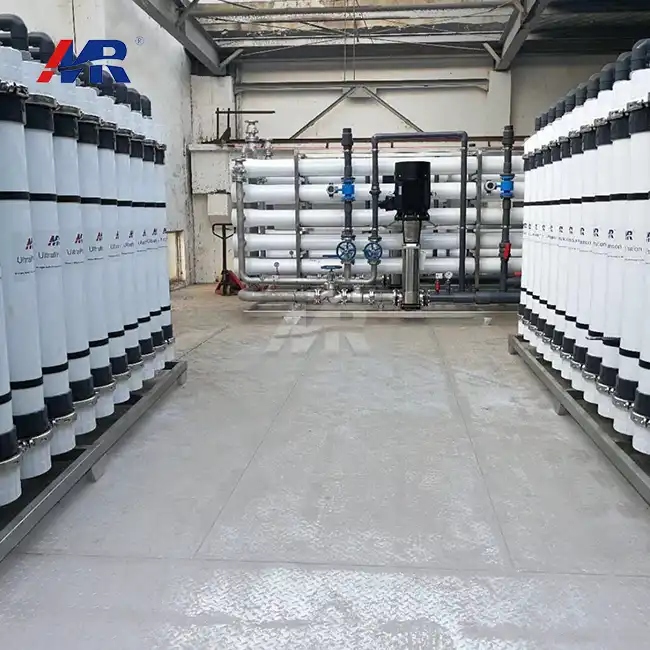 VIEW MORE2000m3/day ultrafiltration equipment
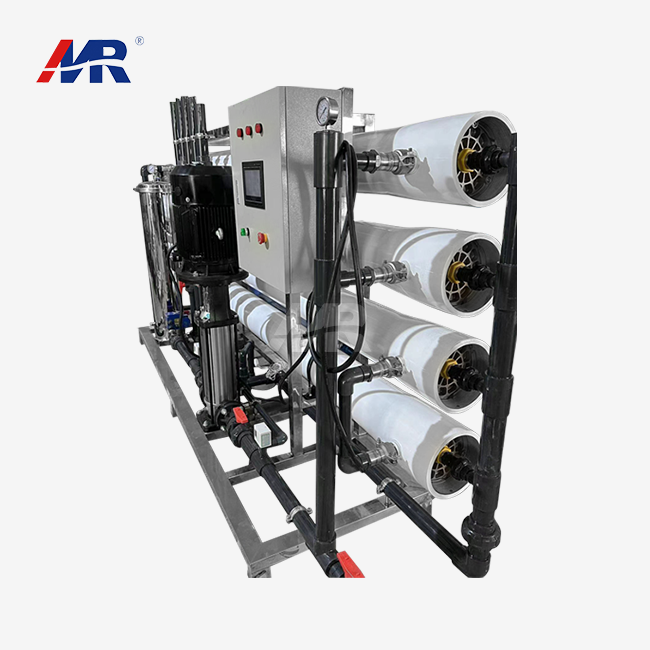 VIEW MOREunder counter reverse osmosis water system
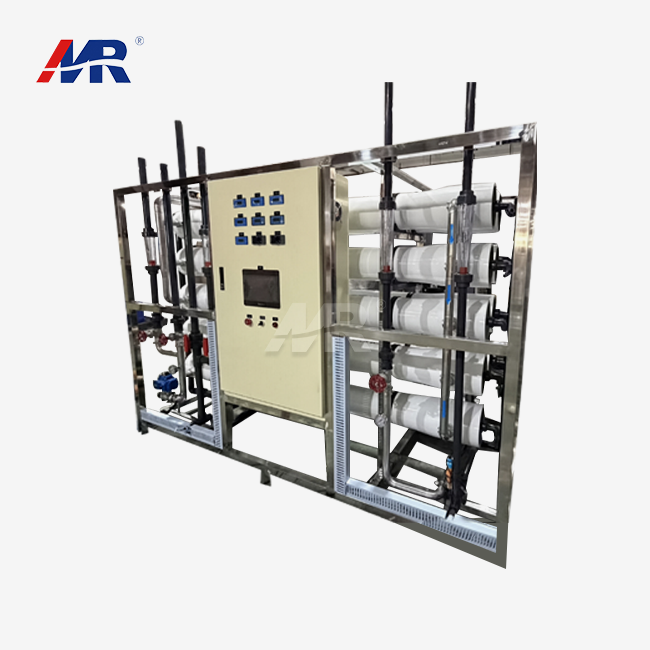 VIEW MORE8 stage reverse osmosis system
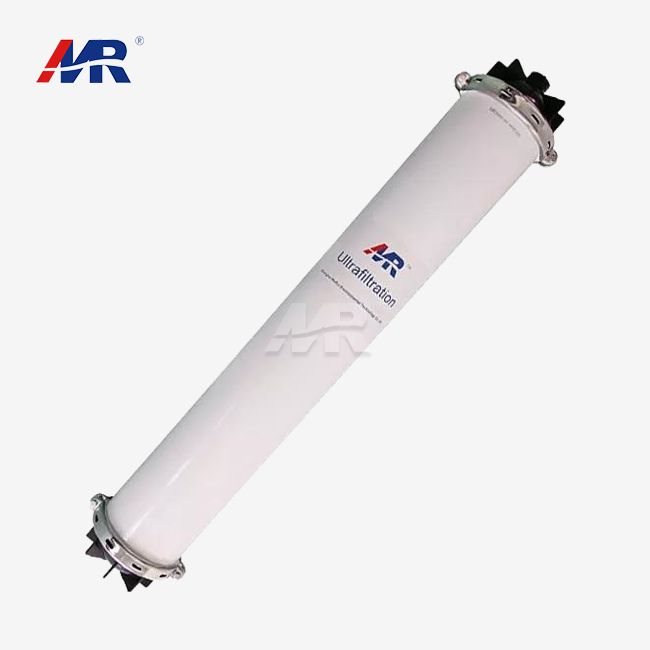 VIEW MOREultrafiltration membranes for water treatment
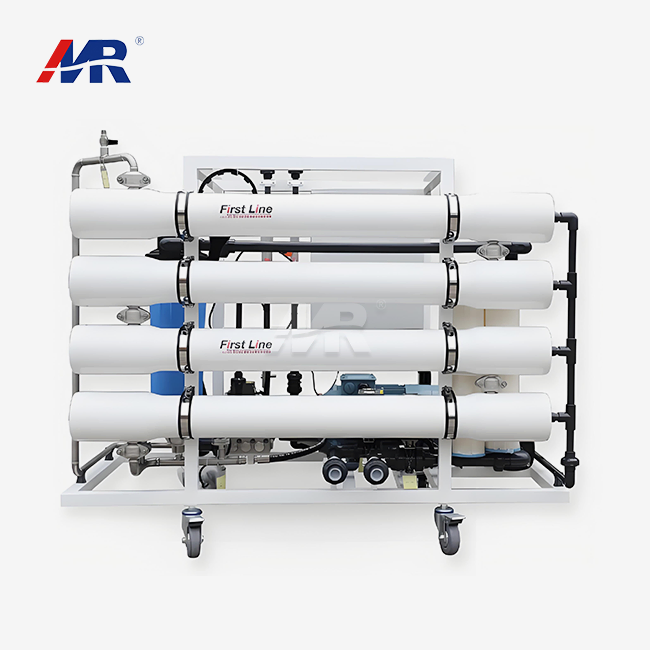 VIEW MOREseawater desalination system
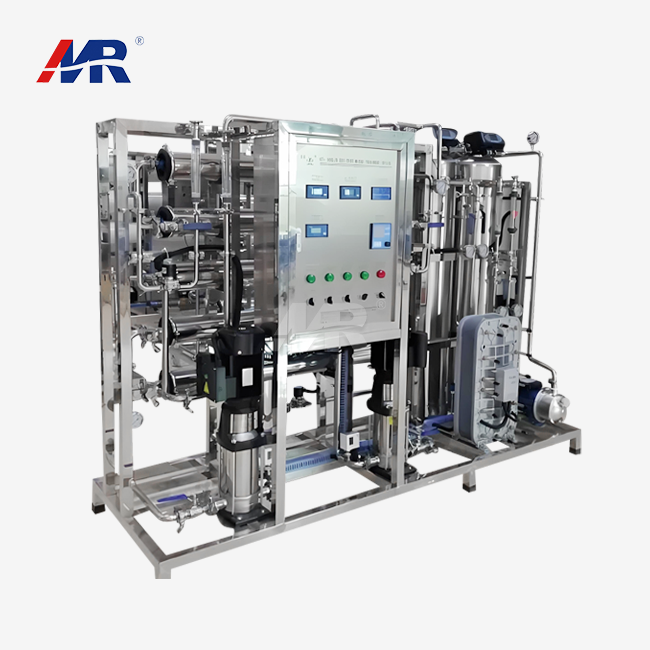 VIEW MORE1000LPH EDI equipment
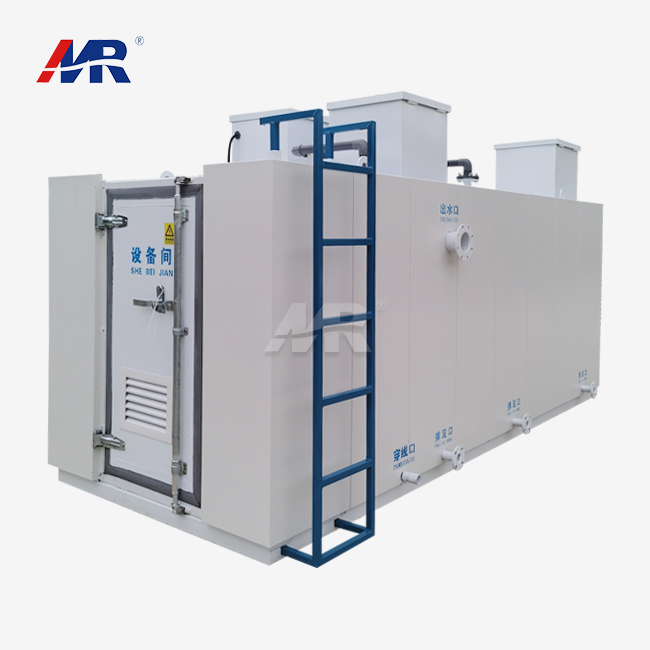 VIEW MOREwastewater treatment plant
 VIEW MORE200m3/hour ultrafiltration equipment
