

_1745823981883.webp)

Temporary RO Water Plants: Ideal Solutions for Construction Sites
No matter where the project is or what problems there may be with the facilities, it needs stable, high-quality water. This is exactly what a containerized reverse osmosis plant can do because it puts whole water treatment systems inside mobile ISO shipping containers. This makes them easy to set up and gives them great cleaning performance. These plug-and-play units solve important problems with water supply that builders, project managers, and site operators have in temporary building sites. These systems turn variable-quality feed water into constant, project-grade water within days of arrival by combining pre-treatment, advanced membrane filtration, and post-processing steps in small containers. Mobile reverse osmosis technology offers scalable, cost-effective solutions that keep projects going easily without the need for long-term infrastructure investments. This is true whether your building site has to deal with brackish groundwater, high-salinity sources, or limited city connections.
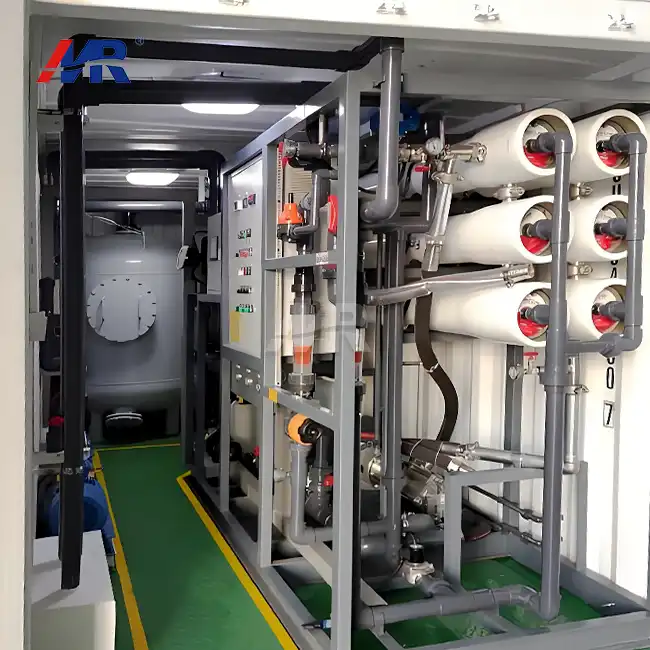
Understanding Containerized Reverse Osmosis Plants for Construction Sites
What Makes Containerized Systems Different
The new containerized reverse osmosis plant technology is very different from the old set of water treatment equipment. Standard 20-foot or 40-foot ISO containers hold all of these complex units' important parts, such as pre-filtration stages, high-pressure pumps, thin-film composite membranes, control systems, and post-treatment equipment. This way of thinking about planning gets rid of the need for months of civil engineering work, solid foundations, and making permanent buildings, which is what most plants need.
The technical benefit goes beyond just being portable. Modern containerized units have marine-grade anti-corrosion finishes (C5-M standard), built-in HVAC systems that keep the right temperature, and industrial LED lighting that lets them work around the clock. These features make sure that the system works the same way whether it's used in the desert, the Arctic, or the humid coastal areas. These are all common situations on building sites.
Core Technical Components and Capabilities
How the membranes work is what makes any mobile RO system work. High-rejection thin-film hybrid membranes can get rid of more than 99.5% of salt, along with dissolved minerals, heavy metals, and chemical toxins from feed water that has up to 45,000 ppm of total dissolved solids. This feature can handle a wide range of well water conditions, from slightly salty well water to highly alkaline sources that would damage concrete mixers and lower the quality of building materials.
Multi-media filtration, activated carbon adsorption, and antiscalant dosing methods are used in the pre-treatment steps to protect these delicate membranes. High-pressure pumps made of SS316L stainless steel or Super Duplex alloys provide the 150–800 psi needed for separation to work. Programmable logic controllers (PLCs) handle automatic shut-offs, pressure tracking, and improving performance. Recovery rates can reach 75% for users using salty water. This is a big improvement over older technologies that wasted a lot of water.
Challenges in Construction Site Water Supply and How Temporary RO Plants Solve Them
Common Water Quality Obstacles
Water supply issues are particularly difficult on building sites. Remote places without city connections must utilise groundwater with high iron, hardness, or saltiness. Coastal projects have saltwater flooding groundwater, while desert places have naturally high mineral levels that wear out equipment and slow concrete curing.
Building timetables and source water quality cause stress for a containerized reverse osmosis plant. Traditional treatment infrastructure takes six to eighteen months from design to opening, which doesn't work for quarter-based project schedules. Temporary municipal connections sometimes have capacity constraints or exorbitant use fees that balloon project expenses for a containerized reverse osmosis plant.
The Containerized Solution Advantage
Mobile containerised reverse osmosis facilities solve these issues by being easily relocated. Before shipping, factory acceptance testing ensures the product functions smoothly so it may be set up on-site within 48 to 96 hours. The completely integrated design means all pipelines, electrical linkages, and control systems are set up and pressure-tested to 1.5 times the maximum operating pressure, resulting in this speed.
Another advantage of containerised systems is operational independence. Adding parallel container units as project water demands vary allows modular solutions to handle 50,000 to over 1,000,000 gallons per day. Renting and lease-to-own arrangements eliminate capital expenditures for short-term projects, and moving assets between work locations preserves their value. They have less of an environmental effect than stationary structures. This simplifies permit requests and decreases site restoration costs.
Evaluating Containerized Reverse Osmosis Plants: Key Features for B2B Procurement
Critical Performance Specifications
When buying containerised reverse osmosis units, procurement teams must consider several technical considerations. Matching output to peak daily demand plus 20–30% ensures a constant supply during peak demand. Recovery rates affect operating expenses. Systems that recover 70–75% of their input water and waste cost less than those that recover 50–60%.
Energy utilisation per gallon varies widely by manufacturer and arrangement. Good high-pressure pumps use variable frequency drives to maximise power when input water conditions change. Current industrial norms need 2–4 kWh per 1,000 gallons for brackish water usage. However, seawater desalination requires 10-15 kWh per 1,000 litres, which is much more energy.
Customization and Integration Options
Leading containerised reverse osmosis plant vendors provide several customisation choices to suit each location. Space determines container size. For modest tasks, 10-foot containers work, while 40-foot containers are ideal for huge production. To meet project water quality regulations, total dissolved solids monitors, pH controls, and flow meters may be installed.
Long-term success relies on system integration. Systems with conventional connection points may add storage tanks, booster pumps, and UV sterilisation equipment without costly modifications. Remotely monitored control systems offer remote performance tracking, early issue detection, and pre-planned repair, reducing unexpected downtime across numerous locations.
Comparing Deployment Models
Value statements are easier to understand when you know the differences between containerized, skid-mounted, and normal fixed plants. Skid-mounted systems are somewhat portable, but they need a lot of civil work to be done on-site to build safe shelters and control the temperature. Fixed plants have the lowest long-term costs of operation, but they need fixed land allocation and building plans that last for several months. Containerized units are the best of both worlds because they can be moved quickly and are mobile, but they can also produce as much as fixed installations. This makes them perfect for building projects that last between six months and five years.
Effective Maintenance and Troubleshooting of Temporary Containerized RO Plants
Routine Maintenance Protocols
For long-term performance, follow stringent care plans customised to construction site circumstances. The membrane should be chemically cleaned every 30–90 days to remove fouling, depending on feed water quality. During high turbidity, pre-treatment cartridge filters must be changed every two to four weeks. Monthly antiscalant tank refills are required. These stages take two to four hours and may be done by skilled site workers following the manufacturer's directions.
Monthly vibration analysis aids high-pressure pump systems in a containerized reverse osmosis plant by detecting worn bearings before they fail. Seal inspection prevents pressure control and output rate leaks. Control system checks monitor pressure, flow rates, and membrane differential pressures in a containerized reverse osmosis plant to identify performance issues early, when solutions are simple and inexpensive.
Common Issues and Solutions
Membrane fouling or degradation indicates poor permeate quality. Compare current feed water conditions to those from the start to determine whether biological growth, mineral scaling, or particle fouling is the culprit. Acidic mineral scale cleaners and alkaline organic fouling cleaners restore efficiency when applied immediately.
Replace pre-treatment filters if pressure lowers. Pressure variations in the RO stage indicate pump or membrane issues. Misaligned control valves or limited concentrate streams may produce poor recovery rates. Experienced manufacturers provide 24/7 professional support, remote diagnostics, and timely part shipment to address issues swiftly. A 12- to 24-month warranty protects early startup capital expenditure, which is crucial.
Procurement Best Practices and Supplier Selection for Containerized RO Plants
Supplier Evaluation Criteria
A successful containerised reverse osmosis plant procurement begins with a comprehensive supplier assessment. Manufacturing licenses like ISO 9001 for quality management and CE for electrical safety demonstrate quality control. Supplier project profiles, particularly construction and temporary installation projects, should be examined. Commissioning is faster, and system design is better with experience.
Technical support infrastructure is crucial for distributed construction sites. Companies with regional service facilities, trained technicians, and huge spare part stocks will get emergency assistance faster than those that fly in from far away. Get references from customers who have worked on similar projects and ask how long they take to react to urgent service calls before picking a vendor.
Financial Considerations and Contract Structures
The entire cost of ownership goes beyond the purchase price. It comprises installation, maintenance, energy, and demobilisation expenses. A thorough cost model that compares purchasing, renting, and leasing throughout the estimated task duration provides the most cost-effective option. Rental arrangements are preferable for projects under 18 months since they prevent capital expenditures and residual asset disposal. For longer-lasting sites, purchase or lease-to-own constructions function well.
Flexible contract conditions help handle construction work surprises. To avoid project changes, add container modules to expand capacity, prolong the contract, and move equipment. Instead of purchasing individual parts, turnkey installation solutions that include freight, setup, operator training, and beginning supplies simplify budgeting and speed up deployment.
Quality Control Standards for Mobile Water Treatment Systems
Containerized reverse osmosis plants go through a lot of tests in the workshop to make sure they work well in the field. Testing all high-pressure pipes under hydrostatic pressure up to 1.5 times their maximum working pressure makes sure that they don't leak during shipping or use. Factory acceptance tests show that the membrane's salt refusal rates are higher than what was specified before it was shipped. Following ASTM guidelines for checking the structural stability of containers stops condensation from building up inside and equipment from getting too hot, both of which shorten the life of parts.
Electrical system testing mimics situations where safety shut-offs might happen, such as high-pressure alarms, low-pressure security, and emergency stops, to make sure that all failsafes work properly. Vibrational study of pump parts finds possible mechanical problems before the units leave the factories that made them. These strict quality standards set professional-grade containerized systems apart from options that haven't been tried as much and could fail in tough building site conditions.
Real-World Applications Beyond Construction Sites
Construction is the main market for containerized reverse osmosis plant technology, which can also be used for a wide range of short-term and long-term tasks. When emergency aid operations are called in, mobile units are sent to coastal or brackish-water areas to restore potable water within hours of arriving. Containerized systems provide drinking and process water to mining camps in remote areas where infrastructure has never been built. These units are used by the military in forward operating bases. They combine purification with solar power so they can work on their own.
Temporary high-capacity water treatment is helpful for coastal vacations and summer facilities because it doesn't have the environmental and aesthetic effects of permanent buildings. To meet strict legal requirements, oil and gas companies clean produced water before reusing it or letting it flow back into the ground. These different uses show how versatile containerized reverse osmosis is in fields that need to clean water on the go and reliably in tough situations.
Conclusion
In conclusion, temporary RO water plants in containerized forms change the way water is managed on building sites by allowing them to be set up much faster, be used in a lot of different ways, and consistently provide clean water. These mobile options get around problems with infrastructure, speed up project timelines, and treat water in a cost-effective way on a variety of sites. Modern systems can produce as much as fixed installations, but they are mobile, so the same amount of capital can be used on more than one project. They do this by combining advanced membrane technology with tough, standard containers. Careful examination of technical specs, supplier capabilities, and financial structures makes sure that purchase decisions are in line with the needs of the project. This ensures a reliable water supply that supports uninterrupted building progress from the start of the project to its end.
FAQ
1. What water sources can containerized RO plants treat effectively?
Modern mobile reverse osmosis systems can handle different types of feed water, such as brackish groundwater (up to 10,000 ppm TDS), saltwater (up to 45,000 ppm TDS), surface water from lakes or rivers, and city sources that need extra cleaning. Different pre-treatment setups can be used for different types of sources, such as those with a lot of iron, dissolved solids, or organic matter. This makes sure that the membrane works the same way even when the quality of the feed water changes.
2. How quickly can containerized systems begin producing water?
Usually, deployment takes between 2 and 5 days, from the time the container arrives until it's fully operational. This includes finding the right place, connecting utilities (like power and water), starting up the system, and checking its performance. Traditional systems need long commissioning steps, but factory pre-testing and combined design get rid of those. Installation teams with a lot of experience can speed up deployment even more, which is especially helpful when building plans are tight.
3. What operational expertise do containerized RO plants require?
Most mobile devices are automatic and don't need much help from an operator. It takes one to two days to learn the basics, which include how to start up and shut down, do regular monitoring, and do simple maintenance chores. Advanced fixing and cleaning of the membranes need training from the manufacturer on a regular basis. Expert supervision can be provided by remote monitoring, so the person doing the monitoring doesn't have to be there all the time. This cuts down on labor costs while keeping performance at its best.
Partner with Morui for Containerized Reverse Osmosis Plant Solutions
Guangdong Morui Environmental Technology provides complete mobile water treatment devices that are designed to meet the specific needs of building sites. Our containerized reverse osmosis plant options are based on decades of engineering know-how and a support network that includes 14 branches in key countries. As well-known companies that make containerized reverse osmosis plants, we can make any size you need, from small 10-foot units to large 40-foot systems. All of our systems go through strict quality control procedures and are tested in our factory before they are shipped. Our in-house membrane production plant guarantees the quality of the parts and the reliability of the supply chain. Our partnerships with top equipment names like Shimge Water Pumps and Runxin Valves improve the performance and longevity of the system. Our Team of 20 expert engineers can help you match technical standards to operational needs, whether your project needs to be rented, requires lease-to-own financing, or be bought directly with full installation services. Email us at benson@guangdongmorui.com for full quotes, site evaluations, and choices for buying a containerized reverse osmosis plant that will speed up the building process and keep water treatment costs low.
References
1. Water Environment Federation. (2021). Industrial Water Reuse and Desalination Technologies: Advances in Membrane Systems for Construction Applications. Alexandria, VA: WEF Press.
2. American Water Works Association. (2020). Reverse Osmosis and Nanofiltration Manual of Practice M46, 3rd Edition. Denver, CO: AWWA.
3. International Desalination Association. (2022). Mobile Desalination Technologies: Design, Operation, and Economic Analysis. Topsfield, MA: IDA Publications.
4. Construction Industry Institute. (2019). Water Management Best Practices for Large-Scale Construction Projects: Temporary Treatment Systems. Austin, TX: University of Texas Press.
5. National Association of Water Companies. (2021). Containerized Water Treatment Systems: Deployment Strategies and Performance Benchmarks. Washington, DC: NAWC Research Foundation.
6. Society of Petroleum Engineers. (2020). Produced Water Treatment Technologies: Mobile Reverse Osmosis Applications in Remote Operations. Richardson, TX: SPE Publications.
 VIEW MOREmembrane bioreactor mbr
 VIEW MOREportable wastewater treatment plant
 VIEW MORELandfill Leachate Treatment Plant
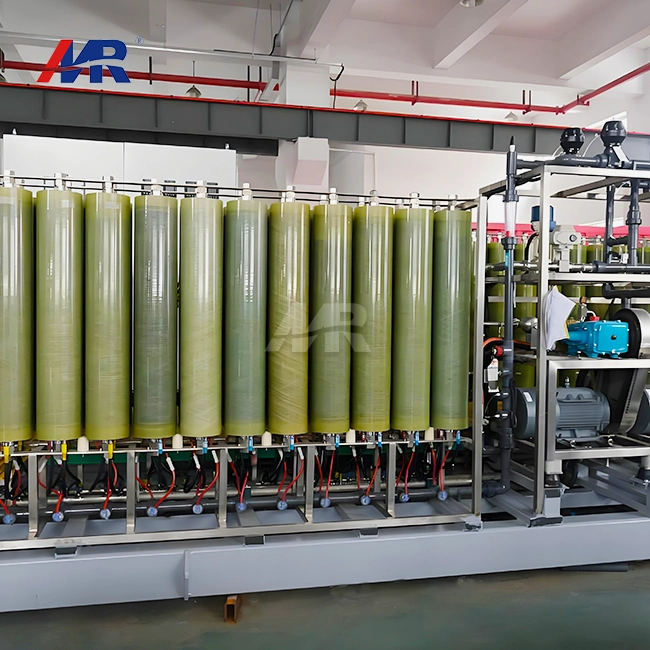 VIEW MOREDTRO Technology
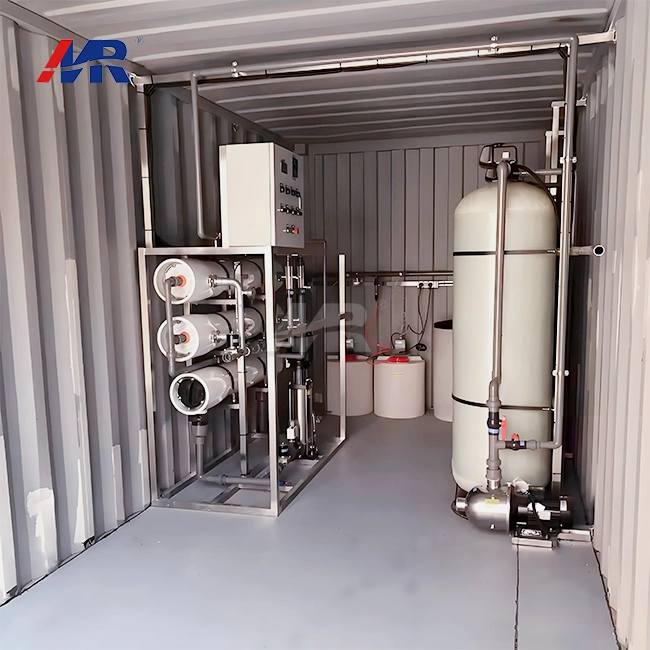 VIEW MOREcontainerized water treatment systems
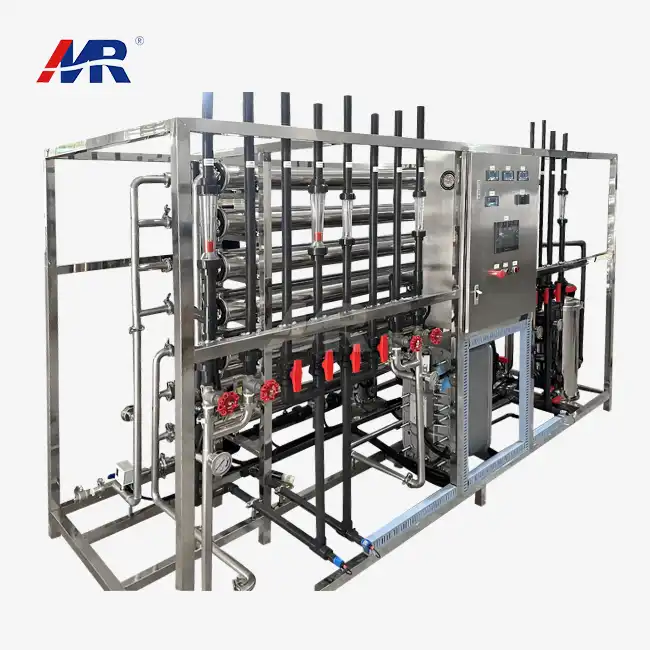 VIEW MORE2m3/hour EDI system
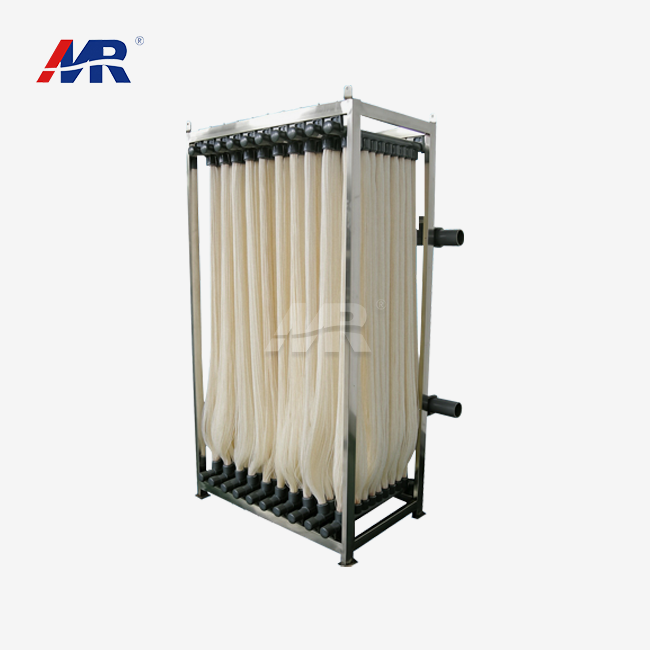 VIEW MOREbiological reactor wastewater treatment
 VIEW MORE90T/H ultrafiltration equipment
