_1745823981883.webp)

Reverse Osmosis System With Remineralization for Better Taste
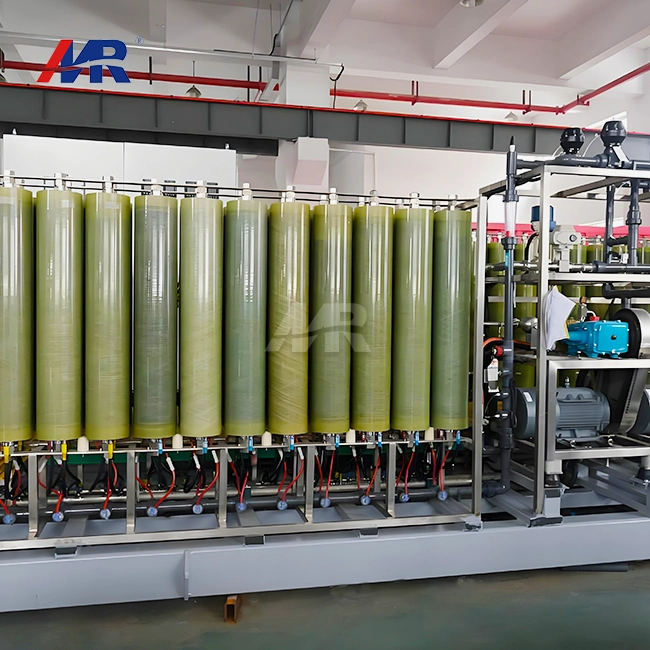
By adding important minerals like calcium and magnesium, a RO system with remineralisation converts mineral-free, pure RO water into hydrating, health-supporting water. People often say that regular reverse osmosis water tastes flat or slightly acidic. This new technology fixes this problem, which makes it perfect for business-to-business uses where product quality, machine longevity, and customer happiness depend on better water quality. By finding the right balance between cleanliness and taste, these systems meet strict industry standards and give customers and workers the crisp, naturally balanced taste they expect.
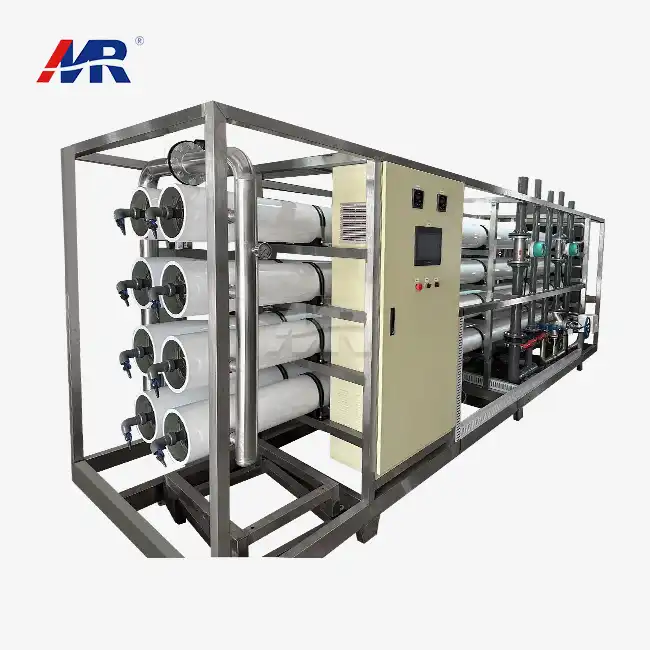
Understanding Reverse Osmosis Systems With Remineralisation
How Standard RO Technology Works
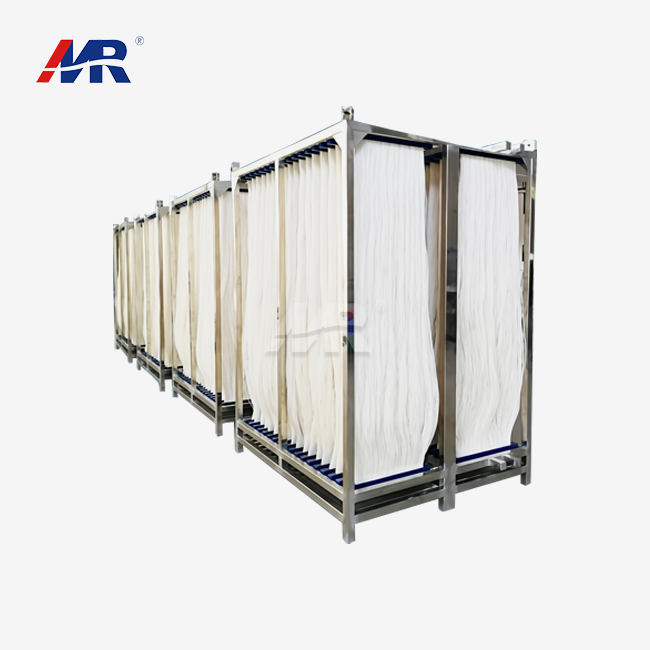
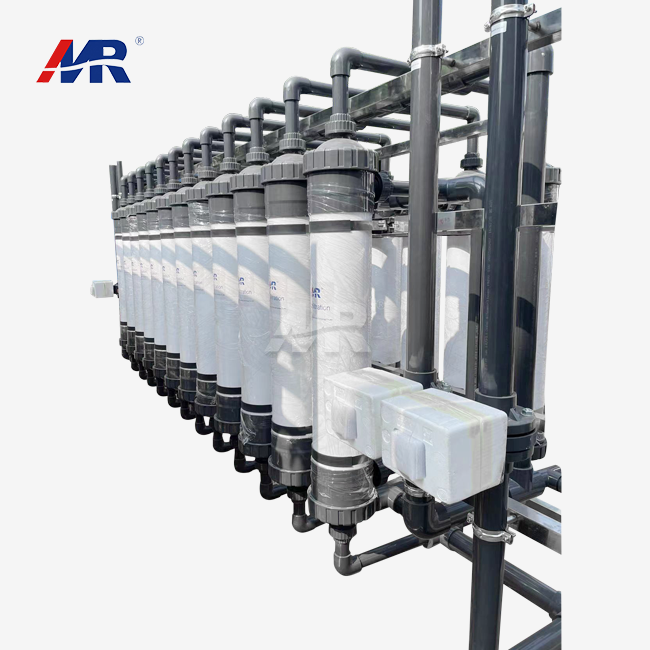
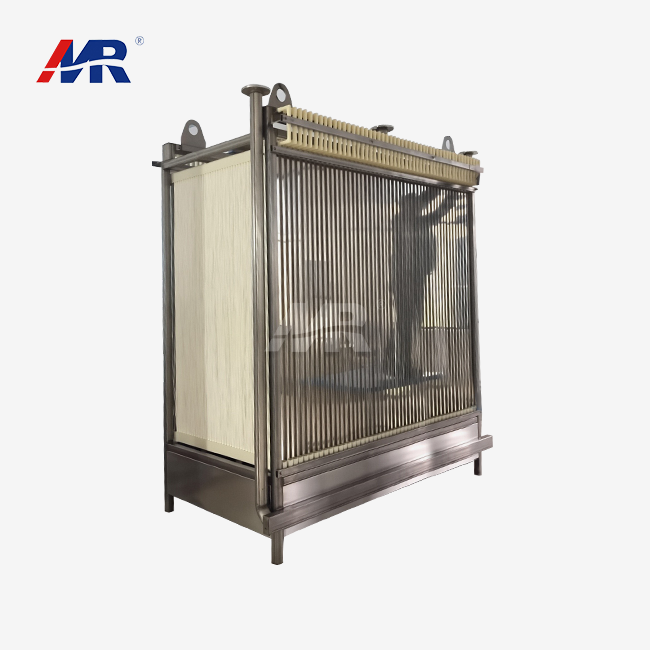
Traditional reverse osmosis removes up to 99% of dissolved contaminants such as bacteria, heavy metals, chlorine, and fluoride using semi-permeable membranes. Water molecules pass through 0.0001-micron membrane pores, while larger particles become caught and are washed out. Clean water from this technique may be utilised to create medications, electronics, and beverages. The problem is how well the barrier cleans the water—it removes both beneficial and toxic minerals and chemicals, leaving TDS readings below 10 ppm.
The Remineralisation Enhancement
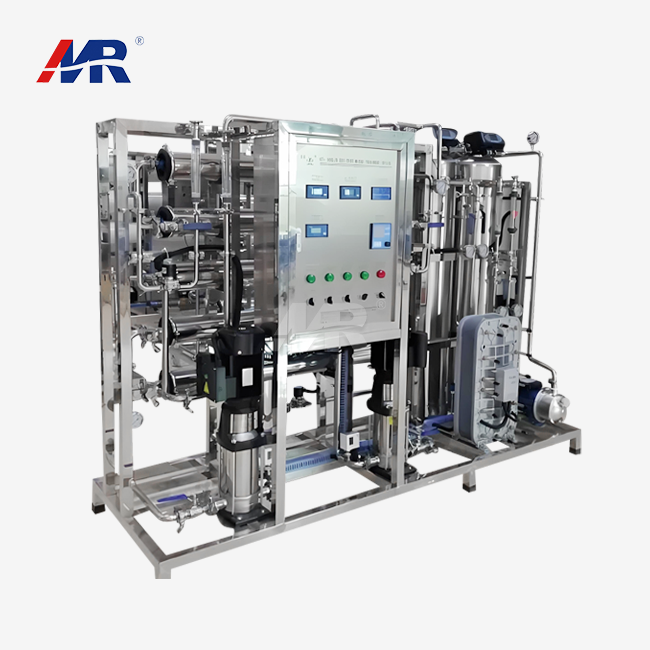
Advanced multi-stage water purification technology that combines high-rejection reverse osmosis filtration with secondary mineral restoration may solve the "aggressive water" issue of regular RO systems. A remineralisation cartridge usually contains food-safe media like calcite, corosex, or maifan stone. Clean water progressively dissolves the minerals in this mineral bed, altering the pH from acidic (5.5–6.5) to neutral or slightly alkaline (7.5–8.5) and adding calcium, magnesium, and trace potassium. This produces water with 30–60 ppm TDS, which is clean enough to protect equipment yet salty enough to taste good and prevent pipe rust.
Critical Differences From Standard Systems
Both systems begin purification with sediment pre-filters, activated carbon blocks, and ro membranes. The final product changes substantially during remineralisation. Due to its poor electrical conductivity and corrosion, standard RO water may slowly remove metals from copper or brass valves. The mineral-enhanced version stabilises chemistry, saving infrastructure costs. Switching from demineralised to remineralised water improves espresso extraction consistency for speciality coffee roasters. The calcium in remineralised water helps flavour ingredients dissolve during brewing.
Benefits and Value of Remineralised RO Water for B2B Clients
Taste Enhancement That Drives Customer Satisfaction
The grade of the water directly affects how many different types of Products are seen with an RO system with remineralisation. Hotels that serve remineralised water get fewer complaints about "chemical" or "flat" tastes than hotels that use normal RO systems. Because it has calcium and magnesium in it, it has a flavour and a small mineral finish that tastes "fresh" to humans. Restaurant chains and workplace cafeterias have seen higher usage rates at hydration stations after switching to an RO system with remineralisation from traditional filtering. This suggests that workers naturally like the better taste.
Health and Wellness Considerations
Medical studies have shown that getting enough minerals in your food is good for your heart, your bones, and your cells. Even though drinking water is only one source, workplaces that care about their employees' health, like that, use remineralised RO water, which adds trace minerals without adding contaminants. This balance is especially important for healthcare facilities like dialysis centres, which need ultra-pure water for treatment processes while giving staff and guests mineral-rich drinking water in public areas. This ability to do two things at once makes it easier for big medical campuses to manage various water quality standards.
Equipment Protection and Operational Efficiency
Pure RO water is slightly acidic, which makes it hard to maintain over time in delivery systems. Total cost of ownership goes up because metal parts rust, gasket materials slowly leak, and pH levels change in recirculation loops. The controlled chemistry of remineralised water makes expensive tools like coffee makers, ice makers, steam tables, and humidification systems last longer. After using mineral restoration technology, food preparation plants have seen fewer descales and fewer guarantee claims on production equipment. When the pH is stable, the "hungry water" effect doesn't happen, where violent permeate breaks down things around it to find chemical balance.
Product Quality in Manufacturing Applications
Water chemistry must fulfil rigorous beverage manufacturer criteria since mineral content impacts fermentation rates, extraction efficiency, and flavour development. Craft brewers seek precise calcium-to-magnesium ratios to make their water taste standard. A RO system with remineralisation cleans municipal water to practically zero TDS and adds minerals in known amounts according to the recipe for precise baseline control. This strategy eliminates the annual source water chemical variations that would need to be rectified if the formula weren't modified. Pharmaceutical facilities employ RO to filter water and separate remineralisation loops for USP-compliant purposes.
Comparing RO Systems With Remineralisation to Alternative Solutions
RO Plus Remineralisation Versus Alkaline Water Filters
Normal alkaline filters use ion exchange or mineral capsules to raise the pH and add minerals, but they don't get rid of all contaminants as reverse osmosis does. It's possible that an alkaline filter would make the taste better while leaving behind dissolved solids like nitrates, medicines, or industrial chemicals. The combined method of RO followed by remineralisation makes the water pure and tasty all in one system. Laboratory tests show that RO membranes can kill log-4 or log-5 of bacteria and viruses, which is a level of germ safety that carbon-based alkaline screens can't match. To meet NSF/ANSI Standard 58 for reducing contaminants, purchasing managers need the membrane filter stage that is only available with RO systems.
Mineral Restoration Versus UV Purification
Microorganisms are killed by ultraviolet cleaning by damaging their DNA, but it doesn't get rid of dissolved chemicals, heavy metals, or TDS. Instead of removing filter methods, UV technology works with them. In order, silt filtration, activated carbon adsorption, reverse osmosis, UV cleaning, and remineralisation could make up a complete water treatment train for businesses. Particulates, chlorine and organics, dissolved solids, microbial pathogens, and mineral balance are the types of pollution that are dealt with in each step. The remineralisation part directly fixes the taste and chemistry problems that UV treatment can't, which makes it a separate technology category instead of a competing answer.
Remineralised RO Versus Bottled Water Logistics
Companies that buy bottled water for their workers have to pay for the water, shipping, storage, and the handling of the waste. By installing a centralised RO system with remineralisation, you can stop buying things over and over again and lessen the damage that plastic containers cause to the earth. Depending on the size of the building and how much bottled water was used before, the financial investment in permanent infrastructure usually pays for itself in 18 to 36 months. Aside from the obvious financial benefits, building-integrated systems show that a company is committed to sustainability efforts that have a growing effect on both employee happiness and how environmentally concerned customers see the brand.
How to Choose the Best RO System With Remineralisation for Your Business
Capacity and Demand Calculation
To size a system, you must know how much water it uses and where it goes daily. However, industrial sites require a continuous supply throughout shifts, whereas office demand peaks during breaks. GPD rates guide engineers' system selection. Small office units have 500 GPD, whereas industrial units have 10,000 GPD or more. The membrane output must be met by remineralisation. Small mineral cartridges can't tolerate large flow rates, pH correction and mineral dosage fail. Professionals assist in determining what is required based on predicted simultaneous consumption, occupancy, and process water demands instead of utilising sizing charts.
Filtration Stage Configuration
Simple systems use a sediment pre-filter, carbon block, RO membrane, and remineralisation capsule. Premium models include carbon polishing, scale inhibitors, and duplicate membranes for greater pollutant rejection and extended service intervals. Minimum performance requirements should be in the procurement papers. The membrane rejection rate (typically 96–98% for commercial membranes), carbon bed contact duration (at least 5 seconds for chlorine removal), and remineralisation medium composition should be considered. Technical decision-makers in regulated industries must ensure system components have NSF/ANSI 58 for RO performance and NSF/ANSI 61 for potable water material safety.
Evaluating Supplier Credentials and Support
Professional water treatment companies may advise on engineering, install, and maintain, unlike equipment-only dealers. The expertise of the specialist team, the number of projects they've worked on in related sectors, and their proximity to service locations for fast part delivery should be considered when choosing partners. New membranes, remineralisation cartridges, and worn parts from a source save downtime during maintenance or abrupt failures. Custom membrane manufacturers offer advantages over wholesalers who acquire components from various vendors in terms of customisation, quality control, and pricing.
Total Cost Analysis Beyond Purchase Price
The initial cost of the RO system with remineralisation tools is a modest fraction of its lifetime cost. When creating a budget, consider the expense of installing the equipment, changing the pipes and electricity, buying new filters, disposing of RO wastewater, and powering the pumps. Remineralisation cartridges should be changed every 6–12 months, depending on mineral medium density and flow rate. RO membranes usually last two to three years, although fouling-prone source water may need more frequent replacement. Sellers who present five-year cost models benefit financial decision-makers. They can correctly assess offers for the RO system with remineralisation beyond merely equipment pricing.
Procurement and Post-Purchase Support for RO Systems With Remineralisation
Installation and Commissioning Requirements
Professional installation ensures system performance and warranty validity. Experienced technicians ensure that the incoming water pressure is 40–80 PSI for most industrial systems, that the drain can handle reject water, and that the electrical supply fulfils pump demands. New membranes must be flushed per the manufacturer's recommendations during commissioning. Remineralisation dosages must be calibrated to target pH and TDS levels, and baseline water quality must be monitored. Facilities without expert staff should use "turnkey" suppliers that provide site inspection, equipment supply, full installation, operator training, and performance verification instead of installing complex commercial systems themselves.
Maintenance Schedules and Procedures
Regular maintenance cleans water and saves tool money. Pre-filters should be updated every three to six months to prevent particles from clogging membranes. On average, carbon filters survive 6–12 months with dirty city water. Remineralisation silently dissolves minerals, and replacement periods are determined on throughput volume, not calendar time. A plant that processes 1,000 gallons of water per day will use up media more quickly than one that processes 200. Suppliers should explicitly disclose maintenance signals such as filter pressure differential, seep TDS, and pH values that need servicing.
Warranty Coverage and Technical Support
The standard commercial RO system with remineralisation warranty covers membranes and system parts for 1–3 years against production defects, with service agreements providing further coverage. Procurement experts should explain what voids a warranty. Poor installation, non-approved replacement parts, or system overuse may cause this. Educated technical assistance helps determine why water quality or system performance swiftly declines. Providers with regional engineering personnel have faster response times than central office providers.
Replacement Parts and Consumables Availability
The system must be able to quickly get filter capsules, membranes, and remineralisation medium designed for specific equipment to perform effectively over time. Proprietary designs with particular cartridge sizes or connecting techniques might bind you to one vendor, which could increase replacement prices or cause supply issues if the manufacturer ceases manufacturing it. Choosing systems with industry-standard component sizes lets you buy consumables from several vendors. This provides you with extra purchasing power and keeps the company going if your primary suppliers fail. International enterprises should verify that their vendor has distribution networks in all key areas.
Conclusion
Choosing a RO system with remineralization is an investment in the quality of the product, the life of the equipment, and the happiness of the users in a wide range of B2B settings. These systems get around the main problem with regular reverse osmosis by getting rid of all contaminants and restoring minerals in a smart way. This makes water that meets both scientific purity standards and personal taste preferences. The technology is especially useful in industrial settings where water chemistry affects the consistency of the product, in speciality uses that need exact mineral profiles, and in places that want to get rid of the logistics of bottled water while keeping the quality of the water high. Procurement experts can put in place solutions that give clear, practical, and financial benefits over the life of the service by carefully examining capacity needs, supplier capabilities, and lifecycle costs.
FAQ
1. What causes the metallic taste in standard RO water?
Pure RO water usually has a pH level below 7.0, which makes it slightly acidic and affects taste receptors differently than neutral or alkaline water. During distribution, this "hungry water" easily removes small amounts of metal ions from copper or brass plumbing fixtures, giving the water a metallic taste. By breaking down calcium carbonate and magnesium oxide, the remineralisation stage neutralises the acidity. This raises the pH to a range of 7.5–8.5, which makes the water taste crisp and refreshing instead of flat or acidic.
2. How frequently do remineralisation filters need replacement?
Replacement cycles are mostly based on output number, not on the time that has passed. Media cartridges have limited mineral stores that break down slowly with each gallon that is handled. A typical industrial cartridge can hold 2,000 to 4,000 gallons of fluid before it runs out, which means it will last for 6 to 12 months in places that don't use it a lot. Operators should keep an eye on the pH and TDS levels of the effluent. If the results fall below the goal ranges even though the quality of the input water stays the same, the mineral media has been used up and needs to be replaced.
3. Will remineralised water create limescale buildup?
When remineralisation is done correctly, it keeps TDS between 30 and 60 ppm, which is much lower than the 120 ppm level where active scaling happens. This mild mineral content makes food taste better and is good for you without leaving behind a lot of calcium carbonate on heating elements or fittings. The controlled mineral makeup is different from hard city water that has 200–400+ ppm TDS and chemicals that help scale form. When equipment is fed remineralised RO water, it scales much less than when it is fed raw water. This means that upkeep is done less often and parts last longer.
Partner With Morui for an Industrial-Grade RO System With Remineralisation Solutions
Guangdong Morui Environmental Technology has the most comprehensive water treatment infrastructure in the world. We make membranes in-house and have processing ability across various equipment factories. Our 20-person engineering team makes a unique RO system with remineralisation setups for cleanrooms in the pharmaceutical industry, food processing lines, and city water plants all over North America. As official dealers for Shimge Water Pumps, Runxin Valves, and Createc Instruments, we use high-quality parts that keep systems running at their best and keep the total cost of ownership as low as possible. With 14 regional offices, we can quickly launch our services and provide prompt after-sales support no matter where the project is located. We have 20 years of experience providing turnkey solutions, from the initial meeting to installation, commissioning, and ongoing support partnerships. Technical decision-makers and buying managers can count on this. You can email our foreign procurement team at benson@guangdongmorui.com to talk about your specific water quality needs and get full system proposals that are made to fit your business.
References
1. American Water Works Association Research Foundation, "Membrane Filtration Guidance Manual," Water Treatment Technology Series, 2019.
2. Journal of Water Process Engineering, "Impacts of Remineralisation on Post-RO Water Stability and Infrastructure Corrosion," Volume 38, Academic Press, 2020.
3. National Sanitation Foundation International, "NSF/ANSI Standard 58: Reverse Osmosis Drinking Water Treatment Systems - Performance Requirements and Test Protocols," NSF Publications, 2021.
4. Speciality Coffee Association Technical Standards Committee, "Water Quality Handbook: Best Practices for Coffee Extraction and Equipment Longevity," SCA Educational Materials, 2018.
5. United States Pharmacopoeia Convention, "General Chapter 1231: Water for Pharmaceutical Purposes - Quality Standards and Testing Methods," USP Compendium, 2022.
6. World Health Organisation, "Nutrients in Drinking Water: Health Implications of Demineralised and Remineralised Water," WHO Press, 2020.