_1745823981883.webp)

Cost Analysis of UF Ultrafiltration Systems for B2B Buyers
When looking at membrane separation methods for treating industrial water, it's important to know how much money uf ultrafiltration systems cost all together. UF ultrafiltration is a pressure-driven membrane process that works in the screening range of 0.01 to 0.1 microns. It gets rid of suspended solids, bacteria, viruses, and proteins while letting water and solutes with a low molecular weight pass through. The full cost analysis includes more than just the original investment. It also looks at ongoing costs, upkeep schedules, and long-term performance measures that have a direct effect on your bottom line and the continuity of your production.
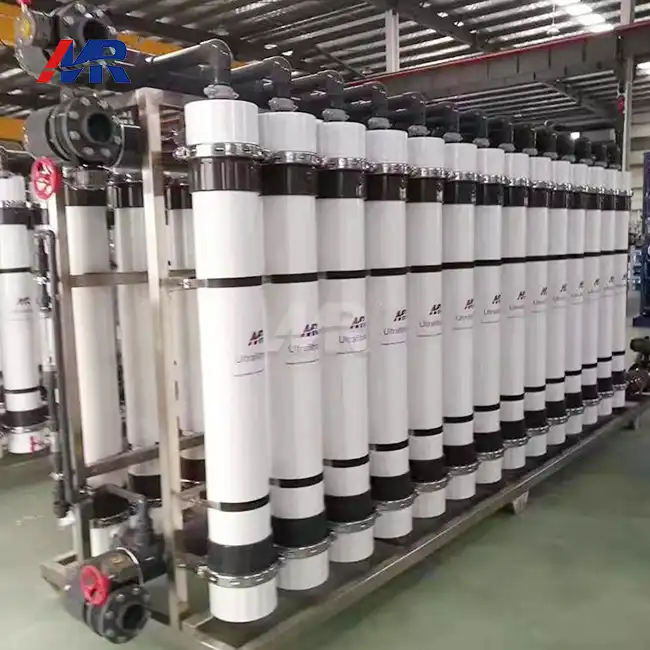
Understanding UF Ultrafiltration Systems and Their Cost Drivers
Core Technology and System Components
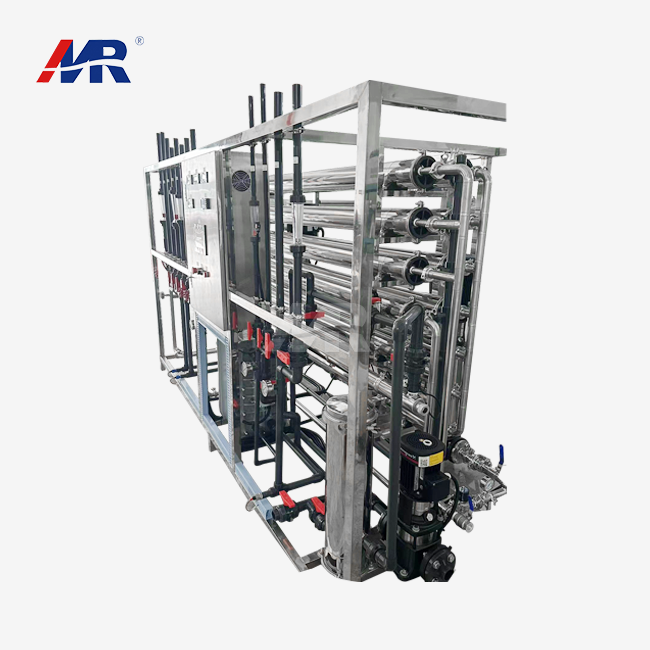
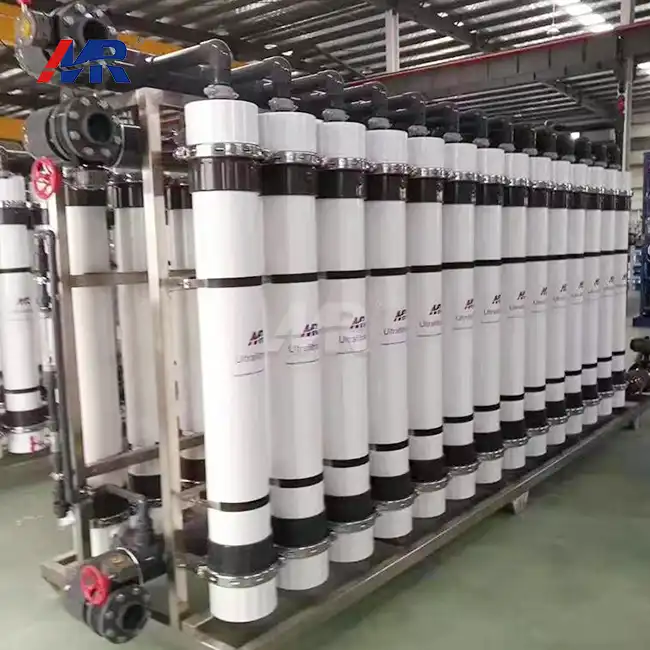
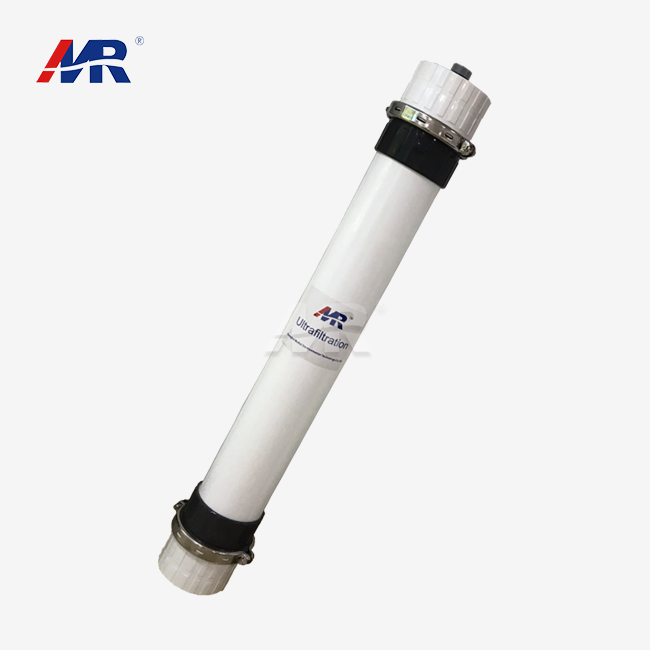
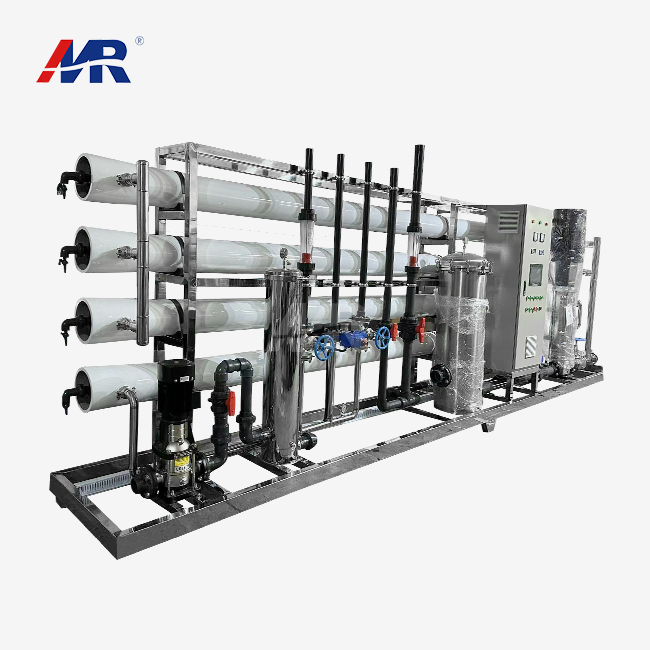
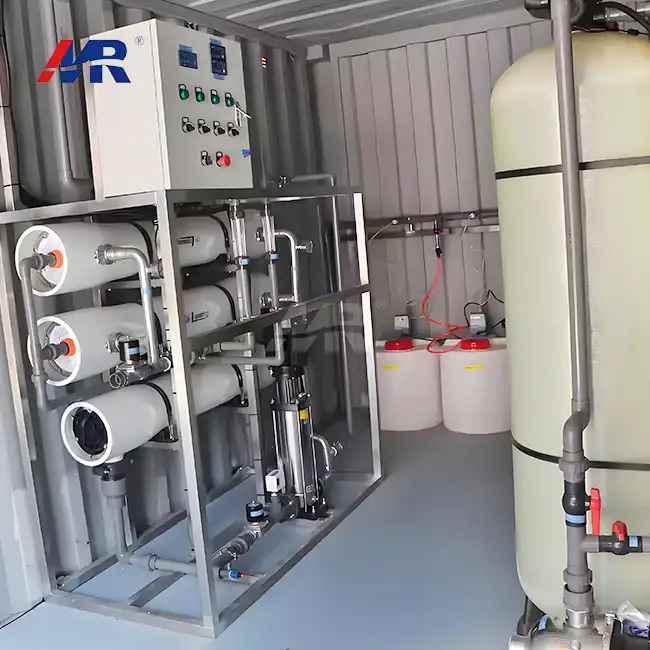
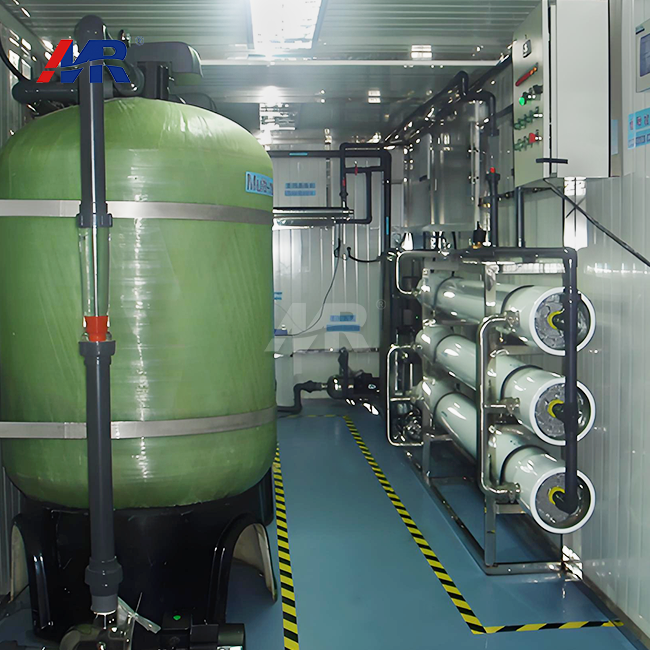
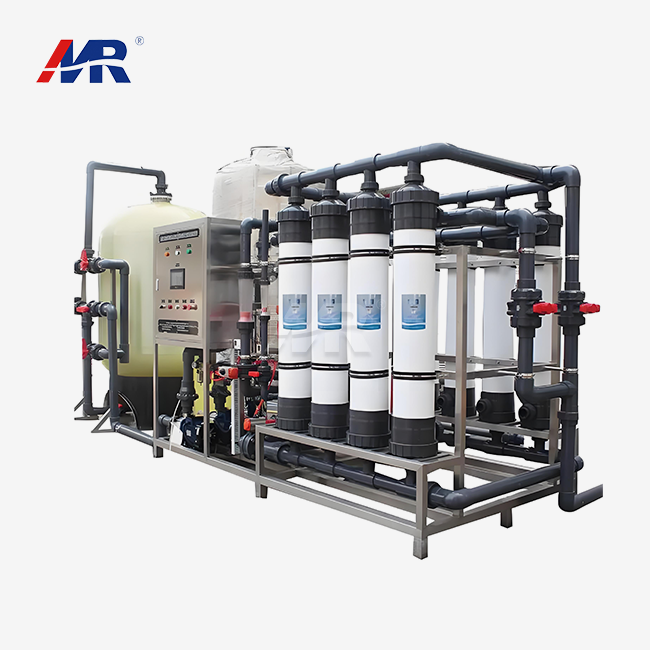
UF ultrafiltration technology uses the difference in hydraulic pressure to remove contaminants from feed water, acting like a molecular sieve. Usually, the structure of the system is made up of pressure tanks, feed pumps, instrumentation panels, membrane modules (with either hollow fiber or spiral-wound designs), and automatic backwash mechanisms. The choice of modules has a big effect on both the cost of capital and the speed of operations. Due to their high packing density, hollow fiber membranes are most often used in industrial settings. This is because they require less space and cost less to install than spiral-wound options.
Capital Investment Breakdown
Industrial-scale membrane filter systems vary in price based on flow and application. A typical 100-cubic-meter-per-hour municipal water pre-treatment plant costs $80,000–$150,000. Pharmaceutical-grade installations that must follow GMPs might cost over $300,000. The correct membrane material may greatly affect costs. Polyvinylidene fluoride membranes are more chemically resistant and robust than polyethersulfone membranes, but they cost more and last longer; they need to be changed less frequently.
Capital costs affect system capacity, but not linearly. Doubling throughput capacity usually costs 60% to 70% more. Because economies of scale assist huge enterprises. Equipment costs 15–25% more due to civil construction, pipe integration, electrical connections, and testing.
Operational Cost Considerations
Energy utilisation is the most costly ongoing UF ultrafiltration cost. Local applications need transmembrane pressure between 0.5 and 2.0 bar, but high-viscosity industrial streams may reach 3.0 bar. A system that creates 100 cubic meters per hour requires 0.3 to 0.5 kWh per cubic metre at 1.5 bar. In standard industrial rates, the system costs $2,000–$4,000 per month.
Chemical cleansing is another company expense for UF ultrafiltration systems. Citric acid and sodium hypochlorite are often employed. Depending on feed water quality, chemical-enhanced backwash occurs every 24–48 hours. Chemical expenses for medium-capacity UF ultrafiltration systems are $8,000–$15,000. Clean-in-Place procedures every three months cost more but are important to maintain flux rates and prevent membrane fouling that can't be corrected.
Comparing UF Ultrafiltration with Alternative Filtration Technologies
Performance and Cost Trade-offs
Knowing the pros and cons of membrane separation procedures helps you choose the best one. The technique of UF ultrafiltration is between microfiltration and nanofiltration. It's cheaper than similar technology and offers special advantages for certain uses.
Reverse osmosis rejects dissolved salts better than UF ultrafiltration. Due to their larger operating pressures (15–70 bar vs. 0.5–3.0 bar), they utilise 3–5 times more energy. Similar-capacity reverse osmosis systems cost 40–60% more to install than UF ultrafiltration systems. Fouling and chemical sensitivity make membrane replacement expensive, adding to long-term expenditures.
Microfiltration is inexpensive and removes larger particles and bacteria. Pores range from 0.1 to 10 microns. The cost of capital is 20–30% lower than UF ultrafiltration, viruses and tiny colloids can't be eliminated, limiting its usefulness. For companies that require Log 4-6 pathogen reduction, microfiltration is inexpensive but not adequate. This applies primarily to pharmaceutical and public drinking water production.
Total Cost of Ownership Analysis
Cost alone is an inaccurate measure of membrane technology. A 10-year total cost of ownership estimate shows UF ultrafiltration's competitiveness. Nanofiltration systems may remove organic compounds better, but their membranes need to be changed more frequently (3–4 years vs. 5-7 years for excellent PVDF UF ultrafiltration membranes) and clog more often, increasing expenses by 25–35%.
Conventional media filtration using sand, anthracite, or multimedia beds costs 50–70% less than membrane systems. However, utilising chemicals for coagulation and flocculation, losing 5-8% of output volume in backwash water, and uneven effluent quality when feed water changes add up to hidden expenses. Even though media filtering is inexpensive, pharmaceutical and technology businesses are abandoning it due to validation issues and turbidity breakthrough hazards that make it difficult to comply with standards and ensure product safety.
Evaluating UF Ultrafiltration System Efficiency and Long-Term Value
Critical Performance Metrics
The flux rate—permeate flow per membrane area—is the major indicator of efficiency. Normal flux rates for UF ultrafiltration systems are 60–100 litres per square metre per hour. As the temperature rises, water viscosity decreases, increasing flow correspondingly. System design at the coldest temperatures (5–10°C) must account for 30–40% flux drops from summer operation. This requires larger membrane arrays, which increase capital costs but provide year-round capacity.
Long-term productivity and cleaning frequency rely on tracking in UF ultrafiltration systems. Transmembrane pressure tracking warns of resistance when TMP levels rise over setpoints. Well-designed pre-treatment considerably reduces fouling. Adding 100–200 micron strainers upstream reduces fiber-damaging coarse particles. The membrane's integrity and Chemical Enhanced Backwash intervals are increased by keeping feed turbidity below 10 NTU in UF ultrafiltration operations.
Maintenance Cost Management
Membrane lifespan influences repair expenses, which are large, long-term expenditures. High-quality PVDF membranes in cities may last 5–7 years if maintained. In extreme industrial wastewater conditions, they may persist 3–5 years. Using a 1,000-square-meter membrane array costs $40,000 to $60,000 every usage due to its $40 to $60 replacement cost.
Preventive maintenance extends membrane life and reduces emergency repair expenses. Keeping free chlorine exposure below 200 ppm-hours prevents polymer chain oxidation. The right valve sequence and surge safety eliminate pressure hammers and prevent mechanical fibre breakage. These simple principles may prolong equipment life by 18–24 months, saving tens of thousands of dollars over a decade.
Industry-Specific Value Propositions
When beverage processing plants use UF ultrafiltration to treat water before reverse osmosis, the Silt Density Index stays below 3.0, even when the raw water changes with the seasons. This dependability stops expensive reverse osmosis membrane fouling, which stops production and needs emergency cleaning. One medium-sized canning company saved $75,000 a year by reducing the number of times they had to clean the reverse osmosis membrane and making it last longer after using UF ultrafiltration pre-treatment.
When municipal wastewater treatment plants use Membrane Bioreactor technology, the runoff is very clear and can be used for things other than drinking. A regional treatment plant that handles 5 million gallons of wastewater every day has a 40% smaller footprint than traditional activated sludge systems. It also avoided having to pay more than $2 million to build a tertiary clarifier and now makes $180,000 a year selling recycled water for use in cooling systems.
Procurement Considerations and Price Breakdown for B2B Buyers
Understanding Pricing Structures
Standard membrane modules, pressure vessels, feed pumps, control screens, and instruments are commonly included in system prices. Various capacities mean various prices. Small manufacturers may use $35,000–$80,000 plug-and-play skid-mounted equipment to process 10–50 cubic meters per hour. Mid-range 100–300 cubic metres per hour systems may serve medium-sized enterprises and cities. As automation improves and materials are chosen, prices vary from $120,000 to $350,000.
Customisation significantly impacts costs. In hostile chemical conditions, stainless steel construction costs 25–35% more than FRP or carbon steel. Explosion-proof electrical classes cost 15% more for petrochemicals. Pharmaceutical manufacturing requires redundant pump designs that ensure continued operation during repair, which costs 30–40% more. Production disruptions cost thousands of dollars per hour.
Sourcing Strategies and Supplier Evaluation
The system's most costly portion is membranes, at 35–45%. Working with reputed membrane manufacturers ensures quality and insurance support. The top vendors guarantee minimal flux rates, rejection characteristics, and service life under defined operating circumstances. These written provisions assist in resolving premature membrane failure or underperformance disputes.
More than pricing is needed to evaluate a supplier's capabilities. Full Technical support throughout commissioning prevents costly start-up delays. Operator training ensures that personnel know how to backwash, administer chemicals, and correct faults to ensure safe equipment purchases. Membrane module failures that need 6–8 weeks impede production; extra parts are essential. This makes regional inventory network vendors more valuable, even if they charge more.
Total Cost of Ownership Optimization
To find the right balance between initial investment and ongoing costs, you need to estimate costs over the useful lifetimes of the UF ultrafiltration tools. For a 100-cubic-meter-per-hour system, the total cost of ownership over 10 years is usually broken down like this: capital investment 25–30%, energy use 30–35%, membrane replacement 20–25%, chemicals and upkeep 15-20%, and staff 5–10%. This breakdown shows that even small gains in energy efficiency or membrane longevity can save a lot of money over the course of a lifetime for UF ultrafiltration systems.
The way a project is financed affects how cash flows and the general economy of the project. Capital expenditures are turned into predictable routine costs through equipment leasing. This improves balance sheet measures and keeps credit available for core business investments. Build-operate-transfer deals are good for cities and small businesses that don't have their own water treatment experts. However, the total cost is usually 30–50% higher than with direct ownership models because of the higher price that comes with outsourcing operational costs.
How to Choose the Best UF Ultrafiltration System for Your Business
Defining Application-Specific Requirements
First, thoroughly explain the feed water quality and concentration specifications to determine the correct system. Pharmaceutical industries require USP-compliant pyrogen-free water with molecular weight cutoffs below 10,000 Daltons. However, 100,000 Dalton membranes have faster flux rates and cheaper operation costs for drinking water. Knowing these distinctions helps you avoid over-specification, which wastes money and effort, and under-specification, which lowers quality.
Production volume requirements with a safety gap prevent capacity shortages during strong demand. Seasonal fluctuations impact many companies. Summer output increases for beverage companies by 40–60%, while farm businesses increase irrigation. Designing for average demand delays critical events, whereas oversizing for absolute peak capacity wastes money on idle assets. Target design capacity can accommodate 80%–90% of operating circumstances, with short-term production modifications for worst-case scenarios.
Key Performance Indicators and Supplier Capabilities
The membrane quality distinguishes long-term investments from those that will fail and need to be replaced. PVDF membranes outperform polyethersulfone ones in strength and chemical compatibility. This offsets their greater initial cost since they endure longer and can take more cleaning agents. Inside-out fibre configurations will soon foul with suspended solids loadings exceeding 50 ppm, whereas outside-in fibre setups are more dependable.
Scalability principles ensure systems can adapt to output demands. Modular designs allow minor capability additions without infrastructure replacement. If a bottling firm starts with 50 cubic meters per hour, it may develop infrastructure for 100 and acquire additional membrane units as output grows. This tiered investment saves operational resources and prevents obsolescence. Supplier service networks should be examined since delays of more than 24–48 hours create production losses and unsuccessful customer deliveries.
Conclusion
When you look at the cost of UF ultrafiltration systems, you need to look at more than just the original capital spending. You also need to look at the ongoing costs, the need for upkeep, and how reliable the systems will be in the long term. Capital investments range from $35,000 for small-scale setups to over $300,000 for complex industrial systems. However, the technology is very valuable because it saves energy, the membrane lasts longer, and the quality of the Products is always the same. UF ultrafiltration is being used more and more in fields like pharmaceutical production and municipal water treatment because it has clear benefits over other technologies, even if the initial cost is the same or higher.
FAQ
1. What is the typical lifespan of ultrafiltration membranes?
With the right pre-treatment and upkeep, high-quality PVDF membranes can last for 5 to 7 years in municipal water use. In industrial wastewater settings with a lot of organic matter and strong chemicals, lifespans are usually between 3 and 5 years. Longevity of the membrane has a direct effect on long-term running costs. This makes choosing the right material and doing regular preventative repair a very important budget issue.
2. How often should Chemical Enhanced Backwash procedures be performed?
Sodium hypochlorite or citric acid solutions are usually used every 24 to 48 hours to recover flux rates. How often they are used relies on the characteristics of the feed water. Systems that deal with water that is cloudy or has a lot of organic matter in it need to be tended to more often, while public supplies that have already been cleaned allow for longer breaks. Monitoring changes in transmembrane pressure helps operators figure out the best times to clean.
3. Can ultrafiltration remove dissolved salts from water?
UF ultrafiltration is good at getting rid of physical particles, colloids, bacteria, and proteins, but it can't get rid of dissolved ions because the pores are too big (0.01-0.1 microns) for salt molecules. For uses that need to remove minerals, reverse osmosis or nanofiltration methods are needed. UF ultrafiltration is often used as a pre-treatment in industrial processes to keep downstream reverse osmosis systems from getting clogged. This makes combined treatment trains that get rid of both particulate and liquid contaminants.
Partner with Morui for Cost-Effective Ultrafiltration Solutions
Guangdong Morui Environmental Technology has more than 14 branches, more than 500 committed workers, and more than 20 specialized engineers who can provide complete water treatment solutions that are suited to your business needs. As a well-known provider of UF ultrafiltration, we produce membranes in our own specialized production center and work with top brands like Shimge Water Pumps and Runxin Valves to keep our prices low without lowering the quality. Our Team provides complete project support from initial system design through installation, commissioning, and ongoing technical assistance, eliminating the coordination challenges associated with multi-vendor procurement.
Whether you need pre-treatment for making drugs, help with improving local water systems, or set up systems for reusing wastewater, our engineering team creates custom solutions that meet your needs while staying within your budget. You can email our technical experts at benson@guangdongmorui.com to talk about your specific application needs and get a detailed cost analysis showing how properly specified UF ultrafiltration systems give a measurable return on investment by lowering operational costs and improving product quality.
References
1. American Water Works Association. (2021). Membrane Filtration Guidance Manual. Denver: AWWA Publications.
2. Singh, R. (2019). Membrane Technology and Engineering for Water Purification: Application, Systems Design and Operation. Oxford: Butterworth-Heinemann.
3. Judd, S., & Jefferson, B. (2020). Membranes for Industrial Wastewater Recovery and Re-use. Oxford: Elsevier Science.
4. Water Environment Federation. (2022). Membrane Bioreactors: WEF Manual of Practice No. 36. Alexandria: WEF Press.
5. Crittenden, J.C., Trussell, R.R., Hand, D.W., Howe, K.J., & Tchobanoglous, G. (2022). MWH's Water Treatment: Principles and Design (4th ed.). Hoboken: John Wiley & Sons.
6. Baker, R.W. (2020). Membrane Technology and Applications (4th ed.). Chichester: John Wiley & Sons.