

_1745823981883.webp)

Why Does the Cost of a Reverse Osmosis System Vary by Capacity?
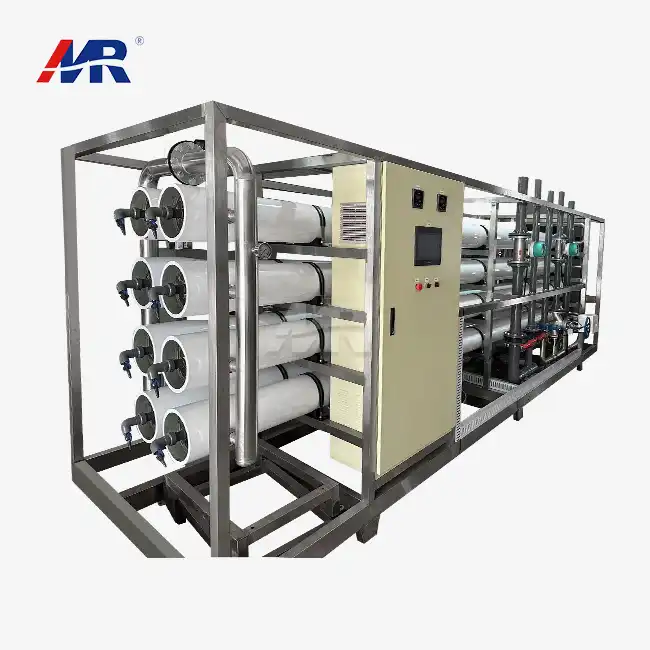
When looking at how much a reverse osmosis water system costs, volume is by far the most important factor that affects both the original investment and the ongoing costs of running the system. The price range is very wide, from small 50-gallon-per-day (GPD) units that are good for small labs and cost about $2,000 to huge industrial-scale systems that need more than 100,000 GPD and cost more than $500,000. This difference is caused by basic engineering rules: for water quality standards to stay the same at higher flow rates, bigger output needs much more durable membrane arrays, high-pressure pumps with more horsepower, and more complex pre-treatment infrastructure.
Introduction
Industrial, pharmaceutical, food processing, and local water treatment procurement staff must grasp how system capacity influences pricing structures. Productivity and total cost of ownership (TCO) go beyond tool prices. It entails balancing hardware purchases (capex) with system operating expenses (OPEX), such as energy usage, membrane replacement cycles, and preventative maintenance programs.
We'll examine the technical and financial aspects that affect cost differences across competency levels in this guide. Capacity matters whether purchasing equipment for a pharmaceutical cleanroom that requires GMP-compliant water or developing a coastal saltwater desalination project. This improves expenditure decisions and ROI calculations. We'll break down component-level cost factors, evaluate performance measurements across capacity ranges, and provide actionable insights to help you align your water treatment infrastructure with operational demands and maximise its long-term value.
Understanding the Key Factors Driving RO System Costs
The pricing structure of reverse osmosis systems is based on a complicated web of technical specs, installation needs, and upkeep issues that need to be carefully managed by buying teams.
Membrane Technology and Configuration
Membrane parts make up 20–35% of the total cost of the system's hardware, and prices change based on how much capability is needed. Small-capacity systems usually have two to four membrane elements grouped in a row, while industrial setups can have forty to two hundred elements set up in multiple rows. Spiral-wound polyamide membranes are the standard in the industry for most uses. They cost $300 to $800 per element for residential-grade parts and $1,200 to $2,500 per element for industrial membranes made for tough feedwater conditions. High-rejection membranes that remove 99.5% of the water are more expensive than normal variants that remove 97% of the water. This is especially true in pharmaceutical and semiconductor uses that must have ultrapure water.
Pump Systems and Pressure Vessels
Another big cost factor that is directly related to system capacity is high-pressure pumps. Single-stage centrifugal pumps with 0.5 to 2 horsepower ratings and prices ranging from $400 to $1,200 are used in small systems. Multistage centrifugal or positive displacement pumps with 15 to 30 horsepower are needed for industrial setups. The cost of the reverse osmosis water system costs equipment ranges from $8,000 to $75,000, based on the materials used and the addition of a variable frequency drive. Pressure vessels that hold membrane elements have similar scaling trends. Each residential fiberglass vessel costs $150 to $400, while each commercial stainless steel pressure vessel built to work at 600 to 1,000 psi costs $2,500 to $12,000.
Pre-Treatment Infrastructure
The difficulty of pre-treatment depends on the quality of the feedwater and increases with system capacity. For simple home systems, sediment and carbon filters that cost $200 to $600 may be all that's needed. Multimedia filtration, activated carbon beds, antiscalant dosing systems, and sometimes ultrafiltration membranes are all needed before industrial installations can treat surface water or brackish sources. This can add $50,000 to $300,000 to the total cost of the project for medium to large systems. When set up correctly, this infrastructure stops membrane fouling, which raises the element's life from two to three years to five to seven years.
Installation and Infrastructure Requirements
As a system gets more complicated, the prices of labor and site planning go up. Plumbing work for homes usually takes 4–8 hours and costs $500–$1,500 all together. Commercial systems need their own equipment rooms with temperature control, floor drains, electrical infrastructure, and control screens. Depending on the size and conditions of the site, the cost of installation can range from $15,000 to $100,000. Large city systems or plants that desalinate seawater require civil engineering, concrete supports, and complex SCADA integration. The cost of installation can be 30 to 40 percent of the total project cost.
Reverse Osmosis System Cost vs. Benefits Across Capacities
When you compare the reverse osmosis water system cost structures of different capacity levels, you can see that they offer different value propositions that work best for different operating scales and industry uses.
Small-Scale Systems (50-500 GPD)
Labs, small hospitals, restaurants, and new enterprises that don't use much water daily, like systems in this price range. Prices for equipment vary from $2,000 to $15,000. Installation costs $500–$3,000. These devices consume 0.3 to 0.5 kWh per gallon and require a new membrane every two to three years. The cost per gallon is $0.15 to $0.35. The low initial expenditure and compact size make it ideal for small institutions or enterprises that wish to explore water treatment before expanding. Due to inefficient pump utilisation and greater membrane replacement costs, a smaller system costs more per gallon than a larger one.
Medium-Capacity Systems (500-5,000 GPD)
This category includes regional food producers, medium-sized pharma businesses, aquaculture sites, and small municipal water facilities. Reverse osmosis water system cost for installation ranges between $15,000 to $125,000, depending on technology and pre-treatment. As pump efficiency improves and membrane arrays recover 65-75%, the cost per gallon declines to $0.08 to $0.18. Energy recovery devices that recover concentrate stream pressure are common in these systems. They reduced power utilisation by 20–30%. Chemical cleaning every three months and annual performance assessments organise maintenance. However, economies of scale lead to ROI improvements as the system increases. Replacing bottled water or purifying waste process streams has a payback period of 18–36 months.
Large-Scale Industrial Systems (5,000+ GPD)
Power plants, large pharmaceutical campuses, semiconductor fabs, and municipal desalination projects employ high-capacity systems, which are the most intricate and costly. The whole gadget costs $125,000 to several million dollars for turnkey configurations. Better energy recovery, bulk membrane purchases, and high-efficiency pump systems reduce the cost per gallon to $0.03 to $0.10, notwithstanding the hefty setup cost. Advanced monitoring tools, including conductivity monitors, pressure transducers, and automated chemical dosing, clean membranes and prolong element life by 7–10 years. The ROI assessment goes beyond water savings. It considers regulatory compliance, production uptime, and environmental advantages from wastewater reduction.
For all capacity ranges, larger systems distribute their fixed costs across more units of output, lowering the cost per unit but requiring greater technical know-how to manage and maintain.
Choosing the Right RO System Capacity for Your Business Needs
To choose the best size, you need to carefully look at current needs, expected future growth, and water quality standards for each application.
Production Volume Assessment
Start with the correct daily info on how much water you use. Pharmaceutical companies have to plan for batch production cycles, cleaning-in-place (CIP) processes, and sanitizing equipment, which often means using two to three times as much at busy times as they do during the day. Food and drink makers should figure out how seasonal changes affect their business and set aside 25 to 40 percent of their capacity in case production goes up during busy times. A beverage bottler that needs 3,000 gallons of water every day should ask for a 4,000-5,000 GPD system so that they can keep water available during times of high demand without putting too much stress on the equipment.
Water Quality Requirements
Different businesses have different quality requirements that affect how the system is designed. For pharmaceutical processes, USP-grade water is needed that has a conductivity of less than 1.3 microsiemens and a total organic carbon content of less than 500 ppb. This can only be achieved with RO systems and electrodeionization (EDI) cleaning. For making semiconductors, even tighter requirements for ultrapure water with a resistivity higher than 18 megohm-cm are needed, which means that multi-pass RO configurations are needed. On the other hand, higher TDS levels may be okay for farm irrigation, which means simpler single-stage RO systems that need less space and cost less.
Space and Infrastructure Constraints
The physical size doesn't grow directly with capacity. A 1,000 GPD system might take up 15 to 25 square feet, but a 10,000 GPD system needs 150 to 300 square feet for pre-treatment, holding tanks, and servicing access. Facilities with limited floor space might need vertical tank configurations or split systems spread out in several places, which could make the job cost 10–20% more. Electrical systems need to be able to handle pump loads. Small systems work on standard 120V/20A lines, but industrial units need 480V three-phase service with their own transformers.
Budget Framework and TCO Analysis
Costs over the life of the product or service are balanced in smart buying. A cheap system that costs 30% less than the average on the market may cost 50–80% more to maintain and replace the membrane over five years. We suggest comparing quotes based on TCO estimates that cover 7–10 years and take into account energy costs at local rates, the expected membrane lifespan under certain feedwater conditions, and the amount of work that will be needed for regular upkeep. Even though they cost more, systems with high-quality parts from companies like Shimge for pumps and Runxin for control valves usually have a 15–25% lower TCO.
Cost Comparison Between RO Systems and Alternative Filtration Solutions
Looking at reverse osmosis water system cost and other filtering alternatives shows when RO is optimal and when simpler techniques are enough. Carbon filtering devices remove chlorine, volatile organic compounds, and taste for $500–$5,000, but not dissolving salts, heavy metals, or microorganisms. Water softeners remove hardness minerals but not other dissolved solids for $1,200 to $6,000. Ultrafiltration removes germs and suspended particles for roughly the same price as RO, but it allows dissolved ions through, which is bad for low-conductivity water usage.
RO systems are fantastic for removing all pollutants. Only multi-stage RO followed by distillation or EDI can generate injection-safe water for a pharmaceutical facility. RO is the only cost-effective desalination method for coastal brackish groundwater with 3,000 to 8,000 ppm TDS. Companies that make electronics require water with less than 10 ppb silica. They require more than carbon filters or UV therapy.
When source water TDS is over 500 ppm or contaminants like nitrates, arsenic, and fluoride must be reduced below regulatory levels, the reverse osmosis water system cost crossing point occurs. If TDS is less than 300 ppm and taste and odour are top concerns, carbon filters perform effectively for 40–60% less money. The reverse osmosis water system cost is most cost-effective for filtering water with more than 500 parts per million or major dissolved contaminants if the TCO is calculated correctly.
Procurement and Supplier Insights: Optimizing Costs with Trusted Partners
To find the best provider, you need to know more than just the price of the equipment. You also need to know about the full value offer, which includes expert help, warranty coverage, and long-term parts availability.
Manufacturer Selection Criteria
Established makers offer performance data that is written down, third-party Certifications, and a track record of success in a wide range of uses. When choosing a supplier, give more weight to those who offer detailed technical information, such as membrane flux rates, rejection percentages under different feedwater conditions, and energy usage data across all working ranges. When manufacturers offer thorough CAD drawings, hydraulic formulas, and planning help before installation, costly changes made in the field during installation are kept to a minimum.
Value Beyond Initial Pricing
The lowest price for tools isn't always the best deal. Full guarantee plans that cover membrane elements for 3 to 5 years and mechanical parts for 2 to 3 years keep things from breaking down too soon. Suppliers that offer factory start-up services make sure that the right steps are taken to launch the machine, which is necessary to check its performance and set its initial working settings. When consumables need to be replaced, long periods of downtime are avoided because new parts are easily accessible through regional delivery networks.
Strategic Partnership Advantages
Working with experienced water treatment professionals who understand your business's issues is wise. Guangdong Morui Environmental Technology's 20 engineers have worked in food processing, electronics, medicine, and municipal water treatment. Our equipment handling and membrane manufacturing facility offers customisation that off-the-shelf solutions can't. Our engineering team created a vertical configuration using high-efficiency membranes that fit into their equipment rooms and used 22% less energy than their old system to increase a large beverage company's capacity from 5,000 GPD to 15,000 GPD without changing their facility.
Using high-quality components from Shimge pumps ensures global service network compatibility. Runxin control valves are precisely automated and durable in turbulent water. Createc tools detect fouling and scaling early, protecting membranes. This unified strategy reduces system cost and operating cost by combining tried-and-true elements with application-specific design.
Conclusion
How much a reverse osmosis water system costs is largely determined by its capacity, which affects the size of the parts, the amount of equipment needed, and how well the system works. Small systems are easier to get into and require less money up front, but they cost more per gallon. Industrial-scale setups require a big investment up front, but they offer better economies of scale and lower total cost of ownership over the life of the system. To make a smart purchase, you need to look at your production levels, water quality standards, growth forecasts, and upkeep skills to find the best capacity level. When you look at both CAPEX and OPEX within the bigger picture of TCO, you can choose systems that meet operating needs perfectly while also getting the most long-term value.
FAQ
1. How often do reverse osmosis membranes need replacement in different capacity systems?
The quality of the feedwater and how well the pre-treatment works have a bigger impact on the membrane's lifespan than the system's capacity alone. The membrane usually lasts for two to three years in small domestic systems that use water from the city. With the right pre-treatment and regular chemical cleaning, commercial systems can make membranes last up to four to six years. In industrial settings with thorough pre-treatment, automatic tracking, and preventative maintenance plans, membranes can last for 7 to 10 years before they need to be replaced. Monitoring performance on a regular basis by measuring conductivity and tracking average flow helps figure out the best time to repair parts before the water quality gets worse.
2. What energy costs should I expect per thousand gallons across different system sizes?
As the system's capacity rises, the amount of energy used per gallon goes down because the pumps are more efficient and energy recovery is built in. Small systems that don't recover energy use between 0.4 and 0.6 kWh per gallon, which is about $0.05 to $0.08 per thousand gallons at the average industrial power rate in the US. Medium-sized systems that only restore basic energy can get 0.22 to 0.35 kWh per gallon, which is about $0.03 to $0.05 per thousand gallons. Large commercial systems with modern energy recovery devices can get as low as 0.1 to 0.2 kWh per gallon, which cuts costs to $0.01 to $0.03 per thousand gallons, which is 70 to 80% better than small systems.
3. Does scaling up RO capacity always reduce filtration costs?
Costs per gallon go down when capacity is increased, but only when higher flow matches real water demand. Running a 10,000 GPD system at 40% capacity wastes any efficiency gains because the pumps aren't being used well, and the membranes are filling up faster because the flow patterns aren't being regular. When systems are running at 70–85% of their designed capacity, they are most efficient and have enough ability to handle high demand. When spread out over the life of the system, oversizing by more than 30% usually makes the total cost per gallon go up instead of down.
Get Expert Guidance on Reverse Osmosis Water System Cost Optimization from Morui
To find the best reverse osmosis capacity and configuration for your needs, you need to do some careful research that matches technical performance with your budget. As an expert in custom water cleaning options, Morui works with businesses, cities, and industries all over the United States. Our all-around method starts with a thorough study of the water quality and the amount of production that is needed. Next, we build the system in a way that minimizes both the original investment and the costs over its entire life. With more than 500 employees, 14 branch sites, and the ability to make membranes specifically, we offer full total solutions that include supplying the equipment, installing it, starting it up, and providing ongoing Technical support. Our engineering team has a track record of success, whether you need GMP-compliant pharmaceutical water systems, high-recovery industrial wastewater treatment, or large-scale desalination infrastructure. To talk about your needs and get a full reverse osmosis water system cost analysis from a reputable manufacturer, email our experts at benson@guangdongmorui.com. We'll help you choose the right size, specify the right parts, and evaluate suppliers so that your investment gives you the best performance and value.
References
1. American Water Works Association. (2021). Reverse Osmosis and Nanofiltration: Manual of Water Supply Practices M46. Denver: AWWA Publishing.
2. Greenlee, L.F., Lawler, D.F., Freeman, B.D., Marrot, B., & Moulin, P. (2020). Reverse osmosis desalination: Water sources, technology, and today's challenges. Water Research, 43(9), 2317-2348.
3. Membrane Technology and Research, Inc. (2022). Industrial Reverse Osmosis Systems: Design, Operation, and Cost Analysis. Menlo Park: MTR Publications.
4. National Research Council. (2019). Desalination: A National Perspective – Cost Analysis and Economic Considerations. Washington: National Academies Press.
5. Qasim, M., Badrelzaman, M., Darwish, N.N., Darwish, N.A., & Hilal, N. (2021). Reverse osmosis desalination: A state-of-the-art review on membrane materials and system configurations. Desalination, 459, 59-104.
6. Water Quality Association. (2023). Commercial and Industrial Reverse Osmosis Systems: Specification Guidelines and Total Cost of Ownership Analysis. Lisle: WQA Technical Publications.
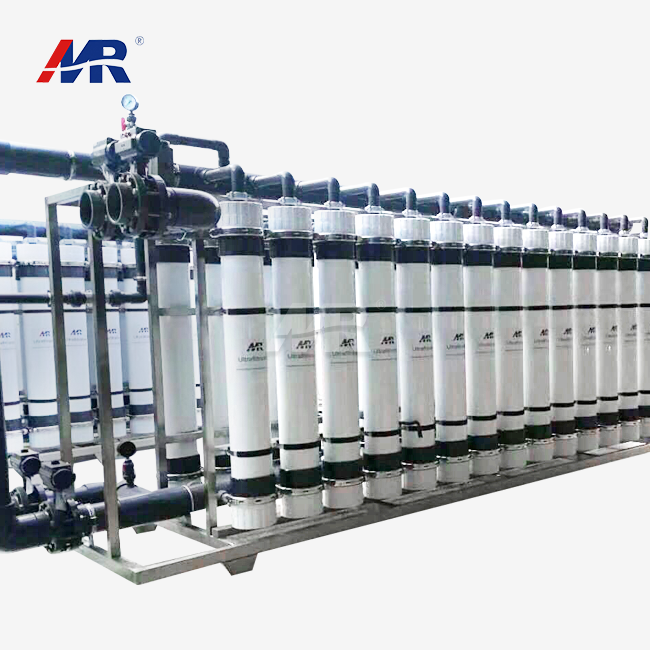 VIEW MOREUltrafiltration Systems
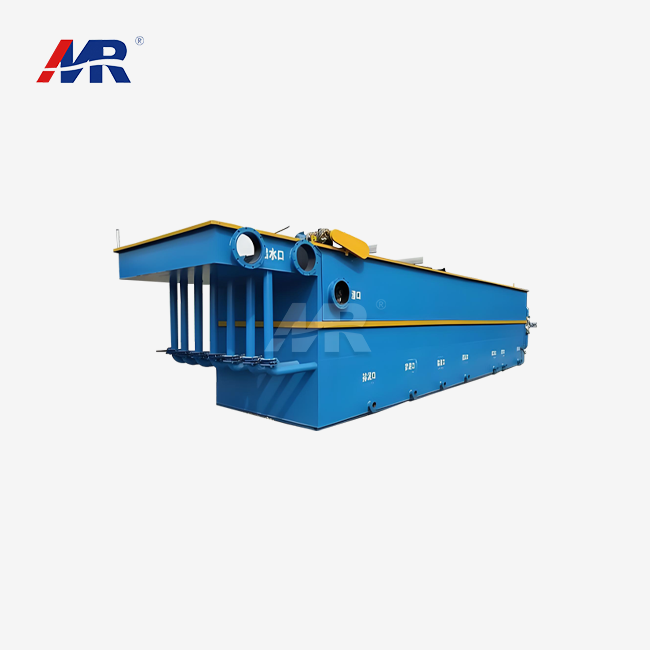 VIEW MOREadvanced wastewater treatment system
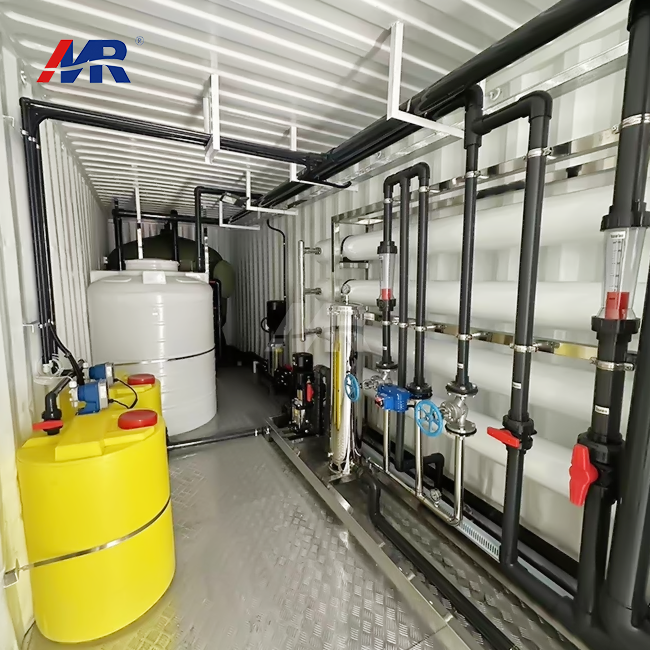 VIEW MOREcontainer reverse osmosis equipment
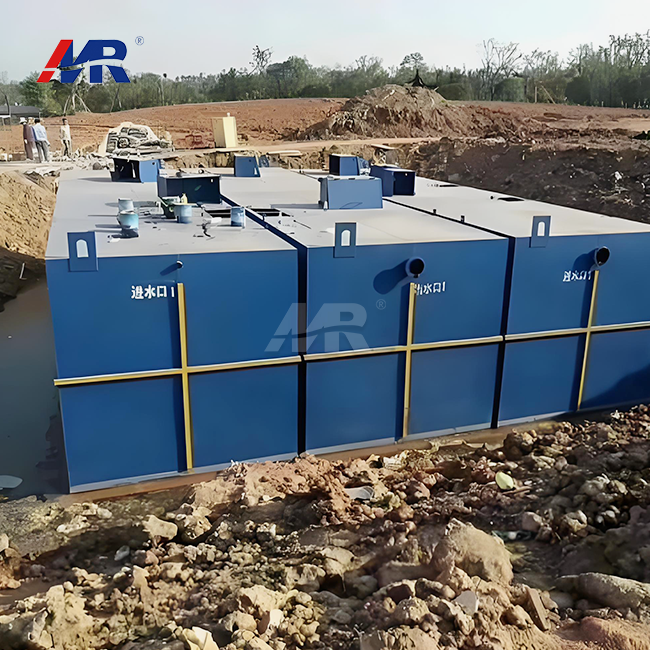 VIEW MOREwastewater treatment plant units
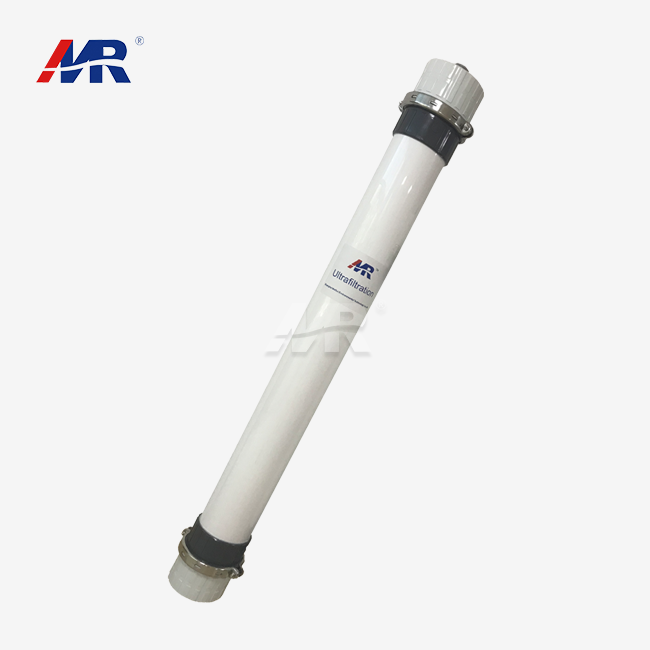 VIEW MOREultrafiltration membrane for wastewater treatment
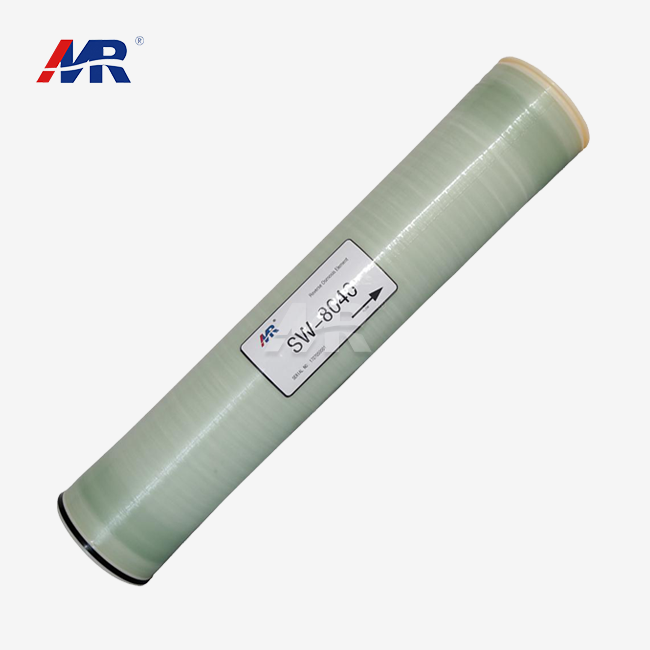 VIEW MORE8040 seawater reverse osmosis membrane
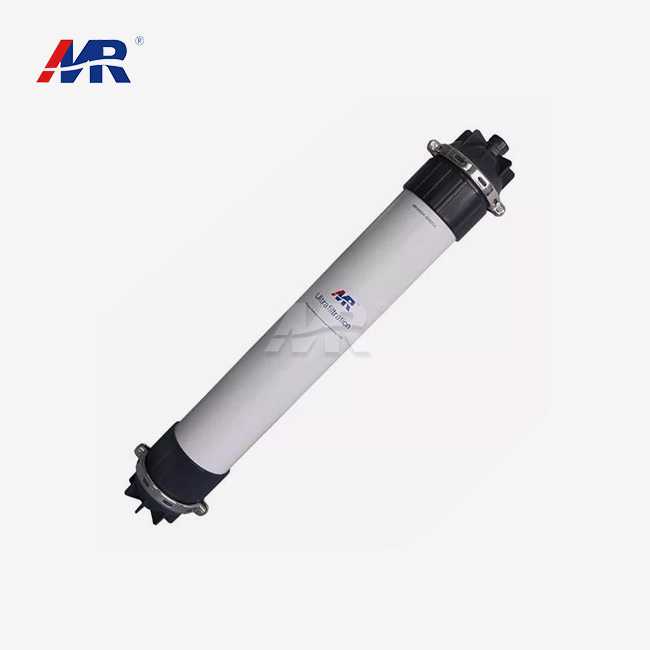 VIEW MOREultra filter membrane
 VIEW MOREindustrial sewage treatment plant
