_1745823981883.webp)

UF ultrafiltration for Municipal and Wastewater Projects
As the pressure on cities to provide safe drinking water and quickly handle wastewater grows, UF ultrafiltration stands out as a tried-and-true membrane technology that gets rid of suspended solids, bacteria, and germs with pores that are between 0.01 and 0.1 microns in size. This pressure-driven method creates a chemical-free barrier that can be used in municipal water plants, wastewater treatment plants, and large-scale reuse projects. It strikes a balance between operating reliability and following the strict rules for water quality in the United States.
Introduction
Environmental rules have tightened, and water security needs have expanded over the past 20 years. Municipal water treatment and waste management have evolved significantly. At Morui, procurement managers, plant engineers, and utility directors struggle to choose membrane technology to safeguard downstream equipment, eliminate infections, and reduce turbidity. This book is a detailed guide on UF ultrafiltration in waste and civic projects. It emphasises choosing the correct systems for large-scale demands.
The following sections are for procurement managers, engineers, and distributors. Basic technologies, filtering techniques, procurement, operating guidelines, and case studies are covered. The objective is to assist people in making sensible decisions and create faith in reliable membrane sources and cutting-edge filtration technologies that perform effectively and last.
Understanding UF Ultrafiltration Technology in Municipal and Wastewater Treatment
Core Operating Principles and Membrane Characteristics
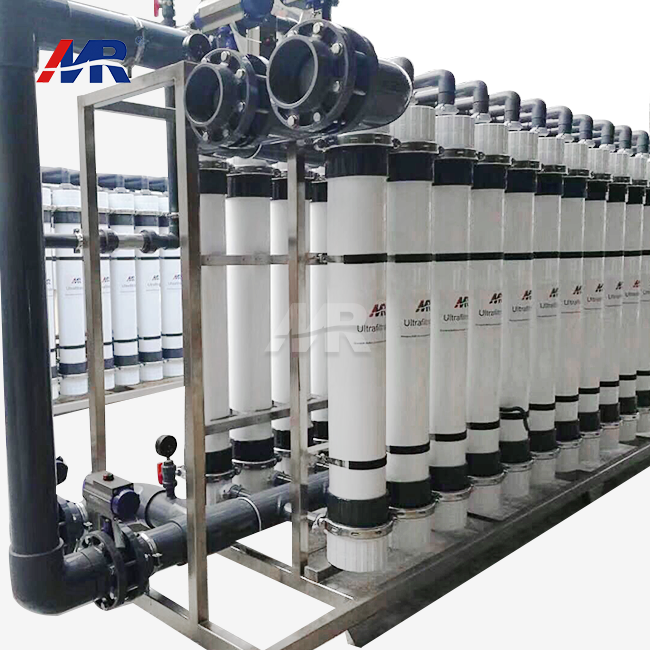
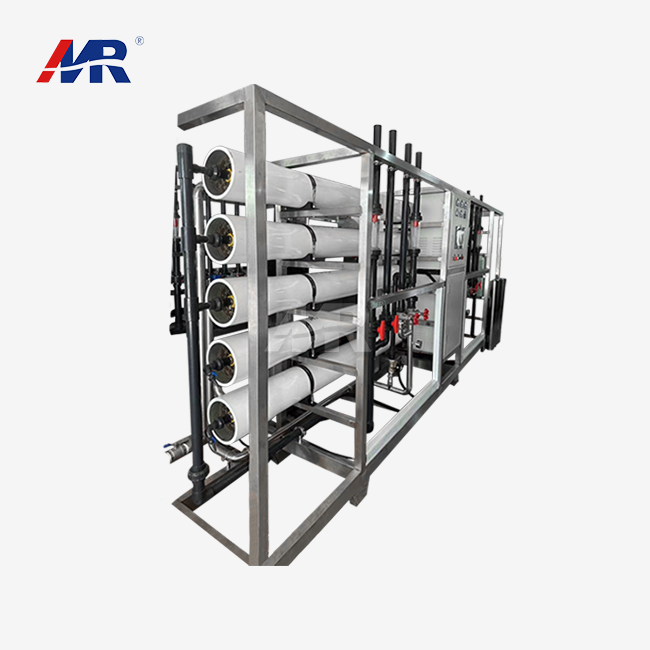
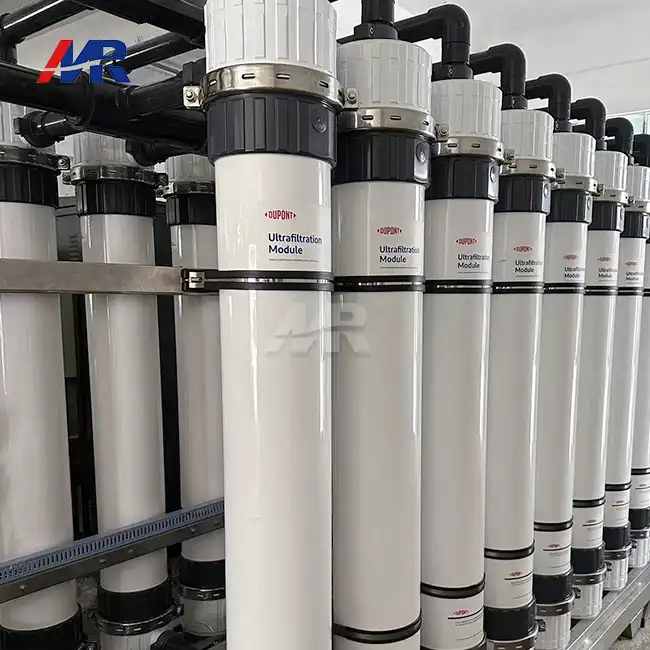
The semipermeable membranes in UF ultrafiltration have pores that are usually between 0.01 and 0.1 microns in size. This lets the technology get rid of trapped solids, bacteria, viruses, and high-molecular-weight organic matter without using any chemicals. Transmembrane pressure in the process ranges from 10 to 100 psi. Feed water is forced through hollow fiber or spiral-wound membrane modules, and particles stay on the membrane's surface or inside its holes.
System Process Flows and Configuration Options
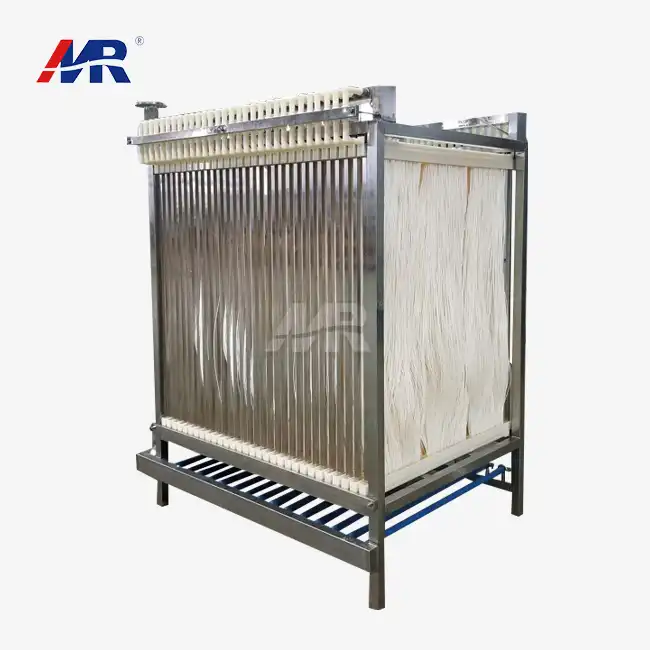
Most municipal systems employ inside-out or outside-in hollow fibre. Inside-out systems water fibre canals. To avoid fibre clogging, these systems demand feed water with fewer suspended particles (typically less than 50 parts per million) but improved flow hydrodynamics. Outside-in designs direct water to the shell side, which can handle more particles and clean fibre surfaces with air scouring. This makes outside-in designs ideal for Membrane Bioreactors and secondary wastewater treatment, where input water quality varies greatly.
The system's procedure involves feed preparation, permeate collection, concentrate processing, and periodic backwashing. For membrane protection against gritty particles and chemical degradation, pretreatment comprises coarse screening and pH adjustment. Backwashing, frequently paired with air cleaning, reverses flow to remove particulates and restore flux rates.
Strengths and Operational Limitations
Membrane technology removes many pollutants. Log 4 to Log 6 pathogens diminish chlorine-resistant Cryptosporidium and Giardia. Regular sand filtration doesn't always achieve this. Chemical consumption is limited, saving money and protecting the environment. Cities with limited space benefit from small footprints.
Membranes in a UF ultrafiltration system may become filthy with organic debris, colloidal particles, and bacteria, requiring frequent cleaning. Pressure demands may increase energy usage compared to medium filtering; energy-efficient pumps and module design can assist. UF ultrafiltration operates at lower pressures than reverse osmosis and offers greater selectivity than microfiltration. This makes it ideal for wastewater pre-treatment and a pathogen barrier.
UF Ultrafiltration vs Traditional and Alternative Filtration Solutions
Membrane Structure and Filtration Capabilities
This section compares membrane technology to various filtering methods used in municipal water projects. Larger pores (0.1 to 10 microns) remove suspended particles and germs in microfiltration. It doesn't kill viruses like UF ultrafiltration. Nanofiltration membranes can't contain divalent ions or tiny organic molecules due to their 0.001-micron pores. However, they need greater operating pressures and clog more easily in high-turbidity conditions.
At pressures over 200 psi, reverse osmosis removes dissolved salts and monovalent ions. It concentrates more and recovers less. Chlorine, volatile chemical compounds, and taste and odour compounds are eliminated using activated carbon filters. However, they don't physically guard against pathogens and require frequent media replacement.
Operational Efficiency and Lifecycle Cost Analysis
Flux rates, energy utilisation, membrane lifespan, and maintenance frequency affect overall expenses. UF ultrafiltration systems may filter 40 to 80 gallons per square foot per day and capture up to 95% of the water they filter in cities. Compared to reverse osmosis, which consumes 2–4 kilowatt-hours per thousand gallons, it uses 0.1–0.3.
If properly maintained and disinfected before use, polyvinylidene fluoride membranes may last five to seven years in municipal water systems and three to five years in industrial wastewater systems. Hydraulic backwashing every 30–60 minutes and Chemically Enhanced Backwash with sodium hypochlorite or citric acid every 24–48 hours restore flux and prolong membrane life.
This section helps procurement professionals decide whether UF ultrafiltration is ideal based on water quality issues, government regulations, and project objectives by providing explicit criteria. Ultrafiltration is always superior to sand filtration and clarifying for decreasing the Silt Density Index, eliminating microorganisms, and preparing water for reverse osmosis.
UF Ultrafiltration Systems: Procurement and Supplier Selection Guide
Assessing Global Suppliers and Market Landscape
For buying experts, it's important to know how the market works for UF ultrafiltration. Pentair, GE, Evoqua, Koch, Kubota, and Hydranautics are some of the best-known global providers. They all offer different membrane chemicals, module setups, and performance guarantees. To figure out how trustworthy a provider is, you can look at their case study portfolios, third-party Certifications like NSF/ANSI 61, and references from other city clients who deal with similar feed water conditions.
Support services go beyond just delivering Products; they also include help with setup, training for operators, and quick access to extra parts. After-sales service agreements should include reaction times for technical issues, performance checks once a year, and testing methods for membrane integrity to make sure that water quality rules are always followed.
Cost Factors and Investment Considerations
Membrane prices vary based on material, module size, and quantity purchased. Polyvinylidene fluoride hollow fibre membranes cost $30–$80 per square metre. Total cost of ownership covers capital and operating expenditures. Membrane modules, pressure tanks, pumps, sensors, and skid integration require capital. Energy, cleaning chemicals, labour, and membrane replacement are operational expenditures.
Full systems have several investment alternatives based on their treatment capacity, feed water quality, and desired permeate quality. A municipal water treatment facility that treats five million gallons per day may need a $2–$4 million investment. The annual operational expenses would be 15–25% of capital investment. Buyers should stick to well-known wholesalers and OEMs who give warranties, technical assistance, and lifecycle support. This ensures your purchases follow municipal procurement and budget cycles.
Technical Evaluation Criteria
When looking at how well permeation flux, recovery rates, and cleaning routines work with city infrastructure, they need to be looked at again. When you evaluate membrane modules, you have to look at the results of integrity tests, which are usually done using pressure decay or bubble point testing to make sure that no fibers have broken. Integration is easier, and commissioning takes less time when it can work with current hydraulic profiles, electricity supply standards, and control system protocols.
Installation, Operation, and Maintenance of UF Ultrafiltration Systems
Best Practices for Site Preparation and Phased Installation
Careful installation and ongoing upkeep are necessary for a successful rollout and long-term system performance for UF ultrafiltration. As part of preparing a site, the base needs to be designed so that it can hold skid loads, chemical dosing and cleaning systems need to be set up, and backwash and concentrate streams need to be able to drain properly. Phased installation that is suited to municipal settings keeps current operations as smooth as possible by letting them run at the same time during commissioning and performance testing before the full-scale switchover.
Routine Operational Protocols and Fouling Management
Routine tasks, including membrane cleaning, fouling management, and system status checks, keep design flow moving and prevent downtime. Hydraulic backwashing removes reversible fouling every 30–60 minutes. Chemically Enhanced Backwash alternates acid and alkali-oxidant cleaning to restore performance when transmembrane pressure exceeds setpoints.
Monitoring the condition involves monitoring transmembrane pressure, flow decrease rates, turbidity, and bacteria counts. Flux loss that can't be reversed and is more than 20% after thorough cleaning, fibre breakage from failed integrity tests, and chemical breakdown from too much chlorine exposure indicate membrane replacement. Add pre-filtration, improve cleaning chemicals, and replace outdated modules with higher-flow membranes to ensure long-term efficiency and compliance with evolving water quality regulations. This organised strategy reduces operational hazards and improves membrane life and treatment reliability.
Real-World UF Ultrafiltration Applications and Case Studies
Municipal Water Treatment Projects
Many local water treatment projects across the US have used membrane systems to improve water quality and make operations more sustainable, showing how UF ultrafiltration works in real life. A medium-sized water company in Texas got rid of old sand filters and replaced them with a 10-million-gallon-per-day membrane plant. This achieved consistent turbidity below 0.05 nephelometric turbidity units and got rid of the Cryptosporidium risk, meeting the requirements of the Surface Water Treatment Rule without using chemical coagulation.
Wastewater Reuse and Recycling Initiatives
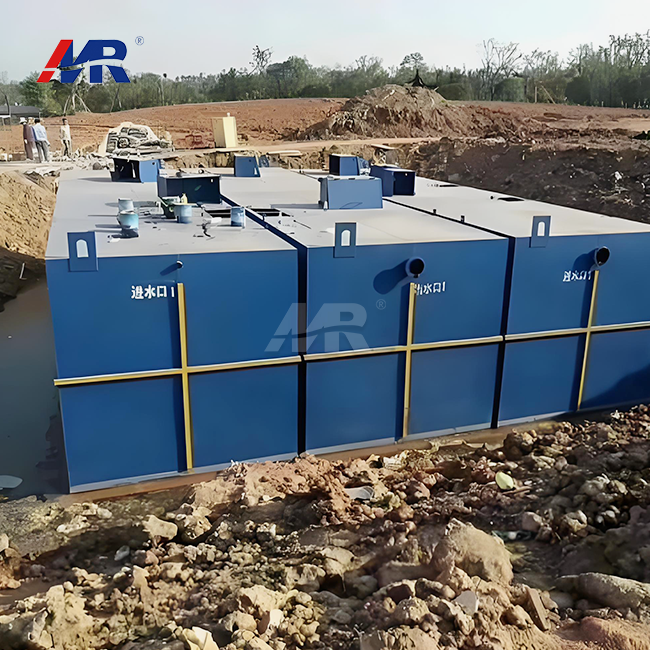
Reusing and recycling wastewater projects show that membranes can be used in a wide range of commercial and urban settings and still work well. The California wastewater treatment plant used Membrane Bioreactor technology, which combined biological treatment with ultrafiltration to make high-quality sewage that can be used to water plants and cool factories. The system had a 40% smaller size than other clarifiers and always met Title 22 standards for reclaimed water, even when the influent load changed with the seasons.
Cross-Sector Examples from Food and Pharmaceuticals
Food processing and medicines are two industries that show how the technology's durability and precise filtration meet strict quality and legal standards. Ultrafiltration was used by a dairy factory in Wisconsin to concentrate whey protein. They were able to recover 95% of the protein while using 30% less heat energy than evaporation. A New Jersey pharmaceutical production plant uses membrane systems to make pyrogen-free water for making injectable drugs. They show they are in line with US Pharmacopeia standards by following proven cleaning and integrity testing procedures. These examples make the value proposition stronger in big buying choices by showing how flexible, reliable, and measurable the return on investment is.
Conclusion
UF ultrafiltration is a developed, reliable technology that helps cities deal with major problems in treating water and managing garbage. By blocking germs physically, lowering the Silt Density Index for downstream reverse osmosis protection, and allowing chemical-free operation, membrane systems improve water quality, working efficiency, and regulatory compliance in a way that can be measured. When looking at ultrafiltration options, procurement professionals should put provider reliability, lifecycle cost analysis, and technical compatibility with current infrastructure at the top of their list of priorities to make sure the project goes well. Municipal and wastewater projects can meet long-term water treatment goals that protect public health and the environment for many years to come with the right installation, regular upkeep, and relationships with knowledgeable suppliers.
FAQ
1. What is the operational difference between inside-out and outside-in configurations?
Inside-out filtration lets water flow better through the fiber because it gives water with fewer dissolved solids, usually less than 50 parts per million, so that the fiber doesn't get clogged. Water is fed to the shell side through outside-in filtration, which can handle higher solids loads and allows air scrubbing to clean the outside fiber surfaces well. This makes it perfect for Membrane Bioreactor and wastewater reuse uses.
2. How often should Chemically Enhanced Backwash be performed?
Sodium hypochlorite or citric acid is usually used every 24 to 48 hours to recover flux. How often it happens relies on the quality of the feed water. When hydraulic backwashing isn't enough and transmembrane pressure rises above setpoints, Clean-In-Place methods use acid cleaning to get rid of artificial scaling and alkali-oxidant cleaning to break down organic fouling and get rid of biofilms.
3. Can ultrafiltration remove dissolved salts?
UF ultrafiltration gets rid of physical particles and proteins, but it needs reverse osmosis or nanofiltration to get rid of dissolved ions. Pore sizes of about 0.01 microns are too big to block monovalent or divalent ions that are 0.0003 to 0.0006 microns in size. This means that total dissolved solids pass through, but bacteria, viruses, and colloids stay put.
4. What is the typical lifespan of a membrane module?
If you treat and maintain them properly, good polyvinylidene fluoride membranes will last five to seven years in city water and three to five years in industrial wastewater. Particle erosion from abrasive solids, polymer chain degradation from too much contact with free chlorine, and mechanical fiber breaking from pressure changes all shorten the service life.
Partner with Morui for Advanced UF Ultrafiltration Solutions
Morui is ready to help you with your city water and wastewater projects by providing you with tried-and-true membrane systems, as well as a lot of technical knowledge and full service after the sale. We provide specialized treatment solutions that meet your unique water quality issues and regulatory requirements as a top UF ultrafiltration manufacturer with more than 14 locations and 500 committed employees. We can offer combined systems with one-stop installation and testing services because we make membranes in-house and work with well-known brands like Shimge Water Pumps, Runxin Valves, and Createc Instruments. Our Team of 20 engineers brings both real-world experience and rigorous scientific knowledge to every project, whether it's updating an old water plant, planning a new wastewater reuse facility, or looking for a reliable way to treat water before reverse osmosis. Please email us at benson@guangdongmorui.com to talk about your purchasing needs, get full specs, or set up a site consultation. We're dedicated to providing excellent water treatment that protects public health and improves operational performance.
References
1. American Water Works Association. (2020). Membrane Filtration Guidance Manual. Denver: AWWA.
2. Crittenden, J.C., Trussell, R.R., Hand, D.W., Howe, K.J., & Tchobanoglous, G. (2012). MWH's Water Treatment: Principles and Design (3rd ed.). Hoboken: John Wiley & Sons.
3. Judd, S., & Judd, C. (2011). The MBR Book: Principles and Applications of Membrane Bioreactors for Water and Wastewater Treatment (2nd ed.). Oxford: Butterworth-Heinemann.
4. Mallevialle, J., Odendaal, P.E., & Wiesner, M.R. (1996). Water Treatment Membrane Processes. New York: McGraw-Hill.
5. United States Environmental Protection Agency. (2005). Membrane Filtration Guidance Manual. Washington, D.C.: EPA Office of Water.
6. Zeman, L.J., & Zydney, A.L. (2017). Microfiltration and Ultrafiltration: Principles and Applications. Boca Raton: CRC Press.