

_1745823981883.webp)

Cost of a reverse osmosis system for seawater desalination
For procurement workers making significant investments in water treatment, knowing the cost of reverse osmosis system options for desalinating seawater is essential. Depending on production ability, technical requirements, and customization needs, the total cost is usually between $250,000 and over $15 million. Costs for capital include complex membrane structures, high-pressure pumps, pretreatment units, and control systems. Costs for operations include energy use, membrane replacement, and regular upkeep. Examining both the initial investment and the costs that come up over the course of the product's lifetime helps budgets be used wisely and ensures long-term success in industrial, urban, and marine settings.
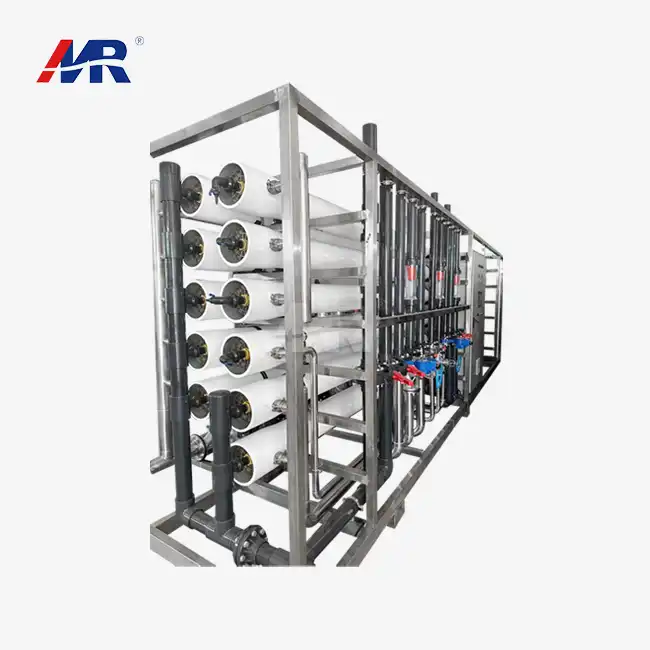
Overview of Reverse Osmosis Systems for Seawater Desalination
Reverse osmosis technology is one of the best ways to turn saltwater into freshwater that can be used. This helps seaside businesses and cities that are having trouble getting enough water. In contrast to regular filtering, RO systems use pressures between 800 and 1,200 psi to push seawater through semi-permeable membranes. This blocks salts and other impurities while letting pure water molecules pass through.
Why Seawater RO Systems Differ from Freshwater Treatment
There are about 35,000 parts per million of dissolved solids in seawater, which makes processing it different from processing salty water. When the saltiness is higher, you need strong barrier materials that can handle osmotic pressure and be exposed to corrosive acids all the time. Fouling risks go up a lot because of organic matter, bacteria, and mineral precipitation. This means that thorough pretreatment systems are needed, which have a big effect on the overall cost.
Industries Driving Seawater RO Demand
Desalinating seawater is used in many business-to-business (B2B) areas where a steady flow of fresh water is important for keeping operations going. Offshore oil and gas sites depend on small RO units to make drinking water for their crews during long operations. Large-capacity systems are used to prepare boiler feedwater in coastal power plants. This makes sure that the equipment is thermally efficient and lasts a long time. Desalination equipment is built into all kinds of ships, from cargo ships to cruise lines, so they can stay self-sufficient on long trips. In places where water is scarce, municipal utilities build huge RO plants that serve hundreds of thousands of people, and drug companies use RO from seawater along with other cleaning steps to meet strict GMP standards. Knowing about these different uses helps buyers figure out what kind of capacity they need and what technical specs they need based on their working surroundings.
Typical Project Scales and Procurement Considerations
Seawater RO systems range from small units that make 5,000 gallons of water a day for study boats to large factories that make 10 million gallons of water a day for city distribution. Systems that can handle between 50,000 and 500,000 gallons of water per day are used by factories, island getaways, and farms. Site-specific factors like feedwater quality analysis, local energy costs, the amount of space available, and legal compliance requirements must all be taken into account when making purchases. System flexibility has strategic benefits because it lets you gradually add more capacity in a way that fits your growth plans while lowering your initial capital outlay.
Detailed Cost Breakdown of Reverse Osmosis Systems for Seawater Desalination
Procurement teams can correctly allocate funds and negotiate with suppliers when they have access to transparent research on the cost of reverse osmosis system solutions. The total amount of money needed is split into two parts: the initial capital investment and the ongoing running costs. Each has several parts that change depending on the size and complexity of the system.
Capital Expenditure Components
Membrane modules account for 15–25% of total equipment costs, with seawater membranes priced at $800–$1,500 each. A 100,000 GPD system typically requires 40–60 elements, costing $32,000–$90,000. High-pressure pumps range from $25,000 for small units to $300,000 for industrial systems with energy recovery. Pretreatment equipment adds another 20–30% of capital costs, while pressure vessels cost $3,000–$15,000 each. Automation and SCADA integration can add $40,000–$200,000, depending on system complexity. Installation and commissioning usually represent 30–40% of total project costs. Complete 100,000 GPD turnkey systems often cost $600,000–$1.2 million, while large municipal plants exceeding 5 MGD may surpass $50 million.
Operational Expenditure Analysis
Energy use makes up most of the ongoing costs, which make up about 45 to 55 percent of running costs. Depending on how well the system works and how much energy is recovered, seawater RO needs 3 to 6 kilowatt-hours per cubic meter of water created. With industrial power rates running $0.10 to $0.15 per kWh, the cost of energy ranges from $0.30 to $0.90 per thousand gallons made. Every 3–7 years, depending on the quality of the feedwater and how the system is run, the membrane needs to be replaced. For medium-sized setups, this costs an average of $45,000 to $120,000 per replacement cycle. Antiscalants, coagulants, and cleaning agents cost between $0.15 and $0.40 per thousand gallons of water. Depending on location and complexity, labor needs range from 0.5 full-time equivalents for small automated systems to dedicated operating teams for big municipal sites. This costs an extra $30,000 to $150,000 a year.
Technical Factors Influencing Price Premiums
To get salt rejection rates of 99.7% compared to the normal 99.4%, you need premium membrane types, which cost 25–40% more. Certifications for drinking water uses, like NSF/ANSI 61 compliance, FDA approval for pharmaceutical use, or ATEX rates for dangerous settings, cost an extra $50,000 to $200,000 for tests, paperwork, and special materials. Remote monitoring with cloud-based data analytics, predictive maintenance algorithms, and mobile access interfaces are features that add value and cost an extra 10 to 15 percent. However, they improve operational efficiency and justify the extra cost by reducing downtime and improving performance.
Comparing Reverse Osmosis System Costs: Brands, Types, and Procurement Options
Strategic supplier selection weighs the cost of reverse osmosis system investment against the quality of long-term dependability and expert assistance. In the saltwater RO market, there are both well-known companies with track records and new companies with competitive price structures.
Brand Positioning and Value Propositions
Leading foreign brands price their goods higher than others because they spend a lot on research and development, have service networks around the world, and offer full guarantee programs. Their seawater RO systems usually cost 20–35% more than the standards on the market, but they have clear benefits like longer membrane life, lower energy use thanks to unique technologies, and quick Technical support. Mid-tier sellers offer great value with low prices, a strong presence in the area, and the ability to make changes that buyers want. This is appealing to buyers who want to save money without lowering quality standards. New companies from places where water treatment businesses already exist offer affordable choices that are good for less important tasks or buyers who are used to handling technical issues with their own knowledge.
System Configuration Comparisons
People who need fast deployment, movement, or gradual capacity growth like modular containerized systems. The prices for these plug-and-play systems range from $300,000 for 50,000 GPD units to $2 million for 500,000 GPD setups. They come with built-in climate control, remote tracking, and pretreatment. Custom-engineered solutions are the best way to get the most out of the site conditions, feedwater traits, and integration needs. Design-build methods usually add 15 to 25 percent to the cost of tools, but they get rid of problems with compatibility and performance gaps that come with standard solutions. Skid-mounted systems are a good middle ground because they combine efficient production with a fair amount of room for customization. Industrial buyers who have clear requirements and already-built-in systems can use these kits.
Procurement Strategy Optimization
Volume buying deals lower costs by 8–15% for deployments of multiple units or return buyers who build long-term relationships with suppliers. Bundled service packages that include equipment supply, installation, commissioning, user training, and longer warranties make it easier to get what you need and make your budget more predictable. Lease-to-own financing models require less money up front, which makes them appealing for local utilities and small businesses that are having trouble with cash flow. Performance-based contracts that link payment schedules to verified practical measures align the interests of both the customer and the seller. This lowers technical risk and encourages the best system design.
How to Choose the Right Reverse Osmosis System Based on Cost and Application Needs
To choose the right seawater RO equipment, you need to make sure that the technical specs match the working needs while also maximizing the equipment's lifecycle value rather than lowering its original cost. Multiple evaluation factors must be included in decision frameworks so that they can take into account both short-term limits and long-term strategic goals.
Capacity and Throughput Requirements
Predicting demand correctly avoids over-specification, which can be expensive, and ensures there is enough capacity during times of high demand. Pharmaceutical plants need to make sure they always have enough high-purity water on hand, and they need systems that can handle 120 to 150% of their peak capacity compared to their normal demand. Municipal services that serve growing populations can benefit from flexible designs that let them grow slowly as the number of users grows. Marine uses need small footprints and stable operation in seawater with changing quality, putting resilience over maximum efficiency.
Total Cost of Ownership Calculations
A full TCO study that covers 10 to 15 years shows economic facts that are hidden when you only look at the buying price. A system that costs $800,000 at first but uses 30% less energy because of improved energy recovery devices saves $45,000 to $60,000 a year, making the high cost worth it within 5 to 7 years while also being better for the environment. Differences in how long different types of membranes last have a big effect on how often they need to be replaced. Premium membranes that last six years instead of normal membranes that last four years lower lifecycle costs, even though they cost 40% more per unit.
Supplier Reliability and Partnership Value
How quickly technical support responds has a huge impact on business consistency, which is why evaluating suppliers is so important beyond just looking at equipment specs. Manufacturers who keep regional service centers stocked with qualified techs and a wide range of spare parts reduce the chances of downtime that affects production plans and income. Checking references with current users who use similar applications can tell you a lot about how well the product works in the real world, how good the help is, and what the hidden costs of ownership are. Suppliers that are financially stable make sure that parts will always be available and that warranties will be honored. This protects buyers from the risks of obsolescence that come with vendors failing.
Maintenance and Operating Costs: Planning for Lifecycle Expenses
System success over time relies on regular maintenance and planned operational management to control the cost of reverse osmosis system operation. To optimize lifecycle costs, you need to know what regular services are needed, put saving measures in place, and use new technologies that use fewer resources.
Scheduled Maintenance Protocols
Chemical cleaning-in-place methods cost $2,000 to $8,000 per cycle, which includes cleaning chemicals, labor, and production downtime. Membrane cleaning times range from every three months to once a year, depending on the quality of the feedwater and the design of the system. Every 30 to 90 days, a $500 to $2,500 cartridge filter needs to be replaced, based on the size of the system and the filter's specs. Manufacturer-recommended plans for pump seal replacement, valve service, and instrumentation calibration usually add up to $15,000 to $50,000 a year for medium-capacity setups.
Energy Cost Reduction Strategies
When compared to fixed-speed operation, variable frequency drives cut energy use by 15 to 25 percent by changing pump speeds to match changes in real-time demand. Energy recovery devices take hydraulic energy from concentrate streams. This lowers the amount of energy needed from 5 to 6 kWh per cubic meter to 2 to 3 kWh per cubic meter. Time-of-use power price can be used with off-peak operation scheduling to move production to lower-rate times and cut energy costs by 20–30% without spending any extra money.
Automation and Remote Monitoring Benefits
Advanced control systems with predictive algorithms constantly find the best working settings to keep the system running at its best and to extend the life of the membrane by running it gently. Centralized control of spread-out assets is possible with remote monitoring platforms, which let single expert teams efficiently handle multiple installations. Automated alerts that spot strange performance patterns let you fix small problems before they become big problems that need expensive emergency repairs.
Conclusion
When evaluating investments in seawater reverse osmosis systems, it is important to look at all of the costs, including the original cash needed, the ongoing costs, and the long-term value realization. A good procurement process weighs up the initial prices against the dependability of performance, the use of energy efficiently, and the quality of provider support. People who make decisions need to think about the needs of each application, plans for capacity, and the total costs of ownership that cover the whole span of the equipment. Strategic relationships with suppliers, clear cost breakdowns, and tried-and-true upkeep procedures protect investments and make sure that water production meets quality standards in the marine, urban, and industrial sectors.
FAQ
1. What drives the cost of reverse osmosis system installations for seawater applications?
What factors contribute to the high cost of reverse osmosis system setups for seawater? Installation costs include preparing the spot, doing civil work, installing electrical equipment, connecting pipes, and starting up the system. Places near the coast need special intake buildings and materials that don't rust. Usually, installation costs are between 25 and 40 percent of the price of the equipment. However, in difficult-to-reach places or places with bad weather, installation costs can reach 50 to 60 percent of the hardware's cost, which has a big effect on overall project budgets.
2. How often do membranes require replacement, and what are the costs?
Usually, membranes need to be replaced every three to seven years, but this depends on the quality of the feedwater, the operating procedures, and the level of care. The cost of replacing a system depends on how much it can hold. For example, a small system might cost $15,000 to $30,000 to replace, a middle system $50,000 to $120,000, and a big municipal facility $300,000 to $800,000. Preventative upkeep and the right cleaning plans make membranes last longer, which saves money on replacement costs and improves the lifecycle economics.
3. Are financing options available for large seawater RO projects?
Instead of spending all of your money on one piece of equipment, you can finance it, hire it, or sign a performance-based contract. Government programs often make it possible for municipal projects to get low-interest loans for infrastructure. Leasing equipment is a way for private buyers to keep their working cash for core activities. Build-own-operate-transfer models give the initial investment to specialized water service providers. These providers collect costs through long-term water purchase deals. This model is especially appealing for businesses that want to focus on operations rather than owning assets.
Partner with Morui for Cost-Effective Seawater Desalination Solutions
Guangdong Morui Environmental Technology has 14 branch offices, 500 committed workers, and 20 experienced engineers who work together to provide complete seawater reverse osmosis systems. Competitive price on the cost of reverse osmosis system projects is possible thanks to our integrated membrane production center and various equipment processing plants. We offer turnkey solutions that include everything from the initial design to installation, commissioning, and ongoing expert support. This means that you don't have to worry about coordinating with different providers. We use high-quality parts that will last a long time because we are approved sellers for Shimge Water Pumps, Runxin Valves, and Createc Instruments. Get in touch with Our Team at benson@guangdongmorui.com to talk about your unique needs and get detailed quotes from a reliable seawater desalination system maker that is dedicated to giving you the best value.
References
1. Voutchkov, N. (2018). Desalination Project Cost Estimating and Management. CRC Press, Boca Raton, Florida.
2. International Desalination Association. (2020). Desalination by the Numbers: 2020 Edition. Global Water Intelligence, Oxford, United Kingdom.
3. Stillwell, A.S. & Webber, M.E. (2016). Predicting the Specific Energy Consumption of Reverse Osmosis Desalination. Water Research, Volume 109, pp. 295-308.
4. American Water Works Association. (2019). Reverse Osmosis and Nanofiltration Manual of Water Supply Practices M46, Second Edition. Denver, Colorado.
5. Ghaffour, N., Missimer, T.M., & Amy, G.L. (2013). Technical Review and Evaluation of the Economics of Water Desalination: Current and Future Challenges for Better Water Supply Sustainability. Desalination, Volume 309, pp. 197-207.
6. United States Bureau of Reclamation. (2021). Desalination and Water Purification Technology Roadmap: Cost Analysis Frameworks. U.S. Department of the Interior, Washington, D.C.
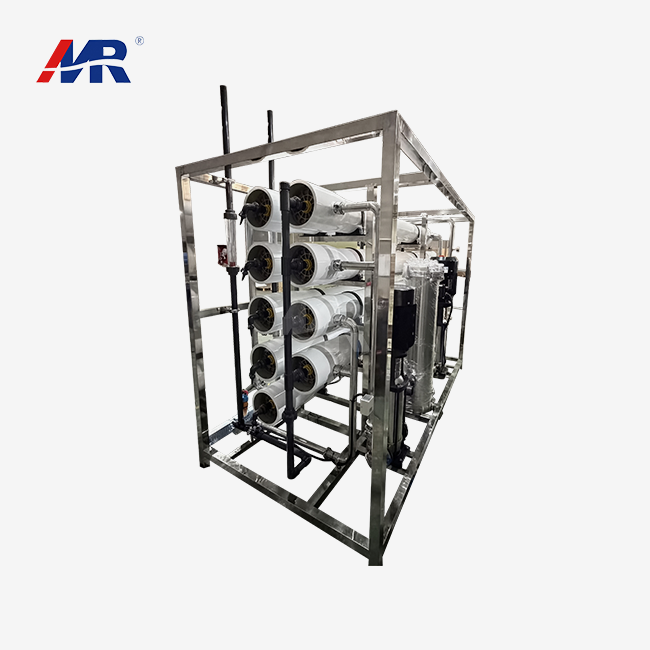 VIEW MOREro reverse osmosis water filter
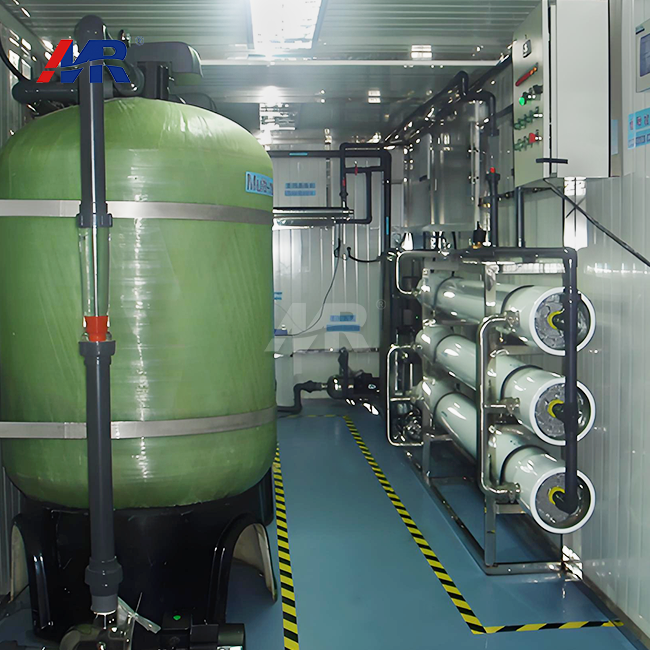 VIEW MOREContainerized Mobile Water Treatment Systems
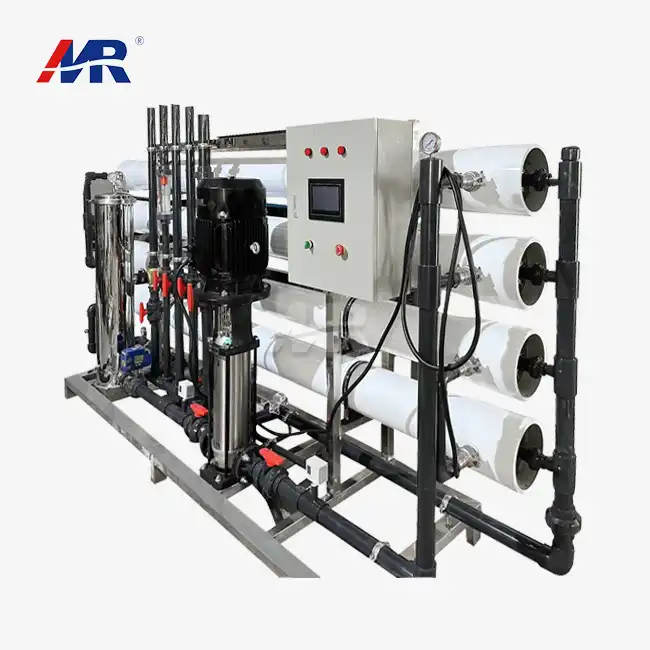 VIEW MORE12m3/hour reverse osmosis BWRO system
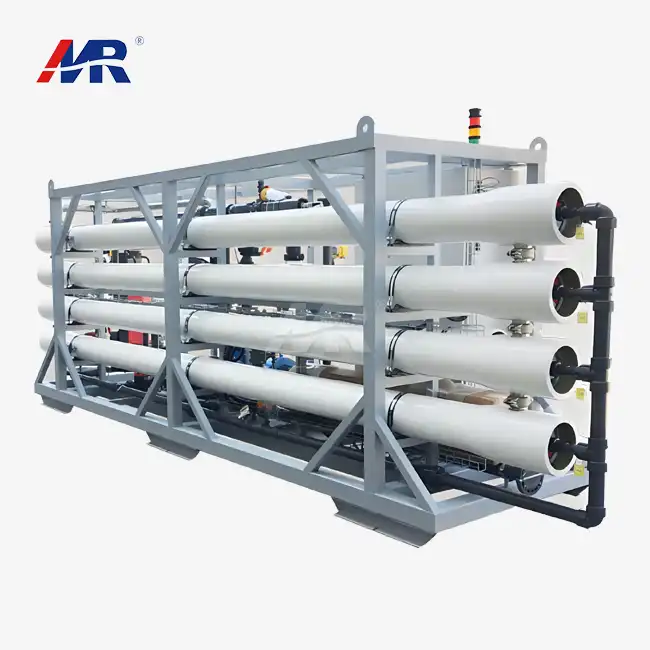 VIEW MORE12m3/hour seawater desalination equipment
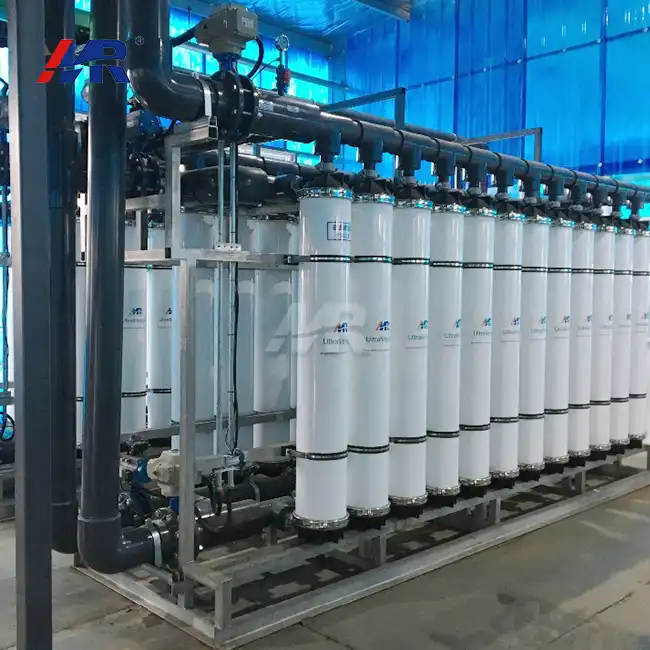 VIEW MORE50m3/hour ultrafiltration plant
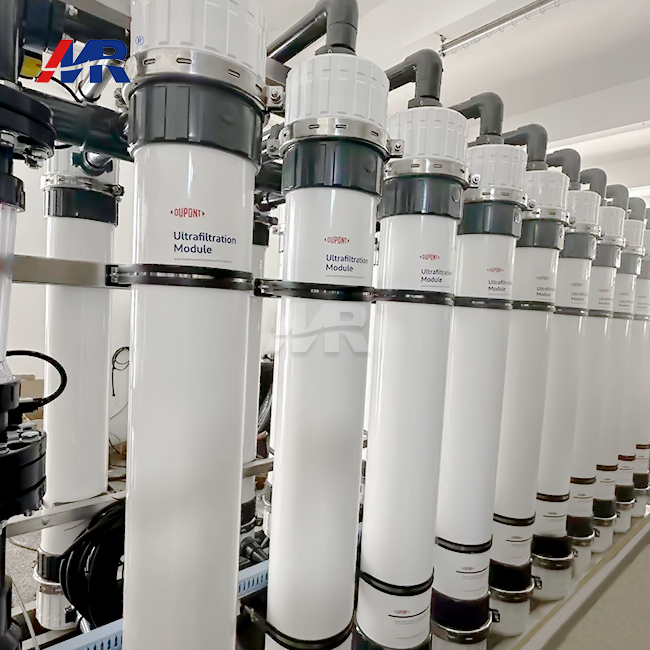 VIEW MOREultrafiltration water treatment system
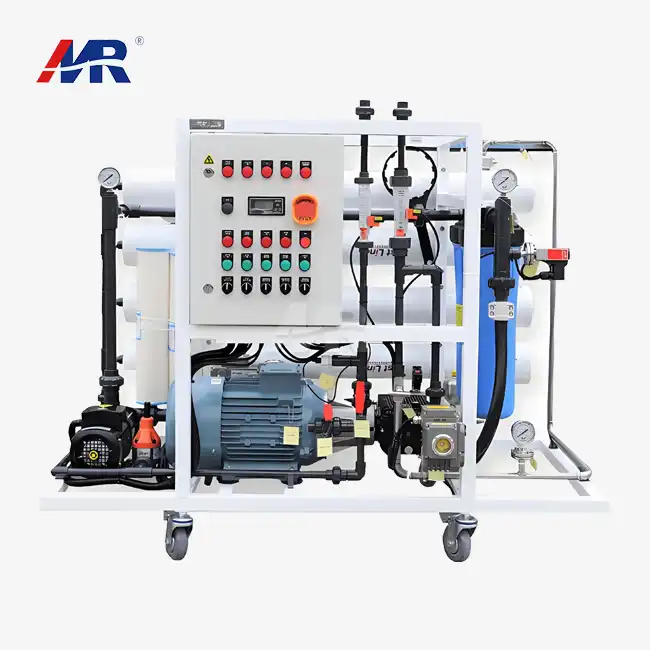 VIEW MORE2m3/hour seawater desalination equipment
 VIEW MORE60m3/hour reverse osmosis plant
