_1745823981883.webp)

New Developments in Seawater Desalination
New seawater desalination technologies are transforming corporate and city water supplies. Modern reverse osmosis systems utilise at least 40% less energy. New hybrid technologies integrate green electricity with membrane processes. These advancements save costs, preserve the environment, and expand solutions so they may be utilised in anything from medicine to coastal city systems. Procurement professionals now have more sophisticated desalination investment options that combine efficiency, sustainability, and long-term return profiles.
Understanding the Evolution of Seawater Desalination Technologies
From Thermal Distillation to Advanced Membrane Systems
It ranges from thermal distillation to high-tech membrane systems.
Coastal regions employed thermal desalination for years, using numerous flash distillation steps to evaporate and compress seawater. These devices required 10 to 15 kWh per cubic metre of freshwater; they were only cost-effective in low-energy areas or near power plants. Reverse osmosis membranes were launched in the 1970s and gradually supplanted thermal technologies since they consumed half the energy. Membrane fouling, high pressures, and poor salt rejection plagued early RO systems.
Recent membrane technologies have enhanced permeability and selection using thin-film hybrid materials. Today's RO systems recover about 50% of feedwater, turning it into a usable product instead of concentrated salt. Energy recovery systems can recover 98% of the reject stream pressure energy. This reduces energy usage to 2–4 kWh per cubic metre in ideal models.
Breakthrough Technologies Reshaping the Industry
Some cutting-edge approaches are moving from lab to field. Instead of pressure, forward osmosis employs natural gradients. It uses draw solutions that can be cleaned with low-grade heat or renewable energy. This approach may be effective for cleaning high-salinity feedwaters when RO can't.
Capacitive deionisation is a revolutionary method that pulls and holds dissolved ions on electrode surfaces using electrical fields. This method is currently only for brackish water. Its suitability for complete saltwater desalination without chemicals or high-pressure pumps is being investigated.
Electrodialysis reversal devices treat salty water using ion-selective membranes and electrical current to remove dissolved salts. When paired with RO systems in mixed configurations, these technologies recover the most freshwater and reduce salt waste.
Integration with Renewable Energy Sources
In isolated places where grid electricity is unstable or costly, solar-powered seawater desalination units function effectively. Concentrated solar thermal energy powers distillation and RO pumps at certain locations, while photovoltaic panels and battery storage offer 24/7 power. Wind-powered systems power island and seaside settlements, eliminating the need for fossil fuels.
These green energy combinations reduce carbon emissions and lifetime operating expenses since solar and wind tools are becoming cheaper. Renewable energy projects in Australia and the Middle East demonstrate that well-planned ones may compete with grid-connected plants in cost over 15–20 years.
Key Benefits and Environmental Considerations of Modern Seawater Desalination
Operational Advantages for Industrial and Municipal Applications
Modern saltwater desalination technology can maintain water quality regardless of source. The water fulfils the WHO drinking water standards or industrial process demands. Pharmaceutical firms need this regularity to maintain GMP-compliant filtered water systems. Electronics manufacturers require ultrapure water to clean semiconductors.
Scalability is a major advantage. Modular solutions allow enterprises to start small, like 100 cubic meters per day, and grow capacity as demand develops. Companies that create chemicals, prepare food and beverages, and stage city infrastructure benefit from this flexibility. Containerised plants may be operative in 6–8 months after ordering.
Advanced tracking systems reduce unplanned downtime by improving reliability. Automated controls adjust pressures and flow rates depending on feedwater quality to find the ideal operating conditions. Predictive maintenance programs use performance data to replace components before they break. This stabilises output rates for continuous industrial operations.
Addressing Environmental Challenges Responsibly
Brine release management is the biggest environmental challenge. Usually, concentration streams include twice as much salt as seawater and cleaning agents and antiscalants. The diffuser must be built to swiftly mix the concentrate with saltwater to effectively dispose of trash. High salt levels, which harm marine habitats, are prevented.
Zero liquid release systems are preferable since they transform concentrate into solid salts that may be thrown away or utilised in business. ZLD requires a lot of energy, although it might be useful when the number of release licenses is few or the recovered salts are valuable. Many chemical and petroleum industries employ ZLD designs to comply with environmental regulations.
Carbon reduction strategies are increasingly significant in buying decisions. Lifecycle emissions are substantially lower for green energy or waste heat recovery facilities than for fossil fuel plants. Energy recovery, high-efficiency pumps, and optimised membrane designs save electricity. This reduces operating costs and greenhouse gas emissions.
Regulatory Compliance and Quality Assurance
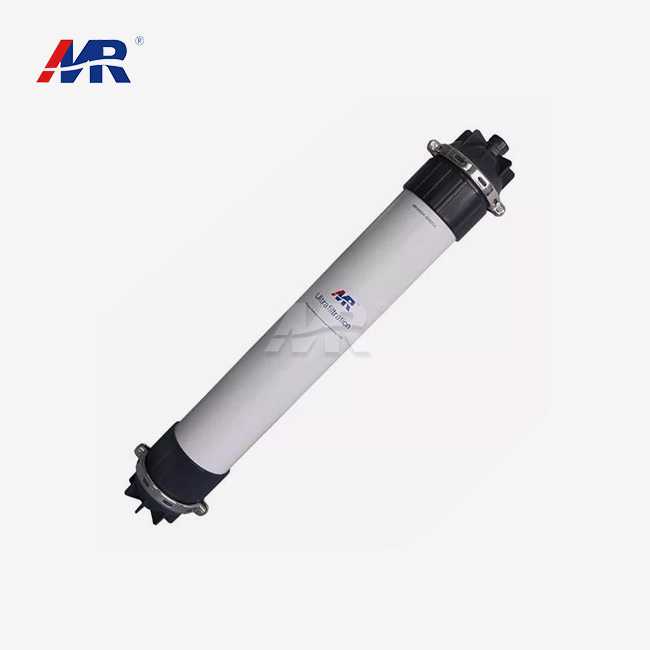
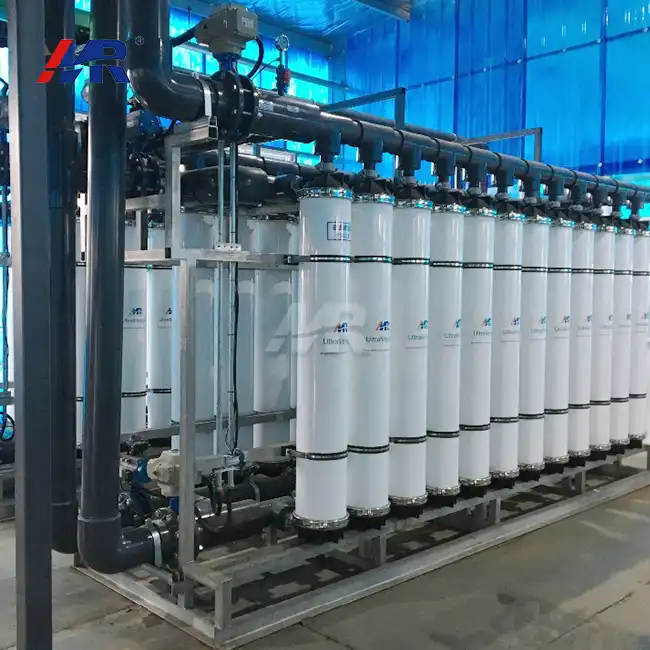
After pH correction and remineralisation, saltwater desalination water always fulfils Safe Drinking Water Act standards. Industrial cleaning may need ultrafiltration for pharmaceutical water systems, electrodeionization for electronics, or customised treatment trains for a process.
Third-party approvals verify equipment performance. NSF/ANSI 61 certification ensures that the materials are safe for drinking water, while ISO 9001 quality control systems ensure consistent manufacture. Equipment documentation for medical and pharmaceutical usage must enable FDA validation and compliance monitoring.
Practical Guide to Procuring Seawater Desalination Equipment and Services
Essential System Components and Quality Indicators
Intake systems must be carefully planned to prevent marine life from entering and sand and debris from harming downstream equipment. Beach wells and bottom infiltration tunnels filter water better than direct surface pulls by filtering through sand. In wide oceans, screens and velocity limits must be large enough to protect fish while allowing water flow.
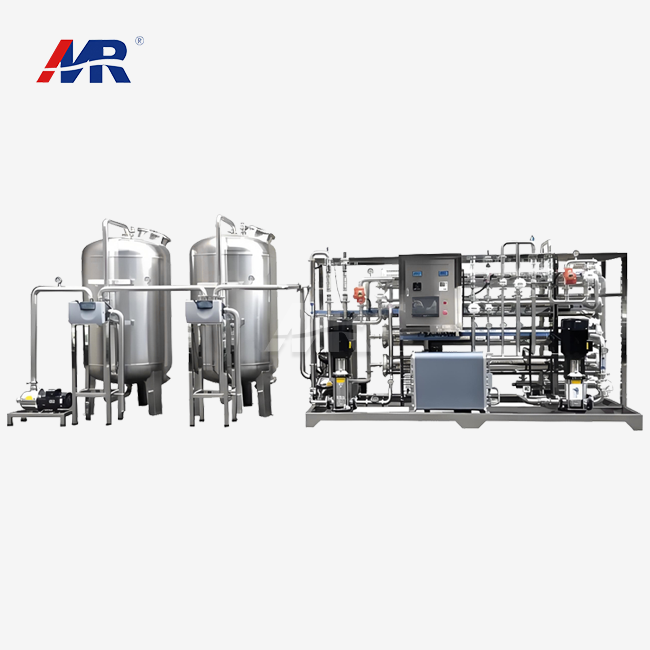
Pretreatment setups vary by feedwater type. Turbulent sources need multimedia filtering or dissolved air floating. Organic-rich waters require better combustion or activated carbon adsorption. Most systems contain capsule filters before high-pressure pumps as a final defence. These filters trap membrane-damaging particles.
Important items like high-pressure pumps must be listed. Large plants employ positive displacement pumps, whereas small to medium-sized ones use centrifugal pumps. Variable frequency motors regulate pressure precisely and can adapt to feedwater temperature and membrane age. Choosing nickel metals or super duplex stainless steel prevents corrosion in saline seas.
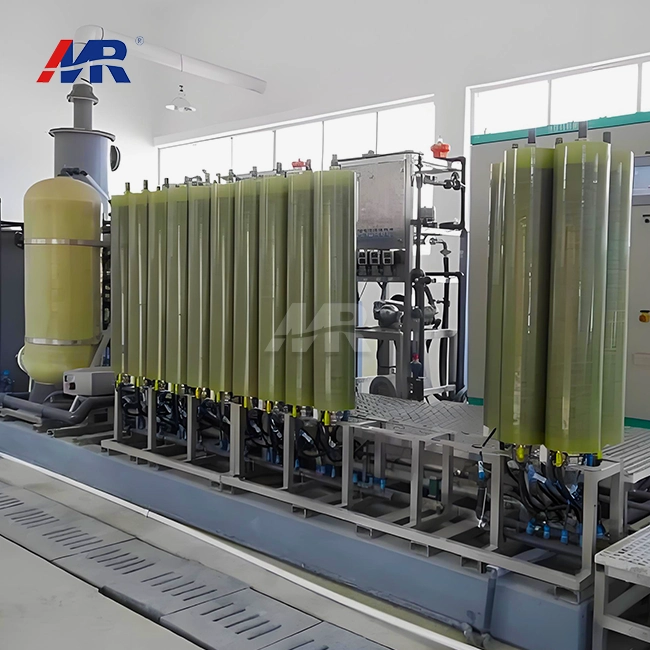
Each of the large membrane element manufacturers has its own formula that performs well in various scenarios. Thin-film composite polyamide membranes are usually employed in seawater due to their high rejection rates, flux, and fouling prevention. Pressure tanks must fulfil ASME specifications and withstand acceptable operating pressures and safety margins.
Energy recovery systems add hydraulic energy from concentrate streams to influent feedwater. With 96–98% efficiency, modern isobaric systems utilise less net energy. How effectively these devices are sized and maintained affects plant operating costs.
Partnering with Experienced Engineering and Construction Firms
Turnkey project delivery makes buying easier for people who don't have their own water treatment knowledge. Engineering companies with a lot of experience handle conceptual design, choosing the right tools, thorough engineering, building management, and commissioning all under one contract. This method gives the contractor control over how well the seawater desalination system works. The contractor then works with the equipment makers to make sure that the plants operate and meet the agreed-upon requirements.
Design-build contracts speed up project plans by combining the tasks of planning and buying at the same time. When compared to the standard design-bid-build method, this method cuts total timelines by months by starting to order equipment as soon as basic designs set major parameters. This speed helps businesses that need water quickly or have limited time for getting permits.
After the project is finished, operations and upkeep contracts provide ongoing help. Operators of plants get a lot of training that covers everything from normal operations to standard repair to troubleshooting to what to do in an emergency. Equipment makers can see how systems are working in real time with remote tracking services. This lets them fix small problems before they get worse.
Structuring Agreements for Long-Term Success
Performance standards should make it clear what the goals are for availability, energy use, output capacity, and the quality of the water used in the Products. Acceptance testing methods make sure the plant meets the agreed-upon standards before the final payment is made and the warranty period starts. Liquidated losses terms protect buyers in case systems don't do what they're supposed to.
Spare parts sets that cover two to three years of use make sure that repair can happen without any delays in the supply chain. Pay close attention to important parts of the control system, such as membrane elements, cartridge filters, pump covers, and cartridge filters. Supplier deals should include promises about when parts will be available, so that products don't become obsolete or stop being made.
Training programs need to cover a wide range of skills, because operations staff need to know daily procedures, repair workers need to be able to fix problems, and plant managers need to be able to improve performance. Documentation that includes thorough O&M guides, process diagrams, and equipment specs helps people share their knowledge and gives them ongoing reference materials.
Future Outlook: Trends Shaping the Next Generation of Seawater Desalination
Digital Transformation Through Smart Monitoring Systems
Now, artificial intelligence algorithms constantly look at thousands of working factors and find small performance drops that humans can't see. Machine learning models that have been trained on past data can predict how membrane fouling will progress, which helps them make the best cleaning plans to get the most work done between CIP cycles. By extending the life of membranes and using fewer chemicals, these devices save money in a clear way.
Connectivity to the Internet of Things lets centralized control rooms handle plants from afar. Several sites spread out in different regions report to a single operations center filled with experts in their fields. This centralization speeds up reaction times during disruptions and lowers the cost of labor per unit of output. Cloud-based systems make it easier for plant workers and equipment makers to share data, which speeds up troubleshooting and improves performance.
Costly unexpected downtime can be avoided with predictive maintenance. On rotating machines, vibration monitors find worn bearings before they break. Using differential pressure monitors in different stages of filtration to find fouling patterns lets you take action before it gets too bad. When parameters move outside of normal areas, automated alerts let support teams know. This lets them look into the problem before it gets worse.
Circular Economy Principles and Resource Recovery
Zero-liquid discharge technologies turn trash streams into materials that can be used again. Evaporator crystalizers turn brines into solid salts that can be used in industry or thrown away safely in a dump. Some systems take important minerals like magnesium, calcium, and lithium out of concentrate streams to make money that covers the costs of disposal. These methods are in line with companies' goals for sustainability and meet government requirements to have minimal effects on the environment.
Minimum brine methods increase the amount of water that can be recovered, which lowers the amount that needs to be thrown away. Advanced RO systems get 60–70% recovery by stacking and using special high-pressure membranes that can handle high salt levels. Electrodialysis cleaning steps remove more freshwater from RO concentrate, which lowers the amount of waste that needs to be thrown away while improving the overall efficiency of the plant.
As the prices of solar and wind power go down, more and more renewable energy is being used. Hybrid systems that combine filtration with battery storage keep things running smoothly even when power goes out occasionally. Some projects send extra renewable energy to power lines when there isn't much demand for water. This creates extra income streams that improve the project's finances.
Strategic Procurement Planning for Emerging Markets
The world's ability to provide seawater desalination keeps growing quickly, especially in new areas that are having a hard time getting enough water. Asia-Pacific markets are growing the fastest because cities and factories are using more water than is available. As the economy grows and people look for stable water facilities, Sub-Saharan Africa is becoming an area of new opportunities.
When choosing a technology, the total cost of ownership is becoming more important than the initial cash outlay. Life-cycle analysis compares CAPEX, OPEX, and renewal costs to help people make choices that will save them the most money over 20 years, not just the most money at the beginning. This change supports high-quality gear from well-known brands over cheaper options whose performance and durability aren't known.
As time goes on, regulations get tighter when it comes to water safety and protecting the environment. Strategies for buying things need to take into account things like stricter rules on discharge, higher standards for energy economy, and more tracking duties. Choosing equipment that meets standards that will be used in the future saves money on upgrades and keeps operations in line with regulations for the whole time they are in use.
Conclusion
New advances in seawater desalination technologies have opened up a world of possibilities for businesses and cities that need stable, low-cost freshwater sources. Today's reverse osmosis systems use so little energy that it would have been impossible ten years ago. New technologies like forward osmosis and hybrid configurations promise even more gains. Integrating renewable energy, managing brine responsibly, and recovering resources through good environmental care all help to align water security goals with sustainability promises. When purchasing managers are thinking about investing in seawater desalination, it's helpful to have a full understanding of the technologies that are available, the skills of suppliers, and the costs over the whole process. When you pair strategic equipment selection with experienced engineering partners, you can be sure that projects will deliver the performance you expect, meeting daily needs and supporting long-term organizational goals in a world where water is becoming more scarce.
Frequently Asked Questions About Seawater Desalination
1. What desalination technology offers the best energy efficiency?
Modern reverse osmosis systems with energy return devices are the most energy-efficient way to treat seawater desalination; they only use 2 to 4 kWh per cubic meter of water they make. This performance is much better than steam distillation, which needs 10 to 15 kWh per cubic meter. Hybrid systems that use both RO and green energy sources have the smallest impact on the environment and the lowest costs to run.
2. How have membrane technologies advanced recently?
These days' thin-film hybrid membranes are better at blocking salt and letting more water through than older generations. Now, manufacturers make elements that work best with difficult feedwaters, like those that are high-temperature, have sources that tend to be dirty, or need to remove a lot of boron. These special membranes increase the range of operations and lower the need for preparation, which lowers the overall cost of the system and raises its reliability.
3. What considerations matter most when selecting equipment suppliers?
When evaluating a supplier, you should look for ones that have shown they have experience with applications in your industry, have a regional service infrastructure that lets problems be fixed quickly, offer full training and documentation support, and give clear lifetime cost estimates. Companies that make their own membranes and keep parts in stock for quick shipping have an edge over brokers who buy equipment from a lot of different suppliers. Warranty terms, performance promises, and examples from setups that are similar give you more confidence in the provider you choose.
Partner with Morui for Comprehensive Seawater Desalination Solutions
Guangdong Morui Environmental Technology makes seawater desalination devices that meet the needs of businesses and cities. Our engineering team has been treating water for 20 years and has helped businesses, utilities, and makers with a wide range of tasks. We have full control over quality because we make our own membranes and sell tools from well-known brands like Shimge pumps and Runxin valves. With this combined method, prices can be kept low without affecting performance or dependability.
Our full services include designing the system, buying the equipment, supervising the installation, helping with the commissioning process, and teaching the operators. Twenty experts are available to give you technical advice and help you make the best designs for your feedwater conditions and output needs. Whether you need ultrapure water for making electronics, pharmaceutical-grade purified water that meets GMP standards, or drinkable water for city distribution, we can set up options that will work. Get in touch with Our Team at benson@guangdongmorui.com to talk about your project needs with experienced seawater desalination suppliers who know how to meet business needs and buying goals.
References
1. Elimelech, M., & Phillip, W. A. (2011). The Future of Seawater Desalination: Energy, Technology, and the Environment. Science, 333(6043), 712-717.
2. Ghaffour, N., Missimer, T. M., & Amy, G. L. (2013). Technical Review and Evaluation of the Economics of Water Desalination: Current and Future Challenges for Better Water Supply Sustainability. Desalination, 309, 197-207.
3. Lattemann, S., & Höpner, T. (2008). Environmental Impact and Impact Assessment of Seawater Desalination. Desalination, 220(1-3), 1-15.
4. Voutchkov, N. (2018). Energy Use for Membrane Seawater Desalination – Current Status and Trends. Desalination, 431, 2-14.
5. Zarzo, D., & Prats, D. (2018). Desalination and Energy Consumption: What Can We Expect in the Near Future? Desalination, 427, 1-9.
6. Qasim, M., Badrelzaman, M., Darwish, N. N., Darwish, N. A., & Hilal, N. (2019). Reverse Osmosis Desalination: A State-of-the-Art Review. Desalination, 459, 59-104.