_1745823981883.webp)

What affects the cost of ultrafiltration systems in industrial setups?
Ultrafiltration costs so much in industrial settings because prices depend on technological specifications, operational demands, and long-term performance objectives. The overall investment depends on the membrane type, system setup, setup difficulty, and maintenance expenses. Whether you operate a pharmaceutical facility that requires GMP-compliant water or a municipal treatment plant that has to repair existing infrastructure, ultrafiltration costs vary based on your application demands, production capacity, and water quality targets. By strategically examining these factors, purchasing teams may balance the initial cost of capital, operational efficiency, and long-term value.
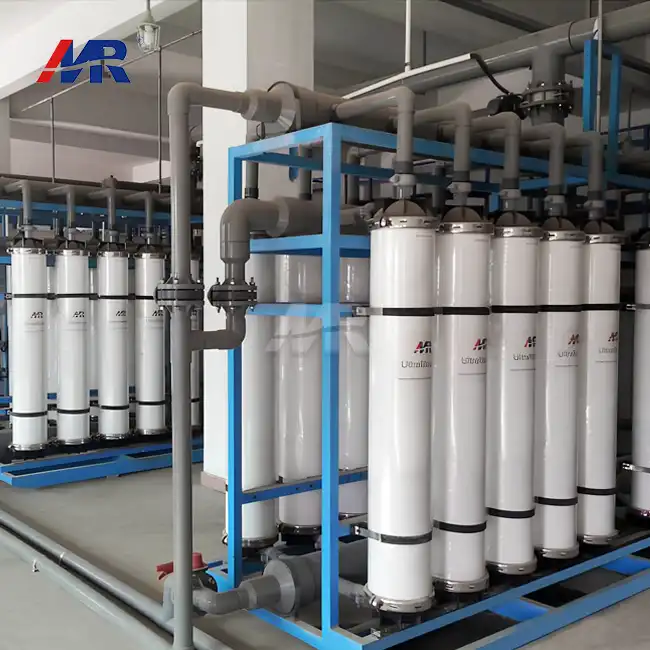
Understanding the Core Factors Influencing Ultrafiltration System Costs
Membrane Quality and Material Selection Drive Base Pricing
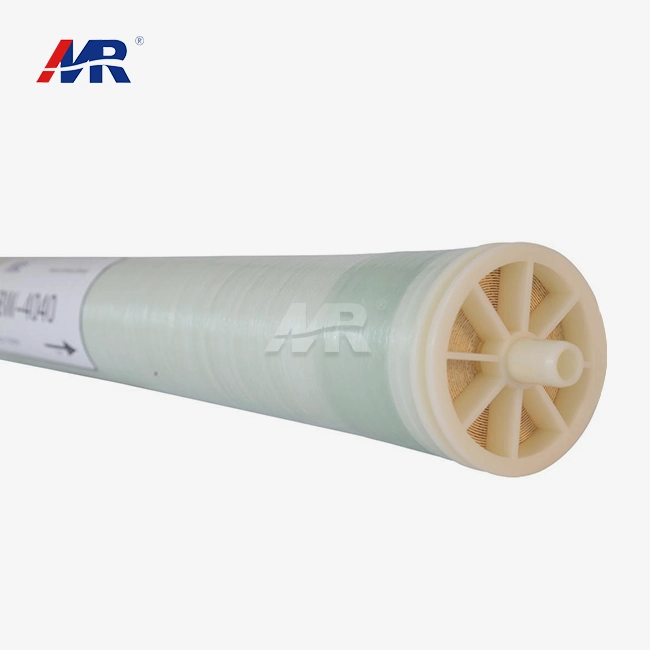
Membrane technology makes ultrafiltration systems operate and accounts for 30–40% of equipment expenditures. The finest industrial membranes are polyvinylidene fluoride (PVDF) since they withstand chemicals, endure long, and don't clog. Because PVDF is simpler to clean and works better with chemicals than polyethersulfone (PES), it is employed in wastewater treatment and industrial operations outside-in.
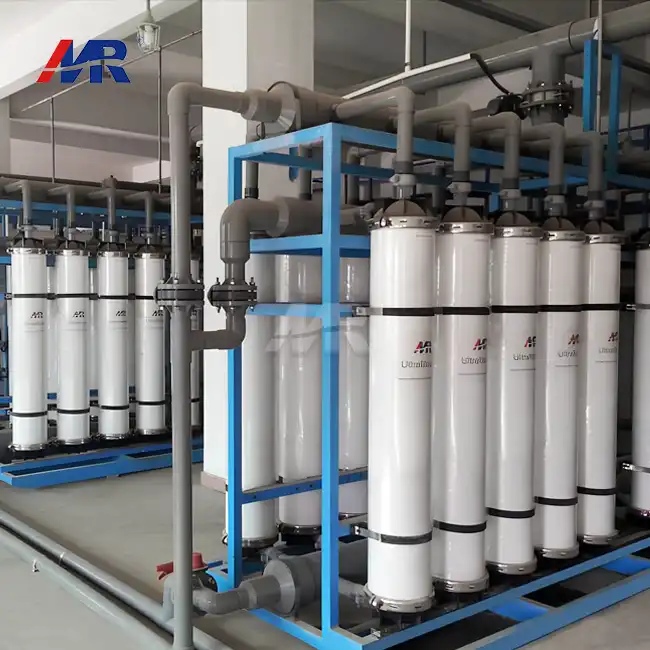
Membrane surface area affects efficiency and cost. Advanced kinds with 70–90 square meters per element may treat more water with fewer membrane units. This reduction reduces startup costs and size, which is crucial for treatment plants in tight spaces. Fewer membranes save maintenance resources and simplify system administration, saving even more money over time.
Hardware Components and System Configuration
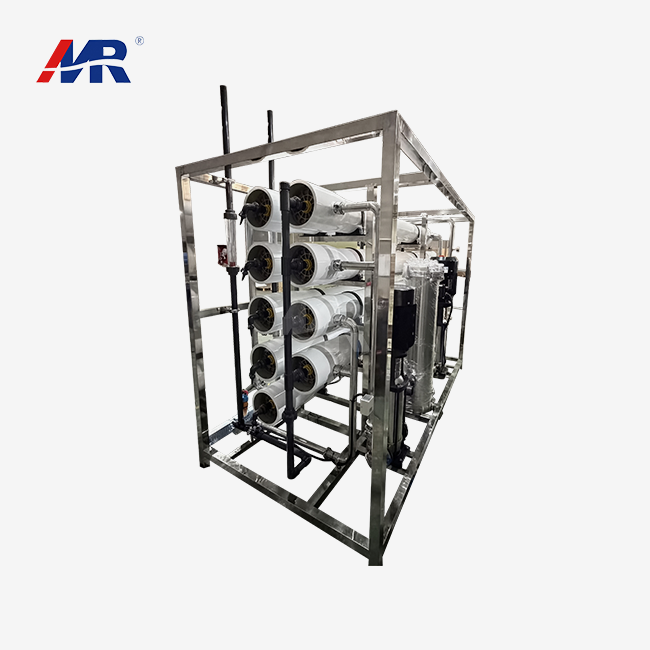
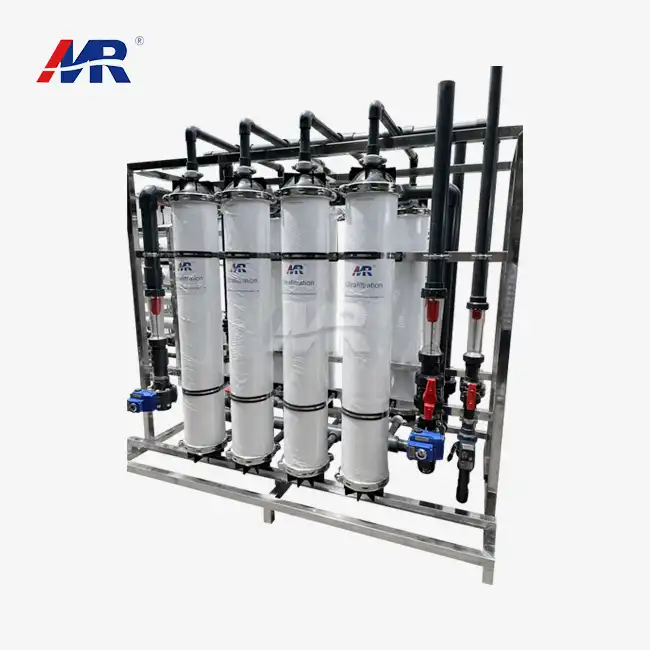
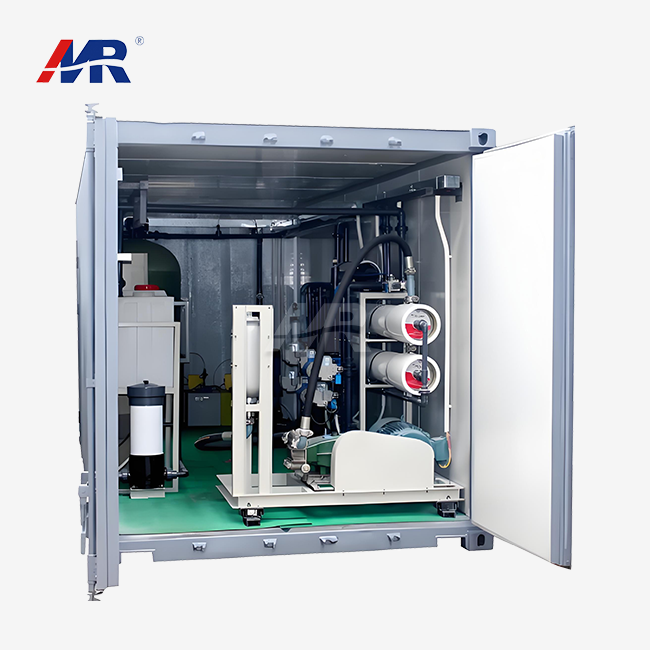
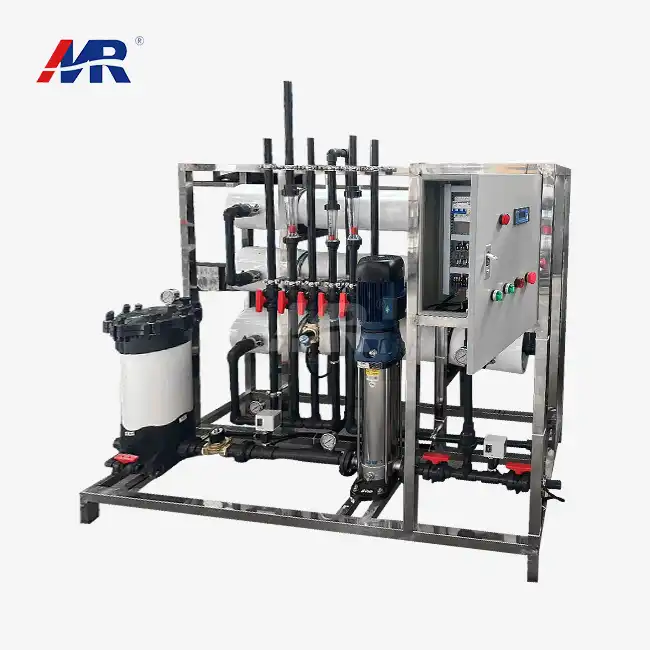
Besides membranes, other equipment affects system pricing. Feed pumps, circulation loops, automated valving systems, and PLCs with HMIs are essential for ultrafiltration skids. The framework of these pre-engineered modular units is commonly stainless steel 304/316L or epoxy-coated carbon steel. It holds all the essential equipment. This speeds up installation by eliminating complex on-site assembly.
Clean-In-Place (CIP) devices increase expense but stabilise performance. CIP systems alternate acid cleaning (pH 2 with citric or hydrochloric acid) for metal scaling with alkaline/oxidant cleaning (pH 12 with sodium hypochlorite) for organic fouling and biofilms. These subsystems cost more upfront, but they increase membrane service life and maintain flux rates, preventing production losses in poorly maintained systems.
Installation Complexity and Site-Specific Requirements
Installation prices vary based on the site's condition, accessibility, and infrastructure compatibility. Complex civil construction, unique pipe materials, or merging with existing control systems usually increase costs. Instead, plug-and-play ultrafiltration skids with pre-programmed control routines and standard connectors save these expenditures.
Where items are sold affects prices. Transporting heavy equipment to remote locations is expensive, and utilities may need greater construction investments. Municipal water treatment facilities that move from media filtration to membrane technology frequently have to spend more for structural reinforcement, power capacity, and hydraulic adjustments to manage higher or lower operating pressures.
Operational Expenses Shape Long-Term Cost Profiles
Ultrafiltration machines' largest expense is electricity. The 15–70 bar required for reverse osmosis is substantially higher than the 2–5 bar operating pressures. This reduces electrical service demands and running expenses. Temperature affects viscosity and energy consumption. When constructing the system, temperature correction factors are needed since winter operation needs more pumping to maintain target flux rates in colder places.
Membrane maintenance and replacement are the second biggest operational expense. High-quality PVDF membranes endure 5–7 years in public drinking water. In harsh industrial wastewater environments, they endure 3–5 years. Systems lose service life when gritty substances wear away particles, too much chlorine oxidises polymer chains, or rapid pressure surges break mechanical fibres. Regular backwashing and CIP chemicals increase equipment expenses over time.
Procurement Considerations: How to Get the Best Ultrafiltration System Price
Total Cost of Ownership Analysis
Total cost of ownership (TCO) models are used by smart procurement teams to evaluate offers. These go beyond just the purchase price and include costs for things like installation, commissioning, training, supplies, upkeep, energy, and finally disposal. It's important to carefully read the warranty terms because full coverage that includes membrane repair, control system components, and structural elements protects against breakdowns happening too soon. Response times, the availability of spare parts, and the ease of getting expert help are all examples of after-sales service skills that have a direct effect on operating continuity and long-term ultrafiltration cost.
To make sure a supplier is trustworthy, you should check their references with other customers who use similar apps. Companies with a history of success, technical resources, and stable finances are less of a risk than sellers with incredibly low prices and no project portfolios to show for themselves. Regional service networks and local parts inventories lower the risk of downtime and speed up normal repair tasks.
Customization Versus Standardization Trade-Offs
Ultrafiltration skids that are already made and available can be set up faster and for less money in situations that meet normal configurations. Standardized equipment rated for common flow ranges and water quality factors works well for most facilities that handle reasonably clean surface water or city sources that have already been treated. Customized systems are necessary when the feed water needs special preparation, when flow changes a lot and needs complex control algorithms, or when limited room means non-standard layouts.
Suppliers can make accurate quotes instead of conservative estimates padded with contingency allowances if you give them all the information they need about the project. This includes detailed water quality analyses, flow rate requirements that change with the seasons, specifications for available utilities, and site drawings. Sharing information about project deadlines and budget limits makes it easier for people to work together to find ways to save money without lowering the quality of the work.
Negotiation Strategies for Optimal Pricing
When you make volume agreements across multiple sites or phased growth, you have more power to get better prices, bundled services, and better payment terms. Some suppliers offer performance-based contracts that tie the cost of equipment to assured improvements in water quality or measures of operating efficiency. This makes sure that the supplier's goals are aligned with those of the customer. Flexible financing options, like hiring tools, delayed payments, or build-operate-transfer models, lower the need for quick capital while spreading costs across ongoing cash flows.
Competitive bidding works best when there are clear base standards, evaluation criteria that include more than just price, and procurement timelines that allow for full plan development. Avoid approaches that are legally okay at the lowest price because they encourage cutting corners. Instead, set up evaluations that credit proven value through better efficiency, reliability, and lifecycle cost profiles.
Case Studies: Real-World Cost Drivers in Industrial Ultrafiltration
Food and Beverage Industry Implementation
A company that makes drinks that processes 500 cubic meters of water every day has put in an ultrafiltration system to make sure that the water quality for making their Products stays the same. The initial investment was mostly focused on getting membranes that could handle high output needs while keeping SDI below 2.5 for reverse osmosis further downstream. The facility chose PVDF membranes with 85 square meters of surface area per module. This cut the number of membranes needed by 35% compared to options with lower densities.
Operational cost management focused on automatic CIP processes that were set up during production downtimes. This kept chemical use to a minimum and maintained flux rates above 90% of the initial baseline. Energy saving became very important. The plant installed variable frequency drives on the feed pumps, which cut power use by 22% during off-peak hours. Proactive upkeep, including integrity tests every three months and full checks once a year, extended the expected lifespan of the membranes from 5 to 6.5 years. These measures significantly improved lifecycle economics and helped control the total ultrafiltration cost.
Pharmaceutical Manufacturing Requirements
A science plant that made medicines to be injected needed ultrapure water that met strict USP and GMP standards. Membrane selection gave priority to materials that had been tested and proven to work in pharmaceutical settings, along with proof to back up regulatory reports. The system had two sets of ultrafiltration trains so that it could keep running while repairs were being done. This was done because it costs a lot for pharmaceutical manufacturers to stop production.
Regulatory compliance led to the selection of high-quality parts such as sanitary pipes, automatic tracking and alarm systems, and thorough validation procedures. Even though the initial prices were 40–50% higher than those of standard industrial systems, the investment was a good one in terms of both output value and regulatory risks. The facility teamed up with a provider that offered full qualification support, ongoing compliance advice, and priority parts availability. These services were worth the extra money because they reduced risk.
Municipal Water Treatment Upgrades
More strict rules about getting rid of pathogens led a local water company that serves 75,000 people to replace old sand filters with ultrafiltration technology. Because of the limited funds available for public projects, clever financing was needed. State flexible loan funds and a plan to spread out implementation over three fiscal years helped pay for the project.
Some ways to cut costs were to choose standard equipment setups, combine purchases with nearby utilities to get bulk discounts, and plan systems that could handle future capacity growth without major upgrades. Because the utility didn't have a lot of expert staff, it chose systems with easy-to-use HMI interfaces, automated problem diagnostics, and remote tracking features that cut down on the need for on-site control. A lifecycle cost study predicted a 15% savings compared to continuing to use traditional treatment, which would have higher chemical costs and require a lot of work for upkeep.
Tips for Optimizing Ultrafiltration Costs in Industrial Projects
Strategic System Design Principles
Proper system design is the first step to saving energy. Oversized equipment works inefficiently at partial loads, and undersized systems run constantly at full capacity, which speeds up wear and fouling. When you carefully look at your real flow needs, including changes with the seasons, production plans, and growth forecasts, you can find the right size that balances capital costs and operations efficiency.
The choice of membrane design affects both efficiency and cost. Outside-in designs can handle more dissolved solids and allow air to effectively scrub the outside of fibers, which is helpful in wastewater uses. Inside-out designs work best with cleaner feed waters that have better flow hydrodynamics, but they need more thorough preparation to keep fiber lumens from getting clogged. Matching the design to the real features of the feed water keeps you from having to pay for unnecessary pretreatment or premature membrane fouling.
Proactive Maintenance Programs
Cleaning on a regular basis keeps performance from dropping, which wastes energy and slows down work. Chemical Enhanced Backwash (CEB) procedures are carried out at the right levels based on transmembrane pressure tracking. These procedures keep flux rates steady and increase the time between intense CIP cycles. Monitoring the membrane's condition through regular integrity testing finds damaged fibers before they spread contamination to other areas. This lets focused fixes be made instead of replacing the whole membrane.
Using data analytics to implement predictive maintenance transforms maintenance from reactive to proactive. Tracking changes in transmembrane pressure, temperature-corrected flux rates, and cleaning cycle frequencies reveals early signs of performance issues. Early interventions prevent catastrophic failures that would require emergency replacements, unplanned downtime, and high shipping costs, all of which increase the total ultrafiltration cost.
Supplier Partnership Development
Having long-term ties with dependable providers saves you money in more ways than one. Established partners get to know your applications inside and out, which speeds up fixing, makes expert suggestions that are more useful, and lets you know ahead of time when a component is about to become obsolete and needs to be upgraded. Volume buying deals that last for several years get you better prices and make sure that you can always get the parts you need.
Bundled service packages that include regular upkeep, emergency support, and supplies for consumables make budgeting easier and make sure that your technology always gets care from trained techs who know how it works. Some sellers offer services that watch performance by connecting to system controllers remotely. This lets you get expert oversight without having to hire specialists in-house. These extra services are especially helpful for smaller sites that don't have their own water cleaning experts.
Conclusion
The prices of ultrafiltration systems are affected by many factors, including the membrane technology chosen, the system design chosen, the installation needs, and the ongoing operating needs. When procurement teams want to get the most out of their investments, they look at the total cost of ownership instead of just the initial buy price. The choice of membrane material, especially PVDF technology with a high surface area density, affects both the initial cost and the efficiency over time. Strategic system design that matches capacity to real needs, preventative maintenance that extends the life of components, and relationships with reliable providers that offer full support all work together to maximize economies of scale. Successful ultrafiltration projects combine technical requirements with budget realities while staying focused on water quality standards and operating dependability. These projects can be used for food processing, pharmaceutical manufacturing, municipal utilities, or industrial purposes.
Frequently Asked Questions About Ultrafiltration System Costs
1. What is the typical price range for industrial ultrafiltration systems?
Industrial ultrafiltration systems usually cost between $50,000 and over $2 million for big municipal sites that handle thousands of cubic meters of water every day. Small units with 10 to 20 cubic meters of capacity cost less than $50,000. Systems in the middle range that can be used for processing food or drugs usually cost between $150,000 and $500,000. The price depends on the system's volume, membrane quality, and amount of automation. These numbers only include the equipment. The total project costs, which include setup, testing, and integration, are 20 to 40 percent more than the base equipment prices.
2. How do membrane replacement costs impact long-term budgets?
Replacing the membrane is the biggest ongoing capital cost. It usually needs to be done every 5 to 7 years in city settings or every 3 to 5 years in harsh industrial settings. The price to change a membrane ranges from $300 to $800 per square meter, and in medium-sized systems, the cost to replace an entire module could hit $50,000 to $150,000. When replacements are needed, budget problems can be avoided by planning for these regular purchases ahead of time through backup funds or amortization plans.
3. Can ultrafiltration systems reduce overall water treatment costs?
Compared to traditional treatment, ultrafiltration cuts costs in a measured way by using fewer chemicals, getting rid of waste more efficiently, and increasing the rate at which water is recovered. Systems usually collect 90–95% of the water that goes through them, compared to 85–90% for media filtration. This directly lowers the cost of bringing in raw water and the amount that goes out. The benefits of using less energy and the fact that automatic systems require less work also lead to savings. When systems are properly defined and managed, they can save 15 to 30 percent on total costs over their entire working lifecycle.
Partner with Morui for Cost-Effective Ultrafiltration Solutions
At Guangdong Morui Environmental Technology Co., Ltd., we know that the best way to manage ultrafiltration cost is to find a balance between professional quality and practicality when it comes to money. We are a well-known ultrafiltration cost company with over 500 workers, 20 dedicated engineers, and our own membrane production plant. We offer complete water treatment options that are tailored to your business needs. We have a lot of experience with systems for pharmaceuticals, food and drinks, city improvements, and treating wastewater from factories in a lot of different industries.
We offer full turnkey execution services, which include supplying the equipment, installing it all in one place, and commissioning it. Our 14 branches provide responsive help in each area. Our relationships with top component sources like Shimge Water Pumps, Runxin Valves, and Createc Instruments make sure that the system works well, and our manufacturing skills let us offer low prices without sacrificing quality. Our engineering team gives you thorough cost analyses and system optimization suggestions that are in line with your operational goals and budget, whether you're looking at choices for a new building or improving the infrastructure you already have. Email our technical team at benson@guangdongmorui.com to talk about your unique needs and get a detailed plan that shows how our ultrafiltration solutions provide better value in terms of both initial investment and long-term costs.
References
1. American Water Works Association. (2021). Membrane Technology in Water and Wastewater Treatment: Principles and Applications. Denver: AWWA Publications.
2. Chen, J.P., Kim, S.L., and Ting, Y.P. (2020). "Cost-Benefit Analysis of Ultrafiltration Systems in Industrial Water Treatment." Journal of Environmental Engineering, 146(8), 04020087.
3. Judd, S. and Judd, C. (2019). The MBR Book: Principles and Applications of Membrane Bioreactors for Water and Wastewater Treatment. Oxford: Butterworth-Heinemann.
4. National Research Council. (2018). Advancing Membrane Technology for Water Treatment: Economics and Regulatory Considerations. Washington, DC: National Academies Press.
5. Singh, R. (2020). Membrane Technology and Engineering for Water Purification: Application, Systems Design and Operation. Oxford: Elsevier.
6. Water Environment Federation. (2022). Industrial Water Treatment Membrane Systems: Design, Operation, and Optimization. Alexandria: WEF Press.