

_1745823981883.webp)

EDI Water System Cost and ROI for B2B Projects
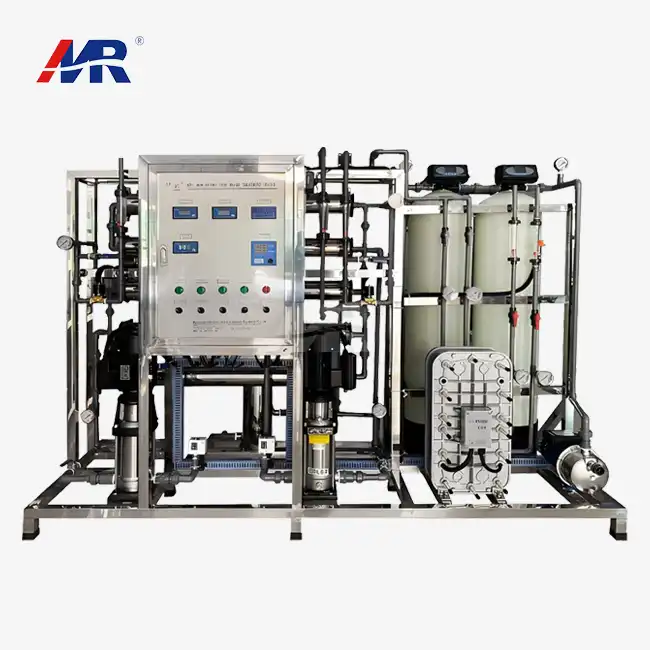
When looking at investments in water treatment, it is very important to know how much electrodeionization technology costs altogether. An EDI water system is a long-term asset that can be used strategically because it removes the need for chemical regeneration and provides constant ultrapure water quality. The average capital investment runs from $50,000 to $500,000, based on capacity and design. However, the return is seen in lower costs for chemicals and labor, lower wastewater discharge fees, and more efficiency for operations. When switching from old mixed-bed deionization systems, most manufacturing sites see a return on their investment within 18 to 36 months.
Introduction
There has been a big change in how industry processes think about the economics of cleaning water. Business-to-business buyers have to make tough choices that involve a lot more than just the original purchase price. When looking at electrodeionization, you need to think carefully about the total cost of ownership, the effects on regulatory compliance, and how to measure changes in output. This detailed guide shows you the important practical and financial factors you need to know about in order to make smart choices about water treatment equipment.
We've worked with pharmaceutical companies, semiconductor factories, and power plants for 20 years and learned that knowing the full value offer is key to successful procurement. The parts that follow talk about cost structures, performance measures, supplier evaluation criteria, and maintenance strategies that have a direct effect on your bottom line. These insights help businesses in many fields, from biotechnology to petrochemicals, get the most out of their investments in water treatment while staying ahead of the competition in settings that are becoming more controlled.
Understanding EDI Water System Basics and Cost Components
What Makes Electrodeionization Technology Different
An improved way to clean water called electrodeionization uses electricity, ion-exchange membranes, and special plastic materials to keep getting rid of dissolved ions without having to use dangerous chemicals to regenerate the water. Unlike other ion exchange systems that need to be regenerated with acid and caustic substances on a regular basis, this technology works without any chemicals at all times. The main new idea is water dissociation, which breaks down H2O molecules into hydrogen and hydroxide ions that instantly fix the resin beds.
Initial Capital Investment Breakdown
The initial investment in an EDI water system is made up of several separate parts that buying teams need to carefully look over. Usually, 60 to 70% of the total cost of a project goes to the equipment. This includes the electrodeionization units, control systems, and integration parts. Installation costs, which include making electricity connections, changing pipes, and starting up the system, add another 15 to 20 percent. Engineering design and project management services help make sure that current reverse osmosis preparation systems work well with each other by 10-15%.
The ability of the system has a direct effect on how prices are set. Small lab units that can make 100 to 500 liters of water per hour may cost $50,000 to $80,000, while mid-range commercial systems that can make 5,000 to 10,000 liters of water per hour usually cost $150,000 to $300,000. Large pharmaceutical or chip factories that need more than 20,000 liters of water an hour and have backup systems can cost more than $500,000. These numbers show how the North American market was in 2024. They may be different in different parts of the country because of shipping costs and the cost of work for installation.
Operational Expenditure Considerations
The ongoing costs of running electrodeionization technology show that it is more cost-effective than other methods of cleaning. The energy used is still very efficient—usually less than 0.5 kWh per cubic meter of ultrapure water made. Chemical costs go away completely, including ongoing costs for renewal acids, caustics, reduction compounds, and the safe handling of these substances. Since continuous operation gets rid of the need for hand regeneration every 24 to 72 hours that standard deionization systems need, a lot less work is needed.
The electrodeionization units themselves are not the main focus of consumable replacement. Instead, the preparation parts are. Depending on the quality of the feed water, reverse osmosis membranes need to be replaced every 3 to 5 years. Cartridge filters, on the other hand, need to be changed every three months. With the right preparation, high-quality electrodeionization stacks can keep working for 5 to 8 years. This is a very long time compared to regular plastic beds that wear out over time.
Evaluating the ROI of EDI Water Systems in Industrial Procurement
Direct Cost Reduction Mechanisms
We have seen sites save a lot of money when they switch from chemical renewal systems to electrodeionization technology. Getting rid of chemicals alone can save medium-sized businesses between $15,000 and $50,000 a year, based on how often they regenerate and how much chemicals cost in their area. The cost of getting rid of hazardous waste drops by a huge amount. For example, many facilities cut their environmental compliance costs by $8,000 to $25,000 a year by getting rid of acidic and caustic waste streams that need special handling and treatment.
When used in large amounts, the benefits of energy economy become even more important. Even though electricity is needed for electrodeionization, the overall energy balance is better than with thermal distillation or continuous renewal systems. Labor costs go down because there are fewer regeneration rounds, operations are easier, and tracking needs are lower. After putting in place continuous electrodeionization processes, facilities often move 0.5 to 1.0 full-time comparable jobs to activities that add value.
Operational Efficiency Improvements
Electrodeionization technology consistently improves the quality of water, which directly leads to higher process efficiency. When pharmaceutical companies move from regeneration-based systems that have quality changes during exhaustion and regeneration processes, the number of batches that are thrown out goes down. Stable ultrapure water standards that are kept constantly instead of cyclically have led to lower defect rates at semiconductor plants.
Getting rid of downtime is another important ROI factor. In traditional deionization systems, tanks have to be taken offline for regeneration, which means that extra capacity has to be used or production has to stop. These limits are taken away by continuous electrodeionization operation, which lets you plan for optimal capacity without having to pay extra for backups. Eliminating caustic and acid contact shields downstream parts and piping infrastructure from corrosive degradation, which increases the long-term worth of the equipment even more.
Compliance and Risk Mitigation Value
Following the rules comes with direct costs and practical risk effects that the Edi water system technology effectively handles. Environmental laws are making it harder to use dangerous chemicals and dump wastewater, which puts sites that use regeneration-based systems at risk of not following the rules. Switching to chemical-free cleaning gives regulators peace of mind and gets rid of the possibility of six-figure fines for breaking the rules.
Quality assurance is helpful in all businesses that are controlled. When it comes to pharmaceutical operations, stable continuous processes make validation and approval results more reliable compared to batch regeneration systems that show cyclical performance differences. When chemical handling processes are no longer needed, documentation standards become a lot easier. These safety benefits are hard to measure, but they make a big difference in figuring out the total return on investment (ROI) by lowering risk and making operations simpler.
Comparing EDI Water Systems: Making an Informed Procurement Decision
Technology Performance Benchmarking
Electrodeionization is a type of water cleaning technology that works best in situations where ultrapure water is needed, and operations need to go on all the time. The product's water resistance always stays between 10 and 18.2 MΩ·cm, and the total dissolved solids are less than 0.1 ppm, and more than 99% of the silica is removed. These specs are better than what solo reverse osmosis can do, and they do it without the need to handle chemicals or deal with the complicated operations of standard ion exchange regeneration.
The technology is especially good at getting rid of ionic pollutants like silica, boron, and weakly ionized species that reverse osmosis only partly passes through. To keep ion-exchange membranes from getting clogged and scaling, electrodeionization needs high-quality feedwater that has been pretreated with reverse osmosis. This need for cleaning upstream is both a technical requirement and a system interaction issue that changes how much the whole thing costs.
RO Plus Electrodeionization Integration Benefits
When reverse osmosis and electrodeionization work together, they make water treatment methods that are more effective by using the best parts of each. Reverse osmosis gets rid of 95–99% of dissolved solids, chemical contaminants, and particles. This makes the water perfect for electrodeionization cleaning to very high standards of purity. This two-step process uses the least amount of energy possible. Reverse osmosis gets rid of large amounts of impurities cheaply, and electrodeionization finishes the cleaning process without using any chemicals.
Based on the quality of the water, system designers set up RO-EDI combinations that minimize both capital and operating costs. Single-pass reverse osmosis feeding electrodeionization units could be used in pharmaceutical applications to meet USP standards for purified water in a cheap way. To get the very high purity levels needed for chip manufacturing, semiconductor companies often use double-pass reverse osmosis followed by electrodeionization. Configuration flexibility lets systems be exactly tailored to application needs without over-engineering or settling for lower performance.
Selection Criteria and Vendor Evaluation
To find the best long-term value, procurement choices should look at more than just the original price. System capacity needs to be able to handle current production needs plus acceptable growth forecasts. Undersizing forces replacements to happen too soon, while oversizing raises capital costs needlessly. Specifications for water quality should be based on what the process actually needs, rather than trying to reach unnecessary pure standards that add costs without adding value to the operation.
Because investments in water treatment facilities last for a long time, the image of the vendor is very important. Established makers have shown that their Products work well in a wide range of situations and offer expert help for the entire lifecycle of their products. Most parts come with a warranty that lasts between 12 and 24 months, and some luxury providers cover electrodeionization stacks for up to 3 to 5 years. Total cost of ownership is greatly affected by after-sales support features such as the availability of new parts, expert troubleshooting help, and upgrade paths.
Working with Suppliers and Understanding Market Prices
Navigating the Supplier Landscape
We've worked with a wide range of clients to find water cleaning options that are good at what they do, reliable, and affordable. There are both global foreign companies that offer high-quality engineered systems and local makers that offer options that are more affordable. Major, well-known names charge higher prices, but this is because they have a lot of validation data, great expert support, and a track record of lasting in tough environments. These providers usually work with regulated businesses that need a lot of paperwork and help with qualifications, which means they have to spend more money.
Most of the time, regional makers and specialized system integrators offer great deals, especially for users who don't need a lot of regulatory paperwork. When compared to big companies that stick to strict procedures, these sellers usually offer more customizable options and quick service. When procurement teams look at younger or smaller sources, they should look at their technical skills, installed base references, and financial health to make sure that parts will always be available and that the business can keep going.
Pricing Structures and Negotiation Strategies
Prices in the market change a lot depending on the size of the project, the level of tailoring needed, and how the competition is doing. Published prices are common in standard catalog systems, and there isn't much room for discussion. On the other hand, engineered custom solutions involve thorough quotation processes, and there is a lot of room for negotiation. Procurement experts can find competitive bids and deal well if they know what factors usually affect prices.
Preferential price systems can be used when volume is a factor. Facilities that want to do more than one installation at different sites or phased capacity increases should talk about framework deals that set the terms and prices for future purchases. Buying equipment, installation services, startup commissioning, operator training, and extended warranties as a package deal is often a better deal overall than buying parts separately through competitive bidding processes that focus on improving individual line items instead of the overall project results.
Installation Planning and Cost Management
Installation is a big part of the cost that buying teams don't always account for when they make their original budgets. The steps needed to prepare a site depend on the current facilities and the needs of the system. To power electrodeionization units, pumps, and controls that go with them, there must be or be put enough electrical service. By changing the pipes, you can connect new systems to networks that supply water and distribute it. Drainage facilities take care of waste streams and the regular sanitization of wastewater.
When it comes to installation help, suppliers can offer everything from equipment-only sales that need to be set up by the customer to "turnkey" deals that include full installation and commissioning services. Facilities with skilled repair teams and established contractor relationships can buy only the equipment they need, but they will need to have their own project management resources. Turnkey solutions make it easier to buy things and keep track of who is responsible for what. Having a single point of responsibility ensures proper integration and performance, but the total cost is usually higher than the cost of equipment plus separate installation.
Maximizing Long-Term Value Through Maintenance and Performance Optimization
Establishing Effective Maintenance Protocols
Routine maintenance needs are still low compared to standard regeneration-based systems, but if you pay attention, you can keep the system running well and make it last as long as possible. Regular maintenance is needed for parts of the pretreatment process. For example, reverse osmosis membranes need to be chemically cleaned every 3 to 6 months, based on the feedwater and working conditions. To keep particulate fouling from happening, the cartridge filters that cover the electrodeionization units need to be changed every three months. These simple steps usually take two to four hours a month, which can be done by building care staff with some basic training.
Electrodeionization stacks don't need much maintenance as long as they're used according to their design limits. By keeping an eye on conductivity, flow rates, and working voltage, you can see performance trends that show you when modules need to be regenerated or start having issues. Regular checks make sure that electrical connections are properly seated and look for obvious signs of scaling or fouling. Every year, preventative maintenance usually includes a thorough check, testing of electrical connections, and making sure that working parameters stay within the acceptable range.
Common Issues and Troubleshooting Solutions
Problems with performance are usually caused by changes in the quality of the feedwater, not by problems with the electrodeionization module. When the conductivity of the product water goes up, it usually means that the reverse osmosis membrane is breaking down, which lets too many ions enter. Lower flow rates could mean that the pretreatment capsule filters are getting clogged with particles or that the electrodeionization stack is scaling up. A high working voltage means that the electrical resistance is going up because of resin fouling or membrane scaling, which needs to be cleaned.
Carbon dioxide that is dissolved in the feedwater is often a problem for an EDI water system because it works as an ionic load but doesn't show up in conductivity tests until after the electrodeionization process. Even if the system is working correctly, high CO2 amounts make the final water resistivity much lower. When CO2 levels rise above 5–10 ppm, membrane contactors placed upstream remove dissolved gases successfully. This solves the problem without making any changes to the electrodeionization system itself.
Performance Monitoring and Digital Management Tools
More and more, modern water treatment systems have digital monitoring features that improve practical understanding and allow for proactive repair methods. Remote monitoring systems keep an eye on working parameters all the time and let workers know when they need to fix small problems before they become big problems that stop production. Data logging keeps track of past performance, which lets you look at trends and find patterns of slow degradation that you wouldn't be able to see if you only did hand checks every so often.
Integrating with building automation systems makes activities run more smoothly and requires less work. Automatic control processes make the system work best based on patterns of demand, using the least amount of energy when demand is low and making sure there is enough production capacity when demand is high. Alarm notice systems let operators know right away when something is wrong and needs their attention. This keeps machines from running for too long in situations that aren't ideal, which speeds up the breakdown of parts. Predictive maintenance plans use working data to plan repairs based on the real state of the system instead of random intervals. Condition-based maintenance changes parts when they need to be replaced, not before or after they're due. This is made possible by keeping track of performance signs such as voltage needs, differential pressure across pretreatment filters, and trends in product water quality. This method minimizes the cost of upkeep while increasing the reliability and useful life of tools.
Conclusion
When making strategic choices about water treatment infrastructure, it's important to look at more than just the original capital spending. You should also look at the total cost of ownership and operating performance over the 15–20-year lifecycles of the equipment. Electrodeionization technology has clear benefits in situations where steady ultrapure water is needed without the need for complicated chemical handling. If you look at the financial case and include savings on chemicals, less work, lower trash disposal costs, and better operating reliability that stops expensive production interruptions, it makes the case a lot stronger.
To do a good job of buying, you need to find a balance between technical standards, provider skills, lifetime costs, and organizational needs. We advise people who are in charge of buying things to involve sellers early on in the evaluation process. This way, they can use their technical knowledge to find the best system settings for each application instead of just naming generic solutions. There are many choices when it comes to treating water, so to find the best one, you need to know exactly what you need and compare the options carefully against measured criteria.
FAQ
1. Does an Electrodeionization System Require Reverse Osmosis Pretreatment?
Reverse osmosis prep is definitely needed and not just an extra nice thing to have. To work right and last as long as they're supposed to, electrodeionization units need feedwater with total dissolved solids below 25 to 50 ppm. Ion-exchange membranes get clogged up quickly with bulk ions, particles, organics, and microbial contaminants. RO gets rid of these quickly. Operating without the right preparation leads to modules failing early and breaks maker guarantees.
2. What Typical Lifespan Can Facilities Expect From Electrodeionization Modules?
When fed properly cleaned water and used according to the manufacturer's instructions, high-quality electrodeionization stacks usually last between 5 and 8 years. Some sites say the water quality has been great for 10 years or more with regular upkeep. Longevity is greatly reduced by harsh feedwater conditions, inadequate pretreatment, or running beyond the original capacity. Changing modules is a big maintenance cost that can be avoided as long as possible by keeping things running properly.
3. How Does Energy Consumption Compare to Alternative Purification Technologies?
It is very energy efficient for electrodeionization devices to use less than 0.5 kWh for every cubic meter of ultrapure water they make. This is much better than thermal distillation, which needs 15–40 kWh per cubic meter, though methods that use constant regeneration deionization are just as effective. When looking at the total energy used by the system, which includes reverse osmosis preparation, full RO-edi systems use between 1.5 and 3.0 kWh per cubic meter, based on the quality of the feedwater and the rate of recovery.
Get Expert Guidance on Your Water Purification Investment
The Guangdong Morui Environmental Technology company creates, builds, and sets up high-tech EDI water system solutions for use in North America in pharmaceutical, electronics, power generation, and industrial settings. Our engineering team has more than 20 years of experience with ultrapure water. They help sites make the most of their water treatment equipment to get the best return on investment (ROI) while also making sure they follow the rules and keep operations running smoothly. We have a wide range of manufacturing options, such as facilities for making membranes and processing equipment, as well as agreements with top component makers such as Shimge Water Pumps, Runxin Valves, and Createc Instruments.
Technical decision-makers and buying workers are welcome to look into how our custom water purification options can meet the needs of your business. Contact our experts at benson@guangdongmorui.com to talk about the details of your project, get a thorough technical analysis, and get reasonable quotes from a well-known EDI water system maker that is dedicated to providing unbeatable value and performance.
References
1. Chen, H., Liu, R., & Wang, S. (2023). "Economic Analysis of Electrodeionization Technology in Industrial Water Treatment Applications." Journal of Water Process Engineering, Vol. 51, pp. 103-118.
2. Morrison, J.K. & Thompson, D.L. (2022). "Total Cost of Ownership Comparison: EDI Versus Traditional Ion Exchange Systems in Pharmaceutical Manufacturing." Pharmaceutical Engineering Magazine, Vol. 42, No. 4, pp. 56-67.
3. Patel, M.R., Zhang, Y., & Kumar, A. (2024). "Performance Optimization and ROI Maximization in Electrodeionization Water Treatment Systems." Industrial Water Treatment Quarterly, Vol. 38, No. 2, pp. 24-39.
4. Steinberg, R.A. & Williams, C.J. (2023). Ultrapure Water Systems: Design, Operation, and Economics for Semiconductor and Pharmaceutical Industries. Cambridge: Technical Publications International.
5. United States Environmental Protection Agency (2023). "Chemical-Free Water Treatment Technologies: Environmental and Economic Benefits Assessment." EPA Technical Report Series 832-R-23-006.
6. Waterfield, B.S., Anderson, L.M., & Rodriguez, F.J. (2022). "Lifecycle Cost Analysis of Water Purification Technologies in Regulated Industries: A Comparative Study." Water Technology and Economics Review, Vol. 29, No. 3, pp. 145-162.
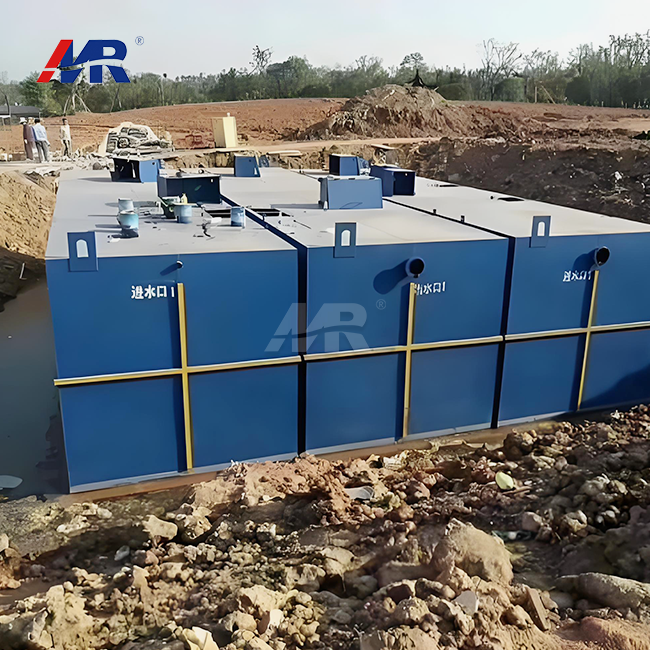 VIEW MOREwastewater treatment plant units
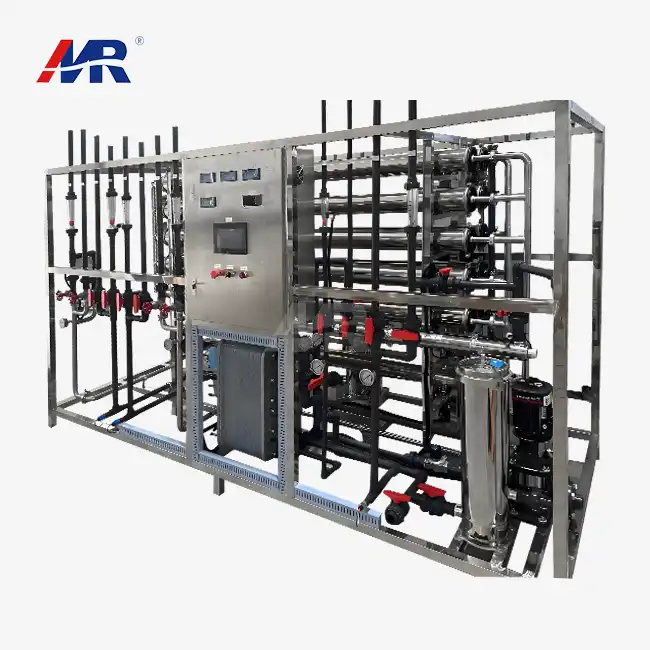 VIEW MORE2000 liters/hour EDI system
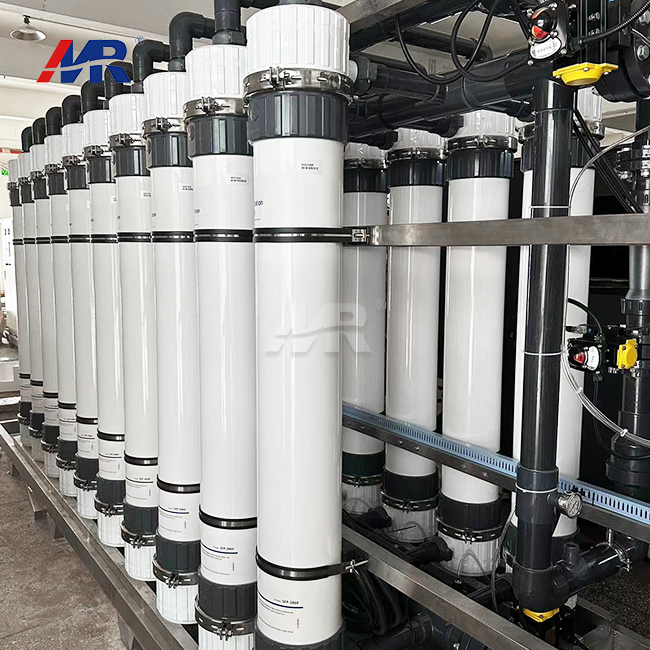 VIEW MOREwater ultrafiltration system
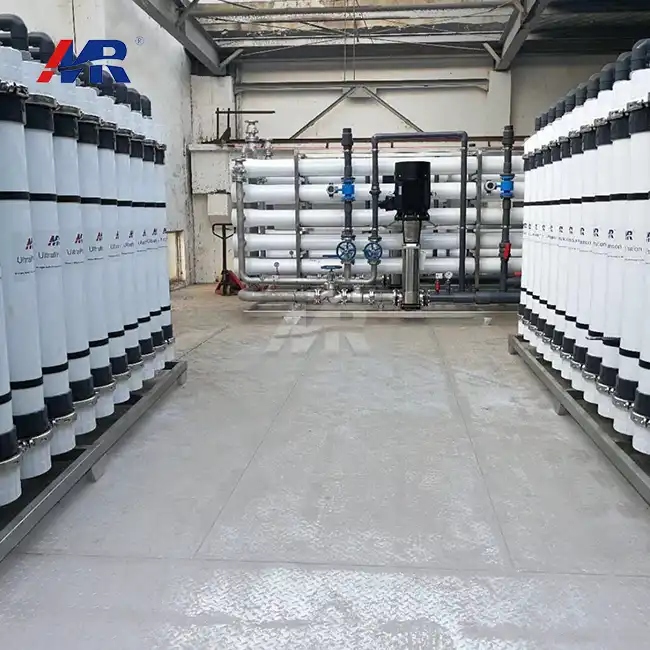 VIEW MORE2000m3/day ultrafiltration equipment
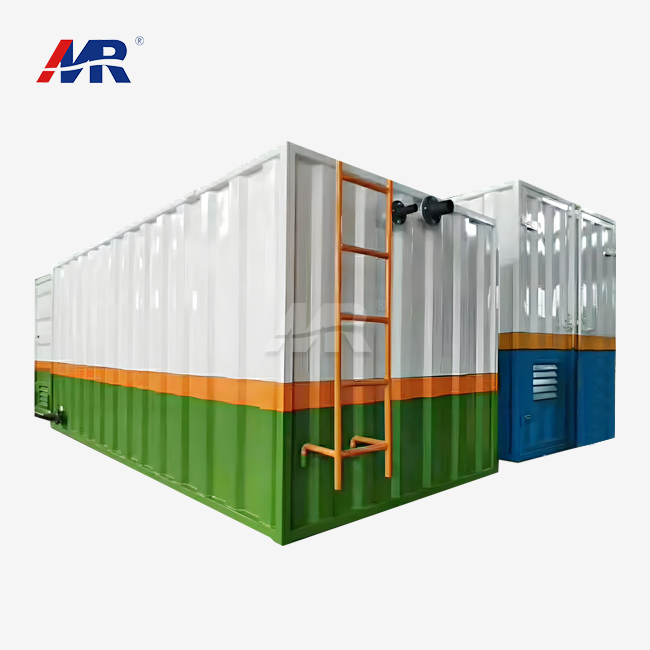 VIEW MOREindustrial sewage treatment plant
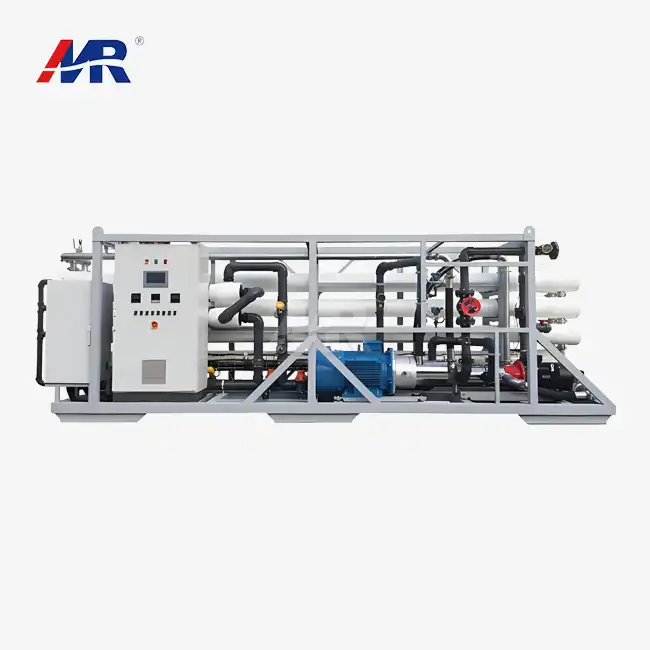 VIEW MORE15m3/hour seawater desalination system
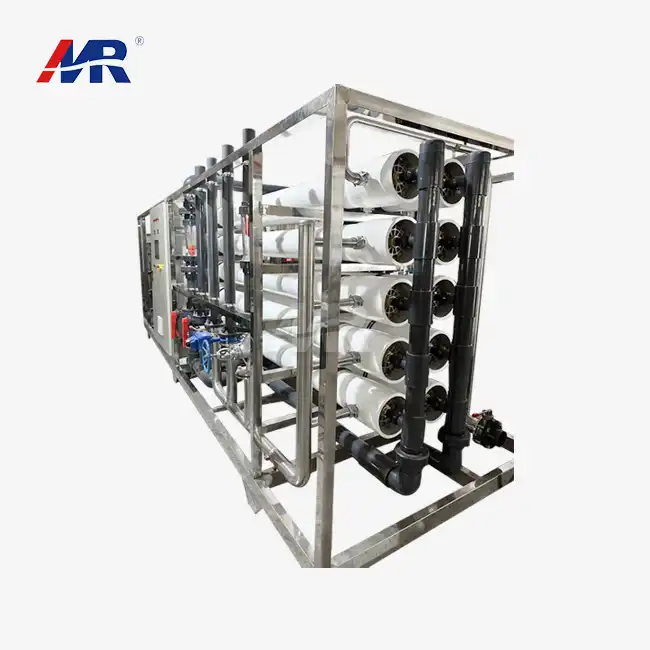 VIEW MORE50m3/hour reverse osmosis equipment
 VIEW MOREhome wastewater treatment plant
