

_1745823981883.webp)

The Benefits Of Using a RO System For Well Water
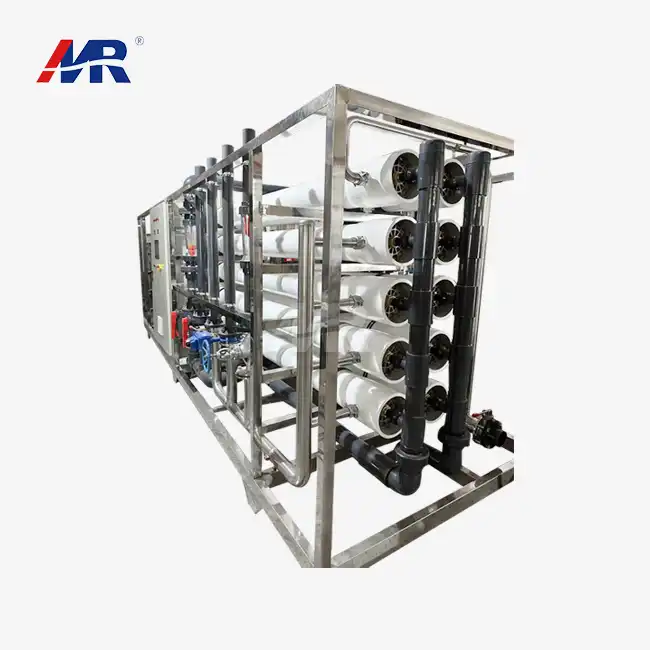
If you're one of the millions of people in the US who reverse osmosis system for well water get their water from wells, you may have thought how to be sure that the water coming out of your tap is really safe. A well water reverse osmosis system is a complete answer that takes into account the specific problems well owners face. Well water comes straight from underground aquifers and can have dissolved minerals, heavy metals, bacteria, and chemical contaminants. This is different from municipal water, which is treated before it gets to your home. RO technology uses multiple layers of filtering to get rid of up to 99% of these impurities, giving you water quality that is as good as water from a lab right where you need it.
Understanding Well Water Contamination Challenges
The quality of your well water can vary a lot based on where you live, the type of soil you have, and any industrial or agricultural activities that are close by. Many people who own wells find that the water they use has high amounts of iron, manganese, sulphur, nitrates, arsenic, or "forever chemicals" like PFAS. Because these contaminants don't always change the way something tastes or smells, they are especially risky.
Minerals in hard water, like calcium and magnesium, build up on lines and appliances and make them less efficient and shorter-lasting. Nitrates and pesticides get into groundwater sources through runoff from farms. Heavy metals and volatile organic compounds can get into aquifers through industrial operations. Even naturally occurring chemicals like uranium or radon can get into well water from the rocks around it.
It's important to test your well water once a year, but even a clean test result doesn't mean that the water will be safe in the future. Changes in the water table, construction nearby, or changes in the seasons can bring in new contaminants without notice. A well water cleaning system protects you consistently, even when these things change.
Key Parameters That Define RO System Performance
Knowing the scientific details of water treatment options helps you make smart choices when looking at them. Your well water conditions and a few important factors decide how well a RO system will work with them.
Total Dissolved Solids (TDS) shows how well the system can get rid of minerals and salts that are dissolved in water. Reverse osmosis systems that work well can lower TDS levels by 95 to 99%, turning water with 500 ppm or more of TDS into clean water with less than 50 ppm.
membrane pore size typically measures 0.0001 microns, small enough to block bacteria, viruses, and dissolved contaminants while allowing water molecules to pass through. This microscopic precision explains why RO technology outperforms standard carbon or sediment filters.
The pores in membranes are usually about 0.0001 microns wide, which is very small and can stop bacteria, viruses, and dissolved contaminants while still letting water molecules pass through. This level of accuracy at the microscopic level is why RO technology works better than regular carbon or sediment screens.
The water recovery rate shows what percentage of the source water is turned into clean water and what percentage is turned into trash. Recovery rates for modern systems range from 40 to 60%, but this depends on the quality of the source water and how the system is built.
The pressure needed for operation is usually between 40 and 100 psi. Well water systems' reverse osmosis systems for well water that don't have enough pressure may need booster pumps to work at their best and keep the flow rates right.
Core Benefits That Transform Your Water Quality
Your daily production ability should match how much your home or business uses. Most residential systems make between 50 and 100 gallons per day. For commercial and industrial uses, however, capacity planning must be done on an individual basis.
Putting in a RO system to treat your well water will make a real difference in your health, your budget, and your daily life. These perks go far beyond just making food taste better.
The main benefit is that it protects your health. Getting rid of lead, arsenic, nitrates, bacteria, and new contaminants like PFAS saves your family's health from both short-term and long-term illnesses. This protection is especially helpful for kids, the elderly, and people whose immune systems aren't working well.
Over time, cost savings add up through a number of different routes. You won't have to buy bottled water, which costs 100 to 1000 times more than tap water that has been cleaned. If you don't let scale from hard water minerals build up on your appliances, water heaters, and pipes, they will last longer. When water is cleaned, appliances like coffee makers, dryers, and washing machines work better.
Better taste and brightness make a big difference in coffee, tea, water used to make food, and drinking water. Getting rid of chlorine, sulphur, iron, and minerals from well water gets rid of smells like metal or bad eggs.
Getting rid of minerals that form scale before they reach fixtures and equipment makes appliances last a lot longer. Water heaters keep working at their best, ice makers make ice that is as clear as glass, and humidifiers do their job without leaving behind mineral dust.
Morui's Approach Versus Standard Market Solutions
Getting rid of plastic drink waste makes you more responsible for the environment. By getting a home water filter device, one family can keep hundreds of single-use plastic bottles out of landfills every year.
As a business that focuses on complete water treatment solutions, we've seen big differences between properly designed systems and basic units made for home use. Knowing the difference between these terms helps buyers make decisions that meet their needs.
Customisation before the treatment is a key difference. When well water conditions get tough, the basic sediment and carbon filters in most store RO systems quickly stop working. Before the water gets to the ro membrane, our engineering team looks at the chemistry of your water and designs pre-treatment steps that get rid of iron, soften the water, or get rid of certain contaminants. This customised method makes membranes last longer and keep their performance level.
As your needs change, system flexibility is important. Point-of-use systems in homes are good for both drinking and cooking water. Solutions that can grow with growing families, home-based businesses, or sites with more than one building are needed. We offer a range of configurations, from small RO systems that fit under sinks to whole-house installations and large-scale business operations with booster pumps and lots of storage space.
Professional installation and testing make sure that systems work the way they were designed to from the start. When fitting isn't done right, flow rates are low, membranes fail early, and contaminants aren't removed properly. As part of our all-in-one repair services, we check the water quality, test the pressure, and look for leaks before we call the job done.
Reliable suppliers are different from transactional sellers because they offer ongoing technical help. What's in the water changes over time. Maintenance is needed for the equipment. During surgery, questions come up. Our 20 engineers and technical team offer quick support, and our 14 area branches help clients at all stages of their system lifecycle.
The quality of parts and where they come from have a direct effect on the long-term reverse osmosis system for well water dependability. Instead of looking for the cheapest parts, we work with well-known names like Shimge water pumps, Runxin valves, and Createc instruments. This dedication to quality lowers the number of failures and makes upkeep easier.
Maximizing Benefits Through Proper Selection and Usage
For your well water treatment system to work at its best, you need to pay attention to a few practical issues that many buyers miss when they are doing their initial study.
Before buying tools, the water should be thoroughly tested. Basic test kits that measure pH, hardness, and TDS give you a good starting point, but a full lab analysis that finds specific contaminants, heavy metals, bacteria, and chemical compounds lets you build the right system. Many well owners don't know about contaminants that they didn't expect until testing shows them to be there.
Using the right amount of pre-filtration will protect your RO membrane investment. Wells that have a lot of iron in them need special filters that get rid of the iron. Water with a lot of sediment needs strong sediment filters that are rated for the amount of sediment in the water. Before reverse osmosis, water softening is done on hard water to keep filters from getting scale.
The right system size is based on how much you actually use it. Systems that are too small have to run all the time and don't make enough water when demand is high. Installations that are too big lose resources and may have water sitting in storage tanks between uses.
Systems keep working well with regular maintenance plans. Most of the time, sediment screens need to be changed every 6 to 12 months. Every year, carbon filters should be changed. Based on the quality of the water source and the amount of use, RO filters last between 2 and 5 years. Post-filters need to be replaced every year. Skipping upkeep lowers performance over time until you're drinking water that hasn't been filtered.
Cleaning the storage tank keeps clean water from growing bacteria while it's not being used. Cleaning and sanitising the tank once a year keeps the water fresh and stops bacteria from forming.
By keeping an eye on system signs, you can spot problems before they become major ones. Less water flow, changes in the taste of the water, or strange noises are all signs that something needs to be fixed. Many current systems have monitoring features that make it easier to keep an eye on things.
Seasonal changes take into account changes in the properties of well water. Sediment and bacterial loads often go up when water runs off in the spring. Droughts can make liquid minerals more concentrated. Performance stays the same by changing the pre-filtration or increasing the frequency of tracking during tough times of the year.
Essential Considerations Before Installation
Several important factors deserve careful thought as you plan your well water RO system installation to avoid common pitfalls and ensure long-term satisfaction.
Available water pressure fundamentally affects RO system performance. Measure your static and dynamic water pressure before selecting equipment. Wells with pressure below 40 psi require booster pumps to achieve adequate reverse osmosis membrane function. Insufficient pressure causes slow production rates and poor contaminant rejection.
Drain line access becomes necessary for brine disposal. RO systems reverse osmosis system for well water generates concentrated wastewater containing removed contaminants that must be properly drained. Under-sink installations need drain line connections. Remote installations may require drain line routing or alternative disposal methods.
Electrical requirements apply if your system includes booster pumps, UV sterilization, or monitoring equipment. Verify electrical capacity and outlet locations during planning stages.
Space allocation matters particularly for whole-house systems or commercial applications. Storage tanks, pre-treatment equipment, and the RO unit itself require adequate space with provisions for future maintenance access.
Local regulations sometimes govern water treatment system installations, drainage, and backflow prevention. Check with local building departments before beginning installation to ensure compliance.
Seasonal temperature variations affect system performance in unheated spaces. RO membranes operate optimally between 40-90°F. Installations in garages, basements, or outdoor enclosures may need environmental protection in extreme climates.
Future expansion planning should inform initial design decisions. Properties anticipating increased water demands benefit from modular system designs that accommodate additional capacity without complete replacement.
Understanding the Complete RO Process for Well Water
The reverse osmosis filtration process involves multiple stages working together to transform raw well water into purified drinking water. Understanding this process helps you appreciate the technology and maintain your system effectively.
Stage one involves sediment pre-filtration that removes particles like sand, silt, rust, and suspended solids down to 5 microns. This protection prevents larger particles from damaging downstream components or clogging the RO membrane.
Stage two employs carbon filtration, removing chlorine, volatile organic compounds, pesticides, and substances that could degrade the membrane material. Carbon filters also improve taste and odor by adsorbing organic compounds responsible for unpleasant characteristics.
Stage three introduces specialized pre-treatment customized to your water conditions. Iron filters, water softeners, or additional filtration stages address specific contaminants identified in your water analysis.
Stage four brings the core RO membrane, where semipermeable material allows water molecules to pass while rejecting dissolved minerals, heavy metals, bacteria, viruses, and other contaminants. Pressure forces water through while concentrated brine carries rejected substances to the drain.
Stage five provides post-filtration polishing through activated carbon, removing any residual tastes or odors from water that has been stored in the tank. This final treatment ensures a fresh, clean taste with every use.
Optional stage six adds remineralization that some users prefer for taste and health benefits. This controlled addition of beneficial minerals like calcium and magnesium occurs after contaminant removal, providing desired mineral content without the negative effects of untreated well water.
UV sterilization may be incorporated as an additional safety measure, particularly a reverse osmosis system for well water with bacterial contamination risks. Ultraviolet light destroys microorganisms that might survive other treatment stages or enter during storage.
Real-World Applications Across Industries
While homeowners represent a significant user group, reverse osmosis technology serves diverse applications where water purity is non-negotiable. Understanding these use Cases illustrates the technology's versatility and reliability.
Agricultural operations use RO systems to treat brackish well water for irrigation in arid regions where freshwater sources are limited. Removing excess salts prevents soil degradation and crop damage while extending the productive life of available water resources.
Aquaculture facilities depend on ultrafiltration and reverse osmosis to purify circulating water systems, reducing disease risk and maintaining optimal conditions for fish health. The precise control over water chemistry that RO provides enables successful operation where natural water sources would be inadequate.
Food and beverage processors require water meeting strict purity standards for product quality and safety. Bottled water companies, breweries, and food manufacturers rely on reverse osmosis to ensure consistent water quality that won't compromise product characteristics or introduce contaminants.
Medical facilities need pharmaceutical-grade purified water for dialysis, laboratory analysis, and equipment sterilization. The comprehensive contaminant removal that RO provides meets stringent health standards, protecting vulnerable patients.
Manufacturing operations in electronics, pharmaceuticals, and precision industries use ultrapure water systems combining RO with additional polishing technologies like electrodeionization. These applications demand water with near-zero dissolved solids to prevent product defects.
Conclusion
Putting money into a reverse osmosis system for well water has real benefits that go beyond just making the water taste better. You are keeping your family healthy by getting rid of many contaminants that regular filtering can't handle. You're saving money in the long run by protecting your appliances and not buying bottled water. You can rest easy knowing that changes in the weather or sudden pollution events won't put your water safety at risk. To get the most out of these benefits, you need to choose the right system based on thorough water testing, have it professionally installed in a way that fits your needs, and keep up with the maintenance that the maker suggests. With the right method and partners who know what they're doing, you can turn hard well water into clean water that is on par with or better than what a municipal treatment plant can produce.
FAQ
Q1: How often should I replace filters in my well water RO system?
A: Sediment pre-filters typically need replacement every 6-12 months, depending on your well water turbidity. Carbon filters should be changed annually to maintain chlorine removal and taste improvement. The RO membrane lasts 2-5 years based on source water quality and daily usage volume. Post-filters require annual replacement. Monitoring flow rates and water quality helps determine when replacement becomes necessary before performance degrades significantly.
Q2: Will an RO system remove bacteria and viruses from my well water?
A: Quality reverse osmosis membranes with 0.0001-micron pores effectively block bacteria, viruses, and parasites that are physically too large to pass through. RO provides 99%+ removal rates for microbiological contaminants. Wells with confirmed or suspected bacterial contamination often benefit from combining RO with UV sterilization for additional security, particularly since storage tanks can potentially harbor bacterial growth if not properly maintained.
Q3: What happens to the removed contaminants from my well water
A: Concentrated contaminants collect in the brine stream that flows to your drain line. This rejected water typically contains 3-4 times the contaminant concentration of your source water. The system continuously flushes this waste stream away, preventing accumulation on the membrane surface. Proper drainage is necessary to dispose of this concentrated wastewater safely without allowing it to re-enter your water supply.
Q4: Can I install a whole-house RO system for my well water?
A: Whole-house reverse osmosis installations are technically feasible but require careful consideration. RO systems produce water relatively slowly, necessitating large storage tanks and powerful booster pumps to maintain adequate pressure throughout your home. The significant wastewater generation and higher equipment costs make whole-house RO most appropriate when contaminants like arsenic or nitrates require removal throughout all water uses. Many homeowners find point-of-use systems for drinking and cooking, combined with separate well water treatment for other uses, more practical and economical.
Partner With Morui for Advanced Well Water Solutions
Addressing well water challenges requires more than purchasing equipment online and hoping for the best results. Morui brings comprehensive expertise as a trusted reverse osmosis system for well water suppliers with the engineering depth and manufacturing capabilities to deliver solutions precisely matched to your requirements. Our group operates 14 branches staffed by 500 dedicated professionals, including 20 specialized engineers who understand the complexities of challenging water conditions. We maintain our own membrane production factory and multiple equipment processing facilities, enabling a quality control reverse osmosis system for well water throughout the manufacturing process. Whether you need a compact under-sink system for residential use or a commercial-scale installation for industrial applications, Our Team designs, installs, and commissions turnkey solutions backed by responsive support. Contact our technical team at benson@guangdongmorui.com to discuss your specific well water challenges and receive a customized recommendation based on comprehensive water analysis and application requirements.
References
1. Environmental Protection Agency. "Private Drinking Water Wells: Water Testing." National Service Center for Environmental Publications, 2022.
2. Water Quality Association. "Reverse Osmosis Technology: A Comprehensive Technical Guide for Water Treatment Professionals." WQA Technical Services Division, 2021.
3. American Groundwater Trust. "Well Water Quality and Homeowner Treatment Systems." Educational Publication Series, 2023.
4. National Science Foundation International. "NSF/ANSI Standards for Drinking Water Treatment Units: Standard 58 - Reverse Osmosis Systems." NSF International Standards, 2022.
5. Centers for Disease Control and Prevention. "Well Water Safety and Testing: A Comprehensive Homeowner's Guide." National Center for Environmental Health, 2023.
6. American Water Works Association. "Membrane Technology in Water Treatment: Principles and Applications." AWWA Research Foundation Technical Report, 2021.
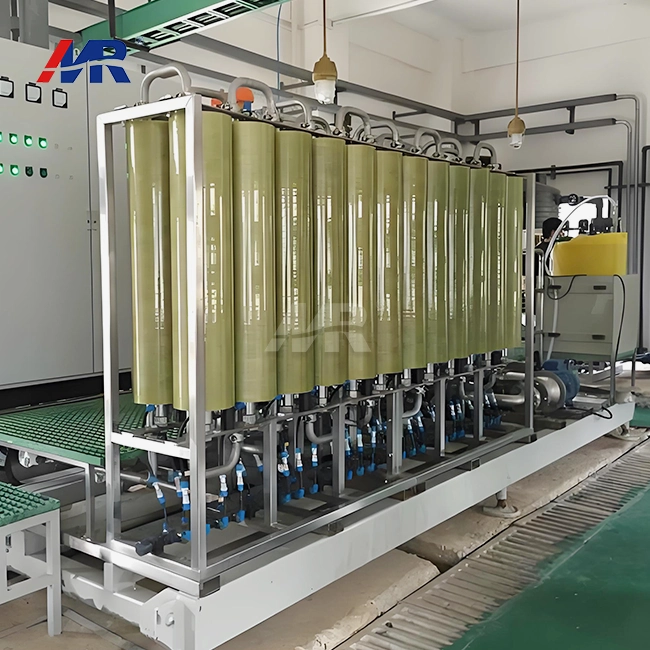 VIEW MOREDisc Tube Reverse Osmosis
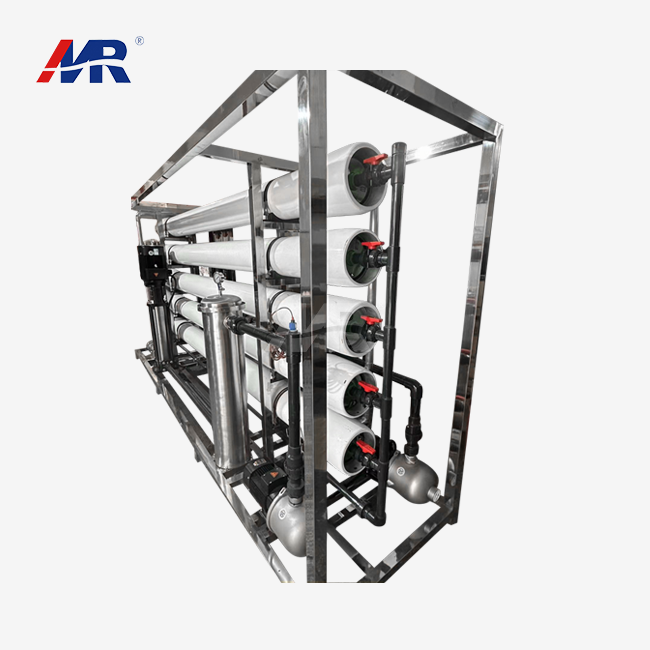 VIEW MOREreverse osmosis water treatment equipment
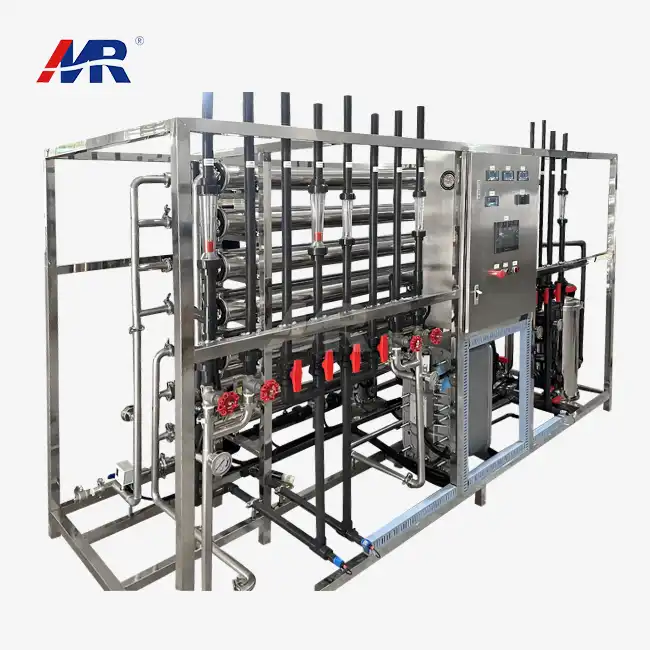 VIEW MORE2m3/hour EDI system
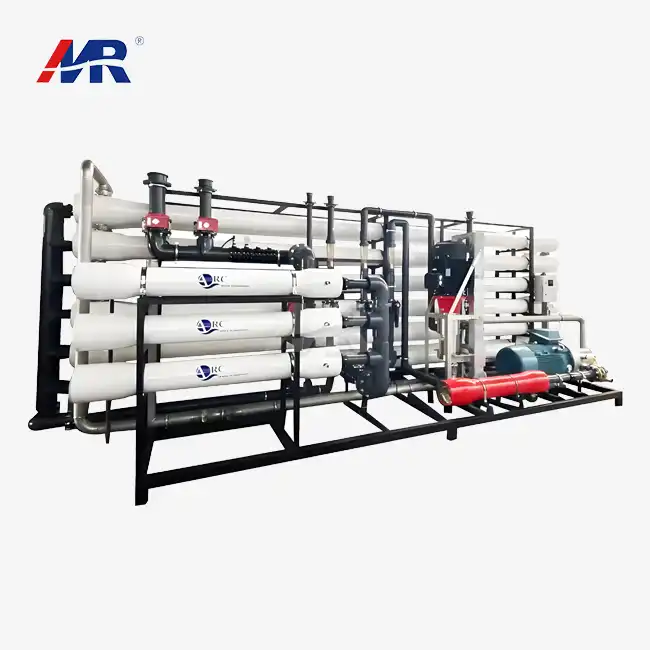 VIEW MORE25m3/hour seawater desalination plant
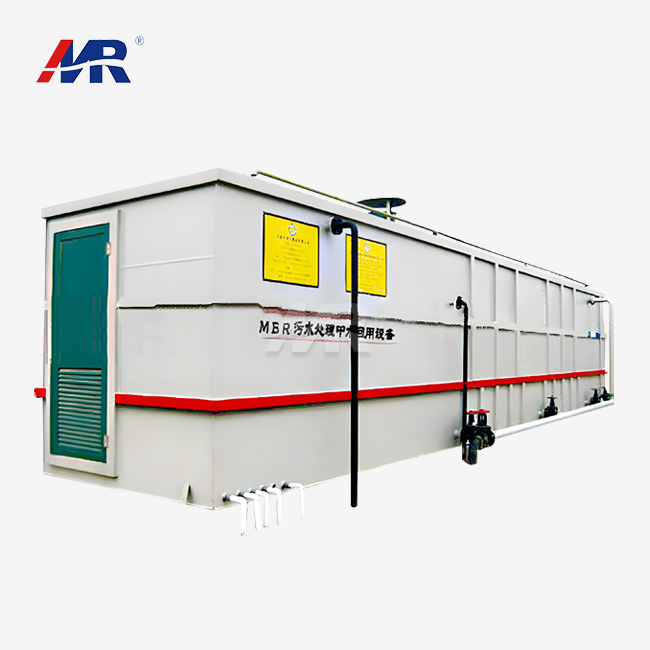 VIEW MOREsewage treatment plant MBR system
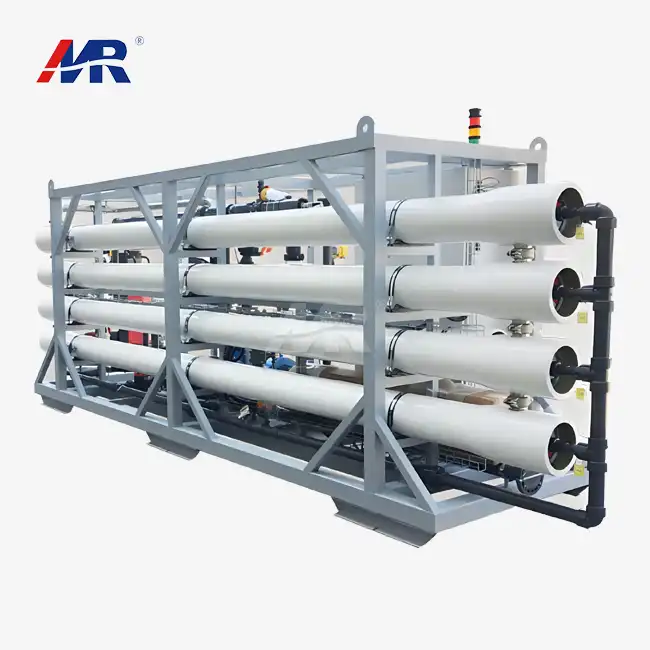 VIEW MORE12m3/hour seawater desalination equipment
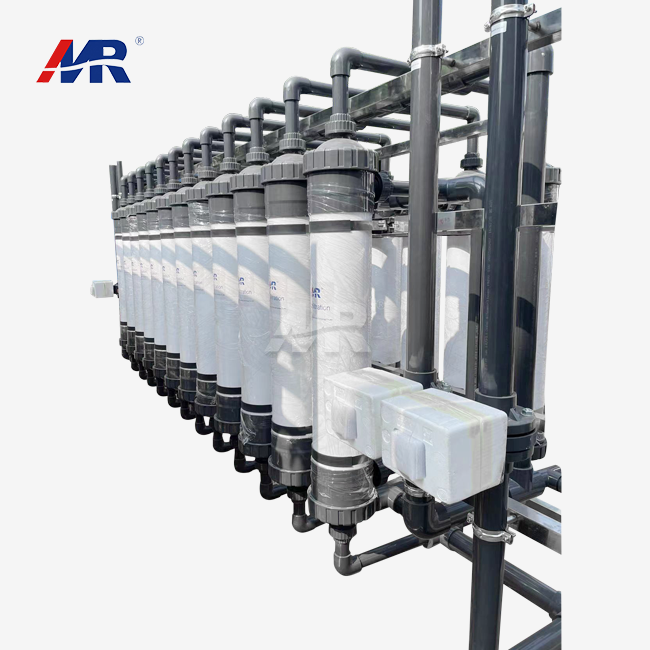 VIEW MOREindustrial ultrafiltration systems
 VIEW MORE8m3/hour seawater desalination equipment
