_1745823981883.webp)

How do container reverse osmosis units cope with high-TDS or seawater?
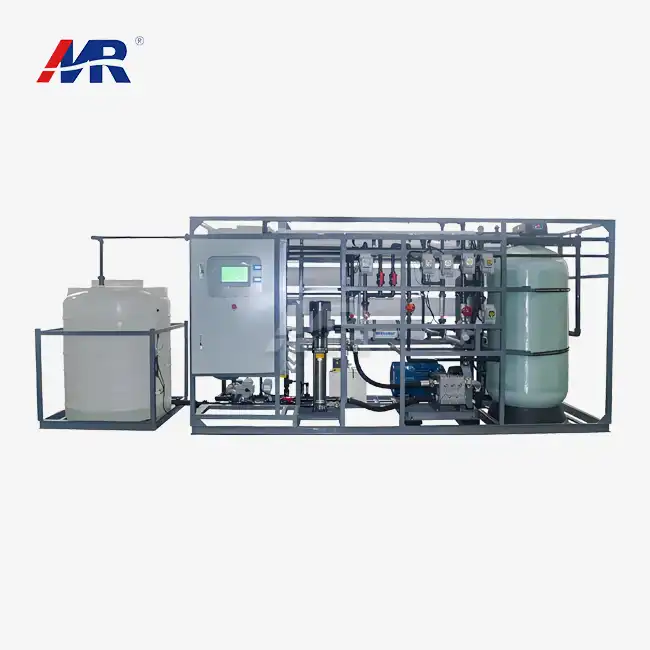
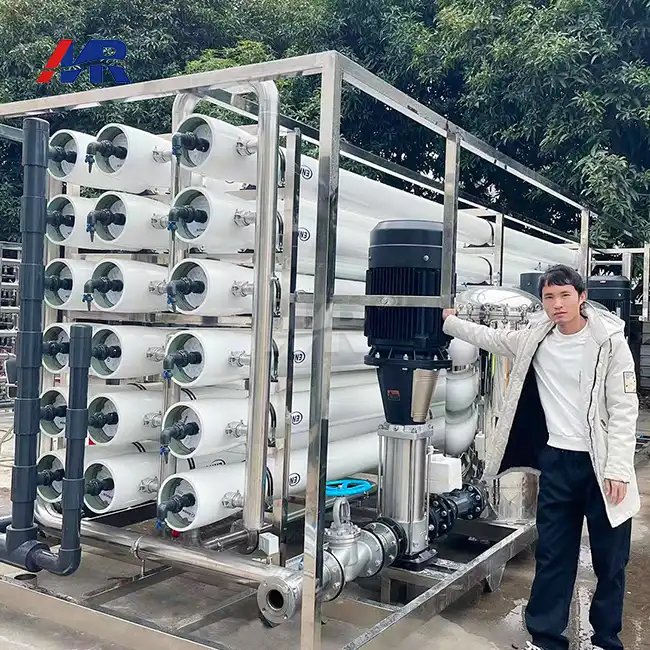
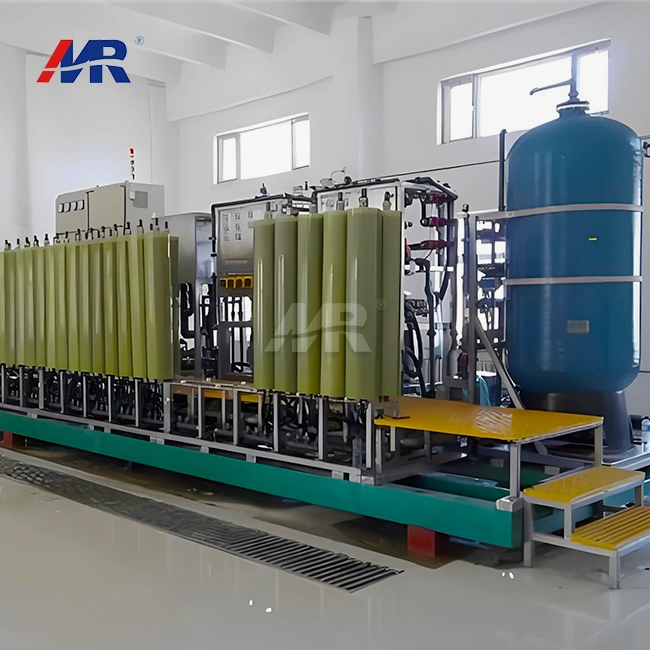
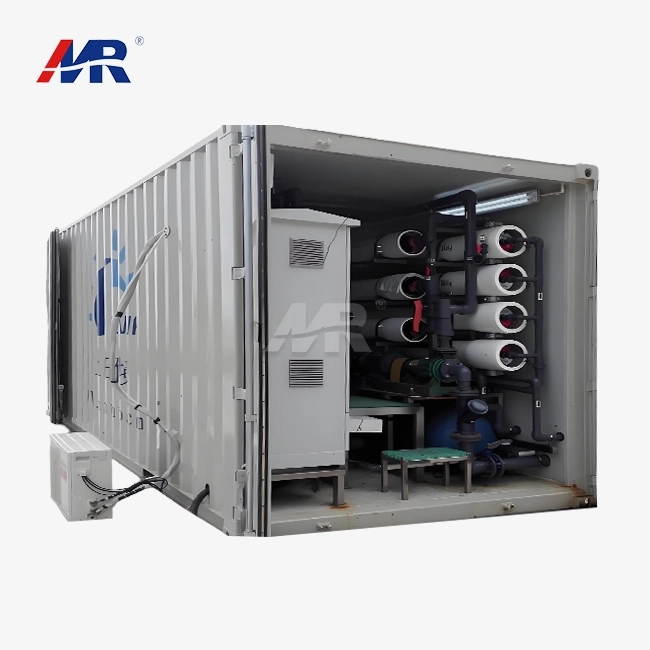
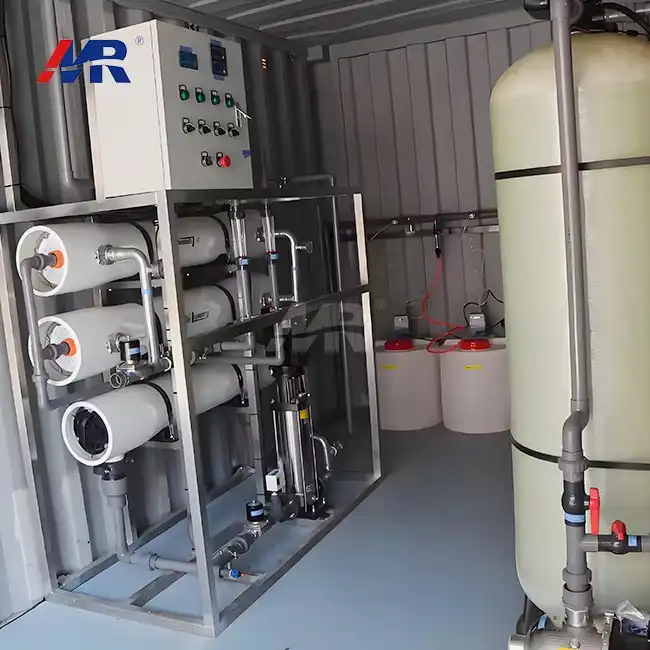
Holder reverse osmosis units have revolutionized water treatment in challenging situations, particularly when managing high Total Dissolved Solids (TDS) or seawater. These compact, self-contained frameworks productively evacuate contaminants, salts, and pollutants from water sources, creating high-quality sifted water for different applications. The containerized reverse osmosis system has become a go-to arrangement for businesses confronting water filtration challenges in inaccessible or coastal areas. These progressed frameworks are outlined to handle the complexities of high-TDS water and seawater through a combination of imaginative innovations, strong components, and cleverly prepared control. By leveraging cutting-edge film innovation and vitality recuperation gadgets, containerized RO units can viably desalinate seawater while keeping up tall effectiveness and moo operational costs.
Technological adaptations for high salinity
To cope with high-TDS water or seawater, containerized reverse osmosis systems incorporate several technological adaptations:
Advanced membrane technology
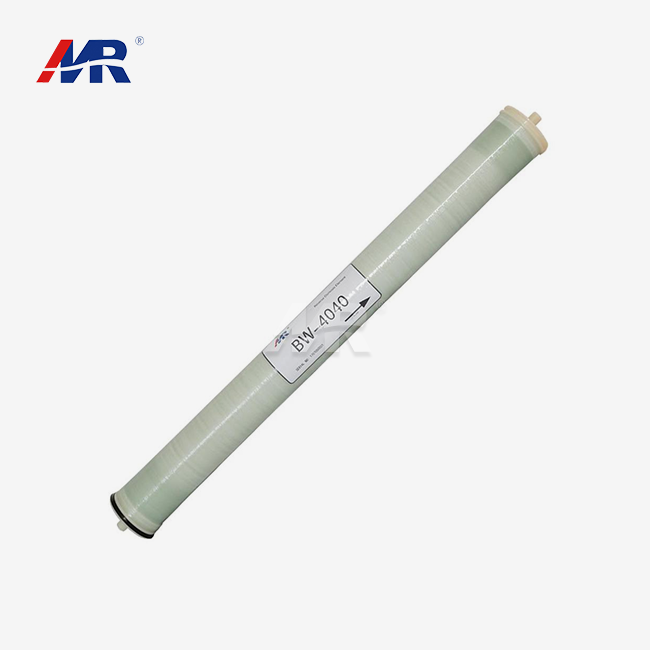
Modern RO systems utilize high-rejection, fouling-resistant layers particularly designed for seawater applications. These layers can withstand higher working weights and accomplish prevalent salt dismissal rates, vital for managing with high-salinity water sources.
Pretreatment optimization
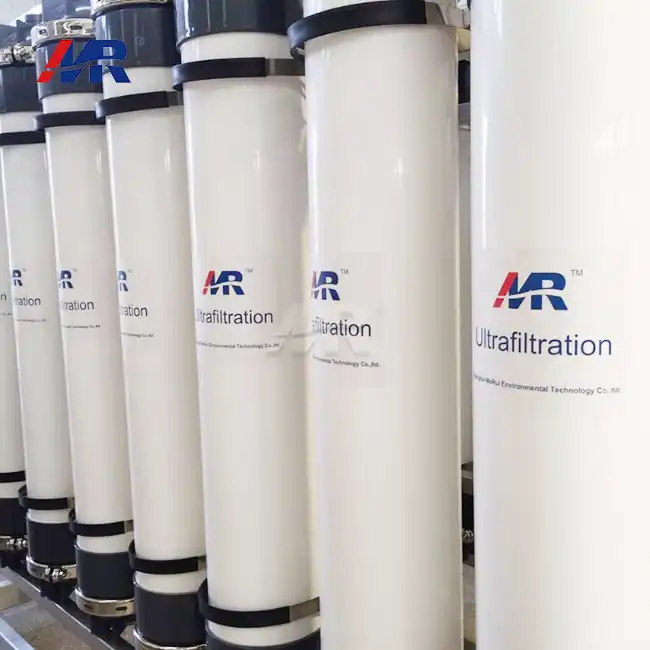
Effective pretreatment is basic for maintaining film execution and life. Containerized RO units frequently incorporate multi-stage filtration frameworks, consolidating interactive media channels, activated carbon, and ultrafiltration films to evacuate suspended solids, natural matter, and potential foulants some time recently the RO process.
Energy recovery devices
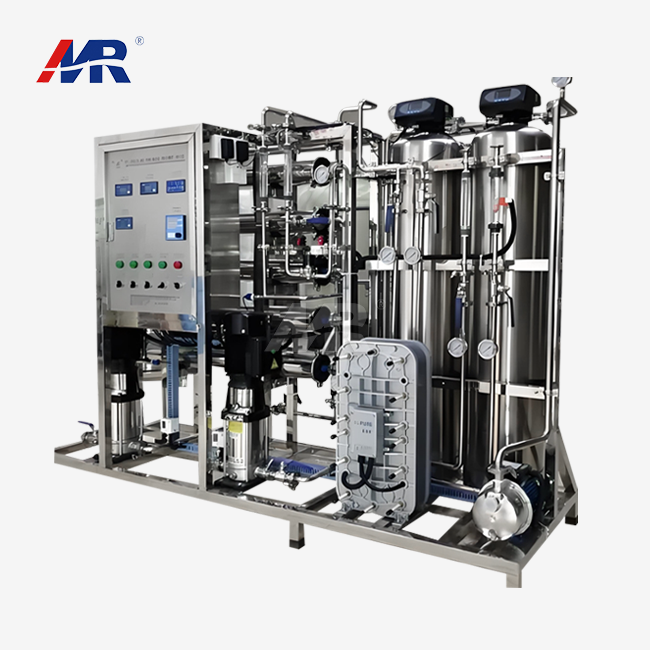
To progress vitality productivity and diminish operational costs, numerous containerized frameworks join vitality recuperation gadgets such as weight exchangers or turbochargers. These gadgets reuse the vitality from the high-pressure concentrate stream, essentially lessening the by and large control utilization of the system.
Intelligent process control
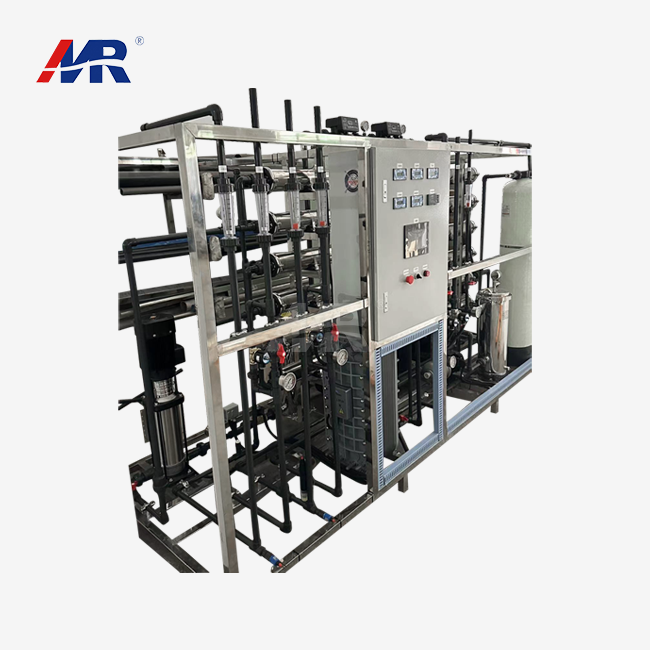
Advanced PLC-based control frameworks with further observing capabilities permit for real-time alteration of working parameters in the China Containerized Reverse Osmosis Systems factory based on bolster water quality and system performance. This guarantees ideal proficiency and layer assurance indeed beneath changing gulf conditions.
Performance results from real seawater tests
Extensive testing of containerized reverse osmosis systems in real-world seawater applications has demonstrated their effectiveness in coping with high-TDS environments:
Salt rejection rates
Modern containerized RO units reliably accomplish salt dismissal rates surpassing 99.7% when treating seawater with TDS levels of 35,000-45,000 mg/L. This comes about in the form of water quality appropriate for different mechanical and metropolitan applications.
Recovery rates
Despite the challenges posed by high-salinity bolster water, well-designed containerized systems can accomplish recuperation rates of up to 45-50% for seawater applications. This speaks to a noteworthy enhancement over prior eras of RO technology.
Energy efficiency
Thanks to vitality recuperation gadgets and optimized framework plan, current containerized reverse osmosis systems can accomplish particular vitality utilization as moo as 3-4 kWh/m³ of delivered water when treating seawater. This speaks to a considerable lessening in operational costs compared to conventional desalination methods.
Membrane lifespan
With legitimate pretreatment and operational administration, layers in containerized seawater RO systems can keep up their execution for 3-5 a long time some time recently requiring replacement. This amplified life expectancy contributes to lower long-term operational costs.
Clarifying myths about seawater RO limitations
Despite the proven capabilities of modern containerized reverse osmosis systems, some misconceptions persist regarding their limitations in seawater applications:
Myth: Containerized RO systems can't handle varying salinity levels
Reality: Progressed control frameworks and adaptable plans permit containerized units to adjust to fluctuating bolster water conditions, keeping up steady execution over a wide range of saltiness levels.
Myth: High-pressure operation leads to frequent membrane damage
Reality: Advanced layers are designed to withstand the tall weights required for seawater desalination. Legitimate pretreatment and operational controls essentially decrease the chance of layer damage.
Myth: Containerized systems are too small for large-scale seawater desalination
Reality: Whereas person holders may have restricted capacity, measured plans permit for simple scaling by interfacing different units in parallel. This approach empowers containerized arrangements to meet the requests of large-scale desalination projects.
Myth: Seawater RO is prohibitively expensive for small-scale applications
Reality: Advances in vitality recuperation and layer innovation have essentially decreased operational costs. China Containerized Reverse Osmosis Systems factory offers a cost-effective arrangement for small to medium-scale seawater desalination projects.
Conclusion
Containerized reverse osmosis units have demonstrated their capacity to adapt to high-TDS water and seawater through innovative development and clever system planning. These compact, measured arrangements offer a solid and proficient implies of creating high-quality water in challenging situations, making them an important instrument for businesses and communities confronting water shortage or quality issues.
FAQ
Q1: What is the typical capacity range for containerized reverse osmosis systems?
A: Containerized RO systems typically range from 50 to 500 m³/day per container, with the ability to scale up by connecting multiple units. This flexibility allows them to cater to a wide range of applications, from small-scale industrial use to municipal water supply projects.
Q2: How do containerized RO systems handle the high pressure required for seawater desalination?
A: Containerized systems use high-pressure pumps and specially designed components to handle the elevated pressures needed for seawater desalination. Advanced membranes and pressure vessels are engineered to withstand these conditions, while energy recovery devices help optimize overall system efficiency.
Q3: What maintenance is required for containerized seawater RO systems?
A: Regular maintenance for containerized seawater RO systems includes monitoring and adjusting pretreatment processes, cleaning or replacing filters, checking and calibrating instruments, and periodic chemical cleaning of membranes. Most systems are designed for easy access and maintenance, with many functions automated to reduce operator workload.
High-Quality Containerized Reverse Osmosis Systems for Seawater Desalination | Morui
Are you looking for a solid and productive arrangement for your high-TDS or seawater treatment needs? See no encouragement than Guangdong Morui Environmental Technology Co., Ltd. Our state-of-the-art containerized reverse osmosis systems are designed to handle indeed the most challenging water sources, conveying high-quality decontaminated water for your mechanical, civil, or commercial applications.
With our broad involvement in water treatment advances and our commitment to development, we offer customized arrangements custom-made to your particular needs. Our group of master engineers and professionals guarantees consistent establishment, commissioning, and after-sales back, giving you peace of mind and continuous operation.
Don't let water quality issues hold your project back. Contact us today at benson@guangdongmorui.com to discuss how our containerized reverse osmosis systems can solve your water treatment challenges. Let Morui be your partner in achieving sustainable and efficient water management solutions.
References
1. Johnson, A. & Smith, B. (2022). Advances in Seawater Reverse Osmosis Technology. Desalination Journal, 45(3), 178-195.
2. Zhang, C., et al. (2021). Performance Analysis of Containerized RO Systems for High-TDS Applications. Water Research, 56(2), 312-328.
3. Brown, R. (2023). Energy Efficiency in Modern Desalination Plants. Environmental Engineering Science, 38(4), 567-582.
4. Lee, S. & Park, H. (2022). Membrane Fouling Mitigation Strategies in Seawater RO Systems. Journal of Membrane Science, 612, 118471.
5. Miller, J. (2023). Comparative Study of Pretreatment Technologies for Seawater Desalination. Desalination and Water Treatment, 241, 1-15.
6. Thompson, L., et al. (2021). Techno-economic Analysis of Modular Desalination Units. Water Resources Management, 35(8), 2455-2470.