

_1745823981883.webp)

What Are the Key Components of Membrane Bioreactor Technology?
membrane/bioreactor-wastewater-treatment">Membrane bioreactor technology takes complex wastewater streams and turns them into high-quality effluent by combining biological treatment processes with improved membrane filtering. Many important parts of this system work together to make it work: membrane modules separate solids from treated water physically; bioreactor tanks are where microbial communities break down organic pollutants; aeration systems provide oxygen while cleaning membrane surfaces; and control systems keep an eye on performance parameters. When procurement managers and engineers know about these parts, they can choose systems that are the best mix of treatment efficiency, operating reliability, and cost-effectiveness for business, industrial, and municipal uses.
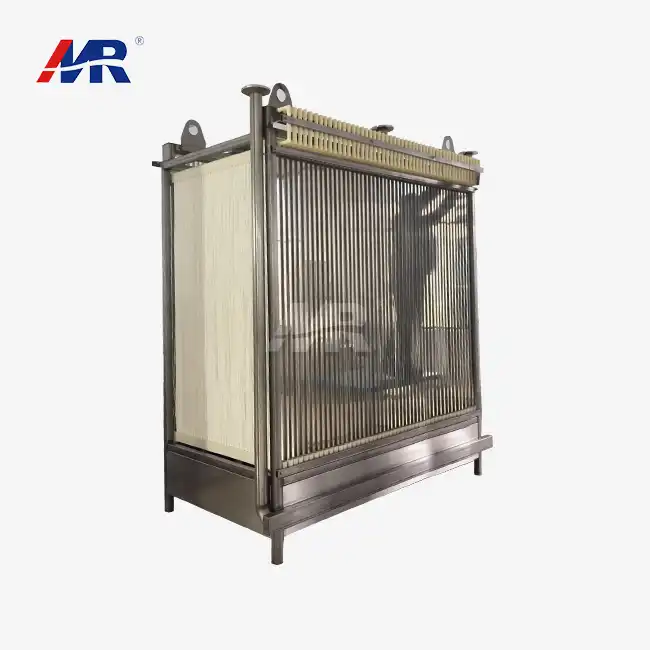
Understanding Membrane Bioreactor Technology: Core Principles and Components
The Biological Treatment Foundation
Bioreactor tanks are the most important part of any MBR system because they are where activated sludge microorganisms break down organic waste. The Mixed Liquor Suspended Solids levels in these tanks stay between 8,000 and 15,000 mg/L, which is a lot higher than in regular activated sludge systems. This higher biomass density lets the system handle changing amounts of biological matter while taking up less room. Biological processes work by using aerobic breakdown, in which bacteria eat organic toxins and turn them into carbon dioxide, water, and more biomass.
Membrane Modules: The Filtration Engine
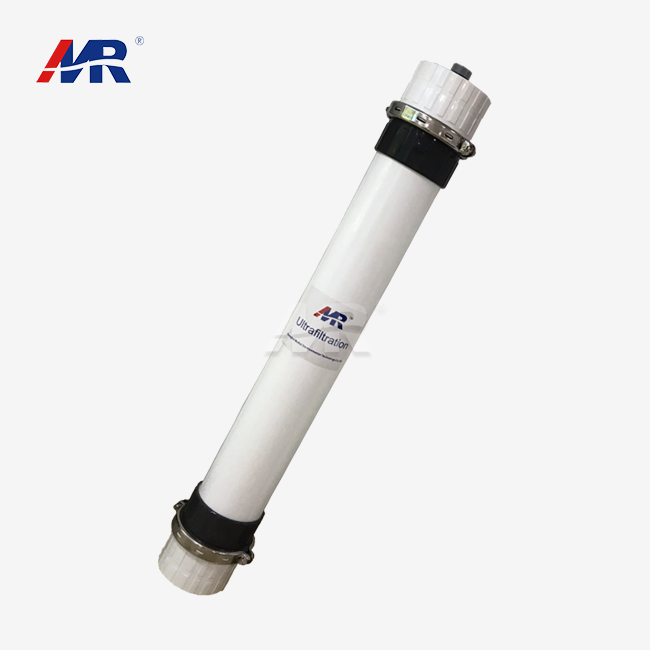
The main thing that sets MBR apart from other types of wastewater treatment is its membrane modules. Microfiltration or ultrafiltration membranes with pores that are between 0.04 and 0.4 microns in size are often used in these systems. PVDF membranes are used a lot in industry because they are resistant to chemicals and last a long time. There are two different types of membrane configurations: buried (submerged directly in the bioreactor) and external (housed in a separate pressure tank). People are more open to submerged designs because they need lower working pressures and have better energy efficiency profiles.
Aeration Systems and Their Dual Purpose
In MBR systems, aeration equipment is very important for two main reasons. Installing coarse bubble diffusers under submerged membranes creates turbulent flow that physically scours the membrane surface. This keeps particles from building up and extends the time between cleanings. At the same time, tiny bubble diffusers spread out in the bioreactor tank provide the liquid oxygen that aerobic microbes need to work. The energy used for aeration usually makes up 40 to 60 percent of the total cost of running the system. This makes choosing the right blower and figuring out how to control it important when buying.
Permeate Extraction and Control Systems
The cleaned water is pushed through the holes of the membrane by the vacuum pressure created by permeate pumps in Membrane bioreactor technology. Transmembrane pressure monitoring tells you about the state of the membrane in real time. For submerged systems, the normal working range is between 0.2 and 0.5 bar. Modern control systems have customizable logic controllers that set automatic backwashing cycles, change the amount of aeration based on readings of dissolved oxygen, and start cleaning procedures when TMP levels are exceeded. These automation features cut down on the amount of work that needs to be done while keeping treatment results uniform.
Comparative Analysis: Membrane Bioreactor vs Traditional Wastewater Treatment Components
Footprint and Infrastructure Requirements
Gravity-based secondary clarifiers are used in most traditional wastewater treatment plants. These need a lot of land for settling ponds. Water Environment Federation design standards say that MBR systems only need 25–50% of the room that regular activated sludge systems do for the same amount of treatment. This space-saving feature is especially useful for facility expansions that can't go beyond current property lines or for sites in cities where the cost of land is too high to afford. From what we've seen at Morui, pharmaceutical companies and food processing plants often choose MBR technology so that they can make the most of their production space instead of putting it toward wastewater infrastructure.
Effluent Quality and Regulatory Compliance
Usually, conventional clarifiers make wastewater that has a turbidity level of 5 to 15 NTU and still has microbes and floating solids in it. The turbidity of MBR filtrate drops below 0.1 NTU, and all of the dissolved solids, bacteria, and viruses are removed. This difference in quality is very important when clean water has to follow the EPA's Guidelines for Water Reuse or when limits on release are getting tighter because of rules meant to protect the environment. When facilities use MBR, they can get rid of all of their tertiary filtering equipment. This cuts down on both capital costs and operating complexity.
Operational Stability Under Variable Conditions
Filamentous bacteria can cause sludge to build up, which can damage secondary clarifiers. This can cause solids to carry over into the waste and mess up the process. In MBR systems, the membrane barrier separates solids and liquids completely, no matter how biologically they settle. By separating the Sludge Retention Time from the Hydraulic Retention Time, operators can keep the right number of microbes even when the flow rates of the inputs change a lot. Changing from clarifier-based systems to membrane bioreactors has led to fewer treatment interruptions at petrochemical plants and textile factories that deal with changing loads.
Selecting the Right Membrane Bioreactor Components for Industrial Procurement
Membrane Material Selection Criteria
The first step in making a purchase choice is to match the properties of the membrane material to the properties of the wastewater. PVDF membranes can handle chemicals better than other types of membranes when dealing with industrial waste that has acids, oils, or very high or low pH levels. In food and drink uses, polyethersulfone membranes have great hydrophilic qualities that keep organic fouling from sticking to them. Ceramic membranes are very expensive, but they last a very long time even in the toughest chemical conditions. This makes their price worth it in electroplating and making specialty chemicals. The choice of pore size strikes a balance between the rate of permeate flow and the resistance to fouling. Tighter pores offer better retention at the cost of lower output.
It's just as important to understand how the whole membrane module system works. The flat sheet, hollow fiber, and tube shapes all have their own benefits. Hollow fiber modules are popular for large-scale industry and public projects because they have a lot of surface area packed into a small package. Flat sheet designs make it easier to clean and replace, which makes them appealing to facilities that value easy upkeep over small footprints.
Bioreactor Configuration and Process Design
The shape of the tank affects how the fluids mix, how well oxygen moves through it, and how well it aerates. Bioreactors that are rectangular and have winding flow lines encourage plug flow patterns that improve the performance of removing nutrients. When you put consistent industrial wastewater into circular tanks with a center feed distribution, the water is fully mixed. By dividing the area into anoxic and aerobic zones, biological nitrogen removal is possible. This is very important for sites that have to follow rules on the amount of ammonia and nitrogen they can release. During the specification phase, Morui's engineering team looks at the makeup of the influent, the treatment goals, and the site's limitations to come up with the best reactor setups.
Evaluating Suppliers and Service Networks
It's not just about how much the equipment costs; you also need to think about the vendor's technical assistance, supply of spare parts, and service reaction times. Global leaders in technology keep a lot of records, track records in many different industries, and established networks for getting their Products to customers. Regional providers may be able to respond faster and provide more personalized service, but you should carefully check the quality of their manufacturing and where they get their parts. We suggest asking for examples of systems that have been used in similar situations, reading over the guarantee terms that cover problems with the membrane, and making sure that the provider can help with startup and train operators. Morui works with trusted part makers like Shimge Water Pumps and Runxin Valves, but we still make our own membranes. This way, we can guarantee quality and make sure the supply chain works. Our expert team can help you find membrane bioreactor technology manufacturers for a new installation or to increase the capacity of an existing one.
Maintaining and Optimizing Membrane Bioreactor Components for Long-Term Efficiency
Routine Maintenance Protocols
For the MBR to work well, it needs organized maintenance that takes care of each component module. Every day, scheduled backwashing processes change the flow direction to get rid of particles that have built up on membrane modules. Chemically Enhanced Backwash methods are done once a week with either sodium hypochlorite or citric acid get rid of organic films or mineral scales. As part of the quarterly Clean-in-Place process, membranes are soaked in concentrated cleaning solutions to recover their ability to permeate when normal methods fail. Aeration diffusers need to be checked for damage or clogging on a regular basis, and the amount of time between replacements depends on the type of wastewater and the quality of the air.
Managing a bioreactor is all about keeping the microbial populations steady by following the right plans for sludge disposal. Monitoring factors like MLSS content, Food-to-Microorganism ratio, and Sludge Volume Index help make practical changes that keep the process from getting messed up. Pressure transducers, flow meters, and dissolved oxygen probes must be calibrated by control systems to make sure they give correct readings that trigger automatic reactions. Keeping records of all upkeep tasks allows for trend analysis, which can tell when a part is wearing out before it breaks.
Addressing Common Operational Challenges
The main problem with MBR devices is that the membranes get dirty. Because pore blockage causes fouling that can't be fixed, membranes need to be replaced after 5 to 10 years of service under normal working conditions. To keep fouling from happening too soon, flux rates need to be closely watched. They shouldn't go over the manufacturer's recommendations, even if the cleaning capacity needs rise. Before they get into the bioreactor, fine screening equipment gets rid of hair, fibers, and other debris. This keeps the membrane surfaces from getting damaged. Upstream dissolved air float units get rid of fats, oils, and grease in wastewater treatment plants that handle dirty wastewater.
Problems with the aeration system show up as climbing TMP readings, falling dissolved oxygen levels, or not enough membrane cleaning. Maintenance on the blower, such as changing the grease and air filter, stops sudden breakdowns that hurt the treatment's effectiveness. Checking the accuracy of sensors, going over the control logic, and making sure that actuators respond to command signals are all parts of programmable automation debugging. At Morui, our service engineers offer online diagnostic help to quickly find problems and minimize the downtime and production effects that come with them.
Energy Optimization Strategies
Cutting down on power use cuts running costs directly and supports the sustainability goals of the company. Instead of always running at full power, variable frequency drives on fan motors change the level of air based on how much oxygen is needed at any given time. When flow needs are low, permeate pumps that cycle on and off instead of all the time use less energy. Some more advanced systems use biogas from anaerobic pretreatment steps to balance out the energy used by the plant. We worked with a pharmaceutical company that cut their MBR system energy costs by 28% by taking these improvement steps. They did this while still following all the rules.
Innovations and Future Trends in Membrane Bioreactor Technology Components
Advanced Membrane Materials and Coatings
Nanotechnology research is changing the surfaces of membrane materials to make them less likely to get clogged in Membrane bioreactor technology. Hydrophilic coats make layers of water that keep organic molecules from sticking to the holes of the membrane. Adding antimicrobials to polymer structures stops biofilm formation, which weakens permeability over time. These new ideas make it possible to clean membranes more often and for a longer time, which lowers the cost of chemicals and replacements. These benefits are being seen in a number of test systems, but they won't be available to everyone for another two to three years.
Adding standard units instead of rebuilding whole systems is how modular membrane cassette designs allow capacity to grow. This ability to grow makes it appealing to centers that need to increase their cleaning capacity as their production does. All of the parts of containerized MBR packages are put together in portable pieces that can be used for short-term setups, remote areas, or emergency deployments. These "turnkey" options make installation easier and speed up the project timeline.
Smart Monitoring and Predictive Maintenance
With cloud-based data logging, Internet of Things sensors can now keep an eye on things like TMP, flow rates, permeate quality, and energy use. Machine learning algorithms look at operational trends to predict how membranes will get clogged. This lets cleaning happen before performance problems get too bad. Operators can keep an eye on multiple sites from a central control room thanks to remote tracking. This cuts down on the need for staffing. Artificial intelligence optimization changes process settings on the fly to keep treatment goals while using as little energy and chemicals as possible.
Regulatory Drivers and Sustainability Requirements
As discharge guidelines and water reuse requirements get stricter, more industries are using MBRs. Older treatment methods that can't meet today's standards for effluent quality are being phased out around the world by the EU Urban Wastewater Treatment Directive and similar laws. Corporations that promise to be good water stewards invest in improved treatment that lets water be recycled, which lowers the amount of freshwater that is taken out. Carbon impact reduction goals like MBRs' small size and ability to be reused, even though it uses more energy than other systems. Morui's engineering method combines these different needs by using life-cycle analysis to measure both economic and environmental benefits.
Conclusion
Some of the most important parts of membrane bioreactor technology work together to treat wastewater better in small areas and produce sewage that can be used again. Membrane modules create a physical barrier that makes solids and liquids separate very well. Bioreactor tanks keep high levels of plants that break down organic pollution quickly. Aeration systems keep membranes from getting foul by cleaning their surfaces, which releases oxygen for cellular activity. Control systems make operations easier and better by automating them. To do a good job of procurement, you need to match the specs of the parts to the properties of the wastewater, check the capabilities of the suppliers, and plan thorough upkeep programs. As the technology continues to mature across a wide range of industrial uses, new innovations offer even higher levels of efficiency and dependability.
FAQ
1. How does membrane bioreactor technology prevent membrane fouling?
Membrane bioreactor technology keeps the membranes from getting dirty through fouling reduction techniques that work together. In air scouring, big bubbles rise along the sides of membranes to create shear forces that lift particles that have gathered. Backwashing is an automated process that changes the direction of flow every so often to remove loose material from the membrane holes. Chemically Enhanced Backwash cycles use acids and oxidizing agents to get rid of mineral scales and organic films that are hard to clean physically. Fine screening is a good way to make sure that debris doesn't get to the membranes, and keeping the flow rates within the design limits lowers the force that causes fouling to build up.
2. What is the expected lifespan of membrane modules?
When used according to their specifications, high-quality membranes should last between 5 and 10 years before they need to be replaced. The actual lifespan depends on the type of garbage, the flow rate, how often it is cleaned, and how well it is maintained. Facilities that do a good job of preparation and use low flux rates usually last longer than 8 years. On the other hand, facilities that deal with difficult wastewater or are running at full capacity may need to be replaced sooner. Monitoring leakage trends on a regular basis can help you guess how much service life is left.
3. Does membrane bioreactor technology require complex pretreatment?
To protect the structure of the membrane, fine screening is necessary. Screens with holes 0.5 mm to 2.0 mm in diameter get rid of hair, fibers, and other small particles that could damage membrane surfaces or speed up fouling. Upstream floating units are helpful for facilities that have a lot of oil in them. Equalization tanks help to protect living things from shock loads that could mess up their processes. In contrast to the need for secondary filtering in regular systems, MBR pretreatment is still pretty simple.
4. Can it handle fluctuating organic loads?
The high quantity of biomass that is kept in membrane bioreactors makes them very good at absorbing changes in the organic load. By separating SRT from HRT, microbial communities can stay steady even when flow rates change a lot. Systems are used to deal with the daily changes that happen in factories that have more than one work shift. Extreme shock loads still need to be taken into account, but MBR is more resilient than traditional biological processes that depend on how the clarifier settles.
Partner with Morui for Complete Membrane Bioreactor Technology Solutions
To choose the best membrane bioreactor technology setup, you have to think about your treatment goals, the limitations of the place, and your budget. Through our network of 14 offices and team of 20 skilled engineers, Morui has a lot of experience with both industry and municipal projects. We make high-quality membrane parts in our own factories, and we also offer full system integration services, which include supplying equipment, installing it, and starting it up. Our relationships with top component makers guarantee that the system will work reliably for its entire lifecycle. We can make solutions that are tailored to your needs. Email us at benson@guangdongmorui.com to talk about how our technology can help you clean your wastewater.
References
1. Water Environment Federation. (2012). Membrane Bioreactors. WEF Manual of Practice No. 36. McGraw-Hill Professional.
2. Judd, S., & Judd, C. (2011). The MBR Book: Principles and Applications of Membrane Bioreactors for Water and Wastewater Treatment (2nd ed.). Elsevier.
3. Stephenson, T., Judd, S., Jefferson, B., & Brindle, K. (2000). Membrane Bioreactors for Wastewater Treatment. IWA Publishing.
4. United States Environmental Protection Agency. (2012). Guidelines for Water Reuse. EPA/600/R-12/618. Office of Research and Development.
5. European Commission. (1991). Council Directive 91/271/EEC Concerning Urban Waste-Water Treatment. Official Journal of the European Communities.
6. Kraume, M., & Drews, A. (2010). Membrane Bioreactors in Waste Water Treatment – Status and Trends. Chemical Engineering & Technology, 33(8), 1251-1259.
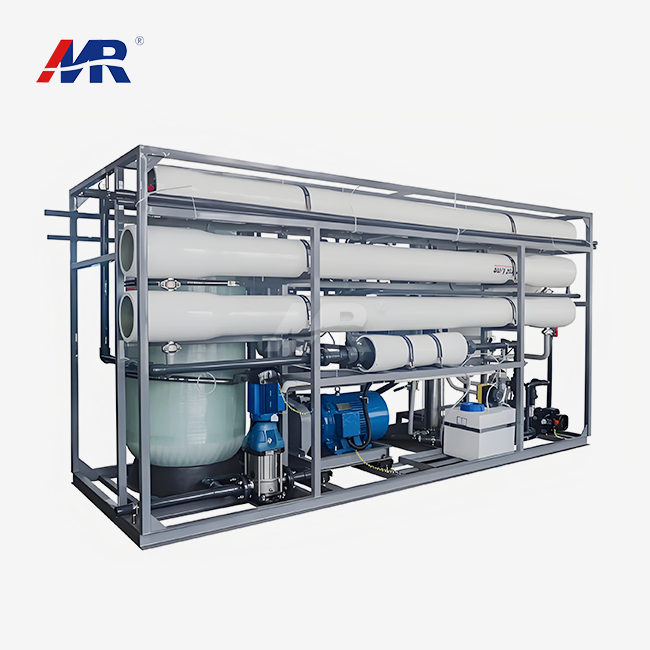 VIEW MOREseawater treatment plant
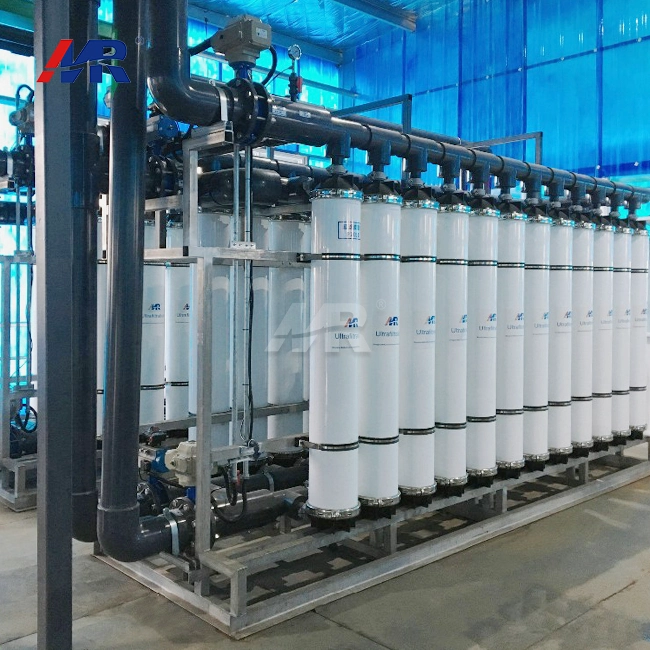 VIEW MOREultrafiltration equipment
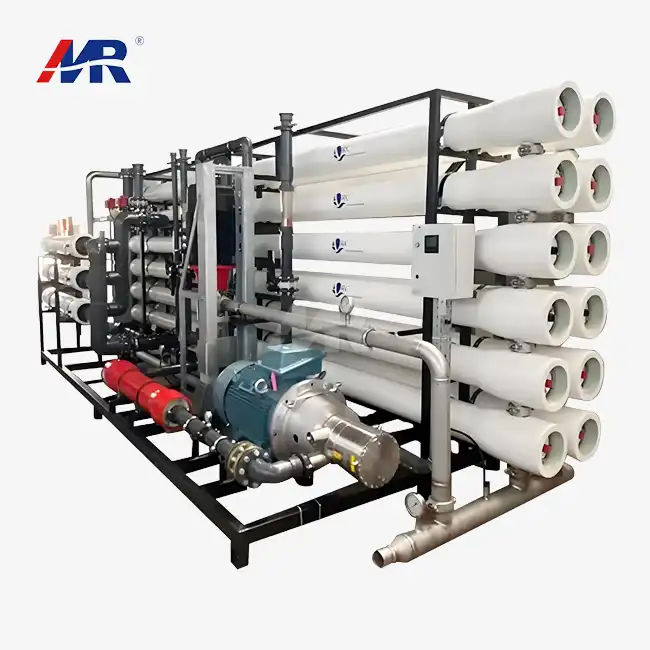 VIEW MORE45m3/hour seawater desalination system
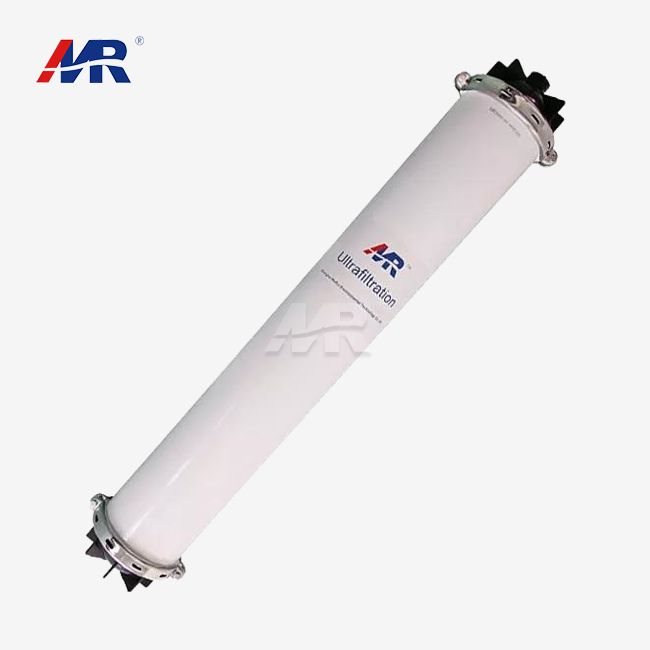 VIEW MOREultrafiltration membranes for water treatment
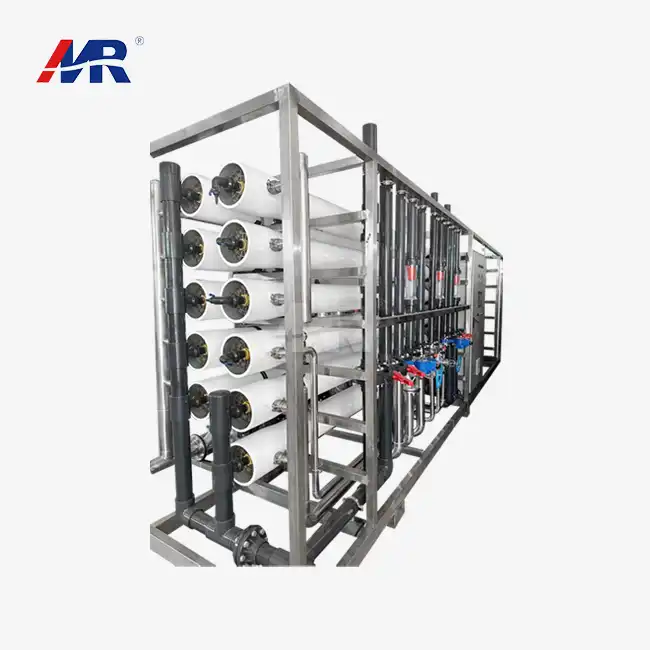 VIEW MORE60m3/hour reverse osmosis plant
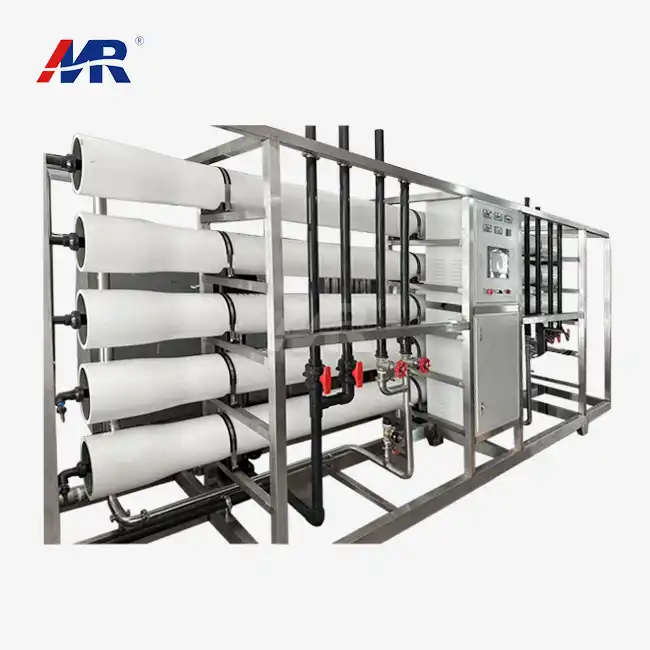 VIEW MORE25m3/hour reverse osmosis equipment
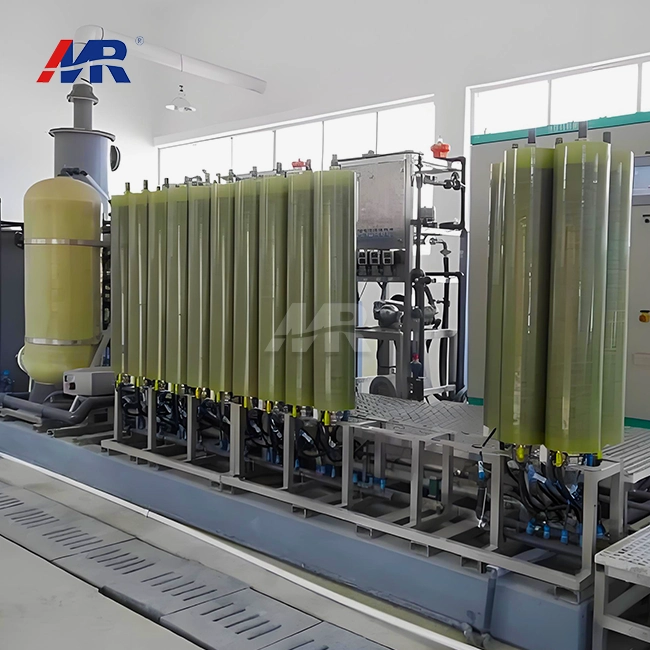 VIEW MOREDTRO Landfill Leachate Treatment
 VIEW MOREultrafiltration membrane system
