

_1745823981883.webp)

Why Is MBR Membrane Technology Replacing Conventional Processes?
More and more pressure is being put on modern wastewater treatment plants to produce cleaner sewage while also cutting costs and their physical effects. This is exactly what the membrane/bioreactor-wastewater-treatment">mbr membrane solution does by combining biological treatment with improved membrane filtering in a single, small unit. Unlike regular clarifiers, which have trouble with changing loads and inconsistent water quality, MBR membrane technology creates a physical barrier that keeps the suspended solids and biomass. This makes pathogen-free effluent that can be reused right away or discharged in strict ways, solving three important industrial problems at once.
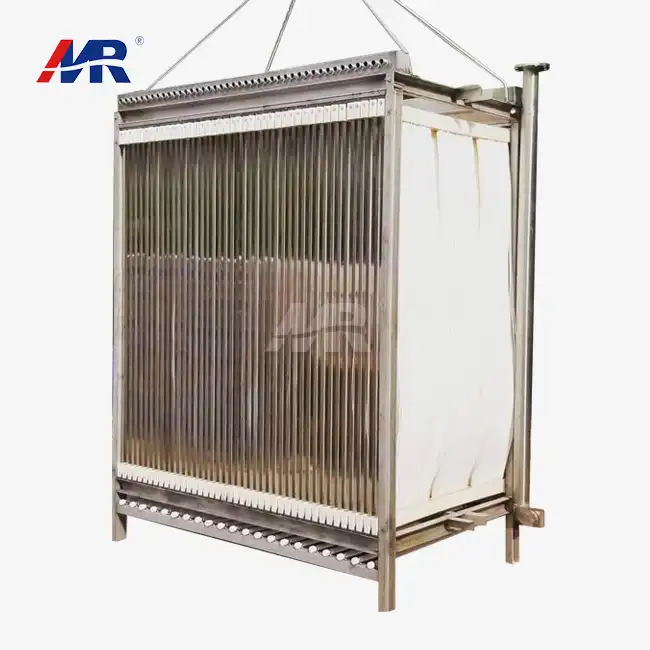
Understanding MBR Membrane Technology
Core Components and Operational Principles
Activated sludge processes and permanent selective filtering barriers work together in MBR membrane systems. Microfiltration or ultrafiltration membranes are put straight into the bioreactor or placed on the outside as side-stream configurations. Microorganisms break down organic pollution in the bioreactor, which is where wastewater goes. The mixed liquid then goes through membrane modules with very small pores (about 0.1 to 0.4 micrometers) that physically keep out bacteria, viruses, and other particles while letting clean water pass through.
Because biological decay and MBR membrane separation work together, there is no need for secondary clarifiers, which usually take up a lot of space and don't work regularly when hydraulic shock loads are applied. The membrane completely blocks the liquid, keeping the concentration of Mixed Liquor Suspended Solids between 8,000 and 15,000 mg/L. This is much higher than what can be achieved in normal systems, where settling tanks make it hard to keep biomass.
Filtration Mechanisms and Membrane Types
The filter system works by excluding things that are too big and sticking to surfaces. When the mixed liquor hits the membrane surface, particles bigger than the pores stay on the feed side while clean permeate flows through. Air constantly goes over the surface of the membrane, stopping cake layers from forming and keeping flow rates the same.
Polymeric and ceramic screens are the two main types of materials used in modern systems. Polymeric alternatives, especially Polyvinylidene Fluoride (PVDF) and Polyethersulfone (PES), are used a lot in industry because they are cheap and don't react with chemicals. PVDF membranes can handle pH levels between 2 and 11 and up to 2,000 parts per million of chlorine during chemical cleaning. Ceramic options are stronger and last longer, but they cost more to buy at first. This means they are only good for certain industry settings with a lot of chemical exposure.
Design flux rates of 10 to 30 liters per square meter per hour (LMH) can be reached with high-flux MBR membrane layouts. This is done by combining permeability with fouling resistance. Reinforced hollow fiber designs have much higher packing densities than flat sheet options. This makes backwashing possible, which works better against some industrial foulants.
Limitations of Conventional Membrane Processes and Rise of MBR
Challenges With Traditional Treatment Methods
Usually, secondary treatment trains depend on gravity-based sedimentation in clarifiers, which makes them less reliable in a number of ways. The ability of sludge to settle changes when the temperature changes, the features of the influent, and the behavior of the microbial population. This causes regular problems that lower the quality of the effluent. As a result, clarifiers need large areas that often take up 40% of the total treatment plant area. This makes them impossible to place in cities and industrial buildings that can't grow, which is why mbr membrane systems are increasingly adopted.
Traditional methods also make too much secondary sludge, which needs to be dewatered, hauled, and thrown away, which costs a lot of money. Biomass washout during high flow events lowers the turbidity of wastewater, which can lead to violations of the law and possible fines. Pathogens are still not completely gone, so more cleaning steps are needed, which adds to the risks of handling chemicals and leaves behind waste.
How Membrane Bioreactors Address These Pain Points
By not using clarifiers at all, MBR membrane systems reduce the amount of space needed by about half compared to traditional setups. The technique stays stable even when hydraulic loads change because MBR membrane filtering physically separates solids, no matter how they settle. Because it is reliable, it always meets stricter release standards, such as having total suspended solids below 5 mg/L and bacteria-free wastewater that can be used for things other than drinking.
A city case study from a medium-sized treatment facility showed changes in performance that could be measured. By adding MBR membrane units to its old activated sludge system, the facility was able to get rid of 99.9% of the suspended solids and germs. The plant's throughput increased by 35% without taking up more space, and maintenance work dropped by 20% when clarifier scraper mechanisms and sludge return pumps were taken out. 15% less energy was used per cubic meter of treated material because the aeration patterns were changed to work better with the MBR membrane instead of keeping the settleable floc structures.
Industrial facilities that deal with high-strength garbage, like food preparation plants and drug factories, also benefit from better operations. By allowing higher biomass concentrations, MBR membrane filtration speeds up the rate of organic breakdown. This means that hydraulic holding times drop from 24 hours in standard systems to 8–12 hours in MBR membrane setups.
Comparing MBR Membranes With Conventional Alternatives
Performance Benchmarks Against UF and RO Systems
Ultrafiltration and reverse osmosis membranes are used for different purposes in cleaning. Ultrafiltration has pores that are about the same size as microfiltration, but it is usually used as a third cleaning step on its own instead of as part of a biological process. Reverse osmosis separates dissolved solids at the molecular level, but it needs good feed water and works at high pressures (10–70 bar), so it uses a lot more energy than MBR membrane bioreactors (0.3–0.6 bar transmembrane pressure).
MBR membrane technology is an important part of treatment trains because it can provide secondary treatment and tertiary-quality waste in a single step. This combination cuts down on the cost of adding more filtering steps and makes operations simpler. Reverse osmosis is still used downstream in facilities that need to remove minerals, but the better feed quality from MBR membrane bioreactors makes ro membranes last longer and requires less cleaning because of fouling.
Comparing energy efficiency shows that MBR membrane bioreactors use 0.4 to 0.6 kWh per cubic meter of treated water, which is more than regular activated sludge (0.3 to 0.4 kWh/m³) but much less than stand-alone RO systems (0.8 to 1.5 kWh/m³ for brackish water). The higher energy cost is because of air scouring and permeate extraction pumps, but it is still justifiable because there is no longer a need for a clarifier, and the cost of handling sludge is lower.
Ceramic Versus Polymeric Membrane Materials
When choosing materials, you have to weigh the need for longevity against the cost of the job. Ceramic membranes made of aluminum oxide or silicon carbide can handle harsh chemical cleaning methods and keep working at temperatures above 60°C, which makes them ideal for high-temperature industrial uses and petroleum wastewater. In harsh situations, these units keep their mechanical integrity for 10 to 15 years, while polymeric options would break down in 3 to 5 years.
Most systems that treat municipal wastewater and normal industrial streams use polymeric membranes made from PVDF or PES. PVDF is very resistant to chemicals across a pH range of 2 to 11, and it can handle chlorine contact during clean-in-place processes. With the right pretreatment and upkeep, it can last for 5 to 8 years. The hydrophilic surface chemistry of the material lowers the rate of organic fouling compared to hydrophobic polymers. This keeps the flux performance fixed between cleaning rounds.
Material choice is greatly affected by cost factors. Capital costs for ceramic modules are three to five times higher than those for plastic modules, but the higher costs are worth it in situations where they will be exposed to chemicals or fouling. Polymeric systems require less money to set up, so they can be used for projects on a budget and for cleaning garbage that isn't too hard.
Total Cost of Ownership Analysis
A full cost analysis looks at how much it will cost to build, run, and fix the system over its expected lifetime. The cost of installing an MBR membrane bioreactor depends on the type of membrane, the level of automation, and the amount of building work that needs to be done at the site. The cost ranges from $250 to $600 per cubic meter of daily treatment capability. This is better than traditional activated sludge systems that need to build new clarifiers, which cost between $180 and $400/m³ when land costs are added to the total area.
Operating costs include things like using energy, chemicals for cleaning, saving money for MBR membrane replacements, and paying workers. For polymeric materials, membrane units usually need to be replaced every 5 to 8 years. This means that 15 to 20 percent of the starting capital cost is paid off each year. Chemical cleaning programs use between 0.5% and 1% of operating funds for caustic solutions, acids, and hypochlorite.
When procurement teams look at the total cost of ownership, they should figure out the net present value over 20 years. This should include the saved costs from sludge disposal reduction (30–50% less volume than standard systems) and the possible income from effluent reuse. Reusing water for cooling tower makeup or process uses can help facilities lower their treatment costs by buying less water from the city. This can pay for itself in 7 to 12 years, based on the local water rates and release fees.
Maintenance, Efficiency, and Longevity of MBR Membranes
Fouling Prevention and Troubleshooting Strategies
The main problem in operation is MBR membrane fouling, which shows up as falling flow rates or rising transmembrane pressure. Some of the ways that fouling works are when colloidal particles block pores, biological solids build up in cake layers, and extracellular polymeric substances form organic conditioning films. Dissolved air float or screening systems are good ways to get rid of fats, oils, and grease before treatment. This is because FOG amounts above 50 mg/L quickly coat membrane surfaces and don't come off with normal cleaning methods.
By keeping an eye on transmembrane pressure changes, fouling can be found early. Baseline TMP values are usually between 0.15 and 0.30 bar when the system is first turned on. Gradual rises in these values indicate reversible fouling that can be cleaned with more air or during rest cycles. Rapid TMP spikes mean that pollution is permanent and needs chemical help right away. Temperature effects must be taken into account because changes in viscosity affect flow rates by about 2% per degree Celsius. To keep throughput steady, design factors should take into account the lowest monthly temperatures.
Real-time analytics tools keep an eye on normalized flux, TMP trends, and the efficiency of cleaning cycles. They then send out maintenance warnings before they become too bad to ignore. These systems connect to SCADA systems, which let them be monitored from afar and automatically react to changes in the process.
Chemical Cleaning Protocols and Preventive Maintenance
A tiered system is used for routine repair. Backwashing changes the direction of the permeate flow to get rid of solids that have built up. This is done every 20 to 60 minutes, based on the feed water's properties. Relaxation cycles stop penetration but keep air scrubbing going, which lets cake layers slide off MBR membrane surfaces. These physical ways get rid of normal fouling without using chemicals.
Chemically improved backwashes use sodium hypochlorite solutions (200–500 ppm chlorine) once or twice a week to get rid of organic waste and stop living things from growing. For clean-in-place methods, alternating acid (pH 2-3) and caustic (pH 11–12) washes are used every three months or when TMP hits certain levels. These washes remove the inorganic scale and the organic conditioning layers, respectively. Each CIP cycle takes 3 to 6 hours of downtime, so sites that run all the time need multiple MBR membrane trains.
As part of preventive maintenance plans, MBR membrane integrity is checked using the pressure decay or bubble point methods. This finds fiber breaks or seal failures before they lower the quality of the waste. To keep assembly work and process interruptions to a minimum, replacement modules should come from makers that offer drop-in compatibility. With good inventory management, you can keep important extra parts on-site, so you don't have to wait for the supply chain to catch up.
Procurement Guide: Selecting and Buying MBR Membranes
Critical Selection Criteria for Industrial Applications
The technical requirements must match the specifics of the wastewater and the cleaning goals for that place. Choosing the right flux rate combines the MBR membrane area needs with the likelihood of fouling. For unstable industrial wastewaters, conservative designs aiming for 15-20 LMH work better than strict 25-30 LMH standards. When testing wastewater compatibility, pH differences, temperature ranges, and chemical components that could damage MBR membrane materials or speed up clogging are all considered.
Tensile strength ratings, chlorine tolerance standards, and manufacturer-recorded lifespans under similar working conditions are all signs of MBR membrane longevity. PVDF membranes should be able to handle chlorine contact of up to 2,000 parts per million over time and a pH range of 2 to 11, so they can be cleaned normally without breaking down.
Hollow fiber cartridges, plate-and-frame assemblies, and tubular shapes are some of the module construction choices. Hollow fiber systems are the best because they have better packing density (surface area per unit volume) and better air scouring patterns. Strengthened hollow fibers with internal braiding don't break when under backwash pressure cycles, so they last 20–30% longer than options that aren't strengthened.
Evaluation of Suppliers and Quality Control
Professionals in charge of buying things should give preference to sellers who offer full expert support, such as help with system design, startup commissioning, and ongoing operating troubleshooting for the MBR membrane. A warranty that lasts between 2 and 5 years shows that the maker is sure that the product will last. Carefully read the guarantee terms; some only cover material flaws and not performance loss caused by improper operation or poor pretreatment.
Quality approvals like NSF/ANSI 61 for drinking water system parts or ISO 9001 manufacturing standards show that the production process is uniform and that quality is being controlled. Ask for performance validation data from sites that are similar to yours. This should include recorded flux stability curves, cleaning frequency requirements, and the longest lifespans that have been reached in similar wastewater conditions.
Logistics prices and lead times are affected by the distribution route. Direct connections with manufacturers give you more control over customization and access to Technical support, but they may require longer buying processes. Authorized wholesalers keep inventory close to home to speed up shipping and support regional service networks. However, they may not be able to customize Products as much as other companies.
Pricing Dynamics and Negotiation Strategies
Prices for MBR membrane modules show economies of scale, with 15–25% lower unit costs when buying in bulk compared to ordering in small amounts. To get the best volume prices and make it easier to keep track of spare parts, procurement teams that are in charge of portfolios with multiple sites should standardize MBR membrane specs across all of those sites.
Price trends are affected by changes in the global supply chain. Costs for polymeric MBR membranes stayed about the same until 2024, staying between $40 and $80 per square meter of active filter area for PVDF hollow fiber modules. Ceramic options cost $150 to $300 more per square meter. For foreign shipments, freight costs add 8–15% to FOB prices, based on where the goods are going and how they are being shipped.
When negotiating, the focus should be on the total value of the job, not just the price of the MBR membranes. Bundled offers that include MBR membrane modules, other equipment, installation services, and multi-year upkeep contracts give buyers more power to negotiate prices and hold vendors fully accountable. Payment terms that require deposits upon order and the full payment after successful commissioning match the supplier's goals with the performance of the project.
Conclusion
MBR membrane bioreactor technology has completely changed how much it costs to treat wastewater and what people expect it to do. When biological processes are combined with improved filtration, tertiary-quality effluent can be produced in small sites. This solves important space problems while still meeting regulatory requirements. MBR membrane bioreactors are good investments for corporate and local sites that want to make long-term improvements to their infrastructure because they have operational benefits like less sludge production, stable performance under changing loads, and pathogen-free discharge. Comprehensive buying plans that look at the total cost of ownership, the skills of suppliers, and the unique needs of an application allow for successful implementations that provide long-term operating value.
FAQ
1. What determines the operational lifespan of membrane modules?
High-quality PVDF MBR membrane modules can work for 5 to 8 years as long as they are backed by good pretreatment systems and strict upkeep schedules. Some things that affect how long something lasts are the quality of the feed water, how often it is cleaned and what chemicals are used, how fast the flux rates are compared to the design specs, and how strong the support structures are. Installations that treat well-pretreated city wastewater reach the end of their useful life. On the other hand, industrial uses with difficult chemical compositions or poor FOG removal experience faster decay, needing to be replaced sooner.
2. How do membrane bioreactors achieve cost savings compared to conventional treatment?
Cost benefits build up over time as operations are improved over and over again. When your spatial footprint is smaller, you don't have to pay for land purchase or growth. Less sludge output means 30–50% less money spent on dewatering, moving, and getting rid of it. Better wastewater quality lets water be used in new ways, which cuts down on the amount of water that cities have to buy and the fees they have to pay for release. When the total treatment train needs are looked at, the energy consumption is about the same as with traditional systems. On the other hand, the better dependability cuts down on emergency repair costs and the risk of regulatory penalties.
3. Which industries benefit most from membrane bioreactor implementation?
MBR membrane bioreactor technology is especially useful for electronics factories that need reliable preparation before ultrapure water systems, food and beverage makers that need to treat high-strength organic wastewater, and pharmaceutical companies that need to make sure their water treatment is GMP-compliant. Retrofits allow municipal wastewater treatment plants in cities with limited space to handle a lot more wastewater. To meet environmental goals and lower energy costs, commercial projects like resorts and mixed-use buildings use small systems and the ability to reuse water.
Partner With Morui for Advanced Membrane Bioreactor Solutions
Guangdong Morui Environmental Technology Co., Ltd. offers complete water treatment systems backed by combined manufacturing skills and more than 20 years of experience in the field. With pores that are just the right size (0.1 to 0.4 micrometers), our PVDF MBR membrane modules can filter 99.9% of liquids. They work successfully in temperatures ranging from 5°C to 40°C and pH levels ranging from 2 to 11. As a well-known MBR membrane maker with our own production facilities and more than 500 committed employees, we can handle the whole project, from supplying the equipment to installing it on-site and starting it up. Our engineering team uses knowledge from 14 different areas to create custom solutions for wastewater treatment plants, drug factories, food processing plants, and industry centers. Get in touch with our technical experts at benson@guangdongmorui.com to talk about your unique treatment needs and get detailed proposals with low prices for both standard and custom-built MBR membrane bioreactor systems.
References
1. Judd, S. (2022). The MBR Book: Principles and Applications of Membrane Bioreactors for Water and Wastewater Treatment. Elsevier Publishing.
2. Yang, W., Cicek, N., & Ilg, J. (2021). "State-of-the-art of membrane bioreactors: Worldwide research and commercial applications in North America." Journal of Membrane Science, 615, 118-143.
3. Kraume, M., & Drews, A. (2020). "Membrane Bioreactors in Waste Water Treatment—Status and Trends." Chemical Engineering & Technology, 43(7), 1237-1249.
4. Meng, F., Zhang, S., Oh, Y., Zhou, Z., Shin, H.S., & Chae, S.R. (2023). "Fouling in membrane bioreactors: An updated comprehensive review." Water Research, 229, 119-142.
5. Lin, H., Peng, W., Zhang, M., Chen, J., Hong, H., & Zhang, Y. (2021). "A review on anaerobic membrane bioreactors: Applications, membrane fouling and future perspectives." Desalination, 497, 114-136.
6. Zhao, L., Yu, D., Xu, M., Liu, H., & Hermanowicz, S.W. (2020). "Biological and economic assessments of using membrane bioreactor technology for municipal wastewater treatment: A comparative study." Science of The Total Environment, 724, 138-152.
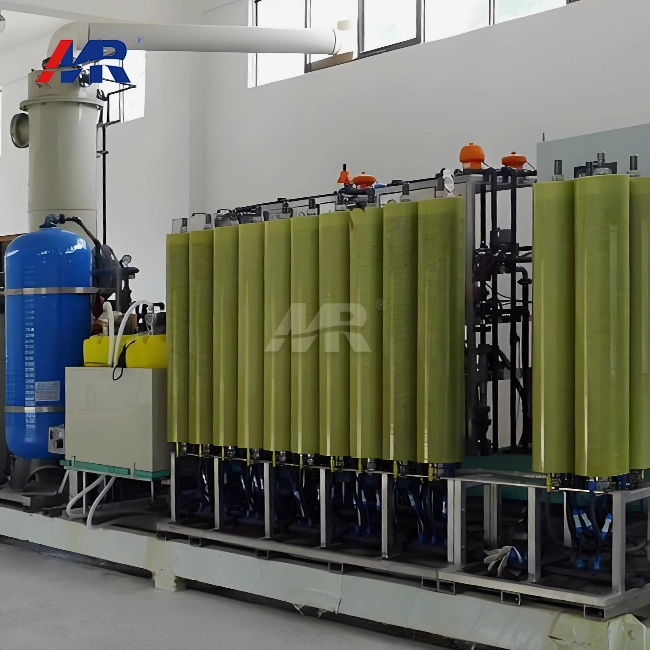 VIEW MOREDTRO membrane
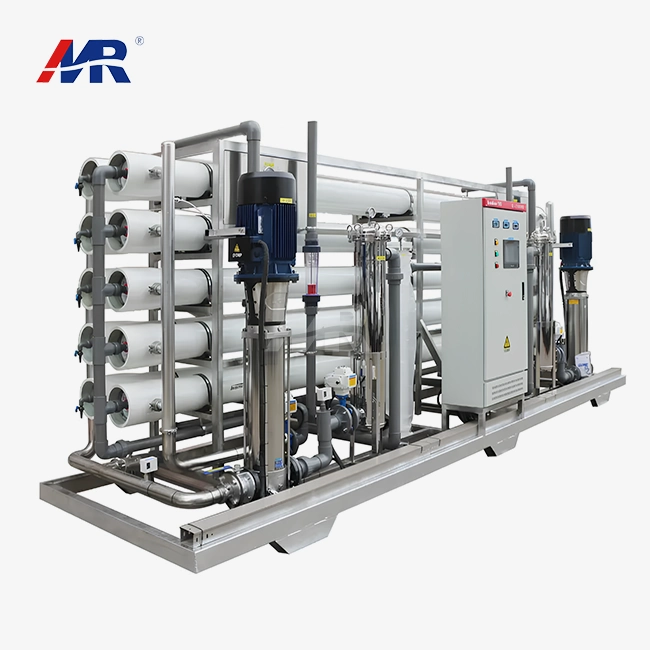 VIEW MOREreverse osmosis water purification plant
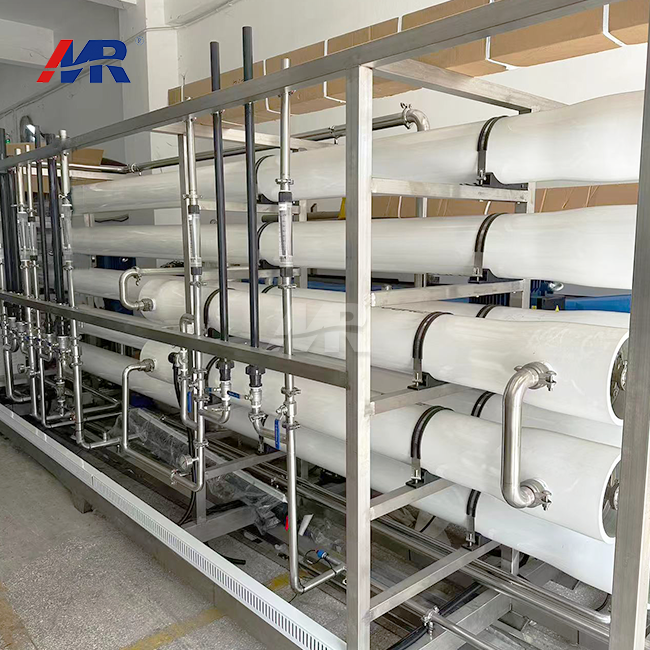 VIEW MOREosmosis drinking water system
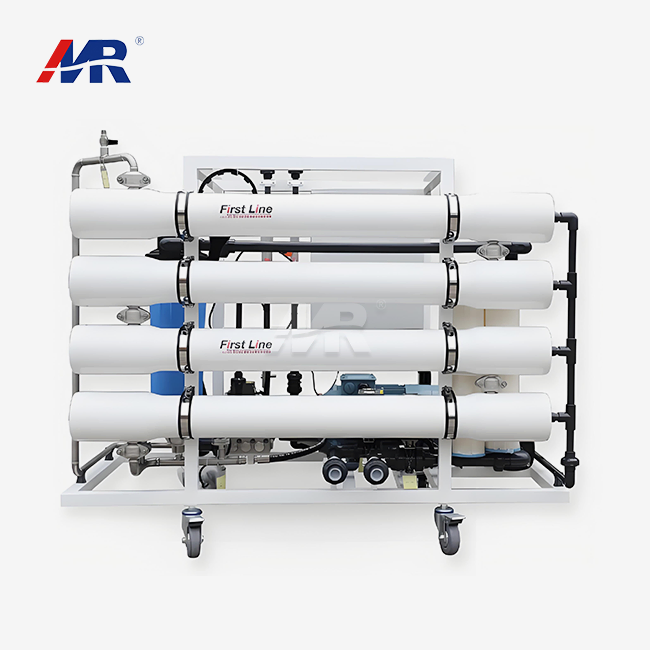 VIEW MOREseawater desalination system
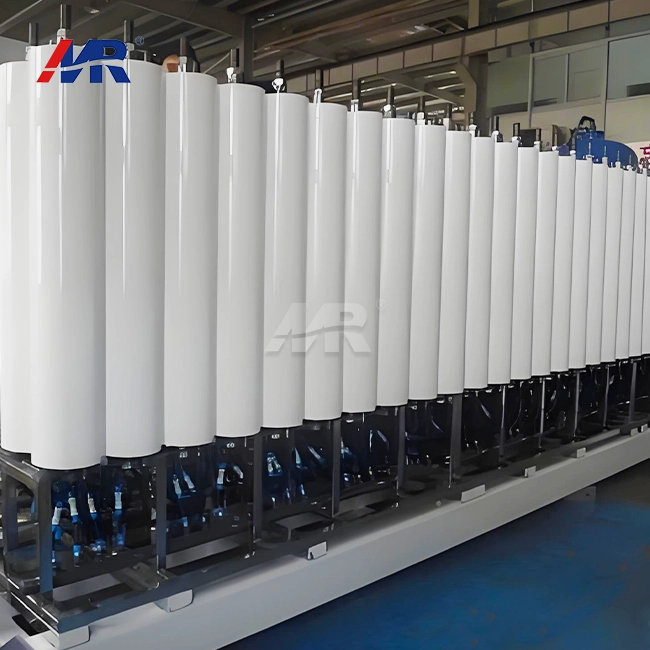 VIEW MORELandfill Leachate Treatment System
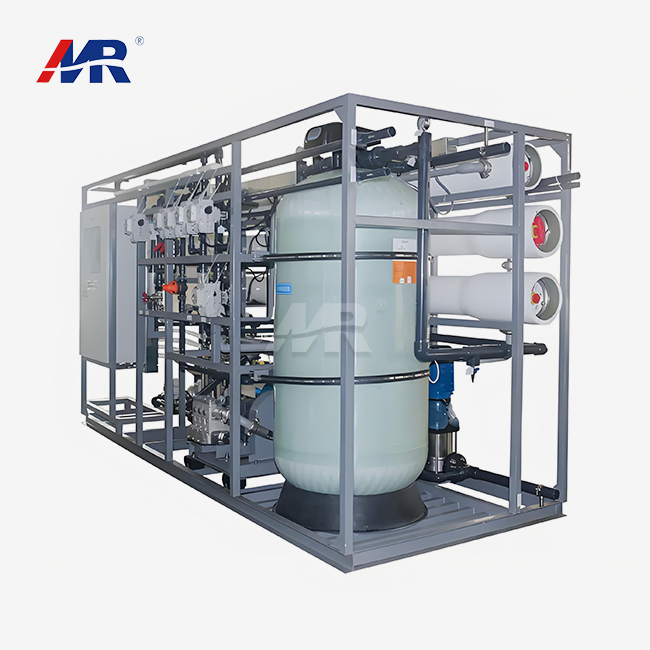 VIEW MOREswro desalination plant
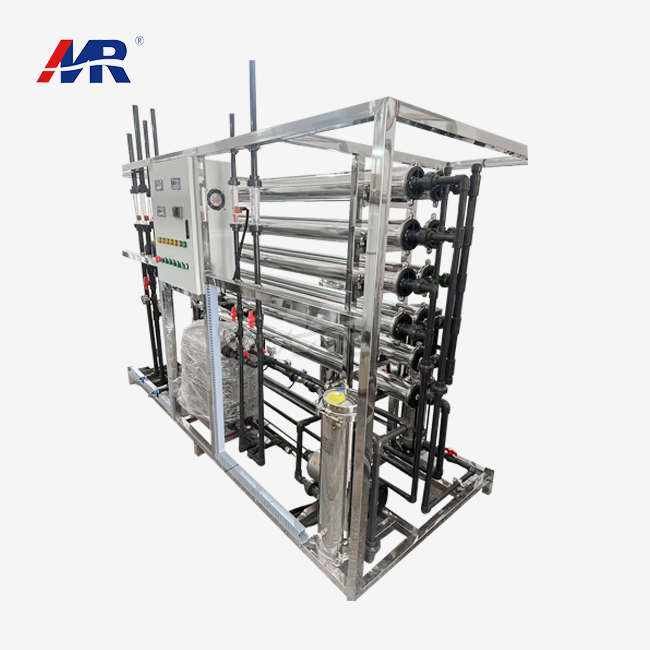 VIEW MOREedi system in water treatment
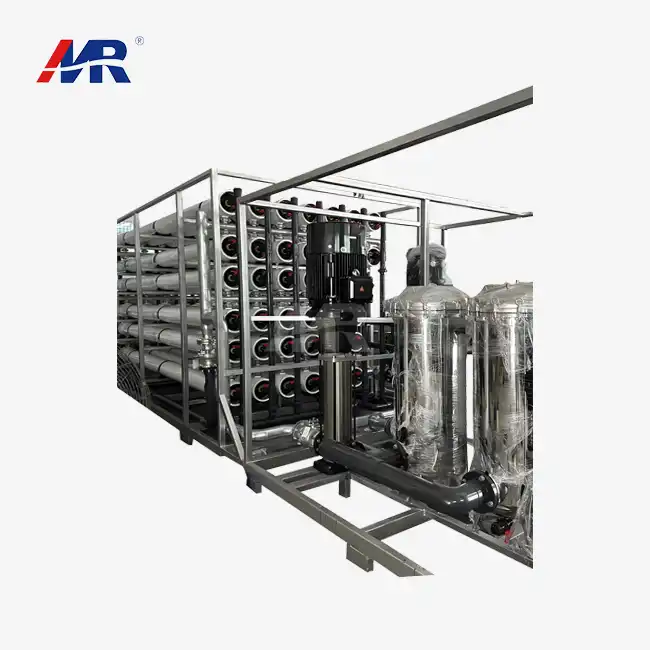 VIEW MORE150m3/hour reverse osmosis plant
