_1745823981883.webp)

Best Reverse Osmosis System for Well Water: Complete Buying Guide
What makes raw groundwater different from water from cities? This will help you choose the best reverse osmosis system for well water. Tons of different things are usually present in well water that aren't in filtered city water. These include heavy metals like arsenic and lead, nitrates from farm runoff, and biological pollution. Well water RO systems that work well use special multi-stage pre-filtration and high-rejection Thin Film Composite membranes to get rid of 97–99% of these complex contaminants. This gives people safe water to drink in places where there isn't any local control.
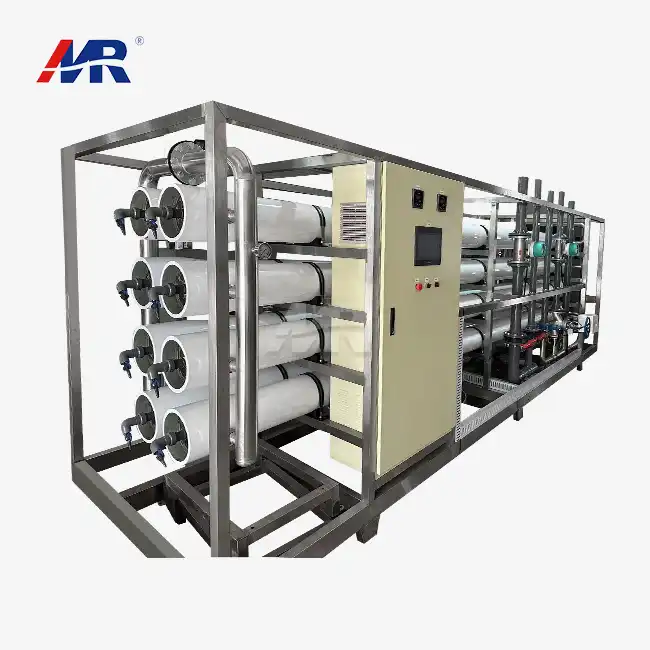
Understanding Reverse Osmosis Systems for Well Water
Why Well Water Demands Specialized Treatment
Groundwater has different chemicals based on where it comes from and what is done to the land nearby. A lot of different types of plants have had problems with TDS spikes that were hard to predict. Pharmaceutical plants have had problems with trace heavy metals, and food processing plants have had to close because of microbial pollution. Traditional ways, like UV cleaning or simple carbon filters, can help with some problems, but they don't fully protect against well water patterns that change over time.
Reverse osmosis can solve this issue because it forces water through a filter with holes that are only 0.0001 micron wide. It's physically impossible for the dissolved salts, organic molecules, and germs that usually get through filtering to move through. This way gets rid of pollution without using chemical processes, which can fail when there are a lot of them. Instead, it looks at their size and electrical charge.
Core Operating Principles of RO Technology
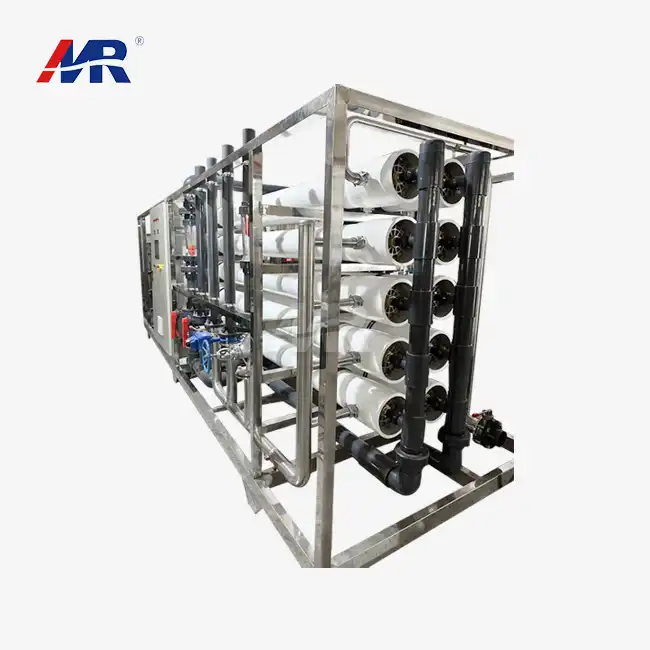
A change in pressure makes the device work. Many times, 60 to 80 PSI is enough to push water molecules through the membrane, but bigger toxins are pushed back. Filtration of sediments to protect the membrane from particles, two carbon blocks to get rid of chlorine and organic compounds that weaken the membrane, the ro membrane itself, and steps like remineralization to add healthy minerals and keep the pH stable are all part of a full RO system for well water.
Critical Water Quality Indicators
Before getting a system, you should test the water carefully to see what kinds of contaminants need to be taken out. Some important things to consider are the TDS levels (the best systems can handle 500–2000+ ppm), the iron content (needs special pre-oxidation if it's higher than 0.3 ppm), the hardness (measured in grains per gallon), the nitrate levels, and the bacteria that are present. Lab tests from approved facilities give accurate starting points for designing systems and keep people from making mistakes that cost a lot of money when equipment doesn't work with the water conditions that actually exist.
Comprehensive Comparison of Reverse Osmosis Systems for Well Water
System Capacity and Performance Metrics
Flow rates need to be higher for business and commercial uses than for home systems. Small companies should get systems that can handle 100 GPD or less, and big factories should get systems that can handle 5,000 GPD or more. How much water is recovered has a big effect on how much it costs to run. Older systems had trash ratios of 4:1, but newer best reverse osmosis system for well water have ratios of 1:1. This means there is no need for a drain line, and less water is used. If the TDS refusal rate is more than 95%, the output quality doesn't change when the input quality does.
Different setups use a lot of different amounts of energy. Systems with variable frequency drive pumps use 30–40% less energy than fixed-speed types. This is because they change how much power they use based on demand. Don't just look at how much the tools cost when you're making your pick. Instead, you should find out how much it will cost you to own the whole thing, which includes the cost of energy, new membranes, and pre-filter cartridges over five years.
Specialized Configurations for Well Water Challenges
Before the RO membranes are used on water that has a lot of iron, oxidizing filters or chemicals must be added. Without this defense, iron fouling quickly makes the membrane work less well and shortens its life from 3 to 5 years to less than a year. You can change the makeup of the water without having to replace the whole system if you need to add steps to remove iron.
One more thing to think about is how hard something is. While RO membranes get rid of minerals that make water hard, too much calcium and magnesium can block the holes in the membranes. Adding water softeners or anti-scale treatments before the membrane helps protect the investment. These things are all done by all-in-one systems, but they might not be as easy to use as modular systems, where each part can be taken care of separately.
Alternative Treatment Comparisons
Water softeners make the water less hard, but they don't get rid of germs, TDS, or nitrates. UV devices are good at getting rid of biological pollutants, but they can't do anything about chemical pollutants. It gets rid of chlorine and makes the water taste better, but it can't get rid of heavy metals or dissolved salts. If a water study finds that different kinds of contaminants are present, reverse osmosis is the best way to clean the water because it gets rid of all of them.
How to Choose the Best Reverse Osmosis System for Well Water
Water Analysis as the Foundation
Picks should be based on full lab tests, not guesses, before buying something. Iron, manganese, sulfur, nitrates, arsenic, lead, germs, and volatile organic chemicals are just a few of the things you should test for. Tests not only find out what kinds of toxins are present, but also how many of them there are. This has a direct effect on the membrane specs and steps that need to be taken before they can be used.
The seasons change how good the water in a well is. This is especially true in farming areas where nitrate levels are affected by when fertilizer is put down. Testing during times of high pollution makes sure that the system can handle the worst-case scenarios instead of regular ones that might not be a problem in real life. Find the best reverse osmosis system for well water by following these steps.
Scalability and Long-Term Capacity Planning
Firms and companies need more water as they get bigger. You can keep methods from going out of date too soon by picking ones that can be extended. When the capacity needs to be raised, flexible systems let you add more parallel membrane banks instead of changing the whole thing. We've helped clients avoid having to spend six figures again by making plans that can be expanded during the first installation.
Energy use is more important as the volume goes up. Devices that take pressure from the concentrate stream and store it should be used in systems that use more than 200 GPD. Twenty to thirty percent less power will be needed overall. Some places where power is expensive will save a lot of money by using this technology, which costs more at first but quickly pays for itself.
Supplier Reliability and Support Infrastructure
A lot of what makes tools work well is how well it is serviced over time. Pick a provider based on how easy it is to get membranes, how many repair technicians are in the area, and how fast you can get in touch with Technical support. We stay in touch with makers who can send us new membranes within 24 to 48 hours. They also let us keep an eye on them from afar to see if they need any maintenance before they stop working as well.
For fixed parts, the guarantee lasts between five and ten years, and for membranes, it lasts between one and five years. More time on the warranty shows that the company trusts you, but make sure you read the exclusions carefully. For example, many warranties won't cover problems that happen if you use pre-filters that aren't allowed or if you don't write down your maintenance plans. Most of the time, getting a full service agreement with yearly checks and new parts is better than getting a longer warranty.
Installation, Maintenance, and Optimization of RO Systems for Well Water
Pre-Installation Requirements
It's important to make sure there is enough space for the work to go well. There needs to be space on the floor for the tools, enough space to change the membrane, and a way for the wastewater to get away. The pump must be able to connect to the power source. For instance, bigger systems might need 240V plugs instead of the more common 120V ones. By checking the water pressure, you can see if there is enough pressure or if you need to add more pumps.
Installing the system by trained professionals makes sure it works right and that the warranty is honored. Smaller systems can be set up by the owner, but industrial systems need to be put in by skilled workers who can find the best location, check the pressure settings, and run the system to make sure it works well before turning it over. As part of our full installation services, which include setup and training for workers, we take care of the whole project.
Routine Maintenance Protocols
Depending on how much water is used and how good it is, filters need to be changed every so often. Every three months, the sediment pre-filters need to be changed; every two to four years, the carbon blocks need to be changed every six months. Repairs that are put off for too long hurt the water quality and the parts further downstream. A $50 pre-filter will protect a $300 membrane investment.
When you use TDS meters to keep track of performance, you can see how well the membrane is doing. Levels of TDS at the output should stay below 10% of the levels at the input. When the reading goes up, it means that the membrane is getting clogged or broken and needs to be fixed. There are pressure gauges at the system's entrance and exit that let you know when the pre-filters get clogged and stop the flow. Regular tracking and fix logs help with predictive maintenance instead of reactive maintenance.
Advanced Optimization Techniques
Businesses can benefit from automated control systems that change how things work based on the quality of the water in real time. Drives with variable frequency change the pump's speed to match the need. When the machine isn't being used, this saves power. Automatic flush processes keep membranes from getting clogged by switching the flow around on a regular basis to get rid of the particles that have built up.
Customization by OEM tools meets certain needs that standard tools don't. For oil conditions, we've made the best reverse osmosis system for well water with backup membrane trains that keep them going while they're being fixed. For water chemistry that breaks things down, we've made housings that can't explode. It's important for the technology teams to work together to turn working needs into equipment specs so that unique solutions can work.
Procurement and Ordering Guide for B2B Clients
Evaluating Quotes and Suppliers
Make sure that the quotes you get fully explain the membrane type, how the pre-filters are set up, the pump's specs, the guarantee terms, and the services that are covered. When you compare prices, don't just look at the buying price. Also, look at the total cost of ownership. Systems with good filters and pumps that use less energy cost more to set up, but they pay for themselves over time because they last longer and use less energy.
You should look at a supplier's production skills, safety licenses, and past projects when you are choosing one. Companies that have been approved by ISO 9001 and have had quality control systems in place for a long time are better at making sure that their equipment always works the same way. It's clear that the company is telling the truth when they say that the product is of high quality, as references from similar businesses back that up.
Bulk Order Strategies
When you buy in bulk, economies of scale can help you save money, but you need to plan ahead. Having a lot of systems that are similar makes it easy to teach techs and keep track of parts. It is possible to keep prices stable while still being able to choose delivery times that work with building plans or growth stages by making framework deals with chosen providers.
Most of the time, you can get a better deal with value-added services than with price cuts. Giving away free installs, longer warranties, training programs for operators, and packages of extra parts can help you keep project costs low and build relationships with suppliers who can meet your long-term needs.
Custom System Development
Engineered methods can help in places where the water flows in strange ways or where space is limited. Technical teamwork is very important for custom creation. To make the best setups, engineers need to know the full water analysis, flow requirements, area limits, and quality standards. We have our own technical teams and places to make membranes, so we don't have to rely on outside partnerships that take longer to set up. This means we can make unique systems fast.
Conclusion
You need to think about the technical specs, how to use it, and the help from the service to find the best reverse osmosis system for well water. If you want to buy tools, you should do a lot of tests first because the chemistry of well water changes over time. For these tests, the TDS rejection rates, pre-filtration capacity, and ability to grow should be the main topics. Long-term rental costs are higher than the price of the home itself, and they depend on how energy-efficient it is and how easy it is to keep up. You can be sure that the water treatment will be reliable if you work with well-known companies that offer tried-and-true membrane technology, quick technical support, and the ability to make changes. This is especially true in manufacturing, pharmaceutical, food processing, and municipal settings to protect product quality, regulatory compliance, and operational continuity.
FAQ
1. Can RO systems effectively remove iron from well water?
Reverse osmosis screens can get rid of iron that has been broken down, but they must first get rid of rusted particulate iron. You should add oxidizing filters or chemical feed systems before the RO membrane if the iron level in the water is more than 0.3 parts per million. These steps keep the membrane clean and make it last longer.
2. How frequently should RO filters be replaced in industrial settings?
Depending on the feed water quality and how often they are used, carbon blocks should be changed every six months, sediment pre-filters every three months, and RO membranes every two to four years. By regularly checking the TDS, you can tell when the membrane's performance starts to decline. This lets you know that you need to replace it before the water quality gets worse.
3. Do RO systems require water softeners when treating hard well water?
But too much calcium and magnesium can damage membranes by scaling them. Minerals that make rocks hard are taken out by RO membranes. If the hardness is more than 10 grains per gallon, adding a softener or anti-scalant upstream will save money on the membrane and cause it to take longer to fix. A full study of the water, not just how hard it is, led to the pick.
Partner With Morui for Your Well Water RO System Needs
Water treatment company Guangdong Morui Environmental Technology has been in business for more than ten years. They help local businesses, factories, and food processors clean well water consistently. Because we are fully integrated, we have companies that make membranes and equipment, and we also work with top component suppliers like Shimge Water Pumps and Runxin Valves. We're a well-known business that makes the best reverse osmosis system for well water. With 14 regional offices and 20 experts on hand to help with unique solutions, we offer full installation, commissioning, and support services. Send an email to benson@guangdongmorui.com to get a free review of the water quality and full system specs that are made to fit your exact needs for flow and operation.
References
1. American Water Works Association. (2021). Reverse Osmosis and Nanofiltration: Manual of Water Supply Practices M46. Denver: AWWA.
2. Greenlee, L.F., Lawler, D.F., Freeman, B.D., Marrot, B., & Moulin, P. (2009). Reverse osmosis desalination: Water sources, technology, and today's challenges. Water Research, 43(9), 2317-2348.
3. National Ground Water Association. (2020). Private Well Water Treatment Systems: A Technical Guide for Homeowners. Westerville: NGWA Press.
4. Pankratz, T. (2019). Water Desalination Report: Reverse Osmosis Systems Design and Analysis. Houston: Global Water Intelligence.
5. U.S. Environmental Protection Agency. (2022). Drinking Water Treatment Technology Unit Cost Models and Overview of Technologies. Washington, DC: EPA Office of Water.
6. World Health Organization. (2017). Guidelines for Drinking-Water Quality: Incorporating the First Addendum (4th ed.). Geneva: WHO Press.