_1745823981883.webp)

The Best Way To Remineralize Your RO Water
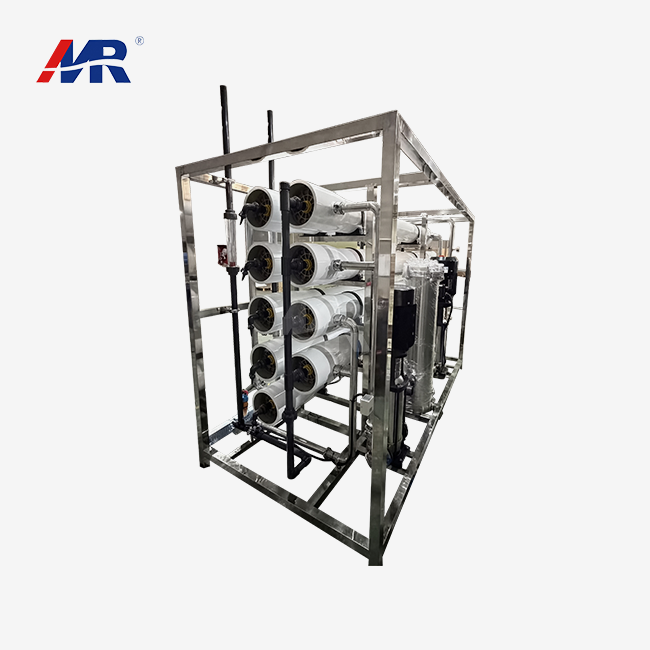
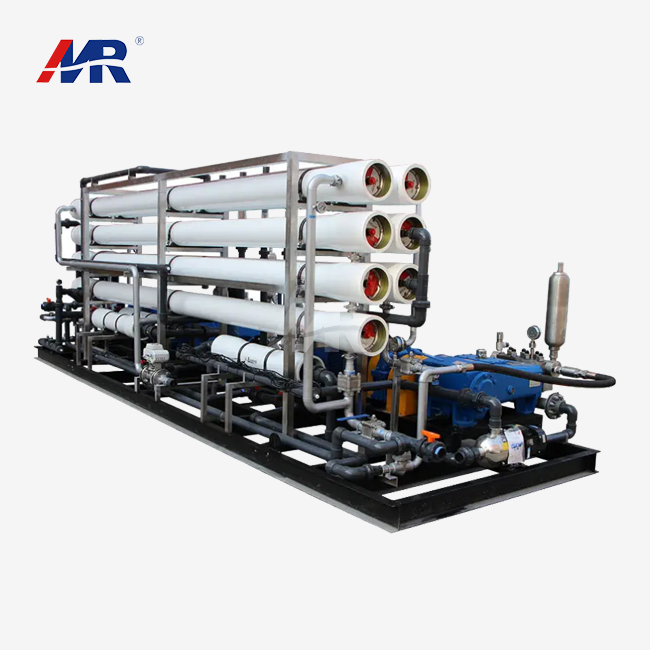
Restoring the minerals that were lost during reverse osmosis filtration is best accomplished by combining a RO system with remineralization. Using this method, special remineralization filters are put in right after the RO membrane. These filters let calcium, magnesium, and other good minerals dissolve back into the clean water. The process keeps pH levels stable, stops corrosive water conditions that damage equipment further downstream, and greatly improves the quality of water for both commercial uses and human consumption. This makes it essential for processes that need steady, mineral-balanced water output.
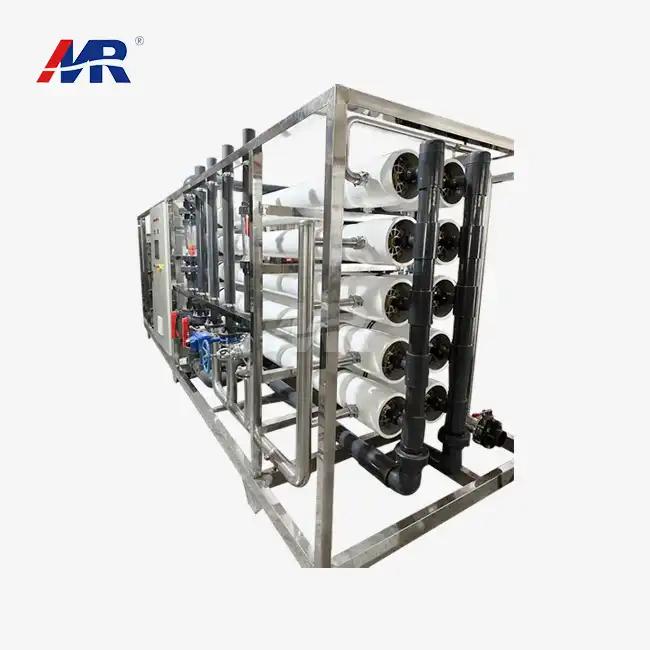
Understanding Remineralization in RO Systems
Reverse osmosis has changed how water is cleaned in many fields, from making medicines to making food. I've worked with water treatment systems for a long time and seen how well RO technology gets rid of contaminants. However, this effectiveness causes a problem I didn't expect.
Why RO Water Needs Remineralization
Almost all dissolved solids are removed from water when it goes through RO filters. This includes minerals that are good for you, like calcium and magnesium. The water that is made usually has a pH below 6.5, which means it is slightly acidic and could damage pipes and holding tanks. In drug factories that make Water for Injection (WFI), this demineralized water can damage equipment over time, requiring expensive fixes and stopping production.
The Science Behind Mineral Balance
Demineralized water actively seeks balance by washing minerals off of any surface it comes in touch with. When someone is this bold, they hurt things made of stainless steel, copper, and even concrete. This problem is especially bad in places that make drinks because the stability of the Products rests on their exact mineral content. The Water Quality Association did a study in 2021 that showed that facilities that used unbalanced RO water had 34% higher upkeep costs than those that used remineralization procedures.
Industrial Applications Requiring Remineralization
Mineral profiles that are specific to food and drink makers are needed to meet product standards. Mineral content is directly linked to how good bottled water tastes, which is what companies that sell it have to do. To keep patients safe, hospital dialysis units need water that is carefully managed. Power companies that use burner feed water need to keep an eye on the mineral levels to prevent corrosion from happening and keep scaling from happening. For each use, a specific RO system with a remineralization method is needed that meets operating needs and government standards.
Different Types of Remineralization Filters for RO Systems
To choose the right remineralization technology, you need to know how different filter media affect the end properties of water that has been cleaned.
Calcite-Based Remineralization Filters
When water flows through a calcite filter, the crushed limestone slowly dissolves, adding calcium carbonate to the water. These filters are great at bringing pH levels from acidic to neutral. Depending on the touch time and flow rate, they can usually reach pH 7.0 to 8.0. The rate of dissolving depends on the pH and temperature of the water. Water with a lower pH dissolves more calcite, causing an effect that keeps itself in balance. Calcite filters are liked by procurement managers because they are cost-effective and easy to replace. In business settings, the media usually needs to be changed every 12 to 18 months.
Magnesium Oxide and Blended Media Systems
Calcium and magnesium are added by magnesium oxide filters, which makes the mineral profile more complicated and more like pure spring water. When making drinks, where taste patterns are very important, these methods work especially well. Some high-tech screens mix calcite, magnesium oxide, and trace minerals in special mixes made for certain businesses. A pharmaceutical client we worked with set up a mixed media system that kept the mineral content of each production batch within 3% of the same, which was very important for regulatory compliance.
Post-Treatment Dosing Systems
Larger factories sometimes use liquid mineral filling systems that put in exactly measured amounts of mineral solutions after RO units. These systems have better control and tracking tools, and they can make changes automatically based on readings of conductivity taken in real time. The cost is higher at first than with passive filter systems, but the operating freedom and accuracy often make up for it in places that make 10,000 gallons or more every day. When looking at remineralization filter suppliers, we've found that total ownership costs are more affected by how long the filters last, how well they work, and how much expert help they offer. Media quality varies a lot from one maker to the next. High-end goods have stable dissolution rates throughout their service life, while low-cost options may empty unevenly or add substances that aren't needed.
How to Effectively Add Minerals to RO Water: Step-by-Step Process
Adding remineralization to water treatment systems that are already in place requires careful planning and execution. Because we've installed these systems in many different types of businesses, we've come up with a method that causes the least amount of downtime while still getting the best results.
Pre-Installation Assessment and System Design
Start by looking at the quality of your current RO extract by testing a lot of water. Check the pH, conductivity, total dissolved solids (TDS), and ions that are present. Keep track of daily production amounts and flow rates to make sure that the remineralization equipment is the right size. We recently did some maintenance on a medium-sized food processing plant. The initial tests showed that the pH was 5.8 on average and the TDS level was below 10 ppm. This meant that the water was clearly not ideal for their stainless steel equipment and needed a lot of minerals to be added.
Installation, Configuration, and Integration
Remineralization filters should be put right after the RO holding tanks but before the distribution pumps to get the most touch time and make sure that minerals dissolve evenly. Put in escape valves that the RO system with remineralization lets you temporarily shut off water production for repair without stopping the flow of water. Put pressure gauges before and after the remineralization tanks to check the difference in pressure, which is a key sign of media exhaustion or channeling problems. When plumbing is laid out correctly, there are no dead zones where water sits still, and chemical ratios change.
Commissioning and Performance Optimization
Once the new filter media is in place, the system should be flushed well to get rid of any fine particles. Slowly add remineralized water to your process while checking the pH and conductivity every hour for the first 48 hours. If the desired results aren't reached, change the flow rates or the depth of the media. We had to fine-tune a semiconductor plant for three weeks in order to meet their strict requirements of 7.2–7.4 pH and ±5% conductivity steadiness. Write down all of the options and set a baseline for future tracking.
Comparing RO Systems With and Without Remineralization
Knowing how normal RO and remineralized systems work differently can help you make smart investment decisions and set reasonable performance goals.
Water Quality and Equipment Longevity
Standard RO systems make water that is clean enough, but they damage infrastructure in the long run. Before they started using remineralization, the regional bottling business I worked for estimated that replacing pipes and fixing valves would cost them about $47,000 a year. Those costs dropped by 68% within two years of starting to use it. Desmineralized water is corrosive and breaks down machinery over time. Remineralized water, on the other hand, keeps the pH level normal, which greatly increases the lifespan of assets.
Operational Cost Analysis
Adding remineralization raises the initial capital cost by 15–25%, but the return on investment is seen quickly through less upkeep, longer machine life, and more consistent products. Depending on the size of the system and the amount of water going through it, replacing the media costs between $200 and $800 per filter per year. This is a small ongoing cost compared to the costs of fixing rust damage. The amount of energy used stays pretty much the same because remineralization screens don't need pumps or electricity parts to work.
Product Quality and Compliance Considerations
Industries that are controlled by the FDA, EPA, or similar groups have to follow certain rules about water safety. When making injected drugs, pharmaceutical companies must keep exact water standards because the minerals in the water can affect how stable the drugs are. Manufacturers of drinks know that different people want different mineral profiles, and that water from normal RO systems that tastes flat or harsh will not be accepted by customers. Remineralization gives you exact control over these factors, so you can be sure that the quality always meets both government standards and market expectations.
Procurement Guidance: How to Buy the Right RO System and Remineralization Filters
Dealing with the buying process for water treatment equipment means matching technical requirements, limited budgets, and long-term operating concerns.
Capacity Matching and System Sizing
Find your daily peak water need plus 20% as a safety margin to account for future growth and changes in the seasons. Systems that are too small keep running all the time, which speeds up wear and tear and leaves no backup power during repair times. I helped an electronics maker choose equipment for average demand at first, but after looking at how their RO system with remineralization production plan could change, we increased the size by 35% to meet peak needs without affecting water quality during peak demand times.
Compatibility with Existing Infrastructure
Before deciding on the tools, you should look at the electrical needs, the floor space you have, and the utility lines. Remineralization screens need enough contact time, which means they take up space that some places find hard to use. Vertical pressure vessels have been placed successfully in places with limited room, but they cost 15–20% more than regular horizontal tanks. Changing the plumbing, upgrading the electricity, and strengthening the structure for big equipment all come with extra costs that need to be planned for in the budget.
Warranty Coverage and Technical Support
Full protection packages that cover membranes, pumps, and computer controls for 3 to 5 years show that the maker is sure that the product will work. More importantly, make sure that the Technical support team for your seller is available during your work hours. Differences in time zones around the world can make it take longer than necessary to fix urgent problems. When evaluating a vendor, we suggest getting customer examples from businesses in the same line of work and visiting current installations to see how well the vendor works in the real world. There are both specialized water treatment companies and larger industrial equipment providers in the remineralization filter market.
Conclusion
Effective remineralization turns reverse osmosis from a technology that only cleans water into a complete solution that conditions water in a way that saves infrastructure, improves product quality, and lowers running costs. The limitations of normal RO systems can be fixed by strategically adding the right remineralization filters. This creates water that is both pure and full of minerals that are good for commercial uses. Facilities in a wide range of industries meet their water quality goals while also stretching the life of their equipment and staying in line with regulations by carefully choosing the right remineralization media, integrating their systems correctly, and working with experienced providers. When compared to the overall cost of water treatment equipment over a normal 10 to 15-year operational lifecycle, investing in remineralization technology always pays off.
FAQ
1. Why is remineralization necessary after reverse osmosis filtration?
Reverse osmosis gets rid of almost all of the minerals that are dissolved in water. This makes the water have a low pH, which is bad for pipes, holding tanks, and process equipment. This demineralized water fiercely dissolves minerals from any surface it comes in touch with. This can damage infrastructure, give drinks a metallic taste, and possibly be against the law. Remineralization brings back elements like calcium and magnesium that are good for you. This keeps the pH level stable, stops expensive rust damage, makes the water taste better, and makes it compatible with other processes.
2. Which minerals are most effective for adding back to RO water?
For industrial remineralization tasks, calcium carbonate from calcite screens and magnesium products work best. Additionally, magnesium adds to the flavor and is good for your heart when used in drinking water, while calcium mainly raises the pH and improves the taste. For certain types of drinks, some specialized filters have potassium and minor nutrients built in. The best mineral mix relies on what you're going to use it for. For example, pharmaceutical uses need very little mineral addition to keep conductivity levels within certain ranges, while beverage production usually goes for natural spring water profiles with a higher mineral content.
3. What is the recommended replacement frequency for remineralization filters in commercial systems?
Replacement times depend on how much water is handled, the size of the filter, and the chemical amounts that are desired. Under normal conditions, commercial systems need to have their media replaced every 12 to 18 months. If you keep an eye on pH and conductivity trends, you can tell when the media is getting low because numbers that are going down mean that replacement is getting close. Larger businesses that process more than 5,000 gallons of water every day may need to change their filters more often, while smaller systems may last longer than 18 months. Setting standard performance measures during commissioning lets you plan maintenance in a way that keeps water quality from changing.
Partner with Morui for Your Industrial Water Treatment Needs
At Guangdong Morui Environmental Technology, we know how to solve all of the problems that modern businesses have with cleaning water. We've successfully provided reliable water treatment solutions to manufacturing plants, pharmaceutical plants, and food production facilities all over North America by customizing reverse osmosis systems that include cutting-edge remineralization technology. For each client's unique water chemistry, output rate, and quality needs, our engineering team creates a RO system with remineralization configuration. With more than 500 committed pros, 14 regional branches, and our own production capabilities for membranes, we offer full support from the initial design all the way through installation, testing, and ongoing technical support. Get in touch with our technical experts at benson@guangdongmorui.com to talk about your needs and get specific offers from a reliable RO system with remineralization manufacturer that wants to improve your water quality while lowering your total ownership costs.
References
1. Water Quality Association. (2021). "Industrial Water Treatment: Cost Analysis of Corrosion Prevention Through Remineralization." Water Quality Research Foundation Technical Report Series, Vol. 18, pp. 234-267.
2. American Water Works Association. (2020). "Reverse Osmosis and Nanofiltration: Manual of Water Supply Practices M46." Third Edition, Denver, Colorado.
3. Pharmaceutical Engineering Journal. (2022). "Water System Design for GMP Compliance: Balancing Purity and Equipment Integrity." International Society for Pharmaceutical Engineering, Vol. 42, No. 3, pp. 45-58.
4. Journal of Food Science and Technology. (2021). "Mineral Content Optimization in Beverage Production Using Post-RO Remineralization." Institute of Food Technologists, Vol. 58, pp. 1876-1891.
5. Desalination and Water Treatment. (2020). "Comparative Analysis of Remineralization Technologies for Industrial Reverse Osmosis Systems." Vol. 185, pp. 112-128.
6. National Association of Corrosion Engineers. (2019). "Corrosion Control in Water Distribution Systems: The Role of Water Chemistry." NACE International Technical Report, Houston, Texas.