

_1745823981883.webp)

Where to Install a Compact Reverse Osmosis System?
Choosing the best place to install a compact reverse osmosis system affects not only how well it works right away, but also how well it is maintained over time and how consistent the water quality is. Whether you're setting up a pharmaceutical lab, a food processing plant, or an electronics factory, where you put things affects how well they work, how much energy they use, and how well they follow the rules. When the unit is in the right place, it makes it easy to get to the feed water, reduces pressure losses, makes filter maintenance easy, and keeps external stresses from damaging the membrane components. Facility engineers and procurement managers can make better choices that meet the needs of both current output and future growth by learning about things like space limitations, plumbing systems, and operational workflows.
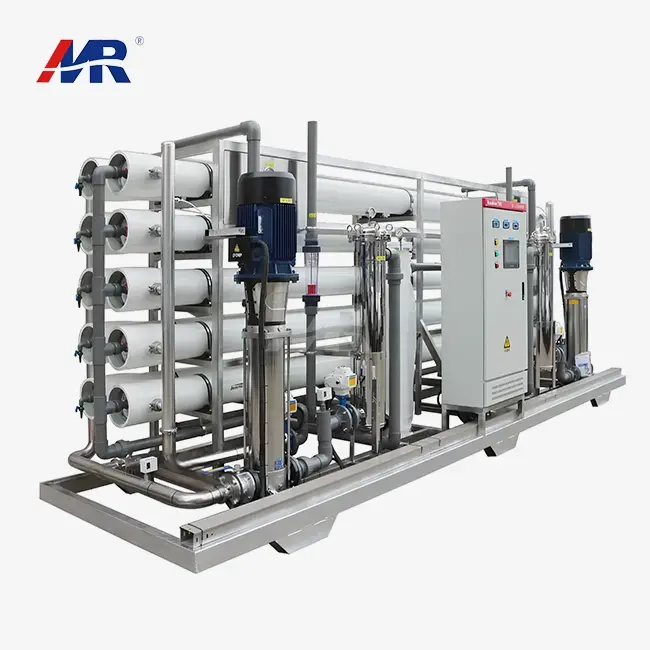
Understanding Compact Reverse Osmosis Systems and Installation Requirements
What Defines a Compact Reverse Osmosis System
Water cleaning technology now saves space and cleans filters. These advanced filters remove 99.5% of dissolved solids, heavy metals, microorganisms, and organic pollutants using 0.0001 micron semipermeable membrane technology. Instead of multi-tank arrangements that take up floor space, integrated designs combine pre-treatment, high-pressure pumping, membrane filtration, and post-treatment into neat modules. Our systems can handle 1,000 to 100,000 gallons of water per day, making them suitable for industries ranging from beverage to medication manufacturing.
Critical Infrastructure Requirements Before Installation
Successful deployment begins with a comprehensive site evaluation. The quality of the feedwater determines pre-treatment processes. For hazy or hard water, sediment filters and softeners may need to be upstream. The voltage must be steady to keep control systems running, and the electrical infrastructure must be able to handle 1.5 to 2.5 kWh per cubic meter of cleansed water. When plumbing, you need adequate water pressure (10 to 16 bar for most systems), drain lines for discharging concentrate, and a mechanism to store water if the continual flow is too excessive. Environmental conditions matter. Membrane performance diminishes below 40°F or above 113°F, and electrical component corrosion accelerates in high-humidity, air-constrained environments.
Space Allocation and Accessibility Planning
The installation area exceeds the machine size. For filter cartridge replacement, membrane servicing, and monitoring instrument connection, maintenance access requires clearance. Service access sides should have 24 inches of headroom and allow for pressure gauge and TDS meter checks. In busy production areas, vertical systems reduce floor space, but their supports must be sturdy enough to sustain equipment and water. System manuals, maintenance schedules, and emergency shutdown procedures should always be accessible near the unit. Training operators and responding to situations is simpler.
Ideal Locations for Installing Compact Reverse Osmosis Systems in B2B Settings
Point-of-Use Applications in Manufacturing Environments
The compact reverse osmosis system serves as the optimal approach for integrating production lines to build up quality-dependent processes. Putting cleaning equipment near where water is utilized reduces pipeline pollution and pressure loss from lengthy distribution routes. Pharmaceutical compounding rooms benefit from wall-mounted GMP-compliant water delivery systems. Electronics firms use devices in cleanroom anterooms to maintain chip rinse water particle-free. Food processing industries utilize systems near filling lines to ensure drink formulation consistency and eliminate municipal chlorination off-flavors.
Smart spaces simplify installations and improve water quality at major usage sites. Our modular design fits existing manufacturing plans without any facility upgrades.
Centralized Treatment for Multi-Point Distribution
Large establishments with diverse water quality demands employ centralized purification centers. Technical personnel may monitor performance, maintain, and manage chemical dosage from one equipment room with many treatment trains. This configuration works effectively in hospitals with several departments that require medical-grade water for dialysis, sterilization, and laboratory analysis. Centralized systems that provide ultrapure water loops to labs assist research colleges. These loops can handle laboratory-grade to 18.2 megohm-cm Type I water levels.
Distributing from central sites requires careful pipe selection (avoid copper and brass, which leach impurities) and loop design to minimize blockage. Our system recovers up to 75% of trash, lowering disposal costs in high-volume centralized applications.
Mobile and Temporary Installation Solutions
Some industries require adaptable water treatment. Containerized desalination machines supply long-term potable water for offshore drilling locations. Trailer-mounted brackish groundwater treatment systems manage dust and mix concrete on building sites. As projects develop, these systems shift. Agriculture uses transportable equipment to purify salty well water and transfer it to various field zones as the seasons change in arid places that require annual irrigation.
Skid-mounting and containerization are possible with our tiny footprint designs, and our quick-connect fittings save installation time in half compared to permanent plumbing. Even though feed water conditions vary by deployment location, automatic control systems maintain water quality.
Comparing Installation Options: Compact RO System vs. Other Water Filtration Systems
Space Efficiency and Installation Complexity Analysis
Traditional multi-stage filtering systems include sediment filters, carbon adsorption tanks, softening columns, and reservoirs. These systems hog manufacturing floor space. An installation that cleans 10,000 gallons of water daily may need 200 square feet and several piping, electrical, and building support lines. Integrated tankless reverse osmosis systems combine all elements into 4-foot-wide, 6-foot-tall cabinets, reducing this space by 70%. Installation becomes simpler with fewer pieces. Modular manifolds with pre-configured water circuits eliminate the need for specialized piping, and plug-and-play electrical connections reduce setup time from days to hours.
Filtration Performance and Operational Costs Comparison
Chlorine and tiny particles are removed well by carbon and sediment filters, but dissolved minerals, heavy metals, and microbiological pollutants are not. Membrane-based cleaning removes contaminants molecularly, unlike conventional media. Carbon filtering hardly changes 300 mg/L municipal water with total dissolved solids. However, membrane technology reduces this concentration to 1-2 mg/L, meeting high industrial requirements. Another distinction is energy efficiency. Media filters decrease pressure across packed beds, while modern high-flux membranes use less pumping energy, costing 30–40% less than comparable systems.
Maintenance also varies greatly. No matter the throughput, carbon medium must be replenished every 6–12 months. However, properly pre-treated membrane cartridges last 24–36 months, saving labor and ensuring output.
Configuration Flexibility for Diverse Applications
Countertop arrangements work effectively for laboratories that require tiny volumes of high-purity water for analysis and reagents. Independent units guarantee consistent quality for delicate instruments and take up minimal bench space. Under-sink arrangements are beneficial in commercial kitchens, medical offices, and specialty coffee shops with plumbing connections and aesthetics. Wall-mounted systems maximize equipment room and production space. The vertical orientation simplifies pre-treatment filter cleaning and drainage.
When choosing the right configuration, you need to look at the daily water demand, the peak flow needs, and the space you have. We help our clients match the specs of the compact reverse osmosis system—capacity rates for small units range from 400 to 1,000 gallons per day—with how much they actually use. This way, they don't end up over-specifying, which raises costs without improving operations.
Maintenance and Operational Tips Based on Installation Location
Accessibility Impact on Service Intervals and Costs
Maintenance efficiency and system uptime depend on placement. Units in packed mechanical rooms with restricted access require longer to service, which costs more in manpower and delays output while filters are changed. By repositioning equipment so specialists can replace cartridges without taking apart surrounding machinery or disconnecting pipes, facilities have decreased their annual maintenance expenses by 25%. Equipment alcoves with overhead illumination, electrical outlets for testing instruments, and easy-to-clean flooring simplify inspections and troubleshooting.
Consider supply distribution and trash disposal. Membrane modules weigh 15 to 30 pounds, and old filter cartridges may contain pollutants that must be properly disposed of. Logistics are simpler when units are situated near loading docks or service elevators rather than mechanical facilities in the basement with narrow stairCases.
Environmental Conditions Affecting Equipment Longevity
Changes in ambient temperature accelerate membrane breakdown and alter water production. Uninsulated utility buildings exposed to seasonal temperature variations have shorter component lifecycles and inconsistent output quality. We found that membranes survive 40% longer in climate-controlled equipment rooms than in unconditioned facilities in various industrial environments. If airflow is insufficient to maintain relative humidity below 70%, microorganisms grow on pre-filter material and harm electrical connections.
Compressors, punch presses, and material handling machinery may vibrate control parts and loosen piping connections. Structural separation or anti-vibration mounting pads maintain system integrity and save unnecessary maintenance visits.
Monitoring and Control System Integration
Modern purification equipment automatically monitors feed pressure, permeate quality, recovery ratios, and membrane differential pressure. Installation locations require robust data connections, such as hardwired Ethernet for facility SCADA systems or WiFi for cloud monitoring platforms to maximize these functionalities. Remote diagnosis tools aid when technical professionals are unavailable. They let engineers diagnose problems, adjust controls, and schedule preventive maintenance based on equipment status rather than random periods.
Real-time TDS surveillance alerts workers to membrane breakdowns and pre-treatment breakthroughs before water quality degrades, preventing production losses from polluted process water. Systems get additional visual examinations as operators go on their rounds, detecting little issues like leaky fittings, unusual noises, and indicator warning lights before they become significant failures.
Procurement and Supplier Guidance for Installing Compact Reverse Osmosis Systems
Evaluating Supplier Capabilities and Support Infrastructure
There's more to choosing a water treatment partner than just looking at prices and equipment specs. A full evaluation of a provider looks at the quality of their Products, how quickly they respond to technical help requests, how readily available spare parts are, and how far their service networks reach geographically. Guangdong Morui Environmental Technology has 14 branches that serve clients in different areas. They are backed by 20 specialized engineers who help with application consulting, system design, and troubleshooting. Our in-house membrane production plant makes sure that the quality of all of our parts is uniform and gets rid of the problems in the supply chain that make buyers reliant on membrane suppliers they don't work with when they need to replace something quickly.
We have strategic partnerships with some of the best component makers in the business. For example, Shimge water pumps are known for being reliable in harsh industrial settings, Runxin control valves provide precise flow control, and Createc instrumentation provides accurate real-time monitoring of water quality. Because of these connections, we can set up systems in a way that makes them work best for certain applications, instead of forcing clients to use standard solutions that don't work for everyone.
Installation Services and Commissioning Support
The performance of equipment relies heavily on how it is installed and turned on. If you don't properly connect the pipes, treat the water before using it, or protect the membranes during commissioning, they can break down early and cause water quality problems that hurt production. We offer full turnkey installation services that include planning the site, positioning and putting the equipment, making water and electrical connections, programming the control system, and making sure that the product quality meets all requirements.
As part of commissioning, operators are taught how to do regular maintenance, fix common problems, and read the screens on the control system. Well-trained facility staff can spot problems early, keep operating conditions at their best, and do minor repairs on their own, which cuts down on the need for outside service calls and the costs of downtime.
Warranty Coverage and Long-Term Partnership Value
For the compact reverse osmosis system, equipment warranties do more than just protect you legally; they also show that the maker trusts the stability of the product and wants the customer to be happy. Our standard coverage protects against defective parts and mistakes in manufacturing. Longer service agreements offer stable maintenance cost structures that help with budgeting. Scheduled preventive maintenance, priority emergency service response, and lower prices on spare parts all help clients save money over the course of the average 10-15 year lifecycle of equipment.
As a facility's needs change, long-term ties with suppliers become more important. System upgrades or extra equipment may be needed for changes to the production process, increases in capacity, or changes in the water quality specifications. Keeping detailed records of existing installations, including equipment configurations, operating parameters, and maintenance histories, with the help of suppliers, speeds up future expansion projects and ensures that new and old parts will work together.
Conclusion
The position of the installation has a big impact on how well the water purification system works, how long it lasts, and how little upkeep it needs. Carefully choosing a spot that is easy to get to, has good environmental conditions, and works well with the building's infrastructure will pay off in the long run by lowering upkeep costs, reducing downtime, and making sure the water quality stays stable to meet production needs. Matching the system's capabilities to the needs of the application ensures the best results, whether point-of-use configurations are used to serve individual process lines or centralized treatment hubs distribute clean water throughout the facility. Modern equipment's small size and modular design make placement more flexible. This means that high-purity water treatment can be used in places where room wasn't an issue with older systems. Partnering with experienced providers who offer full support from the original site inspection through installation, commissioning, and ongoing care is the best way to get the most out of your investment and make sure it works reliably.
FAQ
Q1: How do I determine if my facility requires pre-treatment before the compact reverse osmosis system?
If the feed water analysis shows that it is cloudy, has a hardness level above 200 mg/L, or has iron levels above 0.3 mg/L, it usually needs to be treated first. Particulate matter is removed by sediment filters, and scale is kept from forming on membrane surfaces by water softeners. We offer free water testing services that help clients figure out what pre-treatment steps they need to take to keep membranes from getting clogged, which lowers the performance of the system and shortens the life of its parts. With the right pre-treatment, membrane service intervals can be increased from 18 to 24 months to 30 to 36 months when the feed water is hard.
Q2: What installation mistakes most commonly degrade system performance?
The most common construction mistake is not having enough feed water flow, which makes pumps work harder and shortens their life. Limits on drain lines stop concentrate from releasing properly, creating backpressure that lowers recovery rates and taints product water. Placing systems in hot places speeds up the breakdown of membranes, and installations that don't have enough service space lead to deferred upkeep and worsening performance. These problems can be avoided by having a professional install the system according to the manufacturer's instructions. This makes sure that the system works at its full capacity and the water quality is good from the start.
Q3: Can compact systems operate effectively in extremely hard water regions without causing frequent maintenance issues?
Calcium and magnesium must be taken out of high-hardness feed water before it can be treated by a membrane. This can be done through ion exchange softening or antiscalant chemical dosing. When properly pre-treated, our systems can handle feed water TDS levels of up to 10,000 mg/L. This means they can be used with difficult water sources, like the brackish groundwater that is common in the southwestern United States. Automated control systems change the working parameters based on changes in the quality of the feed water. This keeps the product water standards the same, even when the source water changes throughout the year.
Partner with Morui for Expert Compact Reverse Osmosis System Solutions
Every job that Guangdong Morui Environmental Technology takes on is handled by more than 500 dedicated professionals who have 20 years of experience treating water. As a compact reverse osmosis system provider, we can make equipment through our own membrane production facilities, create systems that are specifically made for each purpose, and provide full installation services to make sure they work perfectly from the start. When making a purchase decision, we know that initial capital costs aren't the only thing that matters. Long-term reliability, maintenance efficiency, and how quickly a supplier can help with technical issues are also important.
Email our engineering team at benson@guangdongmorui.com to talk about your particular building and water quality problems. We will provide a thorough site inspection, customized system proposals, and an open lifecycle cost analysis to help you make smart purchase choices. Whether you need a single point-of-use unit or multiple centralized treatment systems, Morui offers integrated solutions with the best warranties and fastest Technical support in the business.
References
1. American Water Works Association. (2018). Reverse Osmosis and Nanofiltration: Manual of Water Supply Practices M46. Denver: AWWA Publications.
2. Baker, R.W. (2021). Membrane Technology and Applications. Hoboken: John Wiley & Sons, Ltd.
3. Greenlee, L.F., Lawler, D.F., Freeman, B.D., Marrot, B., & Moulin, P. (2019). "Reverse Osmosis Desalination: Water Sources, Technology, and Today's Challenges." Water Research, 43(9), 2317-2348.
4. National Sanitation Foundation International. (2022). NSF/ANSI Standard 58: Reverse Osmosis Drinking Water Treatment Systems. Ann Arbor: NSF International.
5. Qasim, M., Badrelzaman, M., Darwish, N.N., Darwish, N.A., & Hilal, N. (2020). "Reverse Osmosis Desalination: A State-of-the-Art Review." Desalination, 459, 59-104.
6. United States Environmental Protection Agency. (2021). Membrane Filtration Guidance Manual. Washington DC: EPA Office of Water.
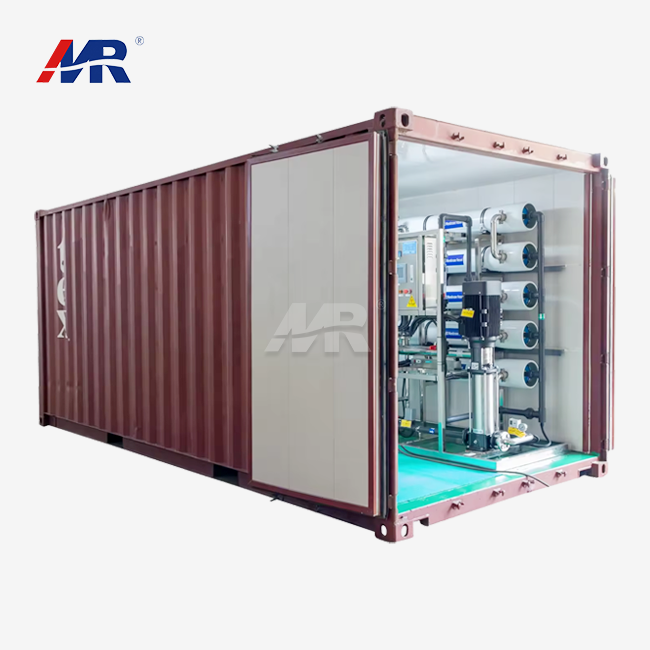 VIEW MOREmobile container reverse osmosis equipment
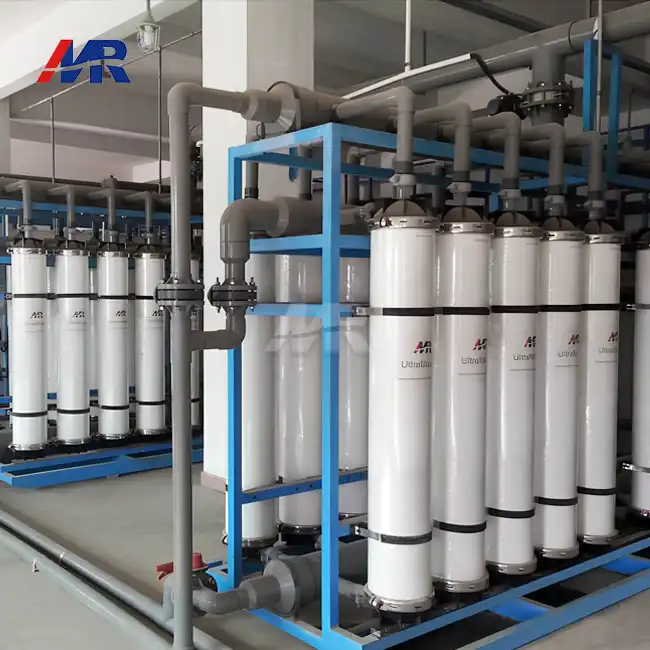 VIEW MORE200m3/hour ultrafiltration equipment
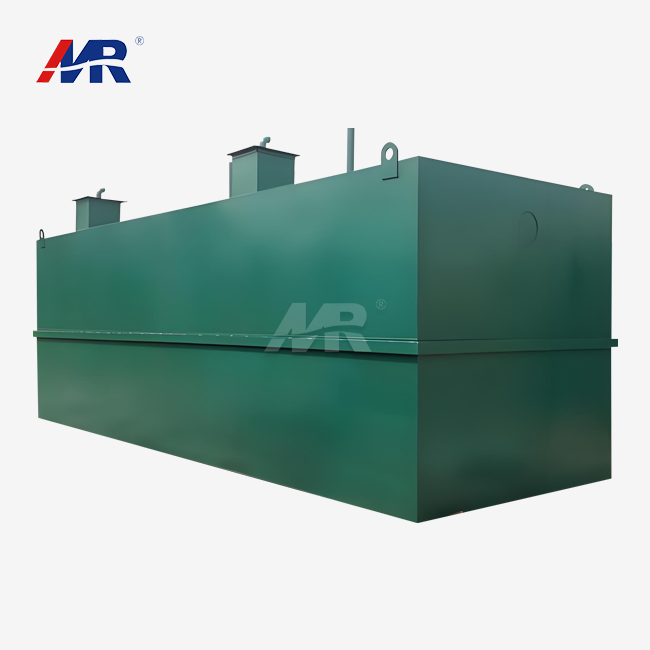 VIEW MOREwaste water treatment system
 VIEW MORE8m3/hour seawater desalination equipment
 VIEW MOREseawater desalination system
 VIEW MOREsewage treatment plant MBR system
 VIEW MOREosmosis water purification system
 VIEW MOREmembrane bioreactor
