_1745823981883.webp)

6 Stage Water Filter Cartridge Replacement Schedule Guide
Maintaining filtration performance, ensuring water safety, and extending the life of equipment all depend on a 6 stage water filter repair plan. A six-stage configuration is different from a basic purification system because it includes polypropylene sediment filtration, granular activated carbon, carbon block, reverse osmosis membranes, post-carbon polishing, and a sixth stage that is usually alkaline remineralisation or UV sterilisation. Maintaining each cartridge stage properly has a direct effect on the number of rejections, the cost of operations, and the ability to meet NSF/ANSI standards. When repairs are done on time, membrane fouling is avoided, TDS levels stay low, and downstream processes are kept safe in settings like pharmaceutical, food processing, and electronics manufacturing.
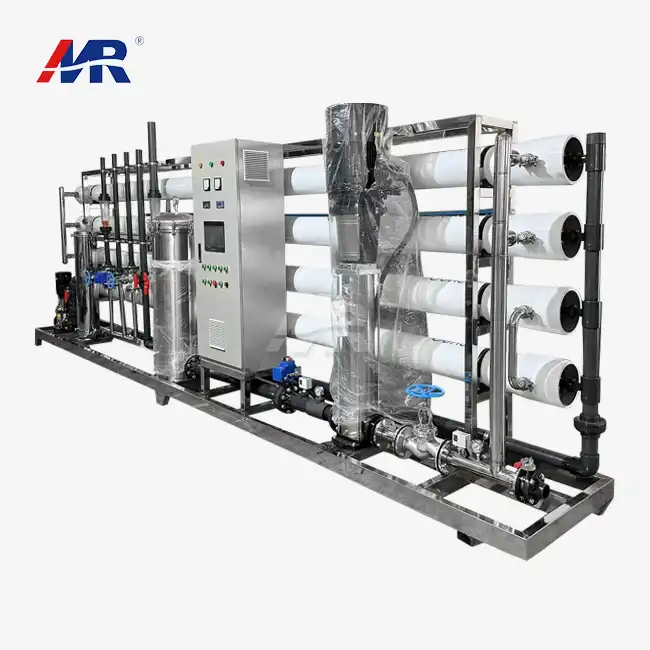
Understanding the 6 Stage Water Filter System
Multistage filter systems are a big step forward from older types of treatment equipment, especially in business and industry settings. These systems use advanced membrane technology that rejects 99.5% of contaminants, including sediment particles bigger than five microns, dissolved salts, and microbiological threats as small as 0.0001 microns. Each stage deals with a different problem related to water quality, making a multi-layered defence system.
How Each Stage Contributes to Water Purity
The first polypropylene sediment filter gets rid of rust, sand, and other solids that are suspended in the fluid and could damage parts further down the line. The next step is granular activated carbon, which absorbs chlorine, volatile chemical molecules, and smell-causing substances. The carbon block stage makes this process better by going after smaller organic molecules and taste compounds that are still there. At pressures between 10 and 16 bar, reverse osmosis filters get rid of up to 99% of dissolved solids, heavy metals like lead and arsenic, and pharmaceutical leftovers. Post-carbon polishing improves the flavours, and the sixth stage either restores minerals that are good for you or kills all microbes by using UV light.
Why Replacement Timing Matters for Business Operations
Putting off replacing the cartridge lowers the quality of the water, uses more energy, and speeds up the breakdown of the membrane. In the pharmaceutical industry, even small changes in the quality of the water can render whole production runs useless. Food and drink processors depend on chlorine removal to keep off-flavors from hurting the reputation of their brands. For precise cleaning tasks, electronics manufacturers need stable conductivity readings. Setting up a replacement schedule based on throughput volume, feed water quality, and manufacturer requirements keeps the product's quality safe and prevents costly downtime.
How to Determine the Replacement Schedule for 6 Stage Water Filters?
Instead of just using calendar dates, it's necessary to look at a number of operational factors when making a maintenance calendar that works. Testing the water quality shows that contaminant loads are building up, which means that the cartridges are running out of space before they completely fail.
Standard Lifespan Benchmarks Across Industries
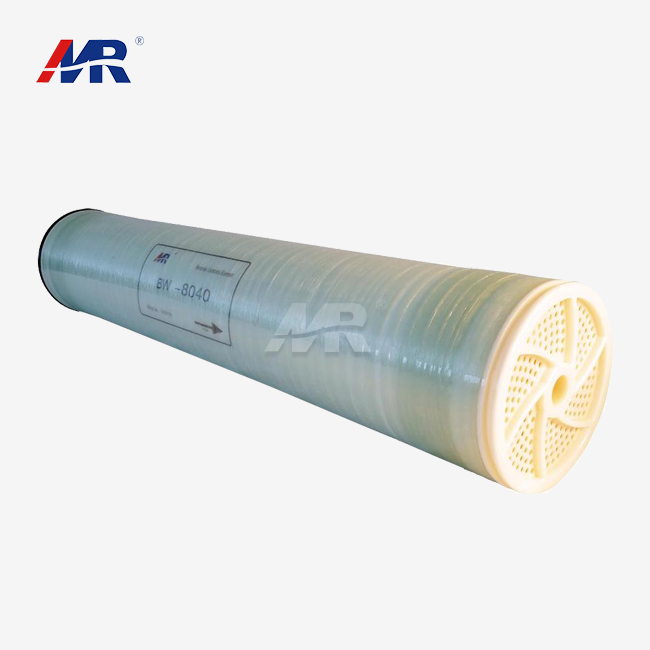
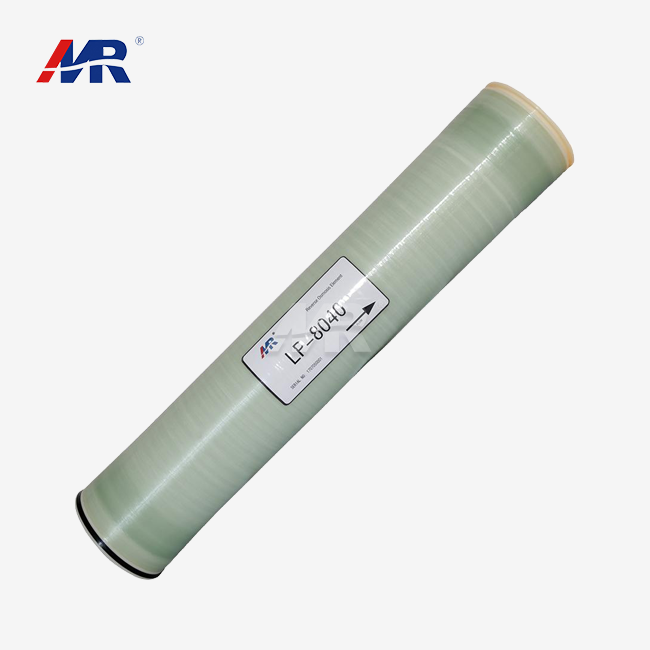
For a 6 stage water filter, the replacement frequency of its components varies depending on operational conditions: Sediment pre-filters usually need to be changed every three to six months, depending on the amount of particles. In municipal water uses, activated carbon stages stay useful for six to twelve months. However, they may need to be changed every three months in high-chlorine settings. When properly protected by upstream filtration, reverse osmosis membranes last between two and five years. Some installations in power plants can last even longer with careful monitoring. The sixth stage part, whether it's remineralisation media or UV lamps, usually needs to be replaced every year. However, UV systems can work well for up to 9,000 hours before they stop killing germs.
Operational Indicators That Signal Replacement Needs
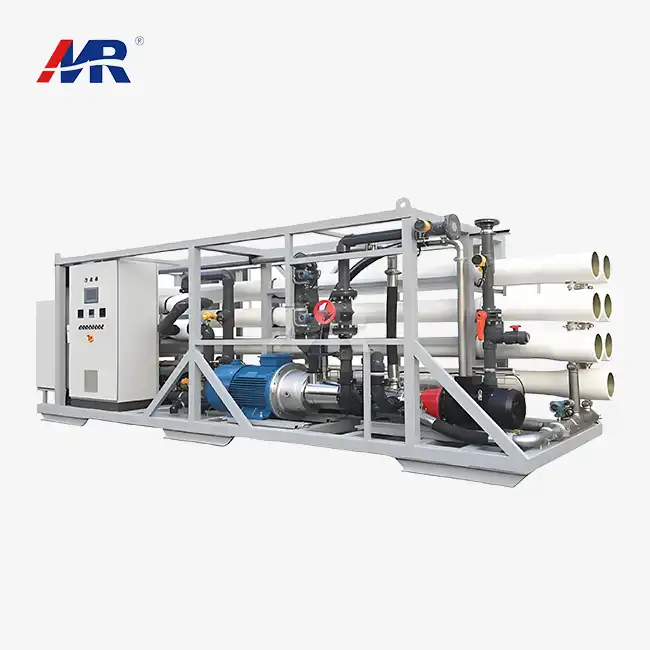
When permeate flow rates drop, it's usually because the membrane is getting clogged or the pre-filter is full. Differences in pressure between living units give us measurable information about how restrictions build up. Total dissolved solids readings from the product stream show that membrane integrity is lost when values are higher than what is allowed. Changes in taste and smell are signs of carbon overload. Modern machines, like those from Morui, have automated control systems with sensors that constantly check these factors. This lets repair teams know when the water quality drops to levels that aren't acceptable. A case study of a semiconductor plant showed that using differential pressure tracking to predict when membranes would need to be replaced cut unplanned downtime by 40% and increased membrane life by an average of fourteen months.
Creating a Replacement Matrix for Your Operation
During commissioning, procurement managers should write down baseline performance metrics like initial flow rates, pressure differentials, and product water TDS readings. If you keep track of changes that happen once a week or once a month, you can see patterns that are unique to your feed water chemistry and usage profile. This information helps make replacement schedules that balance how long a filter lasts with how well it works. Even if both facilities use the same equipment, a pharmaceutical plant that processes 50,000 gallons of liquid every day will use up cartridges faster than a lab that processes 1,000 gallons every day.
6 Stage Water Filter Cartridge Replacement: Step-by-Step Guide
To safely and effectively replace a cartridge, you need to plan ahead and follow a set of steps that keep the system clean and working properly throughout the process.
Preparation and Safety Protocols
Before you start any repair work, turn off the feed water supply and open all the drain valves to let the system drain fully. Use gauges to make sure there is no pressure so that you don't get hurt by the residual hydraulic force. Get replacement cartridges that have been checked against the equipment's specifications. Original Equipment Manufacturer (OEM) parts from well-known companies guarantee accurate measurements and material compatibility. Get cleaning solutions, clean buckets for collecting water that is still on the surface, and wrenches that are the right size for the housing caps ready. Wearing gloves and safety glasses is the best way to keep from getting hurt by the concentrated contaminants that build up in filters that have been used up.
Executing the Replacement Process
To take off filter housings, turn them anticlockwise while supporting the body of the housing to keep the connection fittings from getting damaged. Carefully take out the old cartridge, making note of any strange stains or debris that could mean there are problems further upstream that need to be fixed. Check the housing O-rings for cracks, wear, or a loss of compression set. If the elastic memory seems to be compromised, replace the O-rings. Food-grade lubricant should be put on new O-rings before they are installed to make sure they close properly without needing too much force. After making sure the cartridges are in the right place, put in new ones. Some designs have directional flow indicators. Tighten the housings by hand until you feel resistance. Then, use a wrench to add a quarter turn. Do not tighten too much because it can damage sealing surfaces or crack housings.
Post-Replacement Verification Steps
For a 6 stage water filter, follow the manufacturer's instructions and flush the system completely. This should take between fifteen and thirty minutes for carbon stages and longer for new ro membranes that need the preservation agent to be removed. Keep an eye on the output to make sure it is clear and free of carbon fines. Increase the pressure in the system slowly while checking all of its connections for leaks. Test the water quality to make sure that the TDS levels, pH readings, and flow rates are within the acceptable ranges. Keep track of when to replace cartridges, their specs, and performance readings in maintenance logs. This makes a record that can be used for audits to back up quality management Certifications that are needed in controlled fields.
Choosing the Right Replacement Cartridges for Your 6 Stage System
Choosing the right cartridge has a big effect on both the short-term performance of the system and its long-term cost-effectiveness, so it's important to think carefully about all of your options.
OEM Versus Aftermarket Considerations
Original equipment maker cartridges are sure to work with your system because they are made from materials that meet FDA and NSF standards and have exact tolerances for size. They also come with a warranty to protect you. Aftermarket options might save you twenty to forty percent on costs, but they don't always deliver the same level of quality or performance. Bad materials in off-brand sand filters can shed fibres that clog membranes further downstream. Activated carbon that isn't up to par may have too much dust in it or last less long because it can't hold as much dust. Procurement teams have to weigh the initial savings against the risks of system damage and having to replace parts more often. Morui makes membranes in a dedicated production facility. This ensures strict quality control throughout the manufacturing process and gets rid of worries about fake parts.
Evaluating Supplier Reliability and Service
Relationships with suppliers affect operational continuity in ways other than product quality. These include things like the availability of inventory, the speed with which Technical support is responded to, and the consistency of deliveries. Distributors that specialise in industrial water treatment know how important it is to keep enough stock on hand to keep production from stopping. Technical help is used to fix problems with performance and make repair plans more efficient based on operational data. When you combine competitive prices with reliable service, you get something useful. Our business works with well-known brands like Shimge Water Pumps, Runxin Valves, and Createc Instruments. This gives our customers access to a full supply chain and quick help from our twenty-person tech team.
Sustainable Options: Reducing Environmental Impact
Environmentally conscious businesses are putting more emphasis on filter materials and cartridges that can be recycled and produce less waste. Some carbon block filters now use carbon from coconut shells instead of carbon made from coal. These filters work just as well but have less of an impact on the earth. Longer-lasting cartridges mean that they don't need to be replaced as often, which cuts down on packaging waste and pollution from transportation. Cleaning protocols for membranes can sometimes get them working again without replacing them, especially in situations where fouling isn't too bad. These methods make sure that operational practices are in line with a company's commitments to sustainability. They also often save money by using less material.
Maintenance Tips to Extend Your 6 Stage Water Filter Cartridge Lifespan
Proactive system care gives a big return on investment by extending the time between cartridge service and stopping parts from breaking down too soon.
Daily and Weekly Maintenance Practices
Visual inspections done on a regular basis find small problems before they get worse and cost a lot to fix. Check the pressure gauges every day for rapid changes that could mean that the membrane is shrinking or the cartridge is getting clogged. Keep an eye on the filtrate flow rates and TDS readings, and write down the results to find trends. Biofilm can move upstream and contaminate filter housings if storage tanks and distribution lines aren't cleaned once a week. Automatic flush processes set up in control systems stop concentration polarisation at membrane surfaces. This makes the operating life much longer than when the membrane is just sitting there.
Implementing Monitoring Technology
Modern sensors that measure water quality give us information in real time, which lets us plan maintenance better than using a calendar. When the permeate TDS goes up, conductivity meters pick up on membrane degradation right away. With differential pressure sensors, you can measure restriction across filter steps with a level of accuracy that you can't get by looking at a gauge by hand. pH monitors make sure that remineralisation cartridges are working correctly. Our automated control systems combine these sensors with easy-to-use interfaces that can be accessed from mobile devices. This lets maintenance teams quickly fix problems that are happening no matter where they are. This feature is especially useful for businesses that have various locations or facilities but not many technical people on hand.
Value of Professional Installation and Service Partnerships
For a 6 stage water filter, some businesses can replace cartridges on their own, but for more complicated installations, they need help from a professional. Professional service providers have specialised knowledge about how to improve systems, make sure they are compliant with regulations, and fix problems that have been built up over hundreds of installs. They find small problems with performance that employees who haven't been trained might miss until the problems get worse. Partnering with experienced teams like Morui, which has fourteen branches with 500 employees serving clients around the world, gives you access to a wide range of services, such as customising equipment, helping with commissioning, responding to emergencies with repairs, and continuously improving performance. Because of this connection, water treatment systems go from being possible operational problems to being reliable assets that help meet production goals.
Conclusion
Setting up a regular cartridge replacement program in industrial and commercial settings protects water quality, improves equipment performance, and keeps long-term operating costs low. When each part of a 6 stage water filter system is serviced on time and according to real working conditions instead of making up random plans, it cleans very well. Knowing what each stage does, keeping an eye on key performance indicators, replacing parts the right way, choosing high-quality parts, and keeping up with proactive system care are all things that work together to make sure that the system works reliably and meets strict industry standards. Companies that put these practices at the top of their list of priorities gain a competitive edge through less downtime, consistent product quality, and longer equipment life.
FAQ
1. What Determines Optimal Cartridge Replacement Frequency?
When to replace it mostly relies on three things: the quality of the feed water, the daily flow amount, and the needs of the specific application. Municipal water sources with fixed chemistry let you wait longer than well water, whose properties change all the time. Filters are used up faster in high-volume processes than in low-demand ones. Industries that have strict requirements for purity may use conservative schedules to keep their compliance margins. Instead of relying on manufacturer estimates based on average conditions, keeping an eye on differential pressure, flow rates, and the quality of the product water gives you objective information that you can use to make your own schedules.
2. What Risks Accompany Delayed Replacement?
Putting off changing the cartridges comes with a number of risks, such as lower water quality that could contaminate processes or finished goods that come after. When pre-filters get too full, harmful particles can get to the sensitive RO membranes, speeding up the breakdown and needing expensive replacement too soon. When carbon steps are worn out, they can't remove chlorine as well, which leaves membranes open to oxidant damage. Biofilm that forms on old cartridges can make them contaminated with microbes. Lowered flow rates affect how much can be made. More backpressure in the system puts stress on pumps and valves, which could lead to mechanical breakdowns.
3. Should Facilities Handle Replacement Internally or Contract a Professional Service?
Companies with trained repair staff and simple systems can usually handle regular replacements well by following thorough steps. Professional service partnerships are very helpful for installations that are hard to understand, industries that are regulated and need paperwork, or operations that don't have enough technical staff. Experts make sure that the right steps are taken, check the performance of the new system, keep records of compliance, and fix problems that don't make sense. The choice takes into account internal capabilities, system complexity, the legal environment, and how important the process is.
Partner with Guangdong Morui for Reliable 6 Stage Water Filter Solutions
Our 6 stage water filter and the other complete water treatment systems offered by Guangdong Morui Environmental Technology are backed by our own facility for making membranes and a network of equipment processing plants. Our flexible designs use cutting-edge membrane technology that rejects 99.5% of pollutants while using only 1.5 to 2.5 kWh of energy per cubic metre. The daily capacity can be increased or decreased from 1,000 to 100,000 gallons, so it can handle activities in small labs to big industrial sites. As both a manufacturer and an authorised supplier of high-quality parts, we offer easy access to genuine replacement cartridges, technical support, and knowledgeable staff in fourteen different regions. Our twenty-person engineering team is ready to help you reach your water quality goals, whether you need help optimising replacement schedules, finding high-quality cartridges, or putting in place predictive maintenance protocols. Get in touch with benson@guangdongmorui.com to talk about custom solutions that will make sure your filtration equipment always works well, follows the rules, and is as efficient as possible.
References
1. American Water Works Association. (2021). Water Quality and Treatment: A Handbook on Drinking Water. McGraw-Hill Education.
2. Membrane Technology and Research Institute. (2022). Reverse Osmosis Membrane Performance and Maintenance Guidelines. Industrial Water Treatment Series.
3. National Sanitation Foundation International. (2020). NSF/ANSI 58: Reverse Osmosis Drinking Water Treatment Systems Standard. NSF International Publications.
4. Society of Pharmaceutical Engineers. (2019). Pharmaceutical Water Systems: Design, Operation, and Validation. Technical Monograph Series.
5. Water Quality Association. (2023). Point-of-Use and Point-of-Entry Water Treatment Systems: Maintenance and Service Guidelines. WQA Technical Publications.
6. Environmental Protection Agency. (2022). Industrial Water Treatment Best Practices: Filtration System Maintenance and Optimization. EPA Water Infrastructure Division.