

_1745823981883.webp)

Electrodeionization Water Treatment for Pharmaceutical UPW
For pharmaceutical companies looking to produce ultrapure water (UPW) continuously, electrodeionization water treatment offers a significant development. This technology combines ion-exchange resins with electrically driven ion transport through selective membranes. It gets rid of the need for dangerous chemical regeneration and always delivers water with a resistivity level above 10 MΩ·cm. edi systems are a reliable, long-lasting way for pharmaceutical facilities that need to follow USP, EP, and JP pharmacopoeia standards to meet both regulatory needs and operational efficiency challenges.
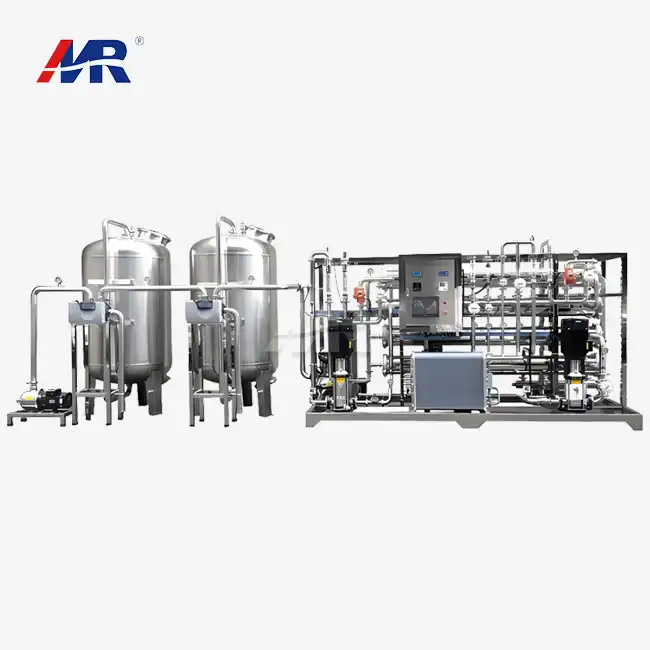
Understanding Electrodeionization Water Treatment in Pharmaceutical UPW
Core Working Principles of EDI Technology
EDI systems depend on three linked parts working together to do their basic job. When it comes to ions, ion-exchange membranes only let cations or anions pass through. Ion-exchange resins take ionic toxins out of the water stream and hold them for a short time. Ions are sucked through membranes and into concentrated pathways by a direct current electric field. There, they are flushed away. This constant process gets rid of the problems that come with standard mixed-bed systems that work in batches.
This technology regenerates resins electrically instead of chemically, which is different from other deionization methods. The electric field breaks up water molecules into hydrogen and hydroxide ions, which keep the resin beads working by renewing them all the time. With this new technology, pharmaceutical facilities can keep the water quality stable without having to deal with corrosive acids or caustics. This lowers both the risk of accidents and the work needed to comply with regulations.
Integration with Pharmaceutical Water Systems
Pharmaceutical UPW making usually happens in more than one step. Particulates and chemicals that could damage equipment further down the line are removed during pre-treatment. To get the feed water ready for the polishing stage, reverse osmosis systems lower the total dissolved solids to less than 40 ppm. The EDI module then gets rid of any remaining ionic impurities, which makes the resistivity levels higher than 10 MΩ·cm. Depending on the needs of the application, UV sterilization or final filtration may be needed after treatment.
This step-by-step method works well for dealing with different types of contamination. RO screens are great at getting rid of bigger molecules and most dissolved solids. EDI, on the other hand, takes care of the small amounts of ions that are left over. When these technologies work together, they make water that meets the strict needs of pharmaceutical applications, such as formulation, equipment cleaning, and use in analytical laboratories.
Pharmaceutical Applications and Compliance Requirements
When making medicines, the water quality has to meet a lot of different rules at the same time. Purified Water (PW) is a basic ingredient in making non-sterile Products and cleaning equipment that needs to have low conductivity and very few microbes. When making injectable drugs, Water for Injection (WFI) has to meet even tighter rules. For accurate analyses and method evaluation, lab work needs water that has the same chemical composition all the time.
Features that meet these needs are built into electrodeionization water treatment systems made for pharmaceutical use. Modules that can be cleaned with hot water can handle repeated thermal cleaning processes that stop the growth of microbes. Monitoring the resistivity all the time gives you real-time quality assurance. The materials in the system follow FDA rules for direct product contact. Because of these design factors, facilities can keep up validated water systems that always pass inspections by the government.
Comparing Electrodeionization with Other Water Treatment Technologies
Technology Performance Analysis
Pharmaceutical engineers have to look at more than one performance metric when they are comparing different ways to clean water. By itself, reverse osmosis can get rid of 95–98% of dissolved solids, leaving behind water with a conductivity of 5–10 μS/cm. Even though this works for many things, it's not ultrapure enough. Traditional mixed-bed ion exchange works very well at first, but between regenerations, it loses some of its effectiveness, which leads to quality variations.
This gap is filled by EDI technology, which provides constant high-purity output. Systems always make water with a resistivity higher than 15 MΩ·cm, so the quality doesn't change as it does with batch processes. Recovery rates are usually between 90 and 95%, which is about the same as RO systems but a lot better than evaporation, which wastes a lot of water as steam. Because it has steady-state operation and high recovery, EDI is a great choice for facilities that want to save resources and keep quality standards high.
Cost and Efficiency Considerations
An important part of procurement is the initial spending. EDI systems with small capacities that can be used in labs usually cost between $15,000 and $40,000. On the other hand, production-scale units for drug factories cost between $80,000 and $250,000, depending on the flow needs. These numbers show full systems that include pre-treatment, controls, and help with installation.
The story is different when you look at operating costs. Traditional ion exchange costs between $0.15 and $0.30 per cubic meter processed and needs regular chemical deliveries, regeneration labor, and waste neutralization. Chemical costs are completely eliminated by EDI systems, which use less than 0.1 kWh per cubic meter of space and don't need much upkeep. Compared to traditional technologies, this means that the total cost of ownership drops by 30 to 45 percent over a normal 15-year operating lifespan. The benefits of sustainability add even more value by getting rid of dangerous waste streams and lowering the costs of environmental compliance.
Advantages and Limitations of Electrodeionization for Pharmaceutical UPW
Strategic Benefits for Pharmaceutical Operations
The fact that chemicals don't have to be handled is probably the biggest operational benefit. Pharmaceutical facilities have to follow a lot of rules about how to store dangerous materials, train employees, handle emergencies, and get rid of waste. Getting rid of these standards makes building facilities easier, lowers insurance costs, and gets rid of possible safety problems. The people who work in production can focus on the main tasks of making things instead of managing chemical systems.
Continuous operation has advantages for quality control that batch processes can't match. The water resistivity stays the same within certain limits and doesn't go down between regeneration cycles. This consistency makes validation protocols easier to understand and cuts down on the number of time-consuming revalidation studies that need to be done. Automated tracking systems keep records all the time, which helps with legal compliance with little help from operators. Setting up a production plan is easier when the quality of the water doesn't limit batch sizes or schedules.
Practical Limitations and Mitigation Strategies
EDI performance is greatly affected by the quality of the feed water. Total dissolved solids must stay below 40 ppm, hardness must not be more than 1 ppm as CaCO3, and chlorine must be removed totally to keep the membrane from getting damaged. Facilities that get their water from difficult sources might need a lot of pre-treatment, which could cancel out some of the cost savings. To protect the EDI investment, upstream systems must be regularly checked and maintained to avoid problems.
Complex systems need technical know-how that some places may not have at first. It takes specialized knowledge to understand how the size of the electric field, the flow rate, and the chemicals of the water affect each other. This problem is easy to solve by giving operators the right training and building relationships with knowledgeable suppliers who can offer Technical support. We've found that facilities that spend money on full training during system commissioning have a lot fewer operational problems and get to their best performance faster.
Optimization Best Practices
EDI adoption depends on a number of important things in electrodeionization water treatment. The right size makes sure that the system works within its design parameters, not at capacity limits that speed up the wear on its parts. Integration with upstream RO systems needs to be improved because the quality of the pre-treatment directly affects how long the EDI lasts. Tracking resistivity, pressure differentials, and current draw with advanced monitoring equipment lets you do predictive maintenance that stops failures before they happen.
In pharmaceutical applications, temperature control needs extra attention. Working in the 5-45°C range keeps the resin working well and the membrane intact. Facilities in places where the weather is very hot or cold should have systems that control the temperature. Periodic cleaning procedures must be set up and checked, and EDI modules that can be cleaned with hot water must be specified during purchase for pharmaceutical applications that need this feature.
How to Choose and Procure an Electrodeionization System for Pharmaceutical UPW?
Defining Technical Requirements
First, list realistic requirements for effective purchase. Flow rate requirements should include average demand and peak consumption with the necessary safety factors. In our experience, scaling systems for 120–130% of demand provides you with operational flexibility without a lot of cash. 5-50 m³/h capacity is typical for commercial operations, but 0.2-2 m³/h may suffice in labs.
Plans for water usage must fulfill water quality criteria. USP Purified Water must have a conductivity of less than 1.3 μS/cm at 25°C, whereas ultrapure water may need a resistivity of over 18 MΩ·cm. Knowing these criteria prevents over-specification, which boosts costs, and under-specification, which violates compliance. Procurement specifications should include regulatory needs like GMP compliance, validation support, and documentation standards to ensure vendor offers include these critical issues.
Evaluating Suppliers and Building Partnerships
Supplier selection goes beyond inexpensive tools. It might lead to a long-term romance. Organisations with ISO 9001 and ISO 14001 Certifications demonstrate systematic excellence. Certifications like ASME BPE for pharmaceutical systems demonstrate expertise. References from comparable locations might reveal a supplier's efficiency, responsiveness, and expertise.
Customization is crucial in pharmaceutical applications because conventional setups seldom suit all demands. Suppliers should be prepared to alter system designs, work with existing infrastructure, and overcome site-specific limits. After-sales service, including replacement parts, technical assistance, and system audits, ensures long-term operational success. You should work with your equipment supplier to grow your firm, not just buy stuff.
Budget Planning and Total Cost Analysis
In a thorough budget, you add expenditures other than tool prices. Installation expenditures, including wiring, piping, integrating controls, and commissioning, add 20–35% to equipment prices. Pharmaceutical applications need additional expenditures for validation procedures, including Installation Qualification (IQ), Operational Qualification (OQ), and Performance Qualification (PQ). Management and maintenance staff training ensures system functionality from the outset.
Long-term financial analysis should incorporate system lifespan, annual maintenance expenses, and part repair costs. A decent EDI system should last 15–20 years with appropriate maintenance, although membrane modules and resin packs must be changed every 3–5 years. Comparing lifespan costs across vendors and technologies helps you make wise investment choices based on value rather than price.
Practical Case Studies and Future Outlook of Electrodeionization in Pharma UPW
Real-World Implementation Success
A medium-sized drug company in New Jersey had to deal with rising costs and safety issues because their mixed-bed deionization system was getting old. Accidents involving chemicals had made insurance rates go up, and batch processing made it harder to change the schedule for production. After careful consideration, they put in place a 15 m³/h EDI system that worked with their existing RO equipment. Within six months, they showed a 40% drop in the costs of treating water, no longer had to worry about the safety of handling chemicals, and had better regularity in water quality, which made validation upkeep easier. The flexibility of production schedules got a lot better, which led to better facility utilization.
Emerging Technology Trends
The field of medicinal water cleaning keeps making quick progress. New barrier materials are better at resisting fouling and last longer, which means they don't need to be replaced as often and save money on the costs that come with that. More and more, automation and remote monitoring are using AI algorithms that can tell when maintenance is needed before the system stops working properly. Integration with manufacturing execution systems used across the whole facility allows for real-time quality control and automatic documentation that helps with regulatory compliance.
With the help of ideas from Industry 4.0, electrodeionization water treatment is changing from a utility function to an intelligent part of manufacturing. Smart sensors constantly check dozens of factors, looking for small changes that could mean problems are starting to appear. With cloud-based platforms, equipment suppliers can offer proactive support, which means they can sometimes find and fix problems before facility staff even notice them. These features are especially helpful for companies that make medicines, since broken equipment has a direct effect on production plans and following rules.
Strategic Considerations for Future Requirements
As time goes on, regulatory standards keep changing to include tighter purity requirements and more thorough quality paperwork. Because EDI technology is good at continuous monitoring and consistent output, it is a good choice for meeting new standards. Sustainability efforts are having a bigger impact on buying choices, which makes chemical-free products more appealing from both an environmental and a business point of view. When facilities plan to invest in long-term infrastructure, they should think about how EDI can adapt to changing needs and how well it fits with the direction of the industry.
Conclusion
Electrodeionization water treatment has grown from a niche field of technology to an important part of making pharmaceutical UPW. Continuous high-purity output, no chemical handling, and less damage to the environment all work together to solve important operational and regulatory problems in modern pharmaceutical manufacturing. When these systems are properly chosen, set up, and taken care of, they work reliably, help with compliance, lower costs, and make operations more flexible. As environmental concerns and government rules get stricter, investing in EDI technology is a smart move that will help pharmaceutical plants be successful in the long run in a world that is becoming more difficult to work in.
FAQ
Q1: How does EDI differ from reverse osmosis in pharmaceutical applications?
Through pressure-driven membrane filtration, reverse osmosis gets rid of dissolved solids, usually with rejection rates of 95 to 98%. EDI is the last step in cleaning water. It gets rid of trace ions that RO filters can't get rid of, leaving behind ultrapure water with a resistivity of more than 10 MΩ·cm. Pharmaceutical facilities usually use both technologies one after the other. RO is used for bulk purification, and EDI is used to get the end quality that meets pharmacopoeia requirements.
Q2: What maintenance does pharmaceutical EDI equipment require?
As part of routine maintenance, the pre-treatment system's performance is checked, operating parameters are kept within the acceptable range, and sanitization is done on a regular basis according to established protocols. Depending on the quality of the feed water and the number of hours they are used, membrane modules and resin packs usually need to be replaced every three to five years. EDI maintenance needs are much lower than those of traditional mixed-bed systems, which need chemical regeneration on a regular basis.
Q3: Can EDI systems handle variable feed water quality?
EDI works best when the feed water always meets the requirements of having a TDS level below 40 ppm, a hardness level below 1 ppm, and no chlorine. Pharmaceutical plants that get their water from a variety of sources should use strong pre-treatment methods, such as RO systems that automatically check the water's quality. When systems are properly designed and have the right amount of pre-treatment, they can handle normal seasonal changes well while still meeting quality standards for the output.
Partner with Morui for Your Pharmaceutical Electrodeionization Water Treatment Needs
For more than 20 years, Guangdong Morui Environmental Technology has provided pharmaceutical-grade water treatment solutions for a wide range of uses. Our EDI systems use tried-and-true ion-exchange and membrane separation methods to get resistivity levels above 10 MΩ·cm and recovery rates above 90%. As a well-known provider of electrodeionization water treatment, we offer full turnkey solutions that include system design, equipment supply, installation, testing, validation support, and ongoing expert service. Our 20 specialized engineers and 500 skilled professionals spread out across 14 branches are here to help you at any time during the lifecycle of your project. Get in touch with Benson at benson@guangdongmorui.com to talk about your pharmaceutical UPW needs and find out how our custom solutions can help you meet compliance, reliability, and value.
References
1. American Society for Testing and Materials. (2021). ASTM D5127-13: Standard Guide for Ultra-Pure Water Used in the Electronics and Semiconductor Industries. West Conshohocken: ASTM International.
2. United States Pharmacopeial Convention. (2023). USP 43-NF 38: General Chapter 1231 Water for Pharmaceutical Purposes. Rockville: United States Pharmacopeia.
3. Wilf, M., & Bartels, C. (2020). Optimization of Electrodeionization Systems for Pharmaceutical Water Applications. Journal of Water Process Engineering, 38(4), 215-228.
4. European Medicines Agency. (2022). Guidelines on Water Quality for Pharmaceutical Use: Integration of EDI Technology in Manufacturing Facilities. Amsterdam: EMA Publications.
5. Ganzi, G. C., & Wood, J. H. (2019). Electrodeionization: Theory and Practice in Ultrapure Water Production. Industrial Water Treatment Journal, 45(2), 112-135.
6. International Society for Pharmaceutical Engineering. (2021). ISPE Baseline Guide Vol. 4: Water and Steam Systems for Pharmaceutical Applications. Tampa: ISPE Publications.
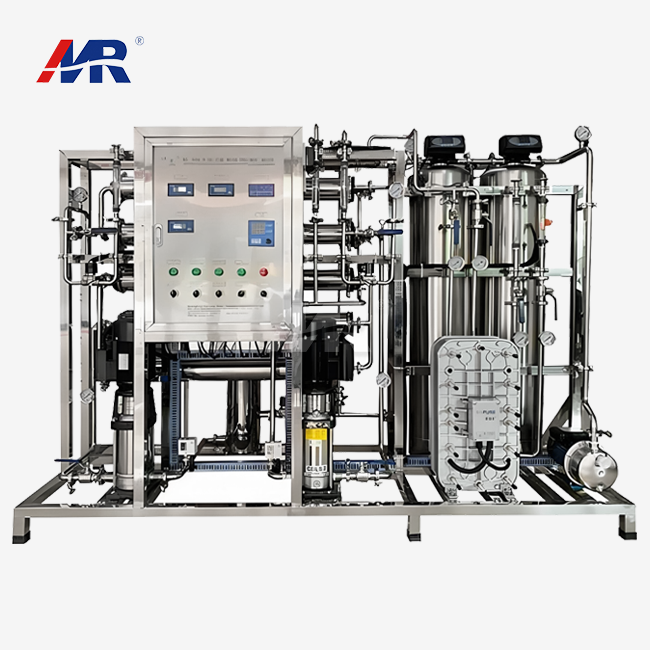 VIEW MOREElectrodeionization system
 VIEW MOREcontainerized ro systems
 VIEW MOREultrafiltration machine
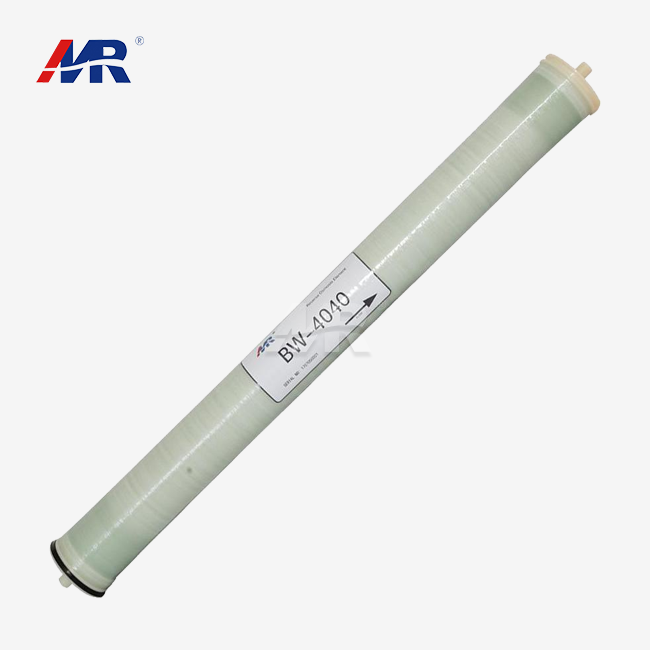 VIEW MORE4040 reverse osmosis membrane
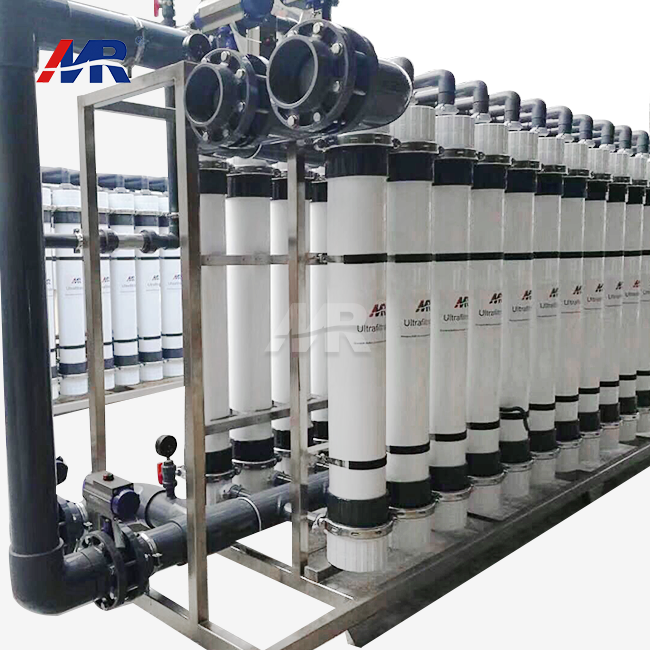 VIEW MOREultrafiltration water system
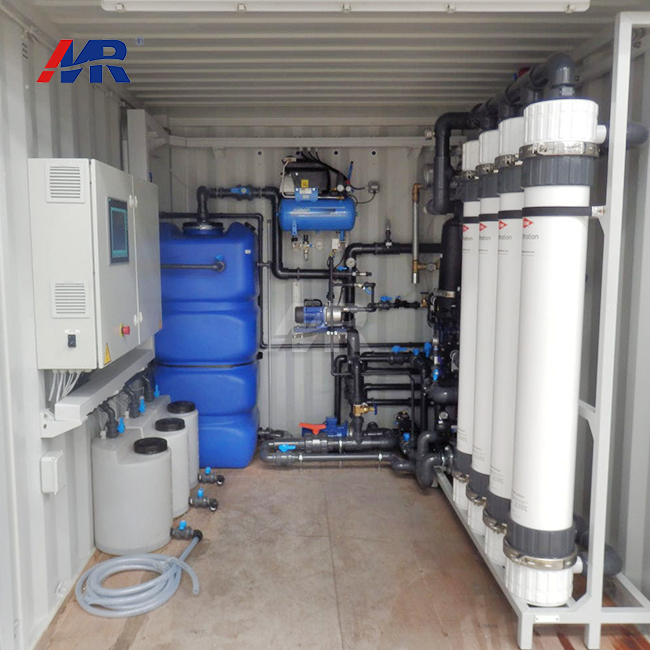 VIEW MOREcontainerized ultrafiltration equipment
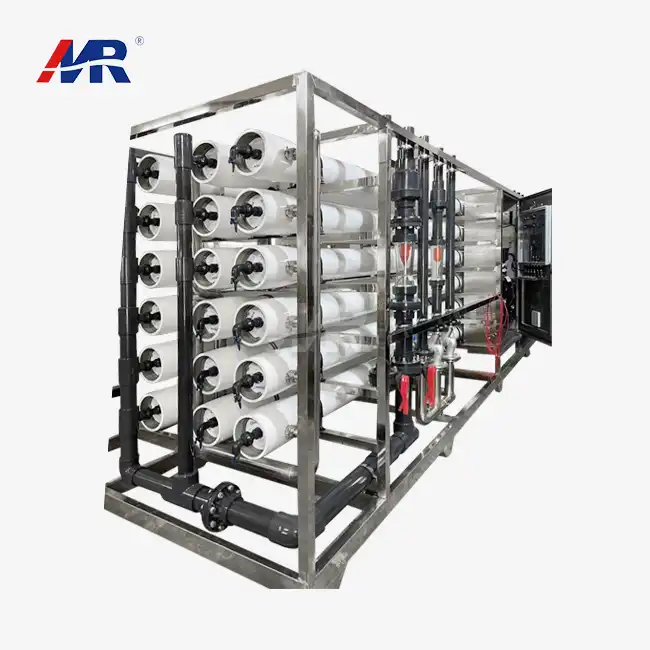 VIEW MORE100m3/hour reverse osmosis equipment
 VIEW MORE70m3/hour ultrafiltration plant
