

_1745823981883.webp)

Which Pre-Treatment Does a Containerized Reverse Osmosis System Need?
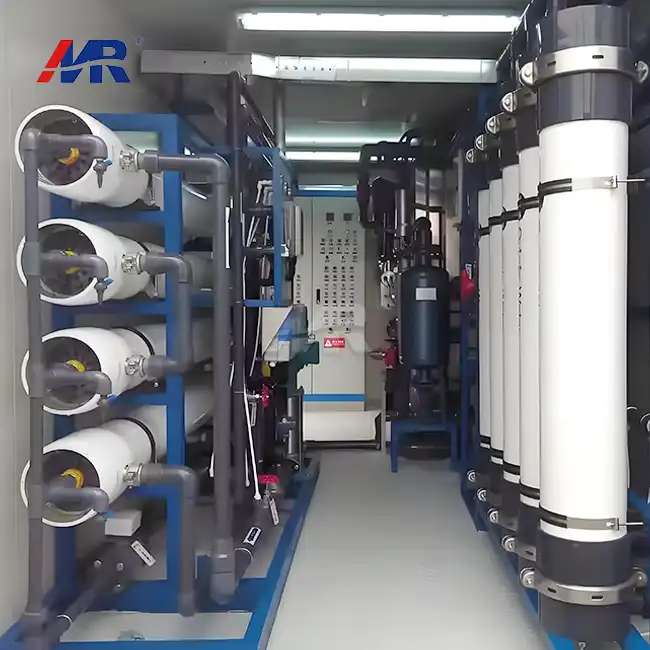
A containerized reverse osmosis system needs a lot of pre-treatment to protect the membrane and make sure the water quality stays the same. At the very least, these systems need mechanical filtration to get rid of solids in the water, activated carbon treatment to get rid of free chlorine, anti-scalant doses to keep minerals from settling to the bottom, and sometimes water softening or ultrafiltration based on the feed water. The exact pre-treatment setup is determined by a thorough study of the feed water. Component selection is based on factors such as turbidity, total dissolved solids, hardness, and organic content. The right pre-treatment has a direct effect on the life of the membrane, its recovery rate, and its running costs in a wide range of industry settings.
Introduction
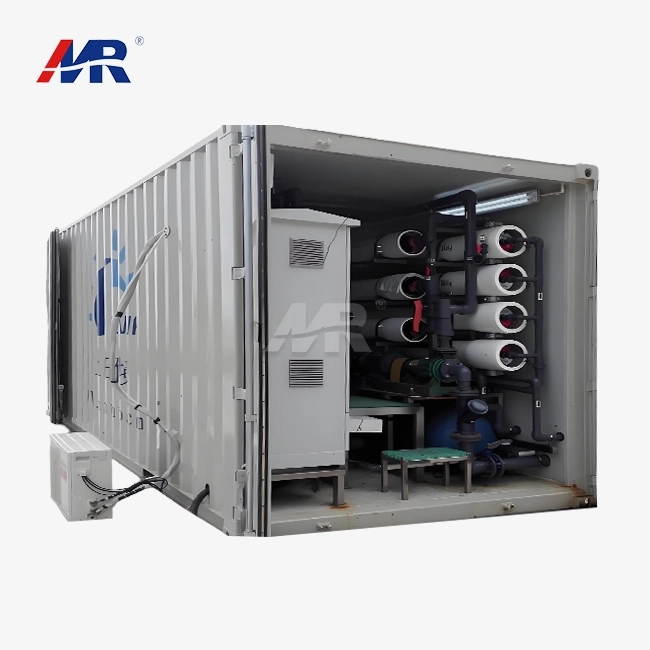
Containerized reverse osmosis systems have changed how businesses deal with the problem of cleaning water. These modular units offer full water treatment plants in normal ISO shipping containers. They combine portability with high-tech engineering. But their success depends on something that isn't always thought about when buying things: how good and full the pre-treatment processes are.
Many facility managers have had problems with membranes failing too soon. This wasn't because their RO equipment wasn't up to par but because the pre-treatment wasn't stated properly. When feed water gets to membrane elements, it has to meet strict quality standards. If it doesn't, expensive damage happens quickly. It doesn't matter if you're treating brackish groundwater for pharmaceutical manufacturing or desalinating seawater for seaside communities—you have to know what the pre-treatment standards are in order to protect your investment and get the desired results.
This guide shows you the most important parts of pre-treatment systems. It helps technical leaders and purchasing officials choose the best options for their water quality problems while lowering the overall cost of ownership.
Understanding the Role of Pre-Treatment in Containerized RO Systems
When it comes to protecting delicate semi-permeable membranes from contaminants that damage them permanently or make them work less well, pre-treatment is the most important step. Reverse osmosis membranes work under high pressure, usually 150 to 1200 psi based on the saltiness of the feed. This makes them subject to particle fouling, scaling, chemical attack, and biological growth.
Why Pre-Treatment Matters More in Containerized Units?
Containerized reverse osmosis systems work in places with limited room, so each cubic foot is important. Because of its small size, this form means that pre-treatment must be very successful, as it doesn't have as much buffer capacity as other plants. When the quality of the feed water gets worse, containerized units lose performance more quickly because their hydraulic design is better and they have higher flow rates.
Common Contaminants Requiring Removal
Solids in the fluid, like silt, clay, and biological bits, physically block membrane surfaces, which lowers the flow of permeate and raises the differential pressure. Calcium, magnesium, barium, and silica are some of the total dissolved solids that make hard scale deposits that damage membrane structure forever. Within hours of being exposed, free chlorine and chloramines break down thin-film composite membranes chemically. Biofilm layers are made by biological toxins like bacteria, algae, and fungus that are hard to clean with normal methods.
Protection Through Strategic Barrier Layers
When pre-treatment works well, it sets up a series of walls (containerized reverse osmosis system), each one aimed at a different type of contamination. This multi-stage method stops any one type of contamination from getting to the membrane elements and lets system builders balance the cost of capital with the needs of operations. Because the setup is flexible, pharmaceutical operations that need an extremely low bioburden can use a different pre-treatment method than farming operations that mostly want to stop scaling.
Key Pre-Treatment Processes Required for Containerized Reverse Osmosis Systems
To choose the right pre-treatment parts, you have to match the technology to the features of the feed water and the requirements for the end use. Each process solves a different problem with water quality while also helping to protect the membrane as a whole. Containerized reverse osmosis systems require strategic technology selection to ensure operational stability.
Mechanical Filtration Technologies
As the first step in the treatment process, mechanical filtering removes particles by using physical boundaries. Multimedia filters with layers of anthracite, sand, and garnet can successfully catch particles as small as 10 to 25 microns and hold a lot of dirt. Variable turbidity levels are normal in surface water sources, and these filters need to be backwashed every so often to recover flow capacity.
Before membrane elements, cartridge filters get rid of the last few particles, which are usually measured at 5 microns or less. We put these screens right in front of high-pressure pumps to catch any bits that are released by equipment further upstream when the flow changes. To keep the Silt Density Index below 3.0, the membranes must not get clogged up too quickly. For containerized systems, this means that cartridge filtration is a must.
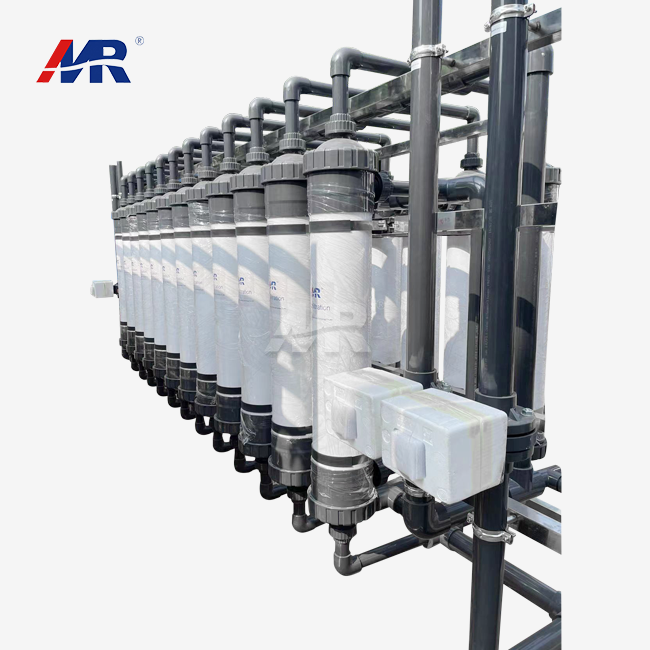
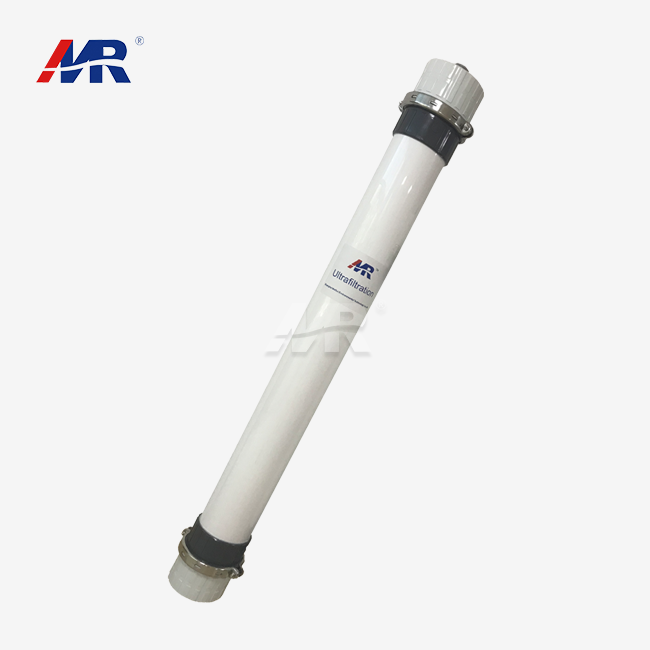
Ultrafiltration membranes are a type of advanced mechanical pre-treatment that removes particles, colloids, bacteria, and viruses through pores that are 0.01-0.1 microns wide. This technology works with feed water that changes a lot in terms of turbidity or biological material, giving stable SDI numbers even when the source water changes.
Chemical Pre-Treatment Methods
Free chlorine and organic substances that damage membrane polymers are removed by activated carbon filtering. Granular activated carbon vessels give adsorption processes time to happen while getting rid of color, smell, and taste chemicals. Carbon bed exhaustion happens slowly, so the amounts of chlorine that are still present downstream need to be checked often to keep the membrane from being exposed.
Changing the pH by adding acid or chemicals makes the membrane work better and stops scaling. Lowering the pH makes calcium carbonate more soluble, which lowers the chance that barrier surfaces will scale. On the other hand, raising the pH can make it easier for seawater to reject boron, which is important for farming watering requirements.
Even when working at concentrations that are too high for solubility, anti-scalant treatment keeps minerals from settling on barrier surfaces. These days, anti-scalants use special mixes to stop the growth of calcium carbonate, calcium sulfate, barium sulfate, and silica crystals. Dosing correctly, usually between 2 and 5 mg/L, increases the time between cleanings and keeps permeate output fixed.
Water Softening and Anti-Scaling Techniques
By trading calcium and magnesium for sodium on resin beds, ion exchange softening gets rid of hardness ions. This method works well for salty water with mild to high hardness, since membrane scaling would normally slow down recovery rates. Regenerating a softener needs salt and makes concentrated water that needs to be thrown away.
Chemical programs and containerized reverse osmosis systems that prevent scale formation can be used instead of softening to allow for better healing rates without the formation of scale. This method cuts down on waste and gets rid of renewal chemicals, but it needs to be carefully dosed and work with processes that come after.
Disinfection and Biofouling Control
The DNA of bacteria and viruses is damaged by ultraviolet light, which kills them without using chemicals. Installing UV systems after filters but before membranes lowers the chance of biofilm formation without adding chemicals that damage membrane polymers through oxidation.
Dosing of biocide stops living things from growing in pre-treatment equipment and on barrier surfaces. Biocides that don't oxidize and are compatible with barrier materials stop biofilm from forming. This is especially important in warm areas or with feed waters that are high in nutrients. Biological pollution is one of the hardest types of contamination to get rid of because full biofilms are hard to remove mechanically and need strong chemical help.
Comparing Pre-Treatment Needs: Containerized RO Systems vs. Traditional RO Systems
Both containerized reverse osmosis systems and traditional RO systems are meant to clean water, but they have to deal with different design limits that affect the choice of pre-treatment and how it is set up.
Space Optimization Drives Component Selection
Traditional water treatment plants put their equipment in separate buildings, so there is a lot of space between steps of the process. They also have big tanks called buffer tanks that keep the feed quality from changing too much. These tasks have to fit into 20-foot or 40-foot containers for containerized systems, which means that pre-treatment solutions have to be small and leave little of an impact.
Because of the limited room, cartridge filters are better than big multimedia tanks, vertical softeners are better than horizontal ones, and chemical dose skids that are built in are better than separate injection systems. Smaller equipment, on the other hand, needs to be serviced more often and can't handle changes in the quality of the feed water as well.
Mobility Requirements Affect Design Philosophy
Containerized units have to be able to handle vibrations during travel and keep working after they've been moved. Pre-treatment parts need to be mounted securely, have bendable pipe connections, and be protected from shock loads. Traditional plants, which are permanently set up on concrete supports, don't have to deal with these transportation problems, but they can't be moved around easily.
Being able to move containerized systems around makes them useful for short-term tasks like disaster aid, providing water to building sites, or seasonal farming. Pre-treatment has to work reliably even when the system goes through cycles of setup and shutdown that regular installations never go through.
Maintenance Access Considerations
Traditional plants have repair areas that are set aside for walking around and tools that can be reached by lifting parts from above. Because containerized systems have limited internal room, techs need to carefully arrange the parts so they can get to the filters, pumps, and instruments without having to take the whole system apart.
We make containerized pre-treatment systems and containerized reverse osmosis systems with service points on the front, quick-disconnect fittings, and cartridge filters that are small enough for one person to handle. Even though there isn't much room, these features keep working, but maintenance processes need more thought than with regular installations.
Conclusion
The most important thing for the success of a containerized reverse osmosis system is the right pre-treatment. The exact configuration has to meet the characteristics of the feed water, the needs of the application, and the limitations of the site, all while matching the cost of capital investment with the cost of running the system over its lifetime. Mechanical filtration, chemical treatment, anti-scaling measures, and biological control all work together to make integrated defense layers that keep contaminants from damaging membrane elements and causing them to fail early or perform worse. Working with experienced manufacturers who do thorough feedwater analysis and offer tried-and-true turnkey solutions lowers project risk and ensures long-term, reliable operation in a wide range of industrial settings.
FAQ
1. Can a containerized reverse osmosis system operate without pre-treatment?
Working without the right pre-treatment leads to a containerized reverse osmosis system experiencing membrane fouling and damage that can't be fixed, usually within days or weeks, based on the quality of the feed water. It is scientifically possible to pump raw water through membranes, but this method is not cost-effective because the membranes need to be cleaned often, their life is short, and the production is not stable. To protect the membrane's structure and keep the manufacturer's warranty valid, even feed sources that are pretty clean need to be filtered and dechlorinated at a minimum.
2. How often do pre-treatment components require servicing?
Service times depend a lot on the quality of the feed water and how the system is built. In normal situations, cartridge filters need to be changed once a month. However, sources with a lot of silt may need to be changed every week. Backwashing multimedia filters can happen once a day or once a week, based on how full they are. When exposed to chlorine normally, activated carbon beds last between 12 and 18 months. Depending on how hard the water is, the water filter regenerates every day to once a week. Anti-scalant systems need to have chemicals refilled every month and the accuracy of the dosing pump checked every three months.
3. What are the signs that pre-treatment is inadequate?
A quick rise in membrane pressure within a few weeks of placement shows that particles are getting through because the filtering isn't working well enough. Loss of salt rejection could mean that chlorine is hurting the carbon beds or that the system is scaling up because the anti-scalant doses aren't high enough. The presence of slimy layers on the membrane during inspection shows that there isn't enough cleaning. When cleaning is needed more than once every three months, it means that there are problems with the pre-treatment process that need to be fixed right away to keep the membrane from getting permanently damaged and the production going.
Partner With Morui for Turnkey Containerized Reverse Osmosis Solutions
Guangdong Morui Environmental Technology has 14 regional offices and 500 committed professionals who work together to provide designed water treatment systems. Our unified method combines the ability to make membranes with in-depth knowledge of the application. This way, you can be sure that the company that supplies you with a containerized reverse osmosis system will provide you with the best pre-treatment for your specific water quality problems. We have over 20 specialised engineers and work with top component makers like Shimge Water Pumps and Runxin Valves to create full package solutions that include everything from analysing the feed water at the beginning to installation, testing, and ongoing Technical support. Get in touch with Our Team at benson@guangdongmorui.com to talk about how well-planned pre-treatment can protect your membrane investment and provide stable water quality for uses in pharmaceutical, food processing, electronics manufacturing, or public settings.
References
1. American Water Works Association. (2020). Reverse Osmosis and Nanofiltration: Manual of Water Supply Practices M46. Denver: AWWA Publications.
2. Wilf, M., & Bartels, C. (2019). The Guidebook to Membrane Desalination Technology. Hopkinton: Balaban Desalination Publications.
3. Crittenden, J.C., Trussell, R.R., Hand, D.W., Howe, K.J., & Tchobanoglous, G. (2021). MWH's Water Treatment: Principles and Design (4th ed.). Hoboken: John Wiley & Sons.
4. Greenlee, L.F., Lawler, D.F., Freeman, B.D., Marrot, B., & Moulin, P. (2018). "Reverse osmosis desalination: Water sources, technology, and today's challenges." Water Research, 43(9), 2317-2348.
5. International Desalination Association. (2022). Containerized Desalination Systems: Design, Operation and Maintenance Guidelines. Topsfield: IDA Technical Publications.
6. Membrane Filtration Guidance Manual. (2021). EPA 815-R-06-009: Pre-treatment Strategies for Membrane Systems. Washington D.C.: United States Environmental Protection Agency.
 VIEW MOREindustrial ultrafiltration systems
 VIEW MOREcontainerized ro systems
 VIEW MORE150m3/hour reverse osmosis plant
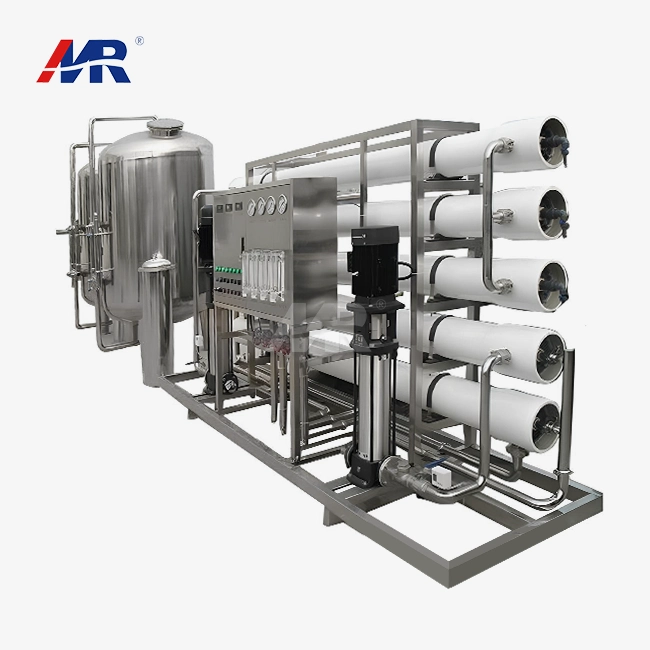 VIEW MOREbrackish water reverse osmosis
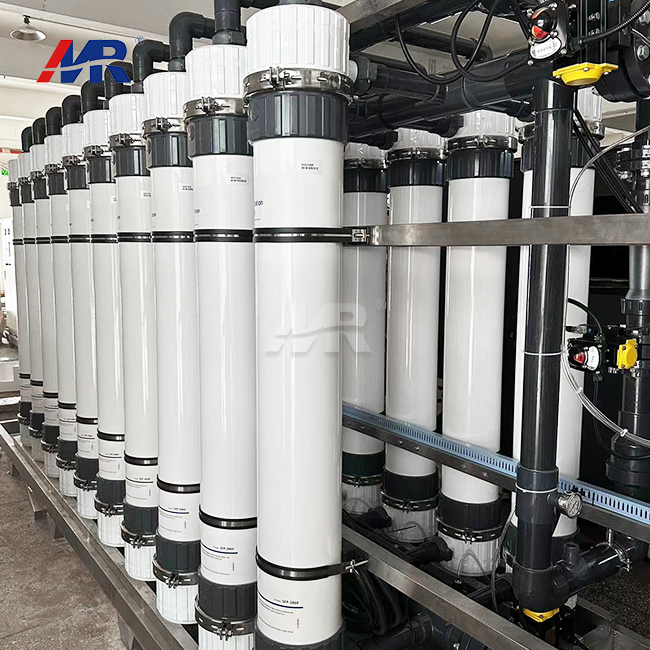 VIEW MOREwater ultrafiltration system
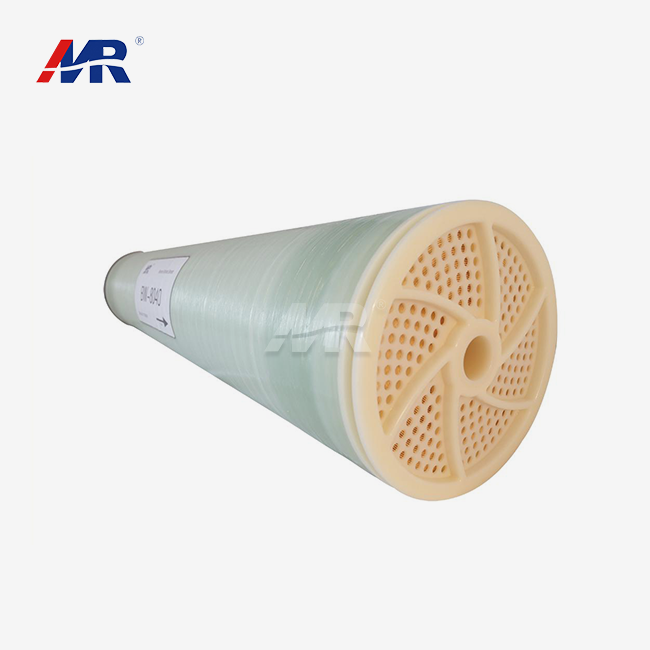 VIEW MOREbrackish membrane
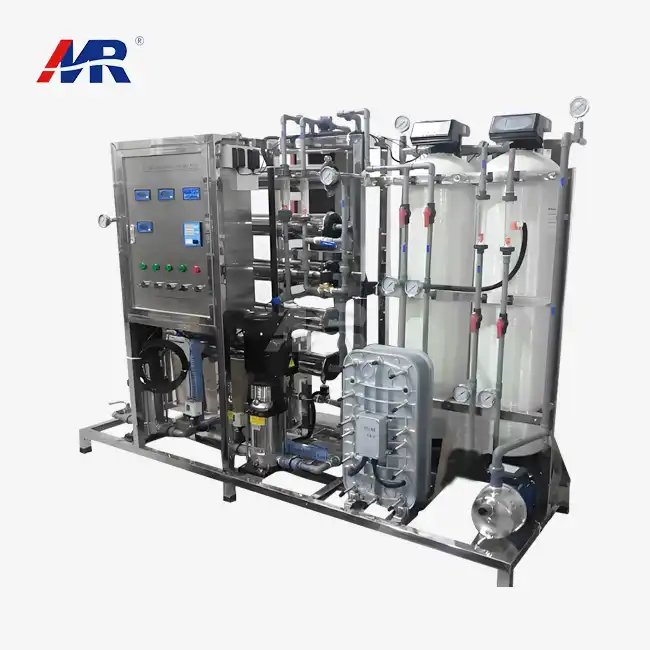 VIEW MORE1T/H EDI system
 VIEW MOREultrafiltration membrane for wastewater treatment
