

_1745823981883.webp)

How to Troubleshoot an EDI Water Treatment System Drop in Quality
The effects are felt throughout your whole production line when your EDI water treatment system suddenly gives you bad water. A drop in resistivity from the predicted 18 MΩ·cm to lower values is a sign of contamination, broken equipment, or operating inconsistencies that put product integrity and regulatory compliance at risk. To fix problems effectively, you need to do a methodical analysis that includes looking at the composition of the feed water, the membranes and electrodes, the electrical factors, and the operating settings. Taking care of these problems right away will bring back the output of ultrapure water, stop costly downtime, and protect the precision your power generation, chip, or pharmaceutical operations need.
Introduction
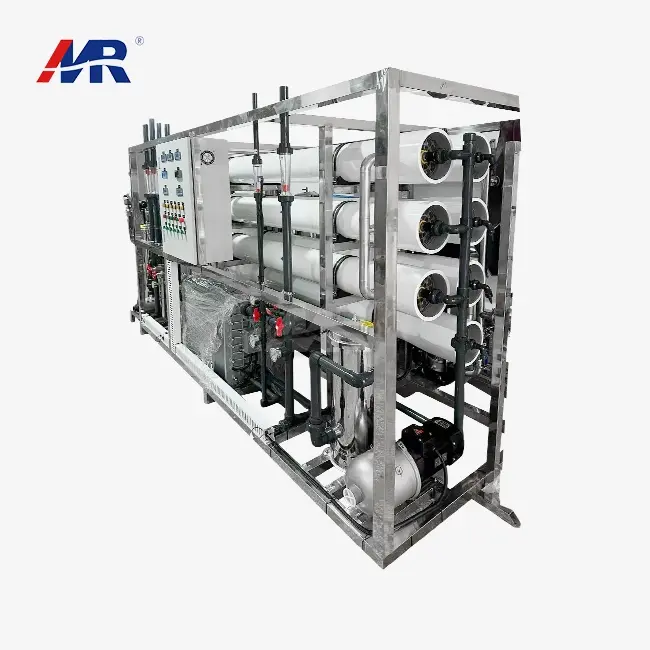
Electrodeionization technology is a huge step forward in cleaning water. It combines ion exchange resins, ion-selective membranes, and direct current to make ultrapure water all the time without needing chemical regeneration. The EDI water treatment system is the next important step after reverse osmosis in industries where water quality has a direct effect on product yields and regulatory standing. For example, pharmaceuticals need USP-grade purified water, semiconductor fabs need 18.2 MΩ·cm ultrapure water for wafer cleaning, and power plants need boiler feed that doesn't have any trace of silica in it.
Keeping performance at its best requires more than just regular tracking. When water resistivity drops or conductivity spikes without warning, production managers are under instant pressure to find out what's wrong and keep operations running as smoothly as possible. This guide gives procurement managers, plant engineers, and maintenance workers an organized way to solve problems that turn technical diagnoses into workable answers. This keeps the process running smoothly and makes equipment last longer.
Understanding EDI Water Treatment System Quality Drops
Core Principles of EDI Technology
The ion exchange and electromigration work together to make EDI work. Water that has been through reverse osmosis and has a conductivity of less than 40 μS/cm runs through tanks that have mixed-bed ion exchange resins between cation- and anion-selective membranes. When direct current is applied, cations move toward the cathode and anions move toward the anode. This keeps the resin from breaking down without using acids or harmful chemicals. EDI is different from standard mixed-bed deionizers because it doesn't use chemicals. This means that you don't have to handle dangerous chemicals, and the machine can run 24 hours a day, seven days a week.
To keep the product water resistance above 18 MΩ·cm, the edi water treatment system needs to be able to move ions evenly, distribute electrical current correctly, and keep the membrane surfaces clean. Any change from these factors leads to a loss of quality.
Common Symptoms of Performance Decline
When the quality of the water drops, it usually shows up as less resistance or more conductivity, which means that some ions are still not being removed. Operators may see Total Organic Carbon (TOC) levels that are higher than 500 ppb or silica levels that are rising above what is considered safe. These changes hurt processes further down the line, like making medicine Products less safe, making it harder to make semiconductors correctly, or making boiler systems scale up.
The speed of detection is very important. A slow drop in performance could mean that the resin is running out or the membrane is getting old, but a rapid drop in quality is usually a sign of a serious problem, such as contaminated feed water, electrical problems, or part fouling. Every day that water production isn't up to par, batches are thrown out, equipment is damaged, and regulators look closely.
Operational and Financial Consequences
Quality problems that aren't fixed spread through processes. When cleaned water doesn't meet standards, pharmaceutical companies risk having their batches thrown out during FDA checks. Yield losses happen in semiconductor factories when trace ionic contaminants eat away at delicate circuit designs. When the quality of the boiler feed water drops, which causes turbine scaling, power plants have to shut down.
The financial effects go beyond the instant loss of production. Emergency fixes to equipment, quick replacements of parts, and expert fees add up quickly. More importantly, long periods of downtime hurt customer trust and contractual obligations, especially when production plans can't be changed to handle delays.
Diagnosing the Root Causes of Quality Drops in EDI Systems
Analyzing Feed Water Quality Variations
The diagnosis starts upstream. Since EDI is a cleaning technology, the quality of the feed water directly affects how well the system works. The permeate from reverse osmosis should keep the TDS below 20 ppm, the conductivity below 40 μS/cm, and the free chlorine below 0.1 ppm. Deviations mean that an RO filter upstream has failed, the preparation wasn't done well, or the source water has changed.
A big problem is when the feed water has a lot of dissolved carbon dioxide. CO₂ can easily pass through ro membranes and turns into carbonic acid, which lowers the resistance of the product water. When the feed conductivity goes up from its normal level, you should check the stability of the RO membrane, see if the carbon filters are full, and make sure the softener regeneration processes are complete. Because source water changes with the seasons—higher hardness during droughts and higher organics during algae blooms—pretreatment needs to be changed.
Continuous live tracking of feed conductivity, hardness, and chlorine should be part of the testing process. Silica, TOC, and microbial pollution should also be checked in the lab. It's easy to tell if the problem is upstream or in the EDI water treatment system unit itself by comparing the present feed quality to previous baselines.
Inspecting Critical System Components
How well ions are removed depends on the state of the internal parts. Fouling from organic matter, mineral scaling from hardness breakthrough, or biofouling from microbial growth can happen on ion exchange membranes. During timed shutdowns, a visual check shows discoloration, biofilm formation, or scaling deposits that block current flow and make separation less effective.
Extra care needs to be taken with electrodes. Mineral buildup on electrode surfaces raises electrical resistance, which makes power sources need higher voltages and lowers the efficiency of the current. Reversing the polarity of the electrodes, which is a trait of many current systems, helps control scaling but can't fix serious fouling. Keep an eye on the changes in voltage and amperage. If the voltage keeps going up while the current stays the same, it means that the resistance is going up due to fouling or scale.
Resin beds break down because of wear and tear, biological fouling, or reactive damage from chlorine that is still present. Ion splitting allows EDI resin to keep regenerating, but heavy fouling stops regeneration from working. Systems whose quality keeps going down even though the electrical parameters are normal are probably suffering from resin exhaustion and needing a new module.
Monitoring Electrical and Flow Parameters
Electrical performance helps with diagnosis. EDI units work within certain voltage and current bands; any changes show that something is wrong. Ions stay in the product water because there isn't enough motion to move them. Too much voltage can lead to overheating, faster component breakdown, and electrochemical processes that aren't needed.
The right amount of dwell time for ion removal is ensured by a stable flow rate. Depending on the setup, our systems can set flow rates between 1 and 100 m³/h. Each flow rate is best for the module's ability to swap ions. Running at a flow rate much higher than the design flow decreases contact time, which lets ions skip the treatment. On the other hand, concentration polarization can happen when flows are very low. This is when reduced boundary layers form near membrane surfaces.
Flow rating is complemented by tracking pressure. Operating pressures between 3 and 7 bars keep the flow going smoothly without putting too much stress on the membranes. If the pressure drops across the module, it means that fouling is building up. If the pressure difference is abnormally low, it means that water is channeling around treatment zones.
Step-by-Step Troubleshooting Principles and Procedures
Defining the Problem Through Precise Measurement
To effectively fix it, you must first accurately describe the problem. Use accurate resistivity meters that can measure the whole range up to 18.2 MΩ·cm and make sure the sensors stay clean and well-maintained. Record the quality of the product water several times throughout the day to tell the difference between short-term changes and long-term degradation.
Use records from the commissioning process or recent regular activity to set baseline performance measures. Use these as starting points to compare current resistivity, conductivity, flow rates, pressure drops, voltage, and current. How much of a change is there? Has the resistance gone down from 18 MΩ? · cm to 12 MΩ·cm or just 17 MΩ·cm? When troubleshooting the EDI water treatment system, the intensity and rate of decrease tell you what to look for first.
Write down the changes to operations that happened before the quality drop. Did the makeup of the feedwater change? Were chemical cleaning processes done not long ago? Has the weather in the area changed a lot? Knowing the timeline helps connect symptoms to possible reasons.
Systematic Component Testing
It makes sense to test from the most likely to the least likely reasons. First, make sure that the quality of the feed water meets the requirements. Drops in product quality are instantly caused by high feed conductivity. Sample feed water goes straight into the EDI module, so assumptions about the performance of equipment further upstream are not made.
Check that the electrical system works by looking at the output of the power source, the connections between the wires, and the state of the electrodes. A lot of devices have diagnostic lights that show voltage, current, and warning situations. Electrical problems that happen quickly, like blown fuses, tripped breakers, or loose connections, cause quality drops right away and quick repair once they are fixed.
Check the state of the membrane and resin by looking at how they work. When the current stays the same, modules with membranes that are clogged need more voltage, and when the resin runs out, the quality goes down even though the electrical parameters are normal. If you catch fouling early, you can get the performance back by using chemical cleaning methods with citric acid for mineral scaling or sodium hydroxide for organic fouling.
Flow distribution testing makes sure that the hydraulic system works correctly. Check for leaks or bypass situations, measure the pressures at the inlet and exit, and compare the flow rates to the design requirements. When the flow isn't spread out evenly, dead zones form where water doesn't get enough treatment.
Implementing Corrective Actions
Fixes are based on what was found as a cause. Problems with the quality of the feed water need to be fixed upstream by changing carbon filters, refilling softeners, or fixing RO membranes. Using an EDI water treatment system with bad feed speeds up fouling and shortens the life of modules, so fixing problems upstream should be the first thing you do.
Chemical cleaning can fix membranes and wires that are dirty. Depending on how bad the fouling is, our systems can do both offline cleaning with recirculated cleaning solutions and online cleaning-in-place processes. Mineral scaling can be removed well with 2% citric acid, while organic and bacterial gunk can be removed with alkaline cleaners. For safety reasons, cleaning should always be done according to the manufacturer's instructions.
Modules need to be replaced when the resin is used up or when the membranes are broken. EDI modules usually last between 5 and 7 years if they are properly pretreated, but they break down early if they are exposed to chlorine, too much hardness, or biological fouling. When cleaning doesn't improve performance, replacing the item is the only way to save money when quality problems keep happening.
Fixes for electrical systems include fixing problems with the power source, replacing electrodes, or fixing wires. Modern edi systems use complex power sources that can diagnose problems and keep track of fault situations, which help with fixes. The length of time between electrode replacements depends on the nature of the water, but in normal situations, they are usually several years.
Establishing Preventive Maintenance Protocols
For long-term dependability, you need to do preventative upkeep instead of fixing problems after they happen. Set up regular checks to look at trends in the quality of the feed water, electrical parameter logs, and tracking of pressure drops. Weekly reviews find problems as they arise, before they get bad enough to cause quality problems.
Calibration tools make sure that measurements are correct. It is necessary to calibrate resistivity meters, conductivity monitors, pressure emitters, and flow meters on a regular basis against standards that can be tracked. Instrumentation that isn't accurate can hide problems that are happening or set off false alarms, both of which lower operations' trust.
Staff training helps operations teams get better at fixing. Maintenance workers should know how the EDI (EDI water treatment system) works, be able to spot the signs of common problems, and follow standard steps to fix them. Specific standard operating procedures write down steps for diagnosis, ways to test, and ways to fix problems. This creates formal knowledge that stays the same even when staff changes.
Conclusion
To fix problems with electrodeionization systems where the quality drops, you need to systematically connect the symptoms to the underlying causes by testing in a planned way. The quality of the feed water, the state of the parts, the electrical factors, and the operating settings can all affect performance, so it's better to do a full review than to guess. Accurate measurements, sensible testing processes, and the right corrective actions can bring back the production of ultrapure water, and preventative maintenance will keep it working well for a long time. Operations that run smoothly choose the right equipment, make sure it's installed correctly, make sure their staff is skilled, and work together with suppliers to build strong systems that support important industry processes. Investing in the right troubleshooting tools and maintenance systems protects operating revenue, regulatory compliance, and production continuity in industries that depend on stable ultrapure water quality, such as power generation, pharmaceuticals, and semiconductors.
FAQ
1. What are the primary causes of sudden EDI water quality drops?
Usually, sudden quality loss is caused by contaminated feed water, especially hardness breakthrough or high conductivity from an RO filter failing upstream. Electrical system flaws, like a broken power source, electrode fouling, or wiring problems, also lead to instant quality loss. Less often, quality drops quickly because of technical problems like leaks or problems with how the EDI water treatment system flow is distributed.
2. How frequently should EDI systems be inspected to maintain optimal performance?
Tracking standard performance is done by checking the quality of the product water, flow rates, pressure, voltage, and current every day. Every week, thorough looks at trending data help find problems before they become failures. Full system checks should be done once a year and every three months to look at the state of the membranes, wires, and resin. Feed water quality tracking is always on so that problems upstream can be found right away.
3. Can existing EDI installations be upgraded to improve performance consistency?
Many systems work better after being updated with new power sources that can better control current, better tracking tools, or chemical cleaning systems that run themselves. Often, replacing old units with newer technology makes them more efficient and reliable. Feed quality problems that affect EDI performance can be fixed by improving preparation by adding membrane degasification for high-CO₂ waters or better filtering.
Partner with Morui for Superior EDI Water Treatment Solutions
Getting a reliable edi water treatment system starts with finding the right provider and keeping that relationship strong through ongoing help. Guangdong Morui Environmental Technology is an expert at providing high-tech electrodeionization solutions for pharmaceutical, electronics, power generation, and industrial uses all over the United States. Our systems have a resistance of more than 18 MΩ·cm, a recovery rate of more than 95%, and a power consumption of less than 0.1 kWh/m³. This means that they provide both high efficiency and low cost of operation. As a top manufacturer of edi water treatment systems, we offer full turnkey installations that include supplying the equipment, commissioning it, providing validation support, and providing technical training. Our engineering team of more than 20 specialists and manufacturing capabilities that include making membranes and equipment are all backed by this. Get in touch with benson@guangdongmorui.com right away to talk about your ultrapure water needs, get full specs, or set up a meeting with one of our applications engineers. They will come up with custom solutions that will help you meet your water quality goals every time.
References
1. American Society for Testing and Materials. (2019). ASTM D5127-13: Standard Guide for Ultra-Pure Water Used in the Electronics and Semiconductor Industries. West Conshohocken, PA: ASTM International.
2. United States Pharmacopeia Convention. (2021). USP 43-NF 38: General Chapter <1231> Water for Pharmaceutical Purposes. Rockville, MD: United States Pharmacopeial Convention.
3. Ganzi, G.C., Jha, A.D., DiMascio, F., & Wood, J.H. (2017). Electrodeionization: Theory and Practice in Water Treatment. Oxford: Butterworth-Heinemann.
4. Alvarado, L. & Chen, A. (2014). Electrodeionization: Principles, Strategies and Applications. Electrochimica Acta, 132, 583-597.
5. Strathmann, H. (2018). Electrochemical and Electrodialytic Water Treatment Processes. Amsterdam: Elsevier Science Publishers.
6. International Society for Pharmaceutical Engineering. (2020). ISPE Baseline Guide Volume 4: Water and Steam Systems. Tampa, FL: International Society for Pharmaceutical Engineering.
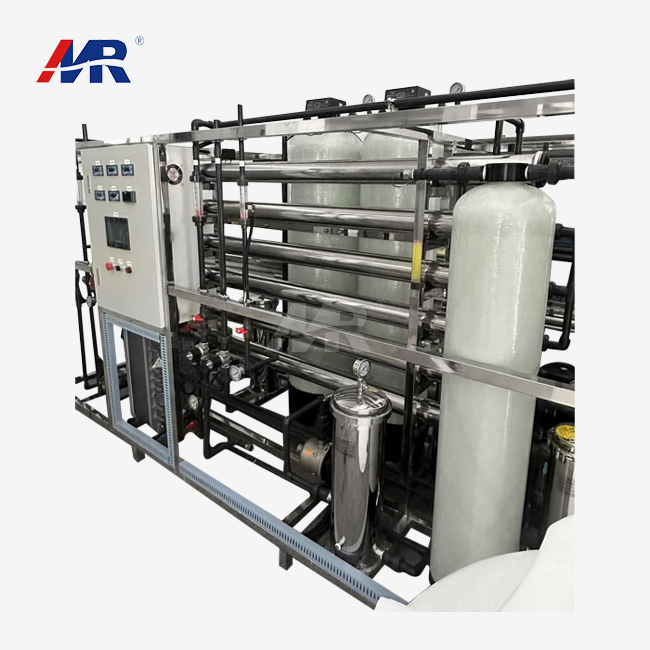 VIEW MOREelectrodeionization edi system
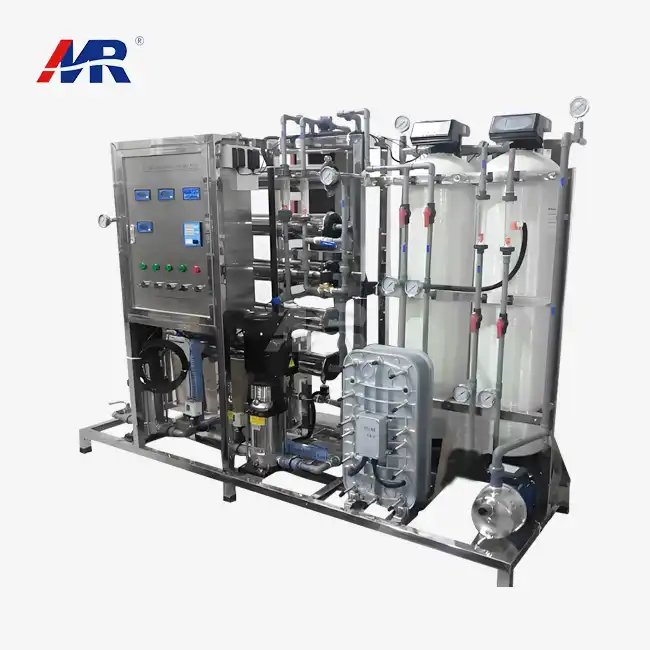 VIEW MORE1T/H EDI system
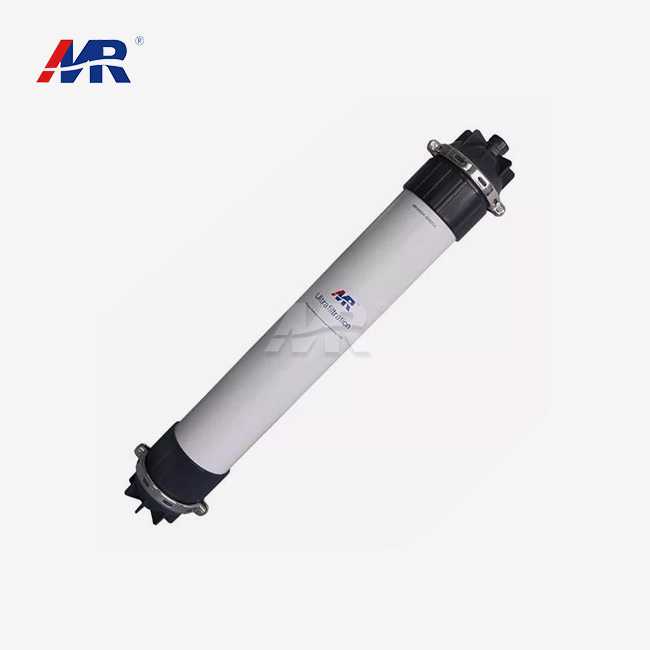 VIEW MOREultra filter membrane
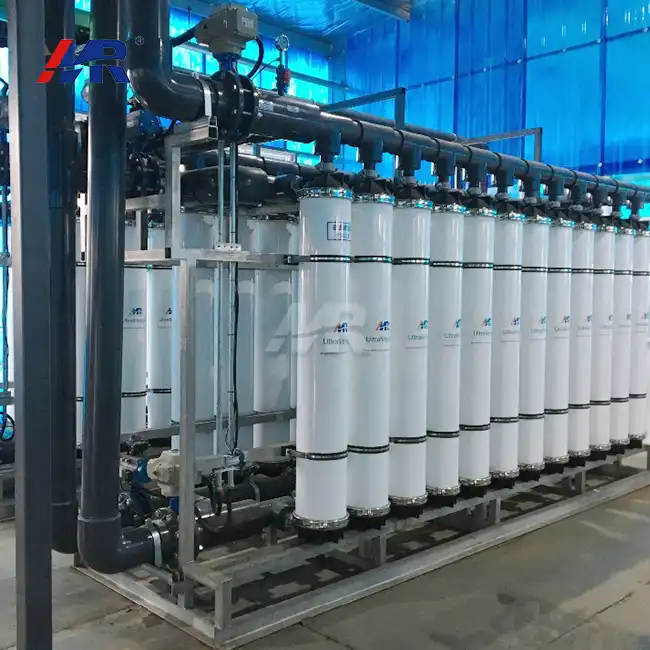 VIEW MORE50m3/hour ultrafiltration plant
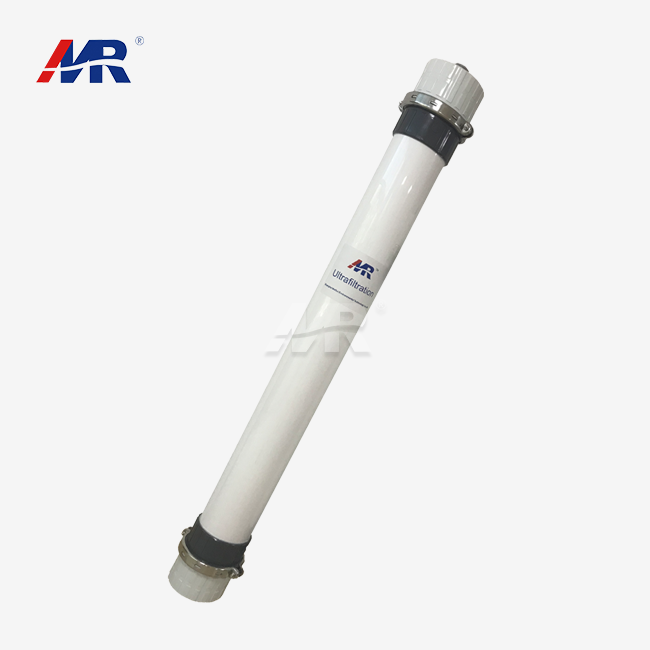 VIEW MOREultrafiltration membrane for wastewater treatment
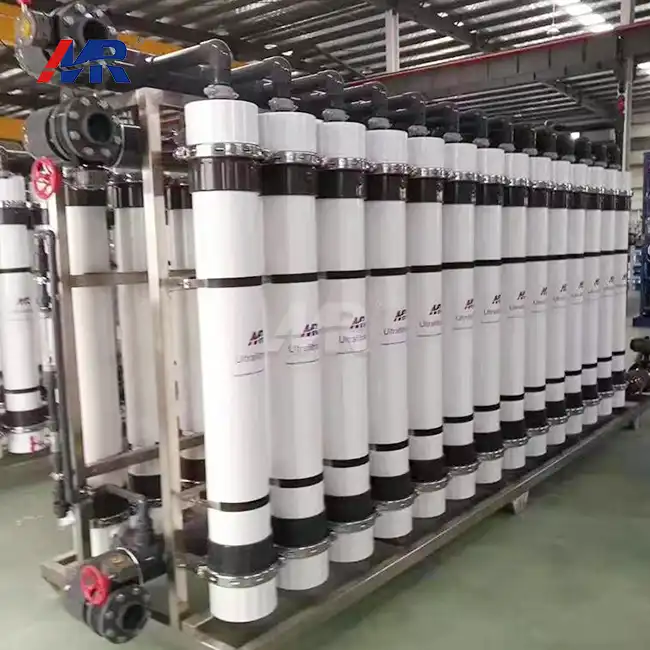 VIEW MORE70m3/hour ultrafiltration plant
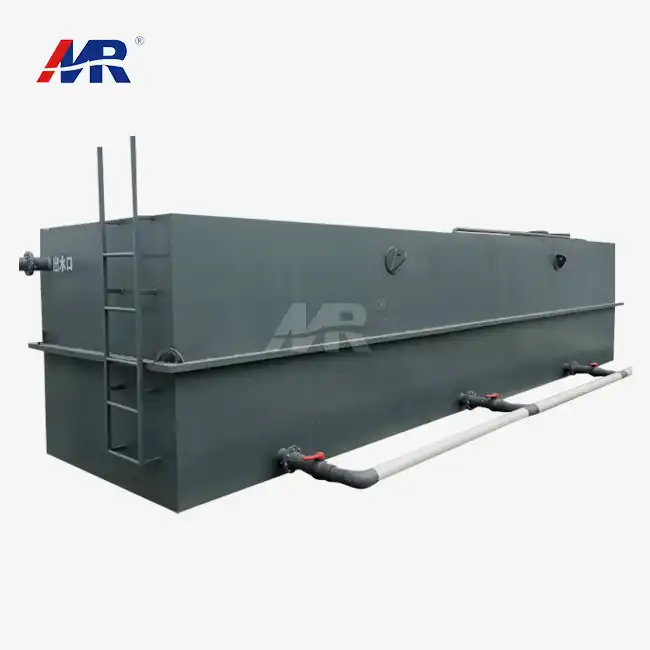 VIEW MOREportable wastewater treatment plant
 VIEW MOREcontainerized ro system
