_1745823981883.webp)

Do Treatment Plants for Wastewater Recover Biogas Efficiently?
Beyond straightforward cleaning systems, modern treatment plants for wastewater have advanced significantly. Yes, these facilities can easily collect biogas if they are built with the right anaerobic digestion equipment. Several important factors affect how well it works, such as the type of digester used, the properties of the sludge, the operating settings, and the maintenance procedures. Municipal and commercial treatment plants for wastewater with anaerobic digesters regularly collect biogas from organic sludge that is high in methane. This turns a problem with the environment into a source of green energy. This restored biogas usually has between 55 and 70% methane in it, which means it can be used to make heat, electricity, or even fuel for cars after it has been upgraded. The efficiency goes from 0.8 to 1.2 cubic meters of biogas per kilogram of volatile solids processed. However, the real results depend on the type of wastewater and how the system is set up.
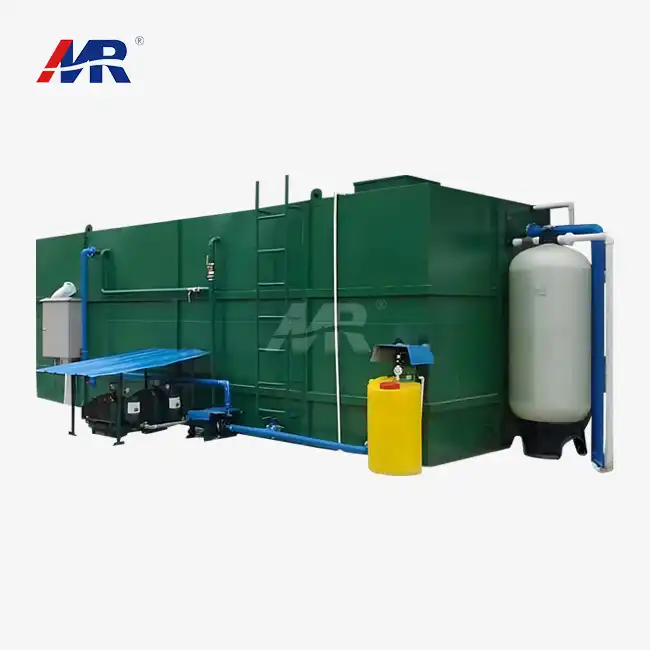
Understanding Biogas Recovery in Wastewater Treatment Plants
Through managed biological processes, biogas recovery turns organic garbage into a useful energy source. At Morui, we've seen how this technology changes the economy of treatment plants for wastewater and helps the earth at the same time.
The Biochemical Foundation of Biogas Production
Biogas is a natural byproduct of anaerobic digestion, which breaks down organic waste without air. This process happens in several steps, including breakdown, acidogenesis, acetogenesis, and methanogenesis. Microorganisms break down organic substances in primary and secondary sludge, mainly methane (CH₄) and carbon dioxide (CO₂). To get the most bacterial activity, the process takes place in covered digesters that are kept at certain temperatures and pH levels.
Types of Treatment Plants Implementing Biogas Recovery
Because they deal with a lot of sludge, municipal treatment plants for wastewater that serve more than 50,000 people usually have biogas recovery systems. Anaerobic digesting is also very helpful for industrial plants that deal with high-strength organic wastewater, like brewers, food and drink factories, and drug factories. Most of the time, these industries use get better biogas yields than city plants because the organic loads that come in are more concentrated. Before going into digesters, the sludge from the first screening and main settling gets thicker, and the biological sludge from the second process adds more organic matter for digestion.
Process Integration and Monitoring
For biogas recovery to work, it needs to be easily combined with the steps of treatment plants for wastewater that are already in place. Sludge from clarifiers is moved to digesters, which can keep it for 15 to 30 days, based on the temperature and the way it's built. Thermophilic systems work at 50–55°C for faster processing, while mesophilic systems work at 35–37°C. To keep things running at their best, real-time tracking keeps an eye on things like gas makeup, pressure, temperature, volatile fatty acids, and alkalinity. Modern supervisory control and data acquisition (SCADA) systems let workers change the rate of feeding and the amount of mixing based on data about how well the system is working.
Evaluating the Efficiency of Biogas Recovery Systems
To get the most energy out of sewer sludge, you need to pay attention to a lot of different factors that affect biogas output and quality in treatment plants for wastewater.
Critical Design Parameters Affecting Performance
The design of the digester has a big effect on how much biogas is produced. Fully mixed digesters with mechanical or gas mixing systems make sure that the food is evenly distributed and the temperature is kept the same, which stops stratification and dead zones. It is important that the organic loading rate—usually 1.5 to 6 kg of volatile solids per cubic meter per day—balances flow with holding time long enough for digestion to finish. Stable temperatures are very important; changes of more than 1-2°C per day can stress methanogenic bacteria and make them produce less gas. The amount of organic matter that is broken down is determined by how long the sludge is retained. Longer retention times usually lead to more complete digestion, but they need bigger vessel sizes.
Common Operational Challenges and Solutions
Biogas recovery systems always have problems with sludge that changes over time in treatment plants for wastewater. The amount of organic matter in wastewater and how well the digester works are both affected by changes in the seasons, changes in industry output, and the infiltration of stormwater. Heavy metals, medicines, and industrial solvents are some of the toxic substances that can stop methanogenic bacteria and crash digester biology. Foaming from too much fat buildup or filamentous bacteria makes it hard to operate and lowers the effective digester volume. To fix these problems, you need strong prior screening, equalization tanks to smooth out changes in the influent, and smart co-digestion with high-energy materials like food waste or fats, oils, and grease.
Maintenance Protocols for Sustained Efficiency
Regular repair keeps biogas systems reliable and stops expensive downtime. Heating systems need to be checked regularly to make sure they keep the digester at the right temperature for biological activity. Pressure release valves, flame arrestors, and vapor traps are some of the gas handling equipment that need to be inspected every three months to keep things safe. Mixing systems need to be checked on a regular basis to make sure they're agitating enough without wearing out too quickly. Digestate removal systems must stay clear of blockages that could make feeding plans go off track. Safety rules cover risks of entering a small area, keeping an eye on an explosive atmosphere, and being exposed to hydrogen sulfide. At Morui, we put a lot of thought into how easy it is to keep treatment plants for wastewater.
Comparing Wastewater Treatment Plant Types for Biogas Recovery
Energy recovery potential varies depending on the type of cleaning technology used in treatment plants for wastewater. This affects both long-term prices and environmental impact.
Chemical vs. biological methods of treatment
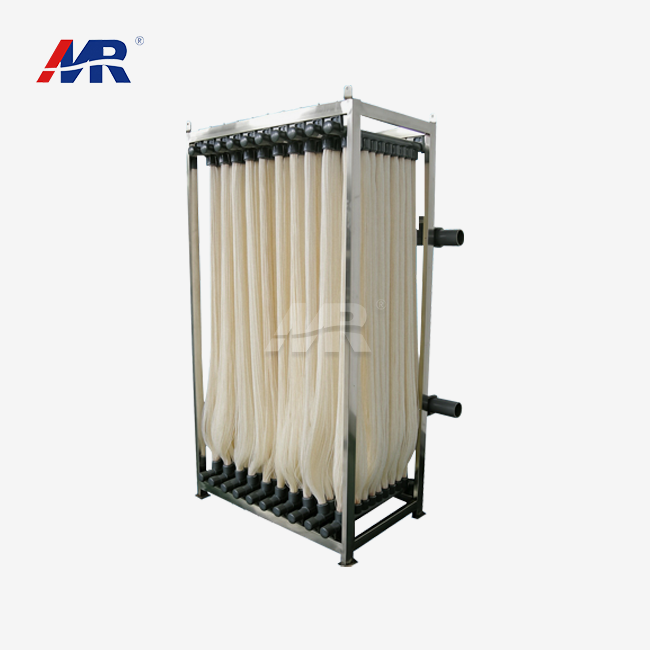
To get rid of toxins, chemical treatment plants use coagulation, flocculation, and precipitation. These methods work well for some tasks, but they make less recyclable sludge and cannot produce a lot of biogas. Biological cleaning methods, especially activated sludge processes, create a lot of organic matter that is perfect for anaerobic digestion. membrane bioreactor (MBR) devices treat wastewater biologically, and ultrafiltration makes concentrated sludge streams and high-quality wastewater. When fully processed, the biological sludge from MBR systems has a lot of organic matter in it, which means it can produce a lot of biogas.
Thoughts on Scale and Modular Solutions
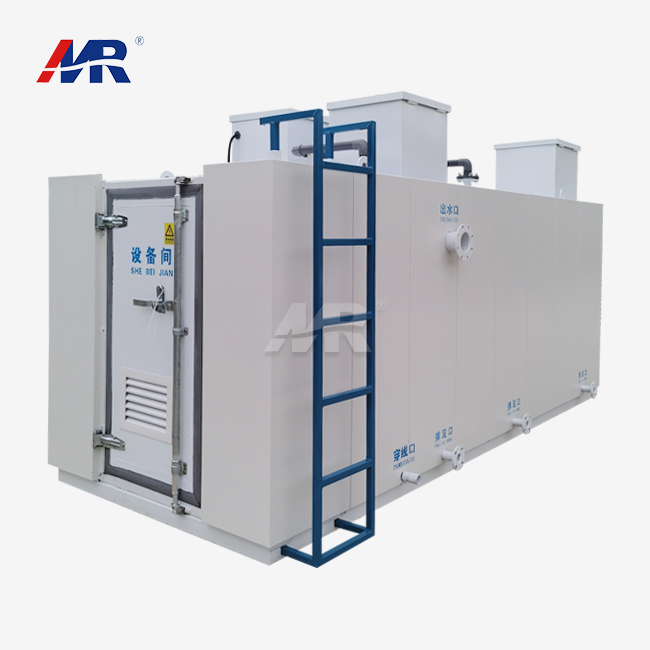
Large centralized treatment plants for wastewater can save money on biogas recovery equipment because of economies of scale. They have to spend a lot of money on advanced digester systems and combined heat and power (CHP) units because they keep making a lot of sludge. More and more small towns and industrial areas are using small, modular package plants that combine organic treatment with a smaller version of anaerobic digestion. These systems use new technologies like upflow anaerobic sludge blanket (UASB) reactors or expanded granular sludge bed (EGSB) digesters that get biogas recovered efficiently while taking up less space. Morui is an expert in both large-scale setups and containerized systems that help facilities recover biogas that couldn't afford to make standard infrastructure investments before.
Emerging Technologies Enhancing Energy Recovery
Biogas outputs at treatment plants for wastewater are higher with advanced anaerobic processing methods than with traditional methods. Temperature-phased anaerobic digestion (TPAD) uses a series of thermophilic and mesophilic steps to break down gaseous solids and reduce the number of pathogens. Co-digestion with outside organic substrates, like food industry waste, farming residues, or energy crops, increases biogas output by adding high-energy feedstocks to wastewater sludge. Through high-temperature and high-pressure processing, thermal hydrolysis breaks down complex organic structures. This makes the material easier to digest and cuts down on the time it needs to be held. With the help of these improvements, biogas outputs at treatment plants for wastewater can be 20–50% higher than with traditional digestion alone.
Environmental and Economic Benefits of Biogas Recovery
Energy recovery as part of wastewater cleaning in treatment plants for wastewater has measured benefits that go far beyond the plant's boundaries.
Climate Impact and Regulatory Compliance
By capturing methane, it is kept from going into the atmosphere, where it has 28 times the global warming potential of carbon dioxide over a 100-year period. When they don't have biogas collection methods, municipal treatment plants for wastewater are major sources of methane. Recovered biogas replaces the use of fossil fuels for heating, power, or vehicle fuel, which can lead to carbon credits under different legal systems. A lot of places give points for low-carbon fuel standards (LCFS) or renewable energy certificates (RECs) that can be used to make extra money. More and more, choices about infrastructure investments are based on the concepts of the circular economy. This makes biogas-enabled facilities environmental leaders.
Operational Cost Reduction Through Energy Offset
Aeration and pumping use a lot of power, making wastewater treatment one of the most energy-intensive public services. Depending on how well the digester works and how the CHP system is set up, biogas recovery can meet 30 to 90% of a plant's energy needs. The heat from burning biogas keeps the digester at the right temperature and heats the building, which cuts down on the need to buy natural gas. Microturbines or rotary engines make electricity, which powers the plant's processes and keeps energy costs stable when utility rates change. Over a 20-year period, energy savings often cover the initial capital investment in biogas infrastructure, giving ratepayers or industry owners a return on their money.
Financial Incentives and Help for Investments
Infrastructure for green energy in treatment plants for wastewater is supported by federal and state programs. The Rural Energy for America Program (REAP) funds from the U.S. Department of Agriculture can help qualified rural utilities pay up to 25% of the costs of a project. State Revolving Funds (SRF) offer low-interest funds for improving wastewater infrastructure, such as biogas systems. Biogas projects can get investment tax credits (ITC) and production tax credits (PTC), which lower the amount of tax that private sector companies have to pay. Power purchase agreements (PPAs) let third parties own biogas systems and fund, build, and run them. The developers then sell energy back to the plant at fixed rates. These methods lower the financial hurdles that have kept biogas from being widely used in the past.
Conclusion
Treatment plants for wastewater with properly designed anaerobic digestion systems can easily recover biogas. This turns the costs of garbage management into assets that can be used to make renewable energy. Success rests on matching the digester technology to the properties of the wastewater, keeping the working conditions at their best, and keeping a close eye on how well they're doing. The environmental benefits of capturing gas and replacing fossil fuels are in line with stricter rules on climate change, and the money saved on energy costs is very appealing. Facilities of all sizes can justify investing in these long-lasting infrastructure changes that improve both environmental responsibility and operational economics as biogas recovery technologies keep getting better and financial rewards grow.
FAQ
1. What volume of biogas can a typical municipal wastewater treatment plant produce?
About 3,000 to 4,000 cubic meters of biogas, which is mostly methane, are made every day by a plant that serves 100,000 people. Through CHP systems, this volume can make 1,200 to 1,600 kWh of power every day, which can meet 25 to 40 percent of the energy needs of treatment plants for wastewater, based on how hard the treatment process is.
2. How long does it take for the biogas line to pay for itself?
Depending on how much energy costs, how much money needs to be spent, and what rewards are available, payback times are usually between 7 and 15 years. Payback times are shorter for plants that get a lot of handouts or tax credits, use a lot of energy, and make a lot of sludge. Costs go down over the life of a project when energy rates go up and carbon prices go up.
3. Can existing wastewater facilities add biogas recovery systems?
A lot of companies that use regular aerobic digesters can add biogas collection to anaerobic digestion systems. If something is possible, it depends on how much room is available, how much current tankage can be converted, and how strong the structure is to support the new equipment. Most of the time, retrofit jobs cost 30 to 50 percent less than new installs.
Partner with Morui for Advanced Wastewater Treatment Solutions with Biogas Recovery
Morui makes complete wastewater cleaning systems that are designed to get the most out of resources and run as efficiently as possible. Biological treatment, membrane technology, and anaerobic digestion are all combined in our integrated method to make treatment plants for wastewater that produce energy rather than just use it. With more than 500 employees, 20 specialized engineers, and 14 branch sites, we offer local help backed by knowledge from around the world.
Our manufacturing skills include making our own membranes and tools, which means that quality control is maintained throughout the whole supply chain. We work with public utilities, industrial makers, and specialized users in the chemical, pharmaceutical, food and beverage, and electronics industries. Morui's design-build-commission services promise performance whether you need a fully finished building or just a few changes to the ones you already have.
We are an experienced company that makes treatment plants for wastewater, so we know that projects need more than just good equipment to be successful. They also need quick expert help and a partnership that lasts the whole project's life. Get in touch with Our Team at benson@guangdongmorui.com to talk about your specific needs, look into your funding options, and learn how biogas recovery can turn your treatment plants for wastewater into long-term energy providers.
References
1. Chen, Y., Cheng, J. J., & Creamer, K. S. (2020). "Anaerobic Digestion for Biogas Production: Process Optimization and Performance Enhancement." Water Environment Research Foundation Technical Report Series.
2. Jenkins, S. R., Morgan, J. M., & Sawyer, C. L. (2018). "Energy Recovery from Municipal Wastewater Treatment: Biogas Production and Utilization Strategies." American Society of Civil Engineers Environmental Engineering Division Publications.
3. Liu, H., Wang, J., & Wang, A. (2021). "Advanced Anaerobic Digestion Technologies for Enhanced Biogas Recovery in Wastewater Treatment Plants." International Water Association Research Monograph.
4. National Renewable Energy Laboratory. (2019). "Biogas Opportunities at Wastewater Treatment Facilities: Technical and Economic Assessment." U.S. Department of Energy Technical Report Series.
5. Tchobanoglous, G., Stensel, H. D., & Burton, F. L. (2022). "Wastewater Engineering: Treatment and Resource Recovery, Sixth Edition." McGraw-Hill Environmental Engineering Series.
6. Water Environment Federation. (2020). "Design of Anaerobic Digestion Systems for Energy Recovery: Manual of Practice No. 8, Fourth Edition." WEF Press Technical Guidelines.