

_1745823981883.webp)

Which Membrane Type Suits Your EDI Water Treatment System Best?
To pick the best membrane for your EDI water treatment system, you need to know how cation exchange membranes, anion exchange membranes, and hybrid membrane designs work together. For your specific feed water composition and purity goals, the right choice strikes a mix between ion selectivity, fouling resistance, chemical compatibility, and running costs. For pharmaceutical uses, high-purity composite membranes that meet USP standards are usually best, while semiconductor factories look for membranes with a resistivity above 18 MΩ·cm. By looking at these factors along with seller support and total cost of ownership, you can be sure that your electrodeionization machine will consistently provide ultrapure water in harsh industrial settings.
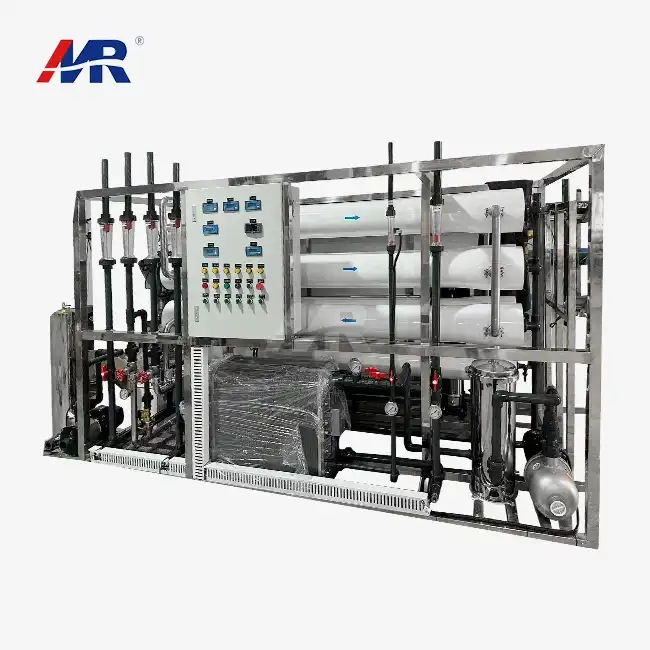
Introduction
Many businesses, from making medicines and semiconductors to making electricity, need ultrapure water, and electrodeionization systems are essential to those needs. The membrane technology built into these systems has a direct effect on the quality of the water, the amount of energy they use, and how long they last. Picking the right membrane type isn't just a technical matter; it's also a strategic investment that affects how efficiently you make things, how well you follow the rules, and how much money you make in the long run.
It can be hard for procurement managers, facility engineers, and people who make decisions to sort through all the different membrane choices while keeping performance needs and price limits in mind. To solve these problems, this complete book explains membrane properties in more detail, compares their usefulness, and gives useful selection criteria based on real-life industrial uses. If you run a biotech lab that needs GMP-compliant cleaned water or a power plant that needs boiler feed water with ppb-level contaminants, knowing the basics of membrane selection will help you make smart buying decisions that will make the most of your water treatment infrastructure.
Understanding EDI Water Treatment Membranes: A Comprehensive Overview
How does electrodeionization technology function?
Ion exchange resins and ion-selective membranes are put together in a direct current electrical field to make electrodeionization work. This design is different from other mixed-bed deionizers because it continuously takes ions from water without regenerating chemicals. Because of the electrical difference, cations move toward the cathode through cation exchange membranes and anions move toward the anode through anion exchange membranes. The resin beads help move and remove the ions. This chemical-free process gets rid of the need to handle dangerous acids and caustics, has less of an effect on the environment, and can run 24 hours a day, seven days a week. These are all huge benefits for businesses that value sustainability and uptime.
This method is very good at polishing reverse osmosis permeate by getting rid of leftover salts, weakly ionized substances like silica and boron, and dissolved gases like CO₂. These days' electrodeionization units can get rid of water with a resistivity higher than 18 MΩ·cm and recovery rates between 90 and 95%. This makes them necessary for situations where even a small amount of ionic pollution could hurt the quality of the product or the integrity of the equipment.
Membrane Categories and Their Distinct Functions
The success of any electrodeionization system depends on three main types of membranes acting together:
- Cation exchange membranes have negatively charged parts that only let positively charged ions pass through and stop negatively charged ions from doing so. These membranes deal with metal cations like calcium, magnesium, sodium, and others. They stop scale from forming and keep the product stream's conductivity low. Their ability to withstand changes in pH and chlorine exposure varies from manufacturer to manufacturer, which affects how long they last in tough feedwater conditions.
- Anion exchange membranes have positively charged spots that let anions pass through but not cations. They get rid of chloride, sulphate, nitrate, and bicarbonate ions, which is a very important part of making ultrapure water. Advanced anion membranes are better at keeping out organic fouling, which is very important in pharmaceutical and food-grade settings where controlling bioburden is important.
- Composite membranes use a lot of different layers or mixed materials to make the best use of both selection and strength. By mixing the best features of homogeneous and heterogeneous membrane structures, these unique designs solve specific problems in the industrial world, like getting rid of a lot of silica in power generation or keeping TOC under control in semiconductor production. Their custom design often comes with higher prices, but it gives them better performance in tough situations.
Critical Performance Indicators for Membrane Evaluation
Several technical factors should be carefully considered when judging the quality and usefulness of a membrane. Ion selectivity is a way to measure how well a membrane can separate specific ions from contaminants, which has a direct effect on the cleanliness of the product water. For high-pressure boiler feed water systems where turbine scaling is a risk to operations, membranes that can remove 95–99% of silica are necessary.
The operating lifespan is based on how durable and chemically resistant the EDI water treatment system is, especially in places where the feed water chemistry changes often. Good membranes can handle pH levels from 2 to 12 and don't break down when chlorine is still present, so they can last up to 5 to 7 years with the right preparation. Fouling resistance qualities reduce the number of upkeep tasks needed and keep performance from dropping. This is especially helpful in situations where there is a risk of bacterial contamination or a change in the amount of organic matter present.
Comparing Membrane Types: Choosing the Right Fit for Your EDI System
Functional Differences Between Ion Exchange Membrane Variants
Figuring out how the different types of membranes work will help you choose the right one for your water treatment problem. Cation membranes are very good at getting rid of hardness ions and stopping scaling, which makes them essential for use in power plants and industrial process water. Their strong construction usually gives them better mechanical stability, but in some feedwater conditions, they may be more likely to get biological fouling.
It's harder for anion membranes to do their jobs when they have to deal with weakly ionized species and dissolved CO₂. If the feed water has a lot of CO₂, it can lower the output resistivity and strain membrane performance. To fix this, the membrane needs to be degassed, or the pH needs to be changed as a prep step. Pharmaceutical facilities that put bioburden control first often ask for anion membranes that are better at sanitization. This includes versions that can be cleaned with hot water and can handle repeated thermal cleaning processes.
Compatibility Considerations with Feed Water Composition
The features of the feed water have a big effect on the choice of barrier and how long it lasts. To keep internal scale and current overload from happening, electrodeionization technology needs water that has been cleaned so that its conductivity is less than 40 µS/cm and its TDS is less than 20 ppm. Because of these strict requirements, reverse osmosis is often needed as the first step in the treatment process. This step gets rid of up to 98% of the dissolved solids and keeps the EDI membranes from failing too soon.
Different factors in water chemistry, such as the amount of silica, organic matter, and dissolved gases, have different effects on membrane function. When power plants clean boiler feed water, they look for membranes that are very good at getting rid of silica, because even very low amounts of silica (less than 10 parts per billion) can damage turbines badly. On the other hand, pharmaceutical operations focus on membranes that keep TOC levels below 500 ppb while supporting the strict cleaning processes needed for cGMP compliance.
Case Application: Membrane Selection for Pharmaceutical Environments
A global drug company recently changed its purified water system to meet new USP standards and make its operations run more smoothly. In their selection process, they looked for membranes that could work without chemicals, wouldn't let chemicals get into the product lines, and would work with hot water sanitization at 80°C.
The facility chose composite membranes in the EDI water treatment system that were specifically made to meet pharmaceutical compliance standards. These membranes have better biofilm resistance and come with paperwork packages that support qualification processes. This option got rid of the need to handle dangerous chemicals that came with standard ion exchange renewal. It also made them less harmful to the environment and allowed them to run continuously, which was needed for production campaigns to go on without interruption. The quality of the product water always had a resistivity above 15 MΩ·cm and a TOC below 300 ppb, which met the requirements of both the USP manual and internal quality standards.
How to Optimize EDI Membrane Performance for Longevity and Efficiency?
Maintenance Protocols and Fouling Prevention Strategies
To increase the working life of a membrane, it needs to be maintained in a way that stops both fouling and natural performance loss. Chemical washes that target specific types of foulants are usually part of routine cleaning processes. For example, acid cleaning gets rid of mineral scale, and alkaline cleaning gets rid of organic and bacterial fouling. The frequency can be anywhere from every three months to once a year, based on the quality of the feed water and the number of hours the machine is running.
Finding early warning signs stops catastrophic failures and expensive repairs that have to be done right away. Gradual rises in electrical resistance that need higher voltage to keep the goal current usually mean that scale is forming or the membrane is getting clogged. If flow rates drop or the quality of the product water gets worse, it means that the membrane is breaking down or the glue is running out. This needs to be looked into right away. Using automated monitoring systems to keep an eye on factors like voltage, current, conductivity, and flow makes it possible to plan repairs ahead of time, before poor performance stops production.
Operational Parameters Affecting Membrane Health
The quality of the feed water is the most important factor that affects how long a membrane lasts. Keeping the TDS below 20 ppm and the free chlorine below 0.1 ppm keeps membranes safe from chemical damage and early breakdown. Systems that have changes in feed conductivity can benefit from managing dissolved CO₂ through membrane degasification. This is because dissolved CO₂ lowers output resistance and puts more electrical stress on membranes.
Electrical working conditions need to be precisely controlled according to the manufacturer's instructions. The operating pressure should stay between 3 and 7 bar so that the flow is evenly spread and membranes are not put under too much mechanical stress. Current density must stay within the design limits to keep the membrane from getting too hot and experiencing pH changes that speed up the breakdown process. Modern systems have automated controls that change electrical factors based on readings of the water quality in real time. This improves performance while keeping the membrane's integrity.The
EDI water treatment system's flow rate control makes sure that membrane stress and production ability are both equal. Running near the highest design flow rates can make removing ions less effective and speed up fouling, while flows that are too low waste electricity and make the system less productive. Manufacturers usually give advice on the best flow rates based on the layout of the modules and the quality of the water they want to treat. This needs to be carefully thought through during system design and operation.
Conclusion
The membrane you choose is one of the most important decisions that affects the performance, prices, and long-term dependability of an electrodeionization system used in a wide range of industries. When you know how cation exchange, anion exchange, and composite membranes work, you can make decisions that are in line with your water quality needs and operating limitations. Pharmaceutical operations need membranes that can support strict cleaning routines and regulatory compliance, while semiconductor operations need membranes with 18.2 MΩ·cm resistance and high ion selectivity. The main focus of power production uses is on removing silica and protecting expensive turbine equipment from damage caused by scale. A full analysis that includes compatibility with feed water, source qualifications, upkeep needs, and total ownership costs makes sure that the best membrane is chosen to support output excellence and operating sustainability throughout the system's lifetime.
FAQ
1. What determines the replacement interval for EDI membranes?
When used correctly and with the right reverse osmosis preparation, a membrane can last between 5 and 7 years. When to replace something relies on how consistent the feed water quality is, how long the system is used, how well it is maintained, and what the application needs. By keeping an eye on key performance indicators like power needs, product water resistivity, and flow rates, you can plan replacements ahead of time, before quality problems stop production.
2. Can electrodeionization systems handle variable feed water quality?
When EDI technology is combined with the right preparation, it can handle small changes in the feed water. Membrane degasification controls the amount of dissolved CO₂ in a product, which improves its resistance in systems that deal with changeable conductivity. Keeping the feed water within certain limits—usually TDS below 20 ppm and conductivity below 40 µS/cm—ensures steady performance even if the source changes.
3. How do EDI membranes differ from reverse osmosis membranes?
Reverse osmosis membranes physically separate dissolved solids by using semi-permeable walls that are pushed by hydraulic pressure. These membranes get rid of 95–98% of the ions and are an important step before edi systems. EDI membranes work by selectively removing ions based on electrical potential. They provide the final cleaning that makes ultrapure water standards that go beyond what RO can do. The tools don't replace each other; instead, they work together in combined treatment trains.
Partner with a Trusted EDI Water Treatment System Manufacturer
Guangdong Morui Environmental Technology specializes in providing complete electrodeionization solutions for process water in the pharmaceutical, electronics, power generation, and industry sectors. Our engineering skills include designing systems, making tools, making membranes, and offering full turnkey installation services with ongoing Technical support. With more than 14 regional branches, 500 skilled workers, and 20 specialized engineers, we combine the ability to manufacture with quick, local service to make sure that your water treatment infrastructure works reliably for as long as it's in use.
Our cutting-edge systems get resistivity levels above 18 MΩ·cm, recovery rates above 95%, and energy use of less than 0.1 kWh/m³. This makes ultrapure water that meets the strictest industry standards. Chemical-free operation, a small flexible design, and setups that can be changed from 1 to 100 m³/h meet the needs of a wide range of facilities, from small labs to large factories that make things. As a well-known EDI water treatment system supplier, we keep a large collection of parts and work with top names like Shimge Water Pumps, Runxin Valves, and Createc Instruments.
Contact our technical team at benson@guangdongmorui.com to talk about your unique water quality needs and get a quote for a system that fits those needs. We offer free assessments of water quality, in-depth technical talks, and clear quotes that help you make confident purchasing choices.
References
1. American Society for Testing and Materials. (2021). "ASTM D5127 - Standard Guide for Ultra-Pure Water Used in the Electronics and Semiconductor Industries." ASTM International, West Conshohocken, PA.
2. Strathmann, H. (2020). "Ion-Exchange Membrane Separation Processes: Membrane Science and Technology Series Volume 9." Elsevier Science, Amsterdam, Netherlands.
3. United States Pharmacopeial Convention. (2022). "USP-NF General Chapter 1231: Water for Pharmaceutical Purposes." United States Pharmacopeia 45-National Formulary 40, Rockville, MD.
4. Ganzi, G.C., Wood, J.H., and Griffin, R.W. (2019). "Electrodeionization: Theory and Practice of Continuous Electrodeionization." Tall Oaks Publishing, Littleton, CO.
5. Alvarado, L. and Chen, A. (2021). "Electrodeionization: Principles, Strategies and Applications in Water Treatment." Industrial & Engineering Chemistry Research, Volume 60, Issue 3, pp. 892-910.
6. International Desalination Association. (2023). "Membrane Technology for Industrial Water Treatment: Best Practices and Performance Standards." IDA Technical Standards and Guidelines, Topsfield, MA.
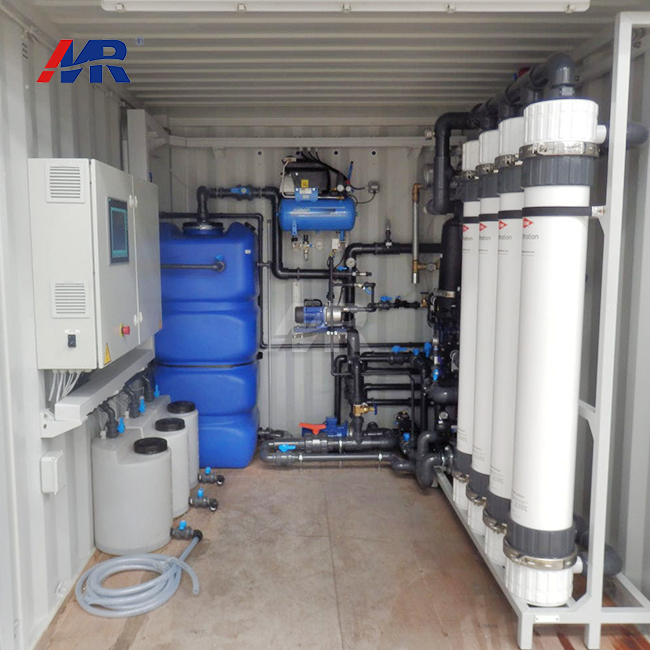 VIEW MOREcontainerized ultrafiltration equipment
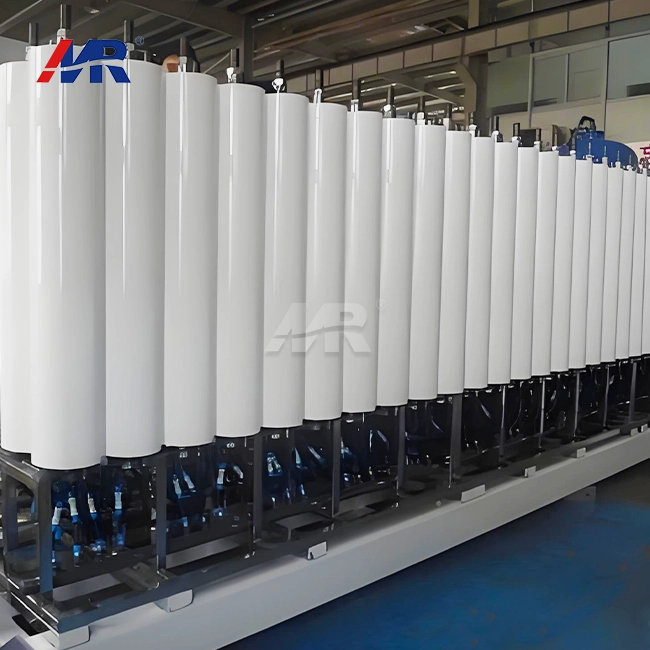 VIEW MORELandfill Leachate Treatment System
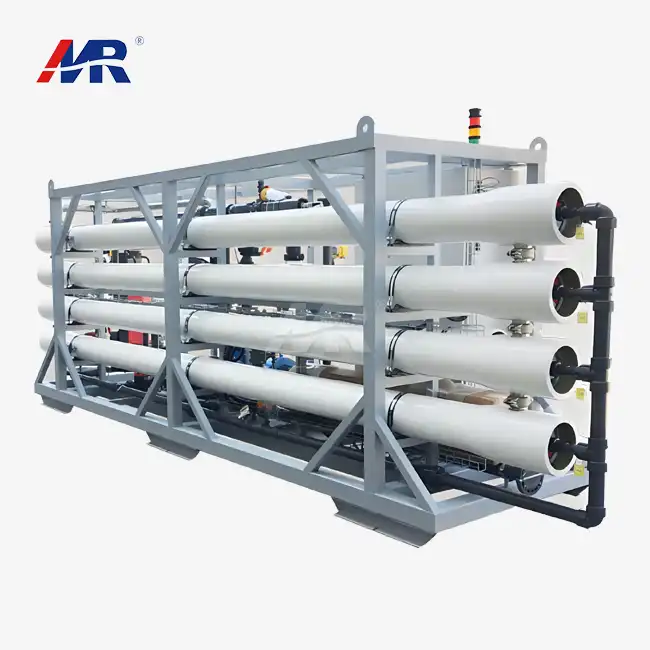 VIEW MORE12m3/hour seawater desalination equipment
 VIEW MORE12m3/hour reverse osmosis BWRO system
 VIEW MOREDTRO Technology
 VIEW MORE20m3/hour seawater desalination equipment
 VIEW MOREreverse osmosis membrane
 VIEW MOREseawater desalination pre-treatment
