_1745823981883.webp)

Does an EDI Water Treatment System Scale Easily for Growth?
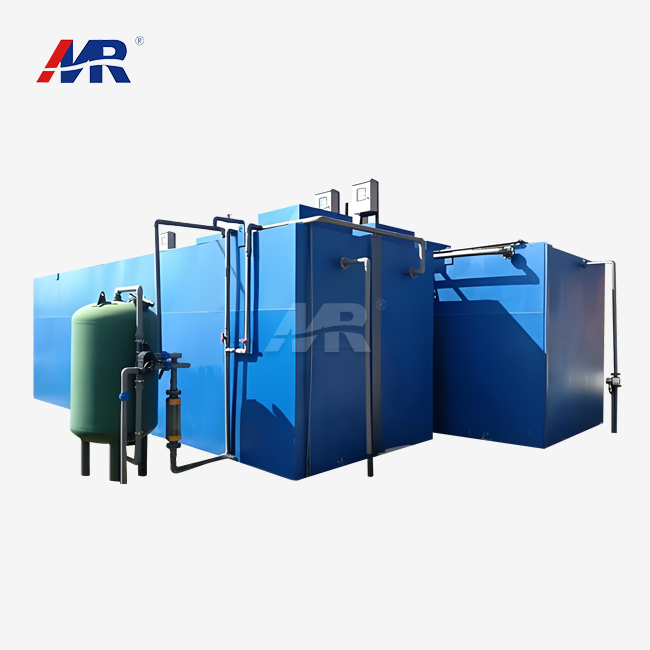
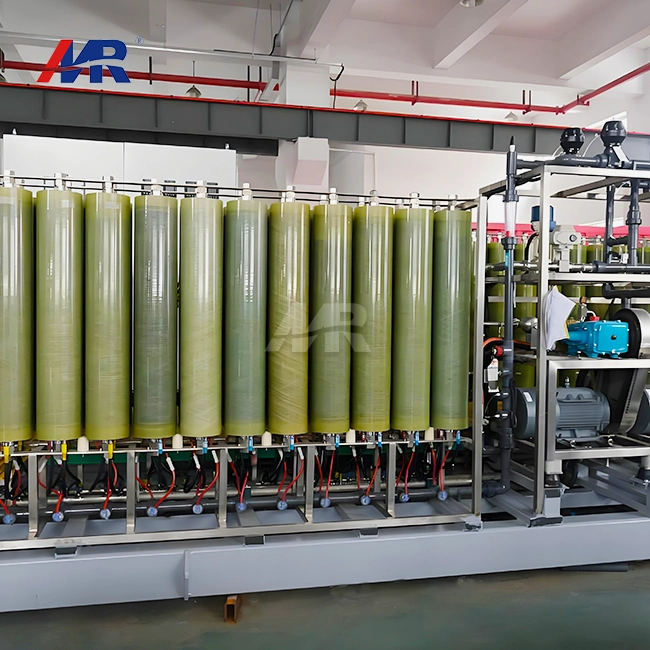
It is very easy for a business to grow with an EDI water treatment system. Electrodeionization technology is based on flexible design principles that let facilities gradually increase their capacity without having to completely rebuild their infrastructure. EDI units can be added in parallel setups to meet rising water demand, while standard ion exchange systems need big footprint expansions. The system keeps the ultra-pure water quality stable, with resistivity values above 18 MΩ·cm, even as production goes from 1 m³/h to 100 m³/h or more. Because it is so flexible, EDI is great for businesses that want to grow, especially those in the pharmaceutical, semiconductor, or power generation industries, where clean water directly affects the quality of Products and the speed of operations.
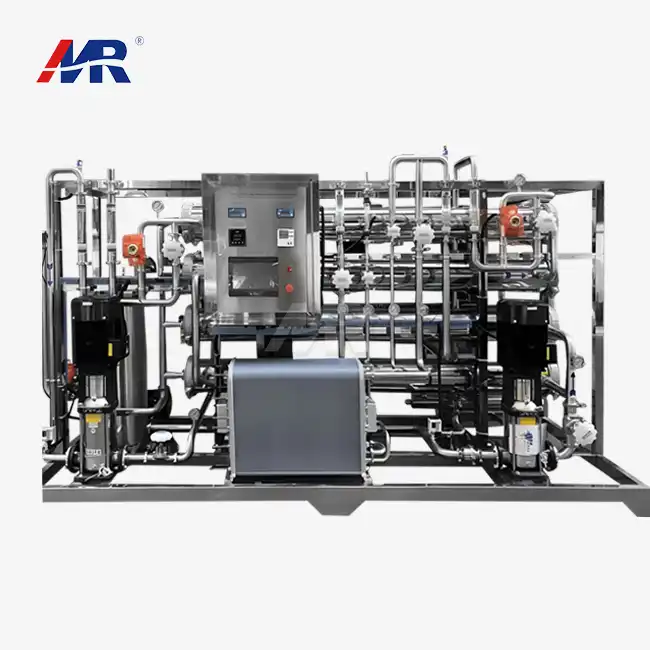
Understanding How EDI Technology Supports Business Expansion?
The Core Architecture Behind EDI Scalability
By using ion exchange resins, ion-selective membranes, and direct current electrical fields together, electrodeionization is a big step forward in water cleaning technology. This combination makes a constant deionization process that gets rid of the need for chemical regeneration. This is a big step forward that directly fixes problems that growth facilities are having with their operations. The flexible design lets different EDI stacks work together or on their own, making it easy to change the capacity. When properly kept with reverse osmosis pretreatment providing feed water below 40 µS/cm conductivity, each module keeps performing as expected, even if multiple units are running at the same time. This freedom from the architecture makes sure that adding capacity doesn't hurt the performance of the current system or require a lot of complicated recalibration.
Performance Consistency During Capacity Increases
One worry that expert decision-makers often have is whether the quality of the water will stay the same as production levels rise. Our large amount of field data shows that when edi systems are set up correctly, the output specs stay amazingly consistent even when the load changes. Ion exchange resins are constantly being renewed by the electrical field. This makes sure that the cleaning efficiency doesn't decrease over time, as it does with other mixed-bed deionizers. When systems are running at 50% capacity, they still have resistivity levels above 18 MΩ·cm, the same as when they are running at full capacity. In fields like semiconductor manufacturing, where even parts-per-trillion contamination can lead to yield drops, this uniformity is very important. The up to 95% recovery rate stays the same across all operating scales. This means that water costs are fixed no matter how much is produced.
Modular Configuration Advantages for Growing Operations
Because electrodeionization technology, edi water treatment system, is modular, it can help companies better manage their capital spending and growth plans. Companies don't have to buy equipment that is too big in order to meet future demand. Instead, they can use systems that are the right size and grow gradually. Adding a module usually doesn't take much downtime, and it's often possible to do it during planned maintenance windows, which keeps production going. EDI technology has a smaller footprint than standard ion exchange systems. This means that even big increases in capacity can often be made in facilities that already have room. This use of space efficiently is especially useful in industrial settings in cities, where the cost of real estate is a big part of the business costs. Financial leaders can make sure that spending on water infrastructure is in line with real revenue growth instead of estimates by spreading out capital investments and keeping managerial flexibility.
Comparing EDI Scalability with Alternative Purification Technologies
EDI Versus Traditional Ion-Exchange Systems
Traditional mixed-bed ion exchange systems have a hard time becoming larger, but EDI technology solves this problem in a beautiful way. Conventional systems need to be regenerated with dangerous acids and caustics on a regular basis. To make these systems bigger, the amount of chemicals that need to be stored, moved, and neutralized needs to grow proportionately. Because regeneration cycles happen in batches, they also make operations more difficult. For example, larger facilities need more than one parallel tank to keep production going all the time, which raises both capital costs and the responsibility of managing operations. Through constant electrochemical renewal, EDI gets rid of all of these worries. What used to be a batch process is now really a 24/7 operation. To double EDI capacity, all you have to do is add more units. To double ion exchange capacity, on the other hand, you need two sets of chemical systems, more safety gear, more waste treatment space, and more complicated schedule rules.
Reverse Osmosis Integration and Scalability Synergies
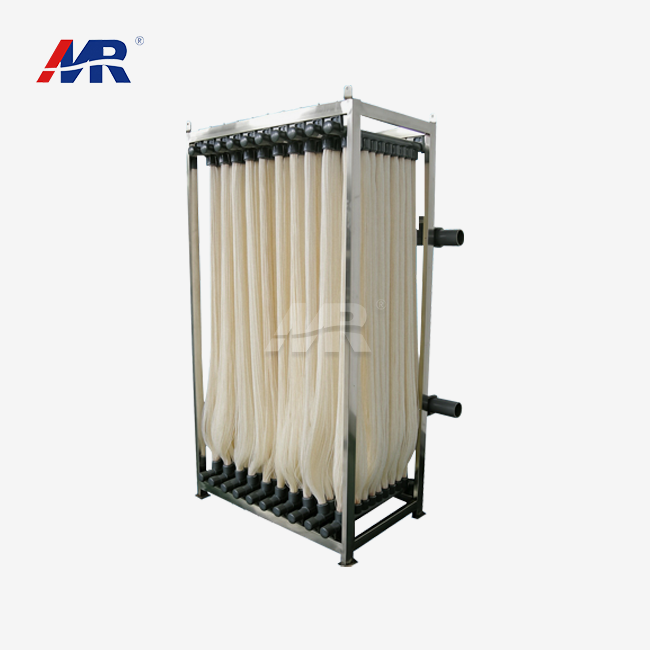
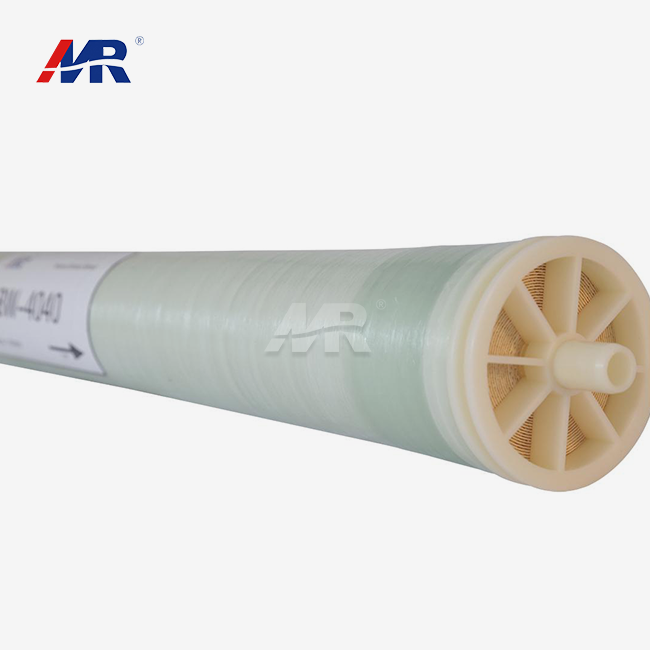
Reverse osmosis technology is often used as a pretreatment for EDI systems. Knowing how their growth features work together helps improve the overall system design. Up to 98% of dissolved solids can be removed by RO systems, which makes it easier for EDI units further downstream to do their job of cleaning. Both systems are pretty good at scaling up when facilities need to, but they do it in slightly different ways. More membrane tubes are usually added to an RO system to make it bigger. This is a simple process that needs more high-pressure pumping power and energy. When EDI growth is done at low pressures (between 3 and 7 bar), each new module uses less than 0.1 kWh/m³, which is a very small amount of energy. This benefit of saving energy becomes more important as the size of the project grows. Many facilities find that they can scale up or down most easily when they keep some extra RO capacity and make sure that the EDI modules are exactly the right size for the current demand. As needs grow, the EDI modules are added. This method reduces the amount of money needed up front while keeping the ability to grow.
Real-World Performance Data from Scaled Installations
A number of recorded installations show that an EDI water treatment system can be used on a large scale in a variety of businesses. A pharmaceutical plant in New Jersey first set up a 10 m³/h EDI machine to make filtered water that met USP standards. Within three years, tripling capacity was needed for drug research to go well. The facility added two more EDI units and finished installing them during a planned two-week maintenance shutdown. It was able to reach its full 30 m³/h capacity without changing any of the building's current systems. Total organic carbon levels stayed below 500 ppb throughout the growth, which meant that regulations were met without any problems with revalidation. In the same way, a Texas plant that makes semiconductors went from 40 m³/h to 120 m³/h over the course of five years, with three different additions. From planning to starting up, each step took less than four weeks. During all of the growth phases, the quality of the product water stayed at the critical 18.2 MΩ·cm level needed for wafer cleaning processes.
Strategic Planning for EDI System Expansion
Accurate Initial Sizing and Growth Forecasting
EDI scalability starts with a well-thought-out system design that thinks ahead about what will be needed in the future without spending too much capability too soon. Technical teams should look at both how much water is being used now and how much it is expected to grow over the next three to five years. This study should take into account rising production, possible new product lines, and changing water quality needs as industrial processes improve. Asking equipment makers for flexible designs with clear paths for growth when working with them sets up infrastructure that can handle growth. During the initial construction, you need to think about the electrical service capacity, the room for extra modules, and the pretreatment system capacity. The most cost-effective way to grow is usually to add a little extra capacity to the RO pretreatment while making sure that the EDI units are exactly the right size for the current demand. This method cuts down on up-front capital costs and makes sure that growth projects don't run into any secret infrastructure problems.
Phased Investment Strategies Aligned with Revenue Growth
Financial leaders like that EDI works with staged investment strategies that make sure that capital is deployed in a way that generates income. EDI systems can start out small and grow over time, unlike technologies that need a big investment up front to reach a minimum practical size. This trait is especially useful for startups and mid-sized businesses whose access to cash changes based on how well they're doing. Phased growth also lowers financial risk because companies can test the water quality standards and system reliability with smaller investments first. Leasing and financing choices from companies that specialize in equipment lending can help smooth out cash flow effects even more. When figuring out the total cost of ownership, financial models should take into account the fact that EDI saves money on environmental compliance costs, chemical handling costs, and upkeep labor. These practical savings often make up for higher initial capital costs because they make running budgets more stable and allow production volumes to grow in a straight line.
Maintenance Protocol Evolution with System Scale
As EDI systems get bigger, the ways they are maintained need to change, too, so they keep working without adding too much work. Small systems might work fine with inspections every three months and module cleaning once a year, but bigger installations with more modules need more advanced tracking and planned maintenance. Modern EDI systems have monitors that measure electrical resistance, pressure differences, and flow rates across each module. This lets the system automatically keep an eye on how well it's working. With this equipment, repair teams can spot problems like membrane fouling or electricity imbalances as they start to form before they have an effect on the water quality. Setting standard performance measures for each section during commissioning makes it possible to make comparisons over time. Gradual rises in the voltage needed to keep the design current usually mean that scaling or fouling is happening, which means that the part needs to be cleaned or replaced. Facilities with more than one module can set up different repair times so that some of the capacity stays open while work is being done. This method keeps production going while spreading out the need for workers more fairly throughout the year.
Integration with Existing Infrastructure
A lot of places that are thinking about using EDI technology (EDI water treatment system) already have reverse osmosis systems or other ways to treat water. Knowing the steps for integration helps keep things running smoothly and reduces the amount of money needed for changes or growth. EDI units link to systems that come after RO systems and receive permeate that already has the low conductivity needed for electrodeionization to work. Because of this setup, adding EDI usually doesn't require major changes to the RO infrastructure that is already in place. The main points of integration are the plumbing, electricity service, and monitoring devices. Facilities should check to see if their current RO systems can meet the needs of EDI feed water, especially keeping TDS below 20 ppm and free chlorine below 0.1 ppm. If the current RO performance isn't up to par, changes like adding more membrane elements or making the preparation process better can bring it up to par. Another way to integrate is to use hybrid setups that combine EDI with cleaning mixed-bed deionizers. These configurations let facilities slowly switch from batch to continuous operation while keeping backups during the learning curve.
Conclusion
When sites are planning for growth or dealing with unclear demand curves, EDI technology is a great way to make things more flexible. Electrodeionization is the best choice for forward-thinking companies because it has a modular design, uniform performance across capacity ranges, minimum footprint growth needs, and easier operating management. EDI systems meet basic business needs while improving technical performance. They do this by removing the need to handle chemicals, allowing continuous operation, and providing known running costs that rise linearly with output. Strategic planning during the initial installation, such as making accurate capacity predictions and preparing the infrastructure, allows for the most freedom in future growth while keeping costs as low as possible. As companies are under more and more pressure to be more environmentally friendly while still running efficiently, EDI's environmental benefits add to its economic benefits, making it an appealing value proposition for a wide range of uses and company sizes.
FAQ
1. How quickly can EDI capacity expand to meet sudden demand increases?
From the choice to go live to full operation, EDI systems usually grow within four to eight weeks. This schedule includes buying the modules, installing them during planned repair windows, connecting the power, integrating the control system, and making sure everything works before starting. Facilities that have a little extra RO preparation capacity can often handle growth without changing the equipment upstream, which speeds up the process. Because the design is modular, new capacity can be added in stages instead of shutting down the whole system all at once. This keeps production going while growth projects are going on.
2. Does maintenance complexity increase proportionally with system size?
Larger EDI setups are easier to maintain with the help of modern monitoring tools. Of course, more modules mean more work needs to be done, but automated performance tracking finds problems before they affect production, and repair plans that are spread out evenly spread out the work that needs to be done. Facilities that go from single modules to multi-module installations usually need about 30–40% more upkeep work. This is because many tasks, like checking the water quality, keeping records, and keeping an eye on the system, are the same for the whole installation, no matter how much it can hold.
3. Can EDI integrate with existing RO systems during expansion?
Yes, EDI units work perfectly with RO systems that are working right. The main requirement is to make sure that the RO extract meets the EDI feed standards, which are conductivity below 40 µS/cm, TDS below 20 ppm, and free chlorine below 0.1 ppm. These conditions are easy for most workplace RO systems to meet. For integration to work, there needs to be plumbing links further downstream, power for EDI units, and interfaces for control systems. Facilities can keep using the water distribution systems they already have because EDI output usually goes into the same storage and distribution systems that RO or cleaning technologies are used to supply water.
Partnering with Morui for Your Scalable EDI Water Treatment System Needs
If you want to grow your business, you shouldn't have to sacrifice water quality or deal with limited facilities. Morui is an expert at creating and applying scalable electrodeionization solutions that are made to fit your needs and growth path. Our unified method combines the production of high-tech EDI water treatment systems with a full range of services, from the original consultation and custom system design to installation, commissioning, and ongoing Technical support. We offer complete solutions backed by deep technical knowledge thanks to our over 500 workers, 20 dedicated engineers, and our own membrane production plants. We have been providing EDI water treatment systems to the pharmaceutical, electronics, power generation, food and beverage, and many other industries for a long time, so we know the problems your field is facing. We work with top component names like Shimge Water Pumps, Runxin Valves, and Createc Instruments to make sure that every system meets the highest quality standards. Our Team is available to help you at any time during the lifecycle of your project, whether you're planning the initial installation or adding to the capacity that's already there. Get in touch with our expert team at benson@guangdongmorui.com to talk about how our scalable EDI solutions can help your business grow while also improving operational efficiency and water quality.
References
1. American Society for Testing and Materials. (2021). Standard Test Method for Electrical Conductivity and Resistivity of a Flowing High Purity Water Sample (ASTM D5127-20). ASTM International.
2. United States Pharmacopeia. (2023). Water for Pharmaceutical Purposes: Purified Water and Water for Injection Quality Standards. USP 46-NF 41.
3. Semiconductor Industry Association. (2022). Ultrapure Water Systems for Semiconductor Manufacturing: Design, Operation, and Scalability Considerations. Technical White Paper Series.
4. International Water Association. (2023). Electrodeionization Technology: Performance Benchmarking and Scalability Assessment in Industrial Applications. IWA Publishing.
5. Journal of Membrane Science. (2022). Advances in Electrodeionization: Module Design, Energy Efficiency, and Long-term Performance in Scaled Installations. Volume 658, Article 120742.
6. Water Environment Federation. (2023). Industrial Water Treatment Technology Comparison: Total Cost of Ownership Analysis for Scalable Purification Systems. Technical Practice Committee Report.