_1745823981883.webp)

Does a Containerized Wastewater Treatment Plant Reduce CAPEX by 30%?
A containerized wastewater treatment plant can save you about 30% on capital costs compared to standard fixed infrastructure. This lower cost comes from methods of factory-prefabrication, shorter building timelines, and less engineering work that needs to be done on-site. Because these modular systems don't require a lot of digging, concrete foundations, or long periods of labor mobilization, they can be fully operational within weeks instead of months. For industrial and municipal clients, this means lower upfront costs and faster project payback periods.
Understanding Containerized Wastewater Treatment Plants
Today's problems with water cleaning need answers that are quick, adaptable, and dependable. A containerized wastewater treatment plant meets these needs by turning fixed infrastructure into something that can be moved around and expanded as needed.
What Defines a Containerized System?
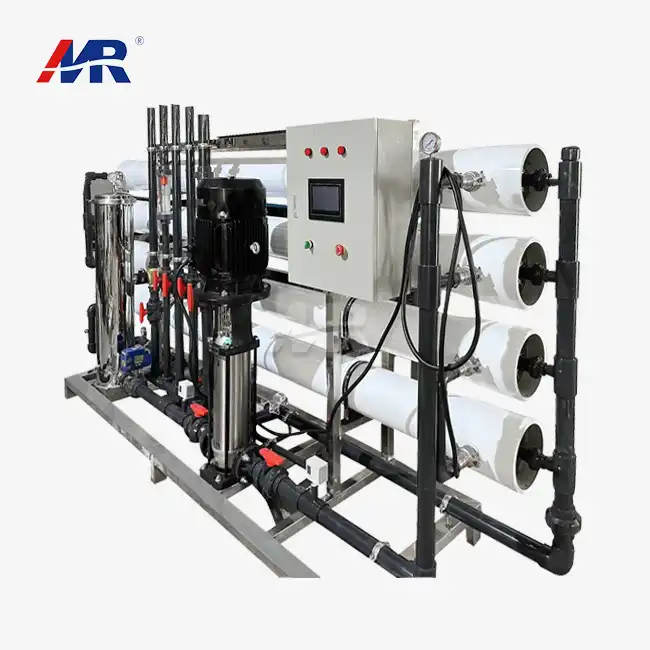
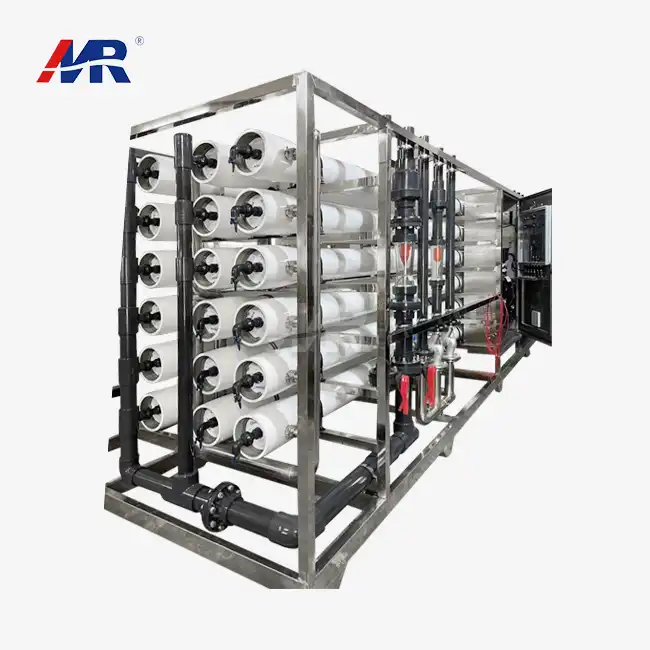
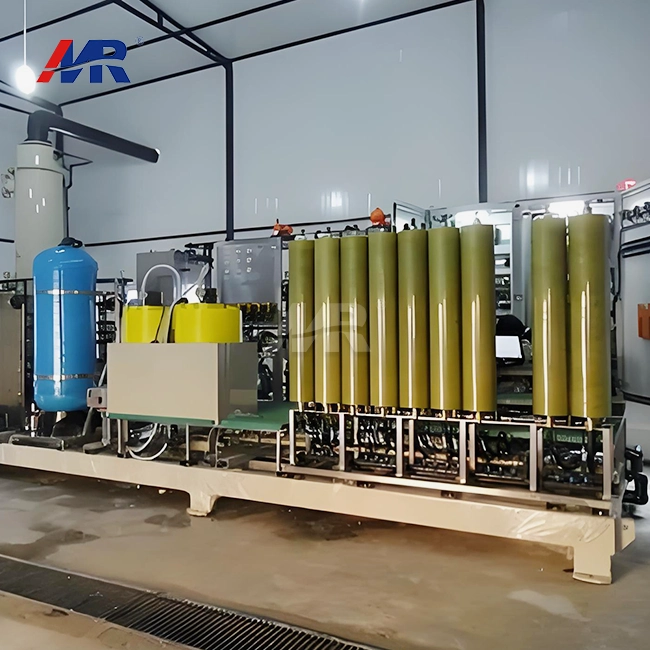
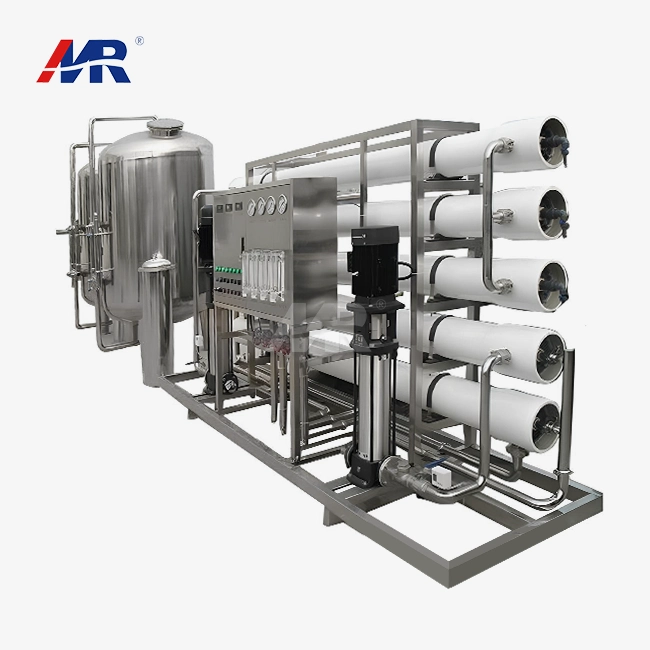
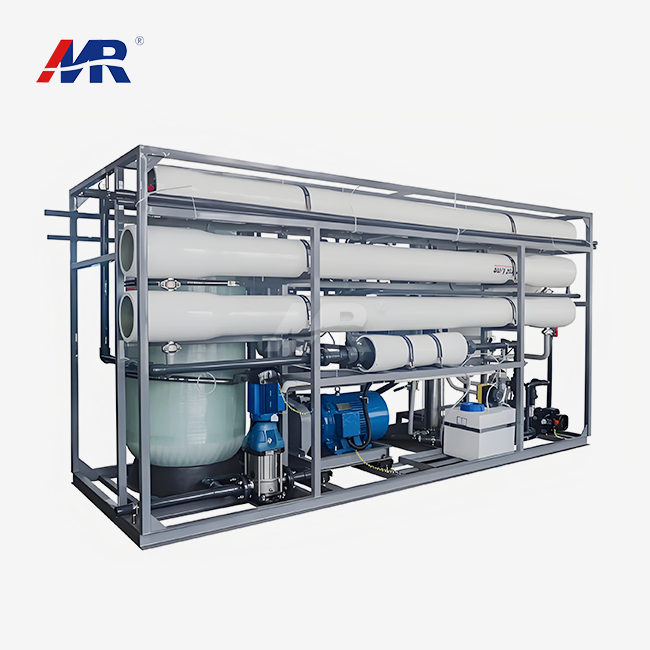
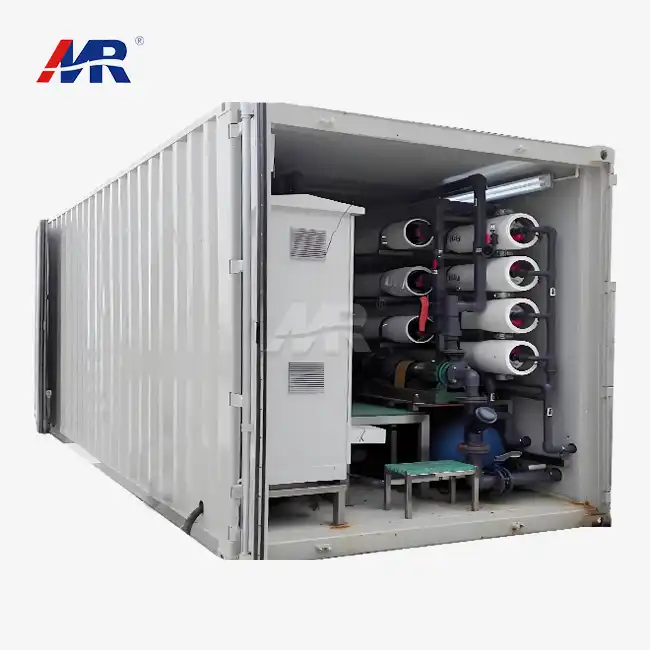
These methods are a big change in how we think about building infrastructure for cleaning water. Instead of making fixed tanks and buildings on-site, engineers put the whole treatment process inside standard ISO shipping containers that are 10ft, 20ft or 40ft long. Each unit is checked at the factory and is ready to connect to power lines right away.
The idea behind the design puts mobility first without losing efficiency. Marine-grade epoxy coats are put on reinforced carbon steel shells to protect mechanical parts from corrosion in harsh settings. For example, membrane Bioreactor (MBR) technology or Moving Bed Biofilm Reactor (MBBR) systems are used inside to handle wastewater streams that range from 10 to 500 m³ per day per unit.
Core Technologies Integrated Within Containers
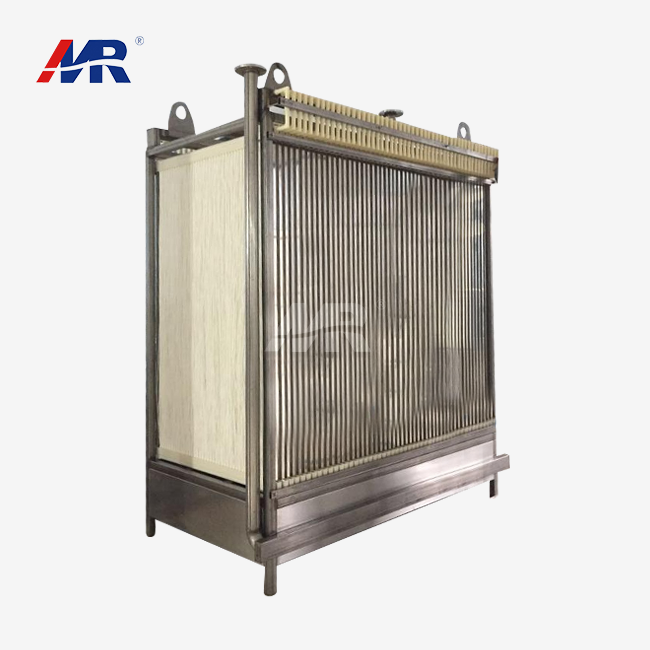
MBR systems use active sludge treatment and membrane filtration to get high-quality wastewater with BOD5 levels below 10mg/L and total suspended solids levels below 5mg/L. In the pharmaceutical industry, food processing, and city settings, this performance meets strict discharge rules. The sealed membrane boxes keep the biomass from escaping and take up 90% less space than regular clarifiers.
Sequencing Batch Reactor (SBR) designs are another tried-and-true method that works especially well in places where the amount of influent changes. Programmable logic controllers (PLCs) with real-time sensor input make the timed fill-react-settle-decant cycle adapt immediately to changes in the load. Variable Frequency Drives (VFDs) on fans and pumps change how much energy they use on the fly, which lowers costs when demand is low.
Operational Differences from Traditional Infrastructure
Traditional wastewater treatment plants need a lot of work to get the site ready, like digging deep holes for underground tanks, building concrete reactors, and putting equipment in shelters. Construction takes 12 to 24 months, and costs keep going up because of things like bad weather, complicated building permits, and finding workers.
Containerized wastewater treatment plant solutions change this way of thinking. A level concrete pad or a floor of compacted dirt is all that is needed to prepare the site. When pre-piped and pre-wired boxes are delivered, they already have lights, HVAC systems, and soundproofing put inside. As part of commissioning, pipes for the inlet and outlet, power, and network lines for distant tracking panels are connected. Between two and four weeks after arrival, the system can be fully active.
Evaluating CAPEX Reduction Through Containerized Solutions
The promise of 30% in CAPEX savings needs to be looked at in light of specific cost factors and real-world execution statistics.
Breaking Down Traditional vs. Modular Capital Costs
Civil engineering work, such as drilling, solid concrete, and buildings, takes up about 40% of the budget for traditional plant construction. Three-fifths of the money goes to buying mechanical and electrical tools, fifteen percent goes to engineering design, and ten percent helps with project management and completion.
Containerized wastewater treatment plant systems cut construction costs by a huge amount, bringing them down to about 10% of the total investment, which only includes foundation blocks and utility lines. Buying equipment, installing it, and checking for quality are all combined into a single manufacturing process called factory construction. This cuts costs by 25–35%. Engineering is standardised around tried-and-true container shapes, which greatly reduces the cost of a unique design.
Documented Case Studies and Financial Evidence
A 2021 rollout at a Nevada mining business saved money that could be seen. For work accommodations, the client needed 200 m³ of treatment capacity per day. According to traditional figures, the job would cost $1.8 million and take 14 months to finish. The chosen containerized wastewater treatment plant option provided the same amount of capacity for $1.25 million and was fully operational in 11 weeks, which saved 30.5% on capital expenditures and sped up the schedule by 70%.
Similar results have been reported from local European projects. Instead of growing its old concrete plant, a German city improved its wastewater treatment system by connecting three 40-foot container units. The total amount of money spent was €890,000, compared to €1.3 million for a normal increase. This saved 31.5% while still meeting EU Water Framework Directive standards.
How Factory Production Drives Cost Efficiency?
Quality control is possible in manufacturing settings but not on building sites. Welding, plumbing, and electrical work are all done under a roof with standard processes and parts being bought in groups. This level of uniformity cuts down on wasted materials, extra work, and skilled labor hours needed per unit.
Economies of scale are made possible by mass production. When a company builds several units that are the same or very similar, they spread the technical costs over a bigger order quantity. When you buy a lot of membranes, fans, and control panels, you can get price breaks that one-off projects can't get. These benefits go straight to the client's budget for purchase.
Timeline Acceleration as Hidden CAPEX Benefit
Financing and potential costs go down when rollout happens faster. A job that is paid for over 18 months at 6% interest costs a lot more than one that is finished in three months. In addition to direct interest savings, earlier income creation or regulatory compliance provides business value that is hard to measure but definitely real.
Shorter timetables are especially helpful in remote areas. Moving building teams, heavy equipment, and supplies to remote areas costs more in transportation. A single container load cuts down on months of planning, transportation, and setting up temporary facilities.
Advantages of Containerized Wastewater Treatment Plants Beyond CAPEX
Savings on initial costs are only one aspect of value. Operational freedom and lifetime economy save money over many years of service.
Modular Scalability Matched to Demand Growth
Infrastructure planning often falls behind the growth of businesses. Traditional plants that are too big for their current needs waste resources handling smaller numbers, while facilities that are too small cause bottlenecks that need expensive emergency updates.
Containerized wastewater treatment plant designs let you add capability in stages. As production rises, a plant with two 100 m³/day units can add a third identical container to keep treatment efficient without adding too much. Each part works on its own, which provides backup during repair periods.
Relocation Capability for Temporary or Evolving Projects
Temporary infrastructure is needed for construction camps, emergency relief activities, and projects that are built in stages. When a project's stages are over, containerized wastewater treatment plant units can be moved to new sites by truck, train, or ship. This ability to reuse keeps the value of assets high instead of throwing away investments that aren't being used.
Over the course of five years, a California agricultural processor moved two containerized wastewater treatment plant units between three seasonal sites. This spread out the initial investment over several harvest rounds. For traditional fixed plants to work, they would have had to be built over and over again at each spot.
Environmental Footprint and Regulatory Advantages
Compact forms use less land, which is important in cities and other places that care about the environment. Enclosed systems keep smells and noise inside protected shells, so they can be installed near residential or business areas without getting complaints about being a bother.
Automated tracking makes sure that regulations are always followed. Cloud-connected SCADA systems keep track of effluent parameters, let workers know when they go outside of the norm, and make compliance reports instantly. This paperwork makes it easier to renew permits and do environmental checks.
Reduced OPEX Through Automation and Maintenance Efficiency
Traditional wastewater treatment plants need to be staffed 24 hours a day, seven days a week, so that they can be watched and adjusted. Modern containerized wastewater treatment plant systems work on their own, with guidance from afar and regular site trips to restock supplies and check on the equipment.
Factory-installed parts make servicing easier to organize. Instead of being made to order, replacement parts are made to fit standard designs. Technicians who are trained on one type of container can service whole lines, which cuts down on the need for specialists and the time it takes for service to arrive.
Comparison: Containerized vs. Traditional and Modular Wastewater Treatment Plants
Systematic comparisons of success and cost are helpful for people making decisions about treatment options.
Treatment Efficiency and Quality Benchmarks
When built correctly, both containerized and traditional plants meet the rules for release. The main thing that sets them apart is their constancy. Factory-tested containerized wastewater treatment plant systems work reliably from the start, while onsite-built facilities need months of starting optimization to hit the design parameters.
The amount of energy used per cubic meter of cleaned space depends more on the type of process than on the placement layout. An MBR system uses the same amount of power whether it is in a building or a container. Integrated automation in containerized wastewater treatment plant units, on the other hand, can save 10–15 percent of energy by using better cycle and VFD motor controls.
Installation Complexity and Lead Time Analysis
Timelines from procurement to running strongly favor containerized wastewater treatment plant solutions. For traditional plants, the steps are planning (three to six months), permitting (two to four months), building (nine to eighteen months), and commissioning (two to three months). The total length of time ranges from 16 to 31 months when conditions are good.
Containerized buying works in the same way. While planning and licensing take place (a total of 4 to 6 months), manufacturing takes place at the same time (8 to 12 weeks). Once the permit is approved, site preparation takes two to three weeks. Installation and completion then take one to two weeks. The whole process takes only 6 to 9 months.
Total Cost of Ownership Over Project Lifecycle
When you do a TCO study, you have to include the costs of upkeep, energy, supplies, and eventually shutting down. Studies that looked at 15-year running periods found that containerized wastewater treatment plant systems kept their 18–22% lower TCO even though they had the same daily operating costs.
This benefit comes from keeping the home's value when it comes time to sell or move. After 10 years, a well-kept container unit still has 40–50% of its original value, while standard infrastructure has almost no recovery value. Permanent buildings often have decommissioning costs that are 15 to 20 percent of the original cost of construction. Removing containers, on the other hand, only requires disconnecting and transporting the containers.
Return on Investment Calculation Framework
When rapid rollout, phased capacity, or short project lengths are needed, ROI metrics favour containerized wastewater treatment plant solutions. With a containerized wastewater treatment plant system, a five-year temporary project can reach breakeven in 2.8 years, while with a standard building, it takes 4.1 years. This means that the total profits are much higher.
There may be a way to close the ROI gap with permanent placements that meet stable, long-term needs. But even 20-year plans can benefit from the freedom of containerized wastewater treatment plant technology because it's easier to update by switching containers than to tear down and rebuild fixed structures.
Conclusion
In conclusion, with containerized wastewater treatment plants, we can cut CAPEX by 30%. This means that we need to change the way we develop, build, and use treatment equipment. Factory construction, quick deployment, and operating freedom all work together to offer strong financial and functional benefits in a wide range of settings, from remote mining camps to manufacturing plants in cities. For some big city projects, standard infrastructure is still useful, but flexible containerized wastewater treatment plant systems are becoming more and more the best option for businesses that want speed, flexibility, and low costs. When people are looking at different treatment options, they should do full TCO analyses that include both instant capital savings and lifetime value. This will help them find the best answer for their business goals and budget.
FAQ
1. What lifespan can I expect from these treatment systems?
If you protect against rust and take care of your container shell, it should last between 20 and 25 years. Pumps, fans, and membranes are examples of internal mechanical parts that can last anywhere from five to ten years, based on how they are used and how well they are maintained. Every seven to ten years, electronic control systems need to be updated because technology changes and parts become useless.
2. Can these units function in extreme temperature environments?
Modern systems can handle temperatures from -40°C to +50°C by using the right insulation and climate control. To keep biological activity going, cold-climate units have space heaters, 50–100 mm of thermal protection, and heat tracking on the pipes. Ventilation systems, reflective surfaces, and cold water loops for temperature-sensitive membrane systems are all used in hot climates.
3. How much operator attention do these systems require?
Fully automated operation with monitoring in the cloud greatly lowers the need for people on-site. Most systems only need to be inspected visually once a week, chemicals need to be refilled once a month, and preventative maintenance needs to be done every three months. The combined PLC system keeps an eye on the treatment processes at all times and sends emails or texts to the right people if parameters start to move outside of acceptable ranges.
Partner with Morui for Proven Containerized Wastewater Treatment Solutions
Guangdong Morui Environmental Technology is a top company that makes containerized wastewater treatment plants. They have a lot of experience with both commercial and local uses. Our engineers create custom modular systems that use MBR, SBR, and hybrid treatment technologies based on the features of your influent and the amount of wastewater you need to release. We offer full support from the first meeting through installation, testing, and ongoing technical service. We have 14 regional branches, 500 committed professionals, and 20 specialized engineers.
Our vertically integrated skills include facilities for making membranes and processing centers for various types of equipment. This lets us keep an eye on quality and keep our prices low. We sell high-quality parts from names like Shimge Water Pumps, Runxin Valves, and Createc Instruments. We make sure that every system has the best parts available. Our dedication to operational excellence, turnkey project delivery, and localised service networks across the United States makes us a great choice for procurement managers looking for trusted containerized wastewater treatment plant providers. You can email our technical team at benson@guangdongmorui.com to talk about your project needs and get a thorough feasibility analysis that shows how our solutions can lower your CAPEX while still meeting or exceeding your performance goals.
References
1. Water Environment Federation (2020). "Modular and Containerized Wastewater Treatment Systems: Design Considerations and Case Studies." Alexandria, VA: WEF Press.
2. American Water Works Association (2019). "Capital Cost Analysis of Conventional versus Modular Water Treatment Infrastructure." Denver, CO: AWWA Publications.
3. National Research Council (2021). "Innovative Wastewater Treatment Technologies for Industrial Applications." Washington, DC: The National Academies Press.
4. European Water Association (2018). "Lifecycle Cost Assessment of Containerized Treatment Systems in Municipal Applications." Bonn, Germany: EWA Technical Reports.
5. International Water Association (2020). "Factory-Built Water Treatment Solutions: Performance Benchmarking and Financial Analysis." London, UK: IWA Publishing.
6. U.S. Environmental Protection Agency (2019). "Emerging Technologies for Wastewater Treatment and Water Reuse: Economic and Performance Evaluation." EPA Publication 832-R-19-003.