_1745823981883.webp)

Is a Containerized Wastewater Treatment Plant Right for Mining Sites?
Heavy metal contamination, suspended solids, and changing release amounts are all problems that mining companies have to deal with all the time when it comes to wastewater. A containerized wastewater treatment plant is a useful way to deal with these problems. These flexible, modular systems come already designed, include cutting-edge treatment technologies like MBR and MBBR, and can be put into use in weeks instead of months. Mining sites are good because they don't take up much space, can be moved to rural areas, and can meet strict environmental standards without having to do a lot of civil work or commit to long-term set infrastructure.
Introduction
Mining sites are tough places to work, which makes managing wastewater more difficult. Strong cleaning methods are needed for complex effluents that are full of suspended solids, dissolved metals, and chemical leftovers. Tough environmental rules all over the world make it impossible to break the rules, and sites that are far away make logistics and operating problems even worse. Effective wastewater treatment helps the environment nearby, makes sure that rules are followed, and keeps mining activities running smoothly.
Recently, containerized wastewater treatment plants have become popular as new, flexible options that are perfect for the needs of the mining industry. Standard ISO shipping crates hold their combined treatment technologies, making them small and easy to move. This plug-and-play style lets you deliver content in a variety of ways, install it quickly, and add more users without having to do a lot of work on the site. Mining companies are relying more and more on these systems to meet their environmental obligations while also reducing costs and maintaining operations throughout different stages of a project.
Understanding Containerized Wastewater Treatment Plants
What Defines a Containerized System?
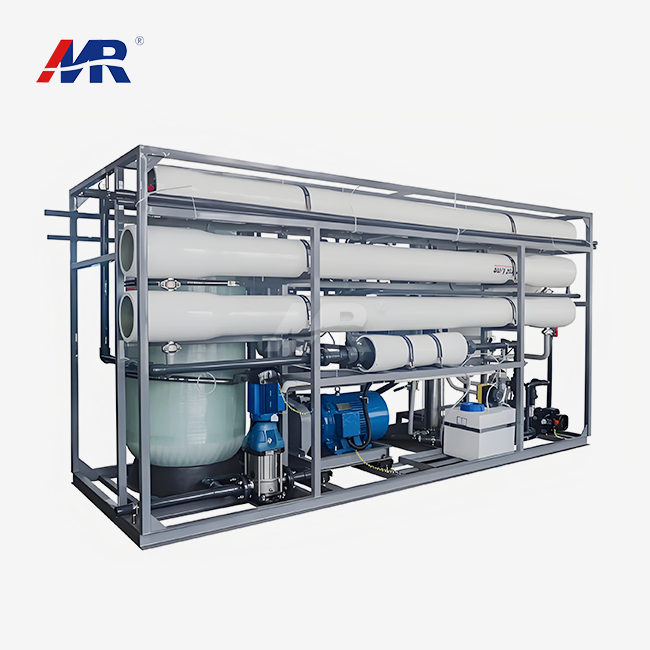
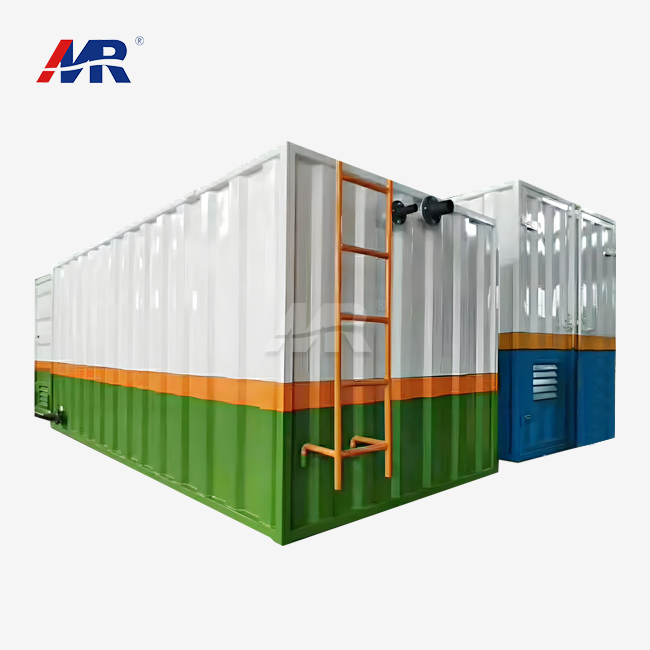
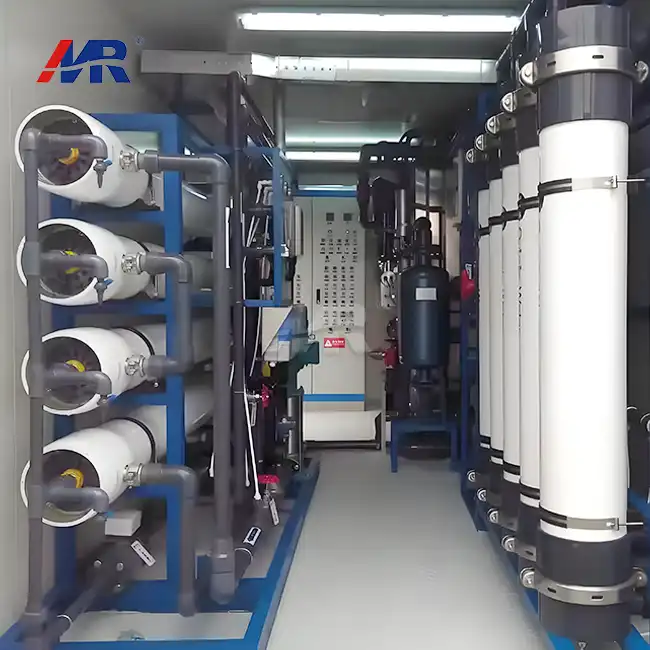
Containerized wastewater treatment plants are flexible treatment units that are built ahead of time and put inside 10ft, 20ft, or 40ft ISO shipping containers. This change in design moves away from fixed civil engineering structures and toward assets that can be moved around and expanded. Each unit is tested in the factory to make sure it is ready to connect to site services like power, water, and sewage when it gets there. All that is needed is a level concrete pad or a base of compacted dirt.
Core Treatment Technologies Integrated
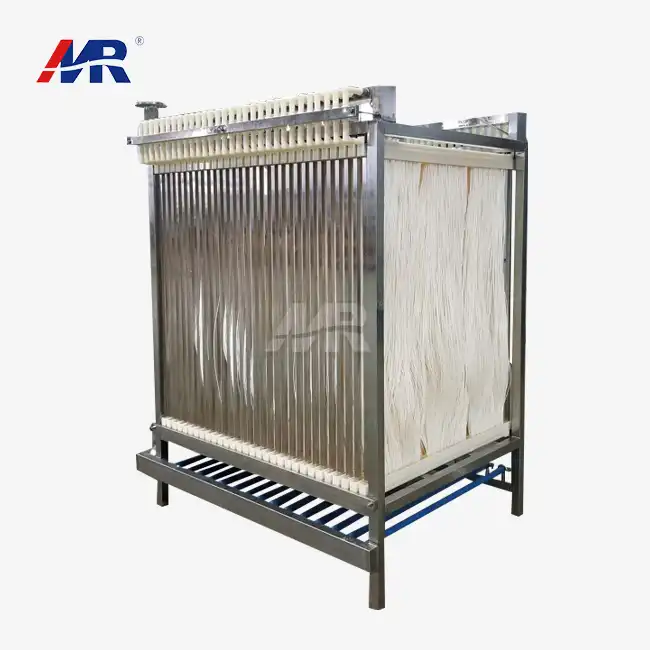
In a small space, these plants treat water using physical, biological, and chemical methods. The wastewater from membrane bioreactors has a BOD5 level below 10 mg/L and a TSS level below 5 mg/L, which means it can be safely reused or dumped into the environment. Moving bed biofilm reactors are strong biological treatment systems that work well even when the load changes. Sequencing batch reactors are flexible for batch processing, which is common in mining camps. PLC-based SCADA systems allow for automated operation and cloud-based online tracking, which means that staffing levels on-site don't have to be maintained all the time.
Scalable Configurations for Mining Demands
Modularity lets setups be changed to fit the amount of garbage and treatment needs. Each unit can process between 10 and 500 m³ per day, and several bins can be linked together to handle bigger jobs. Mining projects often grow in stages. As throughput rises, containerized systems can change by adding more units. This ability to grow saves the initial investment in cash while allowing for long-term growth without the need for extra infrastructure.
Why Mining Sites Benefit from Containerized Wastewater Treatment Plants?
Addressing Remote Location Challenges
Mining wastewater treatment has its own problems, like different extraction methods causing different effluent quality, being in a remote area that makes it hard to find skilled workers, and limited room in busy mining zones. Compact modular designs can fit in small areas and are easy to set up with little planning needed on-site. Self-contained systems that only need basic utility links are useful for places that don't have fixed infrastructure. Mobility helps with phased project growth or site moves that happen a lot in mining operations.
Figuring out the useful benefits of these systems helps people make choices about whether or not they are right for certain mining situations. Here are the main benefits that containerized wastewater treatment plants bring to mine sites:
- Rapid Deployment: Compared to standard plants, factory-assembled units cut the time needed to build on-site by 90%, allowing compliance within weeks of delivery. Civil works needs drop by a huge amount, which means that months of base work and building assembly are no longer needed.
- Environmental Protection: Modern treatment methods use less energy by using variable frequency drives that change the processing strength based on data from sensors that are constantly being updated. Reusing water cuts down on the amount of freshwater that needs to be extracted, which is good for the environment and lowers the costs of getting water.
- Regulatory Compliance: Certified effluent quality meets strict global release standards. This helps mines escape fines and damage to their image. Automated tracking keeps records of ongoing compliance, which makes checks and reporting easier.
- Operational Flexibility: Portability makes mine life cycles possible, from exploring camps to full production and then shut down. As mining areas change, units move to new locations to protect capital investments made in more than one project.
These benefits directly address the practical issues that mining companies face every day. They turn wastewater management from a legal burden into a strategic asset that helps the company grow in the long term.
Comparing Containerized Wastewater Treatment Plants to Other Solutions
Advantages Over Traditional Fixed Infrastructure
Traditional treatment plants need a lot of civil engineering work, fixed supports, and a long lead time—often 12 to 18 months from the time they are designed to the time they are operational. Containerized wastewater treatment plants come already built and can be put into use in two to four weeks. When mining is over, traditional infrastructure assets become "stranded assets," while containerized units are moved to new projects. The 90% smaller footprint on-site compared to traditional plants saves useful room for mining operations.
Differences from Standard Packaged Treatment Plants
Packaged plants can be moved around, but they aren't as portable as ISO containers, which protect the structure better and make transporting them easier. Extreme weather can't hurt containerized units because they are made of strengthened carbon steel shells with a C5-M marine-grade epoxy finish or stainless steel. Mining areas often have very cold winters and very hot summers. To keep things cool, 50–100 mm of thermal insulation and built-in temperature control are needed. These features come as standard on high-quality containerized designs but aren't always included on basic packed systems.
Operational Efficiency and Maintenance Requirements
Studies that look at business effectiveness show that containerized systems cut down on downtime by using redundant parts and automatic problem detection. Because the hydraulic design has been improved and the equipment has flexible speeds, it still uses 20 to 30 percent less energy than older treatment methods. Long-term maintenance needs are better met by service places that are easy to get to inside containers and online diagnostic tools that cut down on the need for specialized technicians to visit faraway sites.
Key Considerations for Selecting a Containerized Wastewater Treatment Plant for Mining Sites
Assessing Wastewater Characteristics and Volume
To choose the right containerized wastewater treatment plant, you need to carefully look at the amount of garbage, the pollutants it contains, and how it changes with the seasons. Mining effluents are very different. For example, process water from washing minerals is very different from sewage from worker camps. The best cleaning method for a given situation depends on the amount of heavy metals present, the pH level, and the amount of suspended solids. With accurate flow measurement data, you can be sure that the right size is chosen, so you don't have problems with undercapacity during peak activities or waste money on capital equipment that is too big.
Matching Technology to Treatment Requirements
Choice of treatment equipment has a direct effect on how well people do and how well they follow the treatment plan. Membrane systems are great at making high-quality wastewater that can be used again, which cuts down on the need for freshwater. Chemical precipitation is a good way to get rid of heavy metals, but it makes sludge that needs to be thrown away. Biological therapy methods are cost-effective for adding organic matter, but they need stable conditions to work. In order to fully deal with the complex properties of wastewater, mining projects often use a number of different technologies.
Evaluating Total Cost of Ownership
Cost factors include buying the tools, figuring out how to send it to a remote location, and how hard it is to set up. Heavy haulage may be needed to get to remote mine sites, and the difficulty of installation depends on how the site needs to be prepared and what utilities are available. To get the best total cost of ownership, long-term operating costs like power use, chemical dosing, membrane replacement, and regular upkeep should be planned for in the budget. Systems that cost more to buy at first usually have lower running costs because they use less energy and last longer because their parts last longer.
Supplier Selection and After-Sales Support
For system dependability, it's important to choose providers of containerized wastewater treatment plants with verified Certifications, proven experience in the mining business, and strong after-sales support. Certifications for equipment show that it meets international standards, and references from the mining business show that it has worked well in similar situations. Responding quickly to after-sales support requests becomes very important in rural areas where downtime costs a lot. Throughout the lifecycle of the plant, operating risks are reduced by suppliers who offer remote tracking, preventive maintenance programs, and regional spare parts supply.
Environmental and Regulatory Impact of Containerized Wastewater Treatment on Mining Sites
Meeting Stringent Discharge Standards
Mining companies must follow strict rules about the climate and waste discharge that are applied all over the world. Heavy metals, dissolved solids, pH levels, and other toxins are limited by rules that are different in each area. Advanced technologies are used by containerized wastewater treatment plants to make sure that the quality of their wastewater always meets or exceeds these standards. Automated tracking systems give real-time information on compliance, creating audit trails that make regulatory reporting easier and show stakeholders that environmental care is being taken.
Reducing Environmental Footprint
In addition to following the rules, these systems also have a small effect on the environment because they process things efficiently and can recover water. Using VFDs and better hydraulic systems in energy-efficient designs lowers the carbon footprint compared to older cleaning methods. When you reuse water for things like cleaning equipment, reducing dust, or other processes, you're not taking as much freshwater from local water sources, which is very important in places where there isn't a lot of water, like where many mining operations are located.
Supporting Long-Term Sustainability Goals
Designs that are flexible and scalable help ensure long-term survival as mining operations change containerized wastewater treatment plants. Expandable designs allow for higher production levels without having to replace whole systems. This protects capital investments while meeting the needs of growing treatment demands. Mining businesses that can adapt to changing regulatory environments will be able to meet expected stricter standards without having to make big changes to their facilities. This future-proofing feature is useful for mines that last for a long time, usually decades.
Conclusion
For mining operations, wastewater disposal options that meet regulations, allow for operating freedom, and are cost-effective are all important. These benefits are provided by containerized wastewater treatment plants because they are flexible, use modern treatment technologies, and can be set up quickly. Their small size makes them ideal for mining areas with limited room, and their portability makes them useful for all stages of a project, from discovery to decommissioning. Reliability in tough environments where standard infrastructure doesn't work is shown by past results in remote areas. When mining companies look at their choices for dealing with wastewater, they find that containerized treatment plants work well for their specific needs and help them meet their long-term economic and environmental goals.
FAQ
1. What is the typical lifespan of a containerized wastewater treatment plant?
The structure containerized wastewater treatment plant shell is made of coated steel that is strengthened and lasts for more than 20 years with proper care. Mechanical and electrical parts usually work well for 5 to 10 years before they need to be replaced. Regular maintenance makes tools last longer, and modular design lets you change parts without having to replace whole systems.
2. Can containerized systems operate in extremely cold climates?
In the north, mining sites are often below zero, which makes biological cleaning methods harder to do. To keep living things alive in the winter, good containerized units have 50–100 mm of thermal insulation and space heaters or heat tracing built right in. Temperature sensors make climate control systems turn on automatically, making sure that treatment works the same way all year.
3. How much onsite preparation is required for installation?
Containerized systems are different from standard infrastructure because they require less site setup. A flat concrete pad or a base of compacted dirt that is a little bigger than the container's size will do. The only other things that are needed are utility hookups for the sewer input, the treated effluent exit, and the electricity. It only takes days instead of months to connect systems that are already piped and wired.
4. Is continuous onsite operator presence necessary?
When combined PLC systems automate operations, there is no need for staff to be on site 24 hours a day, seven days a week. With cloud-based remote tracking, workers can keep an eye on performance, get alerts, and change settings all from the main office. Compared to traditional treatment plants, only regular visits are needed to add chemicals, check equipment, and do normal upkeep. This saves a lot of money on labor costs.
Partner with Morui for Your Mining Wastewater Solutions
In mining activities, treatment systems need to be dependable and built to work in tough environments and be set up quickly. Morui is an expert at making modular treatment options that are tailored to the specific needs of mining areas that are far away. Our containerized wastewater treatment plant systems use tried-and-true technologies like MBR, MBBR, and advanced oxidation processes. They are built on strong ISO container frames that are made for harsh settings. Our Team of more than 500 workers, including 20 specialized engineers, has a lot of experience with the properties and rules of mine wastewater.
As a well-known company that makes containerized wastewater treatment plants, Morui offers full turnkey services, from the original inspection to installation, commissioning, and ongoing support. Our 14 offices in different regions make sure that we can provide quick service after the sale, and our membrane production center and machine processing skills make sure that quality is controlled throughout the whole manufacturing process. We work with solid names like Shimge Water Pumps, Runxin Valves, and Createc Instruments to put together systems with the best parts. Email benson@guangdongmorui.com to talk about the needs of your unique mining site and get a thorough technical plan that fits your operational needs and environmental goals.
References
1. Smith, J.R., and Chen, L. (2022). "Modular Wastewater Treatment Technologies for Remote Mining Operations." Journal of Environmental Engineering and Mining Science, 48(3), 234-251.
2. International Council on Mining and Metals (2021). "Water Management in Mining: Best Practice Guidelines for Treatment and Reuse." ICMM Industry Report, London.
3. Anderson, K.M. (2023). "Comparative Analysis of Containerized versus Traditional Treatment Infrastructure in Extractive Industries." Water Resources Management Quarterly, 15(2), 89-107.
4. Global Mining Standards Committee (2022). "Environmental Compliance Framework for Mining Wastewater Discharge." Technical Standards Publication GMT-2022-08.
5. Rodriguez, M., and Patel, S. (2021). "Life Cycle Cost Analysis of Mobile Treatment Systems in Mining Applications." Mining Engineering and Technology Review, 34(4), 412-428.
6. Environmental Protection Agency (2023). "Effluent Guidelines and Standards for the Mining Industry: Technical Development Document." EPA Office of Water, Washington D.C.