

_1745823981883.webp)

Can Leachate Water Treatment Handle Landfill Age Variations?
Leachate water treatment systems can handle the changes in makeup that happen as sites age. These days, leachate water treatment methods use adaptable, multistage processes that combine biological, chemical, and improved membrane separation techniques. These systems change how they work based on how the pollutants in the leachate change over time. For example, high-biodegradable organics are found in young leachate, while ammonia and humic substances are found in older leachate. This flexibility makes sure that release rules are always followed, the environment is protected, and operations are always reliable, no matter what stage of the landfill's existence it is in.
Understanding How Landfill Age Affects Leachate Composition
The properties of landfill leachate change a lot over the course of a dumping site's life. Understanding these changes helps site managers and technical decision-makers choose the right leachate water treatment equipment that will work reliably for decades.
Fresh Leachate From Young Landfills
During their first five years of use, new dumps usually make what we call "fresh" leachate. Chemical Oxygen Demand (COD) values between 30,000 and 60,000 mg/L and Biochemical Oxygen Demand (BOD) values above 15,000 mg/L show that this wastewater has very high amounts of organic matter that breaks down quickly. The BOD/COD level is usually above 0.4, which means that the water is biologically treatable. The organic fraction is mostly made up of volatile fatty acids, along with large amounts of floating solids and low levels of ammonia nitrogen (500–1,500 mg/L).
Intermediate and Stabilized Leachate
Between five and ten years, dumps move into a middle phase where the leachate's properties get more complicated. As the amount of chemicals that break down easily decreases, the BOD/COD ratio slowly falls below 0.3. Because proteins break down and nitrogen is released, ammonia nitrogen levels rise a lot, often hitting 2,000 to 5,000 mg/L. As humic and fulvic acids build up, they give the soil a dark color and help make the organic matter more resistant to normal biological breakdown.
Aged Leachate Characteristics
When a dump is older than ten years, it makes leachate that is highly stable and has a very different makeup. The COD amount may drop to 2,000 to 10,000 mg/L, but most of the organic matter that is still there is not soluble. The ammonia nitrogen level stays high while the BOD/COD ratio drops below 0.1. This means that biological leachate water treatment alone is not enough. Mineral breakdown raises the percentage of salts, which raises the total dissolved solids (TDS) and makes osmotic problems for membrane processes even worse. Heavy metals that were moved by acidic conditions in earlier stages may stay in high amounts and need special methods to be removed.
Challenges in Treating Leachate From Different Landfill Ages
The different stages of maturity of landfill leachate create unique operating problems that affect the choice of technology, the efficiency of treatment, and the ways that public facilities and waste management companies can follow the rules.
Biological Treatment Limitations
Fresh leachate works well with both anaerobic and aerobic biological processes because it has a lot of organic matter and the right amounts of nutrients. Anaerobic digestion is a good way to get rid of COD and make biogas for energy recovery. The aerobic process polishes the sewage to get rid of more organic matter. However, as landfills age, their biodegradability decreases, making biological leachate water treatment much less efficient. Refractory organics are hard for microbes to break down, and high levels of ammonia can stop biological activity or require long rounds of nitrification and denitrification, which need careful process control and longer hydraulic retention times.
Membrane Fouling and Scaling Risks
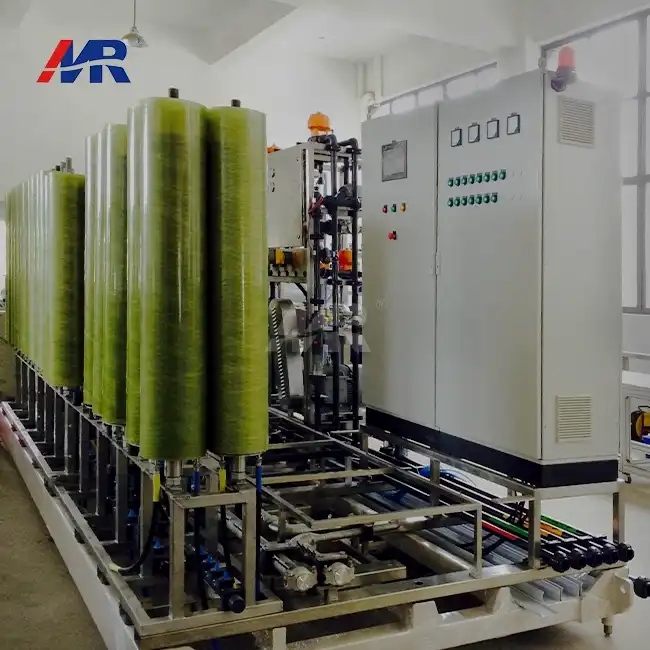
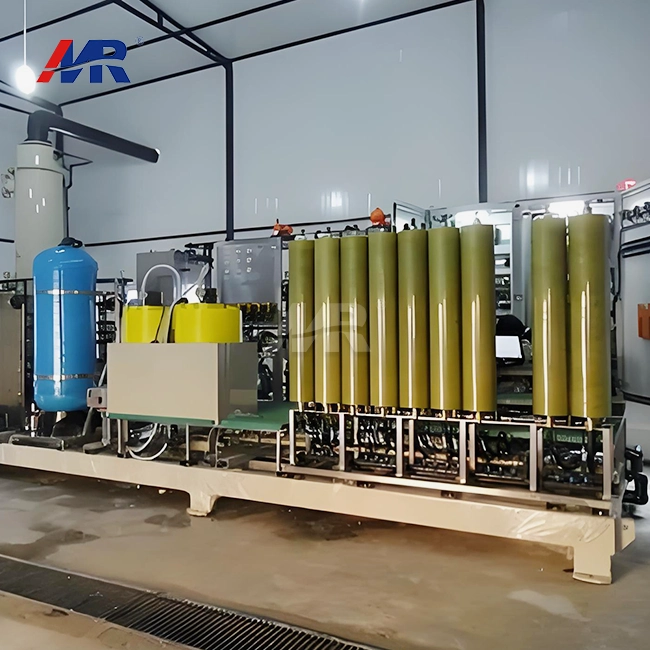
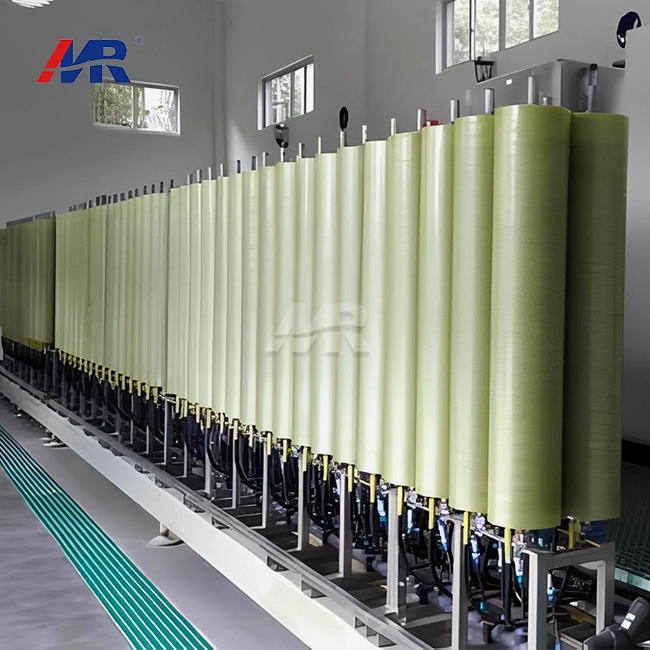
Nanofiltration (NF) and reverse osmosis (RO) are two new membrane technologies that are better at getting rid of dissolved salts, ammonia, and stubborn organics, which are all needed to treat old leachate. Still, humic substances, liquid particles, and cellular growth can make leachate water treatment systems foul up more quickly. High TDS and hardness in mature leachate make scaling more likely, which shortens the membrane's life and makes it necessary to clean it with chemicals more often. The Disc Tube Reverse Osmosis (DTRO) technology has better fouling resistance thanks to its turbulent flow patterns. This makes it perfect for high-salinity, high-organic leachate uses that are common in dumps for solid waste.
Regulatory Compliance Complexity
In controlled markets, standards like GB 16889-2008 and EPA rules set strict limits on COD, total nitrogen, ammonia nitrogen, and heavy metals. Young leachate usually conforms by biological treatment alone or with only a little cleaning. To meet strict standards, aged leachate needs multi-barrier methods that include physical-chemical preparation, advanced oxidation processes (AOPs), and membrane separation. Facilities that handle leachate from landfills of different ages need to be able to adapt their operations to seasonal changes, the effects of weather on dilution, and changes in makeup without putting permit conditions or environmental safety at risk.
Evaluating the Effectiveness of Leachate Treatment Methods Over Time
Before you can choose the best treatment setup, you need to know how different technologies work with different types of leachate as the waste ages. A full review looks at how well the process works, how stable it is, how much energy it uses, and how much it costs over its whole life.
Biological Treatment Systems
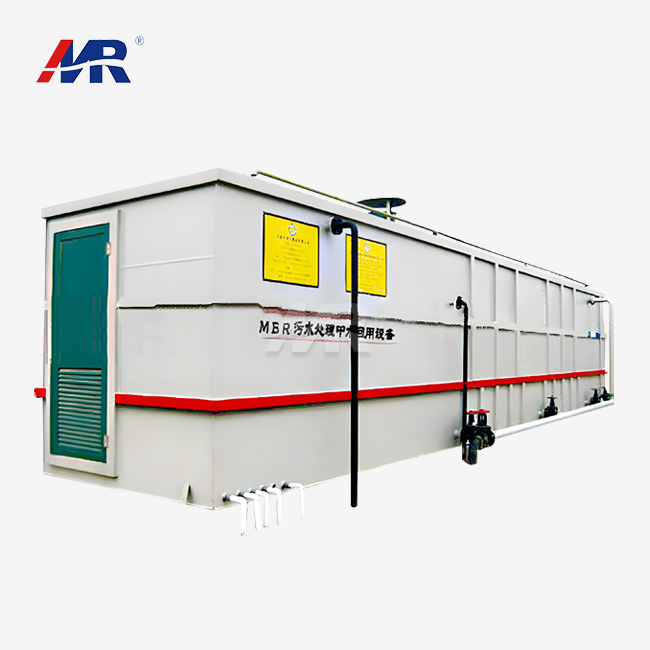
Anaerobic processes work best in the early stages of waste because they can lower the COD by more than 70% while also producing methane to use as energy. Sequential Batch Reactors (SBR) and Moving Bed Biofilm Reactors (MBBR) can handle the changing loads that come with leachate water treatment, which is still young. Aerobic systems polish wastewater even more by removing organic matter and making nitrification easier. As leachate gets older, biological systems need extra carbon sources to help with denitrification and longer contact times to deal with organics that don't dissolve easily. The Membrane Bioreactor (MBR) technology blends biological treatment with ultrafiltration. It provides clearer effluent and a smaller footprint, making it ideal for sites with limited room.
Chemical and Physical Pretreatment
Chemical coagulation and flocculation get rid of colloidal matter, floating solids, and some organic molecules. This keeps membranes further downstream from getting clogged. Color molecules and low-molecular-weight organics are what activated carbon adsorption goes after. Ozone, hydrogen peroxide, or Fenton's reagent are used in advanced oxidation processes to break down organics that are hard to break down into more harmless stages. Chemical precipitation gets rid of heavy metals and softens things up, which lowers the risk of membrane scaling. These steps before treatment become more important as the leachate ages and the biological resistance grows.
Membrane and Hybrid Technologies
Reverse osmosis and nanofiltration are the most important methods for cleaning old leachate because they can get rid of more than 95% of the ammonia, dissolved salts, and persistent organics. When pressures are high, DTRO systems work well, and they can handle streams with a lot of fouling by using rapid flow dynamics. When you combine MBR with RO or NF, you get a combination treatment train that works on both biodegradable and non-biodegradable parts. Zero Liquid Discharge (ZLD) designs focus on waste streams by evaporation, which stops the release of chemicals into the environment and allows for resource recovery. These more modern systems need more money and more operating know-how, but they produce better effluent and give regulators more confidence.
Selecting Optimal Leachate Treatment Solutions for Diverse Age Profiles
To make sure long-term operating success, procurement teams that are looking at treatment systems for city waste facilities, industrial landfills, or waste-to-energy plants must find a balance between technical performance, economic viability, scalability, and vendor dependability.
System Modularity and Scalability
The amount of leachate in a landfill changes with the seasons because of changes in rainfall and as the landfill's capacity grows or shrinks. Modular leachate water treatment systems can handle gradual increases in capacity without having to rebuild all of the equipment. Containerized or skid-mounted units can be set up quickly and moved when the conditions at the site change. Scalable designs let workers change the level of treatment based on changes in the age of the leachate. For example, as the amounts of refractory compounds rise, they can add more membrane stages or oxidation capacity.
Total Cost of Ownership Analysis
Capital spending is only one part of the economy of a care system. The amount of energy used for aeration, pumping, and membrane operation has a big effect on running budgets, especially for high-pressure RO systems that process old waste. Over time, the prices of chemicals like coagulants, pH adjusters, antiscalants, and cleaners add up. Lifecycle costs include how often membranes need to be replaced and how much it costs to do upkeep. By looking at the Total Cost of Ownership (TCO) over the expected running periods of a landfill, you can make smart decisions that balance the initial investment with long-term practical efficiency and leachate water treatment compliance guarantees.
Vendor Expertise and Service Capabilities
Working with treatment system providers that have experience with a range of leachate uses lowers technical risk and helps improve operations. Companies that offer full launching services, operator training programs, and quick Technical support can help stabilize systems faster and fix problems that cause them to behave differently. Downtime risks are kept to a minimum by using established supply lines to get real spare parts, membrane elements, and consumables. When suppliers keep up regional service networks or local engineering teams, they can respond more quickly during important repair times. This protects facility uptime and regulatory compliance.
Optimizing Performance and Ensuring Long-Term Success
To keep treatment working well as the landfill's life cycle changes, proactive performance management, predictive maintenance methods, and ongoing process adaptation based on real-time tracking data are needed.
Process Control and Monitoring
Modern leachate water treatment plants use automatic control systems that keep an eye on key performance factors like COD, ammonia, pH, TDS, and membrane differential pressure. Real-time data lets managers change the amounts of chemicals used, set the best conditions for the biological reactor, and plan when to clean the membranes before fouling lowers output. Advanced analytics can find slow changes in performance that indicate changes in the makeup of the leachate, which allows for fast process changes. With remote monitoring, tech teams can find problems and fix them without having to go to the site. This cuts down on response times and working interruptions.
Preventative Maintenance Protocols
Setting up regular repair plans for equipment makes it last longer and stops it from breaking down without warning. Regular integrity tests, chemical cleaning according to the manufacturer's instructions, and replacing elements on time, before flux loss lowers treatment capacity, are all good things that can be done for membrane systems. Biological reactors need to have their fuel wasted, diffusers cleaned, and mixing systems inspected on a regular basis. Pump seals, valves, and instruments are replaced on a regular basis based on what the maker says and how many hours the machine has been running. Keeping a full stock of extra parts for important parts cuts down on downtime during repairs, which is especially important for facilities that don't have backup treatment capacity.
Performance Optimization and Technology Upgrades
As leachate water treatment systems and the sites they serve get older, there are chances to improve technology in ways that make things more efficient or deal with new problems. Adding advanced oxidation units to old wastewater makes it easier to get rid of biological matter that is hard to remove. Adding more membrane steps makes it possible to reject more ammonia and meet stricter release limits. Putting energy recovery devices on high-pressure RO systems lowers the cost of running them. By working with technology suppliers to pilot test new treatment methods, facilities can see how well they work before spending money on full-scale implementation. This makes sure that investments pay off in the form of higher efficiency, lower chemical use, or higher regulatory margin.
Conclusion
Leachate water treatment systems use flexible, multi-stage process designs to handle changes in composition that happen across different waste age profiles. Knowing how the properties of leachate change over time—from highly biodegradable organics in new sites to hard-to-break-down chemicals in older facilities—helps choose the right technology to balance biological, chemical, and membrane processes. To deal with problems that come with getting older, strategic buying must focus on system modularity, total cost evaluation, and provider knowledge. Strong monitoring, preventative maintenance, and ongoing optimization in response to changes in leachate throughout the working lifetimes of landfills are needed to ensure long-term performance, legal compliance, and environmental stewardship.
FAQ
1. What contaminant concentrations define young versus aged landfill leachate?
Young leachate usually has a COD level above 30,000 mg/L and a BOD/COD ratio higher than 0.4, which means it breaks down quickly. The COD level in aged leachate is lower (2,000–10,000 mg/L), but the ammonia nitrogen level is higher (2,000–5,000 mg/L), and the BOD/COD ratio is below 0.1, which means that resistant organics are more common.
2. Can biological treatment alone meet discharge standards for aged leachate?
Biological processes are not enough to break down mature leachate because it doesn't break down easily and has a lot of ammonia in it. In order to meet compliance standards, chemical pretreatment, improved oxidation, and membrane separation methods must be used together to get rid of toxins that don't break down biologically.
3. How does landfill age affect treatment system operational costs?
Young leachate water treatment is mostly based on biological processes that don't need a lot of energy. When leachate gets old, it needs membrane systems, chemical oxidation, and a lot of preparation. This uses a lot more energy, chemicals, and upkeep costs while the facility is running.
Partner With Morui for Adaptable Leachate Water Treatment Solutions
Guangdong Morui Environmental Technology is ready to help your facility with its changing leachate management problems. They have a lot of experience working with local solid waste dumps, waste-to-energy plants, and toxic disposal centers. Our combined treatment systems use MBR, DTRO, and advanced oxidation technologies that are specifically designed for landfill age profiles. This makes sure that they stay in line with regulations throughout their entire operating lifecycles. We offer turnkey solutions with quick technical support thanks to our 14 branches, 20 specialised experts, in-house membrane production, and full installation services. Get in touch with us at benson@guangdongmorui.com to talk about unique leachate water treatment systems from a provider that cares about your long-term business success.
References
1. Kjeldsen, P., Barlaz, M. A., Rooker, A. P., Baun, A., Ledin, A., & Christensen, T. H. (2002). Present and long-term composition of MSW landfill leachate: A review. Critical Reviews in Environmental Science and Technology, 32(4), 297-336.
2. Renou, S., Givaudan, J. G., Poulain, S., Dirassouyan, F., & Moulin, P. (2008). Landfill leachate treatment: Review and opportunity. Journal of Hazardous Materials, 150(3), 468-493.
3. Kulikowska, D., & Klimiuk, E. (2008). The effect of landfill age on municipal leachate composition. Bioresource Technology, 99(13), 5981-5985.
4. Zhao, R., Gupta, A., Novak, J. T., Goldsmith, C. D., & Driskill, N. (2013). Characterization and treatment of organic constituents in landfill leachates that influence the UV disinfection in the publicly owned treatment works (POTW). Journal of Hazardous Materials, 258-259, 1-9.
5. Wiszniowski, J., Robert, D., Surmacz-Gorska, J., Miksch, K., & Weber, J. V. (2006). Landfill leachate treatment methods: A review. Environmental Chemistry Letters, 4(1), 51-61.
6. Çeçen, F., & Aktas, Ö. (2011). Activated Carbon for Water and Wastewater Treatment: Integration of Adsorption and Biological Treatment. Wiley-VCH, Chapter 8: Treatment of Landfill Leachate, 289-321.
 VIEW MOREDTRO Water Treatment
 VIEW MORE4040 reverse osmosis membrane
 VIEW MORELeachate DTRO Treatment Equipment
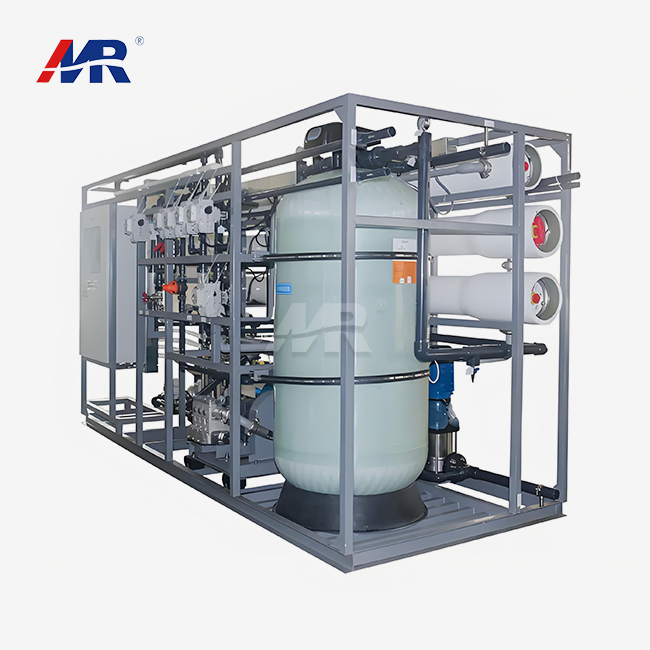 VIEW MOREswro desalination plant
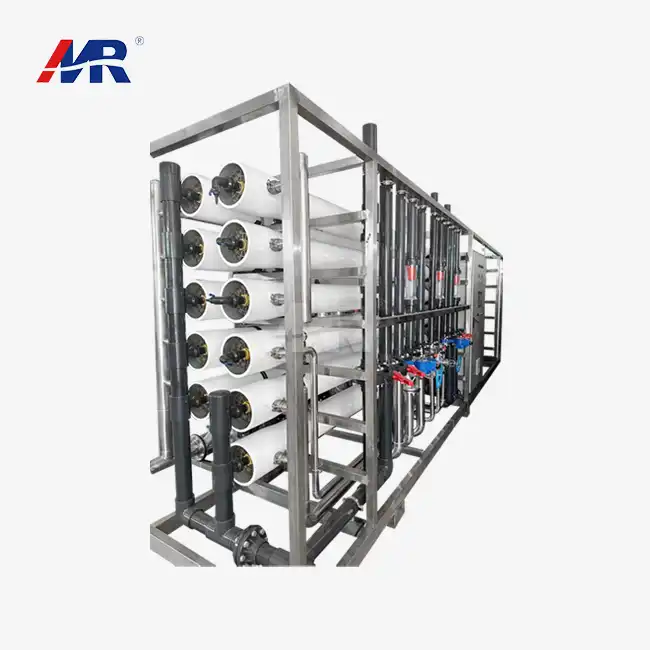 VIEW MORE60m3/hour reverse osmosis plant
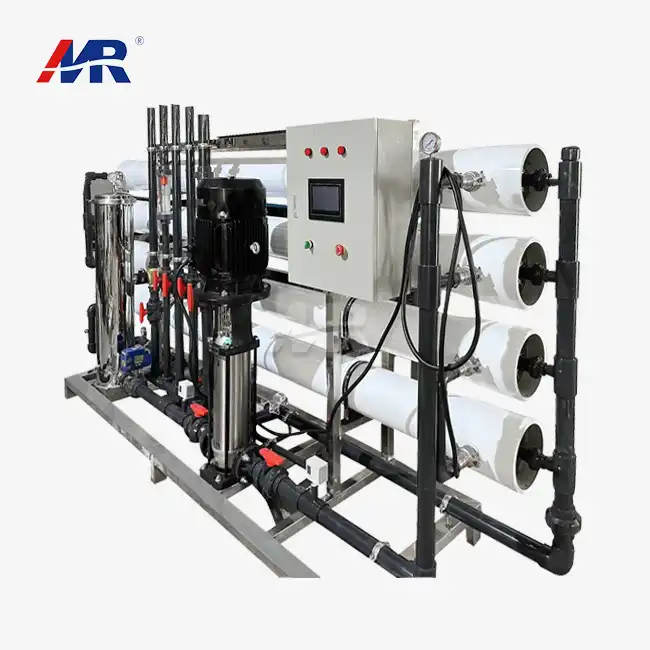 VIEW MORE12m3/hour reverse osmosis BWRO system
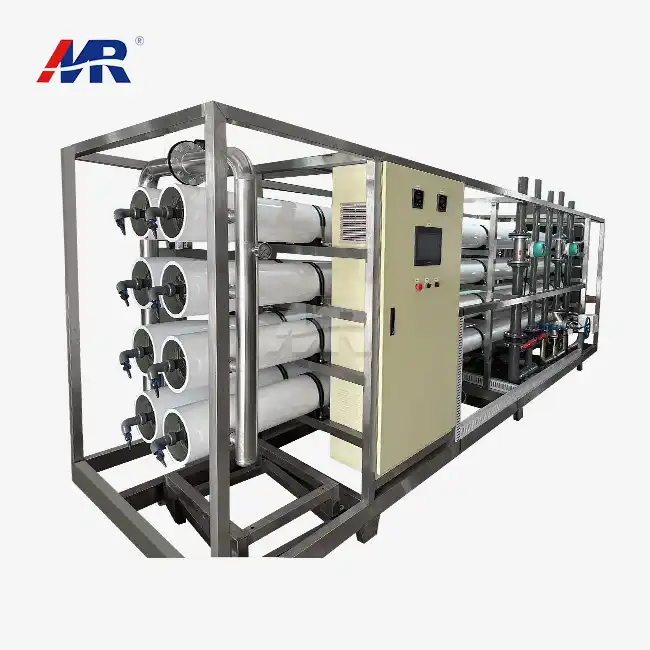 VIEW MORE8m3/hour two pass reverse osmosis system
 VIEW MOREsewage treatment plant MBR system
