_1745823981883.webp)

What Are the Leachate Disposal Options for Remote Landfills?
When dealing with leachate disposal, remote landfills have special problems because they don't always have the infrastructure and easy access that urban places do. Leachate disposal is the process of gathering, treating, and safely releasing the contaminated liquid that forms when rain and trash break down in landfill cells. For businesses that are far away, managing runoff properly means choosing ways to get rid of it that are both technically possible and safe for the environment. On-site recycling and evaporation systems are one option. Mobile treatment units with membrane bioreactors and reverse osmosis technology are another. For environmental compliance and long-term sustainability, it is important to make well-informed decisions about the best answer based on things like the site's features, government rules, practical budgets, and the services that are available.
Understanding Leachate and Its Impact in Remote Landfills
What Makes Leachate a Complex Environmental Challenge?
Leachate is created when water from rain, snowmelt, or waste Products dissolves and moves through the layers of a landfill, bringing different contaminants with it. This liquid has organic substances, heavy metals, ammonia nitrogen, chlorides, and persistent pollutants that change a lot depending on how old the waste is and what kind of garbage it is. Leachate from old landfills usually has low levels of biological oxygen demand to chemical oxygen demand. On the other hand, new garbage creates highly acidic, organically concentrated liquids that need special treatment methods.
Why Do Remote Landfills Face Amplified Risks?
Remote landfills are harder to handle because they are hard to get to by road, don't have a lot of electricity, and are far from centralized wastewater treatment plants. Transportation costs go up when unprocessed leachate has to be taken away, and tracking regularity often goes down because of problems with logistics. These things make it more likely that groundwater will become polluted if liner systems fail or wastewater collection networks don't work well. This could have an effect on ecosystems nearby and water sources further downstream.
Regulatory Frameworks Governing Leachate Management
Environmental laws all over the world require strict guidelines for controlling waste. Under the Clean Water Act, the US Environmental Protection Agency sets limits on how much water can be released. In the EU, the Landfill Directive lays out strict rules for collecting and treating leachate. Compliance usually includes checking the water quality on a daily basis, building containment systems, and writing down the cleaning processes. Even though operations can be hard, remote sites must meet the same standards. This makes choosing the right technology and making sure the system works well the most important things to think about.
Distinguishing Leachate from Landfill Gas Management
Leachate and landfill gas are both made when trash breaks down, but they need to be managed in very different ways. Methane and carbon dioxide make up most of landfill gas, which needs to be collected and burnt or used to make energy. Leachate control is all about getting rid of contaminants in the liquid phase by using physical, biological, and chemical cleaning methods. Knowing the difference between these two terms helps site managers use their resources wisely and avoid mixing up different legal requirements.
Common Leachate Disposal Methods for Remote Landfills
Effectively managing leachate at remote places needs practical, cost-effective methods that don't rely on a lot of expensive infrastructure. There are different ways, and each has its own pros and cons that rely on the conditions at the spot.
On-Site Treatment and Recirculation Strategies
Leachate recirculation includes putting collected leachate back into the mass of the landfill as part of leachate disposal. This speeds up the stabilization of the waste and lowers the amount of liquid that needs to be treated outside of the landfill. This method works especially well in dry places where evaporation helps keep the soil wet. Solar evaporation ponds are another low-tech option for leachate disposal. They use natural sunlight and wind to collect waste, but how well they work relies a lot on the weather in the area and the amount of land that is available. These methods reduce the need for transportation and make operations simpler, which makes them appealing for sites that are far away and don't have a lot of money.
Off-Site Disposal Through Centralized Facilities
When treatment on-site is not possible, leachate is often taken to local wastewater treatment plants or specialized industry facilities. This method gives the job of cleaning to already-built infrastructure with professional supervision. This makes it easier for landfill workers to do their jobs technically. Transportation plans involve a lot of important things to think about, like the availability of tanker trucks, the state of the roads, the lengths that need to be hauled, and the capacity limits of the receiving facilities. When you do a cost analysis, you have to think about things like per-gallon disposal fees, fuel costs, and seasonal entry restrictions that might make it hard to stick to regular discharge plans.
Comparing Cost Efficiency and Environmental Impact
When building managers are thinking about how to get rid of something, they should do full lifecycle reviews. The original cost of on-site methods is usually higher, but the ongoing costs are lower. Off-site methods, on the other hand, have low initial costs but ongoing hauling fees. When doing environmental effect studies, it's important to think about things like carbon emissions from transportation, how much energy treatment systems use, and how to get rid of the leftover concentrate. Solutions that give remote sites practical freedom, make them less vulnerable to service interruptions from outside sources, and keep them compliant no matter what the weather or market conditions are like are the best for them.
Advanced Leachate Treatment Technologies Suitable for Remote Applications
Modern treatment technologies offer advanced ways to get rid of contamination that are made to work in tough operating settings. These systems deal with the complicated science of waste leachate while also working with the limitations of being in remote areas.
Physical Treatment Through Membrane Systems
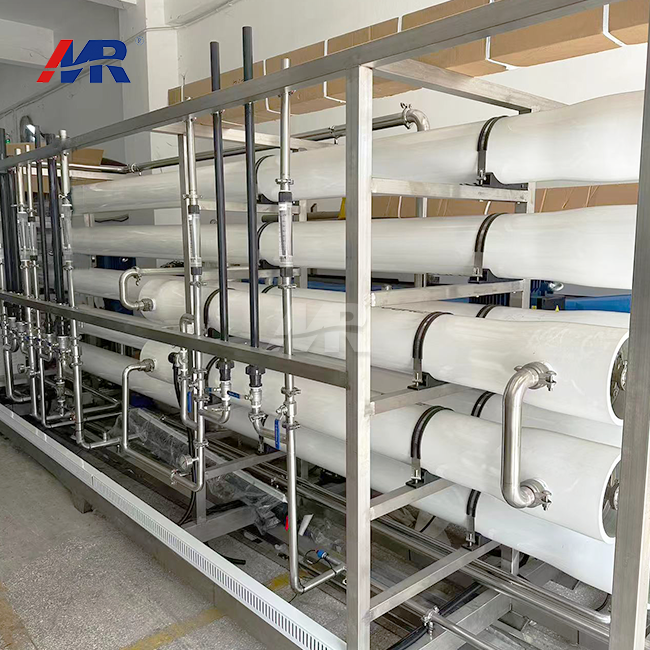
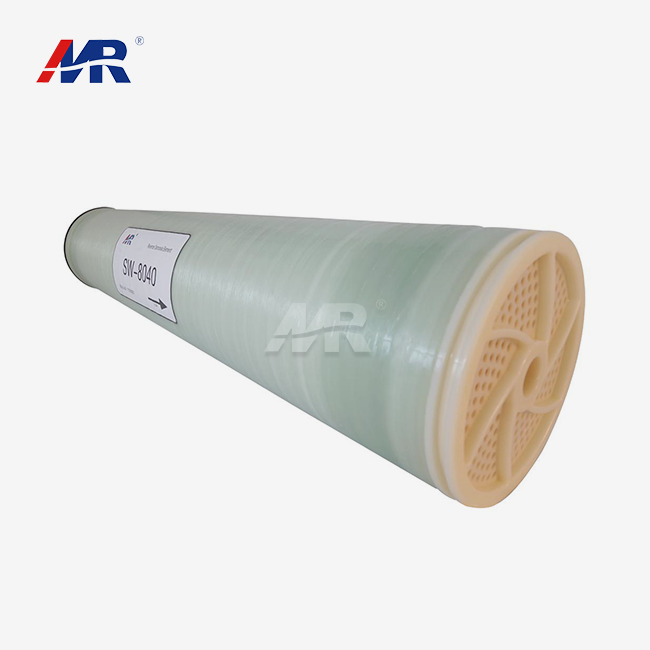
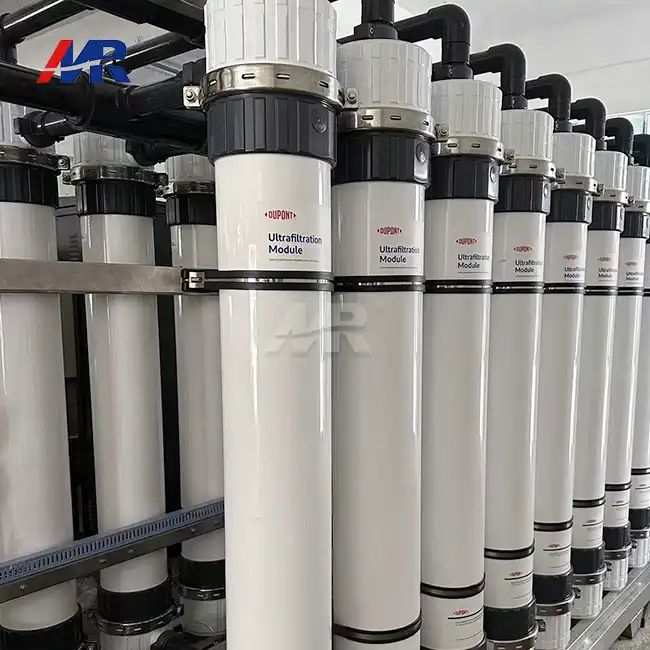
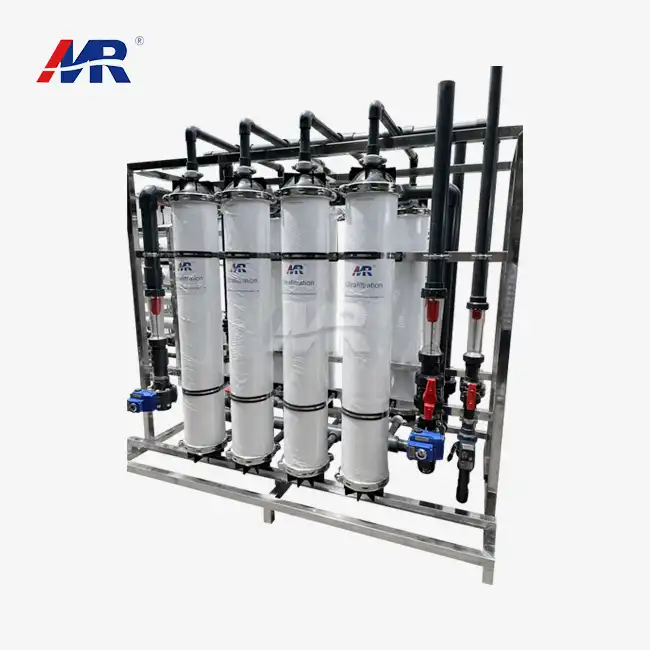
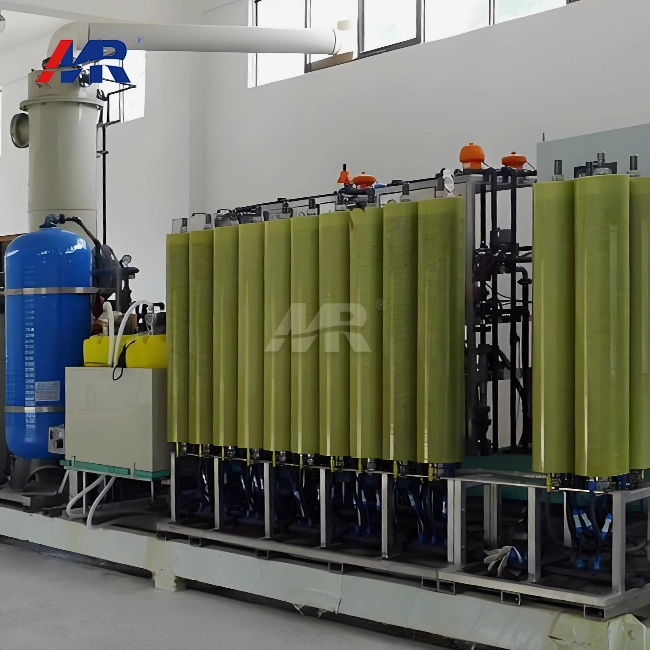
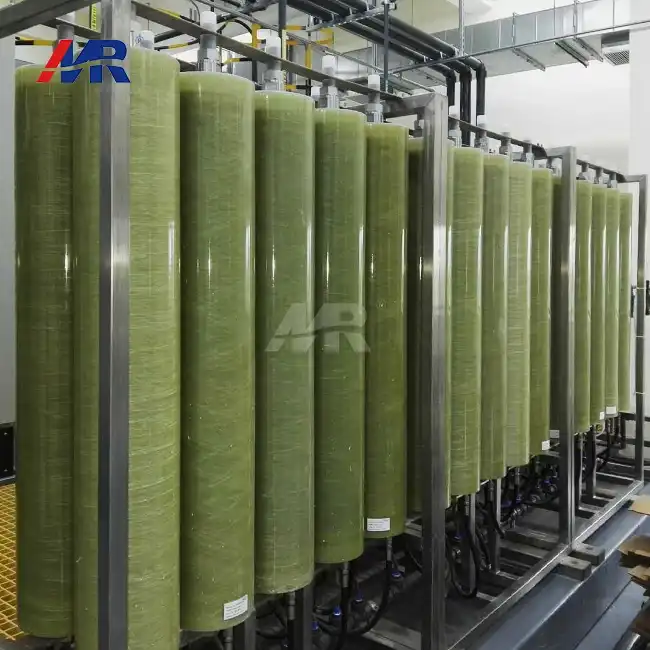
One of the most important parts of modern leachate disposal is membrane-based filtering. Disc tube reverse osmosis systems are great at dealing with the high-salinity leachate that is common in old dumps. They produce permeate that is safe to release or reuse while also concentrating contaminants into manageable amounts. As a good prep step, ultrafiltration gets rid of the dissolved solids and keeps the reverse osmosis membranes below from getting clogged. These physical separation methods work consistently without adding chemicals, but they need a steady source of electricity and membrane replacements on a regular basis, which can be hard to plan for when you're far away.
Biological Treatment Processes
Biological decay uses the power of microbes to naturally break down organic materials. Membrane bioreactor technology blends biological treatment with built-in ultrafiltration, which removes organic matter very well in small spaces that are perfect for sites with limited room. Anaerobic internal circulation reactors can handle the very high organic loads that are common in new leachate. They also make biogas as a result, which can help lower energy costs. Biological systems need stable nutrient levels and temperature control, which can be a problem in harsh conditions or when waste traits change with the seasons.
Chemical Treatment and Advanced Oxidation
Chemical precipitation removes phosphorus and heavy metals by adding specific chemicals, and improved oxidation processes break down organic molecules that are hard for living things to break down in leachate disposal. It is especially helpful to use these methods on old leachate that doesn't break down easily. Combining biological, physical, and chemical steps in hybrid treatment trains makes it easier to get rid of a wide range of pollutants while still meeting strict standards for release. Chemical systems need safe places to store their chemicals and workers who are trained to be able to improve the process.
Mobile and Modular Treatment Units
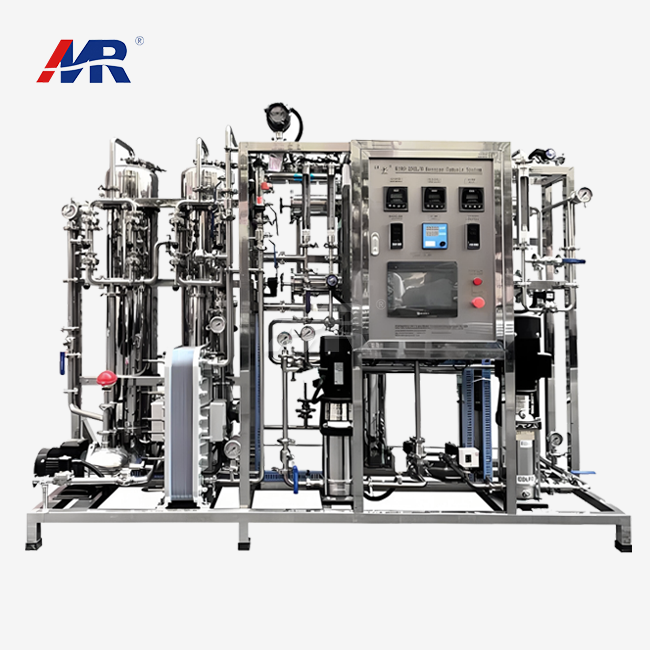
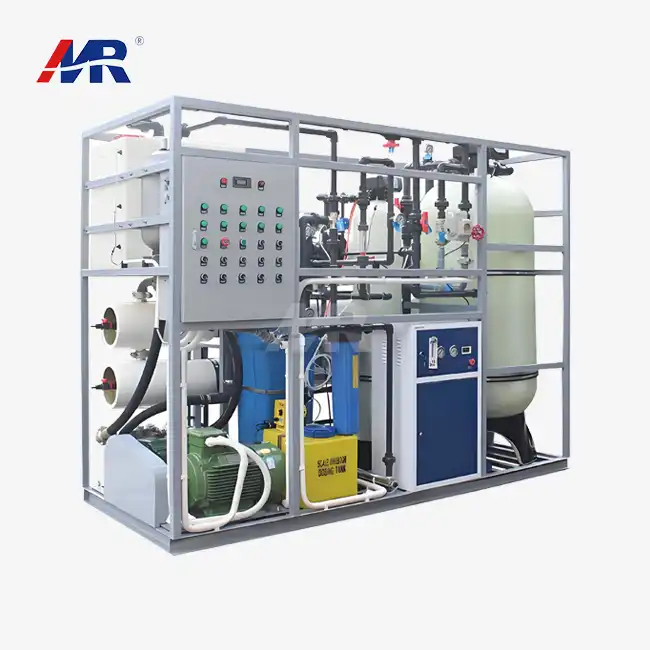
Containerized cleaning systems offer complete options that are made to be used in remote areas. These stackable units come pre-designed with pumps, filters, controls, and chemical dosing tools already built in. This makes installation much faster, and less technical knowledge is needed. Scalability lets you change the capacity by adding or removing units as the rate of leachate production changes over the span of a dump. Mobility lets you move equipment to new locations once the closing steps are over, which protects your capital investment. In crisis response situations and mining activities in areas that aren't well developed, these systems are being used more and more by businesses that need temporary or semi-permanent water treatment.
Selecting the Optimal Leachate Disposal Solution: Factors and Considerations
When picking the right leachate management technology, you need to carefully consider a lot of different factors that all affect how well it works in the long run and how reliable it is for compliance.
Operational and Environmental Criteria
Technology compatibility is based on factors unique to the site. Methods based on drainage work best in dry climates, while active cleaning systems are needed in wet climates. Landfill size affects the amount of leachate that is produced, which in turn affects the cleaning capacity and size of the equipment that is needed. A thorough analysis of the leachate shows the amounts of contaminants that affect the choice of treatment strength. Regulatory outflow limits set base performance standards and depend on where the water is located and how sensitive it is. When facilities can, they should do pilot tests to make sure the treatment works before committing to full-scale adoption.
Financial Planning Across Equipment Lifecycle
A full financial study looks at more than just the buy price. Capital expenditures cover things like buying tools, getting the place ready, connecting utilities, and starting up the business. Operational costs include things like the amount of energy used, products like chemicals and membranes, regular upkeep, and the labor of the user. Spare parts and expert help are often more expensive in remote areas, which raises the overall cost of ownership. When figuring out the payback time, you should compare different ways to get rid of the waste, taking into account the possible fines for not following the rules. Organizations that don't have a lot of cash on hand may benefit from financing options like buying tools or treatment service contracts.
Partnering with Established Technology Providers
The image and support skills of a supplier have a big effect on the success of an operation, especially at remote places where getting expert help is hard. Well-known companies make tested products that come with a lot of example setups and written performance data. Downtime risks are lower when there is a full warranty, quick expert help, and easy access to replacement parts. Training programs make sure that operating staff know how to optimize systems and fix basic problems. International companies, such as specialized water treatment manufacturers, have decades of experience in a wide range of uses, which means they can build reliable equipment and give useful advice on how to use it.
Addressing Remote Infrastructure Limitations
Power access often limits the technologies that can be used in remote areas, including those required for leachate disposal. Solar-powered systems or diesel engines can be used in addition to grid links, but the cost of energy affects their usefulness. Access to roads affects the delivery of tools and the ongoing stock of supplies that people need. In areas with limited water, the supply of water for cleaning systems and meeting process needs should be taken into account. Communication infrastructure allows for remote tracking and automatic warning notices, which improve operational visibility even when operations are far away from management offices. Successful remote setups take these actual limits into account when they are first planned, rather than finding out about them after the fact.
Conclusion
Managing leachate from remote landfills is harder than usual and needs careful planning of which technologies to use and how they will be used. Programs that work well protect the environment, follow the rules, and stay financially stable by using the right dumping methods that work with the limitations of each place. Simple recycling systems are one option, but more advanced membrane cleaning units are also available. Each has its own benefits. Modern technologies, such as modular cleaning systems, offer safe, scalable options that work especially well in remote areas. Long-term success is built on thorough planning that takes into account operational factors, financial concerns, infrastructure limits, and safety measures. Working with experienced providers guarantees access to tried-and-true tools and ongoing technical help, which is necessary to keep up performance even when there are problems with location.
FAQ
1. What treatment capacity do remote landfills typically require?
Leachate production rates change a lot depending on how much rain falls, how old the trash is, and how well the cover system works. Small dumps in rural areas may make between 5,000 and 20,000 gallons of trash every day, while bigger facilities in cities and towns make 50,000 gallons or more. For accurate capacity planning, you need data on past rainfall, predictions for trash acceptance, and models of leachate production. It is possible to change the capacity of modular systems as conditions change over the span of a building.
2. How long do membrane-based treatment systems last in remote applications?
How long a membrane lasts relies on the quality of the feedwater, how well the preparation works, how often it is cleaned, and how it is used. With the right care, reverse osmosis membranes can last three to seven years, and ultrafiltration membranes can last five to ten years. Strong preparation systems help remote installations because they keep membranes from getting fouled too quickly. This means that replacement campaigns can happen more often, and maintenance visits are needed less often.
3. Can solar power reliably operate leachate treatment equipment?
More and more, rural water treatment plants are being powered by solar photovoltaic systems, especially in places with lots of sunlight. Batteries that store energy keep working at night and when it's dark. When choosing a treatment system, energy saving should come first, and estimates should be done to make sure that the size of the solar array is right for times of high demand. Combining solar panels with backup engines creates hybrid setups that are very reliable while also using the least amount of fuel and money.
Get Expert Leachate Disposal Solutions from Morui
For rural dumps to deal with complex leachate problems, they need to work with experienced leachate disposal experts who know how to use both cutting-edge treatment technologies and real-world operating issues. At Morui, we offer complete water treatment services, backed by more than 500 skilled workers and 20 committed engineers in 14 branch sites. We can do everything from making equipment to installing and commissioning it, so no matter how complicated the place is, the job will go smoothly. We run our own factories to make membranes and factories to process various types of tools, so we can keep an eye on quality all the way through the supply chain. We are an authorised provider for top component makers like Shimge Water Pumps, Runxin Valves, and Createc Instruments. We use the best parts from these companies to make treatment systems that are perfect for your waste and the conditions at the site. Whether you need a mobile unit in a container for short-term use or a fixed installation that will last for decades, our engineering team can help you find the best solution for your needs while also staying within your budget. Technical decision-makers, site managers, and procurement professionals choose Morui as their leachate disposal manufacturer because they offer quick help and results that have been shown to work. Email Our Team at benson@guangdongmorui.com to talk about the problems you're having with your remote waste and find out how our designed solutions can help you protect the environment and make compliance management easier.
References
1. Kjeldsen, P., Barlaz, M.A., Rooker, A.P., Baun, A., Ledin, A., & Christensen, T.H. (2002). Present and Long-Term Composition of MSW Landfill Leachate: A Review. Critical Reviews in Environmental Science and Technology, 32(4), 297-336.
2. Renou, S., Givaudan, J.G., Poulain, S., Dirassouyan, F., & Moulin, P. (2008). Landfill Leachate Treatment: Review and Opportunity. Journal of Hazardous Materials, 150(3), 468-493.
3. Amor, C., De Torres-Socías, E., Peres, J.A., Maldonado, M.I., Oller, I., Malato, S., & Lucas, M.S. (2015). Mature Landfill Leachate Treatment by Coagulation/Flocculation Combined with Fenton and Solar Photo-Fenton Processes. Journal of Hazardous Materials, 286, 261-268.
4. Torretta, V., Ferronato, N., Katsoyiannis, I.A., Tolkou, A.K., & Airoldi, M. (2017). Novel and Conventional Technologies for Landfill Leachates Treatment: A Review. Sustainability, 9(1), 9.
5. Ahmed, F.N. & Lan, C.Q. (2012). Treatment of Landfill Leachate Using Membrane Bioreactors: A Review. Desalination, 287, 41-54.
6. Wiszniowski, J., Robert, D., Surmacz-Gorska, J., Miksch, K., & Weber, J.V. (2006). Landfill Leachate Treatment Methods: A Review. Environmental Chemistry Letters, 4(1), 51-61.