

_1745823981883.webp)

Which Industries Benefit Most from EDI Electrodeionization?
Pharmaceuticals, power generation, electronics manufacturing, food and beverage production, and labs are some of the industries that can most benefit from EDI electrodeionization technology. This high-tech water treatment method produces ultrapure water continuously (up to 18.2 MΩ·cm resistivity) without using chemicals to regenerate it. This makes it essential in situations where water quality directly affects the purity of Products, the life of equipment, and compliance with regulations. The chemical and petroleum industries also use EDI's environmental benefits, which include not having to handle dangerous acids and caustics and keeping the same level of deionization performance.
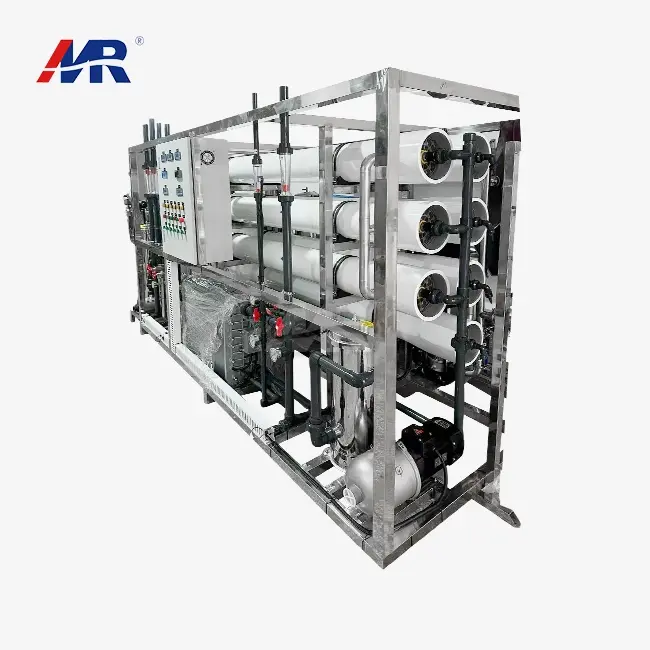
Understanding Electrodeionization (EDI) Technology
What Makes EDI Different from Traditional Purification Methods?
By using ion-exchange resins, ion-selective membranes, and a direct current electrical field together, EDI electrodeionization is a big step forward in cleaning water. With this combination, the system can keep getting rid of ionized contaminants without stopping. Traditional ion exchange beds need to be regenerated with harsh chemicals on a regular basis, which causes downtime and makes it hard to get rid of them properly. EDI technology gets rid of these problems completely, so high-purity water production can go on without a hitch.
The system works by sending water through tanks that are full of mixed-bed ion-exchange resins that are placed between membranes that pick out cations and anions. When electricity is applied, ions move through the membranes and connect to their corresponding electrodes. At the same time, the electrical field keeps the resin beads growing. This process gets rid of dissolved salts, silica, and even weakly ionized species like carbon dioxide and boron, which are contaminants that are hard for regular reverse osmosis to get rid of on its own.
Core Technical Parameters and Performance Standards
These days, EDI devices can make products with water resistivities between 10 and 18.2 MΩ·cm, which meet strict quality standards like ASTM D5127 Type E-1.2 and ISO 3696 Grade 1. Most of the time, water recovery rates hit 90% to 95%, which is a lot less trash than older deionization methods. The amount of energy used is still very low—usually between 0.1 and 0.5 kWh per cubic meter of cleaned water.
These technical details lead to real improvements in how things work. Total organic carbon levels stay below 5 ppb in systems that are kept up to date, and silica reduction levels hit levels that reverse osmosis alone can't reach. The small modular footprint makes it possible to add EDI to current treatment trains without making major changes to the building. This means that EDI can be used in a wide range of settings, from small drug labs to big power plants.
Why Reverse Osmosis Pretreatment Remains Essential?
Reverse osmosis is the first step in the cleaning process for EDI devices. Before water gets into the EDI module, ro membranes get rid of 95–99% of the dissolved ions. This keeps the resin-membrane contact from growing and fouling too soon. If there isn't enough pre-treatment, feeding conductivity that is too high would overload the EDI stack, making it last much less long and lowering the quality of the product water.
EDI efficiency is directly affected by the quality factors of the feed water. The amount of total dissolved solids should not go above 25 parts per million, the hardness should not be more than 1 part per million as calcium carbonate, and the silt density index should not go above 3.0. When specifying edi systems for industrial use, these standards stress how important it is to have a thorough pre-treatment plan.
Top Industries That Benefit from Electrodeionization
Pharmaceutical and Biotechnology Manufacturing
Pharmaceutical businesses need water that meets the standards set by the US Pharmacopoeia for Purified Water and Water for Injection. EDI electrodeionization is the main technique used to meet these requirements while keeping the process completely chemical-free. In clean production settings, any chemical regenerants could get on the products, which is why EDI's constant electrochemical regeneration is so important.
Biotechnology sites that grow cells, make vaccines, and create monoclonal antibodies need water that is consistently good quality and doesn't change in conductivity. This steadiness is provided by EDI modules, which get rid of the changes in quality that happen during regular resin exhaustion cycles. It's easier to follow the rules when validation data shows that the output settings are the same across production batches.
Power Generation and High-Pressure Steam Systems
Ultrapure boiler feed water is needed to keep turbines from scaling and rusting in both thermal and nuclear power plants. Even very small mineral layers on turbine blades can make them less efficient and even break them completely. When added after reverse osmosis, EDI systems make water that is demineralized and has silica levels below 10 parts per billion. This protects equipment that costs millions of dollars.
Boilers that work at pressures above 1,000 psi need water that is much cleaner than what regular ion exchange can safely provide. The steady deionization process keeps the conductivity below 0.1 µS/cm, which makes sure that the quality of the steam meets ASME standards. Lessening the amount of chemicals that are handled also makes the plant safer because the risks that come with keeping and controlling concentrated acids and caustics are gone.
Semiconductor and Microelectronics Fabrication
The most demanding use for ultrapure water is probably in the making of semiconductors. For wafer washing, photolithography, and chemical mechanical polishing to work, the water needs to have a resistance of 18.2 MΩ·cm and a total organic carbon content of less than 1 ppb. In modern chip manufacturing, even particle counts in the single digits per milliliter can lower output rates.
In multi-barrier ultrapure water systems that serve fabrication plants, EDI units are the last step in the polishing process. Because the technology can get rid of small ionic elements like weakly ionized silica and boron, it keeps complex circuit patterns clean. As chip sizes drop below 7 nanometers, the need for pure water grows. This means that solid EDI performance is a must for keeping production rates competitive.
Food and Beverage Production
Companies that make bottled water, drinks, and ingredients use EDI technology to make sure that their products are always the same and to cut costs. With chemical-free water treatment, you don't have to worry about regenerant residues changing the taste of the food or breaking food safety rules. EDI-produced water is used to clean machinery and dilute products in dairy operations. This keeps things very clean without adding any new chemicals.
Precise chemical control in process water is especially helpful for breweries. With EDI devices, makers can start with water that is consistently good and then add certain minerals to get the flavors they want. This level of control is not possible with normal ways of treating water because they add a lot of chemicals or minerals that change over time.
Laboratory and Research Institutions
Type 1 ultrapure water is needed in analytical labs that study molecular biology, materials science, and trace element analysis. This level of quality is consistently provided by EDI electrodeionization, which can be used for a wide range of tasks, from high-performance liquid chromatography to mass spectrometry. Getting rid of waterborne contaminants that could mess up sensitive testing tools is important for the success of research.
For reagent preparation and automatic analyzer operation, hospital laboratories that do clinical tests need water quality that stays the same. EDI units made for lab-scale production provide ultrapure water at the point of use without the upkeep problems that come with mixed-bed deionizers. The technology's dependability cuts down on quality control mistakes and makes sure that test results can be repeated across different patient samples.
Chemical and Petrochemical Processing
EDI systems are used to recycle wastewater and treat process water in petrochemical plants and chemical factories. Continuous operation without a regeneration break is especially useful in work settings that are open 24 hours a day, seven days a week. When properly pre-treated, the technology's resistance to scaling and fouling increases service times, which lowers the cost of upkeep labor.
EDI makes it possible for electroplating plants to consistently produce high-quality rinse water, which improves the accuracy of coating and lowers metal carryover. When EDI cleaning gets rid of the remaining ions, chemical recovery from industrial wastewater works better. This lets valuable materials be recovered instead of being dumped. These uses show how improved water treatment directly helps efforts to create a circular economy.
EDI vs. Other Water Purification Technologies: Industry Decision-Making Insights
Comparing EDI to Reverse Osmosis Systems
Reverse osmosis can get rid of 95–99% of dissolved solids, but it can't reach the amounts of resistance needed for many industrial processes. When put after RO, EDI units lower the conductivity of the water from about 50 µS/cm to less than 0.1 µS/cm. Because EDI and RO work well together, buying teams should see them as integrated parts instead of rival options.
RO systems have trouble with weakly ionised species like carbon dioxide, which gets through membranes and lowers the resistance of the water that comes out of them. EDI electrodeionization removes these chemicals continuously through electrochemistry, making up for RO's flaws. Compared to working RO at higher rejection rates, which greatly increases pressure needs and energy costs, the combined RO+EDI method uses less energy.
Advantages Over Traditional Ion Exchange Beds
Normal mixed-bed deionizers need to be regenerated with sulfuric acid and sodium hydroxide on a regular basis. This requires handling dangerous chemicals and neutralizing waste. EDI gets rid of all of these operating problems, making the workplace safer and cutting down on the need for environmental release permits. When chemical sales, storage facilities, and disposal fees are taken out of the picture, operating costs go down.
With traditional ion exchange, the water quality slowly gets worse as the resins run out, so it's important to keep an eye on things and plan when to regenerate. EDI keeps the quality of its output constant throughout its operating cycle, which makes quality control easier. The technology's constant regeneration stops the conductivity spikes that happen when the glue runs out, keeping sensitive processes below safe from changes in quality.
Addressing Common Technical Challenges
Membrane fouling is the main problem that EDI systems have to deal with. On membrane surfaces, organic molecules, liquid materials, and biological growth can build up, which raises the electrical resistance and lowers the system's efficiency. Fouling problems are usually avoided by making sure the pre-treatment plan includes enough RO rejection, ultraviolet sterilization, and the right filter filtration.
When fouling does happen, clean-in-place methods get things working again. Sodium hydroxide cleans up organic buildup, and citric acid treatments get rid of mineral scale. Most high-quality EDI modules can work for 5 to 7 years as long as they are cleaned regularly and the feed water specs are met. When you add up the total cost of ownership, this term is better than the cost of replacing mixed-bed plastic.
Managing carbon dioxide has a big effect on the quality of EDI electrodeionization output. This slightly ionized gas fights for resin capacity, which lowers the resistivity of the product even when all other conditions are perfect. When there is a lot of CO₂ in the RO permeate, facilities usually add degassing membranes or forced-draft towers before the EDI electrodeionization step. This small change can make a big difference in how well the system works.
Conclusion
EDI electrodeionization has grown from a niche technology to a common way for businesses that need stable ultrapure water production to get it. Its chemical-free operation and steady quality output make it useful in the medicine, power generation, semiconductor, food and beverage, and laboratory sectors. When procurement workers look at investments in water treatment, they should know that EDI's higher starting costs are balanced by big savings in operations, better safety, and better environmental performance. As membrane technology keeps getting better and digital integration becomes the norm, EDI systems will be even more valuable because they will last longer and work better. EDI is becoming more and more popular as the best technology for important water cleaning tasks among companies that care about sustainability, following the rules, and operating excellence.
FAQ
1. How long do EDI modules typically last in industrial applications?
If the feed water is properly treated before use, high-quality EDI units will work regularly for 5 to 7 years. A lot depends on how stable the RO feed quality is, especially when it comes to hardness levels below 1 ppm and total dissolved solids below 25 ppm. Following the manufacturer's instructions for regular clean-in-place methods will restore efficiency and increase the time between repair intervals.
2. Can EDI systems handle varying water quality from upstream treatment?
The uniformity of the feed water has a direct effect on how well the EDI works. When hardness, conductivity, or carbon dioxide levels rise quickly, the resistance of the product water usually drops right away. Systems should keep an eye on the quality of the RO percolate all the time and have a way to shut down automatically if any of the factors go outside of what is considered safe. Putting in buffer tanks helps smooth out small changes in quality before water gets into EDI units.
3. What maintenance procedures do EDI systems require?
As part of regular upkeep, pressure drops between units must be watched, along with current and voltage levels and changes in product water resistivity. Depending on how often fouling happens, clean-in-place processes with mixtures of citric acid and sodium hydroxide happen about every 3 to 6 months. Every year, inspections should be done to check the state of the electrodes and the membrane stacks for any physical damage.
Partner With Morui for Advanced EDI Electrodeionization Solutions
Guangdong Morui Environmental Technology Co., Ltd. has a lot of experience creating and putting in place full water treatment systems that use cutting-edge EDI electrodeionization technology. Our engineering team knows the problems that power plants, electronics factories, pharmaceutical companies, and other businesses that need ultrapure water face. We offer complete solutions from the first meeting to continued support. We have 20 experienced engineers, 14 branches, and our own membrane production plant. Because we work with top brands like Shimge Water Pumps, Runxin Valves, and Createc Instruments, we can be sure that every part of the system meets strict quality standards. If you need a full turnkey installation or are looking for a trusted EDI electrodeionization provider for equipment upgrades, Morui can help. They can make solutions that fit your needs for water quality and your budget. Email our technical team at benson@guangdongmorui.com to talk about your specific application and get a thorough plan that fits the needs of your building.
References
1. American Society for Testing and Materials. "ASTM D5127 - Standard Guide for Ultra-Pure Water Used in the Electronics and Semiconductor Industries." ASTM International, West Conshohocken, Pennsylvania.
2. International Organization for Standardization. "ISO 3696:1987 - Water for Analytical Laboratory Use - Specification and Test Methods." ISO Standards Catalogue, Geneva, Switzerland.
3. United States Pharmacopeial Convention. "USP <1231> Water for Pharmaceutical Purposes - Purified Water and Water for Injection Standards." United States Pharmacopeia-National Formulary.
4. American Society of Mechanical Engineers. "ASME Consensus on Operating Practices for the Control of Feedwater and Boiler Water Chemistry in Modern Industrial Boilers." ASME Technical Publications.
5. Semiconductor Equipment and Materials International. "SEMI Standards for Ultrapure Water Specifications in Semiconductor Manufacturing Processes." SEMI International Standards Program.
6. International Water Association. "Membrane Technology in Water and Wastewater Treatment: Recent Developments in Electrodeionization Systems." IWA Publishing, London, United Kingdom.
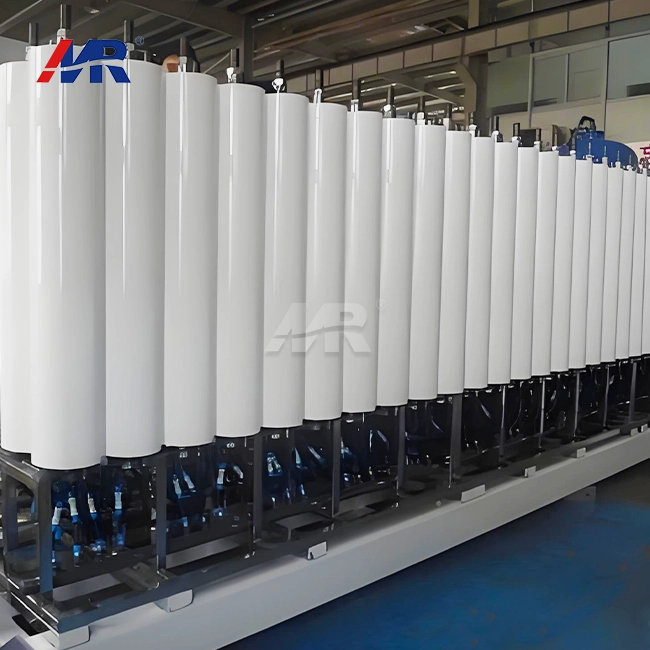 VIEW MORELandfill Leachate Treatment System
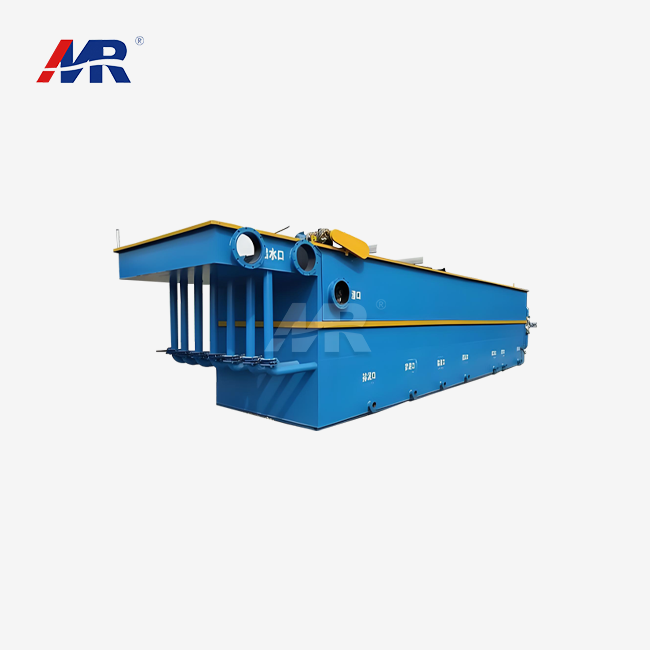 VIEW MOREadvanced wastewater treatment system
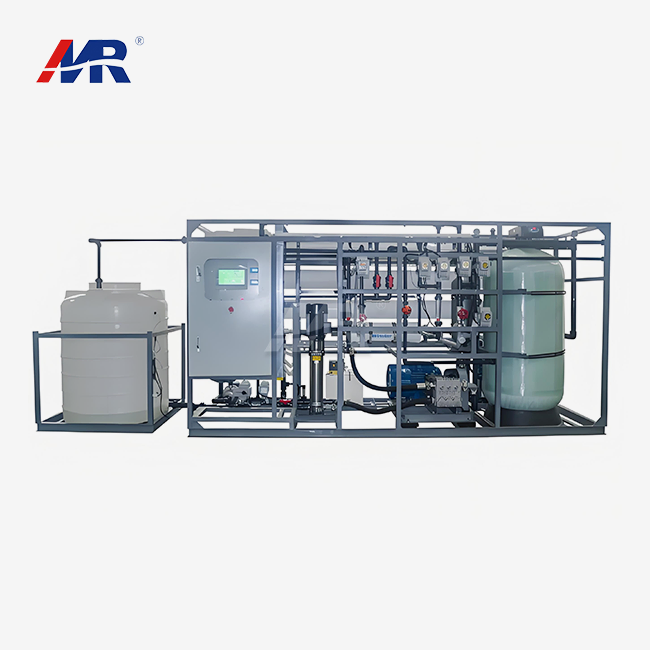 VIEW MOREseawater treatment system
 VIEW MOREedi module
 VIEW MOREro reverse osmosis water filter
 VIEW MORE12m3/hour seawater desalination equipment
 VIEW MOREcontainer type 3m3/hour RO equipment
 VIEW MOREbioreactor wastewater treatment
