

_1745823981883.webp)

How Does an electrodeionization module Improve Water Quality?
A new type of water cleansing module called an electrodeionization module combines ion exchange resins, selective ion exchange membranes, and direct current electrical fields to remove ionised impurities from water constantly, without the need for chemical renewal. This chemical-free continuous deionisation process produces ultrapure water that is always the same and has a resistivity of 18.2 MΩ·cm. It solves long-standing problems in fields like power generation, semiconductors, and pharmaceuticals, where even small amounts of ionic contamination can damage Products and shorten the life of equipment.
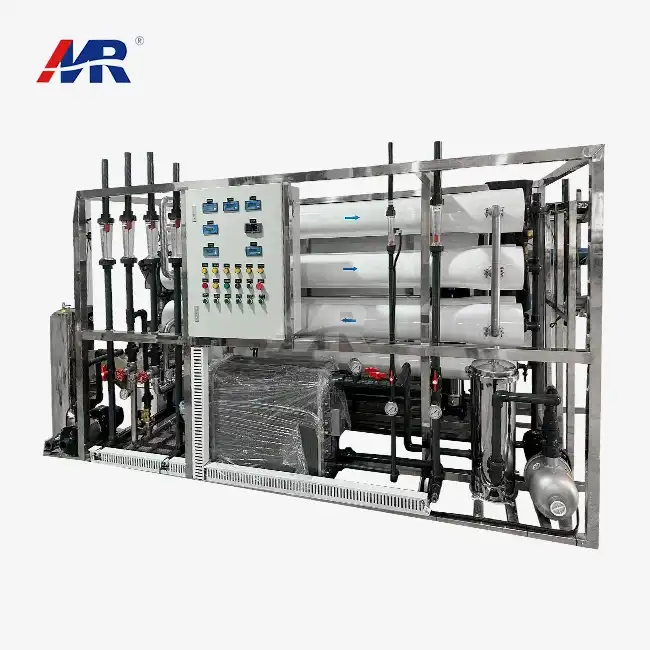
Understanding Electrodeionization Technology: How It Works and Why It Matters
The Core Working Principle Behind EDI Systems
A beautiful electrochemical concept drives the electrodeionization process. When DC energy is put across an EDI stack, the anions move toward the anode and the cations move toward the cathode. Ion exchange membranes are placed in the stack in a way that lets some ions pass through but not others. This creates a system of alternating dilution and concentration sections. At the same time, the electrical current breaks up water molecules into hydrogen and hydroxyl ions. These ions help the ion exchange resins that are buried between the membranes grow again. This self-regenerating process keeps cleaning going without stopping. This is a big change from batch-mode mixed-bed systems, which need to be offline for regeneration every few hours or days.
Key Components That Determine Performance
The quality of the electrodeionization module design has a huge effect on how reliable it is in operation. High-quality anion and cation exchange membranes have low electrical resistance, which means they use less energy. The quality of the resin is also important—premium pharmaceutical-grade resins keep their structure intact even when electrical stress lasts for a long time, stopping premature degradation. Flow distribution valves and other hydraulic design elements make sure that the water contacts the resin bed evenly, removing channelling that leads to uneven product quality.
The properties of the feed water have a big effect on how the system works. The best material is reverse osmosis residue with a conductivity below 40 μS/cm, because the dissolved solids that are left over after RO are what EDI needs to get rid of. In order to keep membrane surfaces from scaling, which raises stack voltage and lowers efficiency, hardness must stay below 1.0 ppm as calcium carbonate equivalents.
Why Procurement Teams Should Care About EDI
Conventional deionisation causes problems for industrial sites that need very clean water. Chemical regeneration needs to store dangerous acids and caustics, change resins on a daily basis, and take a lot of time off during regeneration cycles. These things raise running costs and make it harder to follow environmental rules. EDI technology solves all of these problems at once: it runs continuously, so there are no breaks in production; it doesn't use chemicals, which makes safety management easier; and compared to standard ion exchange vessels, its small, modular design cuts the facility's size by 60–80%.
Benefits and Applications of Electrodeionization Modules in Industrial Water Treatment
There are many strategic benefits of continuous electrodeionization modules that are important to both scientific decision-makers and financial players.
Operational Efficiency Gains: edi systems keep the quality of output fixed without any help from a person. Continuous operation doesn't cause problems with production schedules like mixed-bed deionizers do, which need to be regenerated every 8–12 hours. Water recovery rates of 85–95% are higher than those of traditional ion exchange systems. This saves valuable water resources and lowers the cost of getting rid of wastewater, which is especially important in areas that are short on water or at sites with high release fees.
Chemical Cost Elimination: Traditional deionisation utilises plenty of sulphuric acid and sodium hydroxide for resin renewal. A pharmaceutical factory with an EDI system saves 200 metric tonnes of chemicals, storage space, and neutralisation expenses annually at 50 m³/hour. Besides saving money, facilities save the legal hassle of securing permits to handle and release hazardous chemicals.
Energy and Space Optimisation: Modern EDI devices utilise 0.5 to 1.2 kWh per cubic metre of cleansed water, far less than distillation-based purification. Compact vertical stacking designs fit into constrained plant layouts, improving brownfield cleaning power without expensive building expansions.
Operational gains provide appealing applications in high-stakes business:
Power Generation Infrastructure: Ultrapure burner feed water prevents turbine corrosion and scale in thermal and nuclear power plants. EDI systems keep silica at 5 ppb and salt below 2 ppb, which is crucial for high-pressure boilers over 10 MPa. Power generation requires 24/7 operation; continuous operation works well.
Pharmaceutical Manufacturing: Making Purified Water and Water for Injection according to USP, EP, and ChP pharmacopoeia demands extreme cleanliness. Hot-water-cleanable EDI modules may be thermally disinfected regularly at 80–85°C. This kills germs without leaving residues. RO pretreatment creates authenticated water systems that fulfil GMP documentation requirements.
Chip fabrication: Photolithography, etching, and device cleaning need ultrapure water. Ionic pollution at parts-per-trillion levels reduces yield. EDI maintains resistance production even when the facility's demand fluctuates, as in the last cleaning phase. Process stability prevents contamination-related defects in multimillion-dollar manufacturing runs.
Food and Beverage Processing: Bottlers must remove minerals without introducing chemicals. After RO treatment, EDI adds a final barrier to ensure the finished water fulfils FDA bottled water requirements and maintains a balanced pH for flavour.
Troubleshooting and Maintenance Tips for Electrodeionization Modules
Recognising early danger signs and following proactive maintenance practices are key to keeping the electrodeionization module running smoothly. Three important performance signs that operations teams should keep an eye on are the product water resistance, the stack voltage, and the pressure difference across the module.
Identifying and Resolving Common Performance Issues
A quick stack voltage increase indicates concentration chamber scaling or glue fouling. Due to improper preparation, ro membranes fatigue and harden, or carbon dioxide builds up due to insufficient degassing. Check RO extract quality and degasification system performance immediately. To remove dissolved CO2, some industries use membrane contactors before the EDI. Up to 30% less power is used.
If product water resistance drops but stack voltage remains the same, the ion exchange membrane may be failing, or electrical connections may be broken. DC rectifier diagnostics and membrane stability testing help solve the issue. Due to their reinforced membranes, RO permeate trace oxidants can't destroy excellent modules.
Preventive Maintenance Strategies That Extend Module Lifespan
Assets last longer with regular maintenance. Use pharmaceutical-grade modules properly, and they may last 7–10 years. Scale precursors are removed by flushing with acidified RO permeate monthly, depending on the supply water. Facilities with challenging water sources may need to be cleaned every two weeks.
Monitoring approaches should focus on long-term patterns rather than immediate data. Month-by-month stack voltage increases indicate fouling and chemical cleansing. Keeping thorough machine use data enables planned maintenance, so large repairs may be scheduled for production shutdowns instead of emergencies.
Temperature affects membrane and adhesive quality; thus, controlling it is crucial. Working within the manufacturer's temperature range (15–35°C) maintains the material and ensures dependable electrical behaviour.
How to Choose the Best Electrodeionization Module for Your Business Needs
Defining Your Water Quality Specifications
To make a choice, you must first have a clear picture of the target electrodeionization module performance and the water quality you want. Power plants that want boiler feed water with a conductivity of 0.2 μS/cm need different module setups than pharmaceutical uses that need conductivity below 1.3 μS/cm. When planning for capacity, it's important to think about what will happen during high demand. Systems that aren't big enough run all the time at full electrical power, which speeds up wear.
Evaluating Technical Specifications and Certifications
Premium modules are different from cheaper ones because of the quality of their membranes. Heterogeneous membranes are less expensive, but they have higher electrical resistance, which means they use more power. Homogeneous membranes are better at selectively removing ions and last longer, which makes the higher initial investment worth it because they have lower lifetime costs. By asking for proof of membrane origin and electrical resistance specs, it is possible to make an unbiased comparison.
For businesses that are controlled, material compliance Certifications are important. FDA 21 CFR 177 compliance checks that products made of plastic and membranes are safe for food contact. ISO 9001 approval shows that a product is made with good quality management, and CE marking shows that the electrical safety for international setups is guaranteed.
Assessing Supplier Capabilities Beyond the Module
The level of technical help has a huge effect on the success of operations. Suppliers who give supervision during installation, help with setup, and provide training for operators cut down on starting risks and speed up the time it takes to start production. Warranty terms show how confident the maker is in the product; full coverage for 18 to 24 months with quick service methods shows that the product has been proven to be reliable.
The ability to customise meets the specific needs of each location. Standard catalogue modules work well for most uses, but facilities with strange feed water chemistry or limited room can benefit from engineering help to build the best system for those needs. In-house R&D teams at suppliers change tried-and-true platform designs to fit the wants of each customer.
Procurement Guidelines: Buying Electrodeionization Modules with Assurance
To use EDI for buying, you have to balance technical needs with budget limits and long-term practical concerns. Knowing what makes prices go up and down can help you negotiate better terms and avoid false economies caused by bad specs.
The number of electrodeionization modules made, membrane quality, and materials utilised determine their pricing. A 1 m³/h industrial-grade device costs $8,000-$15,000. Pharmaceutical hot-water-sanitising versions cost 30–50% more due to unique materials and proven efficacy. When you purchase in bulk, the unit price drops 10–20%. These are quantity deals.
System customisation determines lead times. Engineered-to-order systems take 10–14 weeks to develop, fabricate, and test at the factory, whereas catalogue parts arrive in 4–6 weeks. Shipping and customs might delay delivery by 3–4 weeks for international purchasers.
Installation aid significantly impacts task cost. Suppliers monitor installation and ensure hydraulic connections, electrical integration, and initial tuning are accurate. This minimises the startup errors' repair costs. Full licensing services include performance verification testing and recording according to equipment approval criteria.
Expert post-sale assistance ensures business continuation. Suppliers with North American service networks respond swiftly to calls for assistance, but those without a local presence may need to deploy an expensive plant worker. Clearly communicating service response guarantees before the purchase helps minimise unpleasant shocks during operation.
The guarantee should cover membrane and electrical stability. Standard terms cover manufacturing faults for 12–18 months, but extended coverage or performance pledges might provide you piece of mind. Some companies provide annual preventative maintenance plans, including inspections, cleaning, and additional components.
Conclusion
Electrodeionization modules change the process of purifying water from batch operations that use a lot of chemicals to continuous, long-lasting processes that give perfect purity. EDI technology solves major problems for businesses that need ultrapure water by getting rid of the need for chemical renewal, reducing the damage to the environment, and maintaining uninterrupted operations. When technical leaders look at changes to cleaning systems, they gain a competitive edge through lower operating costs, easier compliance with regulations, and more reliable production. Carefully choosing a provider that focuses on tested technology, full support, and quick response times will ensure a smooth execution that protects the long-term value of the investment and meets changing water quality needs.
FAQ
1. What Feed Water Quality Does an EDI System Require?
Most systems that use constant electrodeionization modules need RO permeate that has a conductivity of less than 40 µS/cm. To keep scaling from happening, the hardness must stay below 1.0 ppm as calcium carbonate equivalents. Carbon dioxide levels have a big effect on how well electricity works. Facilities that deal with high-CO2 source water can benefit from degasification equipment placed before the EDI. So that resin doesn't foul, total organic carbon should stay below 0.5 ppm.
2. How Long Do EDI Modules Typically Last?
High-quality modules will work well for 5 to 10 years with regular upkeep and the right preparation. Pharmaceutical-grade machines that are made from high-quality materials and are run within certain limits always have longer lifespans. Service life is greatly reduced by harsh working conditions or poor water preparation.
3. Can EDI Remove Dissolved Gases Like Carbon Dioxide?
EDI units are good at getting rid of charged species, but they need different ways to get rid of dissolved gases. As carbonic acid breaks down into ionic forms, high amounts of CO2 make the electricity load higher. Putting in membrane contactors or vacuum degassers upstream can cut the amount of power used by 25 to 40 per cent in places where the water source is alkaline.
4. What Causes Sudden Stack Voltage Increases?
Voltage jumps usually mean that there is scaling in the concentrate cells or resin fouling from insufficient pretreatment. Often, hardness breakthrough is caused by RO membranes that aren't working right or organic gunk from contamination upstream. Immediately looking into how well the preparation system is working stops lasting damage to the modules.
Partner With Morui for Your Ultrapure Water Needs
To get consistently ultrapure water quality, you need more than just equipment. You also need a partner who is skilled and committed to your business success. Guangdong Morui Environmental Technology has been treating water for more than 10 years and has 20 trained engineers and 14 area branches across North America to make sure they can help people quickly. We can do everything, from making membranes to putting together whole systems, so we can give you turnkey solutions that work right away.
As a well-known company that sells electrodeionization modules, we have smart relationships with top component makers like Shimge, Runxin, and Createc. This way, we can make sure that every system uses tested and approved materials. Our engineering team offers unique design services that make the best use of the system configuration for your feed water and output needs.
Technical decision-makers, plant managers, and people who work in buying are welcome to get in touch with our water treatment experts for in-depth talks. You can email our foreign business team at benson@guangdongmorui.com to get detailed quotes, technical specifications, and case studies that are important to your field.
References
1. Ganzi, G. C., Wood, J. H., & Jha, A. D. (2007). "Electrodeionization: Theory and Practice of Continuous Electrodeionization." Ultrapure Water Journal, 24(6), 24-31.
2. Strathmann, H. (2010). "Electrodialysis, a mature technology with a multitude of new applications." Desalination, 264(3), 268-288.
3. Arar, Ö., Yüksel, Ü., Kabay, N., & Yüksel, M. (2014). "Various applications of electrodeionization (EDI) method for water treatment—A short review." Desalination, 342, 16-22.
4. Alvarado, L., & Chen, A. (2014). "Electrodeionization: Principles, Strategies and Applications." Electrochimica Acta, 132, 583-597.
5. Wood, J., Gifford, J., Arba, J., & Shaw, M. (2010). "Production of ultrapure water by continuous electrodeionization." Desalination, 250(3), 973-976.
6. Thate, S., Specogna, R., & Klapper, H. S. (2012). "Electrodeionization for Industrial Water Treatment: Fundamentals and Applications." Industrial Water Treatment, 38(2), 45-58.
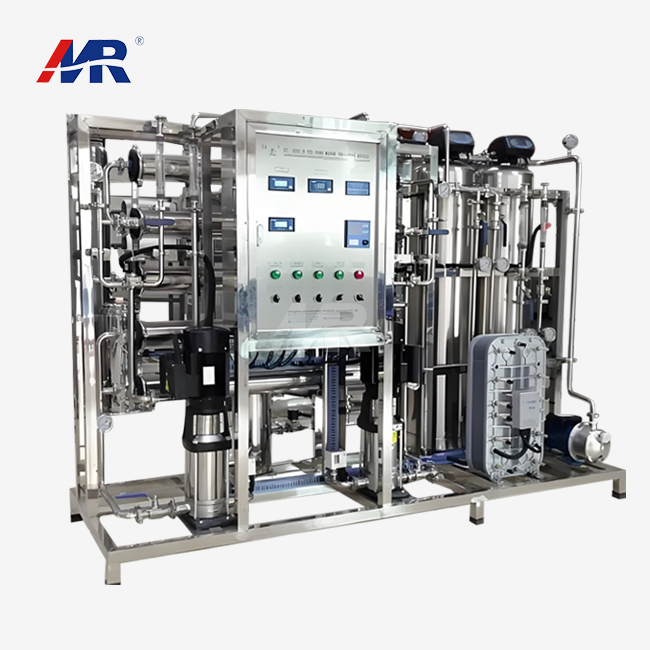 VIEW MORE1000LPH EDI system
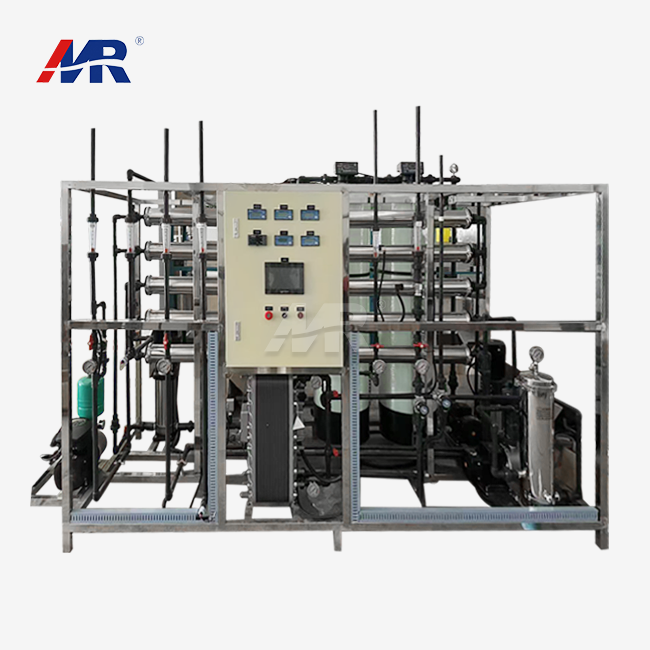 VIEW MOREedi purified water system
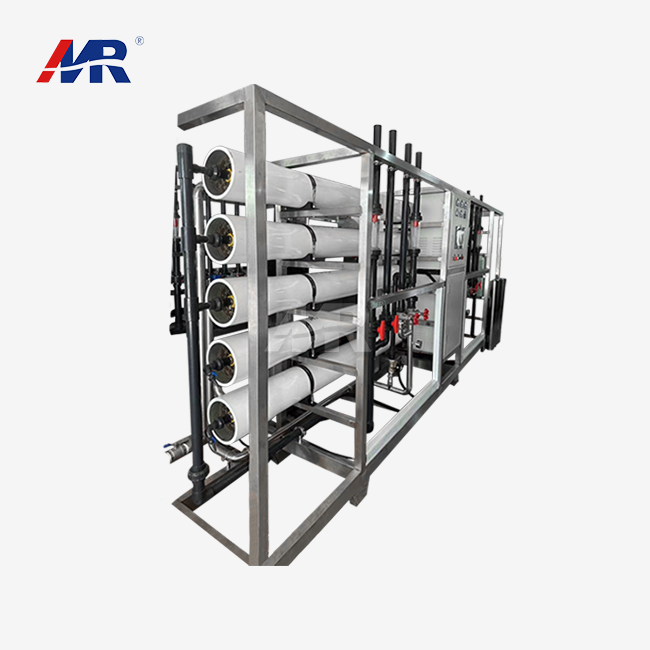 VIEW MOREhighest rated reverse osmosis system
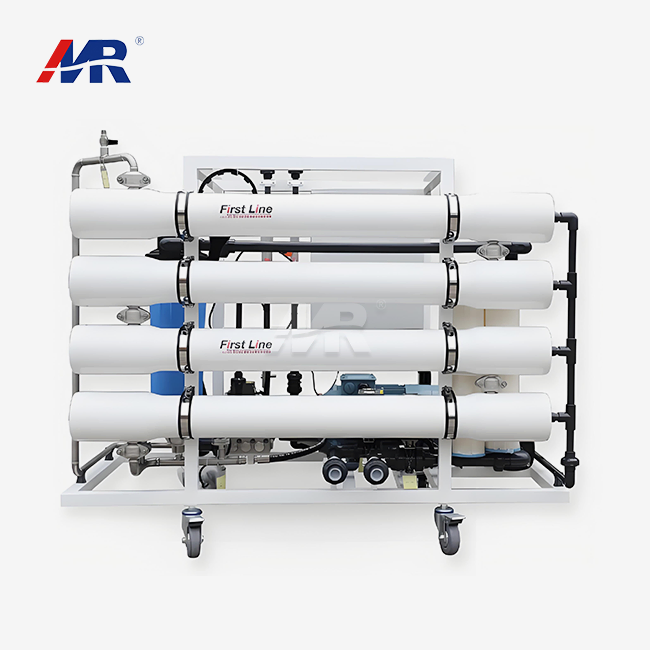 VIEW MOREseawater desalination system
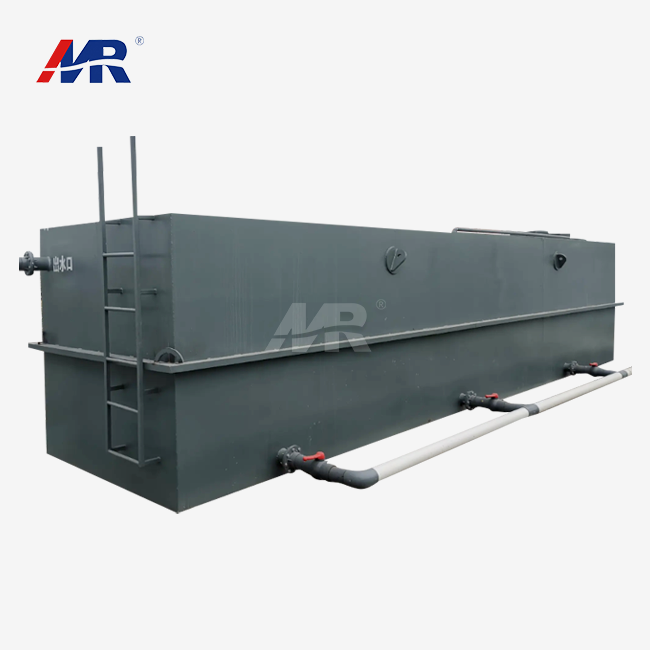 VIEW MOREdomestic wastewater treatment plant
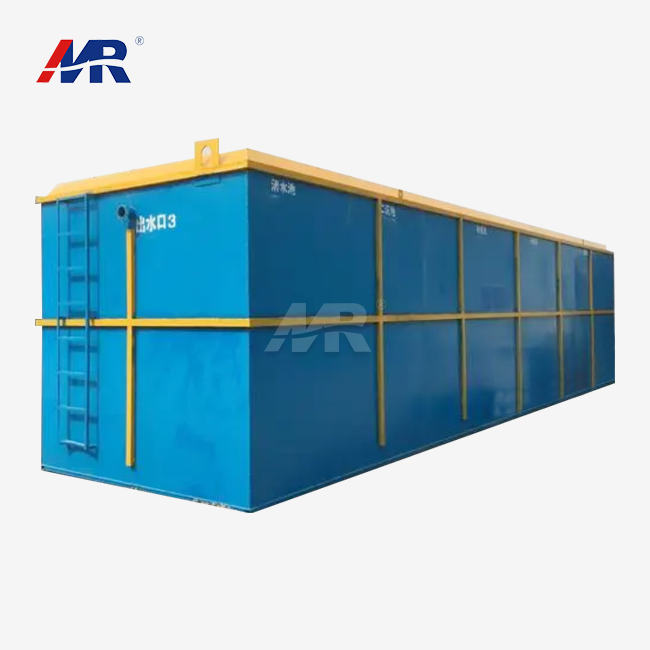 VIEW MOREwaste water treatment plant
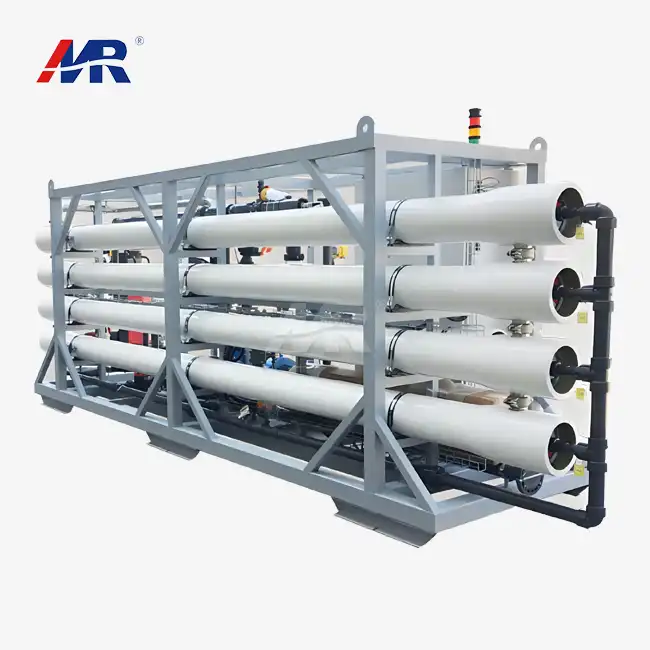 VIEW MORE12m3/hour seawater desalination equipment
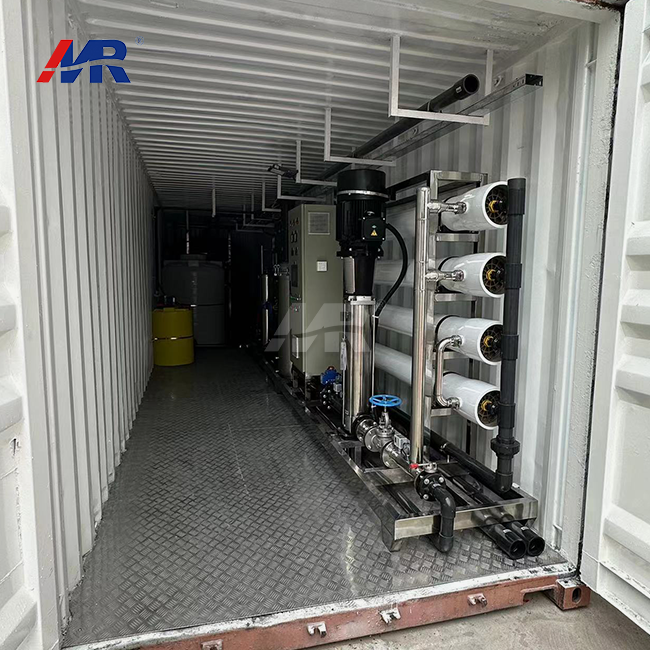 VIEW MOREcontainerized ro system
