

_1745823981883.webp)

Why Use UF Ultrafiltration in Pretreatment Systems?
UF ultrafiltration is an important cleaning method because it reliably gets rid of particles, colloids, bacteria, and viruses through a physical barrier process. This keeps downstream equipment like reverse osmosis membranes from getting clogged and extends their useful life. The Silt Density Index (SDI) is always lowered below critical levels by this pressure-driven membrane technology. This keeps the water quality fixed even when the feed changes. UF ultrafiltration pretreatment is used by many industries, from pharmaceuticals to local utilities, to meet standards while reducing chemical use and downtime. This makes it an investment that pays off in the long run for process efficiency.
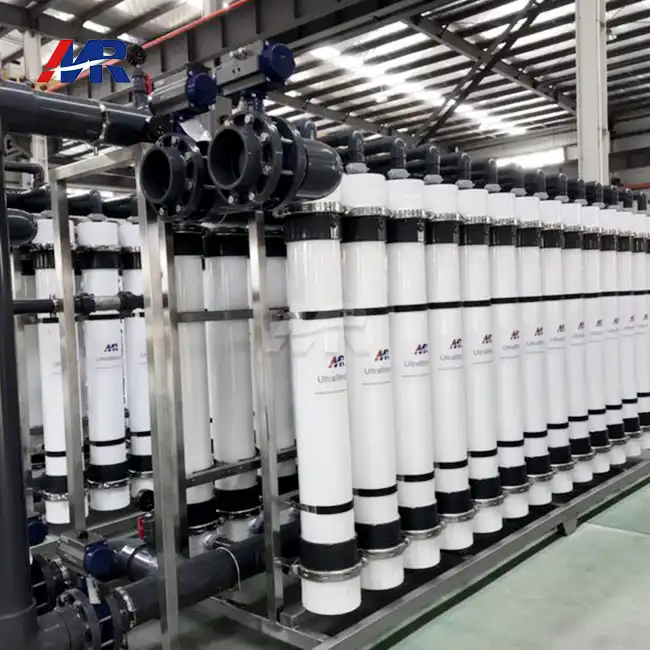
Understanding UF Ultrafiltration Technology
UF ultrafiltration works by using semipermeable membranes with carefully designed pore widths between 0.01 and 0.1 microns. This makes a molecular sieve that cleans water well. Large molecules, pathogens, and suspended objects get stuck in these barriers, but small molecules and dissolved salts can pass through. This new technology fills in the performance gap between regular media filtering and methods with tighter membranes, such as nanofiltration or reverse osmosis.
Membrane Materials and Configurations
The membrane industry uses three primary polymers: PVDF, PES, and modified polysulfone. PVDF membranes are chemical- and chlorine-resistant, making them ideal for harsh industrial cleaning environments that involve oxidising agents. PES membranes are hydrophilic and resist organic fouling. This makes them valuable in research and food preparation when protein adhesion is an issue.
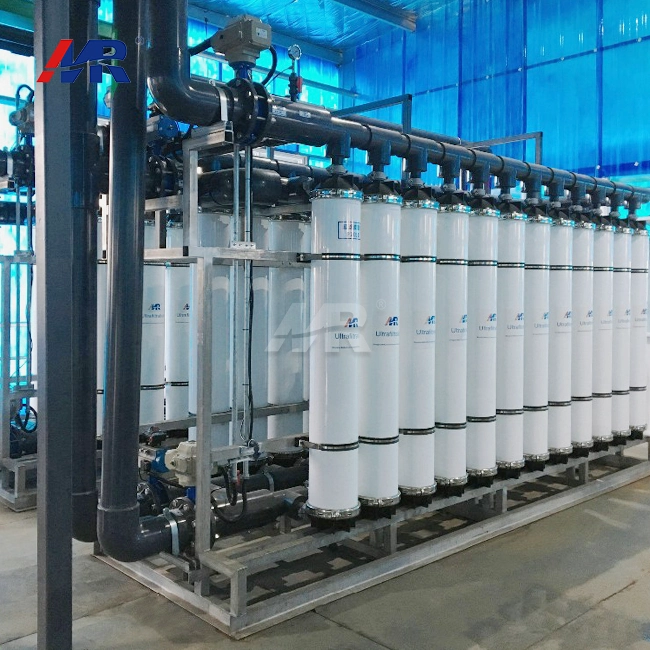
Configuration decisions affect system performance and maintenance. Hollow fibre membranes are particularly frequent in industrial and urban contexts due to their density. Modules can accommodate 1,200 square meters of membrane per cubic metre. Flat sheet designs work well for frequent inspections and dense fluids. The middle ground is spiral wrapped designs, which have an acceptable packing density and make pressure vessel integration easy.
Filtration Mechanisms and System Integration
Inside-out and outside-in filtering are the basic flow designs. Inside-out techniques allow water to flow through the fibre channel, which is hydrodynamically efficient but limits suspended particles to 50 ppm. Outside-in designs direct feed water to the shell side, which can handle heavier solids loads and enables air scrubbing for better cleaning. This technology works effectively in membrane bioreactors and wastewater reuse.
Integrating upstream and downstream processes into preparation trains requires careful planning. To remove large particles and reduce solids, coarse screening and settling precede UF ultrafiltration. Continuously low SDI effluent protects downstream reverse osmosis membranes. Even with an input turbidity of 50 NTU, SDI readings are usually below 3. Dependability eliminates the need for explanation or lengthy chemical preparation.
Key Benefits of Using UF Ultrafiltration in Pretreatment
When UF ultrafiltration pretreatment is used strategically, it gives many different types of businesses real operating benefits. When buying teams and building managers know about these benefits, they can use measurable returns to support capital investments.
Superior Contaminant Removal Without Chemical Intensity
Traditional clearing processes include coagulants, flocculants, and pH-changing agents to aggregate and remove particles. Pathogens are decreased by 4 to 6 logarithms by size exclusion in UF ultrafiltration pretreatment, using fewer chemicals. Chemical residues that make cleaning harder or contaminate items may be removed from food processing and pharmaceutical facilities that create Water for Injection (WFI).
Water treatment facilities that transition from sand filters to UF ultrafiltration systems use 60–80% less coagulant and provide better water. This improvement reduces sludge, makes residuals simpler to manage, and reduces environmental impact from cleaning.
Enhanced RO Membrane Protection
Reverse osmosis membrane replacement may cost tens of thousands to millions of dollars, depending on plant size. ro membranes break early due to fouling, which lowers permeate quality and uses more energy as workers increase feed pressure to maintain flow.
UF ultrafiltration removes fouling precursors before they reach RO elements. Colloidal silica, iron hydroxides, bacterial biofilms, and organic macromolecules that pass media filters are blocked by the membrane barrier. UF ultrafiltration pretreatment extends RO membrane life by 40–60%. Lowering replacements and maintaining performance affects operating expenses.
Operational Flexibility and Footprint Efficiency
With the same capacity, modular skid-mounted UF ultrafiltration systems take approximately 50–70% less space than clarifiers and multimedia filters. This compact dimension is ideal for space-constrained facility renovations or adapting existing facilities. Because it is flexible, capacity may be added in phases, matching capital expenditures to demand growth instead of large initial investments.
For backwashing, chemical dosage adjustments, and filter media replacement, automated systems need less effort than manual systems. Backwash cycles, chemical-enhanced backwash sequences, and integrity checks are automated using programmable logic controllers. Operations cost less, and dependability improves.
UF Ultrafiltration vs Other Pretreatment Technologies
To choose the right prep technology, you need to know the range of performance and cost of the different choices. Each technology fills a different need based on the type of contamination, how well it needs to be removed, and the tradeoffs between starting cost and running cost.
Comparison with Microfiltration
Microfiltration membranes have pores that are bigger, usually between 0.1 and 10 microns. This means that they have less resistance and use less energy. However, colloidal particles and some germs can get through this looser filtering, which means that microfiltration is often not enough to protect RO systems. UF ultrafiltration creates a closer separation, which guarantees stable SDI control even when the feed conditions change.
In open water treatment, where fine colloids are introduced by storms or yearly algal blooms, the practical difference becomes very important. During these unstable situations, microfiltration systems may experience breakthrough, which could damage equipment further down the line. No matter what changes in the feed, UF ultrafiltration keeps the absolute barrier efficiency.
Comparison with Conventional Media Filtration
Filters like sand filters, multimedia filters, and cartridge filters have been used for decades and do a great job. Their lower initial cost and ease of use make them appealing for uses where the feed water is always clean. Media filtering, on the other hand, doesn't always work well because the filter media gets old, channels, or gets physically dirty.
When UF ultrafiltration systems aren't cleaned, the quality of the wastewater stays the same throughout the working cycle. Integrity testing can find fiber breaks or seal failures right away, stopping polluted water from getting to processes further down the line. This edge in dependability makes the higher capital investment worthwhile in important areas like making medicines or electronics, where poor water quality can lead to expensive product losses.
Positioning within Multi-Stage Treatment Trains
UF ultrafiltration works best as a step between the main treatment and a secondary pretreatment step. Before putting the membranes through their paces, bulk solids and oils can be cheaply removed by coarse screening, settling pans, or dissolved air flotation. Activated carbon polishing dissolves organic compounds that cause byProducts of taste, smell, or cleaning that membranes can't get rid of.
This step-by-step method is used in power plants where the water that fills the cooling towers goes through multimedia filters to get rid of big particles, UF ultrafiltration to get rid of colloids and biological control, then reverse osmosis and electrodeionization to get rid of minerals. Each technology tackles a different type of contamination, making the whole system more efficient and cost-effective.
Procurement Considerations for UF Ultrafiltration Systems
The selection of equipment is only one part of a successful membrane system application. Supplier ties, lifecycle cost analysis, and service infrastructure are also important. When selecting UF ultrafiltration options, procurement teams have to look at a lot of different factors.
Supplier Evaluation and Product Certification
Membrane suppliers range a lot in how well they make membranes, how well they can help with technical issues, and how stable their finances are. Leading makers keep their ISO 9001 quality management certification and NSF/ANSI Standard 61 approval for touch with drinking water, which shows that they care about making sure their products are safe and consistent. For pharmaceutical uses, equipment must be built and documented according to Current Good Manufacturing Practice (cGMP) standards. The equipment must also be able to track and validate materials.
The framework for technical help is what sets luxury sellers apart from commodity providers. Having access to application experts who can help with pilot testing, reviewing the system design, and fixing problems is very helpful during setup and operation. When suppliers keep local service centers stocked with extra membranes, they can quickly respond to unplanned outages and keep production running as smoothly as possible.
Cost Drivers and Budget Planning
The initial capital investment includes membrane modules, pressure tanks, feed and backwash pumps, instrumentation, controls, and workers for setting up the system. Membrane modules usually make up 30 to 40 percent of the total cost of installation. The rest of the cost goes to balance-of-plant tools and installation. Skid-mounted packaged systems cost 10–20 percent more than field-erected setups, but they can be put into service faster and with less cooperation.
Replacement membranes, cleaning chemicals, energy use, and upkeep work are all examples of operating costs. The PVDF membrane can last anywhere from three to seven years, based on the quality of the feed water and how well the cleaning procedure works. Chemical-enhanced backwashing with citric acid and sodium hypochlorite usually happens every 24 to 48 hours. The amount of chemicals used depends on the size of the membrane and how much dust is on it.
How much energy is needed depends on how much feed pressure is needed to get the appropriate flow through the membrane. Most hollow fiber systems work with transmembrane pressures of 0.5 to 2.0 bar, which equals 0.1 to 0.3 kilowatt-hours per cubic meter of permeate. This level of energy use is lower than reverse osmosis but higher than regular filtration. This makes UF ultrafiltration a middling energy user in treatment trains.
Customization and Scalability
Standard UF ultrafiltration systems can handle flow rates of 10 to 500 cubic meters per hour, making them useful for a wide range of industry and small city uses. For bigger sites, custom-engineered options with more than one membrane train, complex control systems, and the ability to work with the plant's current infrastructure are needed. Design-build service providers make it easier to carry out projects by sharing the responsibility for success promises.
When demand goes up, modular design lets you add more capacity by adding parallel membrane trains. This flexibility lets facilities put off spending money on capital until higher production makes it worth it to expand. This improves the return on investment compared to original installations that are too big and have to run at partial capacity for long periods of time.
Maintenance and Long-Term Performance Optimization
For membranes to keep working well over many years of use, they need proactive care plans, strict operating rules, and regular performance checks. UF ultrafiltration systems that are well taken care of stay productive throughout their design life, while setups that aren't kept see faster fouling and failure before their time.
Cleaning Strategies and Protocols
Hydraulic backwashing prevents dirt accumulation initially. Backwash cycles reverse flow and remove membrane solids with permeate water. Backwashing occurs every 20–60 minutes of manufacturing and lasts 30–90 seconds. Optimal backwash regularity and strength balance fouling management with water and energy recovery.
Chemical-enhanced backwash (CEB) removes fouling that hydraulic cleaning can't. Switching between citric and hydrochloric acids at pH 2 removes metal scale. Organic fouling and bacterial biofilms are destroyed by alternating washing with sodium hydroxide and sodium hypochlorite at pH 12. CEB occurs every 24–48 hours, depending on feed water properties.
Clean-in-place (CIP) procedures clean heavily polluted membranes effectively when transmembrane pressure exceeds setpoints following frequent backwashing and CEB. CIP involves flowing hot chemical solutions over membrane modules for 2–6 hours to restore permeability. Correct CIP returns 80–95% of membrane output. This extends service life and delays replacement expenses.
Performance Monitoring and Troubleshooting
Transmembrane pressure is the major indicator of UF ultrafiltration machine performance. Gradually increasing pressure at constant flux indicates worsening fouling and more cleaning. Sudden pressure increases generally indicate a valve failure or pipe obstruction. However, a pressure reduction might indicate a membrane fibre break, allowing dirty water past the filter.
Broken fibres or poor seals are detected during membrane barrier integrity testing. Pressure decay tests expose one side of wet membranes to pressurised air and measure pressure loss. Broken modules degrade quickly, while undamaged membranes maintain pressure. Integrity checks should be done after cleaning and before resuming service to detect defective modules before they reach downstream equipment.
Turbidity and particle counts of permeate water may verify its purity. When UF ultrafiltration works, filtrate turbidity remains below 0.1 NTU and SDI below 3. Values exceeding these limits indicate membrane damage or system bypass, which requires immediate investigation.
Future-Proofing and Technology Trends
Chemical tolerance and fouling resistance have improved in new membrane materials. Aluminium oxide or silicon carbide ceramic membranes can withstand severe cleaning chemicals and high temperatures, making them more durable than plastic membranes. Due to its high cost, ceramic is now employed in a few specialised applications. Lower pricing will result from increased manufacturing.
Advanced tracking systems with real-time fouling detection algorithms provide predictive repair programs. Sensors that analyse feed water qualities and machine learning algorithms can determine the ideal time to clean, reducing chemical consumption and maintaining performance. These sophisticated systems balance membrane cleaning frequency and lifespan.
In limited areas, hybrid systems using grainy activated carbon or ion exchange resins and UF ultrafiltration may remove many pollutants. Organic molecules, iron, manganese, and particulates are best removed from groundwater using these all-in-one approaches. Single-vessel hybrid systems are smaller and simpler to operate than other process trains.
Conclusion
UF ultrafiltration preparation has been shown to be a good investment for businesses that need to protect their tools and ensure the quality of their water. The technology consistently gets rid of particles and pathogens while lowering the need for chemicals and making operations simpler. It is important to make sure that the system specifications match the needs of the process and the skills of the company by looking at membrane materials, configurations, and suppliers. Disciplined upkeep practices and performance tracking keep things working well for many years, which increases the return on investment. As membrane technology keeps getting better through new materials and smart controls, UF ultrafiltration will play a bigger part in treating water in factories that want to be more efficient and friendlier to the environment.
FAQ
1. What operational difference exists between inside-out and outside-in configurations?
Inside-out filtering sends water through the fiber core, which improves flow but limits the amount of suspended solids in the feed water to 50 parts per million to keep the fibers from getting clogged. Outside-in filter sends the feed water to the shell side, which can handle higher solids loads and lets air washing clean the outside fiber surfaces well. This setup works well for membrane bioreactors and reusing wastewater that has a lot of organic matter in it.
2. How do you recover flux when standard backwashing proves insufficient?
Chemical-enhanced backwash or clean-in-place methods are needed when hydraulic backwashing isn't enough to stop transmembrane pressure increases. This is done by using citric or hydrochloric acid for acid cleaning at pH 2 to get rid of metal scaling, and then sodium hydroxide and sodium hypochlorite for alkaline cleaning at pH 12 to break down organic gunk and biofilms. When done right, these deep cleaning methods bring back 80–95% of the original membrane permeability.
3. Can ultrafiltration remove dissolved salts or total dissolved solids?
UF ultrafiltration membranes with pores about 0.01 microns wide can't get rid of ions that are dissolved and are 0.0003 to 0.0006 microns across. Membrane systems get rid of particles, colloids, germs, and large molecules, but they let salts with one or two charges pass through. Higher-pressure filters with smaller layers, like reverse osmosis or nanofiltration, are needed to get rid of all the dissolved solids.
Partner with Morui for Reliable UF Ultrafiltration Solutions
Guangdong Morui Environmental Technology helps businesses that need reliable sanitation systems by treating water in a wide range of ways. Our engineering team creates, builds, and starts up UF ultrafiltration systems that are specifically suited to the feed water and output needs. Since we both make UF ultrafiltration membranes and put together whole systems, we can control the quality of the membranes and offer reasonable prices that you can't get through other routes of distribution.
More than 500 workers in 14 regional branches and 20 specialized engineers work for Morui. They provide complete solutions, from the initial review to ongoing service support. Our center for making membranes guarantees uniform quality and quick replacements, which lowers the risk of downtime. We also sell high-end component names like Shimge Water Pumps, Runxin Valves, and Createc Instruments. We combine the best tools with the best system designs. Get in touch with our technical team at benson@guangdongmorui.com to talk about your pretreatment problems and get specific plans that show how UF ultrafiltration can protect your downstream investments while cutting down on running costs.
References
1. American Water Works Association. (2022). "Membrane Filtration for Water Treatment: Principles and Applications." AWWA Manual M53, Denver, Colorado.
2. Judd, Simon and Judd, Claire. (2021). "The MBR Book: Principles and Applications of Membrane Bioreactors for Water and Wastewater Treatment." Third Edition, Butterworth-Heinemann, Oxford.
3. National Research Council. (2020). "Desalination: A National Perspective." Water Science and Technology Board, National Academies Press, Washington DC.
4. Singh, Rajindar. (2019). "Membrane Technology and Engineering for Water Purification: Application, Systems Design and Operation." Second Edition, Butterworth-Heinemann, Oxford.
5. Crittenden, John C. et al. (2021). "MWH's Water Treatment: Principles and Design." Fourth Edition, John Wiley & Sons, Hoboken, New Jersey.
6. World Health Organization. (2020). "Water Safety Plan Manual: Step-by-step Risk Management for Drinking-water Suppliers." WHO Press, Geneva, Switzerland.
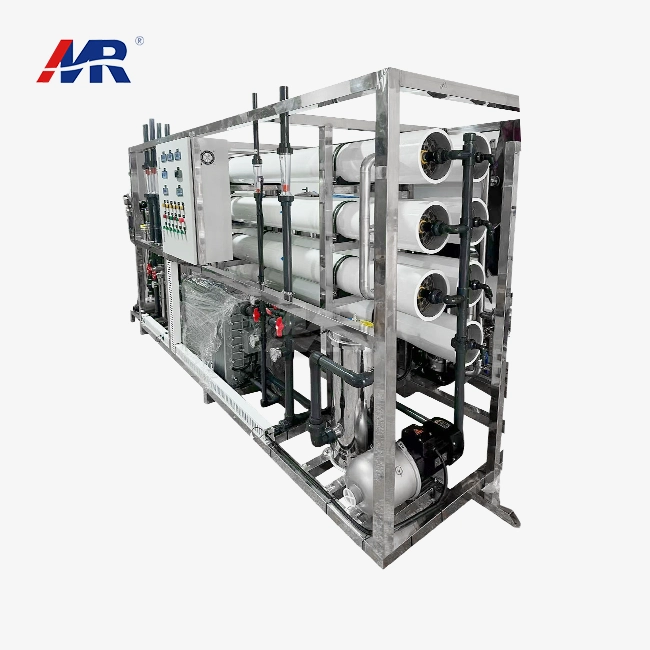 VIEW MOREedi water treatment
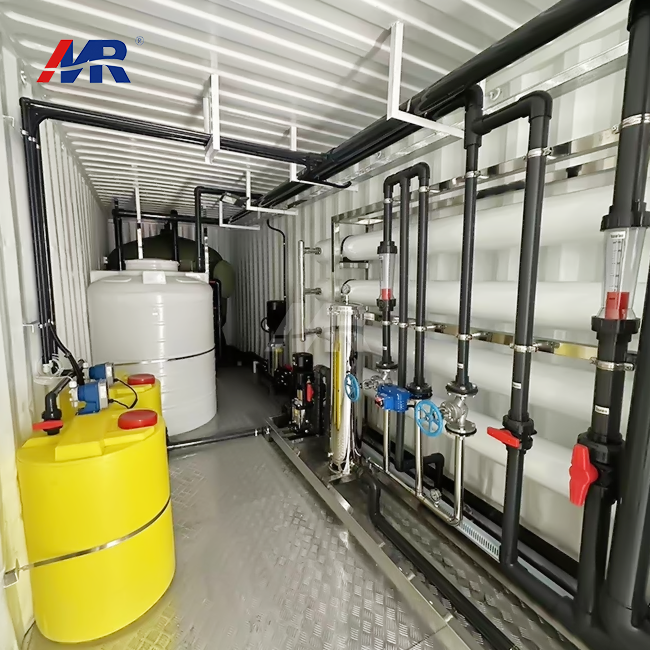 VIEW MOREcontainer reverse osmosis equipment
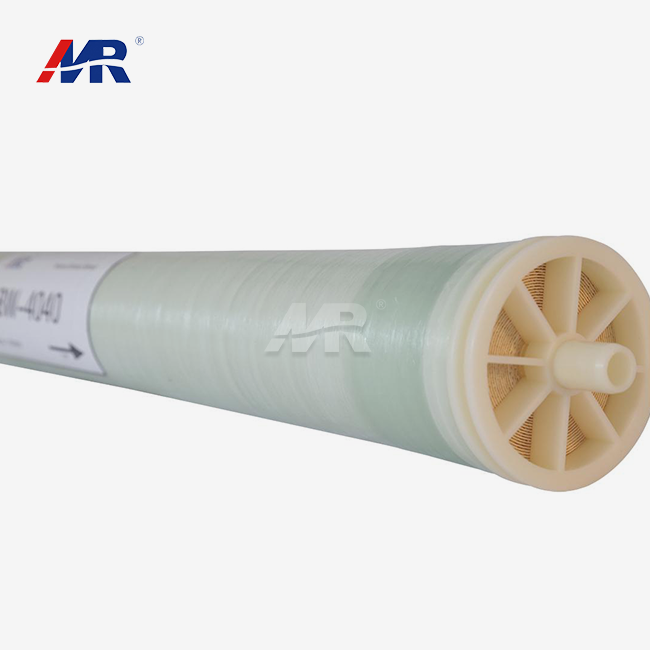 VIEW MOREindustrial reverse osmosis membrane
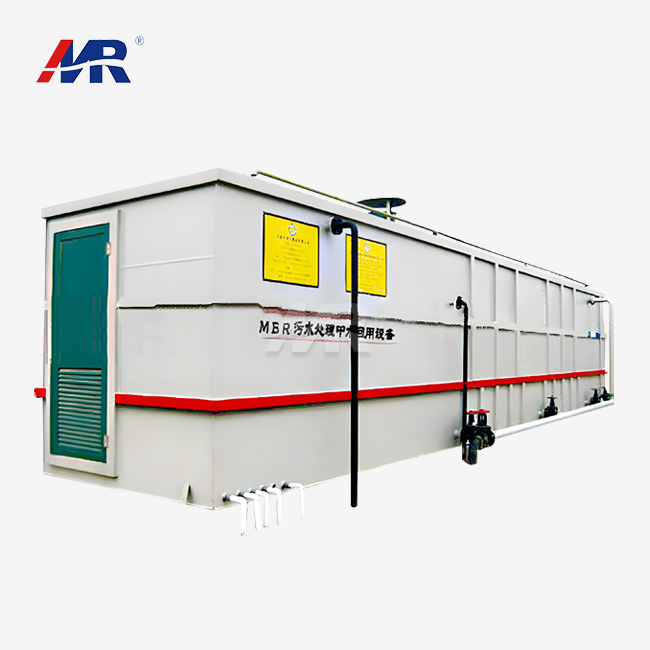 VIEW MOREsewage treatment plant MBR system
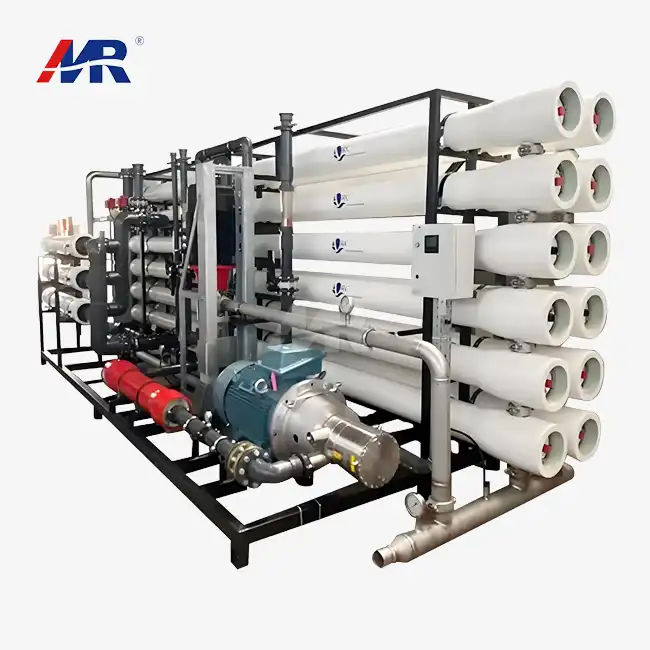 VIEW MORE45m3/hour seawater desalination system
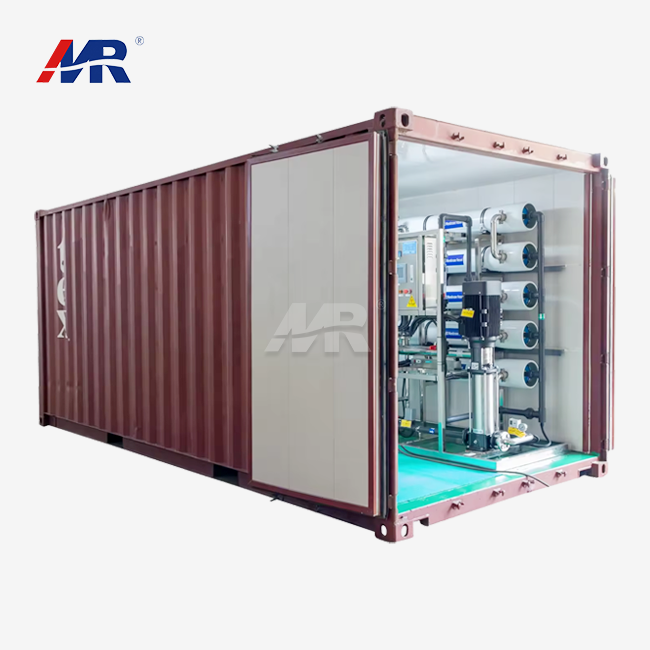 VIEW MOREmobile container reverse osmosis equipment
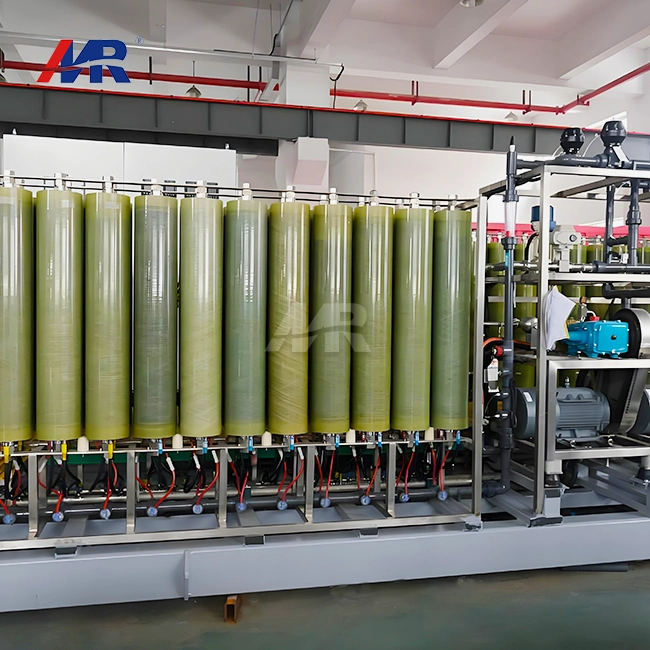 VIEW MOREDTRO Technology
 VIEW MOREultrafiltration equipment
