

_1745823981883.webp)

Can a Leachate Collection System in Landfill Prevent Groundwater Contamination?
When built with the right barriers, draining infrastructure, and tracking methods, a properly designed leachate collection system in landfill operations can significantly reduce the pollution of groundwater. To work, the device stops polluted water from moving deeper into the groundwater by blocking it. A multi-barrier defence is made up of high-density polyethylene (HDPE) walls, geocomposite drainage networks, and collection pipes that are placed in key places. With regular maintenance and real-time tracking, these systems lower the chance of contamination by over 95%. This makes them necessary for modern garbage management facilities to protect the environment and people's health.
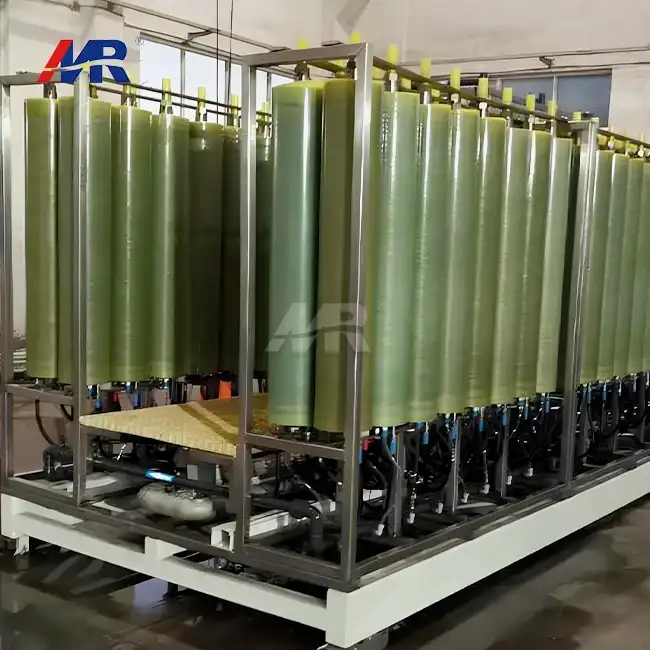
Understanding Leachate and Its Environmental Risks
What Is Leachate and How Does It Form?
Leachate is made when rain or other moisture seeps through trash that is breaking down in dumps. Heavy metals like lead and mercury, volatile organic compounds (VOCs), ammonia, and harmful bacteria are just some of the toxins that this liquid can soak up. The percentage changes depending on the type of trash, how old the landfill is, and the weather. Chemical Oxygen Demand (COD) levels in leachate from older dumps often reach 60,000 mg/L, which is very harmful to ecosystems and drinking water sources.
Pathways to Groundwater Contamination
If leachate is not contained properly, it moves up and down through the soil layers, and, depending on how permeable the rock is, it can reach groundwater within weeks or months. Aquifers can stay polluted for decades after they are polluted. In the 1980s, events like the Love Canal accident showed how unchecked leachate led to widespread health problems and property losses. Regulatory bodies in Europe and North America now require layered protection systems to stop these paths.
Regulatory Frameworks Governing Leachate Control
The U.S. Environmental Protection Agency (EPA) makes sure that local solid waste dumps follow Subtitle D rules, which say that they must have composite liner systems. Tough rules for managing waste are set by European Union laws, especially the Landfill Directive 1999/31/EC. These rules say how thick the wall has to be, how much hydraulic conductivity it has to have (usually ≤1 x 10^-7 cm/s for clay parts), and where the groundwater monitoring wells have to be placed in relation to the waste cells. Compliance makes sure that companies limit their environmental impact and keep their operating permits.
How Do Leachate Collection Systems Work to Protect Groundwater?
Core Components and Their Functional Roles
Modern landfill control depends on technical parts that are all connected and work together. Geosynthetic clay liners (GCLs), which are layers of compacted clay, act as the main protection against water at the base. Above this, HDPE geomembranes with a normal thickness of 60 mm make a seal that can't be broken down by chemicals in pH ranges of 2 to 12. With their high transmissivity rates, geocomposite drainage layers direct gathered leachate toward perforated HDPE pipes rated SDR 11 or SDR 17. These pipes can handle the weight of hundreds of feet of trash.
Leachate is moved from collection sumps to treatment plants or holding tanks by submersible pumps with parts that don't rust in a leachate collection system in landfill. Advanced designs include automatic level sensors and SCADA (Supervisory Control and Data Acquisition) integration, which lets workers check pH levels, conductivity, and flow rates from afar. This preventative method stops hydraulic head buildup that could damage the structure of the liner.
Passive Versus Active Collection Methods
Passive systems use gravity to move water through permeable drainage surfaces. They work well for smaller dumps where the rate of leachate production can be predicted. Mechanical pumping is used in active systems, which gives exact control over the rate of fluid removal and flexibility to adapt to changes in the seasons. Hybrid designs use both methods, collecting water naturally and using pumps to help drain it during heavy rainstorms. To find the best system design, engineering studies should look at the site's terrain, the amount of waste, and the way it rains in the area.
Real-Time Monitoring Technologies
Sensor networks built into the draining layers can pick up on changes in the temperature, pressure, and chemicals of the leachate. Fibre-optic leak detection devices can find membrane breaks with great accuracy, down to a one-metre level. Data analytics systems look at this data and send out alerts when factors go beyond certain limits. These new ideas turn reactive maintenance into predictive operations, which makes systems last longer and lowers the cost of emergency repairs.
Evaluating the Effectiveness of Leachate Collection Systems
Comparing Collection Technologies
Different sizes of landfills need different kinds of answers. Single-composite liner systems with pumps that are handled by hand can be used in small sites that handle less than 100 tonnes of waste per day. Large city landfills that handle thousands of tonnes of trash need double-liner designs with automatic backups. When compared to regular dirt layers, geocomposite drainage cores allow more water to pass through while taking less time to install. HDPE pipe is very resistant to environmental stress cracking (ESCR), and it will keep its structural integrity for more than 100 years if it is placed according to ASTM D638 mechanical property standards.
Common Challenges and System Failures
Even though the tech is strong, efficiency is still at risk in a number of ways. Biological blocking happens when microbial films build up in draining media, making it up to 80% less able to move water. Chemical formation of iron compounds or calcium carbonate makes flow routes even less clear. When trash is deposited, holes in the geomembrane make better seepage pathways. Cycles of thermal expansion and contraction can separate pipe joints, which can lead to leaks. To deal with these risks, strict quality control during building is needed, along with following rules like ASTM D5321 for checking interface shear strength.
Maintenance Best Practices for Long-Term Performance
Inspections of pump stations every three months, video scans of collection pipes once a year, and groundwater samples from monitoring wells every six months are all parts of good maintenance programmes. Using high-pressure water jets for flushing gets rid of sediments that have built up. Biodegradable surfactants are used in chemical solutions to break down biological blocks. Setting up replacement plans for electrical parts, pump seals, and check valves helps avoid unplanned downtime. Tracking maintenance activities and performance measures with documentation systems helps with regulatory compliance audits and guides planning for replacements over the course of a product's lifetime.
Integration with Advanced Treatment Solutions
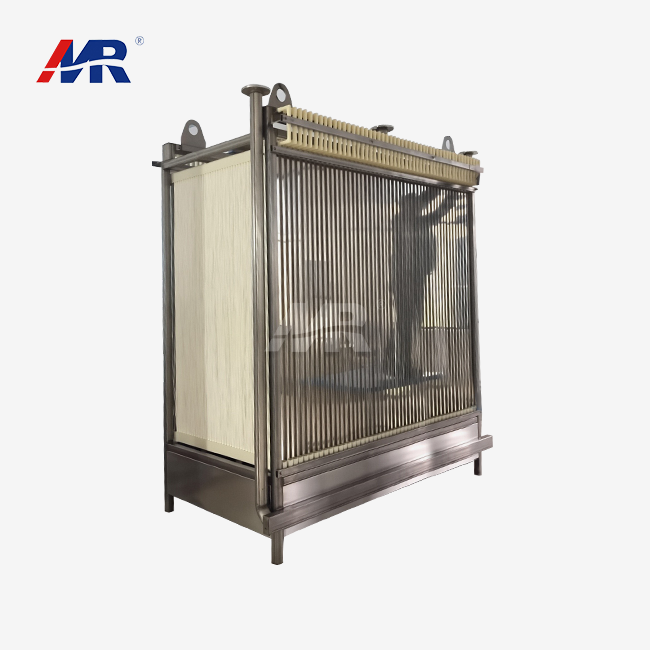
Collection systems only catch leachate; cleaning methods get rid of pollution before they are released or used again. Membrane Bioreactor (MBR) technology lowers COD levels by more than 90% by combining biological breakdown with ultrafiltration. Total Dissolved Solids (TDS) amounts above 30,000 mg/L are taken out of influent by reverse osmosis (RO) units, which creates effluent that meets strict release permits. As a dump grows, modular treatment skids can be moved to accommodate more waste. Integrating effective collection facilities with strong treatment skills protects the environment in a wide range of ways.
Selecting and Procuring the Right Leachate Collection System for Your Landfill
Key Selection Criteria for Procurement Teams
When choosing tools, technical decision-makers have to look at a number of factors for a leachate collection system in a landfill. The system should be able to handle the highest rates of leachate production plus an extra 25% just in case. Compatibility with current waste geometry, such as slope angles and cell sizes, makes sure that drainage patterns work well. To make sure that suggested materials meet the requirements for regulatory compliance, they must first be checked against the ASTM D6766 liner performance standards and the EPA Method 160.1 solids management methods. Estimates of running costs are based on energy efficiency estimates that compare the number of horsepower needed by the pump with the number of hours it is expected to run.
Trusted Manufacturers and Supplier Considerations
Established sellers with a wide range of Products offer benefits in buying by making it easier to find what you need and guaranteeing that it will work with other products. Quality Certifications, like ISO 14001 for environmental management systems, show that a provider cares about the earth. Project risks are kept to a minimum by providing after-sales support that includes installation supervision, user training, and the availability of extra parts. Lead times and freight costs are cut down by regional delivery networks. Looking at a supplier's track record through reference projects and comments about their work makes choices about which vendors to choose more reliable.
Budget Planning and Total Cost of Ownership
Materials, installation labour, and finishing services are all examples of up-front capital costs. HDPE geomembranes usually cost between $1.50 and $3.00 per square foot, but this depends on how thick they need to be. The cost to add a perforated collection pipe is between $15 and $40 per linear foot. Each pump station with controls and a house costs an extra $25,000 to $100,000. Operating costs, which are about 3% to 5% of the initial capital costs, include things like energy use, routine repair labour, and replacement parts that wear out over time. Lifecycle analyses that look at operations over 30 years show that spending more on high-quality materials lowers the amount of long-term upkeep and replacement needed, giving you a better overall cost of ownership.
Maintaining Compliance and Ensuring Sustainability in Leachate Management
Navigating Regulatory Standards Across Jurisdictions
For U.S. sites, designs must be in line with 40 CFR Part 258 standards, which spell out composite liner systems and leachate collection removal times that keep hydraulic head from building up to more than 30 cm. The local environmental departments in Canada's provinces make sure that the same standards are followed. European companies follow how their countries have implemented EU rules. Some countries, like Germany, have very strict technical guidelines in place (DepV). Standardised design methods go above and beyond all jurisdictional minimums, making compliance management easier and cutting down on technical redundancy. This helps multinational companies that handle sites across borders.
Routine Inspection Protocols and Lifecycle Management
Instrumented readings are used along with eye inspections in comprehensive inspection programs. Every three months, someone goes to the spot to check on the pump, make sure the sump fluid level is correct, and look for damage in the pipes. Every year, thermographic studies look for changes in the temperature of the ground that show preferred flow lines. Electrical resistivity tomography and other geophysical methods are used to map linear consistency across whole tracks. Asset management systems are filled with collected data, which causes repair work orders to be sent out when performance indicators approach critical levels. Capital replacement funds that are planned and paid for by tipping fee surcharges make sure that resources are available for big repair projects as the business goes into its later stages of operation.
Emerging Innovations Shaping Future Solutions
Internet of Things (IoT) devices are placed throughout trash cells and the leachate collection system in landfills in smart landfill ideas. These devices constantly send environmental data to cloud platforms. Machine learning algorithms look at past trends to guess when leachate production will peak, days before it rains. Autonomous robot inspection systems move through collection pipes and find blockages and structural flaws without having to dig them out by hand. Advanced oxidation methods that use ozone or UV rays make treatment work better for chemicals that are hard to get rid of. Operators who adopt these technologies will be at the forefront of protecting the environment, showing that they are responsible as a business and as a leader in governmental issues.
Conclusion
Properly designed collection facilities and careful operating practices are essential for protecting groundwater at landfill sites. Even though there is no such thing as a 100% promise, modern designs that use HDPE barriers, geocomposite drainage networks, and automatic tracking make the chances of contamination very low. When you combine collection systems with modern treatment technologies, you can do both intercepting and cleaning, which meets regulatory requirements and protects community water supplies. When looking at investments in waste infrastructure, procurement professionals should put proven component materials, source knowledge, and lifetime support capabilities at the top of their lists. This will help the climate in the long run.
FAQ
1. How Does a Collection System Differ from Treatment Equipment?
Collection systems physically collect and move leachate from waste cells to specific handling spots, with the main goals of keeping the liquid contained and moving it to the right place. Before it is released, treatment equipment uses biological, chemical, or physical processes on the collected liquid to lower the amount of contaminants in it. Both roles are necessary; collection stops the escape into the environment, and treatment makes sure that regulations are followed.
2. What Maintenance Frequency Is Required for Reliable Operation?
Mechanical parts at pump stations usually need to be inspected once a month and serviced every three months. Video surveys must be done on collection pipes once a year, and they need to be cleaned every 18 to 24 months, based on how often they get clogged at each spot. Groundwater monitoring wells need to be sampled at set times every so often, usually every three months. Electrical leak location studies are used every five years to check the stability of the liner.
3. Can These Systems Adapt to Different Landfill Types?
Of course. Municipal solid waste dumps, building debris dumps, and hazardous waste dumps all use special collection plans that are based on the type of waste and how it is regulated. Modular system designs allow installation to be done in stages that match the plan for building landfill cells. This gives options for both small town sites and big regional complexes.
Partner with Morui for Comprehensive Leachate Management Solutions.
The foundation for a leachate collection system in a landfill is provided by Guangdong Morui Environmental Technology, which has 20 years of experience treating water. Our engineering team creates site-specific solutions using Shimge pumps that don't rust, Createc's accurate tracking tools, and Runxin's automatic control valves. We offer smooth project execution from concept to finishing, thanks to our 14 regional offices and on-site construction teams. Our membrane production plant makes sure that important geomembrane parts are of high quality, and our partnerships with top leachate collection system in landfill providers give us access to approved materials that meet ASTM and ISO standards.
Our technical experts can be reached at benson@guangdongmorui.com by procurement managers and building engineers to talk about capacity needs, site limitations, and budget limits. We provide thorough engineering plans, lifetime cost analyses, and funding choices that are made to fit the needs of both public and private operators.
References
1. Rowe, R. Kerry. "Long-term Performance of Contaminant Barrier Systems." Geotechnical Engineering Journal, Vol. 45, 2018, pp. 1-35.
2. Kjeldsen, Peter, et al. "Present and Long-Term Composition of MSW Landfill Leachate: A Review." Critical Reviews in Environmental Science and Technology, Vol. 32, 2002, pp. 297-336.
3. U.S. Environmental Protection Agency. "Criteria for Municipal Solid Waste Landfills." 40 CFR Part 258, Office of Solid Waste, 2021.
4. Koerner, Robert M., and George R. Koerner. "A Database, Lessons Learned, and Recommendations Regarding HDPE Geomembrane Liner Performance." Geosynthetics International, Vol. 20, 2013, pp. 56-77.
5. European Commission. "Council Directive on the Landfill of Waste." Directive 1999/31/EC, Official Journal of the European Communities, Brussels, 1999.
6. Reinhart, Debra R., and Timothy G. Townsend. "Landfill Bioreactor Design and Operation." Lewis Publishers, CRC Press, Boca Raton, 1998.
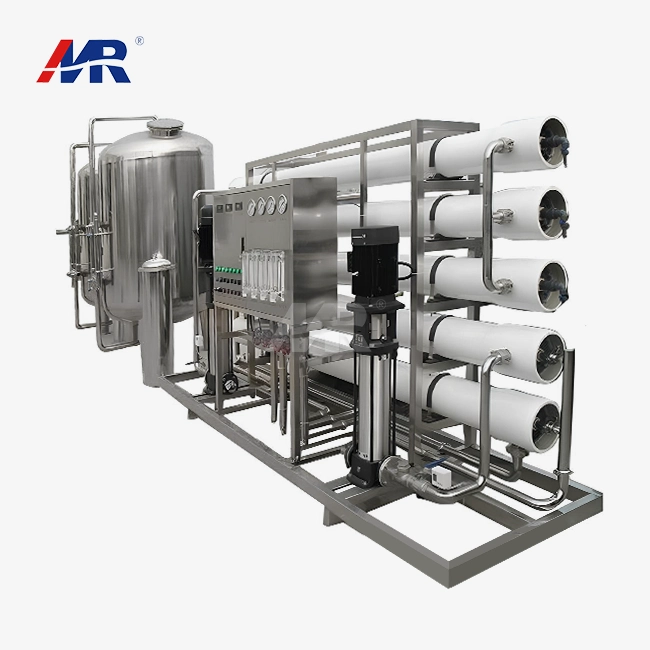 VIEW MOREbrackish water reverse osmosis
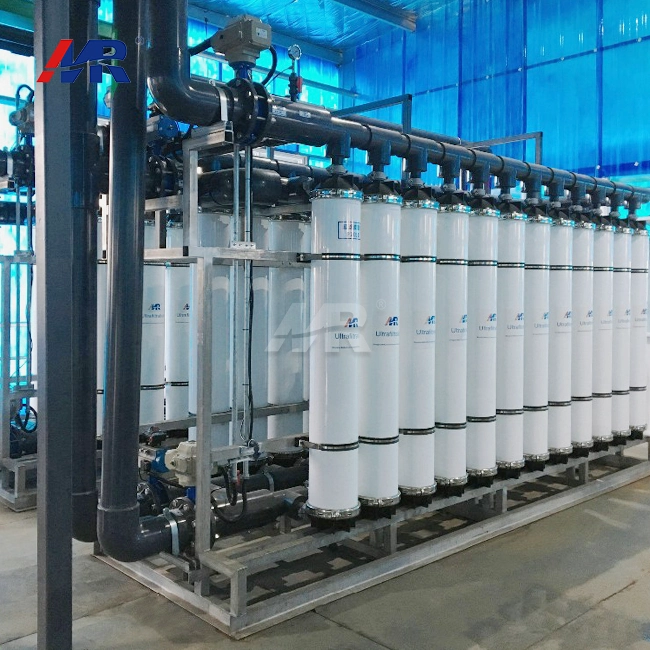 VIEW MOREultrafiltration equipment
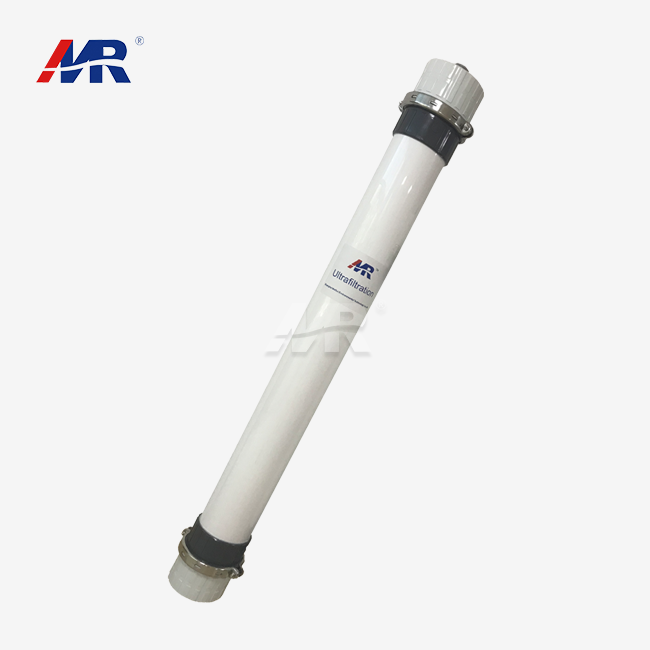 VIEW MOREultrafiltration membrane for wastewater treatment
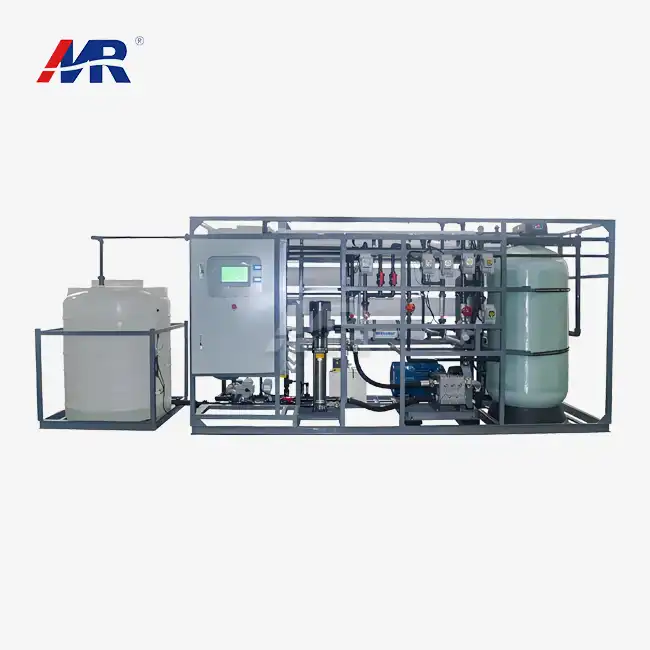 VIEW MORE5m3/hour seawater desalination equipment
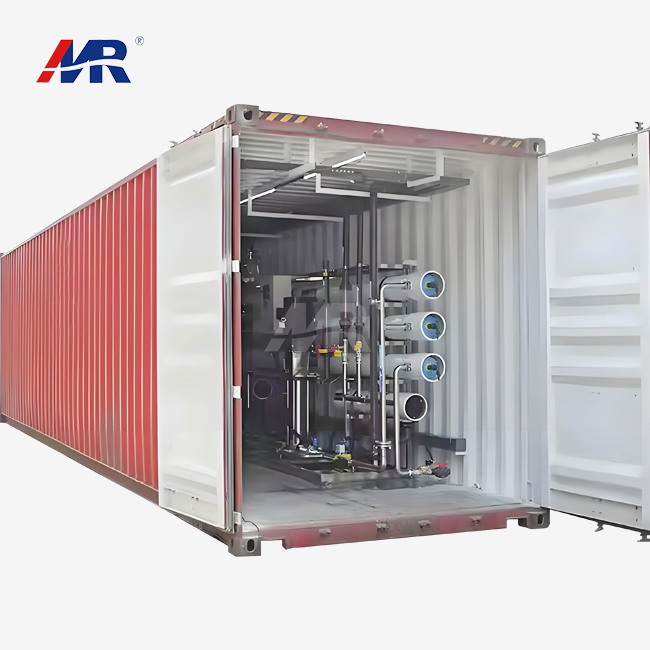 VIEW MOREContainerized Reverse Osmosis Systems
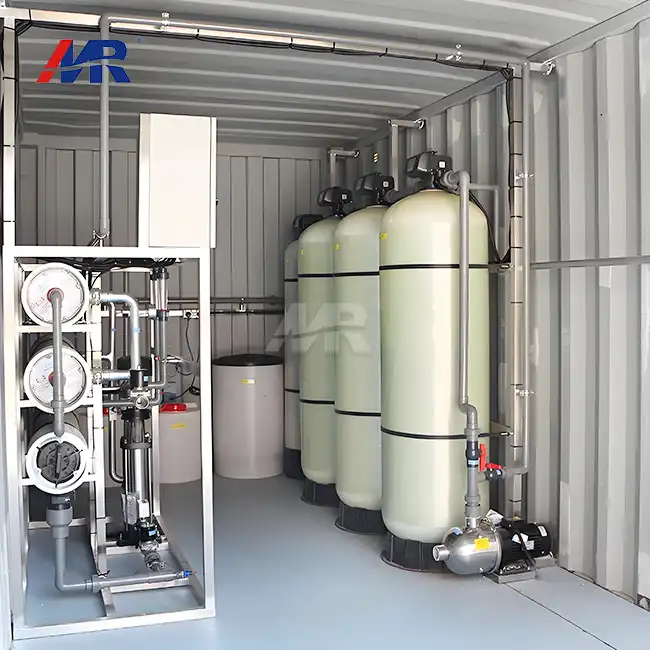 VIEW MOREcontainer type 3m3/hour RO equipment
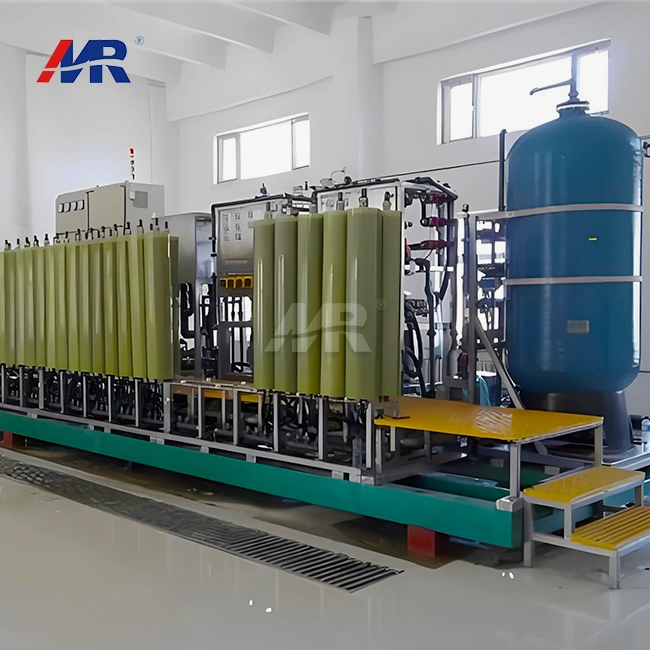 VIEW MOREDTRO system
 VIEW MOREsubmerged membrane bioreactor
