_1745823981883.webp)

Can a Containerized Wastewater Treatment Plant Handle 500 m³/d?
Yes, a containerized wastewater treatment plant can handle 500 m³/d of wastewater because it is designed in a way that makes the modules work better together and uses the latest treatment technologies. By combining high-efficiency biological reactors like MBR or SBR with computerized control systems, these small units can get the job done while still meeting discharge standards. Modern containerized systems are designed to reliably handle medium-sized flows. They provide industrial facilities and city operators with a flexible, space-saving solution that gets rid of the limitations of traditional infrastructure and ensures consistent effluent quality in a wide range of operational settings.
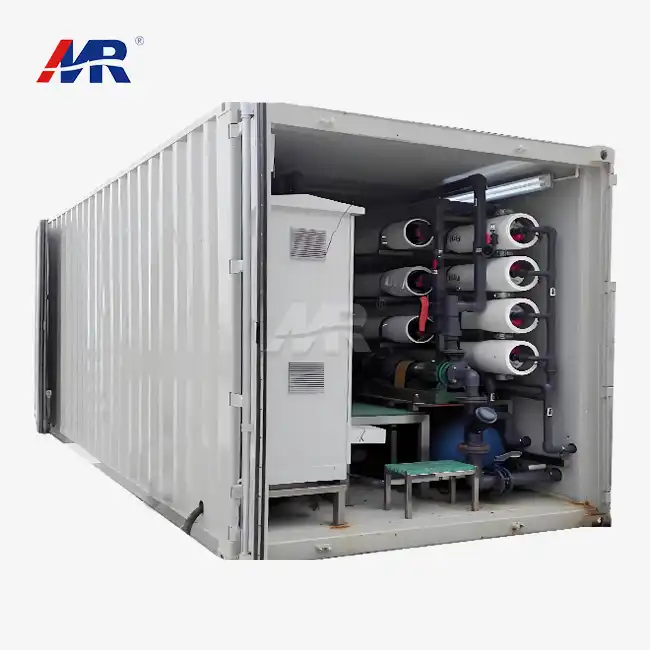
Understanding Containerized Wastewater Treatment Plants and Their Capacities
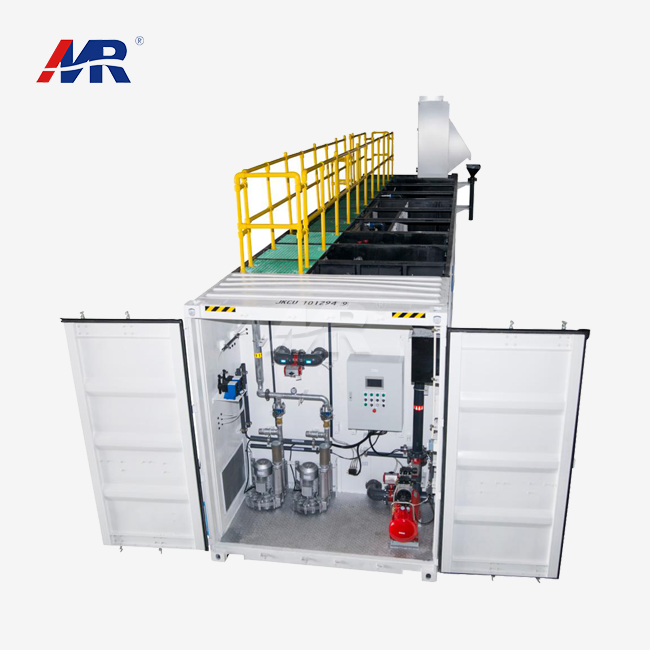
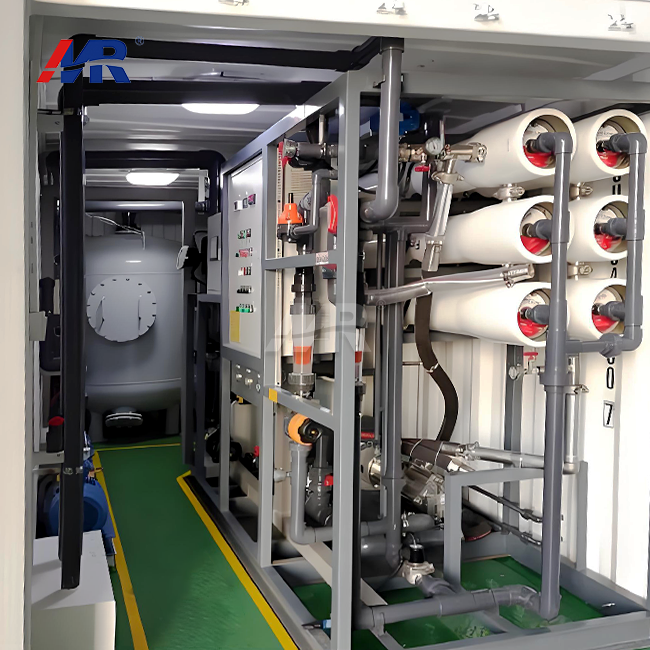
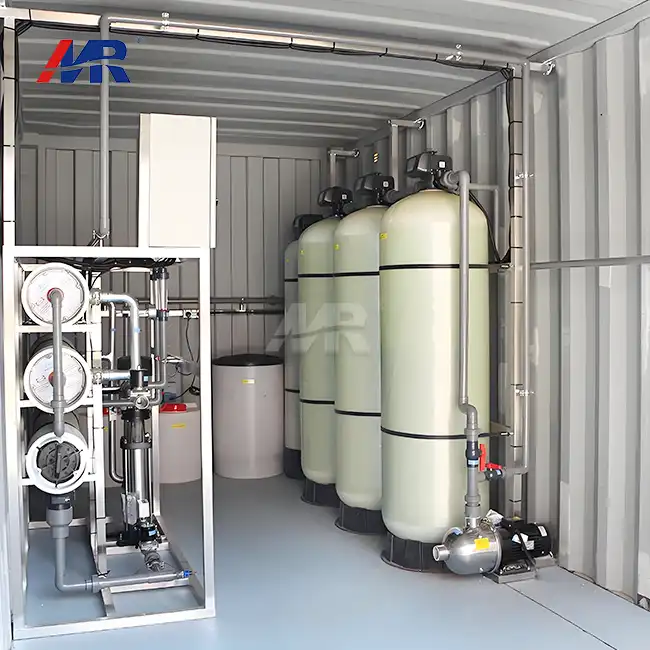
Standard ISO shipping containers (10ft, 20ft, or 40ft) can hold modular water treatment systems. These systems are a big step away from stable infrastructure and toward mobile, scalable assets. These units come with control screens, biological reactors, clarifiers, and filtering membranes all in a factory-tested, plug-and-play format. The small size solves important problems like building delays, high costs for on-site labor in rural areas, and operations that can't be changed or shortened quickly.
What Defines a Containerized Wastewater Treatment Plant?
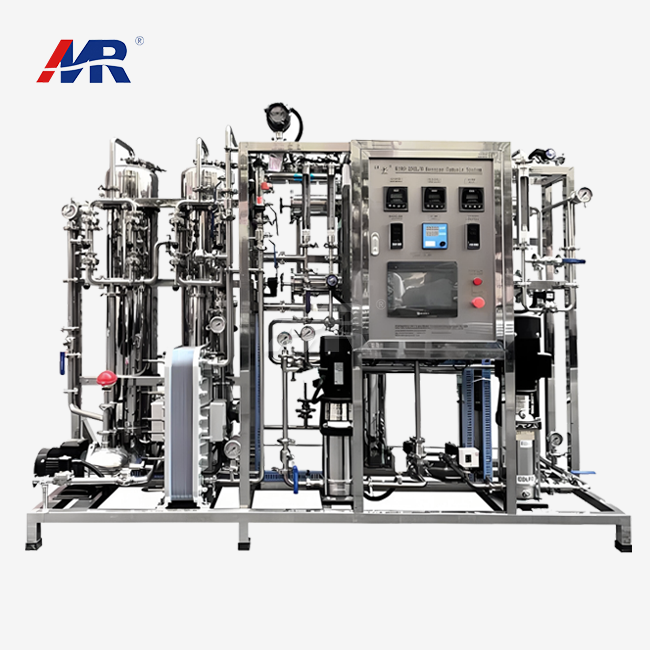
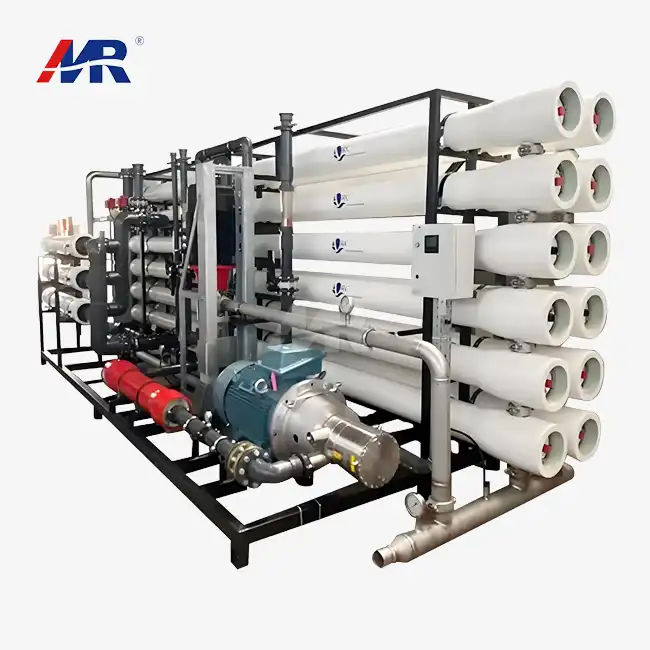
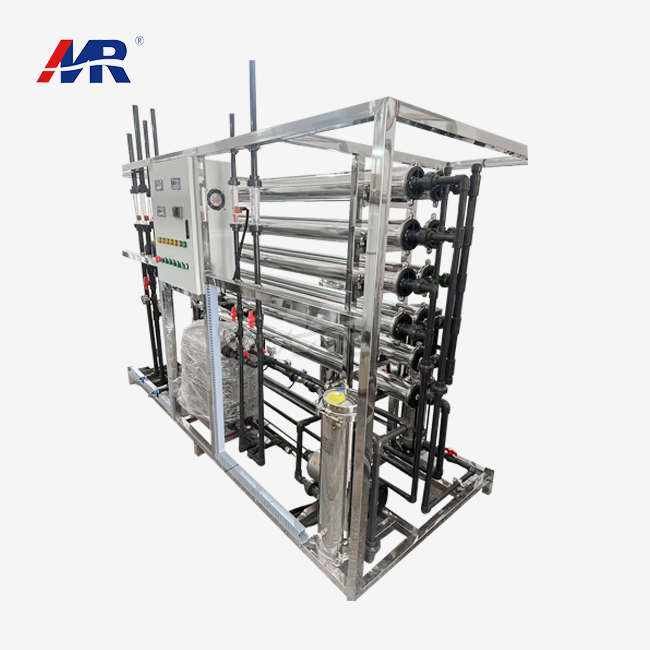
A containerized wastewater treatment plant is a decentralized water cleaning system that fixes major problems in the industry by letting it be set up right away and following the rules, even if the site isn't ideal. Advanced methods, such as the Membrane Bioreactor (MBR) or the Moving Bed Biofilm Reactor (MBBR), are built into strengthened carbon steel shells that are coated with C5-M marine-grade epoxy. This makes the technology last in harsh settings. Processing rates for each unit are usually between 10 and 500 m³/day, and PLC-based SCADA systems that are built in allow for remote control.
Capacity Determinants for 500 m³/d Operations
The ability to treat water relies on many interconnected factors, such as the flow rate of the influent, the amount of organic matter (measured by BOD5 and COD), the percentage of suspended solids, and the levels of nutrients. The wastewater quality from standard containerized systems is BOD₅ below 5 mg/L and TSS below 5 mg/L. This is achieved by managing biomass and optimizing hydraulic holding times. To get a throughput of 500 m³/d, the aeration systems, membrane surface area, and sludge handling methods must be carefully sized so that biological activity stays fixed even when the loading conditions change.
Modular Scalability and Multi-Container Configurations
When the capacity of a single container isn't enough, workers set up setups with multiple units that are linked by manifolds and share control systems. This flexible scalability lets the facility grow slowly as its needs do, so it doesn't have to make the risky investments that come with fixed plants that are too big. Parallel operation also offers redundancy—maintenance can be done on individual barrels without stopping the whole treatment process, which makes sure that environmental rules are always followed.
Technical Process and Operational Workflow of a 500 m³/d Containerized System
The cleaning process in these modular units is a carefully planned series of steps that turn polluted input water into water that can be discharged or used again. When buying teams understand this technology process, they can better understand how containerized wastewater treatment plant solutions meet the same performance standards as traditional facilities while taking up a lot less space.
Primary Treatment and Screening
Influent wastewater comes in through automatic bar screens that get rid of big things like trash and rags. This keeps equipment further down the line from getting damaged. A buffering equalization tank evens out changes in flow throughout the day. This stops hydraulic shock loads that could throw biological processes off balance. This first step is very important when working with industrial wastewater that discharges in irregular patterns or has high peak flows during shift changes.
Advanced Biological Treatment Technologies
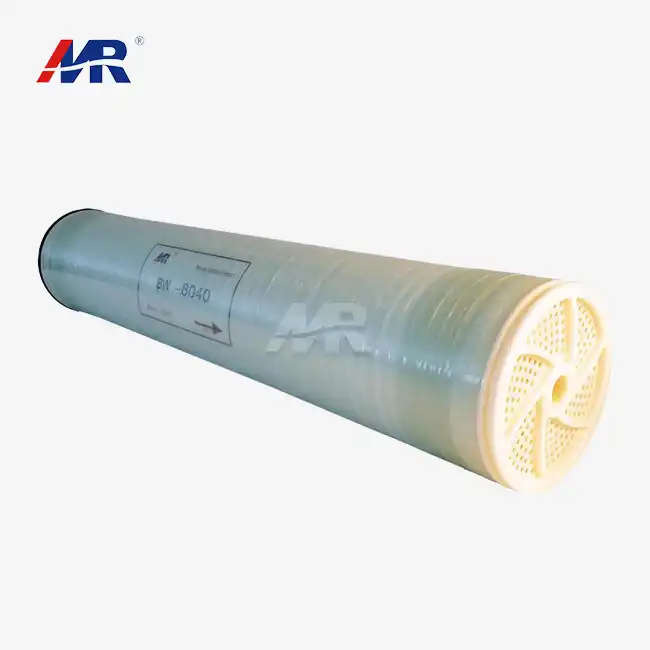
Either MBR systems with active sludge and ultrafiltration membranes or SBR units that work in timed fill-react-settle-decant cycles are used in the biological treatment core. Because it retains all the biomass, MBR technology produces clearer effluent and smaller reactor volumes, which makes it perfect for 500 m³/d uses that are limited by room. MBBR systems, on the other hand, use plastic bags that float in the water and help biofilm grow. This method provides strong treatment with little help from the user. Variable frequency drives change the speed of the blowers based on sensors that measure the amount of liquid oxygen. This saves energy while keeping the aerobic conditions needed for the breakdown of organic matter.
Tertiary Polishing and Disinfection
After biological treatment, the water goes through a third round of filtering using sand filters or more membrane steps to get rid of any remaining suspended particles. Pathogenic bacteria are killed by UV cleaning or chlorination systems before they are released or used again. Automated chemical doses for adjusting pH and getting rid of nutrients make sure that local rules are always followed. In the US, these rules are usually based on EPA guidelines or tougher state-level standards. Monitoring of the whole process is ongoing, and workers' mobile phones are used to receive warning signals.
Maintenance Protocols for Sustained Performance
Routine care includes backwashing the membrane once a week to keep it clean, checking the mechanical seals and bearings on pumps and fans every three months, and calibrating analytical sensors every six months. The amount of sludge that is taken out relies on how fast the organic matter is loading, but for 500 m³/d systems, it usually happens every 30 to 60 days. It's easier to do maintenance on containerized designs because they have hinged roof panels and carefully placed service doors that let techs get to important parts without having to go through the confined space entry steps that are needed in underground conventional plants.
Comparing Containerized Plants with Conventional Wastewater Treatment Solutions
When people are deciding between treatment choices, they need clear similarities to show why they should spend money on one over another. The containerized wastewater treatment plant method has clear benefits that can be directly translated into financial and operational benefits. This is especially true for medium-sized 500 m³/d uses where the costs of building a standard plant are too high.
Footprint and Installation Timelines
Usually, it takes 12 to 18 months for conventional wastewater treatment plants to be fully operational after they have been dug up, concrete poured, buildings constructed, and large networks of pipes installed. A single 40-foot barrel takes up only 30 square meters of space but can treat everything. Putting the unit on a prepped concrete pad, connecting utilities, and turning on pre-programmed control systems are all parts of installation, which can be done in two to four weeks. This 80% cut in execution time speeds up project returns and keeps operations running as smoothly as possible.
Capital and Operational Cost Analysis
Even though containerized systems may have slightly higher unit equipment costs than buying standard parts in bulk, the total cost of the project is still cheaper because there is no need for civil works, fewer engineering hours are needed, and quality control is done in the factory before the systems are assembled. Automated process optimization lowers the cost of doing business by 20 to 30 percent by using fewer chemicals and using less energy by precisely controlling air flow. For plants that process 200 to 800 m³/d, flexible systems usually have a lower total cost of ownership over 10 years.
Environmental Compliance and Sustainability
Containerized plants are better for the environment because they have biological units that are protected, which keeps smells in and stops aerosol emissions. When you handle sludge better, you get rid of less extra biomass, which means less pollution from transportation and less work for landfills. The systems work perfectly with strict rules in North America, where disposal permits require more and more fertilizer removal and control of new contaminants. Before being shipped, each unit is tested in the factory to make sure it meets certain performance guarantees. This gives regulatory officials documented proof of compliance.
Procurement Considerations for Mid-Scale Containerized Wastewater Treatment Plants
It's not just the technical specs that decide how well a procurement works; it's also important to look at the supplier's skills, finances, and assistance throughout the whole lifecycle. Making smart buying choices means weighing the initial cost against the possibility for long-term operating security and expansion.
Supplier Credentials and Technology Validation
Manufacturers of reputable containerized wastewater treatment plants show that they have a good track record by showing finished installations, third-party performance Certifications, and clear customer references. The purchasing teams should check that the company has ISO 9001 quality management certification, that it works with well-known names on membrane technology, and that the engineering team has the right qualifications. When you go to an operating site, you can see for yourself how well it was built, how the control system works, and how the real effluent results compare to what was planned.
Customization for Site-Specific Requirements
Standard containerized units can handle the usual conditions of household waste, but industrial uses need to be customized. Food processing plants make a lot of biological waste, so they need bigger air systems. Electroplating plants need heavy metal precipitation stages, and pharmaceutical plants need to make sure their waste is free of pathogens so it meets FDA standards. Some of the best providers offer flexible add-ons that work perfectly with base treatment containers. These include chemical precipitation tanks, activated carbon adsorption columns, and advanced oxidation systems.
Financing Models and Total Investment Structure
In addition to buying something outright, there are other ways to get it, such as operational leasing agreements that keep capital for core business activities, rental agreements for short-term projects like construction camps, and build-operate-transfer contracts where suppliers keep ownership and guarantee performance. Prices for complete 500 m³/d containerized systems usually run between $450,000 and $750,000, based on the quality of the wastewater and how advanced the automation is. To avoid surprise costs, clear quotes should list the costs of all the equipment, shipping, supervision during installation, training for operators, and help with operation.
Service Packages and Long-Term Support
Full service after the sale is what sets trustworthy partners apart from transactional sellers. Support elements that are necessary include technical hotlines that are open 24 hours a day, seven days a week for troubleshooting, preventative maintenance contracts with set yearly costs, guaranteed spare parts available with clear wait times, and regular performance audits to find ways to improve things. Structures with warranties that cover motor parts for 12 to 24 months and structural parts for 3 to 5 years reduce risk during the early, crucial stages of operation.
Conclusion
Through improved engineering and proven field performance, containerized wastewater treatment plants clearly show that they can handle 500 m³/d flows. The modular method meets the needs of today's industries for quick deployment, operational freedom, and environmental compliance while working with limited funds and time frames. As membrane technology, process automation, and climate adaptability get better, they can be used in more areas, like industry, government, and disaster response. As rules get stricter and water shortages get worse, these scalable systems offer strategic benefits over traditional infrastructure. They put forward-thinking businesses in a good position to deal with new problems quickly.
FAQ
1. What is the typical lifespan of a containerized wastewater treatment plant?
The structural container shell will last for 20 years or more if it is maintained according to normal procedures and has high-quality C5-M protection coatings. After 5 to 10 years of constant use, mechanical and electrical parts like pumps, blowers, and control screens usually need to be replaced or given a major makeover. Depending on the quality of the feedwater and how often they are cleaned, membrane units need to be replaced every 3 to 7 years. Full lifetime planning includes these planned part replacements to keep the asset's performance stable over its entire useful life.
2. Can these systems operate in extremely cold climates?
Containerized units can be used successfully in sub-zero temperatures thanks to technical changes like 50mm to 100mm of thermal insulation, built-in space heaters that keep the inside of the units between 50°F and 60°F, and heat tracing on the outside of the pipes. When the temperature of the reactor stays above 40°F, biological treatment processes stay fixed. This is possible even in the Arctic. Operators in northern Canada and Scandinavia say the facilities are safe all year and don't have to shut down for the winter as most outdoor facilities do.
3. How much onsite preparation is required before installation?
Minimal site preparation distinguishes containerized wastewater treatment plant options from traditional ones. A level concrete pad or a base of compacted soil that fits the container's dimensions is needed. There must also be utility connection points for the pipe that brings in and takes out water that are within 50 feet of the unit, and the electricity service must meet the system's voltage and amperage needs. The pre-piped and pre-wired system removes the need for a lot of building work on-site, so installation preparations can be done by contractors who aren't experts in the field.
Partner with Morui for Your Containerized Wastewater Treatment Plant Solution
Guangdong Morui Environmental Technology has been helping businesses all over North America with their unique modular cleaning systems for more than ten years. Our company is a supplier of containerized wastewater treatment plants. We offer concept engineering, membrane production, and turnkey installation services. We have 20 specialized engineers and 500 committed pros working out of 14 regional branches. We provide full 500 m³/d systems that combine tried-and-true MBR and SBR technologies with automatic SCADA controls. These systems make sure that regulations are followed and operations are reliable. Get in touch with Our Team at benson@guangdongmorui.com to talk about your unique application needs and get a full technical proposal that is based on your site conditions, discharge standards, and budget. Our full support includes supplying the equipment, setting it up on-site, teaching the operators, and providing prompt after-sales service to ensure that the treatment works for a long time.
References
1. Chen, W., & Liu, J. (2022). Modular Wastewater Treatment Systems: Design Principles and Industrial Applications. Water Technology Press.
2. International Water Association. (2023). Membrane Bioreactor Technology for Decentralized Water Treatment. IWA Publishing, London.
3. Morrison, R. D., & Hayes, T. L. (2021). Containerized Treatment Solutions for Remote and Temporary Facilities. Journal of Environmental Engineering, 147(8), 04021032.
4. National Association of Clean Water Agencies. (2023). Cost-Benefit Analysis of Modular vs. Conventional Wastewater Infrastructure. NACWA Technical Report 2023-04.
5. Singh, A., & Peterson, K. (2022). Advanced Biological Treatment in Compact Reactor Configurations. Environmental Science & Technology, 56(14), 9876-9885.
6. United States Environmental Protection Agency. (2023). Alternative Wastewater Collection Systems Technology Fact Sheet: Containerized Treatment Units. EPA 832-F-23-005.