_1745823981883.webp)

What Problems Can Brackish Water RO Solve Effectively?
Reverse osmosis for brackish water solves important water quality problems that businesses in areas with high-salinity groundwater face. This special membrane technology gets rid of dissolved salts, dangerous minerals, and other impurities from water sources that have between 1,000 and 15,000 mg/L of Total Dissolved Solids. Brackish water RO systems enable sustainable water resource management in arid environments where freshwater alternatives are still scarce by turning previously unusable groundwater into industrial-grade or potable water. They also prevent scaling in boilers, prevent corrosion in manufacturing equipment, and lower operational costs compared to thermal distillation.
Understanding the Core Problems Solved by Brackish Water RO Systems
Because salty water sources are different, they can cause problems with water quality in farming and industry. There is a tricky middle ground between the cleanness of freshwater and the high saltiness of ocean water that makes things difficult for building managers.
The Hidden Costs of Elevated TDS Levels
Total Dissolved Solids levels between 1,000 and 15,000 ppm hurt electronics in a big way over time. Deposits of calcium, magnesium, and silica build up on heat exchange surfaces, which makes power plants up to 30% less efficient at using heat. When process water has too many minerals in it, pharmaceutical companies risk contaminating their Products. We've seen electronics factories lose whole batches of products when ionic pollution from unclean brackish water gets into the chip cleaning process.
Scaling and Corrosion: The Silent Operation Killers
When surfaces are heated or pressed, released ions stick to them and form mineral scale. Thick layers of calcium carbonate form on boiler tubes, which work as barriers and make systems use more energy while producing less. When chloride and sulfur ions hit metal parts, corrosion speeds up. One broken boiler tube can stop all activities for days, which can cost companies hundreds of thousands of dollars in lost production.
Agricultural Challenges from Saline Irrigation Water
Farmers who use salty groundwater that hasn't been cleaned will see their crop yields go down as sodium builds up in the root zones. The Sodium Adsorption Ratio has a direct effect on the structure of the soil, making it harder for water to get in and air to get out. When irrigation water goes over 500 mg TDS, sensitive plants like berries and leafy greens don't grow as well. We've seen 40% drops in yields in hydroponic systems that didn't fix salt problems.
How Brackish Water RO Technology Effectively Tackles Water Quality Problems
With reverse osmosis membrane technology, you can separate things more precisely than with regular filters. Understanding how this product works helps procurement teams understand why it consistently achieves results in a wide range of uses.
Advanced Membrane Filtration Mechanics
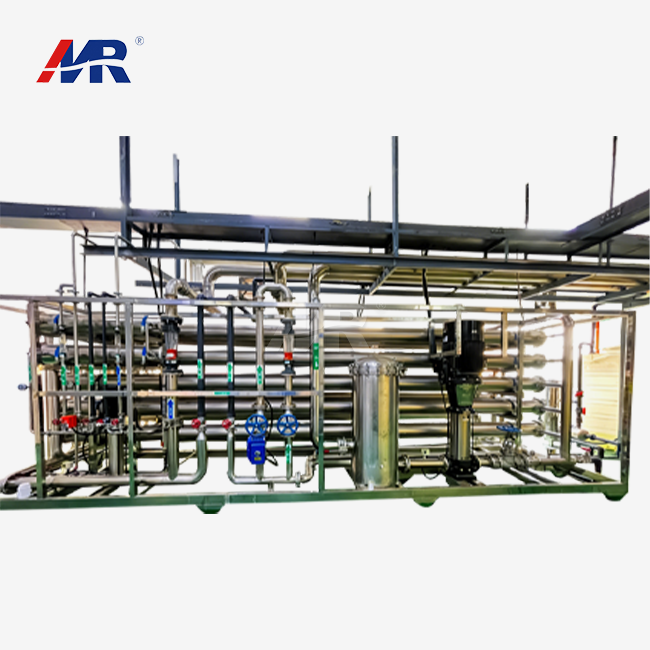
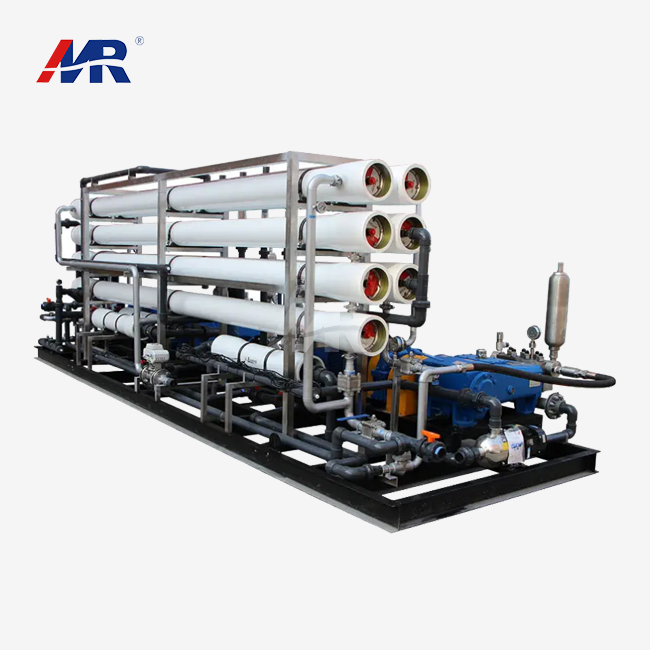
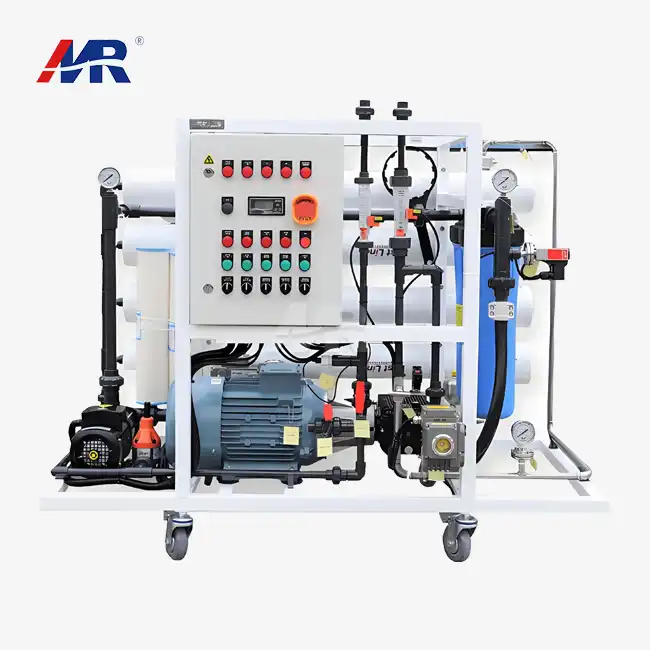
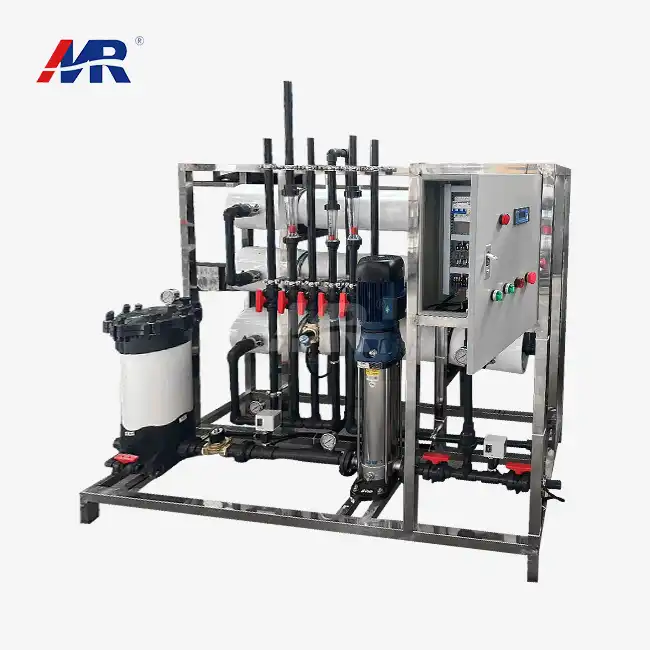
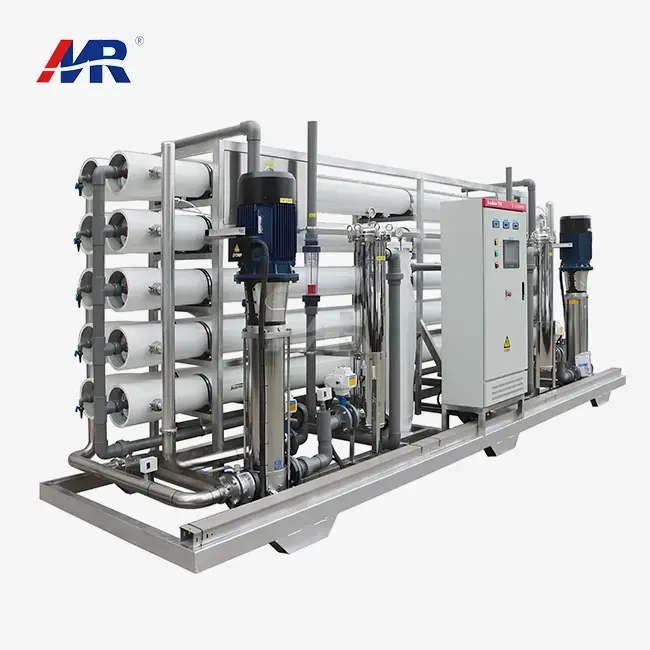
As molecular barriers, semi-permeable thin-film composite membranes let water molecules pass but block 99.0% to 99.7% of dissolved salts. Osmotic pressure differences are solved by operating pressures between 150 and 400 psi, which forces water through the membrane surface. Cross-flow filtration constantly moves concentrated brine across the membrane, which keeps it from getting clogged and increases its useful life. This design gets recovery rates of 75% to 85%, which means that only 15% to 25% of the feed water ends up as trash. This is an important factor to consider in places where water is scarce.
Modern methods have more than one stage, and the permeate from the first stage goes through more cleaning. This step-by-step process makes water that meets strict requirements: less than 10 ppm TDS for boiler feedwater, less than 50 ppm for food processing, and less than 0.5 microsiemens conductivity for chip manufacturing.
The Critical Role of Pretreatment
How well the feedwater is treated determines how long the membrane lasts. Keeping the Silt Density Index below 3 stops colloidal fouling, which harms membrane surfaces in a way that can't be fixed. Usually, pretreatment trains have antiscalant dosing to keep minerals in solution, multimedia filters to get rid of suspended solids, and carbon filters to get rid of chlorine. When workers follow strict pretreatment methods, membranes can last anywhere from 2 years to over 5 years.
Changing the pH is necessary when there is a lot of sand in the solution. Keeping the pH between 6.5 and 7.5 keeps silica soluble and stops the formation of silica scale that can't be removed. Operators keep an eye on differential pressure rises of 15% to know when to use chemicals to clean the membrane and restore its ability to let fluid through before lasting damage happens.
Energy Efficiency Advantages
Thermal distillation uses 50–80 kWh per cubic meter of water produced, but reverse osmosis systems that treat salty water only need 1.5–3 kWh per cubic meter. For a plant that makes 500 cubic meters of waste every day, this huge increase in efficiency saves more than $200,000 a year in running costs. Variable frequency drives change the speed of the pumps automatically to account for changes in yearly temperatures. This keeps the output constant without wasting energy.
Comparing Brackish Water RO with Alternative Water Treatment Solutions
In order to choose the right technology, you have to compare its performance to specific business needs. People who have to make decisions can gain from knowing the specific benefits of each method.
Brackish Water RO vs. Seawater RO Systems
Both methods use membranes in similar ways, but saltwater systems need to operate at much higher osmotic pressures, between 800 and 1,200 psi. Desalinating seawater uses 3 to 6 kWh of energy per cubic meter, which is twice as much as desalinating salty water. These differences can be seen in the prices of capital: seawater plants cost $1,200 to $2,500 per daily cubic meter of capacity, while Brackish water RO installations cost $600-$1,200. Facilities that use groundwater with a low level of salt can make a lot of money by using the right tools.
Advantages Over Distillation and Ion Exchange
It takes a lot of heat energy and leaves a big physical footprint, but multi-effect distillation makes very clean water. Ion exchange resins get rid of certain ions well, but they need to be regenerated often with dangerous chemicals, which makes them hard to get rid of. Reverse osmosis works all the time without changing phases, doesn't need any chemicals for recycling, and takes up little room so it can be added to existing facilities. Because of these working features, membrane systems are better for most industry uses.
Real-World Applications and Case Studies Highlighting Problem Solving
Real-life examples of implementation show how tailored solutions can solve problems that are unique to a certain business. These examples can be used as standards to figure out the possible return on investment.
Manufacturing Sector Solutions
A cloth-dyeing plant in the Southwest had trouble with color results that weren't always the same. This was because the minerals in the well water changed over time. Installing a Brackish water RO system that produces 50 cubic meters of water per hour improved color stability by 95% and cut dye waste by $180,000 per year. As scale formation pretty much stopped, boiler repair times went from every three months to once a year.
An electroplating business that treated 20 cubic meters of water every day was able to get 98% of the water back by using a method that combined pretreatment, RO, and electrodeionization. The cost of dumping wastewater went down by 85%, and the quality of the product water met the high resistivity standards needed for chrome treatment.
Agricultural Water Management Success
In Arizona, a garden that grew tomatoes had to deal with rainwater that had 3,500 ppm TDS, which is much higher than what plants can handle. The cleaning system that was put in place lowered the salinity to 150 ppm, which made it possible to grow high-value organic types. When prices went up, and yields went up by 60%, the money was paid back in 18 months. Lowering salt levels got rid of the need to fix up the soil, which protected the land's long-term production.
Coastal farming sites use similar technology to maintain optimal salinity in recirculating systems. Precise control over dissolved minerals lowers stress and disease in fish, which increases their chances of survival by 25% while reducing the amount of water they need by 70% compared to flow-through processes.
Power Generation Reliability
A combined-cycle power plant that treated 200 cubic meters of salty groundwater every hour for boiler mix saw huge increases in reliability. Before it was put into action, scaling caused monthly forced outages that lasted an average of 48 hours each. After the system was installed, the plant ran for 18 months straight without a single scale-related shutdown. Lower maintenance costs saved more than $1.2 million, and better heat economy saved $800,000 in fuel costs.
Procurement Insights: Choosing and Investing in the Right Brackish Water RO System
A good system selection for Brackish water RO takes into account technical needs, prices over the system's life, and the supplier's skills. Structured evaluation frameworks help procurement pros make these kinds of choices more easily
Evaluating Supplier Credentials and Support
Manufacturers with a good reputation have ISO 9001 quality Certifications and can show that they meet NSF/ANSI 61 guidelines for drinking water components. Having access to technical help is very important during setup and debugging. Suppliers that offer remote tracking 24 hours a day, seven days a week can help with preventative maintenance, which stops small problems from becoming system breakdowns. Capital investments are protected by warranties that cover membranes and major parts for 3 to 5 years.
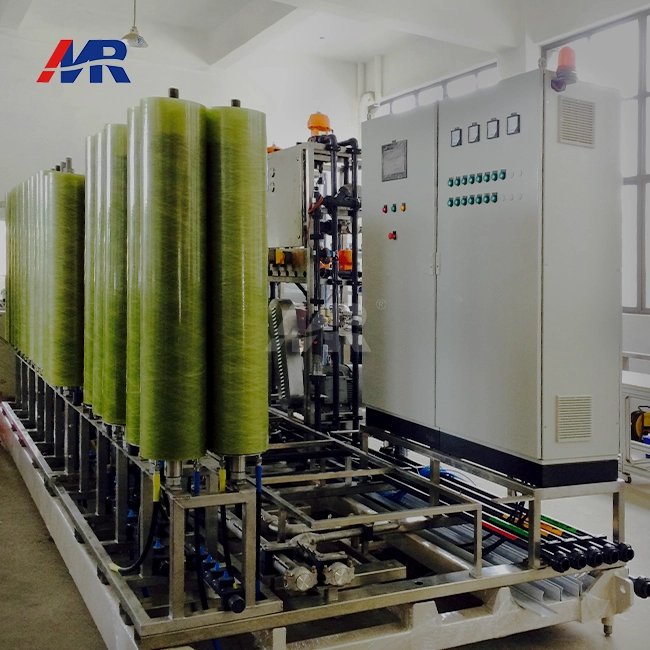
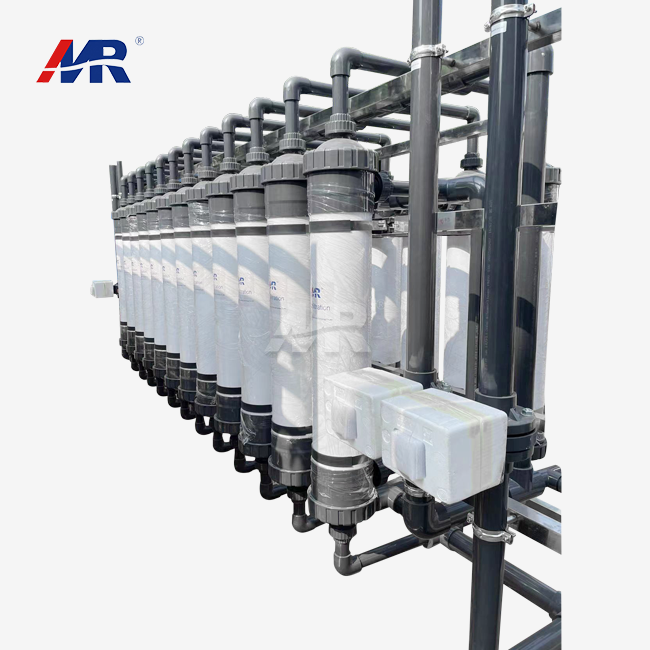
Guangdong Morui Environmental Technology has a wide range of skills that can be used throughout a project's lifecycle for Brackish water RO. We can quickly solve operational problems because we have 14 branches that help with regional service delivery and 20 skilled engineers who offer technology support. Our combined manufacturing includes plants that make membranes and plants that process equipment. This lets us make unique solutions that exactly meet the needs of each application. Strategic relationships with companies like Shimge Water Pumps and Runxin Valves that make parts make sure that the subsystems are stable and of high quality.
Total Cost of Ownership Analysis
Over a 15-year working time, the initial capital spending only makes up 30–40% of the total lifecycle costs. Total ownership costs are mostly made up of energy use, membrane repairs, chemical costs, and work. Systems that are built with energy recovery devices use 20 to 30 percent less electricity, which can save a lot of money in high-volume situations.
Properly chosen cleaning systems raise initial costs by 15 to 25 percent but increase membrane life by 40 to 60 percent, saving more than 100 thousand dollars over ten years for medium-sized installs. Condition-based maintenance, which cuts unplanned downtime by 75% compared to reactive methods, is made possible by automated tracking systems that find patterns in fouling.
Capacity Planning for Future Expansion
Projections of water demand for Brackish water RO should take into account changes in rules and the growth of businesses. Adding more trains in parallel to a modular system design lets it handle more people without having to replace old equipment. This method of investing in stages protects cash flow and makes sure that treatment capacity stays in line with real needs. Systems with variable frequency drive pumps can respond quickly to changes in demand, so they don't have to run at full power all the time, which isn't very efficient.
Conclusion
Brackish water RO technology has been shown to solve problems with water quality that affect the efficiency, quality, and long-term viability of businesses in industry, farmland, power generation, and cities. By precisely removing dissolved salts and contaminants, these systems keep equipment from scaling and rusting, make sure that processes always work the same way, and turn water sources that couldn't be used into useful resources. For execution to go well, the pretreatment design, supplier selection, and lifetime cost analysis need to be carefully thought out. When businesses work with experienced providers, they get access to professional know-how, reliable parts, and quick support that help them get the most out of their systems and their money.
FAQ
1. What differentiates brackish water treatment from seawater desalination systems?
The main difference is the working pressure and the amount of energy used. With 35,000 ppm or more of TDS, seawater needs a working pressure of 800 to 1,200 psi, but freshwater sources with 1,000 to 15,000 ppm only need 150 to 400 psi. This difference in pressure means that treating seawater uses 3 to 6 kWh of energy per cubic meter, while treating Brackish water RO only uses 1.5 to 3 kWh. This has a big effect on the costs of running the business.
2. How frequently do membranes require replacement in industrial applications?
If you do the right preparation and keep the SDI below 3, membranes should work well for 3 to 5 years. When workers don't do pretreatment or don't clean with chemicals until differential pressure goes above 20%, they replace parts too soon. If the normalized permeate flow drops by 10% or the salt passage goes up by 15%, the membrane needs to be cleaned or looked at.
3. Can systems handle seasonal variations in feed water quality?
Quality reverse osmosis systems have automatic tracking systems that change the amount of antiscalant used, the pH level, and the operating pressure based on real-time study of the feed water. Temperature changes affect the viscosity of water, and variable frequency drives help to balance that out. For every 1°C drop in temperature, permeate output drops by about 3%. Systems that are properly built keep their output constant even when the chemistry of the groundwater changes with the seasons.
Partner with a Trusted Brackish Water RO Manufacturer
Morui is an expert at developing and making full water treatment systems that meet the needs of businesses, farms, and cities. Because we can do everything from making membranes to integrating whole systems, we can make special configurations that exactly solve your business problems. Through our national service network, we offer full support, including installation, commissioning, and ongoing expert help all in one place. Whether you need ultrapure water for making electronics, pharmaceutical-grade purified water, or farming irrigation water that meets high SAR standards, our engineering team uses its years of experience to make sure that the system works well and has a long life. Learn how working with a reputable Brackish water RO provider can improve water quality, operational efficiency, and cost control by contacting benson@guangdongmorui.com to discuss your particular needs.
References
1. American Water Works Association (2020). "Reverse Osmosis and Nanofiltration: Manual of Water Supply Practices M46." Denver: AWWA Publications.
2. Greenlee, L.F., Lawler, D.F., Freeman, B.D., Marrot, B., & Moulin, P. (2019). "Reverse Osmosis Desalination: Water Sources, Technology, and Today's Challenges." Water Research, Vol. 43, pp. 2317-2348.
3. Wilf, M. & Bartels, C. (2018). "Optimization of Seawater RO Systems Design." Desalination, Vol. 173, pp. 1-12.
4. National Research Council (2021). "Desalination: A National Perspective." Washington, DC: The National Academies Press.
5. Fritzmann, C., Löwenberg, J., Wintgens, T., & Melin, T. (2017). "State-of-the-Art of Reverse Osmosis Desalination." Desalination, Vol. 216, pp. 1-76.
6. International Desalination Association (2022). "IDA Desalination Yearbook 2021-2022: Water Desalination Report." Topsfield: Global Water Intelligence.