_1745823981883.webp)

How Does a Seawater Desalination Plant Support Water Security?
A seawater desalination plant converts abundant ocean water into freshwater through advanced membrane filtration or thermal technologies, directly addressing water scarcity by creating a climate-independent supply source. These facilities eliminate dependence on unpredictable rainfall patterns and depleting groundwater reserves, particularly in coastal and island regions facing chronic shortages. By transforming saline ocean water—which covers over 70% of Earth's surface—into potable water meeting WHO standards, desalination infrastructure delivers continuous, reliable freshwater for municipal distribution, industrial processes, and emergency relief operations, fundamentally strengthening water security against environmental variability and population pressures.
Introduction
Water shortages have spread globally, affecting over two billion people. Growing populations, worsening climate change, and uneven groundwater distribution are straining conventional water supplies. Water purity is crucial for pharmaceutical and semiconductor manufacturing. As aquifers are salted, coastal communities struggle to satisfy people's requirements.
Technology for desalination has gone from a luxury to a need. Energy recovery systems and reverse osmosis membranes reduce operating expenses and boost productivity in contemporary facilities. These systems deliver water year-round, regardless of weather or river flow.
This in-depth research discusses key considerations for purchasing managers, plant engineers, and expert decision-makers considering seawater desalination plant investments. We examine operations, financial consequences, technology selection, and real-world application issue-solving. Knowing how desalination enhances water security helps you make wise infrastructure decisions that preserve operations and promote long-term development, whether you work for a local water authority that wants to expand or an industrial site that requires process water.
Understanding Seawater Desalination and Its Role in Water Security
Desalination takes dissolved salts and minerals out of ocean water to make freshwater that can be used for drinking and other commercial purposes. Normal treatment methods filter freshwater sources that already exist. A seawater desalination plant, on the other hand, makes new water supplies from ocean stores that are almost limitless.
Core Technologies Driving Modern Desalination
Two main methods are used most often in business settings. Under high pressure (usually 55 to 80 bar), reverse osmosis systems push seawater through semi-permeable membranes. This physically separates the salt molecules from the water molecules. Using thin-film composite membranes, this process can achieve salt rejection rates of more than 99.8%. Multi-Stage Flash distillation and other thermal processes evaporate seawater and compress the gas that is left over, leaving behind salts. Thermal ways use more energy, but they are better at dealing with feed water that is more likely to foul.
Reverse osmosis is becoming more popular in modern setups because it uses less energy and can be expanded in modules. Energy recovery devices take pressure from streams of concentrated brine and move it to seawater that is going in. This cuts the amount of power needed by up to 60%. Because of this new technology, desalination is now an option for medium-sized cities and factories as well as big government projects.
Strategic Advantages Over Traditional Water Sources
There are many problems with conventional water sources. Changes in temperature cause changes in the patterns of rain and snow that affect rivers and lakes. Aquifers are often depleted, and saltwater seeps into coastal areas when groundwater withdrawal rates are higher than natural refilling rates. Long-distance water transportation costs a lot in terms of infrastructure upkeep and power costs.
Desalination gets rid of these needs. Coastal sites can get an endless amount of feedwater, even when there is a drought. Production scales up or down reliably based on machine capacity instead of changes in the surroundings. When factories have to shut down because of a lack of water, this dependability is very important because it prevents huge financial losses. Desalination is the only way to be sure of a supply, which is important for pharmaceutical facilities that need to follow GMP guidelines, semiconductor factories that need ultrapure process water, and power plants that need regular boiler feedwater.
How Seawater Desalination Plants Work — Core Processes Explained
Knowing how operations work helps people who have a stake in the matter rate technology plans and guess how much maintenance will be needed. Multiple cleaning steps are built into a modern seawater desalination plant to make it more efficient and improve the quality of the water.
Pre-Treatment and Intake Systems
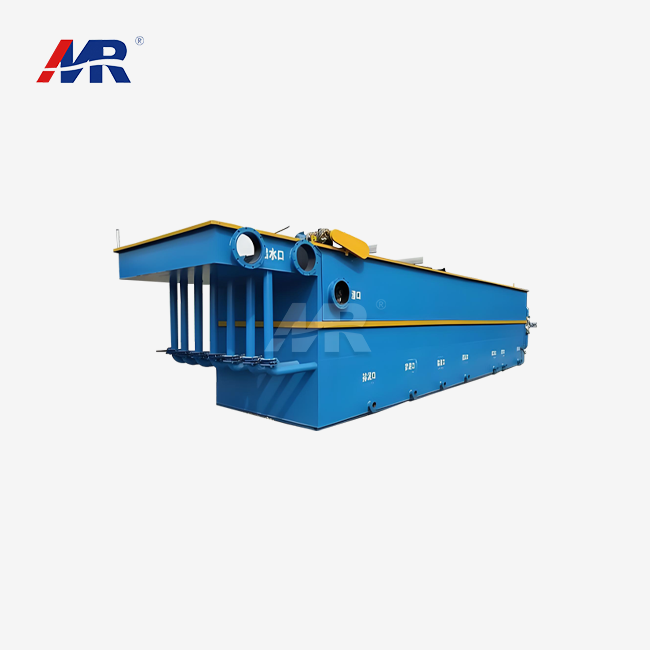
There are bacteria, suspended solids, and organic matter in raw seawater that can damage reverse osmosis membranes or thermal evaporators. Intake structures use wells on the beach or open ocean intakes with systems that keep trash and marine life out. To get rid of particles, pre-treatment usually includes coagulation, flocculation, and multimedia filtration. Some systems use dissolved air flotation to get rid of algae or cartridge filters to give the water one last polish before the membranes.
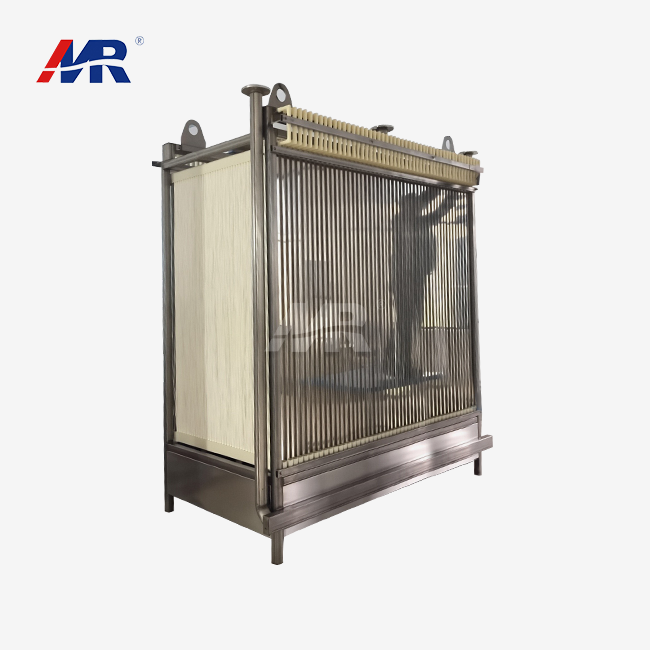
Ultrafiltration is used as a pre-treatment in modern facilities. It completely blocks germs and viruses and increases the membrane's lifespan. This method costs more at first, but it lowers the amount of chemicals needed and the number of times the membrane needs to be replaced, so it usually ends up being cheaper in the long run (15 years).
Core Desalination Through Membrane Filtration
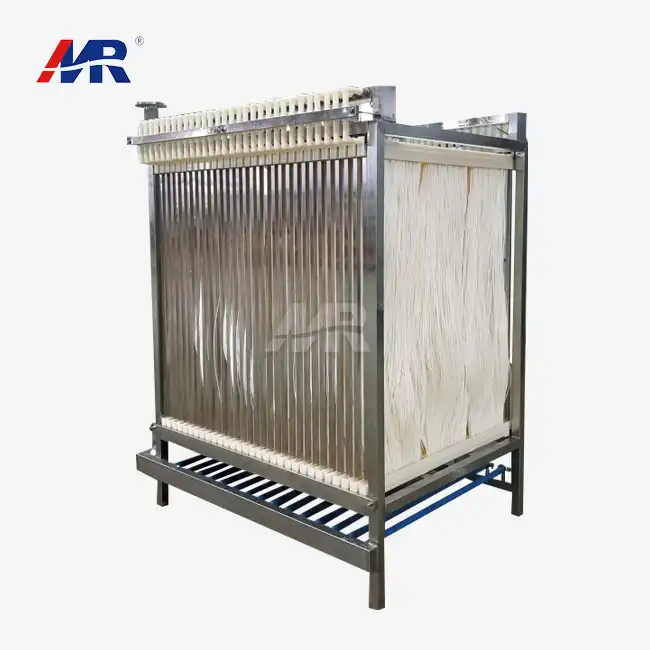
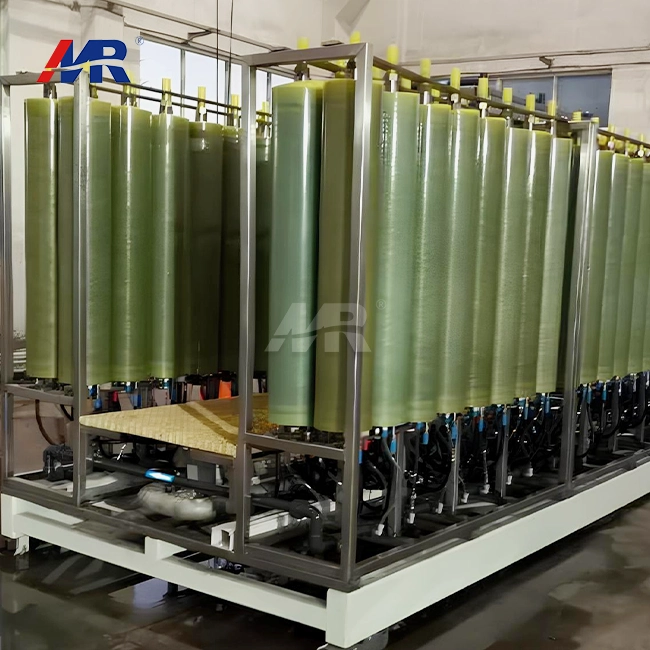
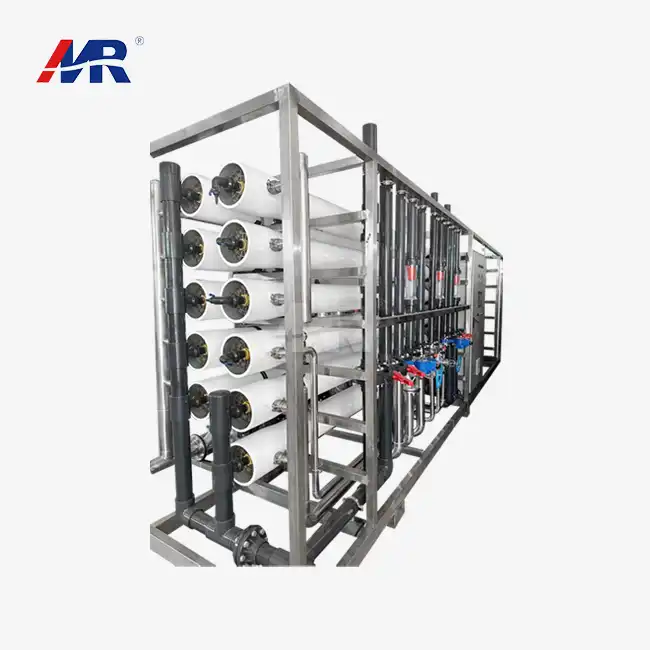
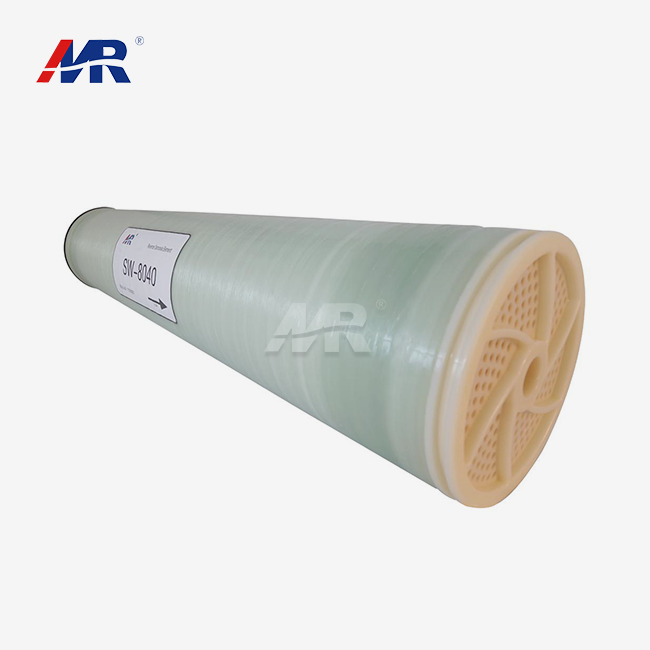
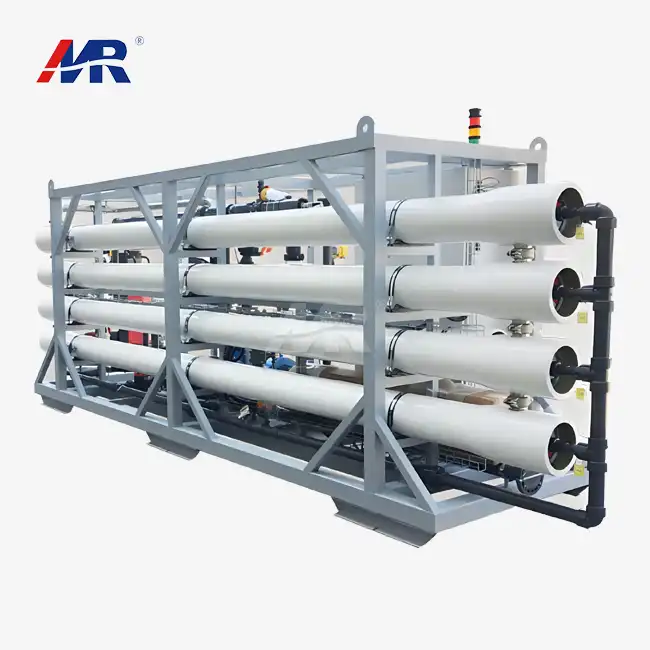
Seawater that has already been cleaned is pumped through spiral-wound or hollow-fiber reverse osmosis units by high-pressure pumps. Membrane arrays work in steps, and sometimes the permeate from the first passes gets more cleaning through secondary membranes. Recovery rates, or the amount of feed water that is turned into freshwater, are usually between 40% and 45% for seawater uses. This is done to balance the need for high production efficiency with the risk of membrane scaling.
The choice of material has a huge effect on performance and durability. For pressure tanks and pipes that are exposed to salty brine, high-quality systems use Duplex 2205 or Super Duplex 2507 stainless steel. More and more membrane housings are made of fiberglass-reinforced plastic, which is just as resistant to rust but lighter. Automated PLC-based control systems keep an eye on things like total dissolved solids, pH, turbidity, and pressure differences between membrane banks. They change the working settings in real time to get the best output and prevent damage from happening.
Post-Treatment and Distribution
The permeate from reverse osmosis filters is missing minerals that are normally found in freshwater, so it needs to be treated before it can be used. Remineralization adds calcium and magnesium to stop pipes from rusting and make the taste better. Adding lime or sodium hydroxide to water to change its pH level gets it into the neutral range. Any germs that are still there are killed by chlorination or UV treatment.
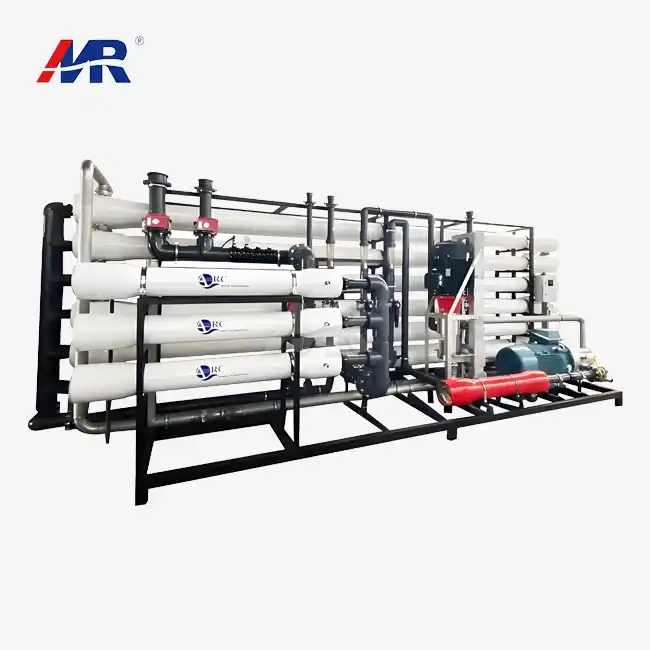
At this point, the best systems add energy-recovery tools like isobaric pressure exchanges. These systems take hydraulic energy from high-pressure brine waste streams and send it straight to seawater that is going in. This uses a lot less electricity. Energy-optimized plants use less than 3 kWh of energy per cubic meter of product water when variable frequency drives are used on pumps and green energy is added.
Real-World Implementation Examples
Using reverse osmosis, Tampa Bay's facility in Florida makes 25 million gallons of water every day, providing a drought-proof source for more than 2.5 million people. By mixing desalinated water with water from other sources, the installation shows how well it can work with the city's current infrastructure. The California Carlsbad plant is the biggest in North America. It provides 50 million gallons of water every day through public-private partnerships that spread the cost of capital across all stakeholders.
Industrial applications show how technology can be used in new ways. Offshore oil platforms use containerized units that make 50 to 500 cubic meters of water per day for operations and staff. These small systems work regularly even when there isn't much room, the temperature is high, or the quality of the feed water changes. Desalination and electrodeionization are used together in semiconductor processing facilities in Taiwan and South Korea to make ultrapure water with resistivity levels higher than 18 megohm-cm, which is needed for chip making.
Economic and Environmental Impact for B2B Stakeholders
The ability of a project to be completed depends on its ability to make money, while environmental success has a bigger impact on government approval and company sustainability reports for seawater desalination plants.
Capital and Operational Cost Structures
Turnkey facilities start at $1,000–$2,500, depending on site circumstances, technology, and input infrastructure demands. On the higher end of this range are smaller modular systems made for industrial use or remote towns. However, large municipal plants have economies of scale and reduced unit costs. The statistics cover planning, purchasing tools, construction, and commencing the job.
Energy, maintenance, chemicals, membrane replacement, labour, and repairs account for 35%–50% of operating expenditures. Saving energy is crucial since electricity rates vary. Plants with energy recovery devices and maximum recovery rates utilise 2.5 to 3.5 kWh per cubic metre for seawater. When salt levels are low enough, brackish water treatment may be more energy-efficient—often less than 1.5 kWh per cubic metre.
The expense of replacing membranes is high. High-quality elements should last 5–7 years if used properly. They might fail early due to fouling or scaling, increasing costs significantly. Set up tight pre-treatment and monitoring measures to protect this investment.
Environmental Considerations and Mitigation
Brine overflow is the major environmental issue. Concentrated streams have twice as much salt as saltwater. There are pre-treatment chemicals and minor quantities of rust-preventing metals. The correct diffuser design and position will provide adequate dilution to protect marine habitats from localised hypersalinity. Some locations combine brine with power plant cooling water before discharging it via authorised outfalls.
Energy consumption causes carbon emissions. In areas with feed-in tariffs or renewable energy credits, installing solar panels or wind turbines reduces emissions and operational costs. Battery storage systems may transfer load to off-peak energy periods for rate advantages.
Marine creatures may enter intake devices. Beach wells and subterranean sources solve this by filtering saltwater via natural sand layers before treatment. Open ocean openings require velocity limitations and screening to reduce biological impact. New design requirements necessitate thorough environmental impact evaluations.
Maximizing Return on Investment
Capital investments are safe when they are protected by reliable providers and full-service agreements. Companies should judge manufacturers by the number of machines they've placed, the number of areas they serve, the availability of spare parts, and how quickly they respond to technical help requests. Working with experienced engineering firms during the planning phase can help you avoid having to make expensive changes during building or startup.
Preventive repair plans keep technology working well and make it last longer. Cleaning the membrane, replacing the pump seals, and calibrating the instruments on a regular basis keep small problems from getting worse and leading to major breakdowns. Many operators sign long-term service contracts with original equipment makers. This makes sure they have access to genuine parts and specialized knowledge, and it also helps them plan their budgets for upkeep costs.
How to Choose the Right Seawater Desalination Solution for Your Project
Successful implementations fit the powers of the technology with the unique needs of the business, the conditions of the place, and the budget for a seawater desalination plant.
Capacity Planning and Technology Selection
Basic design decisions depend on product cost. Cities with 50,000 to 500,000 inhabitants require 5,000 to 50,000 cubic meters of water daily; therefore, large reverse osmosis trains with centralised energy recovery operate best. Industry frequently requires smaller, more versatile systems that can generate 100 to 5,000 cubic meters per day. Skid-mounted modular designs offer company growth-phased expansion.
Many new sites employ reverse osmosis because it is dependable and energy-efficient, particularly for saltwater. Thermal technologies are still helpful near power plants where waste heat may offset increasing energy usage. Using both approaches in a hybrid system optimises performance regardless of feed and product water conditions.
Feed water salt affects technology and company costs. Ocean water has 35,000 mg/L of total dissolved solids, requiring strong barriers and high operating pressures. Brackish sources with 1,000 to 10,000 mg/L salt allow cheaper membranes and lower pressures, reducing energy and capital expenditures significantly. A thorough water evaluation during feasibility studies prevents underestimating issues or overspending on equipment.
Evaluating Suppliers and Service Providers
The manufacturer's image and support services distinguish successful long-term businesses from unsuccessful ones. Buyers should ask for examples of sites with comparable tasks and capabilities, visit them to see how they operate, and discuss their experiences. Established dealers have plenty of documentation, reputable component suppliers, and professional support teams that can repair particular equipment.
A turnkey project is planned, sourced, built, and completed by one entity. This strategy simplifies contract management and risk allocation, but it requires a complete primary contractor performance review. Different transport techniques split the task, lowering costs but requiring greater owner oversight.
For remote or special usage, after-sales infrastructure is crucial. Suppliers should stock regional service centers with common additional parts and dispatch field technicians quickly. Training owner personnel to conduct routine maintenance and modest repairs reduces the need for outside labour and company costs.
Matching Solutions to Geographic and Operational Contexts
Rural and coastal issues vary. Coastal locations offer unlimited feed water but costly construction, corrosion control, and environmental permit expenses. Using brackish groundwater in inland locales simplifies intake infrastructure, although concentrated streams may be difficult to remove without ocean discharge.
Weather impacts planning. Better materials and greater cooling systems are required since high air temperatures reduce equipment efficiency and hasten corrosion. During extreme cold, regions and pipelines must be kept heated. Hurricane-prone areas require stronger structures and emergency shutdown strategies.
Various places have various regulatory regimes. Some regions need no liquid discharge; thus, salt streams must be removed using costly evaporation ponds or crystallisers. Others allow ocean discharge with rigorous dilution and monitoring regulations. Knowing the rules before planning prevents costly redesigns or late project development due to the discovery of practical constraints.
Overcoming Challenges in Seawater Desalination for Long-Term Water Security
Facilities that provide reliable water security are set apart from those that are having trouble with supply and cost overruns by operational success in a seawater desalination plant.
Addressing Membrane Fouling and Scaling
Organic debris, biological growth, and particles block membranes, slowing permeate flow and increasing pressure. Pre-treatment removes most foulants before they reach membranes, although some will build up. Automatic cleaning-in-place systems regularly wash membrane housings using chemicals. This removes deposits and boosts performance. Well-designed facilities clean modules every 30–90 days, keeping normalised output within 10% of typical values.
Scaling from calcium carbonate, calcium sulphate, or barium sulphate occurs when desalination concentrations are above what can dissolve. Antiscalant compounds in feed water remove scale-forming ions, preventing crystals. Dosing appropriately based on water chemistry and conservative recovery rates prevents scaling and lowers chemical expenditures.
Advanced monitoring tools may detect performance issues early and address them. Normalised specific flux estimates demonstrate output patterns by accounting for raw data temperature and pressure variations. Differential pressure monitoring across membrane stages identifies fouling regions.
Energy Optimization Strategies
Power reduction boosts the economics and ecology. High-pressure pumps with variable frequency drives adjust motor speed to meet demand, saving time. Devices that fit the plant may collect waste energy economically. Turbochargers perform well for smaller installations, whereas pressure exchangers work well for larger ones.
Operational optimisation optimises recovery rates, stage configurations, and feed water mixing to utilise the least energy while maintaining product water quality. Some locations operate several trains at varied recovery levels, combining results to meet production targets with little energy. Advanced process control systems optimise equipment by changing working points in real time.
Renewable energy integration improves economically and technically. Solar panels large enough to fulfil daily baseload demand require less electricity from the grid and may be sold for profit via net metering. Battery storage allows you to perform heavy procedures when power rates are low or renewable energy generation is high. As technology improves, additional applications are feasible, but rigorous financial analysis must compare capital expenses against savings.
Future-Proofing Through Digital Technologies
Smart plant management systems collect loads of data and apply analytics to optimise performance and predict problems. Machine learning algorithms detect minor patterns that indicate concerns. Slow pressure increases may indicate fouling, while flow fluctuations might indicate valve issues. They may address issues before production stops.
Remote tracking lets centralised technical teams service many sites. This reduces manpower at each location while ensuring expert availability. Cloud-based technologies allow you to compare plant stock performance to identify best practices and underperforming assets.
Digital twins, virtual versions of genuine facilities, help you test operations and upgrades without risking real equipment. Operators test situations in a computer to determine the optimal settings before applying them to actual systems. This strategy accelerates process modifications and reduces the cost of testing.
Conclusion
Seawater desalination plants have grown into a reliable and cost-effective way to help seaside areas around the world with their water security problems. Modern reverse osmosis technology, which is improved by energy recovery systems and high-tech robotics, can make high-quality freshwater at prices that are comparable to moving water over long distances or reusing wastewater in many situations. To keep running costs low and reliability high, strategic execution looks at things like feedwater intake, pre-treatment rigor, membrane selection, and energy optimization. Environmental concerns about managing water and using energy need to be carefully addressed, but they don't really get in the way of progress. Professionals in purchasing and facility engineering who have a deep understanding of technology capabilities, cost structures, and supplier evaluation criteria can confidently recommend desalination systems that will provide decades of reliable service, significantly improving water security in the face of rising water scarcity pressures.
FAQ
1. What is the typical lifespan of a seawater desalination plant?
A seawater desalination plant that is well taken care of can safely work for 25 to 30 years, and replacing important parts can make the service life much longer. Every five to seven years, based on the quality of the feed water and how the system is used, the membrane parts need to be replaced. Every two to three years, high-pressure pumps need to have their seals replaced, but other than that, they can last for 15 years or more. Pressure tanks, pipes, and buildings are all structural parts that can last for more than 30 years if they are properly protected against rust. Comprehensive preventive maintenance programs and quick problem resolution help facilities avoid premature wear and tear, protecting capital investments over longer operating horizons. Updating technology during mid-life refurbishments can often make plants more efficient and increase their capacity, which helps them compete with younger installations.
2. How does energy consumption compare to conventional water treatment?
Treating freshwater sources uses a lot less energy than desalination. Modern seawater reverse osmosis plants need 2.5 to 3.5 kWh per cubic meter, while regular city treatment only needs 0.5 to 1 kWh. Earlier plants used more than 8 kWh per cubic meter, but energy recycling devices made them much more efficient. Desalinating brackish water uses a lot less energy—usually only 1 to 1.5 kWh per cubic meter, which is close to what is used for regular treatment. Total cost differences need to take into account the supply of water. Desalination may be a good option when other options require expensive long-distance pumping or don't exist at all.
3. What factors influence installation costs most significantly?
Major cost differences are caused by site mobility and intake facilities. Costs are lower in coastal areas with good geology for beach wells than in areas that need ocean intake buildings and long pipes. Local labor costs, how hard it is to get permits, and the fact that utilities are already connected all have a big impact on civil building costs. The price of tools is affected by the technology used. For example, heating systems cost more than reverse osmosis systems with the same capacity. When you double the capacity of a factory, costs usually only go up by 60% to 70%. This means that bigger factories are more cost-effective per unit of output. Having infrastructure like power sources and entry roads already there lowers the cost of building on a spot.
Partner with Morui for Comprehensive Desalination Solutions
Guangdong Morui Environmental Technology Co., Ltd. brings over a decade of water treatment expertise to clients across municipal, industrial, and commercial sectors for seawater desalination plants. Our integrated approach combines proprietary membrane production capabilities with turnkey installation and commissioning services, ensuring seamless project execution from initial design through full-scale operation. With more than 500 professionals, including 20 specialized engineers distributed across 14 regional branches, we deliver responsive support backed by deep technical knowledge. Our seawater desalination plant manufacturer credentials include successful installations serving food and beverage processors requiring ultrapure production water, pharmaceutical facilities meeting stringent GMP standards, and coastal municipalities addressing chronic supply deficits. We provide customized solutions matching your specific capacity requirements, site conditions, and budget parameters, incorporating premium components from trusted partners, including Shimge Water Pumps, Runxin Valves, and Createc Instruments. Reach out to our technical team at benson@guangdongmorui.com to discuss your water security objectives and receive detailed proposals demonstrating how advanced desalination technology can deliver reliable, cost-effective freshwater supplies for your operations.
References
1. Jones, E., Qadir, M., van Vliet, M.T.H., Smakhtin, V., and Kang, S. (2019). "The State of Desalination and Brine Production: A Global Outlook." Science of The Total Environment, 657, 1343-1356.
2. Lattemann, S. and Höpner, T. (2008). "Environmental Impact and Impact Assessment of Seawater Desalination." Desalination, 220(1-3), 1-15.
3. Elimelech, M. and Phillip, W.A. (2011). "The Future of Seawater Desalination: Energy, Technology, and the Environment." Science, 333(6043), 712-717.
4. Ghaffour, N., Missimer, T.M., and Amy, G.L. (2013). "Technical Review and Evaluation of the Economics of Water Desalination: Current and Future Challenges for Better Water Supply Sustainability." Desalination, 309, 197-207.
5. Raluy, R.G., Serra, L., Uche, J., and Valero, A. (2004). "Life-Cycle Assessment of Desalination Technologies Integrated with Energy Production Systems." Desalination, 167, 445-458.
6. Miller, J.E. (2003). "Review of Water Resources and Desalination Technologies." Sandia National Laboratories Report SAND-2003-0800, Albuquerque, New Mexico.