

_1745823981883.webp)

What Makes Reverse Osmosis RO 132 Ideal for Commercial Water Treatment?
The reverse osmosis RO 132 is a major step forward in industrial water purification technology. It was designed as a 3.2-gallon pressurized storage system to solve the basic problem of membrane production speed versus delivery demand. This hydraulic buffer part has an NSF-approved diaphragm system that stores ultrapure water under stable pressure. This makes sure that industrial processes can get high-flow water right away. The reverse osmosis RO 132 is different from other water storage systems because it uses a polypropylene liner and a butyl rubber diaphragm to keep the water clean. This keeps the water from getting contaminated and ensures consistent output, which is important for industries like pharmaceuticals, beverage processing, and lab work where water purity affects product quality and compliance.
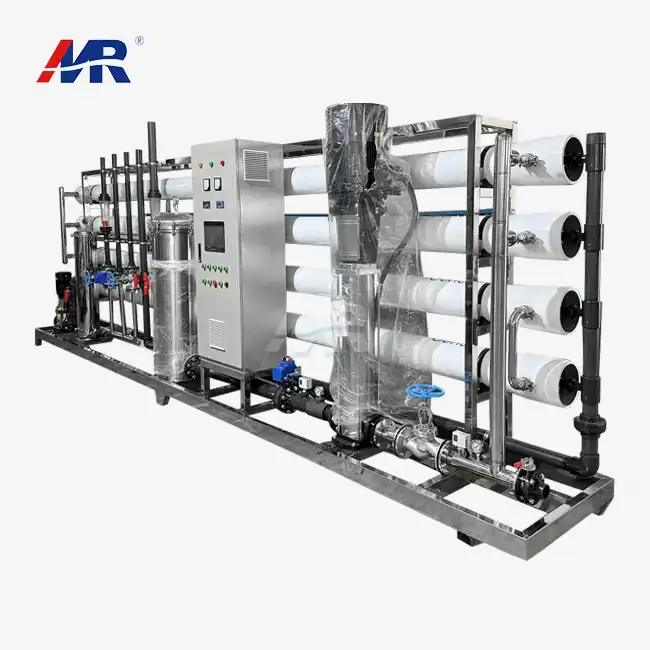
Understanding the Reverse Osmosis RO 132 System
Core Components and Technical Architecture
We've seen firsthand how the reverse osmosis RO 132 storage tank's carefully designed parts change business water treatment processes here at Morui. The outside of the system is made of steel or a composite material that can handle pressures of up to 100 PSI. This protects the room inside, where clean water stays away from metal. The butyl rubber diaphragm divides the air pre-charge chamber (which is set to 5-7 PSI at the plant) from the water storage zone. This makes a spring-like pressure system that keeps the flow rates steady.
The polypropylene layer stops any chemicals from escaping, which meets FDA safety standards for materials. This is especially important for companies that make food and drinks, where even small amounts of contaminants can ruin the quality of their Products. The 1/4-inch NPT stainless steel link is perfect for pharmaceutical-grade water systems that need to follow GMP guidelines because it doesn't rust.
Filtration Process and Water Quality Standards
The reverse osmosis RO 132 stores permeate water that has been through sediment filters, carbon blocks, and high-rejection membranes. It does this for multi-stage reverse osmosis systems. The membrane gets rid of 95–99% of the dissolved solids, germs, and chemical contaminants. The storage tank keeps this cleanliness by isolating itself under pressure. At normal 60 PSI system pressure, the usable drawdown volume can reach about 2.8 gallons, which is plenty of room for business espresso machines, lab rinsing stations, or medical dialysis equipment.
The reverse osmosis RO 132 always meets NSF/ANSI Standard 58 for drinking water treatment units when it comes to the water it stores. Our clients who make semiconductors like how the tank keeps the ultrapure water that is needed for chip cleaning processes from getting contaminated during storage cycles. This is important because even tiny amounts of ionic presence can cause flaws.
Adaptability to Variable Water Sources
Commercial buildings have to deal with a variety of source water problems, such as city supplies that change in hardness with the seasons and salty groundwater in dry areas. The reverse osmosis RO 132 can handle these changes because it can handle a lot of pressure and works with high-tech pre-treatment systems. Upstream water softeners or scale inhibitors can help areas with hard water because they protect membranes from damage while the storage tank handles the pressure changes that come with changing demand trends.
We've put reverse osmosis RO 132 units in coastal desalination projects where the TDS of the feedwater is higher than 35,000 ppm. The building of the tank can handle the high pressures needed for high-salinity membrane processing. The diaphragm system makes up for the slower permeate production rates that are common in seawater uses. This flexibility makes infrastructure less complicated, so sites can use the same storage technology in a range of water quality conditions.
Key Benefits of Using RO 132 for Commercial Water Treatment
Knowing how the reverse osmosis RO 132 can help with operations helps buying teams make decisions about big purchases and predict how much money they will save in the long run. The method gives measurable benefits in a number of performance areas that are important for business processes.
Superior Water Purity and Consistency
The compressed storage design keeps the air from getting into the system, which is a problem with open-tank systems. Because the environment is protected, bacteria can't get inside. This stops biofilm formation, which lowers the quality of the water between production rounds. Pharmaceutical companies that follow the rules in 21 CFR Part 211 consistently get endotoxin levels below 0.25 EU/mL, which means they meet the requirements for injectable-grade water without having to take any extra steps to sterilize it.
Chemical stability is still very amazing. The neutral liner materials stop the exchange of ions that happens with metal-contact storage. This keeps the low conductivity that is needed for making electronics. Companies that make semiconductors say that RO+edi systems with reverse osmosis RO 132 storage have a constant 18.2 MΩ·cm resistivity. This helps with precision etching processes where conductivity spikes cause output losses.
Operational Efficiency and Energy Savings
Traditional water supply methods that use pumps need power all the time to keep the pressure up. The reverse osmosis RO 132 saves energy automatically in its pre-charged air chamber and can release water when needed without using electricity. During times of high usage, the tank adds to the output of the membrane, lowering the number of spinning cycles that shorten the pump's life. Our clients in the beverage business report that adding the right-sized storage tanks cuts pump motor usage by 30 to 40 percent.
The hydraulic balancing effect keeps the system pressure stable, which keeps sensitive membrane parts safe from dangerous changes in pressure. When there is enough storage space, membranes can last an average of 18 to 24 months, which means that they don't need to be replaced as often, which can save you between $200 and $800 per element, based on the application. After installing reverse osmosis RO 132, a pharmaceutical lab with 50 employees saved $1,200 a year on power costs because the booster pump didn't have to work as hard.
Maintenance Simplicity and Component Longevity
Businesses emphasize equipment that requires the least amount of upkeep and downtime. The reverse osmosis RO 132 only needs to have its air pressure checked every so often (every three months is suggested) and its tank soundness checked visually. In accelerated tests, the diaphragm can handle more than 50,000 discharge cycles, which is about 8 to 12 years of normal business use before it needs to be replaced.
Replacement parts are easy to get through Morui's distribution network, so there aren't many delays in getting them. Standard 1/4-inch NPT fittings work with all universal quick-connect systems. This means that techs can change a tank in less than 30 minutes without using any special tools. This is very different from complicated UV systems or ion exchange beds that need to be handled and thrown away in dangerous ways.
These management traits are especially useful for businesses that have more than one location. A regional coffee chain set the standard for all 47 sites to use reverse osmosis ro 132 storage. This way, the repair team could keep the same spare parts on hand and train technicians on a single system design. This consistency in operations cut their yearly maintenance costs by 22% compared to when they used a mix of tools.
Comparing Reverse Osmosis RO 132 with Other Commercial Systems
Performance Benchmarking Against Alternative Models
People who work in procurement who are looking at storage options should know how the reverse osmosis RO 132 stacks up against other goods on the market. The RO 128 has a total capacity of 2.8 gallons, making it good for low-demand uses like small labs or business use on a home scale. But because it has a smaller drain volume (about 2.3 gallons at normal pressure), the membrane cycles more often, which speeds up wear in high-use areas.
The RO 150 can hold 5 gallons, making it a good choice for businesses that need to handle more than 15 gallons of water per hour on average. There is a 35% higher buying price and a bigger footprint required for the extra volume. The 11-inch circle and 15-inch height of the reverse osmosis RO 132 make it easier for facilities with limited space to place it under a counter or in an equipment room, where vertical clearance is limited.
Since RO storage tanks don't do active treatment, their filtration rate stays the same across tanks of the right size. Pressure control and flow transfer are the most important differences. The diaphragm design of the reverse osmosis RO 132 keeps the exit pressure above 40 PSI until 90% drawdown. This is different from competing models, where the pressure drops below 30 PSI at 70% drawdown. For industrial espresso machines that need at least 35 PSI of inlet pressure to work right, this continuous pressure is important.
Technology Comparison with UV and Carbon Systems
Different types of water cleaning methods work together, not against each other, to treat water completely. UV devices are great at killing microbes, but they can't get rid of dissolved solids or chemical contaminants. A beverage bottling company might use UV as a post-treatment after RO/storage to make sure there are no germs, but the membrane system is still needed to get the low TDS that is needed for a consistent product.
Activated carbon filtration is a great way to prepare water for RO filters because it gets rid of chlorine, organic chemicals, and bad tastes and smells. On the other hand, carbon by itself can't lower the saltiness or hardness to the amounts needed for boiler feed water or medical uses. The reverse osmosis ro 132 is designed to meet the storage needs of membrane systems, which are the only technology that can remove all types of contaminants, including those that are ionic, microbial, and organic.
Return on Investment Analysis
The reverse osmosis RO 132's capital costs are usually between $150 and $280, but this depends on how much is bought and how well the seller is known. Longer membrane life (worth $400 to $1,600 a year for a dual-membrane commercial system), less energy use ($800 to $2,400 a year for facilities that are used 24 hours a day or more), and less maintenance work (worth $600-$1,200 a year based on $75/hour technician rates) are all ways that this investment pays off.
A medium-sized drug business estimated that adding reverse osmosis RO 132 tanks on three production lines would pay for itself in 14 months. In their research, they looked at things like delaying membrane replacement, saving energy by running pumps less often, and getting rid of water delivery problems that caused batch holds in the past. Because of these measurable benefits, the storage tank can be justified as a budget item, even in places where money is tight.
Procurement and After-Sales Support for RO 132
Supplier Selection and Distribution Channels
To get real reverse osmosis RO 132 parts, you have to check sellers against certain factors. Morui makes approved storage tanks that meet NSF/ANSI standards and is also their registered distributor. Buying directly from them has benefits like making sure the technical specs are correct and the guarantee is real. Our 14 regional branches across China offer localized help to foreign clients, making it easier for businesses to bring treatment systems into the country.
A lot of sellers can be found on websites like Alibaba and Made-in-China, but buyers should check the Certifications with third-party paperwork. Ask for NSF test results that show that the product meets Standard 58 (material safety) and Standard 44 (pressure vessel building). Fraudulent tanks with liner materials that aren't allowed have contaminated food production facilities, leading to product refunds that have cost hundreds of thousands of dollars.
Before you finalize your buy order, you should ask for material certifications (FDA-approved polypropylene and butyl rubber), proof of pressure testing, and guarantee terms. With every business package, Morui includes full material data sheets and third-party lab reports. This makes sure that procurement departments can fully track products for regulatory checks.
Installation and Commissioning Services
The performance and life of the reverse osmosis RO 132 are directly affected by how well it is installed. Morui's technical team does on-site setup for business installations. This includes checking the pressure, testing for leaks while the system is running, and integrating the system with other RO equipment that is already in place. We've finished more than 3,000 business installations in the food processing, pharmaceutical, and electronics manufacturing industries. To speed up startup times and make sure compliance, we've created industry-specific processes.
For single-tank systems, the installation process usually takes two to four hours, which includes fixing, integrating the connections, and turning on the pressure for the first time. Our engineers make sure that the diaphragm pre-charge fits the system running pressure, make any necessary changes, and then watch the system for 24 hours to make sure it is working properly. This skilled setup stops common problems that make the system less effective, such as waterlogging (not enough air pressure) or premature cycling (too much air pressure).
As part of logistics support, foreign packages can get help clearing customs, delivery schedules can be organized to cut down on storage needs, and shipping damage can be avoided with special packing. Our normal business package can survive drop tests equal to 1.2-meter falls. This protects the integrity of the pressure tank, which is important for safe operation.
Warranty and Ongoing Technical Support
The reverse osmosis RO 132 comes with a three-year warranty from Morui that covers problems with the product and the work. This is a lot longer than the standard one-year guarantee in the industry. This longer warranty shows that we are sure of the quality control and component selection processes. These include hydrostatic pressure testing at 1.5x rated pressure, submersion testing to make sure there is no air leakage, and total organic carbon (TOC) analysis to make sure there is no leachate contamination.
Our dedicated industrial support team, which you can reach at benson@guangdongmorui.com, offers technical help that goes beyond the warranty time. Customers who use a basic tire gauge and pump often ask for help with pressure adjustments, replacing diaphragms when units reach the end of their useful life, and finding the best way to use the system when usage habits change. Response times for technical questions are usually less than four hours, and setups that are essential to production can get help right away.
Commercial buildings can keep running at their best with the help of scheduled repair programs. We suggest checking the pressure once a year, which our service techs can do when they come to repair the membrane. This preventative method finds problems like slow leaks or diaphragm wear before they affect the quality of the water or the reliability of the system. This helps factory settings keep running smoothly.
Why Reverse Osmosis RO 132 Is the Preferred Choice for Commercial Clients
Proven Track Record in Demanding Applications
Professionals in industrial water treatment prefer the reverse osmosis RO 132 because it has been shown to work well in tough situations. Over 36 months after switching from atmospheric storage to pressure reverse osmosis RO 132 tanks, a pharmaceutical company in the Midwest had no batch failures due to water. Their quality control data showed that 99.7% of samples met USP standards, compared to 94.2% with their old method. This was directly due to the fact that contamination was avoided.
Manufacturers of electronics like the stable pressure that keeps conductivity from changing when demand is high. A semiconductor factory in Arizona saw a 15% rise in first-pass yield rates for photolithography processes after putting in place reverse osmosis RO 132 storage. This got rid of the pressure drops that were causing the resist layer thickness to be uneven before. These measured quality gains, along with lower scrap rates and rework labor, make the financial investment worth it.
Coffee roasters and people who make craft drinks like that, contamination-free keeping keeps the flavors consistent. A specialty coffee chain had taste screens that didn't know which shots of espresso were pulled before and after the reverse osmosis RO 132 was installed. The panel's results went up from 7.2 to 8.4 on a 10-point scale, with better clarity and fewer mechanical notes being noted. Customers were happier and more likely to buy from you again after this sense change.
Customization and Scalability Options
Different types of businesses and building sizes have very different water needs. Morui helps application engineers figure out the right size of storage space by matching the amount of the tank to the rate of membrane production and the times when demand is highest. A hospital dialysis center might need more than one reverse osmosis RO 132 unit hooked up in parallel to support treatment areas that are all running at the same time, but a small lab can get by with just one tank.
System scalability lets you add more power in stages without having to replace old hardware. As the amount of production goes up, facilities can add extra holding tanks to RO systems, which saves them the money they would need to update the whole system. This modular method makes sure that capital spending matches income growth, which is especially helpful for companies that are growing quickly or whose demand changes with the seasons.
Regulatory Compliance and Sustainability Commitment
Water cleaning equipment has to meet rules that are getting stricter across all businesses. The reverse osmosis RO 132 is made to meet FDA standards for materials that come into contact with drinking water, ASME standards for building pressure vessels, and NSF/ANSI guidelines for drinking water system parts. Morui keeps its approvals up to date and gives customers new paperwork as standards change. This makes sure that customers stay compliant throughout the lifecycle of their equipment.
As companies try to meet environmental goals, they think about sustainability when making purchasing choices. The reverse osmosis RO 132 helps save water by making RO systems work more efficiently, which reduces the amount of wastewater made per gallon of product water. Using less energy means leaving less of a carbon footprint than options that use a lot of energy. The steel structure and long service life (8–12 years) are in line with the principles of the circular economy. This means that less trash ends up in landfills than with throwaway filter cartridges that need to be replaced often.
In the future, improvements in membrane technology should lead to even higher efficiency. Morui puts money into research groups that look into electrochemical treatment methods and membranes that are improved with graphene. We promise that the reverse osmosis RO 132 platform will always work with new technologies. This will protect our customers' investments as the water treatment industry moves toward better recoveries and lower energy levels.
Conclusion
Through its pressurized diaphragm design, the reverse osmosis RO 132 storage tank provides important performance for business water treatment. It keeps water pure while ensuring steady delivery pressure across a wide range of industrial uses. Its technical specs, like NSF-certified materials, 100 PSI pressure grade, and long-lasting performance, meet the important needs of places like labs, food processing, pharmaceuticals, and electronics manufacturing. Procurement pros get measurable value from things like longer membrane life, lower energy costs, easier upkeep, and better product quality. Long-term investments in water treatment infrastructure can be made with trust thanks to Morui's extensive support infrastructure, which includes its engineering know-how, logistics skills, and longer guarantee coverage.
FAQ
1. How Often Should RO 132 Filter Components Be Replaced?
The reverse osmosis RO 132 doesn't have any filter media that needs to be replaced on a regular basis. The tank is a storage part that is made to last between 8 and 12 years. The diaphragm and lining are made to last for more than 50,000 discharge cycles, which means they will work for years before they need to be replaced. But the RO system that feeds the tank needs regular filter upkeep. Depending on the quality of the source water and how much it is used, the sediment pre-filters need to be replaced every three months, the carbon blocks every six months, and the ro membranes every 24 to 36 months. We make repair plans that are specific to your water conditions and how you run your business.
2. Can the RO 132 Handle Diverse Source Water Without Extensive Pre-Treatment?
Any kind of water that has been through the RO filtration system can go into the holding tank. Upstream treatment that protects the membrane is the most important thing to think about. Water softeners work well with water that is very hard, but they need to be used with care with public water sources that are high in chlorine. Sources of brackish or saltwater need special high-pressure membranes, but the reverse osmosis RO 132 can still be used for storage. Morui's application experts look at source water quality reports and suggest the best pre-treatment setups. This makes sure that the whole system works well and that all of its parts last a long time.
3. What Is the Typical Installation Timeline for Commercial RO 132 Systems?
Installing a single tank usually takes two to four hours, which includes fixing, integrating connections, and checking the pressure. Installing a full RO system with the holding tank can take anywhere from one to three days, based on the size of the system, how complicated the pre-treatment is, and how the facility needs to be integrated. Custom applications for drugs or semiconductors can take up to five days if approval procedures and paperwork are included. During the quotation process, Morui's project management team gives you specific schedules for delivery, installation, and commissioning. They also make sure that there is minimal impact to your current operations and that everything is tested thoroughly before handover.
Partner with Morui for Superior Commercial Water Treatment Solutions
Guangdong Morui Environmental Technology is prepared to provide full water treatment systems with the reverse osmosis RO 132 and a wide range of support services that are tailored to your business needs. Our 500-person team, which includes 20 specialized engineers, has a lot of experience with GMP systems for pharmaceuticals, making food-grade beverages, ultrapure water for semiconductors, and desalination projects for cities. We own our own factories that make membranes and have relationships with top companies in the field, such as Shimge Water Pumps, Runxin Valves, and Createc Instruments. This way, we can get real parts at low prices.
Our technical consultation services offer impartial advice that matches technology to application, whether you're a reverse osmosis RO 132 maker looking for dependable equipment suppliers or an end-user weighing treatment choices. Get in touch with our sales team at benson@guangdongmorui.com to talk about your water quality problems, get personalized system offers, and find out how our turnkey installation and testing services make buying easier while making sure you get the best performance right away.
References
1. American Water Works Association. (2020). Reverse Osmosis and Nanofiltration: Manual of Water Supply Practices M46. AWWA, Denver, Colorado.
2. National Sanitation Foundation International. (2019). NSF/ANSI Standard 58: Reverse Osmosis Drinking Water Treatment Systems - Certification Requirements and Testing Protocols. NSF International, Ann Arbor, Michigan.
3. Membrane Technology Research Institute. (2021). Commercial RO System Design and Optimization for Industrial Applications. Water Research Foundation, Alexandria, Virginia.
4. U.S. Food and Drug Administration. (2018). Guide to Inspections of High Purity Water Systems (21 CFR Parts 210 and 211). FDA Center for Drug Evaluation and Research, Silver Spring, Maryland.
5. International Desalination Association. (2022). Pressure Vessel and Storage Tank Standards for Membrane Water Treatment Systems. IDA Publications, Topsfield, Massachusetts.
6. Society of Manufacturing Engineers. (2020). Water Quality Requirements for Semiconductor Manufacturing and Electronics Production. SME Technical Papers, Dearborn, Michigan.
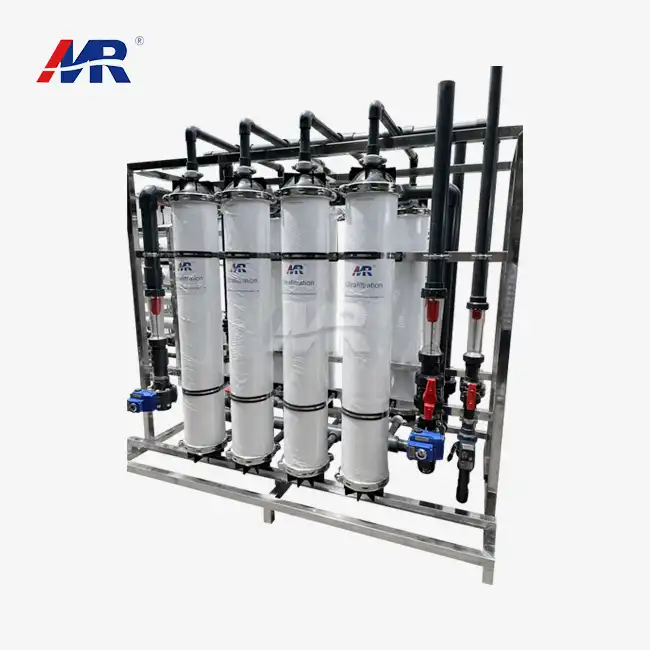 VIEW MORE15T/H ultrafiltration system
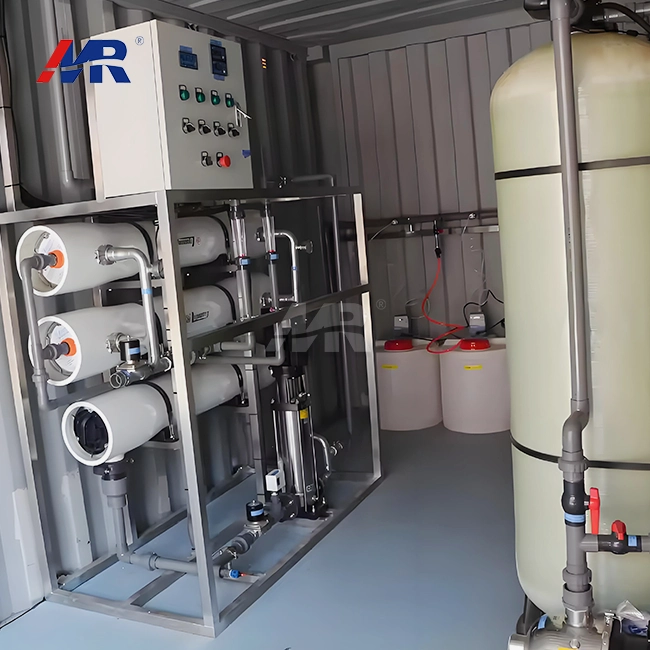 VIEW MOREcontainerized reverse osmosis system
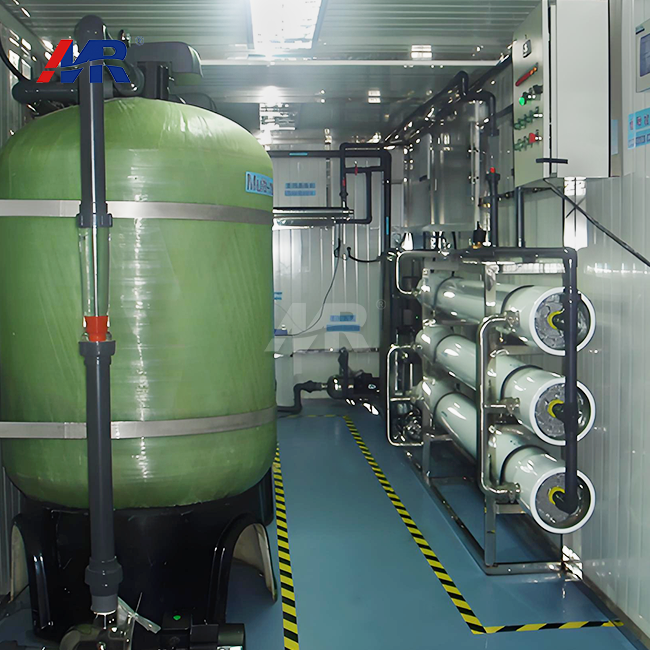 VIEW MOREContainerized Mobile Water Treatment Systems
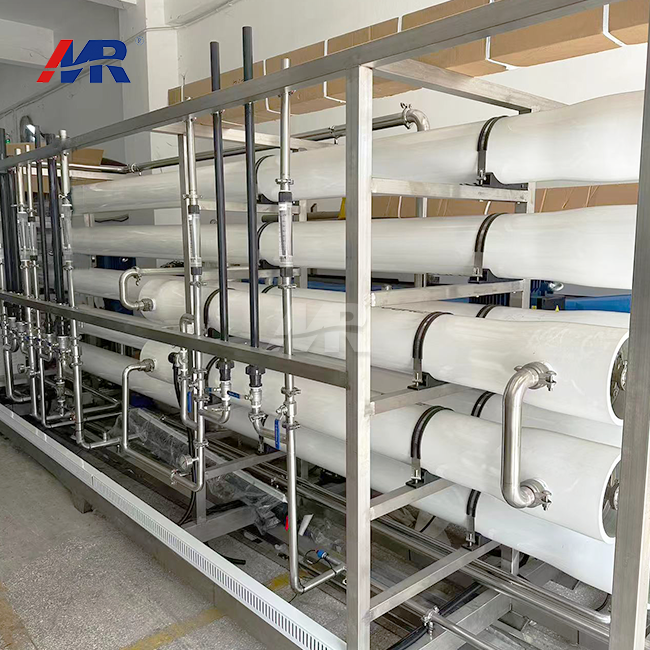 VIEW MOREosmosis drinking water system
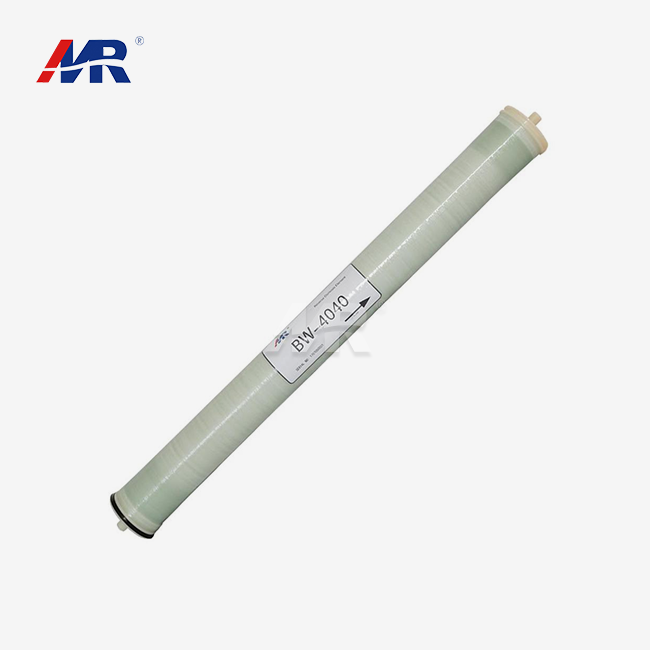 VIEW MOREindustrial ro membrane
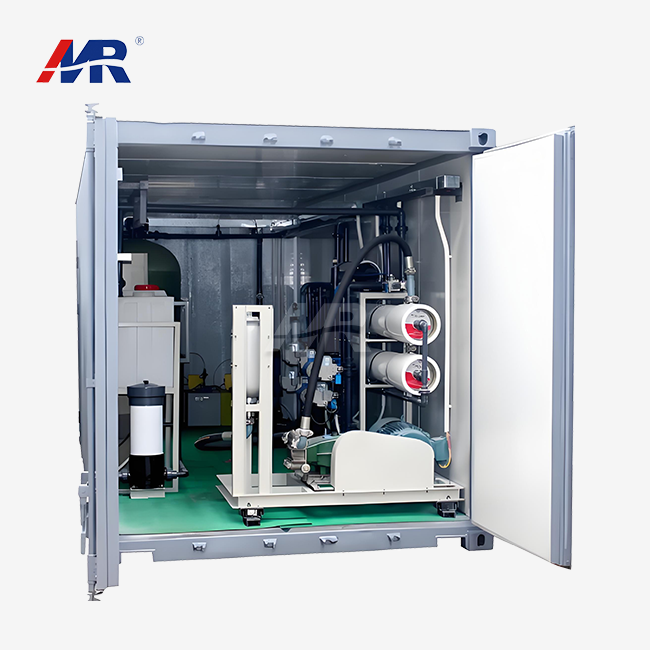 VIEW MOREcontainerized UF+RO system
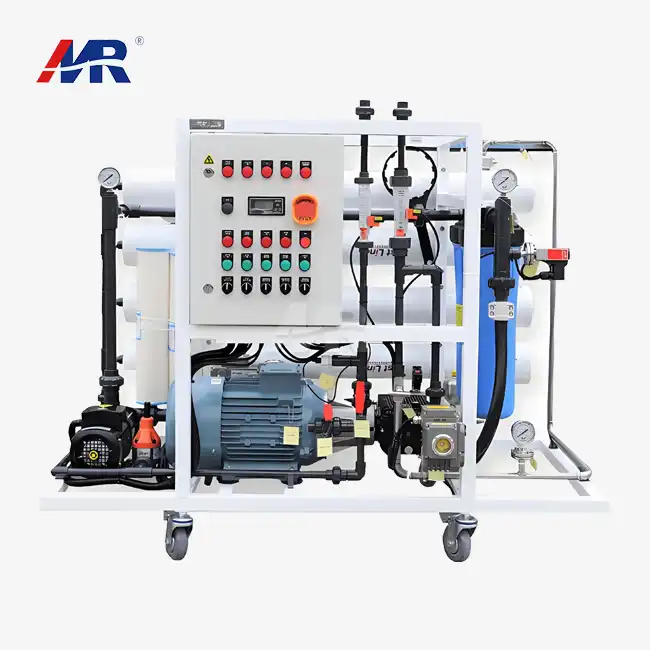 VIEW MORE2m3/hour seawater desalination equipment
 VIEW MORE8040 reverse osmosis membrane
