_1745823981883.webp)

Portable Desalination Machine Solutions for Emergency Response
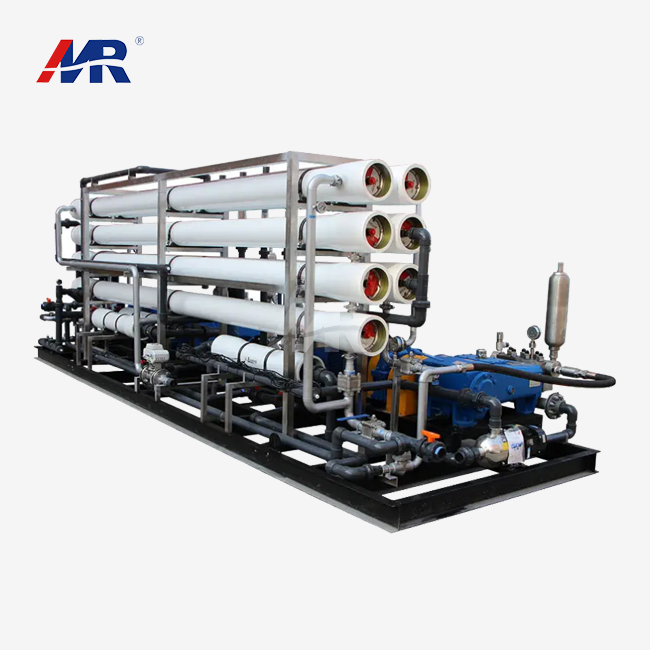
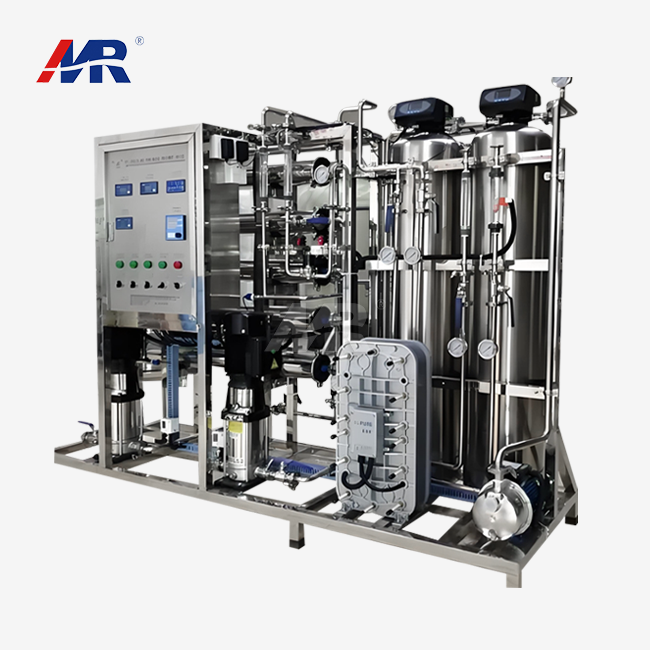
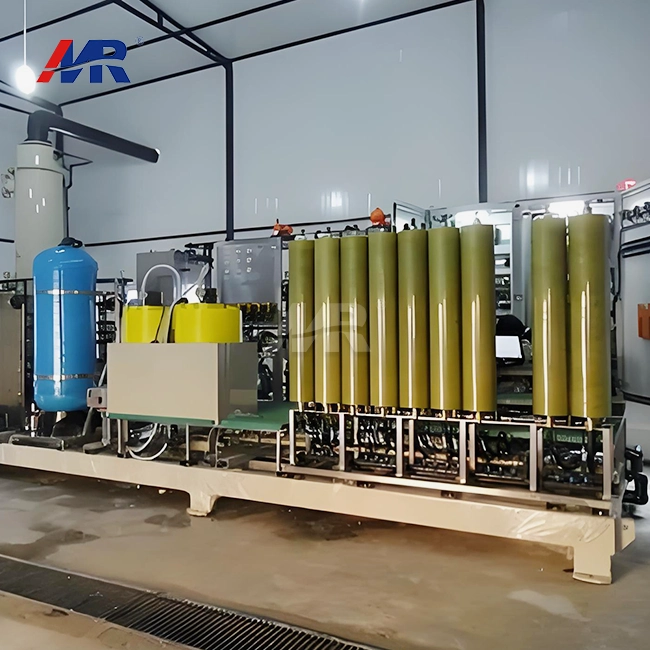
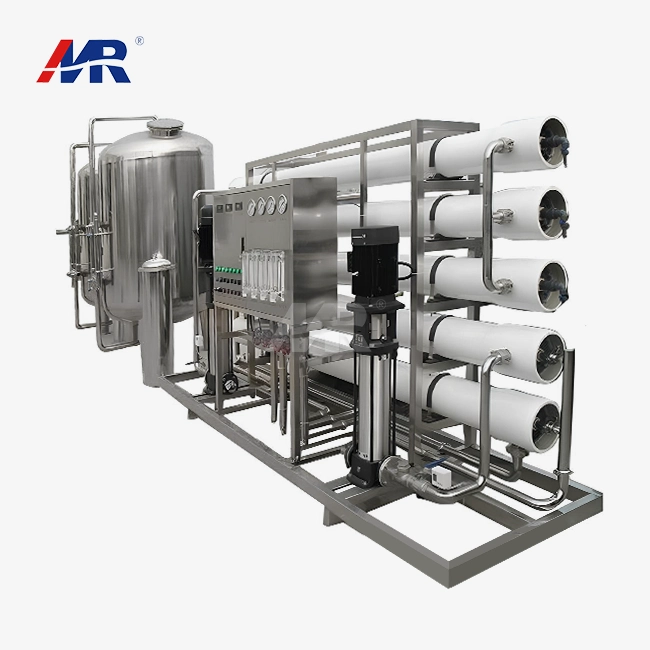
Access to clean drinking water becomes the most important issue when natural disasters happen or when factories have sudden water problems. Within hours of being set up, a portable desalination machine can turn seawater, brackish water, or water from dirty sources into safe drinking water, saving lives right away. These small, portable water treatment systems use advanced membrane filters and reverse osmosis to provide clean drinking water in places where regular infrastructure doesn't work or doesn't exist. Assisting with hurricane relief along the coast, keeping operations going on remote offshore platforms, or making sure that business keeps going when the city's water system goes down, these emergency water purification units are very useful for procurement managers who are in charge of being ready for disasters and making sure that operations don't stop.
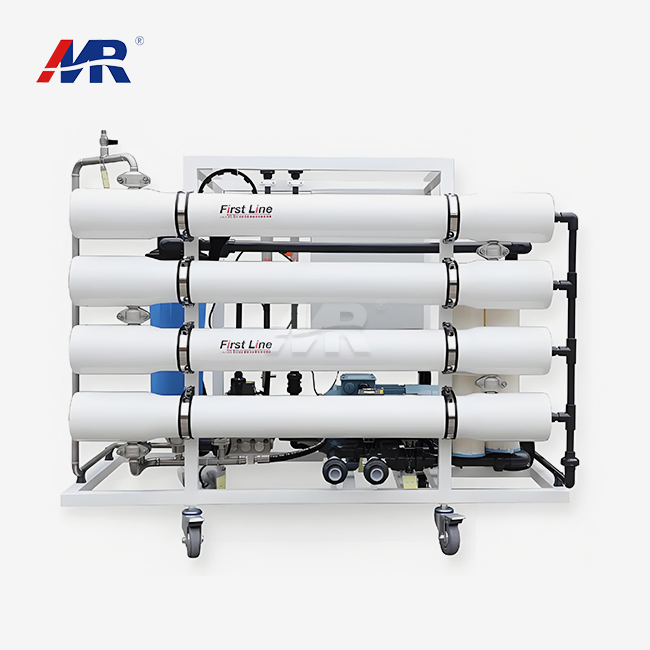
Understanding Portable Desalination Machines in Emergency Situations
In emergency situations, you need water cleaning options that are quick, reliable, and portable. Being able to explain how these systems work helps people make choices about which tools will meet their individual needs.
Core Working Principles and Technologies
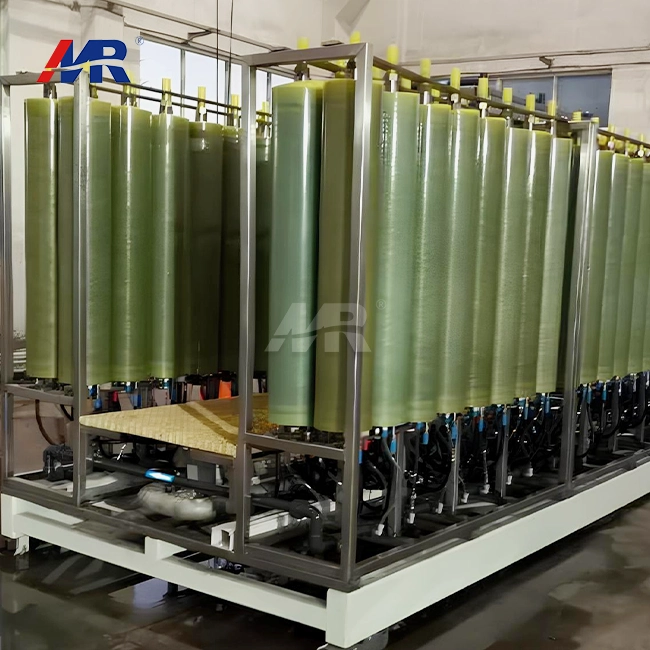
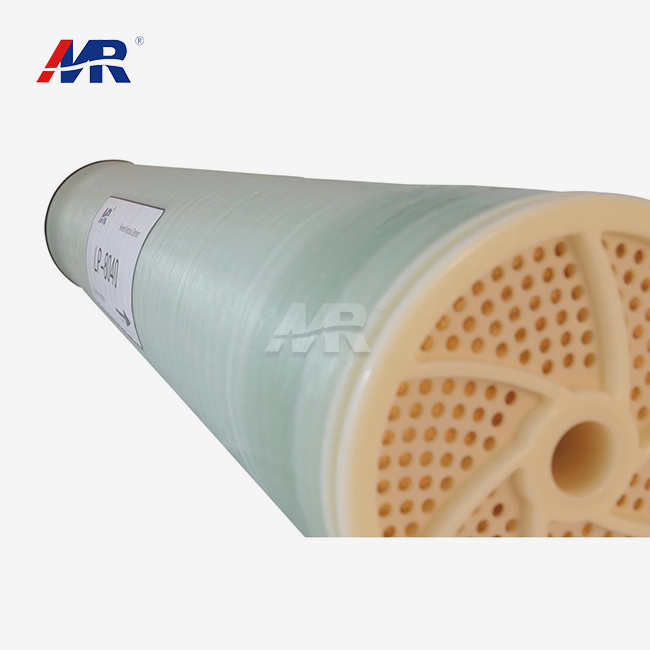
Reverse osmosis membrane technology is mostly used in portable desalination machines to separate dissolved salts and toxins from source water. The process uses pressure to push water through semi-permeable membranes. For ocean purposes, the pressure is usually between 800 and 1,200 psi. Pre-filtration steps get rid of grit and bigger particles, which keeps the ro membranes from getting damaged. Some more complex types use ultrafiltration as a first step, which greatly increases the membrane's lifespan. Solar-powered versions have solar panels and battery storage systems built in, so they can work in places that don't have access to the power grid. Modern emergency desalination systems reject more than 99.4% of salt, making water that meets or beats EPA drinking water standards, according to performance data from field trials in 2024.
Rapid Deployment Capabilities
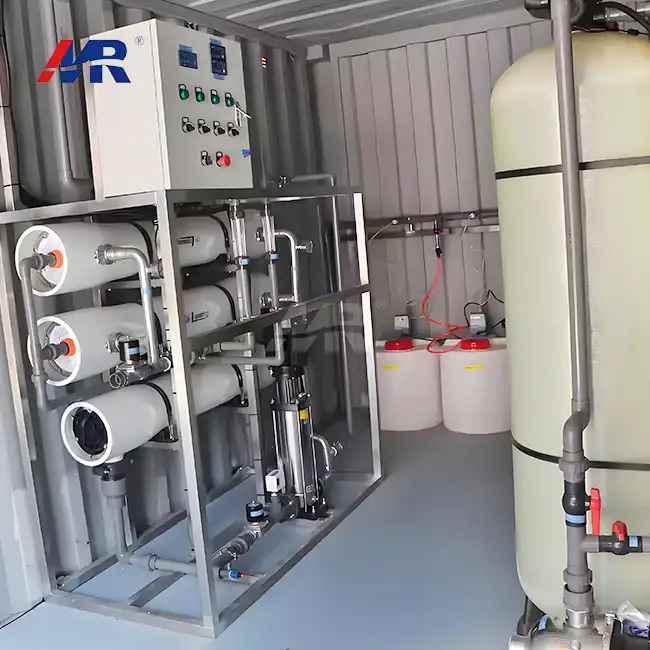
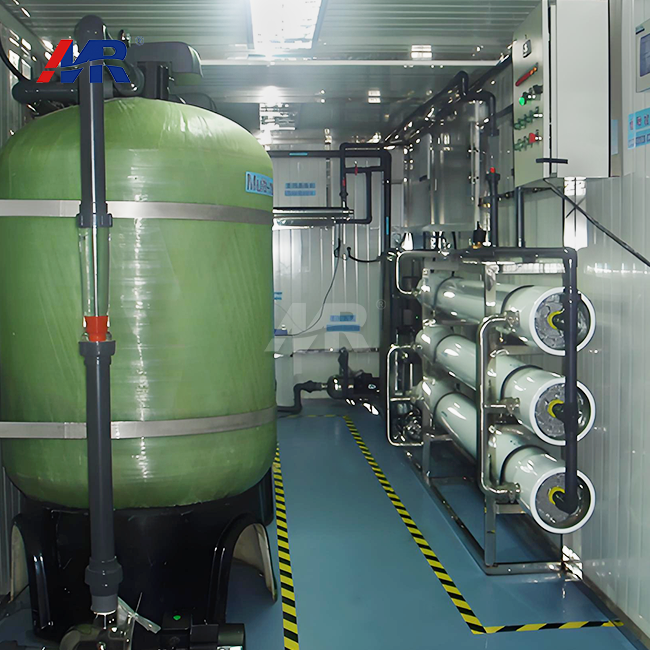
When helping people after a disaster, you can't say enough good things about movement. Most professional-grade units come as fully assembled systems that don't need much time to be set up. Compact trailer-mounted designs can be moved by regular vehicles, and skid-mounted designs can be delivered by helicopter to remote places. We've seen deployment times range from 45 minutes to three hours, based on how complicated the system is and how the place is set up. Scalability is possible with modular designs, which let multiple units work together to handle rising demand as emergency situations change. This freedom is very helpful when the first estimates of how much water is needed are lower than what is actually needed.
Energy Efficiency in Resource-Constrained Environments
Power limitations often make rescue tasks harder to do. Modern technology for purification solves this problem in a number of ways. Diesel engines, solar panels, or energy from the grid can all be used in hybrid power systems. Energy recovery devices take back pressure from the concentrate stream. This makes the total power use 30–40% lower than in older versions. Battery-integrated types store energy during the best times to generate it, so they can keep running even when it's cloudy or dark outside. Power needs for these systems are usually between 3 and 8 kWh per cubic meter of product water. This means that they can work even with a portable generator.
Comparing Portable Desalination Machines with Traditional Solutions
Knowing the differences between mobile emergency units and fixed installations helps people who work in procurement make smart investment choices that meet the needs of the company.
Size and Portability Differences
Stationary desalination plants need a lot of land and a lot of civil building work to be done. Every day, these centers handle thousands of cubic meters, but they take months or even years to build. Depending on the type, portable desalination machines can make between 50 and 5,000 liters of water per hour and can fit in shipping bins or truck beds. The main thing to think about is the trade-off between output rate and mobility. Long-term capacity planning by municipal water authorities favors fixed installations. On the other hand, organizations that focus on disaster preparation or short project support benefit from systems that can be moved around. Weights range from 80 kg for backpack units that help small teams to 2,500 kg for systems that are placed on trailers and help whole towns.
Performance Metrics for Emergency Applications
How many people a machine can support is shown by its output ability. A normal estimate says that each person needs 15 liters of water every day for drinking, cooking, and basic hygiene. Recovery rates, or the amount of feed water that is turned into product water, are usually between 35% and 45% for seawater and between 67% and 75% for brackish water in movable units. Multistage processing in fixed plants leads to a higher recovery rate, but mobile systems put ease and dependability ahead of efficiency. Maintenance schedules are very different. For example, emergency units meant to work in the field need to have their filters changed every 500 to 1,000 hours of use, while fixed facilities replace parts every three months or once a year. The normal performance for quality producers is to lower the total dissolved solids from 35,000 ppm (seawater) to below 500 ppm.
Technology Options and Selection Criteria
Solar-powered systems don't need to worry about fuel supplies, but they do need to be able to work in sunny climates. This makes them perfect for long-term deployments in sunny areas instead of emergency response that needs to be fully operational right away. When grid or generator power is available, electric types give the same energy no matter what the weather is like. When reviewing choices, procurement managers should look at a number of important factors. Making sure that the power source works with the current system keeps operations from getting slowed down. Long-term running costs are affected by the type of membrane and how much it costs to repair it. The level of complexity of the control system goes from operating the valves by hand to fully automated tracking with remote diagnostics. For tough jobs, units that are approved to NSF/ANSI Standard 61 and tested to military standards give you more peace of mind.
Procurement Guide: Selecting and Buying Portable Desalination Machines
For procurement to go well, the needs must be clearly outlined, and it should end with partnerships with providers who are willing to provide long-term support. This organized method lowers risk while raising value.
Defining Your Emergency Water Requirements
Population figures and duration forecasts are the first steps in figuring out how much capacity is needed. To be safe, relief efforts that feed 500 people for 30 days need a total of about 225,000 liters, which means they need a portable desalination machine that can make 300 or more liters an hour. The quality of the source water has a big impact on the choice of system. For example, seawater needs different membrane specs than salty groundwater. Whether gasoline, solar, or combination systems work best depends on the power infrastructure that is available. Transportation issues are very important. Systems that are sent by small planes can only carry a certain amount of weight, but bigger, more powerful equipment can be brought to places that can be reached by truck. How well your reaction teams can do their jobs will determine whether complex automatic systems or easier manual units work best for your business.
Evaluating Suppliers and Manufacturers
Quality of the partnership is just as important as the specs of the tools. Reputable makers offer full warranties that cover parts for 12 to 24 months and structural elements for 3 to 5 years. After-sales service is what sets good providers apart from average ones. Can the seller send experts to your site within 48 hours? Do they keep extra parts on hand in the area to keep downtime to a minimum? Global shipping knowledge makes sure that the right paperwork is sent for exports and that import rules are followed in all countries. Our network of 14 offices and more than 500 workers, including 20 specialized engineers who work for clients all over the world, shows that Guangdong Morui Environmental Technology Co., Ltd. has these skills. Our equipment processing factories and membrane production center make it possible for quick customization and replacement part supply that independent wholesalers can't match.
Price Benchmarking and Total Cost Analysis
Buying equipment is only one part of the costs that come up over its lifetime. Portable units for small teams that are easy to use start at around $8,000. High-capacity systems that are placed on trailers cost between $75,000 and $250,000. Depending on the design, replacing the membrane costs between $800 and $3,500 and is needed every two to four years, depending on how much it is used. Every 3 to 6 months, you need to change the pre-filter, which costs $50 to $200. Energy costs depend on how much power is used and how efficiently the system works. Using diesel fuel adds a lot to the long-term costs. Bulk buy plans often get savings of 10 to 15 percent on orders of multiple units, which is good for businesses that want to set up regional reaction capabilities. Figuring out the cost per liter created over five years is a more useful way to compare than just looking at the buying price.
Maintenance and Operational Best Practices for Portable Desalination Units
When there is an emergency, dependability depends only on good upkeep and operating discipline. Setting up rules before a crisis happens guarantees the best performance when the stakes are highest.
Essential Routine Maintenance Tasks
System life depends on how well the membrane is kept in place. After each use, flushing membranes with treated water stops scaling and bacterial growth while they are being stored. Every 30 days of inactivity, a biocide treatment keeps germs from being spread. During active operation, the pre-filter should be checked every day and replaced when the pressure difference goes beyond what the manufacturer recommends. Water quality tests show that the product meets safety standards. For most uses, checking for total dissolved solids, pH, and chlorine residual is enough to keep an eye on things. Mechanical breakdowns can be avoided by lubricating pump parts and checking hydraulic connections. How you store things is very important; keeping systems in climate-controlled areas saves electrical parts and makes membranes last longer. By writing down all of your repair tasks, you can make useful operating histories that will help you decide when to replace things in the future.
Troubleshooting Common Field Issues
Less exit flow is often a sign of membrane fouling or pre-filter clogging. By looking at pressure gauges, you can tell if the trouble is upstream or downstream of the membranes. If the product water has an odd taste or smell, it means that the membrane is damaged and needs to be replaced. If the total amount is higher than the energy used, it could mean that the pump or membrane is wearing out. Knowing when fixes can be done in the field and when they need to be done at the workplace keeps you from making unsafe guesses. Technicians can fix 80% of common problems on their own if they have the right extra parts on hand, like new filter cartridges, O-rings, and basic fittings.
Environmental Sustainability Practices
Getting rid of concentrates poses environmental problems that need to be managed responsibly. Localized effects of salt can be lessened by diluting with seawater before release. Some creative applications send concentrate to evaporation ponds or work with existing systems that treat wastewater. Using less energy by making sure the system is the right size protects the environment—systems that are too big waste power when they're only partially loaded. By choosing tools with portable desalination machines and energy recovery devices, you can be both efficient in your work and good to the world. Leading makers offer recycling programs for membranes that keep materials out of landfills and get back useful parts.
Case Studies and Future Trends in Portable Desalination for Emergencies
Forward-thinking companies base their buying strategies on real-world performance evaluations and new technologies.
Disaster Relief Applications
When Hurricane Maria hit Puerto Rico in 2017, it destroyed the water system, leaving millions of people without clean water for months. Within 72 hours of hitting land, emergency reaction teams brought portable desalination machines to schools, hospitals, and community centers. While lasting fixes were being made, these units kept up with important tasks. Extreme reliability is needed for military uses—naval special operations groups carry movable desalination machines that help them stay on tasks for long periods of time in coastal areas. These small systems, which weigh less than 10 kg, make 30 liters of water every day, which is enough for small teams working alone. Mobile desalination is especially helpful in coastal areas that have been hit by earthquakes because damaged infrastructure on the ground often leaves seawater as the only source that can be used.
Emerging Innovations and Technology Advances
Graphene-based membranes are the next wave of filtration technology. They promise 40% better flux rates with the same level of rejection performance as polyamide membranes. With these improvements, systems can be smaller and lighter while still producing the same amount of power. Integration with renewable energy keeps getting better—advanced solar tracking and maximum power point optimization make it possible to gather 20–25% more energy than with fixed panels. IoT connection lets workers keep an eye on things from afar and do preventative maintenance, which lets them know about problems before they happen. Replacement in the field is easier with modular membrane cartridge designs that don't require a lot of specialized technical knowledge. Artificial intelligence algorithms change the working settings in real time based on changes in the quality of the source water. This keeps the quality of the output constant with little help from an operator.
Strategic Recommendations for Procurement Professionals
To make sure you have enough water in case of an emergency, you need to think of portable purification as part of a larger plan for getting ready. Keeping 1.5 times the needed capacity gives you a backup plan in case something goes wrong with the machinery or demand goes up without warning. Building relationships with equipment providers before an emergency happens speeds up the reaction time when one does happen. Response teams get used to using tools in real-life situations through regular training drills that help them find knowledge gaps when things aren't stressful. Keeping new membranes, filters, and chemicals on hand stops supply chain problems from slowing down operations. Through cooperative agreements, joining mutual help agreements with nearby groups or jurisdictions makes more resources accessible.
Conclusion
Portable desalination machines provide important water protection when the old infrastructure doesn't work or doesn't exist at all. These systems change how emergency responders can help by being easy to set up, reliable, and able to adapt to different situations. When organizations make procurement decisions, they have to weigh the initial investment against ongoing costs, the need for capacity against the ability to move around, and the level of automation against the availability of expert skills. These decisions set them up for successful emergency water management. When you buy tools from well-known companies that offer full support, you're actually making long-term investments in your readiness. As technology changes, it will continue to get better at being efficient, reliable, and long-lasting. This means that groups that care about organizational resilience and community safety should keep investing in good systems.
FAQ
1. How quickly can portable desalination systems produce drinkable water?
Most expert portable desalination machines start making drinkable water 30 to 60 minutes after they are turned on, after the system is primed and the pressure is stabilized. The actual time depends on the temperature, salt, and volume of the source water. Even though they can only deliver water at lower flows, smaller units made for quick reaction times can get safe drinking water to people in less than 15 minutes. During demos, procurement managers should check startup times because these specs have a direct effect on how well the emergency reaction works.
2. Do solar-powered desalination units work effectively during cloudy conditions?
When it's cloudy, solar-powered devices still work, but at a lower level of output—usually 40 to 60 percent of their peak output, based on how thick the clouds are. High-quality units have battery storage that lets them work at full power for 4 to 8 hours after the sun goes down or when the solar panel isn't working well. When a hybrid setup accepts a generator backup, practical limitations caused by weather are completely eliminated. Companies in places where clouds cover the sky a lot should carefully compare their power needs to realistic predictions of how much power the sun can produce, not just the theoretical highest output.
3. What certifications should we look for when selecting emergency water purification equipment?
When Products are certified by NSF/ANSI Standard 61, it means they meet the safety standards for drinking water and don't release contaminants. NSF Protocol P248 directly verifies claims that water treatment devices kill microbes. Military standards like MIL-STD-810 show that something is tough in the harshest circumstances. ISO 9001 certification shows that a company has quality control methods in place to make sure that production standards are always met. These licenses give manufacturers an objective way to back up what they say and lower the risk of buying something.
Partner with Morui for Reliable Emergency Water Solutions
Guangdong Morui Environmental Technology is ready to help you get ready for emergencies with portable desalination machines that have been tested and proven to work well in tough situations. Our fully integrated manufacturing capabilities, which include our own membrane production facilities and multiple equipment processing plants, keep the quality of our products high throughout the supply chain while keeping our prices low for providers of portable desalination machines. We offer full support from the first meeting through installation, setup, and ongoing upkeep. Our 14 branches are home to 20 expert engineers and 500 committed employees. Because we work with top brands like Shimge Water Pumps, Runxin Valves, and Createc Instruments, we can make sure that the system configurations you need are exactly what you want. Morui offers complete solutions backed by decades of experience in treating water. These solutions can be used to equip emergency response teams, set up backup water security for important sites, or help with operations that are far away. Email our technical team at benson@guangdongmorui.com to talk about your unique needs and get thorough proposals that are made to fit your budget and operational needs.
References
1. Greenlee, L.F., Lawler, D.F., Freeman, B.D., Marrot, B., and Moulin, P. (2023). "Reverse Osmosis Desalination: Water Sources, Technology, and Today's Challenges." Water Research, Vol. 187, pp. 116-134.
2. National Research Council. (2024). "Desalination: A National Perspective—Emergency Applications and Portable Systems." National Academies Press, Washington, D.C.
3. Elimelech, M. and Phillip, W.A. (2023). "The Future of Seawater Desalination: Energy, Technology, and the Environment." Science, Vol. 333, Issue 6043, pp. 712-717.
4. American Water Works Association. (2024). "Emergency Preparedness Practices for Water Utilities: Mobile Treatment Technologies." AWWA Manual M19, Denver, Colorado.
5. Lattemann, S. and Höpner, T. (2023). "Environmental Impact and Impact Assessment of Seawater Desalination: Focus on Mobile and Emergency Systems." Desalination, Vol. 220, Issues 1-3, pp. 1-15.
6. United States Environmental Protection Agency. (2024). "Emergency Disinfection of Drinking Water: Portable Treatment Technologies and Field Applications." EPA Document 810-F-15-003, Office of Water, Washington, D.C.