_1745823981883.webp)

What Industries Depend on Reverse Osmosis Membrane Technology?
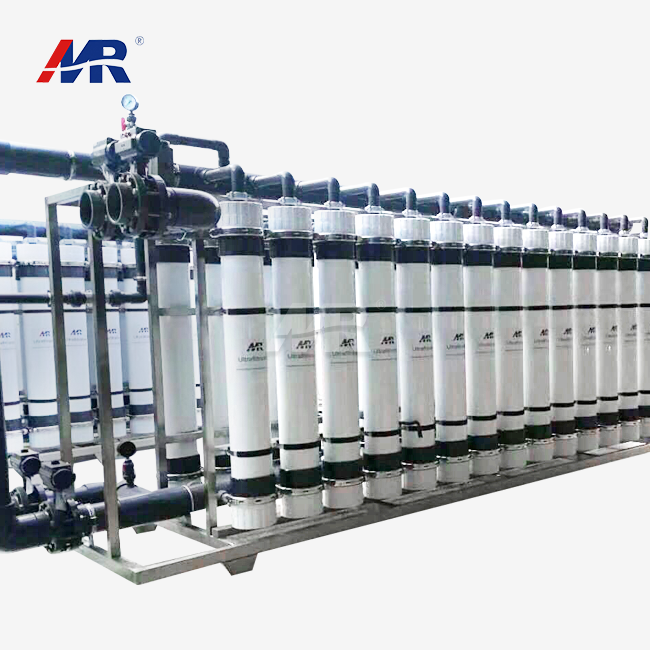
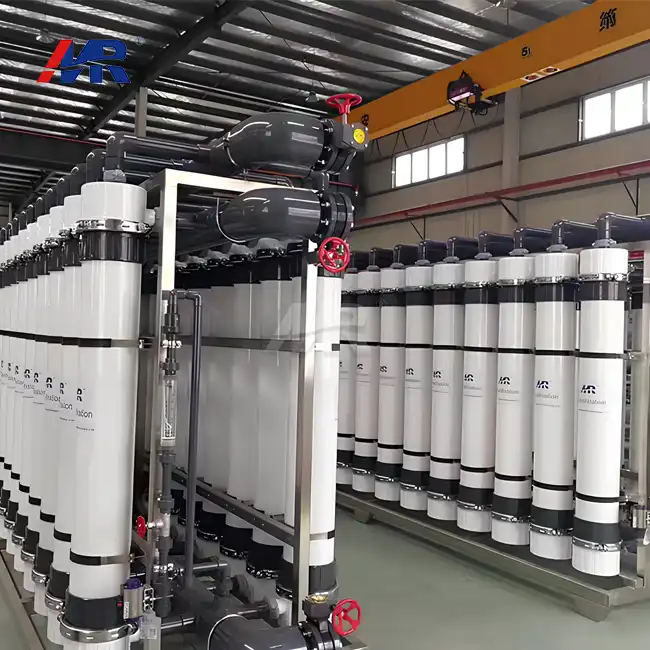
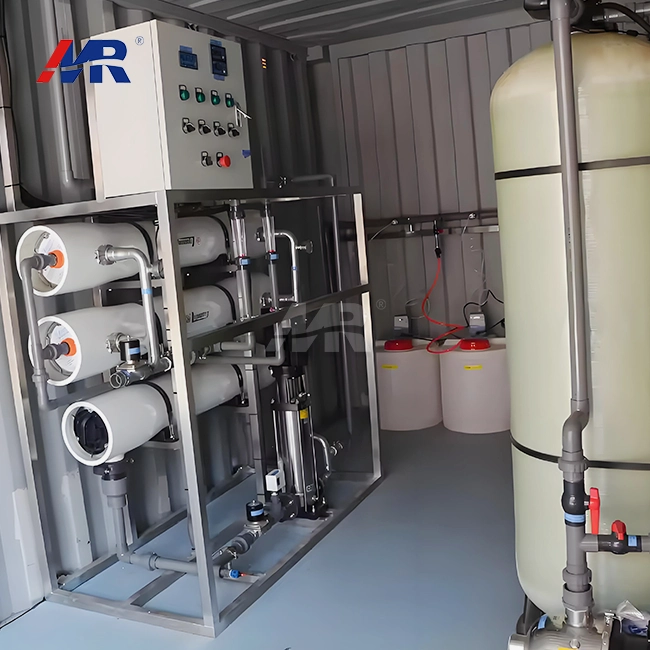
membrane/8040-reverse-osmosis-membrane">Reverse osmosis membrane systems are used widely in industry, public services, energy, agriculture, and healthcare to meet strict water purity standards. Pharmaceutical companies need GMP-compliant purified water, and semiconductor companies need ultrapure water for making chips. RO screens consistently remove contaminants that standard filtration can't. This technology is used by food processing plants, saltwater desalination plants, and municipal water treatment plants to make sure they are safe, follow the rules, and run efficiently while also dealing with problems like lack of water and poor quality.
Understanding Reverse Osmosis Membrane Technology
How Reverse Osmosis Membranes Work
In a process caused by pressure, reverse osmosis membranes act as partially permeable walls that keep water molecules separate from dissolved contaminants. When the hydraulic pressure is higher than the natural osmotic pressure, water molecules can pass through the thick thin-film composite layer but not salts, organics, bacteria, or other solutes. Up to 99.8% of solutions are rejected by this solution-diffusion process, which makes it better than other filter methods. The technology solves important problems like high amounts of total dissolved solids, heavy metal poisoning, and making ultra-pure water consistently when chemical treatment alone isn't enough.
Membrane Structure and Materials
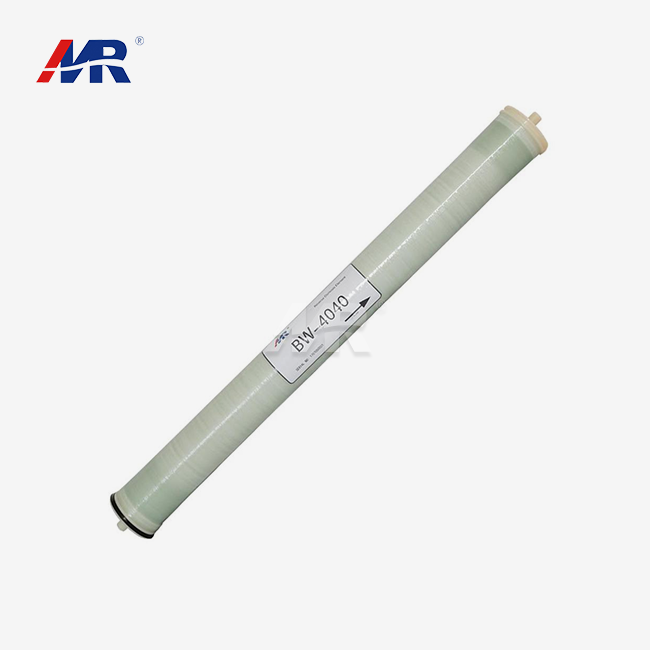
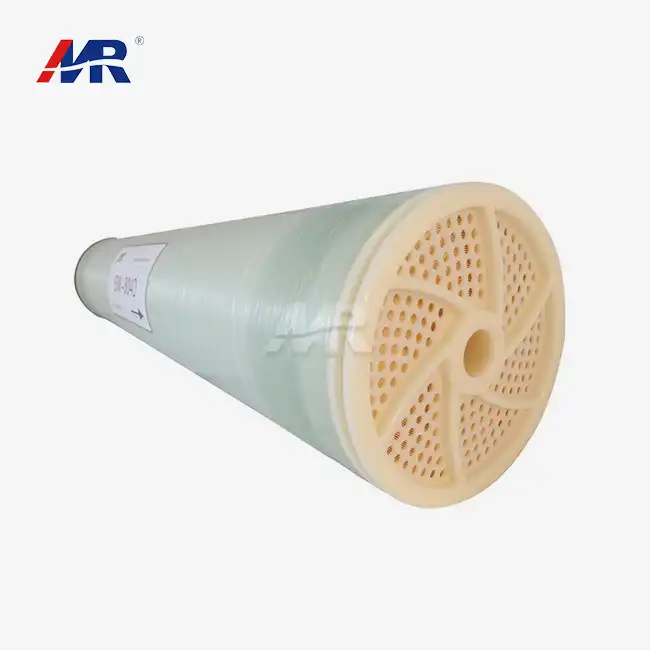
Modern reverse osmosis membranes usually have three separate layers: a polyester non-woven backing web that is about 120 micrometers thick, a polysulfone microporous interlayer that is about 40 micrometers thick, and an ultra-thin polyamide barrier layer that is about 0.2 micrometers thick and is made through interfacial polymerization. Thin film hybrid membranes are used a lot in industry because they can handle higher temperatures and chemicals better than cellulose triacetate options. The polyamide active layer selectively lets water through, which makes desalination and micropollutant removal very effective. Micropollutants include persistent organic compounds and small metals like arsenic and lead.
Performance Metrics That Matter
Several important factors are used to judge the efficiency of a reverse osmosis membrane. Higher rejection rates mean that more toxins were taken from the feed water, so the purification process worked better. Total dissolved solids and conductivity levels are used to measure the quality of the permeate. Low numbers show that the salt is being removed effectively. The amount of energy used has a direct effect on running costs. This makes membranes that are more efficient and need less specific energy more useful. Recovery rates show what percentage of feed water is turned into useful permeate. Higher ratios mean that more water is saved and less trash is made. The most cost-effective options are membranes that can reject a lot of water while using very little energy and recovering as much as possible.
Lifespan and Maintenance Considerations
The typical reverse osmosis membrane has a lifespan of two to five years, but this relies a lot on the quality of the feed water, how often the system is used, and how well it is maintained. The problems that come from different water sources are very different. For example, city supplies are not the same as groundwater or ocean when it comes to salinity, organic content, or seasonal changes. Making systems fit the features of the source water greatly increases the membrane's longevity. Buying high-quality membranes that are made for specific uses, keeping the system from getting too full, and following the right prep methods can all help it last longer. Regular tracking, cleaning at the right time, and following the manufacturer's instructions keep the membrane working at its best for as long as it's supposed to.
Key Industries Leveraging Reverse Osmosis Membrane Technology
Food and Beverage Manufacturing
The food and drink industry needs water that is very clean to make sure that their Products are safe and of uniform quality. Reverse osmosis membrane equipment is used by companies that make bottled water, soft drinks, and other drinks to get rid of dissolved minerals, organic compounds, and bacterial contaminants that could ruin the taste, clarity, or shelf life of the drinks. This technology is used by dairy farms to clean and prepare ingredients with process water. Reverse osmosis membrane systems are used by breweries and wineries to get precise mineral ratios that make flavors better. Following FDA rules and customers' demands for cleanliness make reverse osmosis an important part of this business. It protects brand reputations and increases production efficiency.
Pharmaceutical and Biotechnology
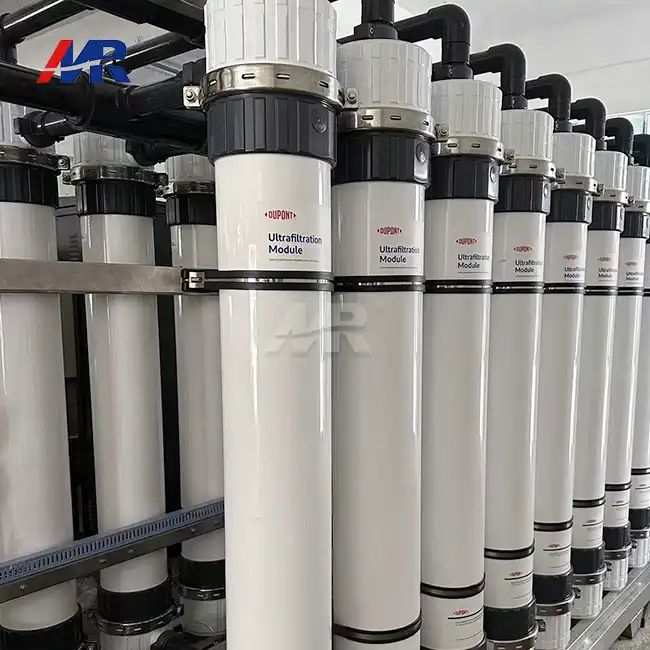
When making medicines, pure water that meets Good Manufacturing Practice standards is made by combining reverse osmosis membranes and ultrafiltration. To make drugs, clean lab tools, and do tests, you need water that is free of endotoxins, germs, and other chemicals that could be harmful. Biotechnology companies that make vaccines, antibodies, and biologics need even higher levels of purity. To get water that is good for injections, they often combine reverse osmosis membranes with electrodeionization. Membrane technology is necessary because it can regularly remove medicinal active ingredients and keep total organic carbon levels low. In this highly controlled environment, validation methods and paperwork demand reliable, repeatable performance, which is what well-designed reverse osmosis membrane systems provide.
Electronics and Semiconductor Production
One of the most difficult uses for water cleaning technology is in the production of semiconductors. For processes like device cleaning, etching, and photolithography that make chips, you need very pure water that has a resistivity of about 18.2 megohm-centimeters and less than 1 part per billion of total organic carbon. Even a small amount of pollution can ruin expensive silicon chips so they can't be used. Using multiple stages of reverse osmosis membranes, electrodeionization, and specific cleaning steps, systems get rid of dissolved silica, boron, and particles that get in the way of precise manufacturing. The quality standards for making solar cells and display panels are similar. As chip designs get smaller and production costs rise, the quality of the ultrapure water becomes more important for keeping yields high and making money.
Municipal Water Treatment and Desalination
Cities and public services are using membrane technology more and more to improve the quality of drinking water and deal with water shortages. Conventional treatment plants use reverse osmosis membrane systems to get rid of chemicals like nitrates, arsenic, and new micropollutants that chlorination and filtering alone can't get rid of. Coastal areas and island countries spend money on large-scale desalination plants that can handle feeds with more than 35,000 mg/L of total dissolved solids. To deal with marine organic matter, these facilities use membranes that are under 800 to 1,000 pounds per square inch of hydraulic pressure and have improved biofouling protection built in. Membrane bioreactor technology is used in wastewater treatment plants to deep clean the water so that it can be used again. Protecting public health, protecting the environment, and long-term practical costs are all things that municipal applications have to think about.
Energy and Heavy Industry
For boiler feed systems, both thermal and nuclear power plants need ultrapure water to keep scaling and rust from happening, which lowers performance and damages equipment. Using reverse osmosis membrane technology, petrochemical plants clean up high-salinity agricultural wastewater and wastewater from refineries. This lets water be recycled and gets rid of hydrocarbon pollution. Offshore sites and oceangoing ships use small saltwater desalination units to make potable water available while they are working for long periods of time away from port. The chemical and electroplating businesses use deionized water tools for their processes, and more and more for treating wastewater from factories to get back useful materials. Zero liquid discharge applications force membranes to slow down recovery rates, collecting brines for dumping or resource extraction with as little damage to the environment as possible.
Agriculture and Aquaculture Operations
In dry areas, reverse osmosis membrane equipment that treats salty groundwater is useful for irrigation because it lowers the saltiness that hurts crops and lowers the quality of the soil. Controlled environment farming and hydroponic systems use clean water to exactly control the delivery of nutrients without dissolved minerals getting in the way. By getting rid of changes in water quality, greenhouse operations can keep food quality stable. Ultrafiltration and reverse osmosis membranes are used to clean recirculating water systems in marine aquaculture plants. This lowers the risk of sickness and increases the survival rate of fish. Hatcheries that raise fish larvae and shellfish eggs need water that is free of pathogens and has the right amount of salt. As environmental laws get stricter and water resources get scarcer, membrane technology makes it possible to produce more food in a way that doesn't harm the environment.
Medical and Laboratory Applications
Medical-grade clear water is needed in hospitals to clean surgery instruments, run kidney dialysis machines, and sterilize and disinfect equipment. The safety of patients is directly affected by the quality of the dialysis water, which must meet strict standards for getting rid of germs, endotoxins, and chemical pollutants. For blood chemistry analysis, microbiology tests, and molecular diagnostics, clinical labs need reagent-grade water that doesn't have any other substances in it that could get in the way. Research facilities that use analysis instruments like mass spectrometers, chromatography systems, and molecular biology tools require ultrapure water to keep the instruments from getting contaminated, which would change the results of the experiments. As an important part of scientific progress, universities, government labs, and private study sites all have their own water purification systems.
How to Choose the Right Reverse Osmosis Membrane for Your Industry
Assessing Water Quality and Contamination Profiles
A thorough study of the feed water is the first step in choosing the right reverse osmosis membrane. Total dissolved solids concentration, pH, temperature, turbidity, and certain pollutants like hardness ions, silica, iron, manganese, and organic substances should all be found through testing. Understanding how things change with the seasons can help keep operations running smoothly. Sources with a lot of salt, like ocean water, need special membranes that are made to work at high pressure and prevent chlorides. To keep scaling from happening, groundwater that is very salty needs to be treated aggressively before it is used. When industrial wastewater has heavy metals or organics in it, it needs filters that can handle those chemicals. Matching the features of the membrane to the conditions of the water ensures the best performance and stops the membrane from sticking or breaking down too soon.
Comparing Membrane Types and Specifications
Thin film hybrid membranes are most common in new setups because they work better in a wide range of situations. They can handle a wider range of pH levels and higher temperatures than options made of cellulose triacetate, and they also have higher rejection rates and flux. Different types of thin-film composite membranes are made for different uses. For example, saltwater membranes are designed to reject salt better when the pressure is high, while brackish water membranes are made to work better when the pressure is low, and low-fouling membranes have surface changes that stop organic and biological attachment. The right choice is made by comparing salt rejection percentages, permeate flow rates, working pressure ranges, and fouling resistance traits to the needs of the application. Reputable companies like Dow, Hydranautics, and Toray put out thorough specification sheets that make it easy to compare.
Total Cost Analysis Beyond Purchase Price
When making a purchase choice, the lifecycle costs should be taken into account instead of just the original reverse osmosis membrane price. Unit cost, savings for buying in bulk, and the mechanics of shipping all affect the initial investment. Long-term costs are affected by warranty terms, expected lifespan, and repair times. The ongoing costs of running a business are high because it uses a lot of energy. Membranes that need lower working pressure use less power. How often you clean and how much chemicals cost depend on how often fouling happens. Maintenance downtime hurts output, which is why dependability is economically important. Building relationships with dependable reverse osmosis membrane providers guarantees a steady supply, helpful Technical support, and good business terms. To get the most value, strategic sourcing combines quality, efficiency, and total ownership cost.
Maximizing RO Membrane Performance in Industrial Settings
Professional Installation and Commissioning
A system's long-term success depends on how well the reverse osmosis membrane was installed. Loading membrane elements into pressure tanks must be done according to the manufacturer's instructions, making sure that the elements are seated and oriented correctly. O-rings and interconnectors need to be checked for damage and oiled properly. When connecting pipes, they should not have any dead ends or bypasses that let contaminants in. Initial startup steps include washing with low pressure to get rid of toxins, slowly increasing pressure to condition membranes, and checking that flow rates and rejection rates are in line with what was planned. Baseline performance testing provides data that can be used to find problems in the future. Hiring experienced workers for commissioning keeps installation mistakes from happening, which can lead to problems with how the system works and void guarantees.
Preventive Maintenance and Monitoring Protocols
Monitoring on a regular basis finds speed drops before they become big problems. By keeping an eye on the feed pressure, the permeate flow, the rejection rates, and the difference in pressure between the elements, you can spot patterns that show fouling, scaling, or Reverse osmosis membrane damage. Normalized performance estimates take changes in temperature and pressure into account, showing the real changes. Pretreatment equipment, like cartridge filters and antiscalant dosing systems, needs to be checked and fixed on a frequent basis. Routine cleaning should strike a balance between keeping operations going and protecting the membrane's life. Delaying cleaning causes fouling to happen faster and cannot be fixed, and too much cleaning hurts the membrane's surface. Putting in place automated tracking systems with alarm features lets people step in before they're needed. Documentation helps with fixing problems and making guarantee claims, and it also shows that quality control systems are being followed.
Cleaning and Recovery Procedures
When fouling happens after priming, chemical cleaning brings back flux and rejection. Which cleaning product to use varies depending on the type of fouling. Acids get rid of mineral scale, while alkalis and surfactants get rid of biological and organic fouling. For cleaning, liquids are pumped around at a controlled temperature, pH, and contact time, and then everything is rinsed well. Cleaning products and process water can't get dirty with each other because they are on separate cleaning skids. Membrane autopsy services look at broken parts and figure out why they broke, such as using the wrong materials, not doing enough pretreatment, or operating trips. This investigative knowledge helps make changes to the system that stop the problem from happening again. Some fouling can't be fixed, so it's better to avoid it in the first place by using the right preparation and operation.
Technological Advances and Future-Proofing
Membrane technology is always changing, with new ideas that make it work better and last longer. New materials, like biomimetic aquaporin membranes and graphene oxide composites, offer better permeability at lower pressures, which will save energy. Fouling-resistant coats make cleaning less often and make membranes last longer. Smart membranes with sensors give you information about performance in real time. Staying up to date on changes in technology through trade magazines, workshops, and equipment sources lets you make smart improvements. Protecting the value of an investment means making systems that can be changed in the future. Partnerships with providers that focus on research give you early access to new ideas. In businesses that use a lot of water, operational excellence and a competitive edge come from having an attitude of continuous growth.
Conclusion
Reverse osmosis membrane technology is used in a variety of industries, including industry, local utilities, energy production, agriculture, and healthcare, to meet important water quality standards that conventional methods cannot meet. These membranes remove contaminants reliably, which makes them useful in many situations, from making semiconductors that need almost pure water to desalinating seawater for seaside communities. Performance and lifecycle value are maximized by choosing the right membrane types, following the right installation and upkeep procedures, and working with experienced providers. As the lack of water gets worse and quality standards get stricter, membrane technology is becoming more and more important for long-term business, following the rules, and getting ahead in all industries.
FAQ
1. How often should reverse osmosis membranes be replaced?
Depending on the quality of the feed water, how well the pretreatment works, the working conditions, and how well the reverse osmosis membrane is maintained, it is usually time to change it every two to five years. Systems that deal with highly polluted water or that are running close to their highest recovery rates have shorter life spans. By keeping an eye on standardized flux and salt flow on a regular basis, you can tell when replacement is needed. Preventive repair before a major failure stops contamination and keeps the quality of the product high. Keeping detailed operational logs helps you figure out when to repair things and set your budget properly.
2. What advantages do thin-film composite membranes offer over cellulose triacetate?
The pH range for thin film composite membranes is wider than that for cellulose triacetate, which is only 4 to 6. This means that they can handle more forceful acid cleaning. Thin film composite membranes can handle higher temperatures and have better salt rejection rates while still letting more fluid pass through them. They are better at resisting organic breakdown and being squished than options made of cellulose. Because of these performance traits, these membranes are chosen for most commercial uses, even though they cost a little more at first.
3. Can reverse osmosis effectively treat both well water and municipal supplies?
When set up correctly, reverse osmosis membranes can clean a wide range of source streams. Well water usually has a lot of iron, manganese, hardness, and dissolved gases that need to be treated in a certain way before it can be processed through a filter. Most municipal sources have lower levels of total dissolved solids, but they may contain chlorine that needs to be removed to keep membranes from oxidizing. When designing a system, it's important to take into account the features of the source water by choosing the right membranes, pretreatment methods, and working conditions. A full study of the water helps create personalized solutions that work reliably no matter where the water comes from.
Partner with Morui for Comprehensive Water Treatment Solutions
Guangdong Morui Environmental Technology makes reverse osmosis membrane systems that are designed to meet the unique purification needs of your business. Our unified method combines knowledge in choosing membranes with full system design, installation, and testing services, backed by more than 14 regional branches and 20 specialized engineers. Our manufacturing operations can use our in-house tools to make membranes and equipment, which helps keep quality control high throughout the project. Technical leaders can find tried-and-true solutions for the pharmaceutical, electronics, food processing, and city sectors by getting reverse osmosis membrane supplier parts or complete setups. Get in touch with Our Team at benson@guangdongmorui.com to talk about your water treatment problems and find out how our 500-person company can help you get reliable, legal systems that improve your business performance and water resource management.
References
1. American Membrane Technology Association. (2022). "Industrial Applications of Reverse Osmosis Membrane Systems." Water Treatment Technology Handbook, Vol. 18, pp. 245-289.
2. Chen, H., & Kumar, R. (2023). "Advances in Thin-Film Composite Membrane Materials for Enhanced Desalination Performance." Journal of Membrane Science and Technology, 43(6), 1124-1156.
3. International Desalination Association. (2021). "Global Seawater Desalination Infrastructure and Municipal Water Treatment Standards." IDA Technical Report Series, Report No. 2021-04.
4. Liu, M., Zhang, X., & Patel, S. (2023). "Ultrapure Water Production for Semiconductor Manufacturing: Membrane Technology Integration Strategies." Microelectronics Water Quality Review, 15(2), 67-94.
5. Singh, R. (2022). "Membrane Lifecycle Management in Industrial Water Treatment: Maintenance Protocols and Performance Optimization." Industrial Water Engineering Quarterly, 38(4), 412-448.
6. World Health Organization. (2021). "Reverse Osmosis Applications in Pharmaceutical Water Systems: GMP Compliance and Quality Assurance." WHO Technical Report on Pharmaceutical Water, Document Reference WHO/PQS/E09/RO.1.