

_1745823981883.webp)

How Does an Osmosis Water Machine Deliver Cleaner Drinking Water?
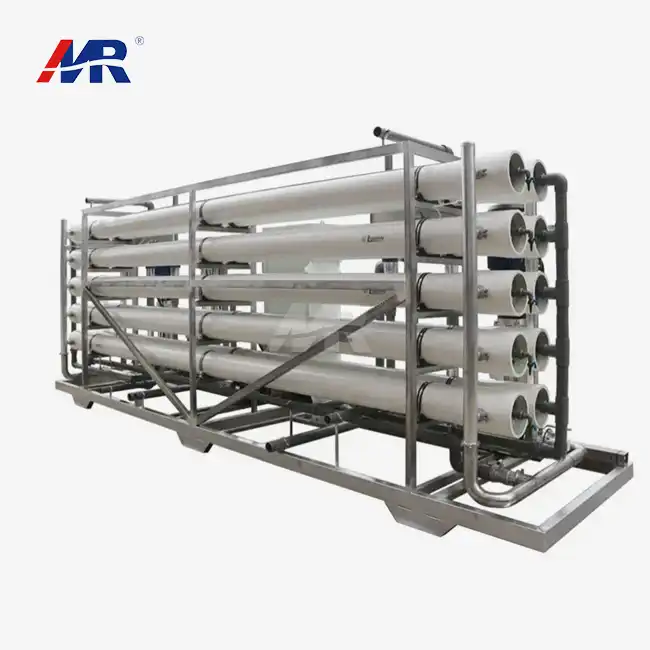
By applying pressure to push water through a semi-permeable barrier with pores that are about 0.0001 micron wide, an osmosis water machine removes impurities. This osmosis water machine (RO) process literally stops heavy metals, germs, dissolved solids, and chemical contaminants from passing through. It only lets molecules of clean water pass through. Osmosis water machines are necessary in businesses where water quality directly affects product purity, regulatory compliance, and operating efficiency. The result is very clean drinking water that meets strict safety standards.
Introduction
Businesses now handle water quality differently because of newer cleaning systems. In industries like making medicines, food, and gadgets, the osmosis water machine is an important part of quality control systems. The technology solves important problems like high Total Dissolved Solids (TDS) levels, heavy metal contamination, and unstable municipal water sources that make it hard to keep up output.
When procurement workers understand osmosis water machine technology, they can make smart investments that meet both short-term operating needs and long-term green goals. There are clear benefits to using osmosis water machines in many fields, from biotechnology to marine farming, including the following rules, saving money, and making Products better.
Understanding Osmosis Water Machines: Technology and Benefits
Core Components and Purification Stages
Multiple filter steps are used in osmosis water machines to completely clean water. Sediment screens catch particles bigger than 5 microns as the first step in pre-treatment. This keeps parts further down the line from getting damaged. Then, activated carbon blocks take in chlorine, volatile organic molecules, and chemicals that change the taste of water, which would normally make the membrane less effective.
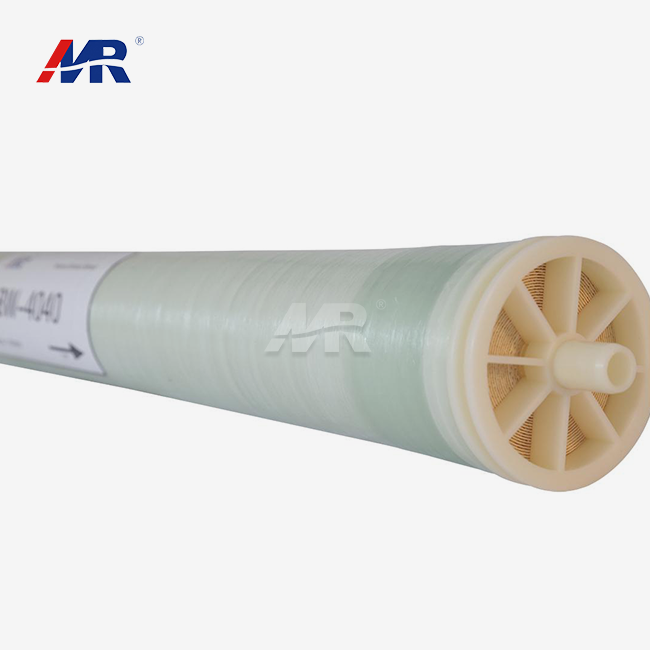
The Thin Film Composite (TFC) membrane is the most important part of any osmosis water machine. It is designed to work nonstop and keep distillation rates higher than 97%. The force needed to beat natural osmotic pressure is created by high-pressure pumps. These pumps push water molecules through the membrane barrier while sending contaminants to a different waste stream. After the filter, polishing steps improve the taste even more and get rid of any smells that are still there before delivery.
Technical Parameters That Define Performance
The main way to tell if a membrane works is by how much salt it rejects. Commercial-grade systems can get rid of 97–99% of dissolved inorganics. Flow capacity, which is given in Gallons Per Day (GPD), ranges from small domestic units with 50 GPD to large commercial installations with over 800 GPD. Recovery rates, or the amount of feed water that is turned into a clean product, are usually between 50 and 75%. However, more modern designs are able to make them more efficient by managing pressure better and setting up the membranes in the right way.
Smart tracking systems built into modern osmosis water machines keep an eye on TDS levels, membrane differential pressure, and flow rates in real time. By clearing the membrane surface every so often, automated flush cycles stop biological fouling and extend the life of parts from the usual two to three years to five years in well-kept systems. Temperature-compensated algorithms change working factors to keep output constant, even when source water conditions change with the seasons.
Benefits for Industrial and Commercial Applications
Predictable water chemistry that gets rid of batch-to-batch unpredictability is immediately useful in the manufacturing industry. When making drinks, mineral profile stability makes sure that the flavors are the same from one production run to the next. Pharmaceutical companies use osmosis water machine pre-treatment to get the low-conductivity water they need for making injection-grade products and reagents.
In addition to improving the quality of the product, osmosis water machines lower the cost of maintaining machinery by keeping scale from building up in boilers, cooling towers, and process equipment. Electronics makers take care to keep ionic pollution from sensitive semiconductor chips that lead to output losses. Because the technology doesn't use chemicals, it gets rid of the safety risks and waste issues that come with other cleaning methods, making environmental compliance profiles stronger.
Comparing Osmosis Water Machines with Other Water Purification Methods
UV Sterilization vs. Membrane Filtration
Taking a look at osmosis water machines and other ways to clean water, ultraviolet devices are great at killing microbes, but they can't deal with dissolved chemicals or particles. For UV treatment to work, the water must have already been filtered, because turbidity protects germs from the germ-killing rays. When you combine UV with an osmosis water machine, you get double the safety. The membrane gets rid of pathogens physically, and UV kills any bacteria that make it through.
Compared to other types of cleaning, UV uses less energy; most units use 30 to 40 watts of power constantly. Osmosis water machines need 100 to 200 watts of power to run the pump, but they get rid of more contaminants. A life-cycle cost study must take into account the fact that lamps need to be replaced every 9–12 months, while membranes only need to be changed every 2–3 years. It is also important to consider the different features that each technology offers.
Activated Carbon Limitations
Through absorption, carbon block filters get rid of chlorine, some pesticides, and organic compounds. However, they don't have the right pore structure to get rid of dissolved salts, heavy metals, or bacterial threats. In high-throughput situations, their capacity runs out pretty quickly, so they need to be replaced often. Osmosis water machine membranes fill in these holes by removing toxins based on molecular size instead of chemical affinity. This gives a level of cleaning that carbon alone can't provide.
Distillation and Energy Considerations
By evaporating and compressing H2O molecules, leaving behind contaminants, thermal distillation makes water that is very clean. The process uses a lot of energy—usually between 0.5 and 1 kWh per gallon—so it can't be used continuously for large amounts of material. An osmosis water machine gets about the same level of purity while using 10–20% less energy. This is why it is so popular in business settings where operating costs directly affect profits.
Making the Right Procurement Decisions for Osmosis Water Machines
Evaluating Water Quality Requirements
Analysis of the source water sets the level of pollution that osmosis water machines need to deal with. Baseline conditions are set by testing for TDS levels, hardness levels, heavy metals (lead, arsenic, and mercury), and bacterial content. Industries that need to meet certain standards, like those that need GMP-compliant medicinal water, electronics-grade ultrapure supply, or food-safe processing water, must make sure that their system specs meet those standards.
Capacity planning compares times of high demand to times when the system can produce the most. A pharmaceutical plant that needs 500 gallons of water every day for production needs either a single high-capacity system or several independent units that can work together in case one fails. Recovery ratio optimization lowers the amount of garbage that is dumped, which is especially important in places with limited water or where the cost of sewage is high.
Comprehensive Cost Analysis Framework
The initial cash investment covers buying the equipment, hiring people to set it up, building the infrastructure for pre-treatment, and polishing steps after filtering. Professional installation should be budgeted for 15 to 25 percent more than the cost of the equipment. This will make sure that the right pressure is maintained, drains are routed properly, and electrical connections are made. Systems that are too small or not set up correctly cause unnecessary upkeep costs that quickly outweigh any initial savings.
Operating costs include replacing membranes and filters on regular schedules: sediment filters every three months, carbon blocks every six months, and membranes every two to three years, based on the quality of the source water. Costs that keep coming up include getting rid of water waste, using electricity, and using chemicals for regular sanitation. The real economic value can be seen by figuring out the total cost of ownership over a 10-year period. This is especially true when comparing high-end systems with longer component life and lower failure rates.
Supplier Selection Criteria
Certifications from third parties, like NSF/ANSI 58 for osmosis water machines and NSF 61 for component material safety, give customers peace of mind. These certifications come from well-known makers with clear quality control methods. Suppliers' Technical support skills have a direct effect on system uptime; quick access to troubleshooting help and new parts keeps output from stopping, which costs a lot of money. A warranty that lasts between 5 and 7 years for pressure tanks and between 1 and 2 years for membranes shows that the company is confident in the reliability of the product.
In industries that need to be up and running quickly, local service networks are very important. Critical failures can be fixed the same day or the next day if suppliers keep regional stores stocked and train techs on hand. The possibility for a long-term partnership goes beyond the original purchase. Scalable system architectures allow for future capacity growth without having to be completely replaced.
Practical Tips for Osmosis Water Machine Maintenance & Longevity
Routine Maintenance Schedules
How to keep your osmosis water machine in good shape and make it last longer begins with regular maintenance. Sediment pre-filters need to be checked every three months and replaced if they show signs of discoloration or a 10 PSI drop in pressure across the housing. Most carbon block filters that serve chlorinated public water sources run out every six months. Chlorine test strips are used to check how much capacity is still left. Signs that a membrane needs to be replaced include decreasing extract quality (TDS creep above 10% of feed water), lower flow rate even though pressure stays the same, or clear signs of biological growth.
Every 8 to 12 hours, the system should run an automated flush cycle for 30 to 60 seconds to clean the membrane surfaces. Once a year, using food-grade hydrogen peroxide or citric acid treatments for manual cleaning gets rid of biofilm and mineral scaling that builds up and makes the membrane less effective between replacements.
Troubleshooting Common Performance Issues
A sudden drop in flow usually means that a sediment filter is clogged or a check valve has failed, blocking the flow of water. A rise in TDS in the product water means that the membrane is damaged or the O-ring seal has failed, letting feed water pass through. Strange noises during operation could mean that air is getting into the system or that the pump bearings are wearing out and need to be serviced by a professional.
Changes in source water quality have a huge effect on how long parts last. Seasonal hardness spikes speed up scaling. Putting water softeners upstream can make membranes last longer in places where calcium/magnesium levels are higher than 150 ppm. Specialized carbon formulations are needed for chloramine-treated city sources; regular activated carbon doesn't work and lets membrane oxidation damage happen.
Environmental and Health Considerations
Osmosis water machine permeate naturally has fewer minerals than source water, which makes people worry about their taste preferences and mineral intake from food. Calcite post-filters are often used in commercial setups that serve drinking water. They add calcium and magnesium back into the water, which raises the pH from acidic 5.5 to 6.5 to neutral 7.0 to 7.5 and makes the taste better.
Several studies that were reviewed by experts in the field confirm that osmosis water is safe for people to drink. In fact, the World Health Organization says that these systems are an effective way to protect against environmental contaminants. Industrial users can remineralize precisely based on their needs, whether they need soft water for boiler feed, specific mineral profiles for making drinks, or full demineralization for making lab reagents.
Case Studies and Industry Applications of Osmosis Water Machines
Food and Beverage Manufacturing
Case studies and examples of how osmosis water machines are used in business show immediate value. A local company that sells bottled water switched from carbon filtration to a multi-stage osmosis water machine that can handle 2,000 GPD. Testing after installation showed a 99.2% drop in TDS, which stopped customers from complaining about off-tastes and made the product last longer on the shelf. The investment was returned in 18 months thanks to fewer returns on products and a better image for the brand, which allowed higher prices.
Craft breweries use osmosis water machines to keep the pH of their water stable, even when the public supply changes with the seasons. Using purified water to create target mineral profiles ensures taste stability from batch to batch, which is what sets premium goods apart. One brewery saw a 15% increase in performance after getting rid of the downtime that scale caused in heat exchangers and fermentation tanks.
Pharmaceutical and Laboratory Applications
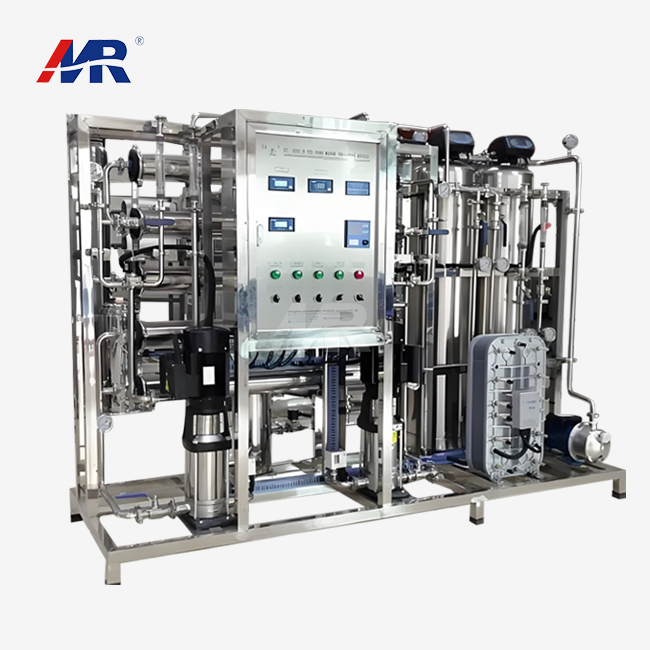
A biotechnology research center used osmosis water machine pre-treatment and electrodeionization (EDI) cleaning to make Type II ultrapure water. The combined system reached a conductivity of less than 1 μS/cm needed for making cell culture media and used 80% less regeneration chemicals than the old mixed-bed deionization method. The membrane life was longer than 4 years because the pre-treatment was adjusted to protect the purification stage from organic and particle fouling.
A lot of hospitals that do dialysis rely on medical-grade osmosis water machines that meet AAMI guidelines for chlorine removal, bacterial endotoxin levels, and chemical contamination limits. One 50-station facility was updated to have multiple units so that it could keep running even when it was being maintained. Metrics for patient safety and operational efficiency both got better, showing how important water quality infrastructure is for healthcare services.
Coastal and High-Salinity Environments
In an area with salty water, an aquaculture business put in osmosis water machines that lowered the saltiness from 12,000 ppm to a level where tilapia could be grown. The technology made it possible for successful inland fish farming in a place that used to rely on expensive water transport. Recovery optimization and pumping that uses less energy kept the prices of running the system on par with those of standard freshwater sources.
More and more, improved osmosis water machine membranes that can treat saltwater in a single pass are being used in municipal desalination projects. One island town built a 500,000 GPD plant to replace a distillation that used gasoline engines. The modern facility improved water quality while cutting energy use by 65%. This shows that the technology can be used on a large scale, from small units in a lab to large infrastructures that serve whole populations.
Conclusion
Osmosis water machine technology is the most flexible way to deal with a wide range of water quality problems in industrial, business, and public settings. This technology is the best choice when the cleanliness of the water has a direct effect on product quality, compliance, and the long-term viability of the business. This is because these systems can be scaled up, and smart tracking features are getting better all the time. Water treatment projects get the best return on investment when strategic purchasing decisions are made based on the total cost of ownership, the technical skills of the supplier, and the need for upkeep.
FAQ
1. How effectively do RO systems remove fluoride?
Fluoride levels drop from normal city levels of 0.7 to 1.2 parts per million (ppm) to below 0.1 parts per million (ppm, thanks to osmosis water machine membranes that reject them 85 to 92% of the time. This rate of removal is higher than that of activated carbon and regular filters. Some industries, like those that need fluoride-free water for making medicines or electronics, depend on this technology to do just that.
2. What determines filter replacement frequency?
Replacement times rely on the quality of the source water, the amount of water used each day, and how well the pre-treatment worked. Under normal conditions, sediment filters last between 3 and 6 months, carbon blocks between 6 and 12 months, and osmosis water machine membranes between 2 and 3 years. Systems that process well water with a lot of sediment or water that has a lot of chlorine in it need to be serviced more often. By keeping an eye on pressure differences and TDS levels in the product water, you can tell when parts need to be replaced.
3. Can reverse osmosis systems be installed in various configurations?
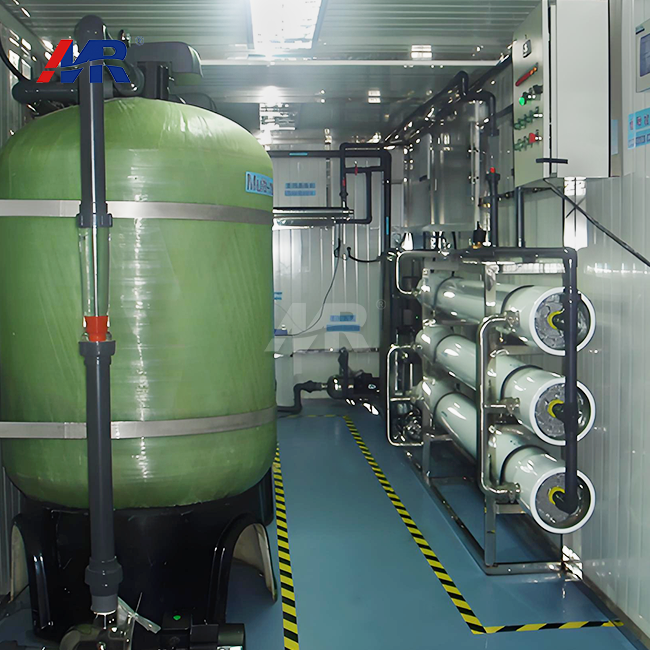
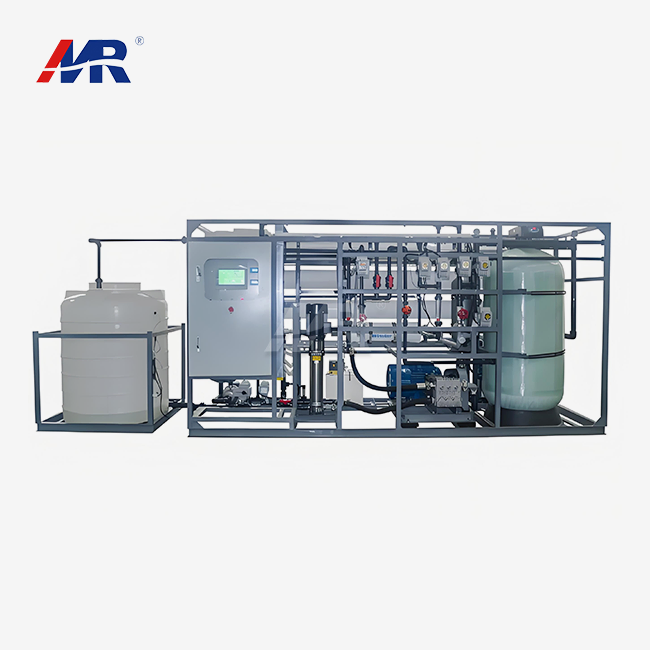
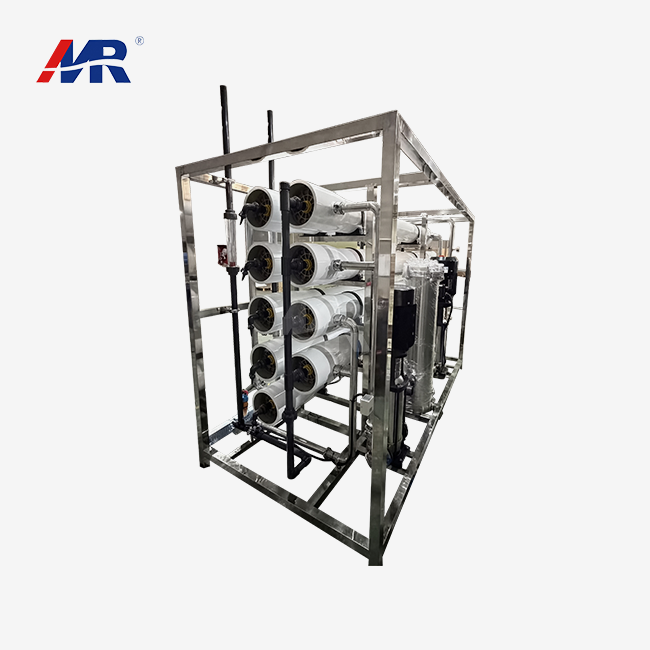
Modern osmosis water machine equipment can be installed in a number of different ways, including under-sink mounting for point-of-use uses, tabletop models that don't need any permanent plumbing changes, and industrial skid-mounted systems that can be connected to existing process water loops. Portable units can be used on short job sites or as mobile labs. Flexible design lets procurement teams fit the needed physical size and connection needs with the equipment that is already in place at the building.
Partner with Morui for Reliable Osmosis Water Machine Solutions
Guangdong Morui Environmental Technology has 14 regional offices and more than 500 workers and 20 specialized engineers who work together to treat water. Our vertically integrated skills allow us to make membranes and tools in-house, which ensures quality control throughout the whole production process. As a well-known company that makes osmosis water machines, we can make unique RO systems that can handle anything from small lab units to industrial setups with more than 10,000 GPD of capacity. Full total services include evaluating the site, designing the system, installing it, commissioning it, and providing ongoing upkeep support. Morui works with top component names like Shimge pumps, Runxin valves, and Createc instruments to make sure of solid performance and parts availability. Email benson@guangdongmorui.com to talk about your unique water quality needs and get full technical specifications that fit your business.
References
1. American Water Works Association. (2020). Reverse Osmosis and Nanofiltration: Manual of Water Supply Practices M46. Denver: AWWA.
2. Greenlee, L.F., Lawler, D.F., Freeman, B.D., Marrot, B., & Moulin, P. (2009). Reverse osmosis desalination: Water sources, technology, and today's challenges. Water Research, 43(9), 2317-2348.
3. NSF International. (2019). NSF/ANSI Standard 58: Reverse Osmosis Drinking Water Treatment Systems. Ann Arbor: NSF International.
4. Qasim, M., Badrelzaman, M., Darwish, N.N., Darwish, N.A., & Hilal, N. (2019). Reverse osmosis desalination: A state-of-the-art review. Desalination, 459, 59-104.
5. World Health Organization. (2017). Guidelines for Drinking-Water Quality: Fourth Edition Incorporating the First Addendum. Geneva: WHO Press.
6. Zhao, S., Zou, L., Tang, C.Y., & Mulcahy, D. (2012). Recent developments in forward osmosis: Opportunities and challenges. Journal of Membrane Science, 396, 1-21.
 VIEW MORE1000LPH EDI system
 VIEW MOREMBR wastewater treatment plant
 VIEW MOREContainerized Mobile Water Treatment Systems
 VIEW MOREseawater treatment system
 VIEW MOREseawater desalination equipment
 VIEW MOREindustrial reverse osmosis membrane
 VIEW MOREro reverse osmosis water filter
 VIEW MOREwaste water treatment system
