

_1745823981883.webp)

Pre-Treatment Requirements for Large RO System Longevity
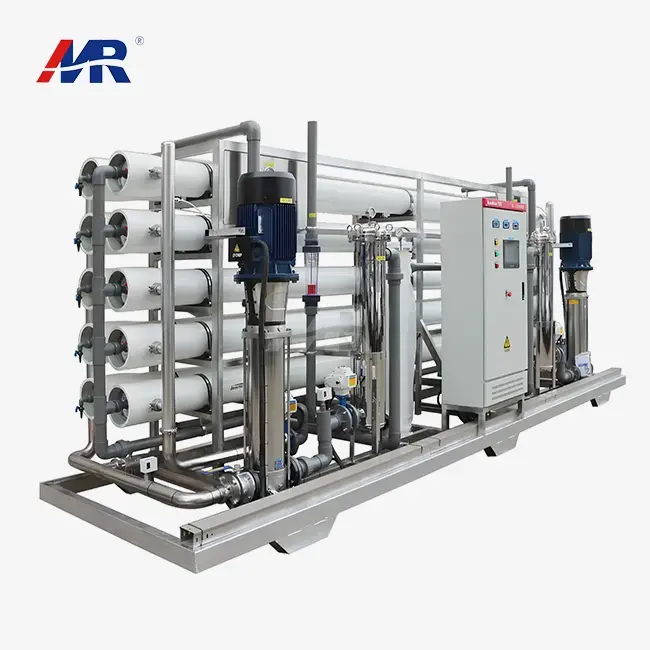
Conditioning feedwater to protect semi-permeable membranes from particles that speed up fouling and scaling is the primary focus of pre-treatment needs for a large RO system. Before the water goes into the Reverse Osmosis stage, it goes through a process of mechanical filtration, chemical dosing, and advanced technologies that get rid of chlorine, hardness, and organics. This organised method increases the lifetime of the membrane, lowers the costs of operation, and keeps the quality of the permeate the same across a wide range of industry uses.
Introduction
Large RO systems are the most important part of industrial water purification infrastructure in the energy, municipal, pharmaceutical, and manufacturing sectors. Every day, these large installations process tens of thousands to over half a million gallons of water, providing ultra-pure water that is needed for cooling towers, boiler feed systems, making drinks, and making semiconductors. However, the life of these big investments in capital depends on something that many companies don't think about enough when they're buying: thorough pre-treatment.
From our experience at Guangdong Morui Environmental Technology, we know that even the most advanced Reverse Osmosis systems can fail early if the feedwater isn't properly treated. More and more pressure is being put on procurement managers to explain why they need to spend money on equipment, while technical decision-makers are trying to balance up-front costs with long-term operational costs. In this guide, we look at pre-treatment methods that protect membrane health, reduce downtime, and achieve the best total cost of ownership for large-scale RO operations.
Understanding the Role of Pre-Treatment in System Longevity
Pre-treatment is the first line of defence against chemicals in the feedwater that can destroy membrane performance within a few months of placement. Without proper conditioning, raw water sources have chemicals, microorganisms, dissolved minerals, and particles in the water that can't be removed. These can damage membranes in a way that can't be fixed.
The Science Behind Membrane Protection
In a large RO system, semi-permeable thin-film composite membranes drive water molecules through microscopic pores and block 99.8% of dissolved salts at 150–400 psi. Despite its effectiveness, this selective barrier may fail due to suspended particles fouling, mineral precipitation scaling, and chlorine contact oxidative degradation. According to American Membrane Technology Association data, 70% of premature membrane failures are due to poor pre-treatment planning or execution. The economic impact extends beyond replacement costs. Pharmaceutical manufacturers that shut down without notice lose $100,000 an hour in productivity.
Quantifiable Benefits of Optimized Pre-treatment
Industrial case studies suggest that proper pre-treatment may extend the membrane's service life from 3–5 years to 10 years or more. In 2022, 150 large-scale Reverse Osmosis systems with complete pre-treatment had 40% lower normalised permeate flow decrease rates and 60% fewer unscheduled maintenance incidents. These success indicators improve ROI and operating cost planning. Water quality helps pharmaceuticals and food processors obey regulations for financial and other reasons.
Key Pre-Treatment Components and Design Principles
A good pre-treatment design uses a number of different technologies in a carefully planned order that fits the feedwater's properties and the needs of the system.
Mechanical Filtration Technologies
Multimedia filters trap 20–50-micron particles using layered beds of anthracite, sand, and garnet. Pressure vessels use depth filtration. They capture pollutants across the media bed. To remove particles, automatic backwash operations vary the flow direction and increase the media bed size to refill the filter capacity. The downstream cartridge filters' final cleaning is 5 microns or smaller to protect membranes against media escape during backwash transitions. Amount of suspended particles, desired dirt-holding capacity, and differential pressure determine whether to utilize wound-depth or pleated membrane cartridges.
Chemical Conditioning Systems
Mineral buildup on barrier surfaces is controlled by injecting an anti-scalant. Modern formulations halt calcium carbonate, calcium sulphate, barium sulphate, and silica scaling by threshold inhibition and crystal modification. Dosing is crucial—not enough anti-scalant stops scaling, and too much causes organic fouling and unnecessary chemical expenditures. Adding sodium metabisulfite removes any remaining chlorine that would have oxidized the polyamide membrane, reducing flow and salt rejection. To mix fine colloids and dissolved organics into settleable particles, surface water treatment requires coagulation and flocculation before filtering.
Advanced Pre-treatment Technologies
Ultrafiltration membranes, which function at lower pressures than Reverse Osmosis, block 0.01-micron particles, colloids, germs, and viruses. This method is effective when feedwater quality fluctuates and multimedia filtering struggles to satisfy turbidity requirements. UV disinfection devices using 254-nanometer rays destroy germs without chemicals. This aids in controlling biofouling in warm climates and surface water treatment. How intricate the feedwater is, how much room you have, how much automation you need, and how much equipment, supplies, labor, and waste disposal will cost over time will determine whether to use standard or sophisticated pre-treatment methods.
Best Practices for Implementing Effective Pre-Treatment
To turn design principles into operational excellence, you need to pay attention to the commissioning, monitoring, and maintenance protocols that keep the treatment working well throughout the lifecycle of the system.
Comprehensive Feedwater Characterization
Designing an efficient pre-treatment system starts with a comprehensive water quality investigation. First, check total dissolved solids, turbidity, pH, temperature, and conductivity. For more detailed testing, check alkalinity, silica, iron, manganese, total organic carbon, chlorine demand, bacterial counts, and hardness speciation (calcium vs. magnesium). Seasonal fluctuations need many sample periods to acquire the worst-case situations. The Silt Density Index measures filter clogging speed under typical circumstances to estimate fouling. Before multimedia filtering, SDI values over 3.0 need pre-treatment. When prospective customers visit Morui, our technical staff evaluates feedwater for free. Instead of employing typical treatments, they utilize the lab to create customized ones.
Real-Time Monitoring and Control Integration
Modern pre-treatment systems of a large RO system are equipped with PLCs and HMIs, which provide continual access to critical operational metrics. Turbidity monitors after multimedia filters activate early backwash cycles when particle escape exceeds setpoints. This prevents downstream cartridge filters from overfilling. Oxidation-reduction potential sensors test dechlorination before feedwater reaches membranes. The quantity of sodium metabisulfite supplied automatically adjusts to chlorine levels. Transmembrane pressure differential monitoring detects fouling or scaling in individual membrane vessels before it impacts system output. These automated control systems reduce operator involvement and enable proactive maintenance scheduling based on real circumstances rather than arbitrary time intervals.
Maintenance Protocols That Preserve Treatment Effectiveness
Preventive maintenance programs should be based on equipment performance, not manufacturer instructions. Feedwater turbidity and flow rate determine multimedia filter backwashing frequency. Applications with high turbidity may require numerous backwash cycles per day, whereas well water sources with low turbidity may be able to manage weekly filter runs. Differential pressure thresholds and runtime hours indicate cartridge filter changeout. However, a visual assessment during replacement tells whether upstream filtration is eliminating particle load or requires adjustment. Anti-scalant tank levels, injection pump calibration, and chemical concentration checks prevent membrane protection from being compromised by insufficient chemicals. Regular maintenance plans from our service network inspect, replace, and improve pre-treatment system performance between major overhauls.
Common Problems That Reduce System Longevity and Prevention Strategies
Knowing why pre-treatment fails so often lets you make design and management decisions that keep you from falling into these problems.
Chemical Dosing Inaccuracies and Consequences
Membrane scaling occurs when an anti-scalant is misused, causing a gradual flux reduction and increased salt rejection. Calcium carbonate or sulphate crystallizes on membrane surfaces if not removed. This creates irreparable damage that must be replaced early. Overdoses of organic materials feed bacteria, which aids biofouling. We encountered a beverage business whose membranes were clogging despite extensive antiscalant dosage. We found that their metering pump delivered 40% more chemical than expected due to an off-stroke adjustment. Recalibrating the dosing mechanism and modifying the formulation based on water analysis fixed fouling. This reduced chemical consumption by 35%.
Mechanical Filtration Failures
Multimedia filter channeling occurs when backwash flow rates are too low to distribute and expand media beds. This creates preferential flow routes that bypass filtering zones and send particles to downstream cartridges and membranes. Signs include a fast-clogging cartridge filter and a high membrane feed pressure after backwashing the multimedia filter. Broken cartridge filter housing O-rings are another issue. Unfiltered water passes through the housing-to-cartridge contact. Inspecting during changeout, lubricating, and replacing compression seals on time helps prevent this failure. Automated turbidity monitoring after cartridge housings detects escape scenarios before membrane damage.
Energy Efficiency Considerations
The entire system cost depends on pre-treatment energy, particularly for high-flow locations. Poorly designed and water-intensive backwash cycles increase waste treatment costs and system recovery time. Large pre-treatment pumps waste energy and cause early mechanical breakdowns via cavitation and vibration when utilized beyond their most efficient limits. Major pumps need variable frequency drives to meet demand instead of operating at a set speed with output reduced for energy efficiency. Managing pressure in the pre-treatment train reduces unnecessary head loss, which increases feed pump power. Optimization reduces operational costs and water and carbon emissions, helping firms become more ecologically friendly.
Choosing and Procuring Pre-Treatment Solutions
Choosing the right pre-treatment equipment and building trusting relationships with suppliers are important purchases that will affect the system's performance in the long run.
Evaluation Criteria for Equipment Selection
To start evaluating a pre-treatment system, the treatment capacity and technology must be matched to the feedwater's properties and quality goals. A pharmaceutical facility that makes pure water that meets USP standards has very different needs than a power plant that treats salty groundwater for use in boilers. Choosing the right material affects how well it works with chemicals and how long it lasts. For example, fiberglass-reinforced plastic vessels can handle corrosive environments, while stainless steel is better for sanitary uses that require a lot of CIP cycles. The level of automation decides how much work needs to be done and how quickly things can change. Fully automated systems explain their higher capital costs by requiring less operator input and better safety during abnormal events.
Supplier Evaluation and Partnership Development
When buying something, you should think about more than just the price. You should also think about how well the equipment is supported technically for a large RO system, whether extra parts are available, how well the service network covers the area, and references from similar projects. Manufacturers that focus on large-scale industrial water treatment have more knowledge than suppliers that sell the same filtration equipment to many different industries. At Guangdong Morui Environmental Technology, we offer turnkey installation services, make membranes, and make equipment. This way, clients only have to deal with one company for the whole project. Our engineering team is made up of 20 experts who have decades of experience developing pre-treatment solutions for a wide range of industries, such as making semiconductors, making medicines, and treating water for cities. Because we know so much, we can predict problems that will only happen in certain situations and include tried-and-true solutions during the design phase, rather than fixing problems after they've already happened.
Total Cost of Ownership Analysis
A full procurement evaluation looks at more than just the cost of acquisition. It also looks at operational costs, maintenance needs, and the expected service life. Cheaper equipment that uses poor materials or old technology may need to have parts replaced more often, which will raise the cost of consumables. Power consumption goes down over decades, so designs that are more energy-efficient cost more at first but save a lot of money eventually. Warranty clauses and service agreements protect against unexpected repair costs and make sure that repairs are done quickly, which keeps production running as smoothly as possible. The best way to buy things is to find a balance between limited capital budgets and long-term value. This way, you can avoid false economies that seem cheap at first but end up costing a lot over the lifecycle of the system.
Conclusion
Pre-treatment is the basis for large-scale Reverse Osmosis operations that work well. Completely conditioning the feedwater protects the investments in membranes, keeps the quality of the permeate consistent, lowers operational costs, and makes it possible to plan maintenance ahead of time. This guide talks about technologies, design principles, and best practices that help procurement managers and technical decision-makers figure out what pre-treatment needs to be done for their specific uses. Companies that put strong pre-treatment at the top of their list during system design and follow good operational practices get a better return on their investment by making equipment last longer and ensuring reliable production capacity.
FAQ
Q1: How often should pre-treatment filters be replaced in industrial reverse osmosis installations?
How often they need to be replaced depends a lot on the quality of the feedwater and the amount of particles in it. Depending on the difference in pressure and running hours, cartridge filters usually need to be replaced every two to six months. Media for multimedia filters lasts between 3 and 7 years before they need to be replaced because they wear out or get dirty. The stock of anti-scalant and dechlorination chemicals is changed out based on how fast they are used up in relation to the flow of the system. Instead of sticking to set schedules, we suggest setting performance-based changeout criteria that keep an eye on things like turbidity breakthrough, pressure differential, and service hours to find the best balance between replacing things too soon and putting too much risk of fouling on them.
Q2: Can inadequate pre-treatment cause permanent membrane damage requiring complete replacement?
Of course. If membrane elements get damaged beyond repair by scaling, chlorine oxidation, or biological fouling, they can't be fixed by cleaning them and have to be replaced early. Scales of calcium carbonate or sulphate that form inside the membrane envelope channels can't be removed by harsh acids, so they permanently lower the membrane's ability to handle flux and salt rejection. Polyamide chemistry breaks down irreversibly when exposed to chlorine, making holes that let salt pass through. These types of failure usually affect whole systems or vessels instead of just a few parts. This means that replacing them can cost tens of thousands of dollars and cause production to stop while they're being fixed.
Q3: What energy savings result from properly engineered pre-treatment systems?
When pre-treatment works well, membrane permeability stays close to the design specifications. This means that feed pressure rises aren't needed as often to keep production flowing at the goal rate. Facilities with better pre-treatment usually use 10-15% less energy for their feed pumps than sites that don't condition their feedwater well enough. When you clean the membrane less often, you don't have to pay for as much energy, chemicals, or wastewater disposal. If you maintain a 100 GPM industrial Reverse Osmosis system properly, you can save $8,000 to $15,000 a year on energy costs compared to running it with membranes that aren't working well and needing high pressures.
Partner with Morui for Comprehensive Pre-Treatment Solutions
Engineering turnkey water treatment systems that maximise large RO system longevity through properly designed pre-treatment infrastructure is a speciality of Guangdong Morui Environmental Technology. We can do everything from the initial analysis of the feedwater and system design to making the equipment, overseeing the installation, and providing ongoing Technical support. With more than 500 workers spread across 14 branches and our own membrane production plant, we offer complete solutions backed by real knowledge instead of just selling equipment. Get in touch with our technical team at benson@guangdongmorui.com to talk about your specific needs and find out how our all-encompassing approach to pre-treatment design will protect your investment in Reverse Osmosis while improving operational performance. Whether you work for a pharmaceutical company that needs USP-grade water, a power plant that needs reliable boiler feed treatment, or a city utility that is looking at large RO system suppliers, our engineering resources and manufacturing skills can help with projects of any size and provide tailored solutions that meet your exact needs.
References
1. American Membrane Technology Association. "Industrial Membrane System Performance and Failure Analysis." Membrane Technology Quarterly Review, Vol. 28, 2022, pp. 45-67.
2. Bergman, R. "Pre-treatment Design Principles for Large-Scale Reverse Osmosis Systems." Water Treatment Engineering Journal, Vol. 15, No. 3, 2021, pp. 112-128.
3. Chen, S. and Martinez, J. "Economic Analysis of Membrane Lifespan Extension Through Optimized Pre-treatment." Industrial Water Treatment Economics, Vol. 9, 2023, pp. 78-94.
4. International Desalination Association. "Best Practices for RO System Pre-treatment in Industrial Applications." IDA Technical Manual Series, 2022, pp. 156-203.
5. Thompson, K. "Chemical Dosing Optimization for Scale and Fouling Control in Large Reverse Osmosis Plants." Journal of Water Process Engineering, Vol. 42, 2021, pp. 301-318.
6. Zhang, L. et al. "Comparative Study of Pre-treatment Technologies for High-Capacity RO Installations." Desalination and Water Treatment, Vol. 215, 2023, pp. 89-105.
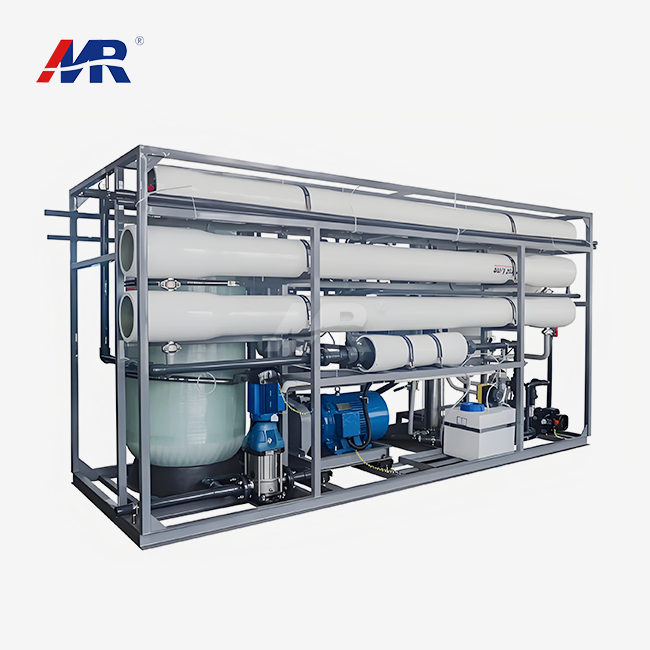 VIEW MOREseawater treatment plant
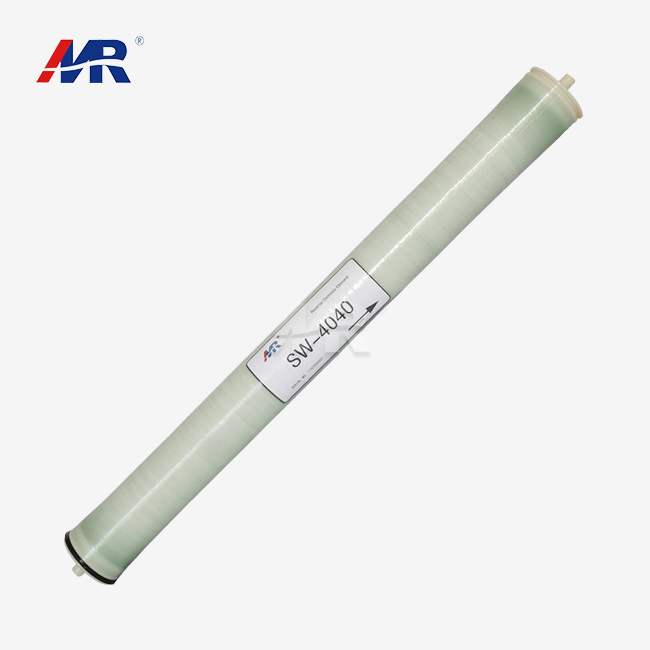 VIEW MORE4040 seawater reverse osmosis membrane
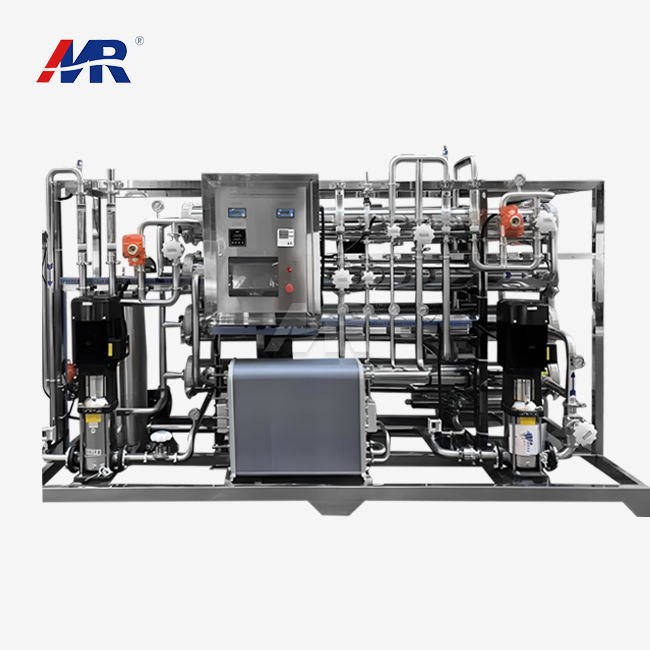 VIEW MOREelectro deionizer system
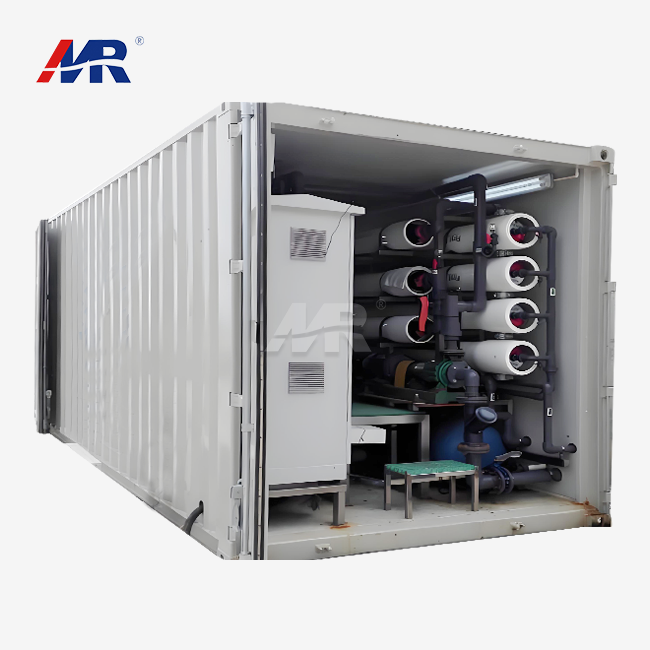 VIEW MOREcontainer seawater desalination equipment
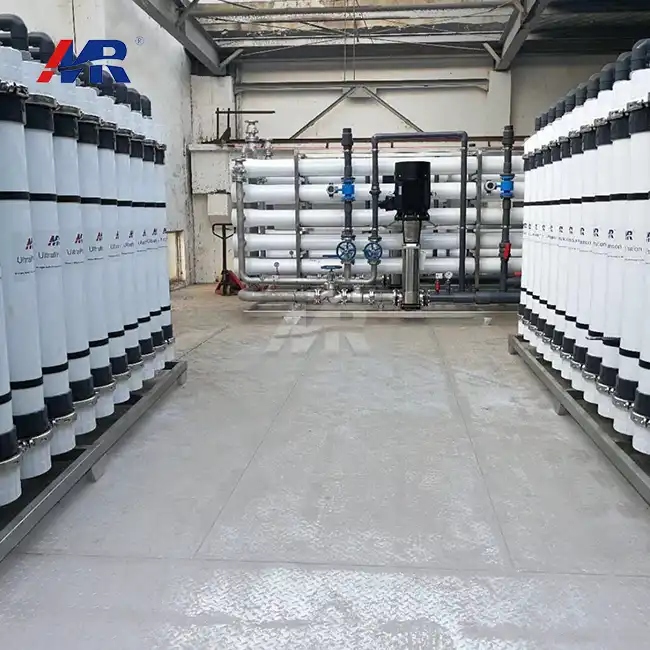 VIEW MORE2000m3/day ultrafiltration equipment
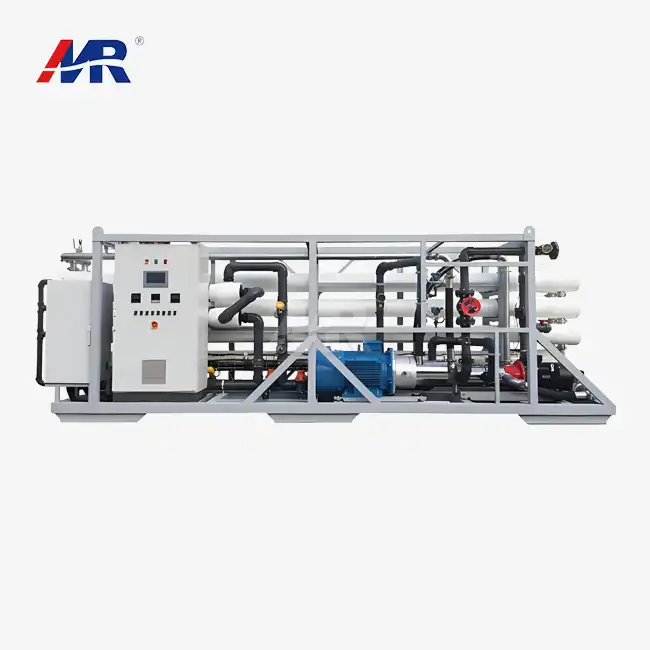 VIEW MORE15m3/hour seawater desalination system
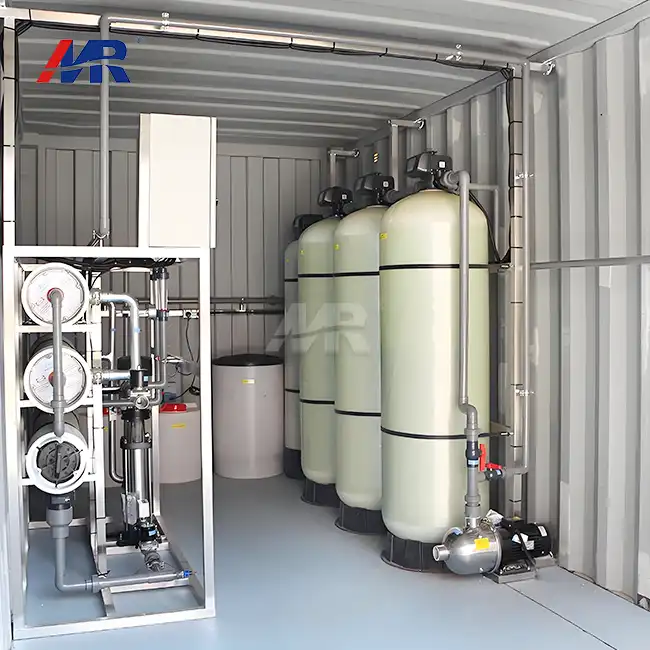 VIEW MOREcontainer ro equipment
 VIEW MOREindustrial sewage treatment plant
