

_1745823981883.webp)

Reverse Osmosis Water Filter Membrane: 4040 vs 8040 Sizing
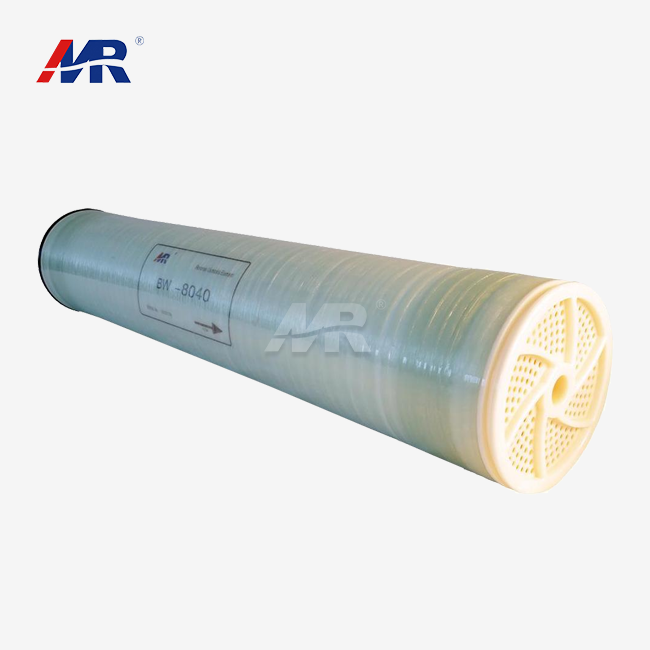
Choosing the rightmembrane/8040-reverse-osmosis-membrane"> reverse osmosis water filter membrane size directly impacts your water treatment system's efficiency, operational costs, and production capacity. The 4040 and 8040 designations refer to membrane dimensions—4 inches by 40 inches and 8 inches by 40 inches, respectively—with the 8040 offering approximately four times greater surface area than the 4040. Understanding these sizing differences helps procurement managers, plant engineers, and facility owners make informed decisions that align with their specific water quality requirements, space constraints, and budget parameters.
Understanding Reverse Osmosis Water Filter Membranes and Their Role
The Fundamental Filtration Principle
When water is pushed against the surface of a reverse osmosis water filter membrane, it blocks some things that pass through, like dissolved solids, organic molecules, and microbial contaminants. Most industrial-grade membranes are made of a thin-film composite that has a dense polyamide active layer and a microporous polysulfone and polyester backing. This multi-layered design rejects more than 97% of salt while keeping the permeate flow constant even when the feed conditions change.
Physical Dimensions and Capacity Implications
The 4040 membrane is 40 inches long and 4 inches wide, giving it an active filtering surface area of about 85 square feet. The 8040 version, on the other hand, has an 8-inch diameter frame that has a membrane area of about 365 to 400 square feet. Under normal test conditions, this big difference in surface area means that a single 4040 element can produce up to 2,400 gallons per day, while an 8040 element can produce up to 10,000 to 12,000 gallons per day. Pharmaceutical companies that need pure water that meets GMP standards or food processing plants that need a lot of production water usually choose 8040 membranes. 4040 elements, on the other hand, work better for smaller facilities or test systems.
System Integration and Housing Compatibility
The size of the membrane has a direct effect on the choice of pressure vessel, the layout of the pipes, and the overall size of the system. Single 4040 elements can be put into small housings that are good for places with limited space, like labs or ships with mobile treatment units. On the other hand, 8040 membranes need bigger pressure vessels but can accommodate multi-element arrays that cut down on the number of parallel trains needed for high-capacity uses. When municipal water plants update their treatment processes, they often choose 8040 configurations because they make installation easier while still getting the most work done.
Key Performance Metrics: 4040 vs 8040 Membranes
Filtration Efficiency and Rejection Rates
When made with the same thin-film composite chemistry, both reverse osmosis water filter membranes have similar rejection performance, usually getting rid of 97–99.5% of dissolved salts and almost all floating solids bigger than 0.0001 microns. But because the 8040 has a bigger surface area, it can remove more total dissolved solids per element. Semiconductor companies that need very pure water with a conductivity below 0.1 µS/cm can benefit from the longer contact time and better salt rejection that 8040 membranes offer in multi-stage configurations.
The intrinsic selectivity of the membrane stays the same for both sizes, but the operational factors change. At 15% recovery, a 4040 element usually makes 2,500 gallons of fluid every day while keeping optimal flow rates. At the same recovery rate, an 8040 element can make 11,000 gallons of water every day. This cuts down on the number of parallel vessels needed and makes system hydraulics easier for large-scale operations like desalination projects for seawater.
Lifespan and Maintenance Considerations
The quality of the feed water, how well the pretreatment works, and the operating conditions all affect how long a membrane lasts, not just the size of the elements. Both configurations usually last between 3 and 5 years if they are well taken care of. Surface area ratios, on the other hand, cause coating patterns to be different. Because the 4040 has a smaller diameter, it has higher crossflow speeds at the same feed rates. This can make it less likely to foul in situations where there are moderate amounts of suspended solids, like when treating brackish water.
The way to clean both sizes is the same: citric acid is used for mineral scaling, and alkaline solutions are used for organic gunk. The 8040 needs more cleaning chemicals because it has a bigger volume, but its higher production capacity usually makes up for the extra money spent on maintenance. Power companies that treat boiler feedwater usually clean their membranes every three months, no matter what size they are, to keep the quality of the permeate constant and stop biofouling.
Energy Consumption and Operating Costs
Feed pressure needs are not based on membrane size, but on how salty the water is and how the system is designed. Systems that deal with brackish water usually work at 150 to 250 psi, but systems that desalinate seawater need 800 to 1,000 psi. But because the 8040 has a better surface area-to-volume ratio, it usually uses less energy per gallon of production. Five 8040 elements might be needed for a system that makes 50,000 gallons of water every day instead of twenty 4040 elements. This would lower the pressure drop across the element connections and cut the pump's energy use by 15 to 20%.
How to Choose Between 4040 and 8040 Membranes for Your Application?
Production Volume Requirements
Reverse osmosis water filter membranes such as the 4040 are often more than enough for places that need less than 10,000 gallons per day, like small drug labs, speciality chemical makers, or research centers. Their simpler plumbing and lower initial cost make them appealing for situations where budget and space limitations are important. On the other hand, 8040 configurations are better for beverage bottling plants, large-scale aquaculture operations, or industrial wastewater reclamation facilities that need to process more than 50,000 gallons of wastewater every day, even though they require a bigger initial investment.
Feed Water Characteristics
The chemistry of the water has a big effect on membrane selection. The 4040's higher crossflow velocity helps high-turbidity sources like surface water or industrial process streams because it keeps particles from sticking to the membrane surface. Electroplating plants that treat rinse water that is high in metals sometimes like to use more than one smaller element to keep the best cleaning frequency without overworking their treatment capacity.
Instead, 8040 membranes are best for wells that produce high-TDS brackish water or seaside sites that handle saltwater because they maximise recovery rates while keeping an acceptable flux drop. The bigger membrane area spreads the polarisation of salt concentration more widely, which improves long-term performance stability, which is very important for city water supply systems that need to keep running all the time.
Cost-Benefit Analysis
Depending on the maker and performance requirements, 4040 elements cost $150 to $400 per membrane up front, while 8040 elements cost between $600 and $1,200. What lifetime economics say, though, is not so clear. If a system needs eight 4040 elements instead of two 8040 elements, it costs more to install, buy more pressure vessels, and keep more spare parts on hand. Even though the 8040 configuration costs more at first, it usually has a 25–30% lower total cost of ownership after five years of use.
Facilities that are planning to increase their capacity or deploy systems at more than one site can save even more money by making bulk purchases with reverse osmosis water filter membrane suppliers like Morui. Pharmaceutical contract makers that use the same 8040 platforms in various production sites can get bulk discounts and make it easier to train maintenance staff and keep track of spare parts.
Leading Brands and Suppliers of RO Membranes: 4040 vs 8040 Options
To find a reputable membrane provider, you need to look at the quality of the Products, the level of technical help, and the stability of the supply chain. Dow Filmtec's membranes are popular in pharmaceutical applications where compliance documentation is important because they meet the highest standards for salt rejection in the industry and come with a full warranty. Toray membranes work great in places with a lot of fouling because they are better at resisting organic matter, which is something that food preparation plants value.
Hydranautics offers great value for money for buyers in the municipal and light industrial markets who are looking to save money. Their membranes for brackish water work consistently well in irrigation systems for farming that use well water. Manufacturers like CSM and Vontron make affordable alternatives with strong Technical support that are specifically made for power production and petrochemical wastewater treatment.
Procurement teams should check that suppliers are NSF/ANSI 61 certified for drinking water uses and follow ISO 9001 quality management standards when evaluating them. Suppliers who offer on-site setup help, training in predictive maintenance, and fast substitute orders add value that can't be measured by membrane price alone. Morui works with top component makers like Shimge Water Pumps and Runxin Valves to make sure that systems work well together and that our 20-engineer technical team can provide reliable service after the sale by an experienced reverse osmosis water filter membrane manufacturer.
Maintenance, Troubleshooting, and Maximizing Membrane Lifespan
Common Fouling Indicators and Diagnostic Steps
When performance goes down, the filtrate flow goes down, the feed pressure goes up, or the salt rejection goes down. Biological fouling usually shows up as a slow drop in flux and a rise in pressure. This is more likely to happen in warm areas or systems that don't have enough chlorination control. Mineral scaling is a fast rise in pressure with the same or better salt rejection. It happens a lot in places with hard water that don't use the right amount of antiscalant.
Monitoring differential pressure across membrane elements lets you know right away when fouling conditions are present. A 15% rise above the average should be looked into, and a 20% rise usually means cleaning processes need to be done. Normalised performance calculations that take temperature and pressure changes into account help tell the difference between real fouling and seasonal changes in operations. This keeps you from having to do unnecessary maintenance that speeds up membrane degradation.
Cleaning Protocols and Chemical Compatibility
Cleaning with citric acid or hydrochloric acid solutions that have a low pH level gets rid of calcium carbonate, calcium sulphate, and metal oxide deposits well. Cleaning with sodium hydroxide at a high pH level gets rid of organic fouling, biological slimes, and colloidal matter. When cleaning, both the 4040 and 8040 membranes can handle pH levels from 2 to 11, but the exposure time should not be longer than what the manufacturer recommends to keep the polyamide layer from getting damaged.
How often you clean depends on the quality of the feed water and how well the pretreatment works. Systems that treat public tap water might need to be cleaned every three months, while systems that treat waste leachate may need to be cleaned every month. Using a cleaning-in-place system with specialised circulation pumps and automatic chemical doses cuts down on labour costs and ensures that all membrane elements are cleaned in the same way.
Preventative Maintenance Schedules
Monitoring on a regular basis is the basis of good membrane management. Performance trends can be found before they get too bad by checking the permeate conductivity and flow rates every day. Weekly differential pressure logging keeps track of how fast fouling builds up, which helps optimise the cleaning schedule. Comprehensive performance normalisation calculations done every three months set the baseline data for warranty claims and planning replacements.
Maintenance of the pretreatment system has a direct effect on how long the membrane lasts. Upstream membrane fouling can be avoided by replacing the cartridge filter before the differential pressure goes over 10 psi. Monitoring the carbon filter makes sure that it removes enough chlorine. This keeps the polyamide membranes from getting reactive damage, which would otherwise destroy them and stop them from rejecting salt. The antiscalant system checks that the right amount of chemicals is being fed in. This stops mineral scaling, which is expensive and shortens the life of the membrane.
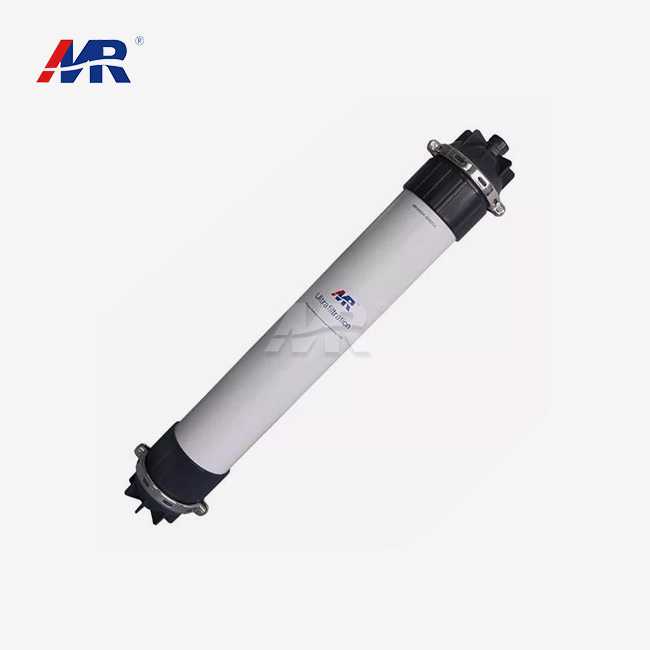
In addition to reverse osmosis, Morui's integrated treatment systems use advanced membrane technologies, such as PVDF-based ultrafiltration elements, to improve the process. Our PVDF membranes with pores that are 0.1 to 0.4 μm in size offer strong pretreatment that makes reverse osmosis water filter membrane elements last longer by getting rid of suspended solids and lowering biological loading. Withstanding up to 2000 ppm chlorine exposure and working with pH levels from 2 to 11, these pretreatment membranes remove 99.9% of suspended solids and bacteria, protecting the RO elements further down the line and cutting their footprint by 50% compared to traditional clarification systems.
Conclusion
Choosing between 4040 and 8040 reverse osmosis water filter membranes means weighing production needs, room limitations, and lifetime costs against specific water quality goals. Smaller facilities and specialised uses benefit from the 4040's flexibility and lower capital investment. On the other hand, 8040 configurations are better for high-capacity operations from an economic point of view. No matter what membrane size is chosen, the success of the system depends on good maintenance, effective pretreatment, and a good supplier partnership.
FAQ
Q1: Which membrane size suits high-volume industrial applications?
8040 membranes are usually more cost-effective for operations that need more than 20,000 gallons of water every day because they have fewer pressure vessels, easier-to-install pipes, and use less energy per gallon. But sites that want to prioritise redundancy or gradual capacity growth may want more than one 4040-based train.
Q2: How often should I replace RO membranes?
Membranes usually last between 3 and 5 years if they are well taken care of, but harsh feed water conditions may shorten this to 2 to 3 years. Replacement decisions should be based on performance monitoring instead of arbitrary schedules. Normalised salt passage increases above 15% are a sign of end-of-life conditions.
Q3: Are 4040 and 8040 membranes interchangeable in existing housings?
Not at all. Pressure tanks are made to fit only one thickness of membrane. Retrofitting means replacing the whole housing and making changes to the pipes and racks that go with it. This makes the original size decisions very important for the long-term freedom of the system.
Partner with Morui for Your Membrane System Needs
Guangdong Morui Environmental Technology specialises in full water treatment systems that include systems for desalinating seawater, processing industrial wastewater, and making drinking water. We offer a complete solution that includes high-quality reverse osmosis water filter membrane technology along with full system design, installation, and commissioning services, all backed by our 500-person team and 20 dedicated engineers. We offer turnkey solutions for pharmaceutical, food and beverage, semiconductor, and municipal needs through our 14 offices and our own membrane production plant and equipment handling capabilities. As an official provider of well-known names like Shimge Water Pumps and Runxin Valves, we make sure that all of our parts work with each other and that you can always get them. Get in touch with our technical team at benson@guangdongmorui.com to talk about your unique needs and get personalised advice from a reverse osmosis water filter membrane maker that wants to help you improve the way you treat water.
References
1. Wilf, M., & Bartels, C. (2020). Optimization of Seawater RO Systems Design. Desalination Journal, 173(1), 1-12.
2. American Water Works Association. (2021). Reverse Osmosis and Nanofiltration: Manual of Water Supply Practices M46, 3rd Edition. Denver: AWWA Press.
3. Greenlee, L. F., Lawler, D. F., Freeman, B. D., Marrot, B., & Moulin, P. (2019). Reverse Osmosis Desalination: Water Sources, Technology, and Today's Challenges. Water Research, 43(9), 2317-2348.
4. National Sanitation Foundation. (2022). NSF/ANSI Standard 58: Reverse Osmosis Drinking Water Treatment Systems. Ann Arbor: NSF International.
5. Hydranautics Technical Service Bulletin. (2023). Membrane Element Sizing and System Design Considerations. Oceanside: Nitto Denko Hydranautics.
6. Membrane Technology and Research Institute. (2021). Industrial RO System Performance Optimization: A Comparative Study of 4040 and 8040 Element Configurations. Technical Report Series, Volume 18.
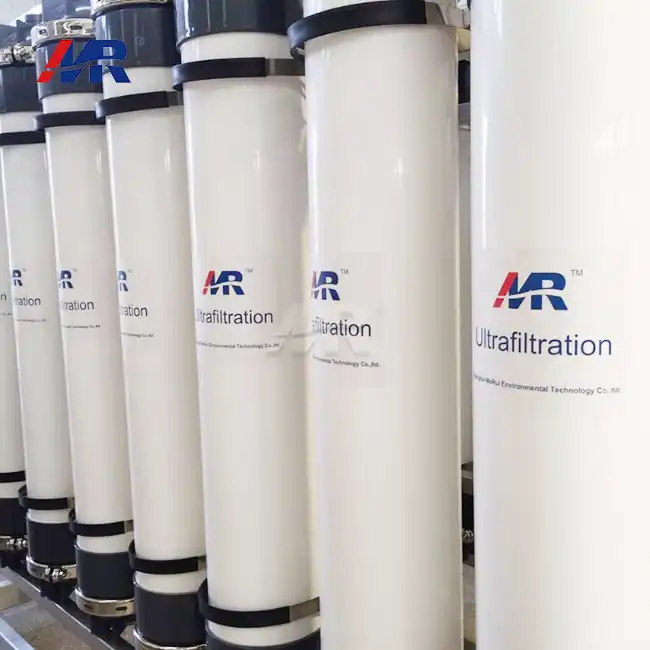 VIEW MORE90T/H ultrafiltration equipment
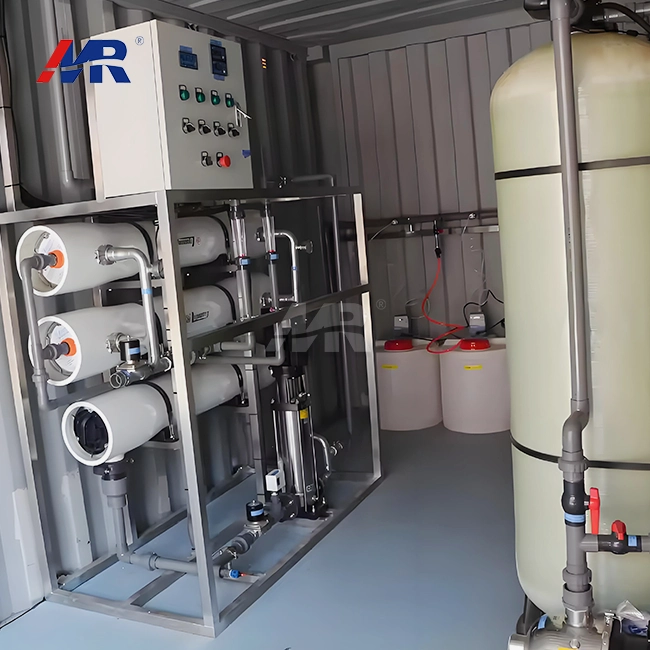 VIEW MOREcontainerized reverse osmosis system
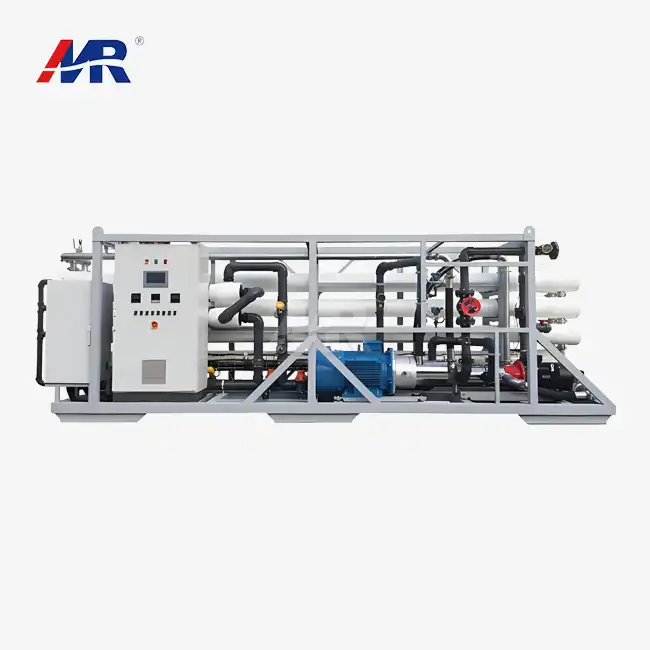 VIEW MORE15m3/hour seawater desalination system
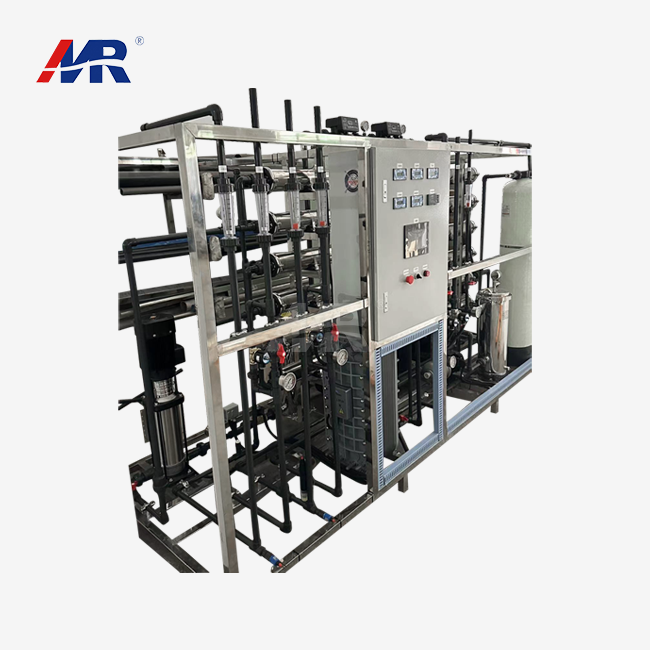 VIEW MOREedi water treatment system
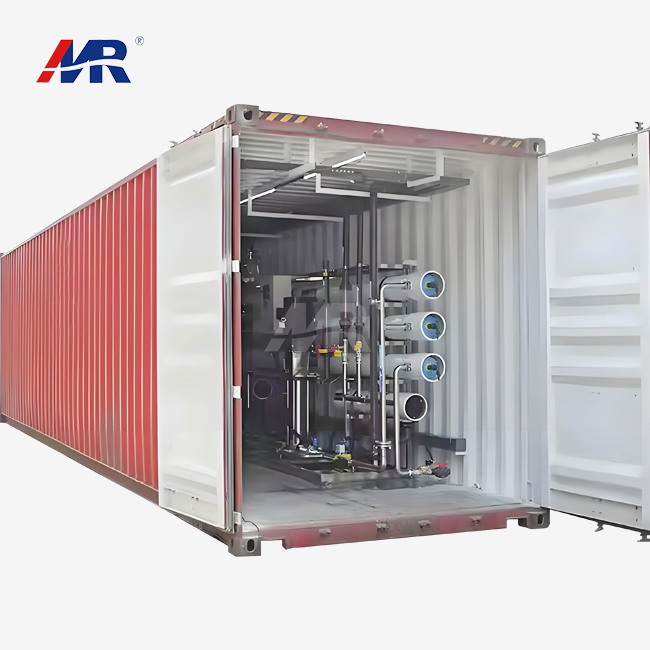 VIEW MOREContainerized Reverse Osmosis Systems
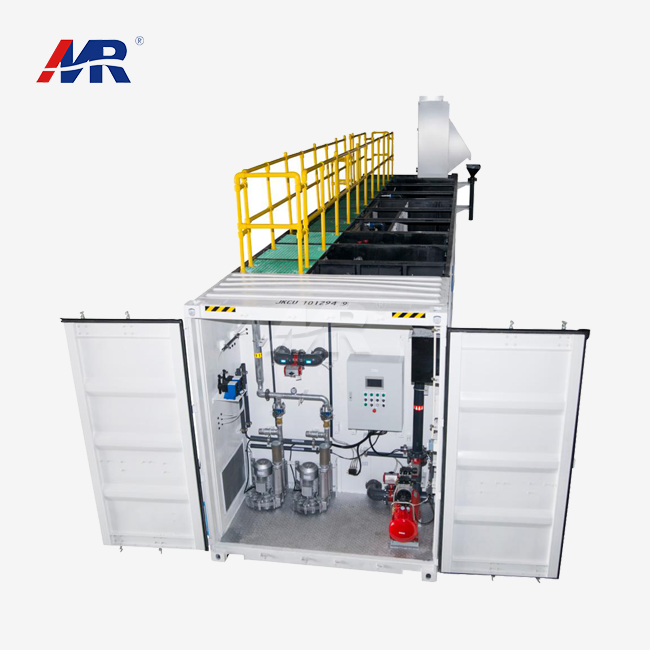 VIEW MOREhome sewage treatment plant
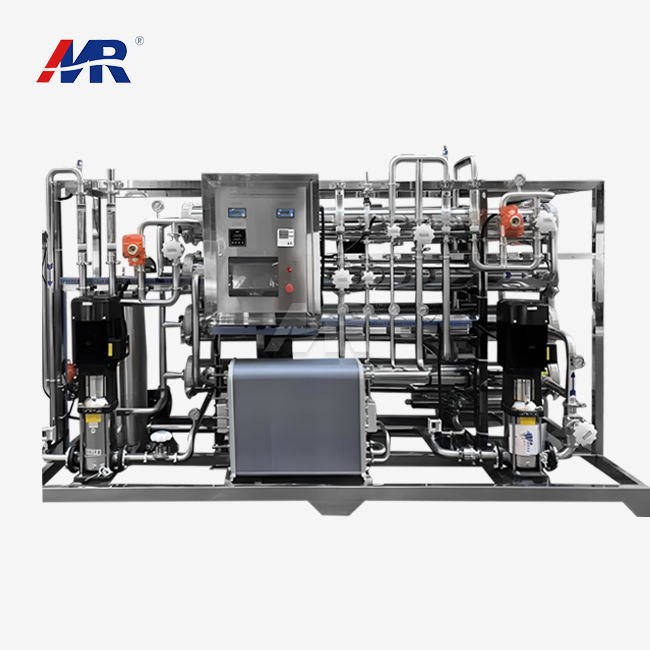 VIEW MOREelectro deionizer system
 VIEW MOREultra filter membrane
