

_1745823981883.webp)

Choosing an RO Drinking Water System for Restaurant Use
When looking for water purification technology for your restaurant, an RO drinking water system is the most dependable way to make sure that the water quality stays the same for all food and drink applications. Up to 99% of dissolved solids, contaminants, and impurities that change the taste and pose health risks are removed by these high-tech filtration systems. From working with restaurants all over the US, we know that when businesses invest in commercial-grade reverse osmosis technology, their drinks, ice, and overall customer satisfaction all get better right away. They also save a lot of money on equipment scaling and maintenance.
Introduction
Restaurants have strict rules about the quality of the water that affect the safety of food and drinks and the life of equipment. The water that flows through your systems affects everything from the quality of your ice and coffee to how well your steam equipment works and how well your dishes get cleaned. This is true whether you run a fast-food restaurant or a fancy restaurant. Problems with water quality, like high Total Dissolved Solids, chlorine taste, heavy metal contamination, and the presence of microbes, cause real business problems, such as customers complaining about drinks that don't taste right, equipment breaking down, and maybe even health code violations.
We've seen that procurement managers and restaurant owners often have trouble choosing the right water treatment systems because there are different technical requirements, unclear certification standards, and hard-to-understand calculations for return on investment. For those problems, this book offers useful information designed especially for commercial restaurants. It helps people make choices not only about what to buy, but also about why certain system features are important for their business.
Understanding Reverse Osmosis (RO) Drinking Water Systems for Restaurants
The Core Technology Behind Commercial RO Systems
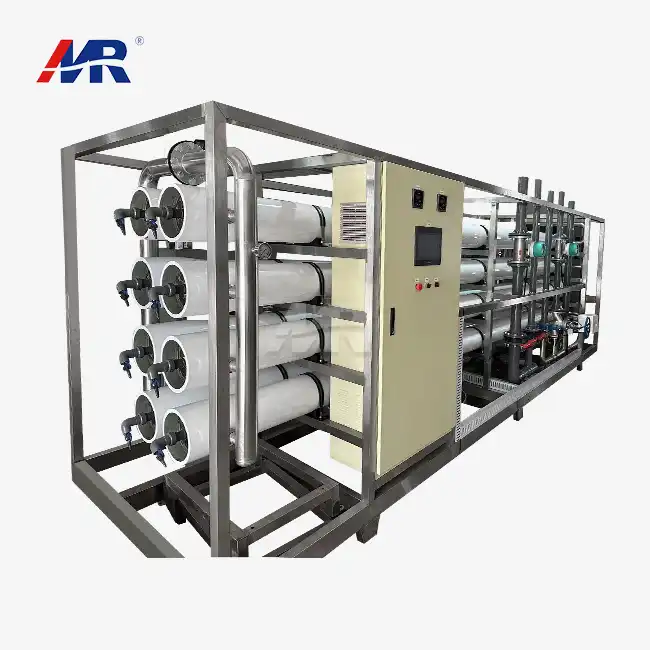
Water moves through semi-permeable membranes with pores that are about 0.0001 microns wide for reverse osmosis to work. Salts that have been dissolved, chemical compounds, and microbes can't get through this physical barrier, but pure water molecules can. Commercial systems made for restaurants usually have more than one stage. Pre-filtration removes sediment that could damage membranes; carbon filtration gets rid of chlorine and volatile organic compounds; the ro membrane separates molecules, and polishing after filtration makes sure the taste is perfect.
Why Restaurants Need Specialized Commercial-Grade Systems
Unlike homes, which only need systems that can handle 50 to 75 gallons per day, restaurants need systems that can handle 200 to 1,000 gallons per day, depending on the size of the business. During busy times like lunch and dinner, when demand is at its highest, storage tanks need to be able to hold enough and flow at a rate that keeps production moving smoothly. In coffee shops, where mineral content changed how the crema formed on the espresso, in brewpubs, where inconsistent water profiles ruined batch consistency, and in bakeries, where chlorine residues stopped yeast from activating, we've installed systems in places where water quality directly affected signature menu items.
Measurable Benefits for Restaurant Operations
A properly sized RO drinking water system can improve operations in measurable ways. By getting rid of contaminants that cause metals or chemical off-notes, beverage programs can make flavours clearer. Ice machines make cubes of ice instead of cloudy blocks, which makes drinks look better and improves how customers see them. Steamers and combi-ovens build up less scale, which means they need to be serviced less often and cost less to fix. Many business owners say they use 30–40% less dishwasher detergent because softened, clean water needs fewer chemicals to meet sanitation standards.
Key Criteria for Choosing an RO Drinking Water System for Restaurants
Calculating Your Actual Water Volume Requirements
Correct capacity planning prevents small systems from failing during peak demand and big systems from wasting resources. To calculate daily water usage, check all water-using appliances: espresso machines consume 5–10 gallons, ice makers 15–30, combi-ovens 20–40, and beverage dispensers 10–20. Adding 25% capacity protects against future growth and demand surges. High-volume restaurants require 800- to 1,200-gallon-per-day systems, whereas 200-300-person restaurants need 300 to 500.
Critical Performance Specifications and Certifications
When assessing specifications, many criteria affect operational success. When comparing systems, remember these basics:
Permeate flow rate indicates how many gallons the system produces each hour. Production drops by 3% for every 1°F change in temperature. Without temperature correction, winter performance may be 10-15% poorer than summer.
Salt rejection rate indicates membrane dissolved solids removal. Effective commercial systems reject 96–99%. Testing should ensure that membranes perform properly over your local water supply's TDS range. Because high-hardness water pulls membranes differently from low-TDS municipal sources.
The recovery ratio indicates how much feed water is converted into product water and wasted. Most commercial systems recover 50–75%, 25–50% of water travels to the drain as concentrate. Higher recovery rates cut water costs, but contaminated supply water may accelerate membrane fouling.
Certification compliance enables other parties to verify safety and performance. The NSF/ANSI Standard 58 certification proves the system's structural integrity and pollutant minimization. World Quality Association Gold Seal accreditation supports third-party manufacturer claims testing. For restaurant usage, FDA-compliant materials ensure food-contact safety of all wet parts.
Maintenance Accessibility and Service Network Considerations
Maintenance procedures must be simple to locate, and Technical support must be fast to keep operations running. Three-month pre-filters should feature tool-free housings that kitchen staff can replace without training. Industry guidelines recommend replacing membranes every 24–36 months; however, feed water quality and pre-filtration efficiency determine longevity. Systems with local service networks are emphasized. If parts take weeks to arrive or professionals can't address critical issues, even the best technology is worthless.
Comparing RO Systems with Other Water Purification Solutions
Traditional Filtration Technologies and Their Limitations
Carbon block filters adsorb chlorine, volatile chemicals, and certain herbicides, but not high TDS or dissolved minerals. Restaurants that exclusively utilize carbon filters have scale buildup on equipment and water with different qualities when the municipal supply changes. Chemical and biological hazards aren't protected by sediment filters. These technologies are helpful as starting steps, but they are not adequate to provide restaurants with quality.
UV Disinfection and Membrane Filtration Comparison
Ultraviolet cleaning methods damage DNA to remove germs, but not dissolved particulates or chemicals. UV technology with RO systems performs effectively in high-risk locations with biological safety concerns above municipal water requirements. Ultrafiltration membranes with 0.01-0.1 micron holes remove germs and suspended particles but allow dissolved salts. This prevents eateries from using low-TDS water alone. Knowing these distinctions helps you evaluate multi-technology solutions that serve you fully.
Sizing Decisions: Point-of-Use Versus Centralized Systems
A point-of-use RO drinking water system is situated beneath the espresso bar, next to the ice machine, or near the drink station. This strategy works effectively for restaurants that don't require much high-purity water or where centralized distribution would be plumbing-intensive. Centralized systems purify all water at once and transmit it throughout the building via dedicated pipes. This design provides economies of scale for high-volume operations and ensures quality at all ends, but it requires a lot of pipe and storage tank infrastructure to start.
Installation, Maintenance & Long-Term Management of RO Systems in Restaurants
Professional Installation Requirements and Code Compliance
When properly placed, something performs well over time. Certified technicians check feed water pressure (systems need 40 to 80 PSI), install drain connections to remove concentrate, size storage tanks for production and peak demand, and add pressure regulation to protect membranes from pressure changes. To maintain potable water quality, local plumbing laws mandate air gaps, backflow prevention devices, and cross-connection restrictions. Installers unfamiliar with corporate RO requirements made critical setup errors, causing many systems to fail early.
Establishing Preventive Maintenance Protocols
Systematic maintenance programs prevent breakdowns during peak service periods. Various system elements should be checked at various periods in the maintenance schedule. Depending on feedwater quality and usage, sediment and carbon pre-filters should be updated every 6–12 months. Cleaning membranes using manufacturer-approved solutions removes scale and biological development, restoring permeate flow rates when output slows. Proper sanitation prevents germs from colonizing storage tanks and distribution lines. Warm environments with fast microbial growth need this.
Troubleshooting Common Operational Issues
Knowing typical performance issues helps operators respond swiftly before tiny issues worsen. Lowering permeate flow usually indicates clogged membranes due to insufficient pre-filtration, harsh feed water, or lowering temperatures, which slows output. Membrane deterioration from chlorine exposure, pressure spike rips, or feed water-letting O-ring seal failures may lower permeate quality. Unusual noises or vibrations are generally produced by booster pump failure, pressure variations, or air entering feed lines. Standardize permeate TDS, flow rate, and working pressure during commissioning. This lets personnel notice performance creep before it impacts operations.
Warranty Coverage and OEM Parts Sourcing
A comprehensive warranty should cover membrane performance for 24–36 months and system components for 12–24 months. The warranty should define normal wear and tear and defect-related failure. Restaurants should use authorized dealers that carry OEM replacement parts instead of aftermarket parts that may not function. The cost difference between original and replacement parts is usually not worth the risk of poor performance or warranty voiding. Bulk purchases of filter cartridges may reduce operational expenses and ensure supply.
Purchasing Guide: Where and How to Procure RO Drinking Water Systems for Your Restaurant
Evaluating Manufacturers and System Reliability
When we look at possible suppliers, we look at more than just the cost of the initial equipment. The quality of the manufacturing can be seen in the specifications of the parts that go into the machine. For example, stainless steel housings resist corrosion better than plastic ones, name-brand pumps and valves are more reliable than generic ones, and membrane brands that are known around the world (like Dow, Toray, or Hydranautics) perform consistently in a range of water conditions. Good technical documentation shows that the manufacturer is knowledgeable—detailed installation manuals, complete troubleshooting guides, and easy-to-reach technical support all show that the company cares about their customers' success and not just selling Products.
Understanding Total Cost of Ownership
A full financial analysis looks at more than just the purchase price. It also looks at things like installation costs, ongoing costs for supplies and utilities, and maintenance labour. If you compare a $3,000 system to a $7,000 system, the $3,000 system might seem like a better deal. However, the $800 annual cost of replacing the filters to the $400 annual cost of the other system, the $200 annual difference in energy use, and the $500 annual difference in maintenance contract costs can change the value equation within 3–4 years. We help our customers make lifetime cost models that predict how much they will spend over the next seven to ten years. These models show that even though premium systems are more expensive to buy, they often have lower total costs over time.
Leveraging Procurement Strategies for Better Value
Volume buying deals are very helpful for restaurant groups with more than one location when they standardize on the same RO drinking water system models across all properties. It makes it easier to train staff, keep track of parts, and negotiate prices for things like consumables and service contracts. Bundled installation and maintenance packages make coordination simpler and often cost less than buying services separately. If you buy things during maker sales or trade shows in your industry, you may be able to get 10–20% off or better guarantee terms, which will greatly increase your investment returns.
Conclusion
A good RO drinking water system is an investment in the quality of the food, the safety of the tools, and the efficiency of the business. When set up and maintained correctly, the technology gives measurable benefits to beverage programs, cooking equipment, and customer satisfaction scores. When making your choice, you should think about both the current need for capacity and the expected growth in the future. You should also put an emphasis on Certifications that back up claims of safety and performance, and you should value supply relationships that ensure quick service support. We've seen a lot of restaurants change how they do business by improving the water quality. Better water quality has led to better drink programs that keep customers coming back, less equipment maintenance that slows down service, and real cost savings from longer equipment lifespans and less chemical use.
FAQ
Q1: How often should membranes be replaced in commercial restaurant systems?
The membrane can last anywhere from 24 to 36 months, depending on the type of water it receives and how well it is maintained before it filters. Fouling happens faster when there is high-hardness water or not enough sediment removal, which shortens the useful life. On the other hand, good pre-treatment and regular maintenance in good water conditions may allow membranes to last longer than 36 months. To protect your membrane investment, you need to replace the pre-filters every 6 to 12 months.
Q2: Does reverse osmosis remove beneficial minerals from drinking water?
The process doesn't pick and choose which minerals to remove; it takes out both harmful and helpful minerals. Remineralisation stages that reintroduce calcium and magnesium while maintaining low TDS are now included in many commercial RO drinking water system configurations. This method evens out the pH levels, makes the taste better, and addresses concerns about water that has lost all of its minerals.
Q3: Why has permeate flow decreased in my restaurant's system?
Less flow usually means that the membrane is getting clogged or the temperature of the feed water is dropping. Every 1°F drop in temperature cuts output by about 3%, so changes in capacity are greatly affected by the seasons. Scaling, biological growth, or the buildup of particles can also stop flow. Having a professional clean the membrane or replace the pre-filter can often bring it back to its original level of performance.
Q4: Can RO systems treat high-hardness well water common in rural restaurant locations?
When set up correctly and with the right pre-treatment, quality systems treat hard water effectively. If the water hardness is more than 10 grains per gallon, it should be softened before it goes through RO filters to stop calcium carbonate scaling. Systems that clean well water should include extra sediment filters and maybe UV disinfection to deal with the risk of bacterial pollution that isn't present in city water sources.
Partner with Morui for Your Restaurant Water Purification Needs
Restaurants that want consistent water quality and full technical support can benefit from working with well-known water treatment experts. Guangdong Morui Environmental Technology has more than 10 years of experience cleaning commercial water, and they have 20 dedicated engineers and several equipment manufacturing facilities to back them up. Whether you run a single location or oversee a group of restaurants with different water conditions in different regions, we, as an RO drinking water system provider, offer specialised solutions that are scaled exactly to your business needs.
Our integrated approach includes providing equipment, professional installation, system commissioning, and ongoing maintenance support. This gets rid of the coordination problems that come with working with different vendors. We keep a large stock of original equipment manufacturer (OEM) parts, so we can quickly respond to service requests that might otherwise slow down operations. Contact our technical team at benson@guangdongmorui.com to talk about your unique water quality problems and get full system suggestions with clear estimates of how much they will cost over their whole life. We can help you meet both of your goals: your customers deserve high-quality drinks, and your equipment needs to be safe from water damage.
References
1. National Restaurant Association Educational Foundation. (2019). "Water Quality Management in Commercial Foodservice Operations." Restaurant Industry Technical Manual Series.
2. Water Quality Association. (2021). "Commercial Reverse Osmosis Systems: Selection and Specification Guidelines for Foodservice Applications." WQA Technical Reference Guide.
3. NSF International. (2020). "NSF/ANSI Standard 58: Reverse Osmosis Drinking Water Treatment Systems - Performance Requirements and Test Protocols." NSF Standards Documentation.
4. American Water Works Association. (2018). "Membrane Filtration Technologies for Commercial Applications: Design, Operation, and Maintenance Best Practices." AWWA Research Foundation Report.
5. Environmental Protection Agency. (2022). "Point-of-Use Water Treatment Technologies: Effectiveness for Reducing Regulated and Emerging Contaminants in Commercial Settings." EPA Water Quality Technical Series.
6. International Association of Plumbing and Mechanical Officials. (2020). "Commercial Water Treatment System Installation Standards: Code Requirements and Industry Best Practices." IAPMO Technical Publication Series.
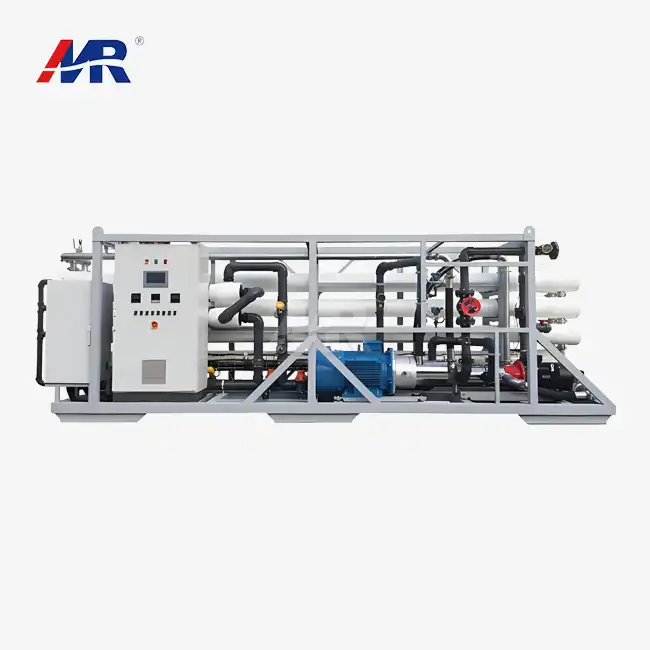 VIEW MORE15m3/hour seawater desalination system
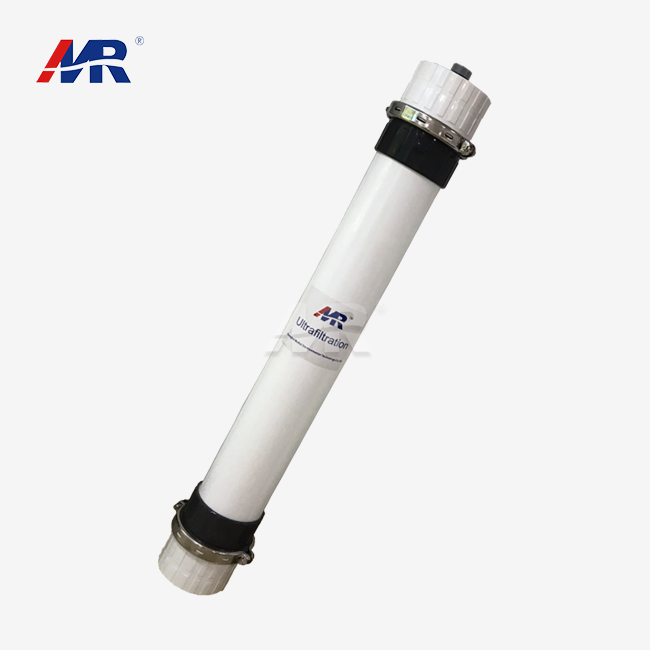 VIEW MOREultrafiltration membrane system
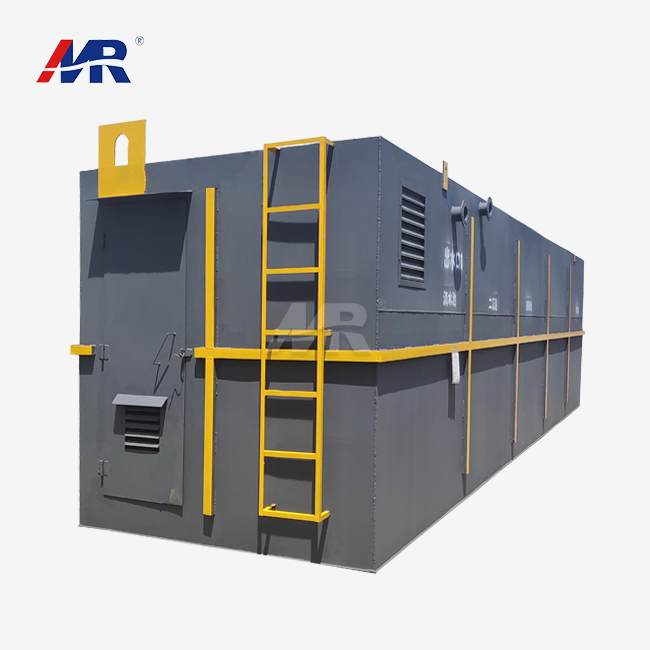 VIEW MOREhome wastewater treatment plant
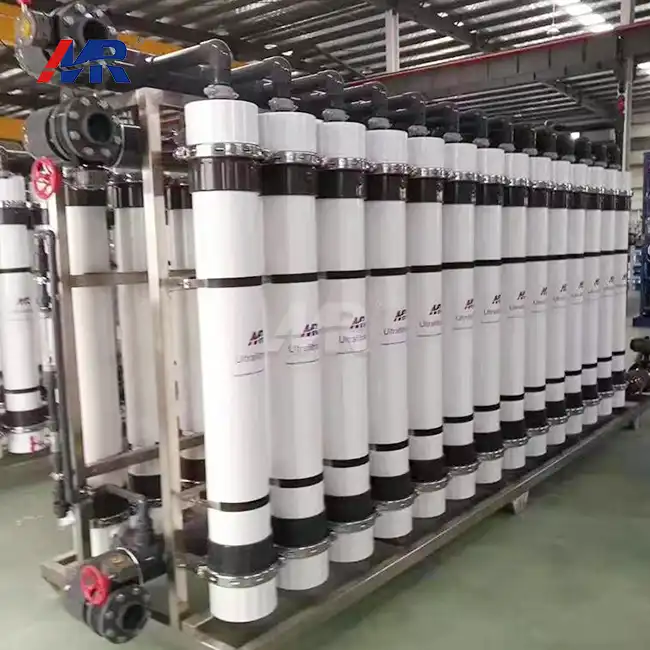 VIEW MORE70m3/hour ultrafiltration plant
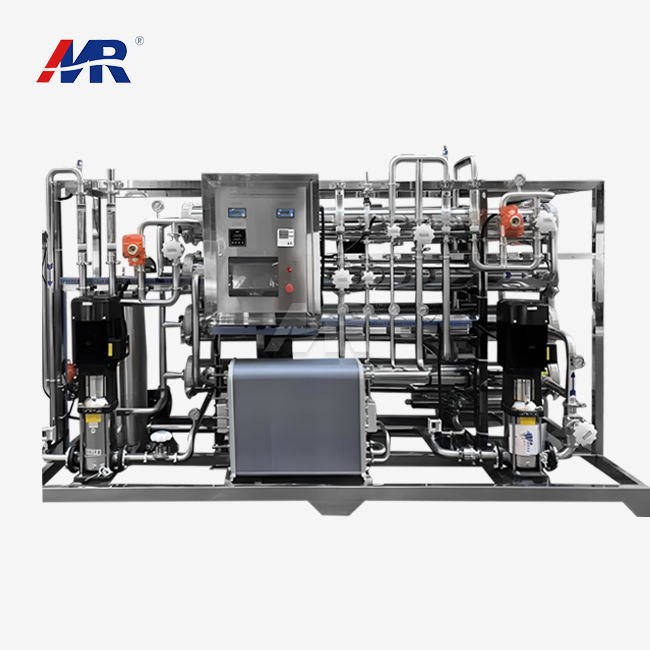 VIEW MOREelectro deionizer system
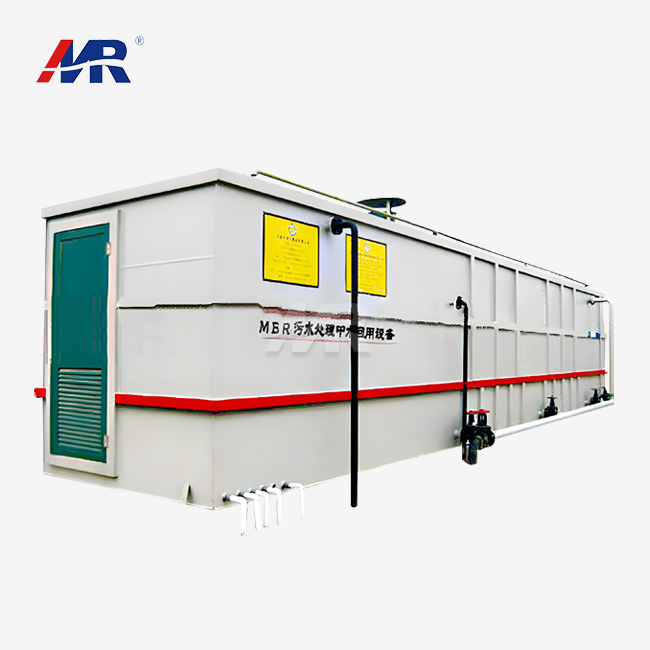 VIEW MOREsewage treatment plant MBR system
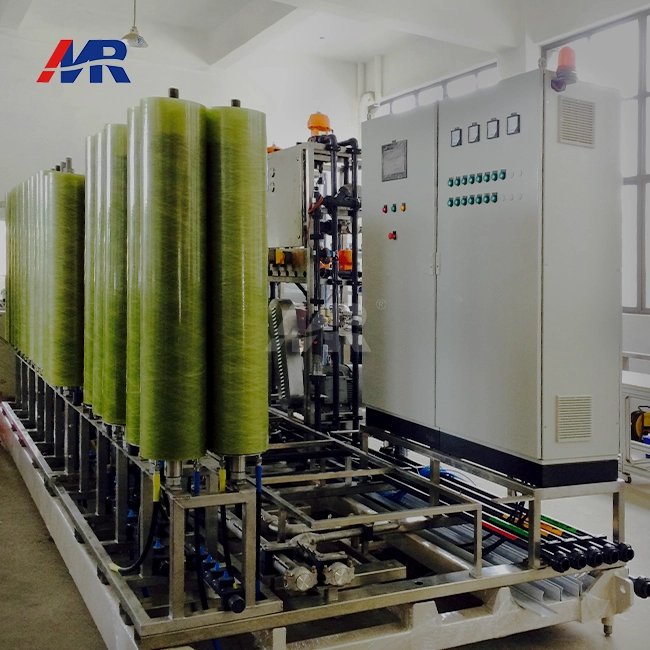 VIEW MOREDTRO Elements
 VIEW MORE20m3/hour seawater desalination equipment
