

_1745823981883.webp)

Why Homeowners Choose Reverse Osmosis for Well Water Purification
Reverse osmosis (reverse osmosis for well water) is becoming more and more popular among homeowners who use well water as their main way to protect themselves from contaminants that public water systems never have to deal with. While city water is treated in a normal way, private wells can have nitrates, arsenic, heavy metals, and bacterial pathogens in amounts that are hard to predict. Reverse osmosis technology fills in this important gap by using semi-permeable membranes to get rid of up to 99% of dissolved solids and harmful substances. This makes bottled water that meets EPA standards and keeps plumbing and appliances from rusting and mineral buildup.
Understanding the Challenges of Well Water Quality
The quality of well water can be a problem for homes that need complex answers. Groundwater gets minerals like calcium and magnesium from natural rock formations, and nitrates and pesticides from farms get into the water through flow. Heavy metals like arsenic, mercury, and lead seep into groundwater through natural layers and industrial activities. These metals pose health risks that build up over time.
Identifying Contaminants in Private Wells
There are many threats to groundwater sources that cannot be seen with the naked eye. Bacteria like E. coli and coliform show that faeces are in the water, while viruses and parasite cysts can live in unclean water for a long time. Total Dissolved Solids (TDS) levels in well water often go above 500 parts per million, which makes the water taste harsh and speeds up the breakdown of equipment. Radionuclides like uranium and radon are found naturally in some rock layers, especially in places with a lot of granite.
Health Risks Associated with Untreated Well Water
Drinking dirty well water is bad for your health in the short and long run. Babies are very vulnerable to nitrates, which can cause methemoglobinemia or "blue baby syndrome" by blocking the flow of oxygen through the blood. Even in small amounts, arsenic poisoning is linked to higher chances of cancer, heart disease, and brain damage. GI illnesses are caused by microbial germs, and children who are exposed to heavy metals for a long time have problems with their kidneys, liver, and brain development.
Infrastructure Impact and Operational Costs
There are big problems with well water that hasn't been cleaned, that go beyond health concerns. Water heaters lose 30 to 50 percent of their energy and last a lot less long when they have a lot of minerals in the water. Iron and manganese stains hurt faucets, appliances, and clothes, so you have to buy expensive cleaners and replacements. Copper pipes erode, and tiny leaks are caused by corrosive water chemistry. This leads to expensive plumbing fixes that could have been avoided with proper treatment.
How Reverse Osmosis Works for Well Water Purification
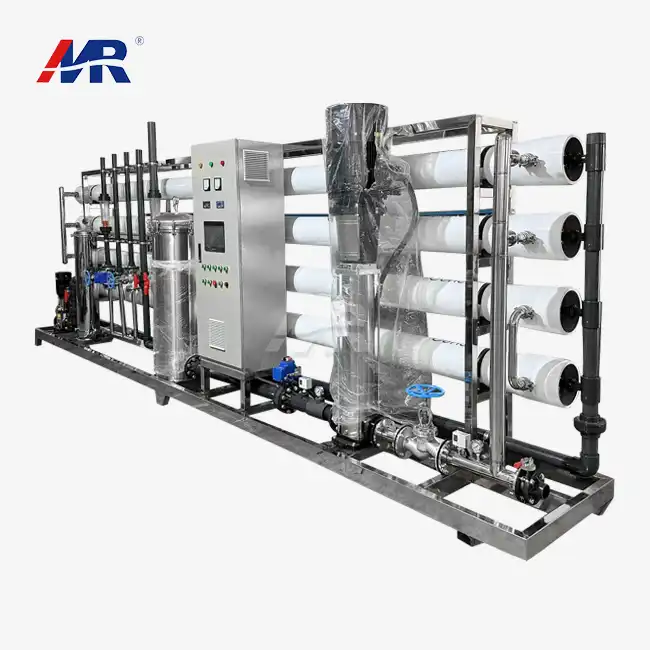
Pressure-driven membrane technology in reverse osmosis for well water systems changes the quality of well water in a basic way. Water molecules move through tiny holes that are only 0.0001 microns wide, but pollutants stay on the feed side and get stuck there. To protect the structure of the membrane and get the most out of the cleaning process, several steps must work together.
Multi-Stage Filtration Process
Sediment pre-filtration removes particles, rust, and dissolved solids as small as 5 microns. This is the first step in treating well water effectively. After that, carbon block filters get rid of chemicals that change the taste of the water, herbicides, chlorine, and flammable organic compounds that would otherwise hurt the ro membrane. The heart of the system is the semi-permeable barrier, which blocks dissolving salts, heavy metals, fluoride, nitrates, and microbes. Activated carbon is used to polish the water after filtration, getting rid of any tastes that are still there before it gets to your tap.
Contaminant Rejection Capabilities
RO membranes meet high standards for cleaning that other methods can't match. Heavy metal removal rates for lead, arsenic, cadmium, and chromium hit 95–99%, keeping families safe from long-term, dangerous exposure. Nitrate refusal is higher than 90%, which helps clean up farming pollution that is common in rural areas. Bacteria and viruses are removed with an accuracy close to 99.99%, making the water as safe for microbes as bottled water. Most of the time, TDS reduction is between 90 and 98%. This turns mineralised or salty well water into crisp, clean drinking water.
Needs for Pressure and System Design
When using well water, you need to think about certain pressures to get the best results. Municipal water usually has 60 psi, but private wells can have anywhere from 30 to 50 psi, based on the depth and pump capacity. For membranes to work properly, RO systems need a minimum working pressure of 40 to 60 psi. When pressure is low, extra pumps are needed. Storage tanks keep the pressure up and provide extra space, so there is always water available during times of high demand without putting too much stress on the system.
Comparing Reverse Osmosis Systems with Alternative Well Water Treatments
To choose the right well water treatment, you need to know how different methods deal with different types of contamination. Each method has its own pros and cons that affect choices about buying and the long-term success of operations.
Water Softeners versus RO Systems
Ion exchange is a great way for water softeners to get rid of calcium and magnesium, which keeps scale from building up in lines and appliances. Softening, on the other hand, only removes sodium from the water and not heavy metals, nitrates, or microbes that might be in it. RO systems get rid of minerals that make water hard while also getting rid of harmful chemicals that softeners don't bother with. Putting in both softeners and RO membranes together is often the best option. The softeners keep the membranes from getting calcium fouling, and the membranes clean everything.
Carbon Filtration Limitations
Chlorine, organic molecules, and chemicals that change taste and smell are successfully removed by activated carbon filters (reverse osmosis for well water). Their thin structure isn't precise enough to get rid of dissolving solids, heavy metals, or microbes. In high-contamination situations, carbon media also needs to be replaced more often, which raises the cost of upkeep. RO systems use carbon pre-filtration and membrane technology to get rid of contaminants that carbon alone can't get rid of.
UV Sterilization as Complementary Technology
By damaging DNA, ultraviolet decontamination systems kill bacteria, viruses, and protozoa, making them very effective at controlling microbes. UV treatment isn't very good at getting rid of dissolved chemicals, heavy metals, or particles, which makes it less useful for treating well water with complex pollution patterns. When UV and RO are used together, they protect against microbes twice as well as chemicals and minerals, making the water safe for everyone in the house, even those with weak immune systems.
Key Considerations for Selecting and Maintaining Reverse Osmosis Systems
To choose the best system, you need to make sure that the technical specs match the properties of your well water and your family's needs. The right choice guarantees long-lasting performance, reduces the need for upkeep, and gives a return on investment by lowering the cost of bottled water and protecting equipment.
System Capacity and Configuration Options
Point-of-use systems put in under kitchen sinks usually make 50 to 100 gallons of water every day, which is enough for cooking and drinking. Whole-house setups treat 200 to 500 gallons of water every day from all of your faucets, showers, and laundry. How much space you need depends on how many people live in your home, how much water you use, and whether you want clean drinking water or full treatment. Chemical tests on well water show how contaminated it is, which helps choose the right size system and filter.
Critical Component Quality
The quality of the membrane has a direct effect on how well it cleans and how long it lasts. Thin Film Composite (TFC) membranes are better at rejecting things and last longer than older cellulose acetate designs. Using high-density carbon blocks and graded sediment tubes in pre-filter stages protects membrane investments by stopping fouling before it's time. Pressure tanks made of materials that don't rust can handle the hard chemistry of well water, and good fittings keep the system from leaking and keep it whole.
Maintenance Requirements and Costs
Regular repair keeps the system running well and makes parts last longer. Depending on the quality of the water and how much it is used, sediment and carbon pre-filters need to be changed every 6 to 12 months. If the pre-filtration is done right, RO membranes should last two to three years. However, wells that are very dirty may need to be changed more often. Sanitising storage bins and housings once a year stops germs from growing there. The total cost of ownership includes replacing filters and membranes and having skilled service done on a regular basis.
Installation and Support Considerations
Professional placement makes sure that the system works well with the pipes and well structures that are already in place. Certified workers look at the well pump's capacity, the pressure that is needed, the drainage choices, and any room issues that might affect how the system is set up. Different manufacturers offer very different warranty terms. Reliable providers usually offer promises on housing and membranes for 3 to 5 years. When fixing speed problems or making the system run better, having access to technical help becomes very important.
Future Trends and Innovations in Reverse Osmosis for Well Water Purification
Reverse osmosis (reverse osmosis for well water) (RO) for well water is changing all the time, thanks to new technology. This is making it more efficient and easier to use for well water uses. Understanding new trends can help buyers and homeowners make investments that will pay off in the future.
Energy Efficiency and Waste Reduction
Modern RO systems have energy recovery devices that reuse hydraulic pressure from waste streams. This cuts costs by 20 to 40 percent. By using the hydraulic pressure from the rejected water, permeate pump technology completely gets rid of the need for power in point-of-use settings. Better water recovery rates and high-efficiency filters make less trash per gallon of pure water, which is better for the environment and lowers the amount of drain water.
Smart Monitoring and Automation
Through smartphone apps, IoT-enabled systems let you check on filter life, membrane performance, water quality factors, and leaks in real time. Automated alerts let homeowners know when upkeep is needed, which keeps the system from breaking down and the water quality from getting worse. Data logging keeps track of how much is used and how efficiently the system works, which helps with making decisions about optimisation and finding problems early on. With remote testing, workers can fix problems without having to go to the site, which cuts down on service costs and downtime.
Modular and Customizable Solutions
More and more, manufacturers are making flexible designs that can be changed to fit different water quality situations and home needs. Homeowners can add specialised media tubes that target specific contaminants found through tests to expandable filter banks. Quick-change filter designs make upkeep easier and cut the time it takes to replace filters from 30 minutes to less than 5 minutes. Small tracks make it easier to put in hard-to-reach places while still being able to fully purify.
Conclusion
Reverse osmosis technology represents the most comprehensive solution for well water purification challenges facing homeowners and procurement professionals. The ability to remove 99% of contaminants, ranging from heavy metals to microorganisms, provides unmatched safety and peace of mind compared to partial treatment methods. Investment in quality RO systems delivers measurable returns through health protection, infrastructure preservation, and operational savings. As water quality regulations tighten and contaminant awareness grows, forward-thinking homeowners recognize that proactive treatment outweighs reactive responses to water-related health issues or equipment failures.
FAQ
1. Can reverse osmosis effectively remove common well water contaminants?
Reverse osmosis systems excel at eliminating virtually all well water threats, including nitrates (90%+ removal), arsenic (95-99%), lead (98%), bacteria and viruses (99.99%), and Total Dissolved Solids (90-98% reduction). The membrane's microscopic pore size blocks contaminants at the molecular level, providing protection against both known and emerging pollutants that plague groundwater sources.
2. What maintenance practices ensure optimal RO system performance?
Maintaining peak performance requires replacing sediment pre-filters every 6-12 months and carbon filters annually, while RO membranes typically need changing every 2-3 years. Annual system sanitization prevents bacterial colonization in storage tanks. Monitoring pressure gauges and flow rates helps identify declining performance before complete failure occurs, allowing proactive intervention.
3. Should I install pretreatment for hard well water?
Hard water containing high calcium and magnesium levels accelerates membrane fouling and reduces lifespan significantly. Installing water softeners or anti-scalant injection upstream protects your RO investment by preventing mineral precipitation on membrane surfaces. Well water testing revealing hardness above 7 grains per gallon strongly indicates the necessity.
Partner with Morui for Superior Reverse Osmosis Well Water Solutions
Guangdong Morui Environmental Technology Co., Ltd. brings over a decade of specialized expertise to well water treatment challenges. Our engineering team designs customized reverse osmosis for well water systems that address your specific contamination profile, whether you face agricultural nitrates, geological heavy metals, or microbial concerns. Manufacturing our own membranes ensures quality control and cost advantages unavailable from equipment-only suppliers. We provide comprehensive solutions, including water testing, system sizing, installation coordination, and ongoing Technical support through our network of 14 branches and 20 experienced engineers. As an authorized distributor of Shimge Water Pumps, Runxin Valves, and Createc Instruments, we integrate best-in-class components that maximize system reliability and longevity. Procurement managers and homeowners seeking a trusted reverse osmosis for well water manufacturer benefit from our one-stop approach covering equipment supply, installation, commissioning, and after-sales service. Contact us at benson@guangdongmorui.com to discuss your well water purification requirements and receive a tailored solution proposal.
References
1. Environmental Protection Agency. "National Primary Drinking Water Regulations." EPA Water Quality Standards and Health Advisories, 2023.
2. Water Quality Association. "Point-of-Use Reverse Osmosis Systems for Residential Applications: Performance Standards and Testing Protocols." WQA Technical Manual, 2022.
3. American Water Works Association. "Membrane Treatment for Groundwater Sources: Design Considerations and Case Studies." AWWA Manual M46, 2021.
4. Centers for Disease Control and Prevention. "Private Ground Water Wells and Drinking Water Quality: Health Implications and Treatment Options." CDC Healthy Water Program, 2023.
5. National Ground Water Association. "Well Water Quality: Contaminant Sources, Detection Methods, and Remediation Technologies." NGWA Technical Resources, 2022.
6. Journal of Environmental Engineering. "Comparative Analysis of Residential Water Treatment Technologies for Rural Well Water Applications." Vol. 148, Issue 9, 2022.
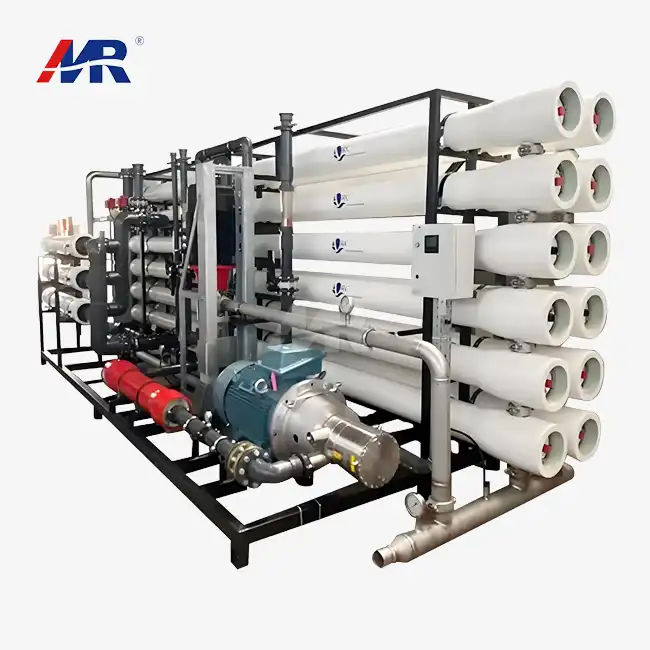 VIEW MORE45m3/hour seawater desalination system
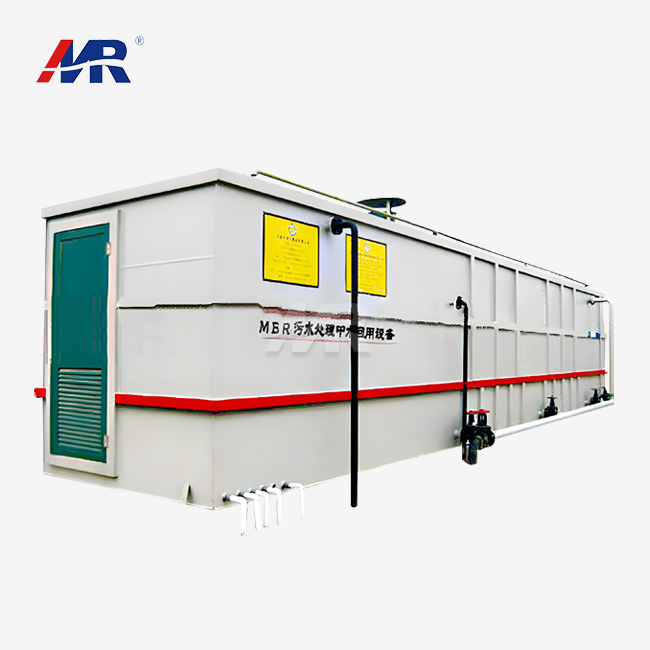 VIEW MOREsewage treatment plant MBR system
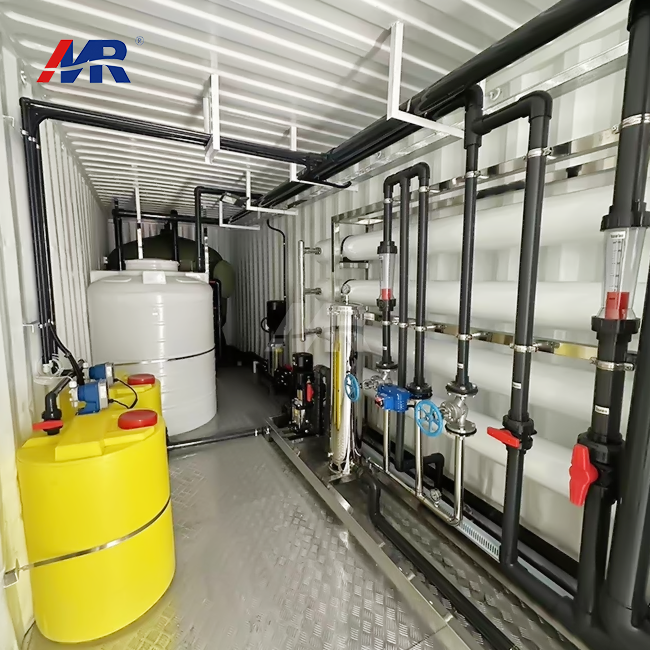 VIEW MOREcontainer reverse osmosis equipment
 VIEW MOREDTRO Water Treatment
 VIEW MOREEDI plant
 VIEW MORE5m3/hour seawater desalination equipment
 VIEW MOREultra filter membrane
 VIEW MOREwastewater treatment plant units
