_1745823981883.webp)

Why Is a Portable Desalination Machine Gaining Industry Attention?
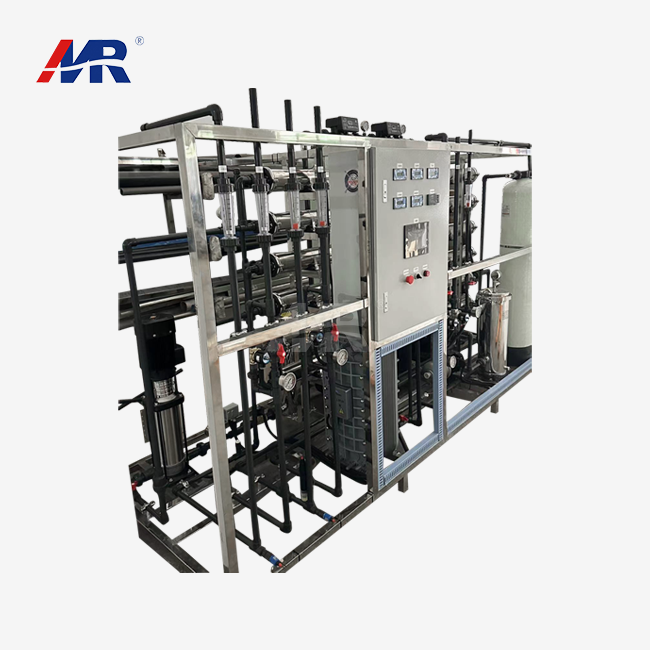
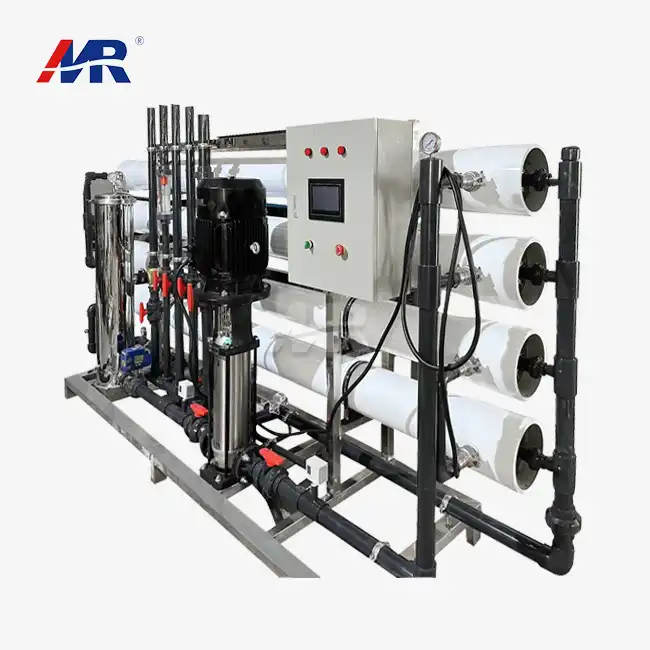
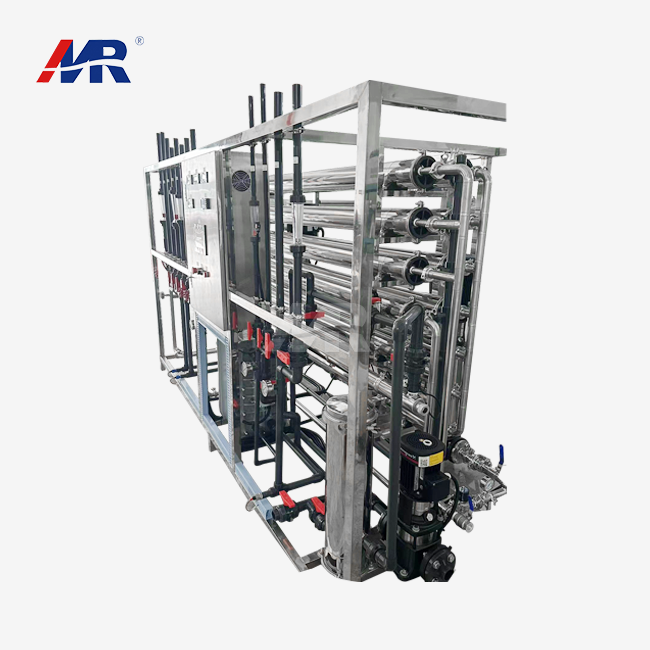
Portable desalination machines are getting a lot of attention in the business world because they solve a very important problem: they can get clean water to places that regular infrastructure can't. Through reverse osmosis and advanced membrane filtration, these small systems turn saltwater or brackish water into drinkable water, giving operators a level of freedom that has never been seen before. Many fields, from marine energy to emergency response, now know that movable desalination units are better than fixed sites because they can be set up quickly, require less cash, and use less energy.
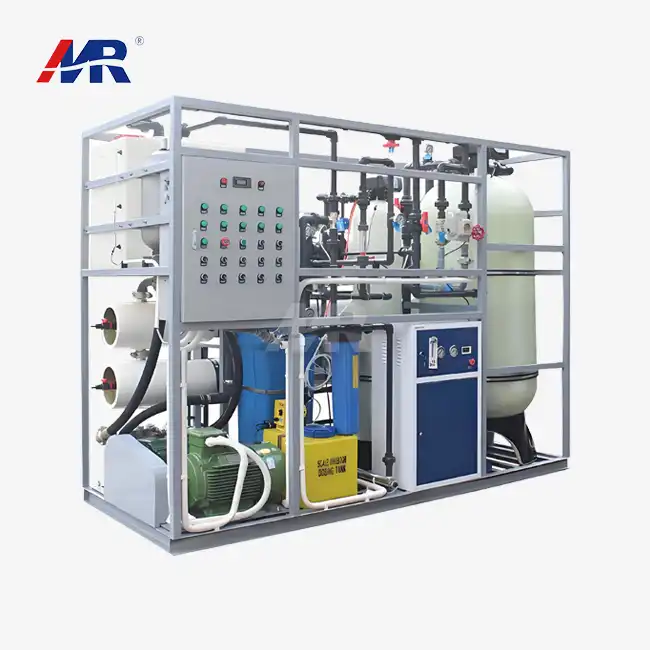
Understanding Portable Desalination Machines: Technology and Benefits
Core Technology Behind Mobile Water Treatment
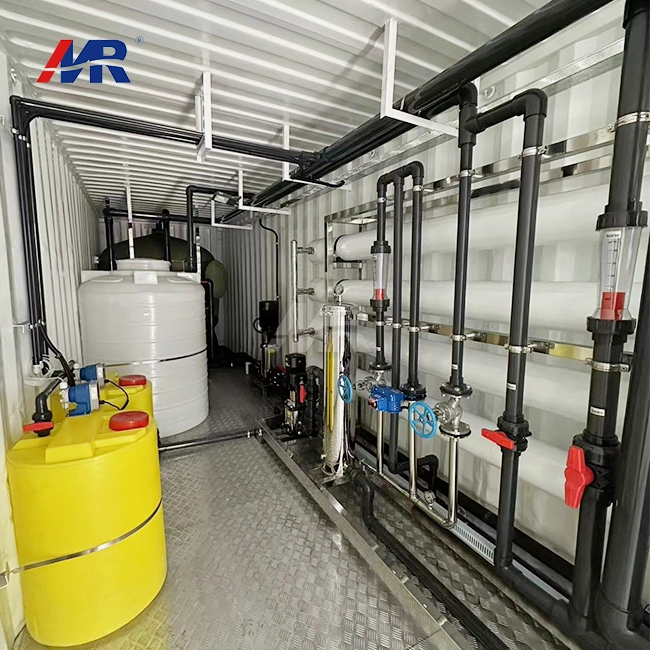
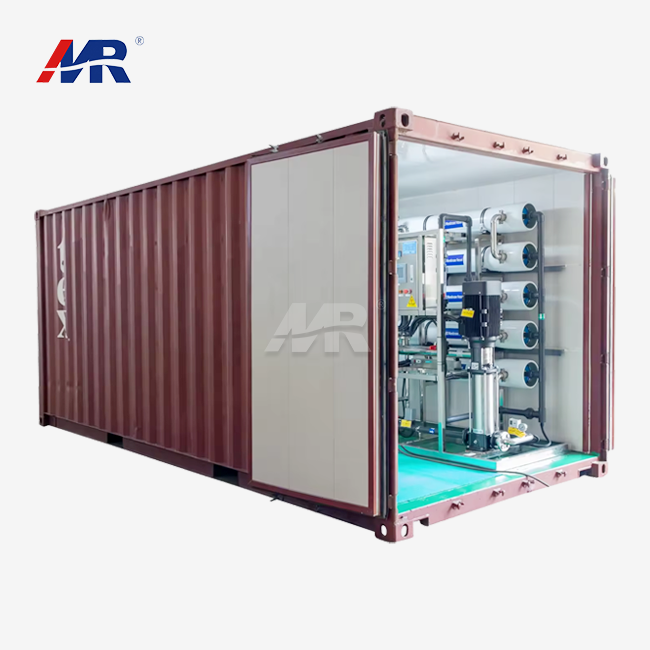
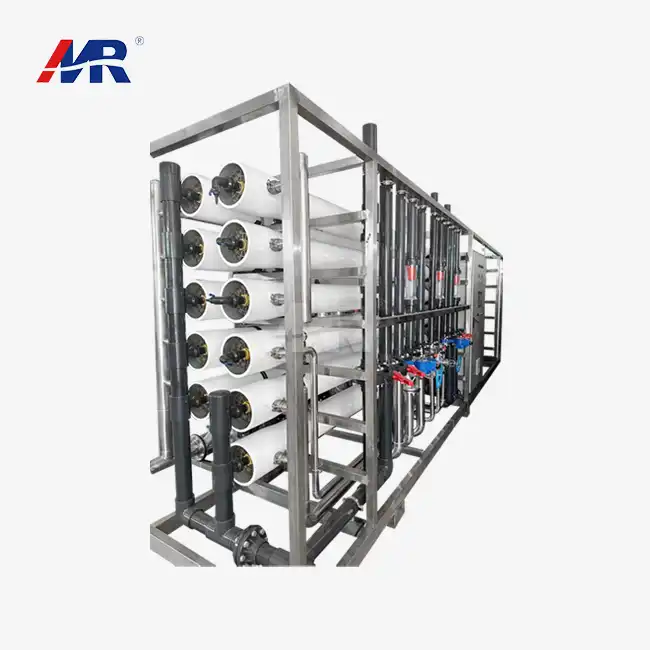
High-pressure pumps, semi-permeable screens, and advanced pre-filtration are all built into small, flexible tools that can remove salt from water. Reverse osmosis moves saltwater through Thin Film Composite membranes that block more than 99.4% of the dissolved salts. This makes water that meets WHO standards for drinking. Unlike centralised plants that need fixed infrastructure, these units can be moved around in containers or even housed in the size of a bag. Professional types have Energy Recovery Devices that take pressure back from the brine stream. This cuts power use by up to 60% compared to regular systems.
Operational Advantages for Industrial Procurement
We've seen three significant effects that are pushing usage across all fields. Mobility gets rid of the huge upfront costs and long build times that come with fixed plants. As demand changes, a pharmaceutical company can move equipment between production sites. On the other hand, a building company can move the unit from one faraway job to another. When a business runs on generator power or solar panels, every kilowatt-hour saved directly lowers the cost of fuel, so energy economy is very important. It's easier to follow environmental rules when movable systems don't create any fixed trash lines and don't need any land development permits.
Quality Standards and Output Capacity
Modern movable units can produce anywhere from 100 to 3,000 litres of water every day, which is enough for offshore platforms with room for 50 workers or emergency camps for people who have been hit by disasters. Total Dissolved Solids levels are always below 500 ppm, which is about the same as bottled water. RO filters physically remove 99.9% of germs and viruses, making the water safe to drink. ISO 9001 certification and CE compliance make sure that units meet international standards for safety and performance. This eases buyers' worries about getting governmental approval in different countries.
Portable Desalination Machines vs. Traditional Systems: What Makes Portable Units Stand Out?
Capital Investment and Deployment Speed
Traditional desalination plants cost many millions of dollars to build and take 18 to 36 months to finish before they can produce their first drop of clean water (portable desalination machine). Just getting a permit can take more than a year. Portable systems come ready to use; all they need is a power outlet and access to a source of water. A Nevada mining company recently turned on a 500-litre-per-day unit within 48 hours of receiving it. This provided drinking water while plans for permanent facilities were approved. The difference in starting costs is huge: a movable system in a container that can support 100 people costs about $25,000 to $75,000, while even small-scale fixed setups cost between $2 and $5 million.
Maintenance Requirements and Operational Complexity
Fixed plants have engineering teams that are in charge of managing chemical dosing systems, large pipe networks, and multiple stages of pre-treatment. Portable units make this equation easier to understand by having built-in settings and automatic cleaning processes that keep the membrane from growing. As part of maintenance, sediment filters need to be changed every three to six months and ro membranes every three to five years. These are jobs that field workers can do without any special training. When an offshore drilling firm switched to portable desalination technology, they were able to cut the number of people working on water treatment from four full-time workers to one part-time technician.
Environmental Impact and Resource Efficiency
The study of carbon footprints shows strong benefits. If the portable system has energy recovery, it only uses 3 to 6 kWh per cubic metre of product water. Older fixed plants often need 8 to 12 kWh for the same output. It's possible to use solar power with DC-powered portable types, but big sites can't run fully off the grid. As a system gets bigger, its brine release amount goes down, which is good for sensitive marine places because it lowers biological stress. The flexible method also means that when infrastructure is taken down, it doesn't leave any empty spaces. This is something that is becoming more and more important for short-term commercial projects.
How to Select the Best Portable Desalination Machine for Your Business Needs
Assessing Water Demand and Quality Requirements
Before making a purchase choice, it's important to figure out how much water all activities use every day. For injectable medicines, a pharmaceutical lab needs ultrapure water that has been electrodeionized after treatment. A food processing plant, on the other hand, may be able to handle slightly higher TDS levels for cleaning purposes. The saltiness of the source water affects the choice of membrane and the layout of the system. For example, brackish water below 5,000 ppm TDS needs lower working pressure than full seawater at 35,000 ppm, which has a direct effect on the cost of energy. Temperature ranges are also important. Units that work in the Arctic need parts that can handle the cold, while units that work in the tropics need parts that can get rid of heat.
Energy Source Compatibility and Power Planning
By matching the power system to the energy infrastructure that is already in place, expensive upgrades are avoided. DC 12V or 24V types work well with naval power systems and solar battery banks, making them perfect for study stations and boats that are far away. AC-powered units have a higher output, but you have to plan for the generator's capacity—a 1,000-litre-per-day system usually uses 2 to 4 kW of power while it's running. Multiple volts can be input into hybrid setups, which gives you practical freedom when moving equipment to places with different power standards. The extra battery should be able to make water for at least 24 hours in case of a disaster.
Evaluating Supplier Credentials and Support Networks
The manufacturer's knowledge and the availability of service rely a lot on how long portable desalination machine desalination equipment lasts. Suppliers who can make membranes know more about material science than middlemen, which lets them fix problems and make changes more easily. We suggest that you make sure that any possible providers have local repair centres and extra parts in the areas where you do business. Membranes, pumps, and control systems should all be covered by separate warranties, since they have different useful lives. Ask for case studies from your specific business. Just because someone has a track record in pharmaceutical applications doesn't mean they will automatically be successful at sea.
Practical Applications and Case Studies for Portable Desalination Machines
Maritime and Offshore Energy Operations
Offshore sites have special water security problems, and it costs between $500 and $1,200 per helicopter trip to restock them. A company in the Gulf of Mexico put in movable desalination units that made 2,000 litres of fresh water every day. This cut down on 80% of the flights that carried fresh water and kept resilience by using multiple small systems instead of centralised equipment with a single point of failure. More and more high-end boats come with filtration systems so that owners can cruise for longer periods of time without having to refill their water tanks. Owners say that this saves them fuel and lets them explore remote anchorages without having to limit their water use.
Emergency Response and Humanitarian Aid
In 2017, Hurricane Maria destroyed Puerto Rico's water infrastructure. Within 72 hours, aid groups set up movable purification units at shore delivery spots. Each unit fed 200 to 300 people every day, which was faster than driving a truck full of water over bad roads. The design was light enough to be carried by plane, so it could be delivered to remote island settlements that could only be reached by chopper. In the military, similar thinking is used—rapid combat troops take containerised devices that give forward operating areas water freedom before supply lines are set up.
Remote Industrial and Agricultural Applications
There are hundreds of kilometres between mining camps in the Australian Outback and public water sources. Portable desalination, which treats salty groundwater in the area, is 40% cheaper over the span of the project than truck delivery. It also eliminates the risk of supply interruptions when roads are closed during the rainy season. Agricultural operations in California's Central Valley use mobile units to clean up irrigation waste, which cuts down on the use of freshwater and violations of environmental laws. The equipment goes from field to field with the seasons, focusing treatment power where crops need it most.
Future Trends and Sustainability of Portable Desalination Technology
Solar Integration and Renewable Energy Advances
The newest movable systems (portable desalination machines) have solar panels built right into the lids of containers. This makes the units self-sufficient and doesn't need an external power link. Better battery technology lets solar power be saved during the day and used at night, so water is always available. We are keeping an eye on samples that get 8 to 12 litres per kilowatt-hour in warm places, which is about the same performance as grid-powered systems. This connection with green energy helps companies meet their environmental goals while also lowering their running costs in places where gas is expensive.
IoT Monitoring and Predictive Maintenance
Smart sensors now check the difference in pressure, permeate conductivity, and flow rates of membranes in real time. They send this information to cloud platforms via satellite or cellphone links. Maintenance teams are told about fouling patterns days before performance starts to drop, so they can change filters during planned breaks instead of emergency shutdowns. One industry client said that the membranes lasted 35% longer after predictive analytics was used. This was because the system changed its settings automatically to reduce stress during times of high turbidity.
Membrane Material Innovations
Graphene-enhanced membranes that are now being made commercially offer 40% faster flow rates with the same salt rejection. This means that smaller, lighter tools can do the same job. Cleaning times are cut from once a month to three times a quarter in organic-rich water thanks to bio-fouling-resistant coats. This saves money on chemicals and labour. These new materials are especially helpful for cleaning difficult source waters like oilfield produced water, industrial wastewater, or seaside places with lots of algae, where regular membranes have trouble.
Conclusion
Portable desalination machines represent a paradigm shift in water treatment procurement strategy. Their combination of rapid deployment, capital efficiency, and operational flexibility addresses pain points that traditional infrastructure cannot solve economically. Industries facing remote operations, emergency scenarios, or fluctuating water demands gain strategic advantages through mobile treatment capability. As renewable energy integration and membrane technology continue advancing, these systems will become increasingly cost-competitive even for applications currently served by centralised plants. Decision-makers who evaluate portable options early position their organisations to respond quickly to both opportunities and crises requiring secure water access.
FAQ
1. How Often Do Membranes Require Replacement?
Properly maintained RO membranes typically function for 3-5 years before performance degradation necessitates replacement. Service life depends heavily on source water quality and adherence to flushing protocols. Monitoring TDS meters provides early warning when rejection rates decline below specifications. Systems treating pre-filtered seawater at stable temperatures achieve longer membrane longevity than those processing variable-quality brackish water with suspended solids.
2. Can These Systems Operate Entirely on Solar Power?
Many DC-powered models integrate successfully with solar arrays, though battery capacity must buffer the pump's startup current draw. A 500-litre-per-day system requires approximately 800-1,200 watts of solar panels plus 200-400 amp-hours of battery storage for continuous operation in tropical sunlight conditions. Cloudy climates benefit from hybrid configurations accepting generator backup during extended overcast periods.
3. What Happens If Source Water Contains High Turbidity?
Multi-stage pre-filtration protects RO membranes from particulate damage. Standard configurations include 20-micron and 5-micron sediment filters upstream of the membrane housing. Extremely turbid conditions—common after storms—may require external ultrafiltration cartridges or settling tanks to reduce suspended solids below 5 NTU before RO treatment.
Partner with Morui for Reliable Portable Desalination Solutions
Guangdong Morui Environmental Technology brings over a decade of water treatment expertise to your portable desalination procurement challenges. Our engineering team has deployed systems across pharmaceutical production, offshore energy, and emergency response scenarios, accumulating real-world insights that inform equipment selection. As a manufacturer with our own membrane production facilities and relationships with leading component brands like Shimge pumps and Runxin valves, we offer vertical integration that ensures quality control and competitive pricing. Our 500-person team across 14 branches provides localised support throughout North America, with English-speaking technical advisors available to assess your specific water quality requirements and site conditions. Whether you need a compact 100-litre unit for research applications or a containerised 3,000-litre system for industrial operations, we deliver turnkey solutions including installation, commissioning, and operator training. Contact our procurement specialist team at benson@guangdongmorui.com to discuss your requirements with a portable desalination machine supplier committed to operational excellence and sustainable water solutions.
References
1. Voutchkov, Nikolay. "Desalination Engineering: Planning and Design." McGraw-Hill Professional, 2013.
2. Greenlee, Lauren F., et al. "Reverse Osmosis Desalination: Water Sources, Technology, and Today's Challenges." Water Research, Volume 43, Issue 9, 2009.
3. Eltawil, Mohamed A., et al. "A Review of Renewable Energy Technologies Integrated with Desalination Systems." Renewable and Sustainable Energy Reviews, Volume 13, 2009.
4. Elimelech, Menachem and Phillip, William A. "The Future of Seawater Desalination: Energy, Technology, and the Environment." Science, Volume 333, Issue 6043, 2011.
5. American Water Works Association. "Reverse Osmosis and Nanofiltration: Manual of Water Supply Practices M46." Second Edition, 2007.
6. Kim, Jongkwan, et al. "A Comprehensive Review of Energy Consumption of Seawater Reverse Osmosis Desalination Plants." Applied Energy, Volume 254, 2019.