_1745823981883.webp)

MBR Membrane Trends Driving Sustainable Water Management
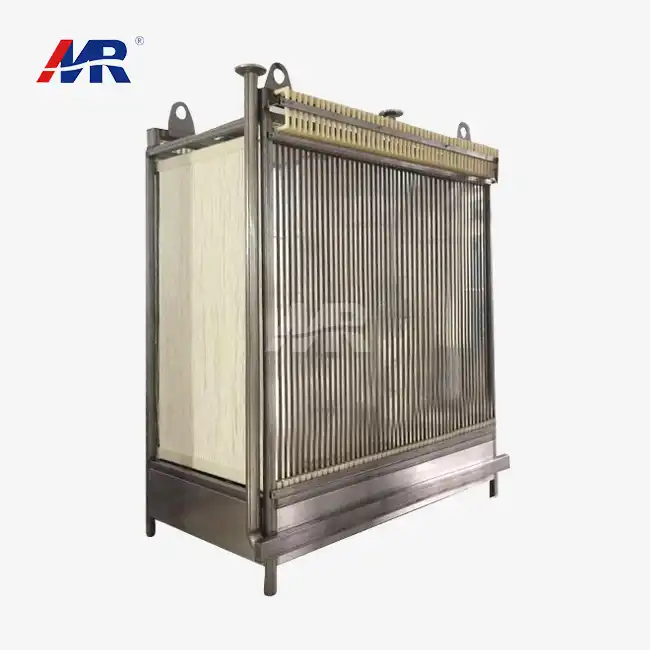
The way businesses and cities handle garbage and get resources back has changed a lot because of modern membrane bioreactor technology (mbr membrane). This technology solves important problems that water-stressed areas and pollution-conscious businesses around the world are facing by combining biological decay with advanced membrane filtering. MBR systems are at the center of sustainable water management strategies because of the move toward circular water economies around the world and stricter rules on runoff. People in charge of everything from making drugs to running city services are realising that old ways of treating problems aren't working anymore to meet the needs of the environment, businesses, and the economy.
Introduction
Industries are managing their water supplies in very different ways than they used to. With membrane bioreactor systems, biological treatment is combined with physical separation barriers to produce high-quality wastewater that wasn't possible with traditional methods. This is important because your facility's long-term success depends on how well it can meet legal standards while keeping costs low.
As I work with corporate clients across North America, I've seen how certain trends are changing how decisions are made about what to buy. A better understanding of materials has made them more resistant to chemicals and less likely to foul. A decade ago, it seemed impossible that small modular designs could fit inside the outlines of current infrastructure. The main focus has moved from just following the rules to smart water usage, which lets sites use less groundwater while making money from resources they've already used.
This technology is especially useful right now because it fits with business sustainability goals and stricter environmental rules in the energy, industry, and city sectors. The systems regularly produce high-quality wastewater that can be used again in industry or as feed water for advanced cleaning. This helps with both being good to the environment and keeping operations running smoothly.
The Evolution of MBR Membrane Technology
In the past, wastewater was treated by letting it settle naturally in big clarifiers, which took up a lot of space and didn't always work properly. These old systems had trouble with changing hydraulic loads or complicated industrial wastewater that had solids that were hard to settle. It needed a lot of upkeep, and the quality of the waste rarely met today's standards for reuse without a lot of extra treatment.
From Conventional Systems to Integrated Solutions
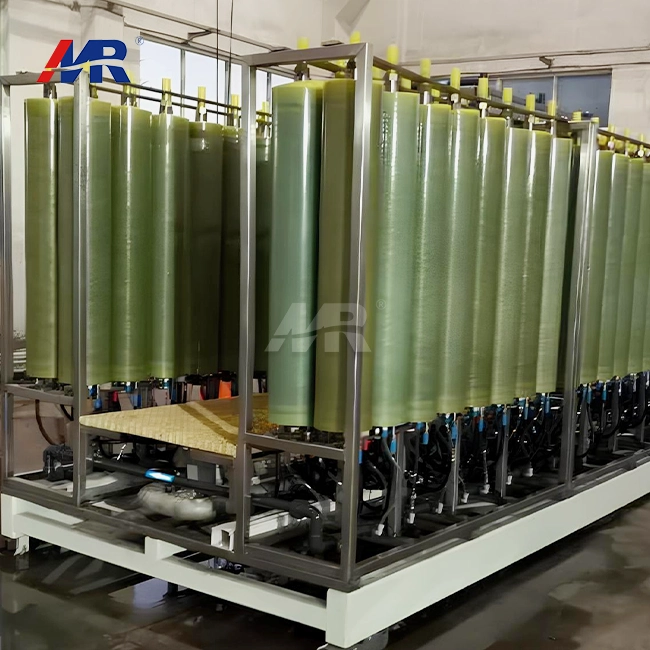
When microfiltration and ultrafiltration membranes were added to activated sludge processes, there was no need for any extra clarifiers. This wasn't just a small step forward; it completely changed how biological treatment works and how much it costs. By keeping high biomass percentages in smaller reactor sizes, facilities were able to get rid of more contaminants while cutting their physical impact in half or more.
Material Science Breakthroughs
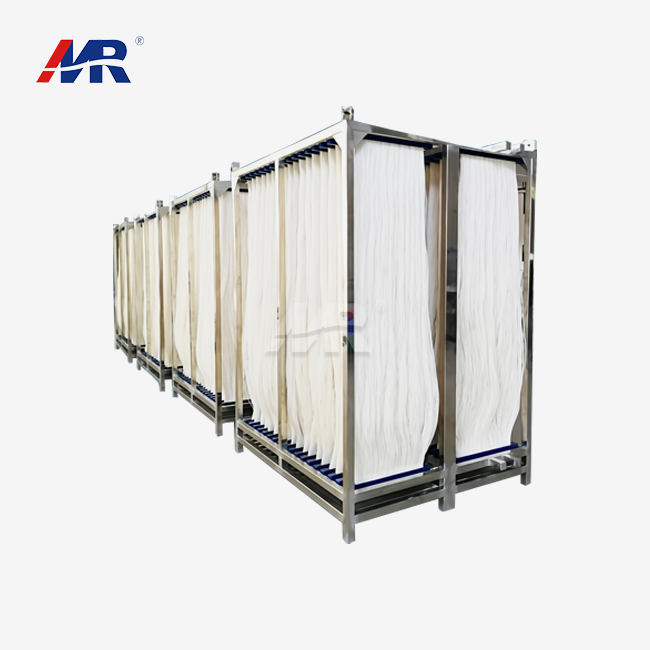
Early membrane systems were limited in their industrial use because they quickly became clogged and damaged by chemicals. The creation of PVDF-based hollow fibre membranes changed what people thought about how reliable something was. These materials can handle pH levels between 2 and 11 and chlorine levels of up to 2000 parts per million during chemical cleaning processes. The improved hydrophilicity lowers the rate of biological fouling, and the strengthened construction keeps the fibres from breaking even in tough mixed liquor situations.
Performance Optimization Through Design Innovation
Modern systems (MBR membrane) can handle flow rates of 10 to 25 LMH and mixed liquor suspended solids amounts of up to 12 mg/L. The pore size range of 0.1 to 0.4 μm completely blocks germs and floating particles, getting rid of 99.9% of contaminants that are hard to get rid of with regular treatment. Operating temperature ranges from 5°C to 40°C, which allows for weather changes without affecting performance and is very important for buildings that don't have climate control systems.
Key Benefits and Applications of MBR Membranes in Sustainable Water Management
The value offered is much more than just how well it filters. When your technical and business leaders look at investments in technology, they need to know the many ways these systems can help in different working situations.
Superior Treatment Performance
Membrane filtering creates a physical barrier that keeps the quality of the waste stable, even if the main process changes. Endotoxins and bacteria can be reliably removed from water used in pharmaceutical plants that make GMP-grade filtered water. Food and drink makers have to meet strict limits for biological oxygen demand and total dissolved solids without having to deal with the uncertainty that comes with traditional methods. This uniformity lowers the risk of not following the rules and gets rid of the expensive upset healing steps that are common in traditional plants.
Space and Capital Efficiency
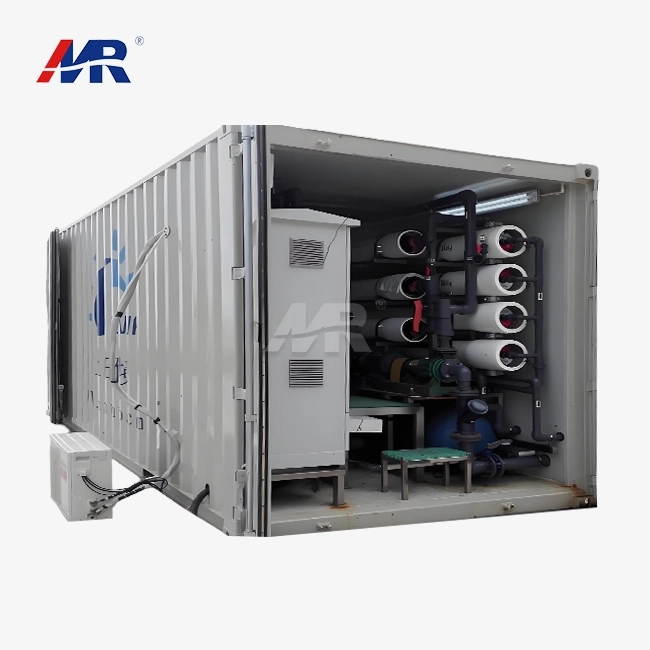
When there isn't a lot of land available, retrofitting old buildings can be hard. Compared to regular activated sludge with clarity, the small design takes up half as much room. Chemical factories that are located on busy industrial sites can increase their handling capacity without having to do a lot of physical building. Municipal sewer plants that serve growing neighbourhoods increase output within the boundaries of their current properties. This way, they don't have to deal with the political and financial problems that come with buying land.
Operational Cost Advantages
It uses less energy because the membrane designs are better, and there is less need for pumps. Since there are no clarifiers, there are no cleaning tools or the upkeep that goes along with them. In uses that need to be kept at a certain temperature, smaller reactor sizes mean lower costs for heating or cooling. During the normal span of a piece of equipment, these factors lead to operational savings that offset higher initial capital investment, particularly when considering avoided costs of land, civil works, and future capacity expansion.
Industrial Application Versatility
Across sectors, specific pain points find resolution through membrane bioreactor technology:
- Manufacturing Sectors: Electronics and semiconductor facilities require ultrapure water for chip fabrication. The system provides reliable pre-treatment for reverse osmosis and electrodeionization systems, preventing the membrane fouling that disrupts production schedules.
- Chemical and Electroplating: Treating heavy metal-laden wastewater while recovering valuable resources becomes economically viable. The biological reactor reduces organic loading before membrane separation removes particulate metals for recovery and reuse.
- Energy Infrastructure: Thermal and nuclear power generation facilities depend on ultrapure boiler feedwater. The consistent low-turbidity effluent protects downstream ion exchange and polishing systems from premature exhaustion.
- Municipal Utilities: Water-stressed coastal cities integrate these systems into seawater desalination pre-treatment or direct wastewater reclamation for irrigation and industrial supply, reducing dependence on imported or groundwater resources.
These advantages position the technology as a strategic asset rather than merely a compliance tool, enabling facilities to transform wastewater from a cost center into a resource recovery opportunity.
Market Trends: How to Choose the Best MBR Membrane for Your Needs
Navigating the procurement landscape requires understanding both technical specifications and supplier capabilities. Your selection criteria should balance immediate project requirements against long-term operational considerations.
Critical Performance Parameters
Flux rate (mbr membrane) determines the membrane area required for your design flow, directly impacting capital cost. Higher flux ratings reduce equipment footprint but may increase fouling susceptibility depending on your wastewater characteristics. Mixed liquor suspended solids tolerance matters significantly—systems designed for 8,000 mg/L perform poorly when pushed to 12,000 mg/L, causing premature fouling and increased cleaning frequency.
Transmembrane pressure specifications reveal operational efficiency. Lower maximum TMP ratings (around 0.6 bar) indicate designs optimized for energy efficiency, reducing operational costs throughout the equipment lifecycle. Chemical resistance becomes paramount in industrial applications where aggressive cleaning protocols are necessary to manage complex foulants.
Material Selection and Durability
PVDF membranes dominate industrial applications due to their superior chemical resistance and mechanical strength compared to polyethersulfone alternatives. The material withstands repeated exposure to sodium hypochlorite and acidic cleaning solutions without degradation. Reinforced hollow fiber construction prevents the catastrophic failures occasionally seen in unreinforced designs subjected to air scouring turbulence.
Supplier Evaluation Criteria
Technical specifications tell only part of the story. Assess whether suppliers maintain adequate inventory for replacement modules to minimize downtime during maintenance events. Warranty provisions should extend beyond standard coverage to include performance guarantees related to specific flux rates and cleaning frequencies under your wastewater conditions.
After-sales support infrastructure is particularly crucial for international procurement. Suppliers with established service networks across North America provide faster response times and lower travel costs compared to those operating from distant headquarters. The availability of remote monitoring and diagnostic capabilities reduces the need for on-site service visits while enabling proactive maintenance interventions.
Procurement Strategy Optimization
Large facilities benefit from bulk procurement arrangements that secure favorable pricing while ensuring long-term module availability. Custom configurations may justify premium pricing when standard offerings don't align with your spatial constraints or process requirements. OEM purchasers and distributors should evaluate suppliers' capacity to support white-label arrangements or co-branding opportunities that differentiate market offerings.
Maintenance, Troubleshooting, and Maximizing MBR Membrane Lifespan
Achieving projected operational lifespans of 5-8 years requires disciplined maintenance protocols and rapid response to performance deviations. The economic case for these systems depends substantially on minimizing downtime and deferring capital replacement.
Fouling Prevention and Control Strategies
Fouling represents the primary operational challenge affecting all membrane systems. Organic matter, inorganic precipitates, and biological growth gradually reduce permeability, increasing energy consumption and limiting capacity. Air scouring provides continuous mechanical cleaning, with bubbles creating turbulence that scours the membrane surface. The intensity and frequency directly impact both cleaning effectiveness and energy costs, requiring optimization for your specific application.
Chemical Cleaning Protocols
Maintenance cleaning intervals typically range from monthly to quarterly, depending on fouling rates. These procedures involve backwashing or soaking membranes in solutions containing sodium hypochlorite for organic matter, citric acid for inorganic scaling, or combined formulations for mixed foulants. The cleaning cycle duration and chemical concentrations must balance effective fouling removal against potential membrane degradation from repeated exposure.
Recovery cleaning becomes necessary when routine maintenance fails to restore acceptable flux rates. These intensive procedures employ stronger chemical concentrations and longer contact times, sometimes requiring membrane removal from the bioreactor. Planning these interventions during scheduled production shutdowns minimizes operational disruption.
Automated Monitoring and Diagnostics
Advanced systems incorporate sensors tracking transmembrane pressure, permeate flow, and feed characteristics in real-time. Automated control logic adjusts cleaning frequency based on performance trends rather than arbitrary schedules. This predictive approach reduces chemical consumption while preventing the severe fouling episodes that require aggressive recovery procedures.
Temperature monitoring within the acceptable 5-40°C operating range prevents performance anomalies linked to viscosity changes or biological activity suppression. pH tracking ensures the environment remains within the 2-11 tolerance band, protecting membrane integrity during both normal operation and cleaning cycles.
Troubleshooting Common Operational Issues
Sudden flux decline often indicates acute fouling from upset conditions or process changes. Rapid response through immediate cleaning prevents the irreversible fouling that develops when contaminants remain in contact with membranes for extended periods. Gradual flux decline suggests chronic fouling requiring assessment of pre-treatment effectiveness or cleaning protocol adequacy.
Unusual permeate quality deterioration may signal membrane damage, requiring integrity testing to identify compromised fibers. Maintaining spare modules enables quick replacement, restoring system capacity while damaged units undergo offline inspection and repair or replacement decisions.
Future Paradigms and Strategic Responses in MBR Membrane Deployment
The future of membrane bioreactor technology (MBR membrane) includes making them smarter, more durable, and better able to work with larger environments for water management. Knowing about these new trends can help your business get ready to take advantage of new technologies.
Digital Integration and Predictive Analytics
By looking at trends in operational data, artificial intelligence programs can tell days or weeks in advance when fouling will happen. Instead of responding after problems happen, this kind of insight lets people take strategic steps to keep performance from dropping. Machine learning models that are based on how well your facility has done in the past can improve efficiency while lowering costs by optimising cleaning plans and chemical doses.
With remote tracking, multiple treatment spots can be managed from one place, which is especially helpful for companies with buildings spread out. Expert analysis can be used in places that don't have local technology knowledge, which makes your business run more smoothly overall.
Sustainable Materials and Circular Economy Alignment
Bio-based membrane materials are being studied because they might make making and throwing them away less harmful to the environment. These changes are in line with companies' promises to be more environmentally friendly and might even make things work better in some situations. Moving toward flexible, easily changeable parts makes upkeep easier and improves the life of systems, which is better for the world overall.
When resource recovery is added to sewer plants, they go from being cost centers to making moneymakers. Getting nutrients for making fertiliser, collecting biogas to make energy, and getting clean water that can be used again and again in industry all create different ways to make money. Membrane systems are very important to these combined plans because they separate things efficiently enough for recovery to be profitable.
Strategic Procurement Implications
Partnerships with tech companies that offer full solutions, from the initial design to completion and long-term service, lower the risk of implementation and speed up the time it takes to start running. Suppliers who put money into local Technical support facilities are more valuable than those who offer cheaper tools but not much help after the sale.
Facilities that want to make big changes or additions should involve providers early on in the design process. Working together makes sure that the system specs match the type of garbage you have, the room you have, and your future capacity needs. Spending money on thorough engineering during the planning stages of a project keeps it from needing expensive changes during building or poor performance after it's been put into use.
Conclusion
Membrane bioreactor systems have matured from specialized applications into mainstream solutions addressing fundamental water management challenges. The technology delivers quantifiable advantages in treatment performance, spatial efficiency, and operational reliability that align with both regulatory requirements and corporate sustainability objectives. As water scarcity intensifies and environmental standards tighten, the strategic value of these systems extends beyond compliance to encompass resource security and competitive differentiation. Organizations evaluating long-term water infrastructure investments will find that advanced membrane filtration represents not just technical capability, but a commitment to operational resilience in an increasingly resource-constrained world.
FAQ
1. What determines the typical lifespan of MBR membranes in industrial applications?
Properly maintained PVDF membrane modules typically deliver 5-8 years of service. This duration depends significantly on wastewater characteristics, adherence to cleaning protocols, and pre-treatment effectiveness. Facilities processing high-strength industrial effluents may experience shorter lifecycles without adequate upstream treatment, while municipal applications with lower contaminant loads often exceed typical projections.
2. How do fouling management strategies differ across industrial sectors?
Food processing facilities face organic and lipid fouling requiring alkaline and enzymatic cleaning agents. Chemical plants encounter inorganic scaling, demanding acidic cleaning solutions. Pharmaceutical manufacturing maintains frequent low-intensity cleaning schedules to prevent biofilm establishment. Each application requires customized protocols balancing cleaning effectiveness against operational disruption and chemical costs.
3. What cost comparisons justify investment over conventional treatment?
Capital costs run 20-40% higher than traditional activated sludge systems. However, land savings, reduced civil construction, lower energy consumption, and superior effluent quality enabling direct reuse typically generate payback within 3-5 years. The economic case strengthens considerably when the avoided costs of future expansion and increasingly stringent discharge permit requirements are included in the lifecycle analysis.
Partner with Morui for Advanced Water Treatment Solutions
Guangdong Morui Environmental Technology provides comprehensive membrane bioreactor solutions (MBR membrane) backed by extensive manufacturing capabilities and technical expertise. Our engineering team brings decades of combined experience across municipal and industrial applications, from pharmaceutical-grade purified water systems to complex petrochemical wastewater treatment. As both an equipment manufacturer and technology integrator, we deliver complete turnkey installations—from initial process design through commissioning and long-term technical support.
Our PVDF membrane modules meet the demanding specifications required for industrial reliability, while our nationwide service network ensures responsive technical assistance when you need it. Whether you're evaluating upgrade options for existing facilities or designing new treatment infrastructure, we provide customized solutions optimized for your specific wastewater characteristics and operational objectives. Contact our technical specialists at benson@guangdongmorui.com to discuss how our membrane technology and engineering services can address your water management challenges. We offer complimentary feasibility assessments and performance projections based on your wastewater analysis, helping you make informed procurement decisions.
References
1. Judd, S. (2016). The MBR Book: Principles and Applications of Membrane Bioreactors for Water and Wastewater Treatment. Butterworth-Heinemann.
2. Meng, F., Chae, S.R., Drews, A., Kraume, M., Shin, H.S., & Yang, F. (2009). Recent advances in membrane bioreactors: membrane fouling and membrane material. Water Research, 43(6), 1489-1512.
3. Kraume, M., & Drews, A. (2010). Membrane Bioreactors in Waste Water Treatment - Status and Trends. Chemical Engineering & Technology, 33(8), 1251-1259.
4. Le-Clech, P., Chen, V., & Fane, T.A.G. (2006). Fouling in membrane bioreactors used in wastewater treatment. Journal of Membrane Science, 284(1-2), 17-53.
5. Membrane Bioreactor Market Analysis (2023). Global Water Intelligence Report: Technology and Market Forecast 2023-2028.
6. Santos, A., Ma, W., & Judd, S.J. (2011). Membrane bioreactors: Two decades of research and implementation. Desalination, 273(1), 148-154.