

_1745823981883.webp)

Seawater Reverse Osmosis System Trends Shaping Water Treatment
Modern filtration technology (seawater reverse osmosis system) is changing how businesses and cities deal with not having enough water. A saltwater reverse osmosis system uses high-pressure filters to separate freshwater from salty ocean water. It can reject more than 99% of the salt while also dealing with important issues like high energy use and the ability to expand the infrastructure. These systems use Thin-Film Composite membranes that work at pressures between 55 and 80 bar to make drinkable water that meets WHO standards and is used in industries ranging from making medicines to making electricity. As the need for stable freshwater sources grows around the world, it's important for decision-makers in many fields to understand the new technologies and strategic buying issues that come up with these systems.
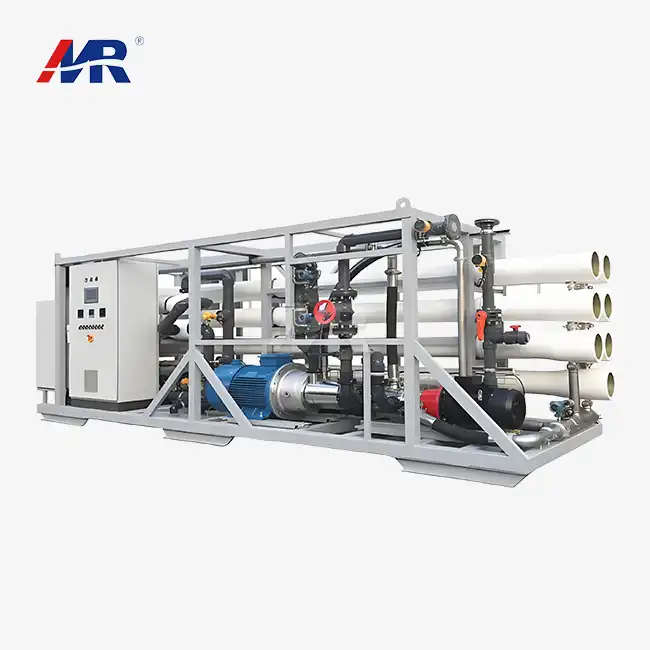
Introduction
One of the most important problems our world is having right now is a lack of water. Normal water sources aren't able to handle the demands of coastal businesses, growing cities, and changing weather. In this situation, improved osmosis solutions have come up as reliable ways to make sure there is always water available.
In the past ten years, membrane-based filtration has changed in amazing ways. Some things that used to take a lot of money and energy are now getting easier to get and more efficient. Modern setups use tried-and-true reverse osmosis principles along with smart technology, energy recovery systems, and flexible designs that can be used for a wide range of tasks, from small boats to large city centres that serve hundreds of thousands of people.
Now, people who work in procurement and make expert decisions have a lot of options to choose from, but it's hard to know how to judge them. To pick the right technology, you need to weigh the short-term costs of capital investments against the long-term costs of operations, as well as the skills of the seller and the rules that need to be followed for legal compliance. This blog looks at the current path of desalination innovation and gives useful information to people who need to invest in infrastructure in a way that supports environmental goals and gives measurable results.
Emerging Trends Driving Seawater Reverse Osmosis System Innovation
The distillation business has moved into a time when technologies are coming together, and people care more about the environment. Thermal distillation methods, which used a lot of energy, were crucial to older ways of doing things. Membrane-based options have made this model very different.
Advanced Membrane Materials and Design
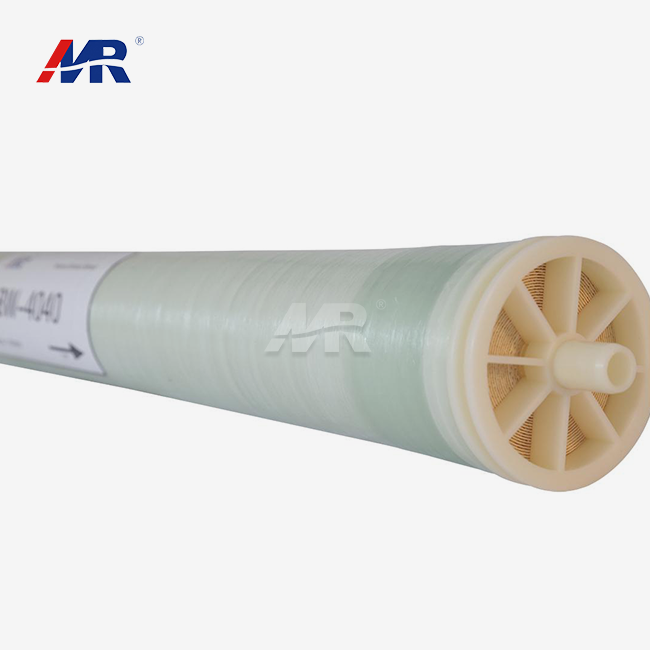
These days, high-performance membranes last a very long time even in tough saline environments. Thin-Film Composite materials have been made by manufacturers that keep salt refusal rates between 99.4% and 99.8% while extending operating lifespans from 3 to 7 years with proper upkeep. These membranes can handle 8 to 12 litres per square metre per hour of flow. They find a balance between life and output that older membranes couldn't.
Innovations in material science (seawater reverse osmosis system) go beyond the membranes themselves. Parts of the system now use Super Duplex Stainless Steel (2507 grade), which doesn't rust when exposed to salt, which used to be a regular way for setups to fail. This improvement in metalworking greatly lowers the need for unexpected repairs and increases the useful life of equipment. This is especially helpful for ocean platforms and seaside facilities that are subject to harsh weather.
Smart Monitoring and Predictive Maintenance
Adding IoT has changed system management from fixing problems after they happen to planning ahead for how to make things work best. Modern systems have sensor arrays that constantly check the quality of the feed water, the difference in pressure across the membrane, the rate of recovery, and the trends of energy use. These streams of data are fed into analysis tools that find performance drift before it hurts the quality of the output or causes the equipment to break down.
Machine learning algorithms look at past working data to guess when membrane fouling will happen, figure out the best way to clean chemicals, and suggest ways to stop it from happening. Compared to traditional repair plans, this information cuts downtime by 30–40%. This is a big benefit for businesses where water supply breaks cost a lot of money to make.
Energy Recovery and Renewable Integration
The most expensive part of running most distillation plants is the energy they use. Now, pressure exchanges and isobaric chambers can recover up to 60% of the hydraulic energy that is in concentrated brine streams. This makes it much easier to use less electricity. When combined with high-pressure pumps that have variable frequency drives, these systems change how much power they use based on changes in the temperature and salt of the feed water.
The use of renewable energy has moved from being shown in experiments to being commonplace in business. Solar panels and wind turbines now provide most of the power for distant sites that can't or don't want to connect to the grid. Combining grid power with power from green sources in hybrid systems lowers their carbon footprints and makes them more resistant to changes in utility rates.
Comparative Analysis: Seawater Reverse Osmosis vs. Alternative Water Treatment Technologies
When making decisions about what to buy, it helps to know how membrane desalination stacks up against both established and new options. Depending on the purpose, scale needs, and site-specific limitations, each technology has its own benefits.
Thermal Desalination Methods
Flash distillation with multiple stages and multiple effects. For many years, distillation was the main method used for dehydration, especially in the Middle East, which has a lot of energy. These heating methods use 10 to 15 kWh of energy for every cubic metre of water they make, while newer membrane systems that recover energy only use 3 to 4 kWh. Thermal plants also have higher capital costs than membrane plants by 40 to 50 per cent for the same capacity.
Thermal ways are better for dealing with feedwater that is very salty and making ultra-pure oil. Thermal methods can get rid of almost all dissolved solids and chemical materials, which is why some industries that need pharmaceutical-grade water prefer them. However, membrane technology is clearly the more cost-effective choice for most commercial and public uses.
Brackish Water Systems
Seawater has much higher levels of salt than brackish water; ocean water has 35,000–45,000 mg/L of total dissolved solids, while brackish water has only 1,000–10,000 mg/L. Because of this difference in salt, brackish systems can work at 10–25 bar pressure, which uses much less energy and makes membranes last a lot longer.
This difference is important for making purchases (seawater reverse osmosis system) because using equipment that is suited for seawater in brackish water uses up money on pressure adjustment that isn't needed. On the other hand, using brackish-rated membranes to try to treat saltwater quickly fails. Specification mistakes that cost a lot of money can be avoided by accurately characterising the feed water during the planning phase.
Hybrid and Complementary Technologies
Ultrafiltration and UV decontamination work together, not against each other. Multimedia filters, ultrafiltration membranes, or dissolved air flotation are often used in pretreatment trains to lower the Silt Density Index below 3. This keeps the reverse osmosis elements further down the line from getting clogged with particles. UV systems are the last step in disinfecting produced water that is going to be used for drinking.
New installations show how useful it is to have treatment trains that use a series of different technologies. In a normal setup, ultrafiltration, two-pass reverse osmosis for boron removal, and UV cleaning might be used. Each stage is designed to get rid of a specific type of contamination while keeping the next stage of equipment from breaking down too quickly.
Optimising Seawater Reverse Osmosis Systems for Cost and Energy Efficiency
The total cost of ownership includes a lot more than just buying the tools. A complicated purchase analysis looks at things like initial costs, installation difficulty, energy use, materials, upkeep labour, and the need for replacements after 20 to 25 years of expected use.
Capital and Installation Considerations
The price of equipment varies a lot depending on its size, amount of technology, and the materials used to build it. A plant on a city scale that produces 10,000 cubic meters of waste every day might need an investment of $8 to 12 million, while an overseas containerised unit that produces 100 cubic meters of waste every day costs $200 to $400,000. Installation can add 15–25% to the cost of the equipment, based on how the spot needs to be prepared and how much labour costs in the area.
For phased capacity growth, modular solutions are better from a strategy point of view. Instead of making initial setups too big to handle future growth, stakeholders can add more units as demand rises. This way, they can avoid the costs of having capacity that isn't being used while still keeping operational freedom.
Energy Consumption and Recovery
When operating levels are between 55 and 80 bar, a lot of electricity is needed. A factory that makes 1,000 cubic meters of concrete every day uses about 3,500 to 4,500 kWh of power every day, which comes to about $300 to $600 at standard industrial rates. With Energy Recovery Devices, this use was cut down to 1,400 to 1,800 kWh per day, which saved $150,000 to $250,000 per year.
Both flow rate and salt refusal are affected by the temperature of the feed water. Warmer water improves the flow of permeate, but it may also lower the efficiency of rejection slightly, so the pressure needs to be changed to keep the quality of the output high. Temperature changes of 10 to 15°C can change how much energy is used by 20 to 30 per cent. Skilled workers take this into account when they plan how to run the system.
Maintenance Protocols and Membrane Longevity
Chemical cleaning methods have a direct effect on how long membranes last and how much they cost to repair. Biological growth, organic fouling, and mineral scaling can be removed by Clean-In-Place processes that use both alkaline and acidic treatments. Well-thought-out maintenance programs plan these cleanings based on changes in differential pressure instead of set times. This way, chemicals aren't exposed to needless risks, and fouling is fixed before it gets too bad to fix.
It costs a lot to change the membranes on a regular basis. Each of the 500–800 separate membrane pieces in a big construction costs between $600 and $1,200. Every five years, it takes $400,000 to $800,000 to replace all of the membranes. By using better operation and upkeep techniques, membranes can last an extra 18 to 24 months. This saves six figures and keeps production going without having to stop for large replacement projects.
Application Areas and Custom Solutions in Seawater Reverse Osmosis
Desalination technology is used for a huge range of different tasks, and each one has its own specific scientific needs and limitations. Understanding these application-specific needs helps you choose the right system specifications and suppliers.
Municipal Water Supply Infrastructure
As aquifers dry up and surface water levels drop, coastal towns are relying more and more on ocean filtration to make sure they always have water. Large factories that make 200,000 to 900,000 cubic meters of water every day provide basic water security while letting freshwater sources that are being stressed heal. These systems are always running, and their uptime goals are higher than 95%. This means that they need backup trains and large stockpiles of extra parts.
For municipal uses, created water must meet strict standards for drinking water, such as limits on minor pollutants, treatment byProducts, and leftover salts. Regulatory compliance paperwork and third-party testing methods add a level of complexity that industrial users may not have to deal with. This makes it more important for suppliers to choose makers who have experience with city projects.
Marine and Offshore Operations
Ships like cruise ships, cargo ships, oil platforms, and military boats need small systems that can work effectively even when conditions are tough. Containerised units that make 10 to 500 cubic meters of goods every day can fit in small spaces and can handle steady movement and changes in temperature. These systems often work for long amounts of time without anyone being there, so they need to be very reliable and be able to be monitored from afar.
Intake problems in marine uses are unique, with problems like yearly algae blooms, jellyfish swarms, and changing pH. Biofouling events that could stop systems far from shore-based technical help can be avoided with strong preparation designs that include dissolved air flotation or dynamic screen filters. When choosing equipment for naval duty, operational stability is more important than small gains in efficiency.
Industrial Process Water
Manufacturing drugs, making semiconductors, making electricity, and processing food all need ultrapure water that is cleaner than drinking water. A lot of sites use both reverse osmosis and electrodeionization to get resistance goals of 10–18 megohm–cm and get rid of dissolved solids to parts-per-billion levels. These demanding uses call for high-end tools and multiple cleaning trains to make sure that the supply stays steady.
Boiler feed water for steam and nuclear power plants is an example of how strict industry standards can be. To keep high-pressure steam turbines from scaling, dissolved solids must stay below 50 to 100 parts per billion. Getting these goals from saltwater needs two-pass reverse osmosis systems with pH adjustments between stages, followed by mixed-bed ion exchange cleaning. This level of treatment intensity isn't usually needed for city uses.
Selecting the Right Seawater Reverse Osmosis System Supplier
Choosing a supplier (seawater reverse osmosis system) has long-term effects that go far beyond the price of the original buy. Total ownership experience over decades of operation is affected by how well the equipment works, how good the expert help is, how easy it is to get extra parts, and how financially stable the maker is.
Evaluating Technical Capabilities and Certifications
Leading producers show what they can do by getting globally recognised standards, such as ISO 9001 for quality control and NSF/ANSI 61 approval for products that come into contact with drinking water. When it comes to desalination, following the ISO 23446:2022 standards for saltwater desalination systems gives people faith in the planning process and claims of performance.
There are technical differences in choosing the membrane, designing the pressure tank, and how complex the control system is. Even though they may cost more at first, suppliers who offer their own high-rejection membranes or advanced energy recovery setups may offer better lifespan economics. These speed differences are found through a thorough technical review during the design step.
Assessing Service Networks and Support Infrastructure
Technical help is always needed for setting up, running, and fixing problems with equipment. When problems happen, suppliers with local service centres, trained techs, and large stockpiles of extra parts keep downtime to a minimum. Service level agreements include promises for response times and processes for escalations. These help keep workers from having to deal with long failures.
Training programs teach practical knowledge to client staff, which increases the organisation's own capabilities and lowers its reliance on outside help. This type of training includes everything from basic function to upkeep, how to fix problems, and safety rules. When suppliers spend money on teaching their customers, it shows that they want to build long-term relationships with them instead of just selling them tools.
Understanding Warranty Terms and Lifecycle Support
Standard warranties usually cover tools and parts for 12 to 24 months, but membrane elements often come with their own performance promises. Options for extended warranties offer extra security for a small fee. This is especially helpful in critical situations where technology failure can have very bad results.
Lifecycle support goes beyond the end of the guarantee period by promising parts availability, offering fix options for old systems, and paving the way for technology upgrades. Manufacturers who keep making spare parts for equipment that was put in 15 to 20 years ago allow users to extend the useful life of assets without having to buy new ones too soon, because parts are no longer being made.
Conclusion
The trajectory of desalination technology points toward increasingly efficient, reliable, and environmentally responsible solutions for water scarcity challenges. Membrane-based systems now deliver operational economics that make ocean water a practical freshwater source for applications ranging from municipal supply to specialised industrial processes. Advances in materials science, energy recovery, and intelligent automation continue improving performance while reducing total ownership costs.
Strategic procurement requires understanding both technical capabilities and supplier partnerships that support long-term operational success. Evaluating equipment specifications, service infrastructure, and lifecycle support structures ensures installations deliver expected performance across decades of operation. As water security becomes increasingly critical to industrial competitiveness and community resilience, investments in proven desalination technology provide tangible returns and strategic advantages.
FAQ
1. What distinguishes reverse osmosis from thermal desalination methods?
Reverse osmosis forces seawater through semi-permeable membranes at high pressure, physically separating freshwater from dissolved salts. Thermal methods like Multi-Stage Flash distillation boil seawater and condense the vapour, leaving salts behind. Membrane systems consume 60-70% less energy and cost 40-50% less to build at equivalent capacities, making them economically superior for most applications.
2. How long do membranes typically last before replacement?
Under proper operating conditions with effective pretreatment and maintenance, reverse osmosis membranes last 3-7 years. Lifespan depends on feed water quality, operating pressure, chemical cleaning frequency, and adherence to manufacturer guidelines. Systems treating challenging feedwater with high fouling potential may require more frequent replacement, while installations with excellent pretreatment exceed seven-year operational life.
3. What maintenance protocols ensure optimal performance?
Routine maintenance includes monitoring differential pressure across membrane elements, conducting Clean-In-Place cycles when pressure increases indicate fouling, replacing cartridge prefilters every 30-90 days, and analysing permeate quality monthly. Annual inspections should examine high-pressure pumps, energy recovery devices, and instrumentation calibration. Comprehensive maintenance programs following manufacturer specifications prevent 70-80% of unplanned downtime events.
Partner with Morui for Advanced Desalination Solutions
Implementing effective desalination infrastructure (seawater reverse osmosis system) requires more than equipment purchase—it demands partnership with experienced suppliers who understand your operational challenges and long-term objectives. Guangdong Morui Environmental Technology delivers comprehensive solutions backed by 14 regional branches, over 500 skilled professionals, and 20 specialised engineers. Our integrated capabilities span equipment manufacturing, membrane production, system design, installation services, and ongoing Technical support.
We recognise that each application presents distinct requirements. Whether you operate a pharmaceutical facility requiring GMP-compliant water, manage municipal infrastructure serving thousands of residents, or coordinate offshore operations demanding compact, reliable systems, Our Team develops customised configurations that match your specifications precisely. Our partnerships with industry leaders, including Shimge Water Pumps, Runxin Valves, and Createc Instruments, ensure your installation incorporates proven components backed by established service networks.
Reach out to our technical team at benson@guangdongmorui.com to discuss your desalination requirements. We'll conduct a thorough site assessment, recommend appropriate system configurations, and provide detailed technical and commercial proposals.
References
1. Elimelech, M. and Phillip, W.A. (2021). "The Future of Seawater Desalination: Energy, Technology, and the Environment." Science, Vol. 333, pp. 712-717.
2. International Desalination Association (2023). "Global Desalination Situation Report: Capacity and Technology Trends." IDA Publications, Topsfield, Massachusetts.
3. Fritzmann, C., Löwenberg, J., Wintgens, T., and Melin, T. (2022). "State-of-the-Art of Reverse Osmosis Desalination." Desalination Journal, Vol. 216, pp. 1-76.
4. World Health Organization (2022). "Guidelines for Drinking-Water Quality: Fourth Edition Incorporating the First Addendum." WHO Press, Geneva, Switzerland.
5. Kim, J., Park, K., Yang, D.R., and Hong, S. (2023). "A Comprehensive Review of Energy Consumption in Seawater Reverse Osmosis Desalination Plants." Applied Energy, Vol. 254, pp. 113652.
6. American Water Works Association (2021). "Desalination of Seawater: Manual of Water Supply Practices M61." AWWA Publications, Denver, Colorado.
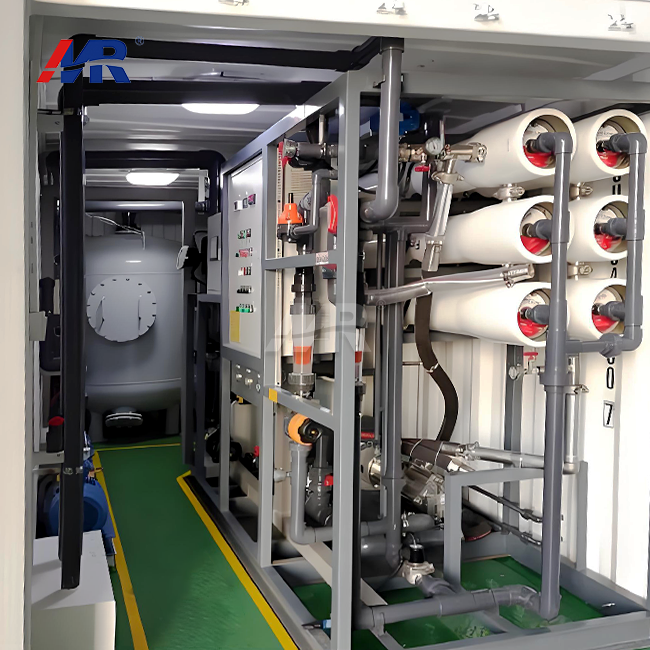 VIEW MOREcontainerized RO equipment
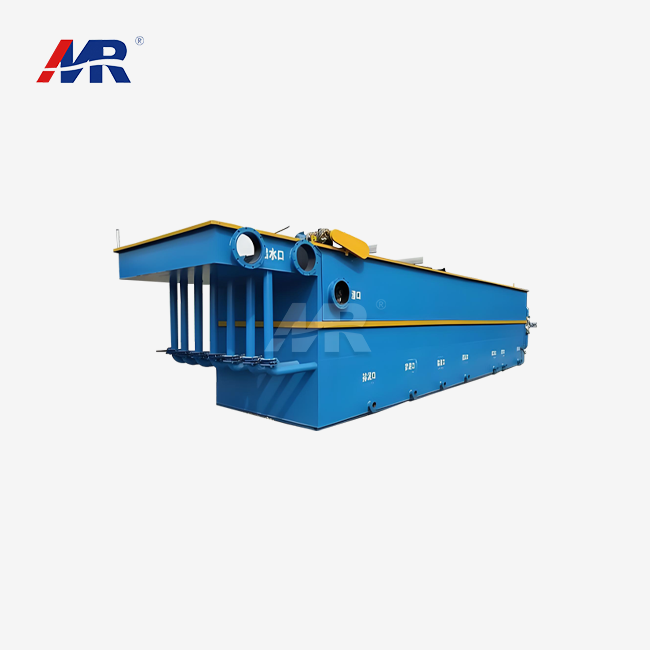 VIEW MOREadvanced wastewater treatment system
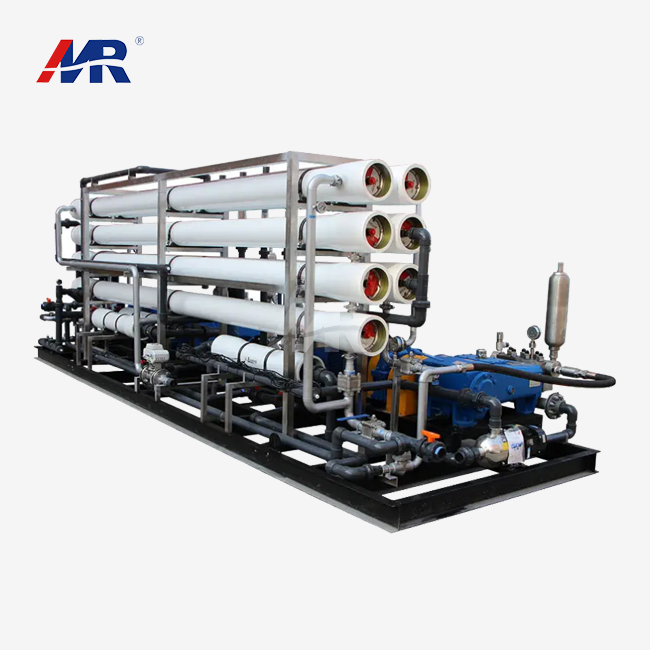 VIEW MOREseawater desalination machine
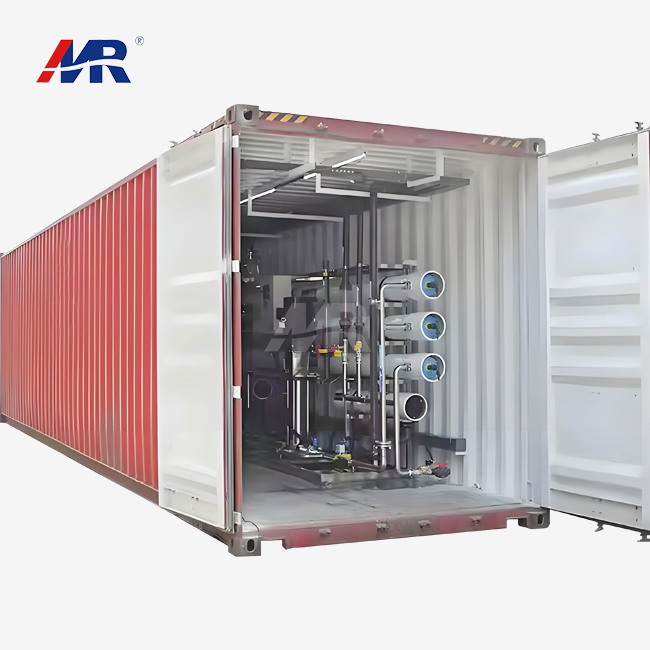 VIEW MOREContainerized Reverse Osmosis Systems
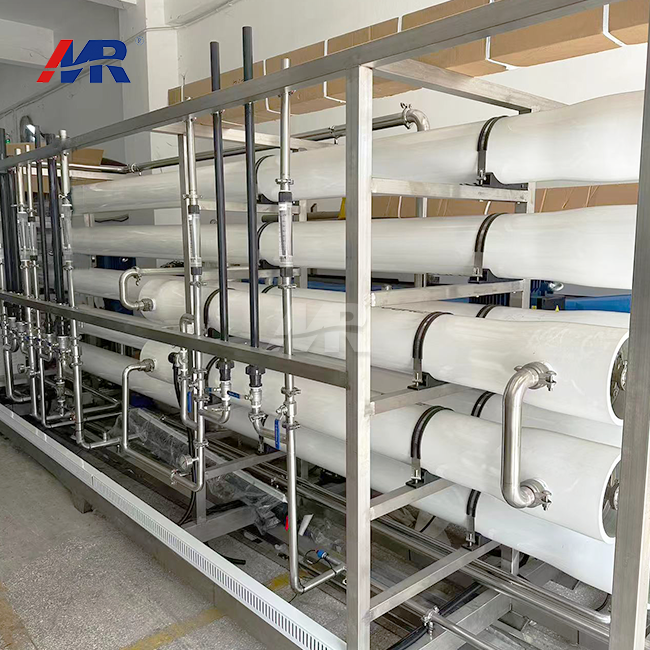 VIEW MOREosmosis drinking water system
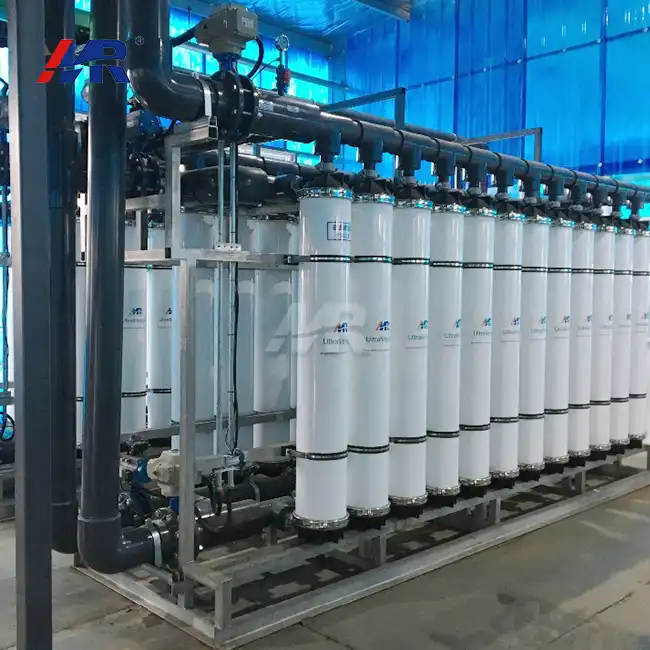 VIEW MORE50m3/hour ultrafiltration plant
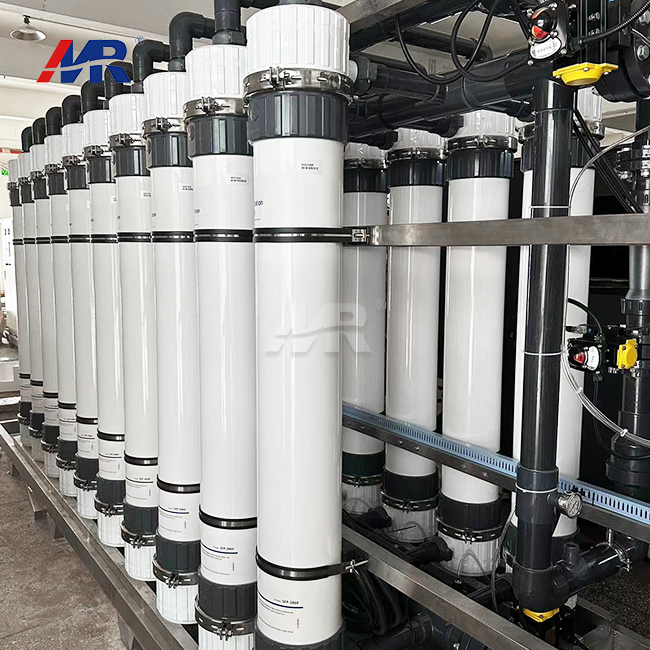 VIEW MOREwater ultrafiltration system
 VIEW MOREindustrial reverse osmosis membrane
