

_1745823981883.webp)

Why Is an Osmosis Water Machine Essential for Modern Water Treatment?
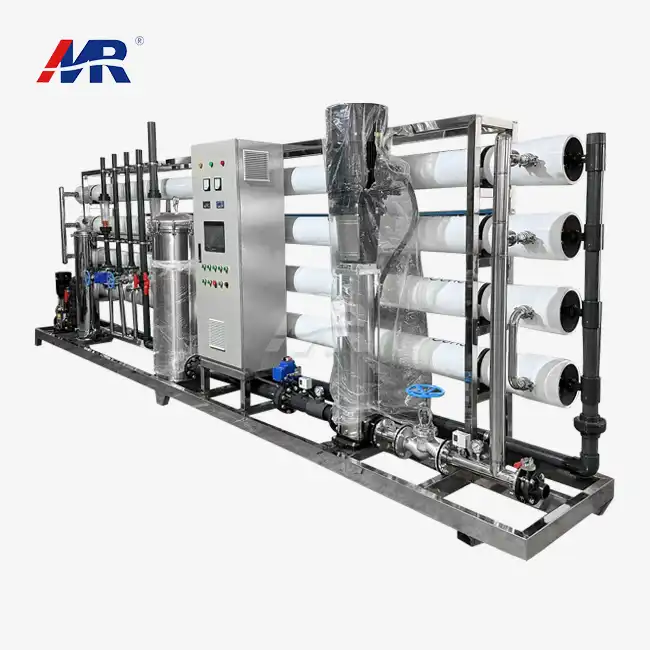
With reverse osmosis technology, an osmosis water machine is now a must-have for modern water treatment because it cleans water so precisely. These systems get rid of contaminants that regular methods can't reach by using semi-permeable screens that can filter down to 0.0001 microns in accuracy. These contaminants include heavy metals like lead and arsenic, new pollutants like PFAS, bacterial threats, and dissolving salts. Industries that have to follow strict rules depend on RO systems to keep the water quality uniform, lower operating risks, and protect both public health and machine safety.
Introduction
The pollution of water around the world is getting worse because of wastewater from factories, nitrate-filled runoff from farms, old city infrastructure that releases heavy metals, and new chemical threats. These days, treating water needs more than just filtering the top layer. It needs to deal with dissolved metal solids, harmful bacteria, and complex chemical leftovers. Traditional methods of cleaning have a hard time dealing with this complex problem, and they often miss important contaminants.
Reverse osmosis is the only method that has been shown to fix these problems with water quality. An osmosis water machine uses pressure to filter water through semi-permeable membranes. This very effectively separates pure water molecules from concentrated pollutants. Because of this, RO systems are necessary in places like hospital facilities, water treatment plants, pharmaceutical factories, food and drink processing plants, and water treatment plants for cities. This is because clean water directly affects the quality of Products, following rules, and running a successful business. Businesses can make smart choices about their water treatment equipment when they know how these systems work and what strategic benefits they offer.
Understanding Osmosis Water Machines and Their Filtration Process
Core Technology Behind Reverse Osmosis Systems
An osmosis water machine uses a semipermeable membrane as the center of a complex, multi-stage filter system to work. Basic carbon screens catch bigger particles and chlorine, but ro membranes have pores about 0.0001 microns wide, which are tiny enough to block dissolved salts, heavy metals, and organic chemicals but big enough to let water molecules through. This split at the molecular level usually gets rid of more than 97% of the salt, making the water pure in a way that regular filters can't.
The system design is made up of several important parts that work together in a certain order. Pre-filters get rid of dirt and chemicals that could hurt the RO membrane. The feed water is then pushed against the membrane surface by a high-pressure pump, which is stronger than the natural osmotic pressure. Pure water, called permeate, goes to storage while concentrated waste, called salt, is released. Post-filters clean the water one last time before it is used, and more modern models have remineralisation steps that change the pH and add back minerals that are good for certain uses.
Step-by-Step Filtration Mechanics
When feed water goes into the pre-filtration stage, sediment filters catch particles as small as 5 microns, and activated carbon blocks get rid of chlorine, volatile organic compounds, and substances that change the taste of the water. This step of preparation makes the membrane last longer by stopping fouling and chemical breakdown.
The water that has already been cleaned then meets the RO membrane unit (osmosis water machine), which is the heart of the system. When pressure is applied (usually 60 to 100 psi for brackish water and higher for desalinating saltwater), it pushes water molecules through the membrane's polymer structure while removing dissolved solids like sodium, calcium, magnesium, nitrates, fluoride, arsenic, lead, and medicinal leftovers. When used in industrial-grade systems, Thin Film Composite membranes show better chemical protection and reliable performance in a range of water circumstances.
Comparison With Traditional Filtration Methods
Traditional filter methods can get rid of certain types of contamination, but they can't get rid of all of them. Sediment screens get rid of small particles, but they can't get to minerals or chemicals that have been dissolved. A carbon filter is great at getting rid of chlorine and organic matter, but it can't get rid of heavy metals or total dissolved solids. UV filters kill bacteria but don't get rid of them or deal with chemical toxins.
These different strengths are all brought together in reverse osmosis to make a single, complete answer. What people in the field call "barrier protection" is what this technology does: it protects against almost all environmental poisons, no matter how different the source water is. Because of this all-around method, RO systems are chosen by pharmaceutical companies, chip makers, and medical facilities as their main water treatment choice when pollution is not acceptable.
The Essential Benefits of Osmosis Water Machines in B2B Water Treatment
Superior Water Quality and Safety Assurance
Osmosis technology is used by industries with strict quality control rules to meet legal standards and keep products' purity. Pharmaceutical companies need water that meets USP standards and has a conductivity below 1.3 microsiemens. This can only be done by combining RO with deionisation. Food and drink makers get rid of minerals that change the taste of the product as well as possible contaminants that could make the product unsafe or less stable on the shelf. Electronics companies make ultrapure water to clean chips, and even small amounts of minerals can cause problems.
New worries about contaminants are being addressed by the technology in a way that older systems can't. PFAS molecules, which have been called "forever chemicals," stay in the water after regular cleaning, but RO screens actually get rid of them. Nitrate pollution from farming areas, which is linked to major health risks, drops to amounts that can't be found after reverse osmosis processing. Getting rid of heavy metals like lead, arsenic, and mercury is very important for protecting places with old infrastructure or natural rock pollution.
Operational Efficiency and Cost-Effectiveness
Different types of water treatment methods use a lot more energy than modern osmosis machines. Even though high-pressure pumps use power, running costs are greatly reduced by using energy recovery devices in well-designed systems. Maintenance needs are still doable thanks to regular filter change plans and easy-to-follow repair steps. The membranes usually last between 2 and 5 years, but this depends on the quality of the feed water and how the system is used. Pre-filters need to be replaced every three to twelve months.
When saved costs are taken into account, the economic case gets stronger. Protecting equipment saves a lot of money. When boilers, cooling towers, and process gear are fed cleaned water, scaling and rust are less likely to happen. This means the equipment lasts longer and needs less maintenance. Improving the quality of a product cuts down on loss and extra work. By following the rules, you can escape expensive fines and damage to your image. When looked at in detail, the return on investment for good RO systems usually shows up between 18 and 36 months for business uses.
Scalability Across Diverse Industry Applications
Reverse osmosis technology (osmosis water machine) works beautifully on everything from small point-of-use systems that make 50 gallons of water a day to huge industrial setups that make hundreds of thousands of gallons of water an hour. Because it is so flexible, it can be used in a huge range of situations. Coastal cities and towns build large-scale saltwater purification plants to deal with the ongoing lack of water. Power plants put in systems that use ultrapure water for engine feedwater. For testing methods, research labs use RO units that sit on a desk. Quick-service places use small tools to make sure that drinks are always made the same way.
The wide range of uses means that it can be used in tough conditions where other technologies fail. Offshore bases and naval boats use containerised purification systems to get fresh water when they need it for long periods of time. In dry areas, farming uses salty groundwater to turn sources of unusable water into a reliable source for watering. Through constant RO cleaning of recirculated water, aquaculture facilities keep the water pH at the right level for sensitive species.
How to Choose the Right Osmosis Water Machine for Your Business Needs
Critical Selection Criteria for Decision-Makers
The buying process starts with a correct assessment of capacity that is matched to real usage trends. Systems that are too small lead to drops in pressure, lower rejection rates, and membrane failures that happen too soon. Installations that are too big lose money and energy and don't work as smoothly as they should. Technical decision-makers should figure out the peak demand, which includes places of joint use, growth forecasts over the next three to five years, and the recovery ratio, which, for industrial RO systems, is usually between 50 and 75% and means that a lot of water is rejected and needs to be disposed of or recycled.
Feed water research is the first step in making sure that the system is set up correctly. Total dissolved solids concentration, hardness levels, chlorine content, temperature, pH, and certain contaminants that need to be controlled all affect the choice of membrane, the amount of preparation needed, and how the system is set up. Waters with more than 10,000 ppm TDS may need special high-rejection filters or handling that takes more than one step. When silica levels are above 50 ppm, anti-scalant treatment is needed. To keep reactive damage from being permanent, chlorine must be fully cleared before the membrane comes into contact with it.
Over the life of a machine, the amount of energy used has a direct effect on operating costs. Modern variable-frequency drive pumps change the pressure based on demand, which saves 20 to 30 percent of the energy used by fixed-speed pumps. Larger systems have energy recovery devices that take pressure from the concentrate stream. This lowers the net energy used by up to 60% in ocean uses. Even though they cost more at first, these features that improve economy are worth looking into carefully.
Investment Considerations and Pricing Structures
Industrial RO systems have a wide range of capital costs that depend on their capability, amount of technology, building materials, and how difficult they are to integrate. Installing a small business unit with 100 to 500 GPD costs between $3,000 and $15,000. Systems for medium-sized businesses (5,000 to 20,000 GPD) usually cost between $25,000 and $100,000. For total projects that include planning, installation, and testing, the cost of large city or industry systems is more than $500,000.
Operating costs should be looked at just as closely during the buying review process. The most expensive ongoing cost is replacing the membrane. Industrial membranes cost between $500 and $3,000 per element, and systems with multiple elements cost even more. The total cost of ownership includes replacing the pre-filter, using chemicals to clean and stop scale buildup, paying for energy, and getting rid of wastewater. Reliable providers give correct budget planning by giving thorough lifetime cost estimates.
Financing choices are becoming more flexible to meet the needs of B2B buyers. Leasing equipment helps you save money and get tax breaks at the same time. Payments are based on how well and how often the water works, as promised in performance-based contracts. For multi-site operations or gradual growth plans, volume buy deals offer better prices. These adaptable designs make it easier for growing businesses and operations with multiple locations to adopt them.
Supplier Evaluation and Quality Assurance
When choosing a supplier (osmosis water machine), you need to do a lot more than just compare prices. Manufacturing qualifications, such as ISO 9001 approval, show a drive to quality management. When products are certified by NSF/ANSI 58 or 61, it means they meet safety standards for drinking water. Certifications that are specific to an industry are very important. For example, FDA approval for pharmaceutical uses, CE marking for European markets, and ASME code for pressure tanks in controlled industries are all very important.
Different providers have different levels of technical help when problems happen during system function. Quick technical help, new parts that are easy to find, field service networks, and detailed documents all help to keep performance high and downtime to a minimum. At Guangdong Morui Environmental Technology, we have 20 specialised engineers who can give you professional advice. We also have 14 area branches that can help you right away on-site. This infrastructure, along with our membrane production plant and equipment handling skills, lets us offer complete solutions that can be traced back to a single source.
The warranty terms show that the company that made the product is confident in its durability and performance. Standard guarantees that cover surfaces for one year and structural parts for three to five years are what you should expect. For mission-critical uses where changes in water quality have a big effect on operations or finances, extended warranties and performance promises offer extra security.
Installation, Maintenance, and Longevity of Osmosis Water Machines
Professional Installation Best Practices
When something is installed correctly, it sets the stage for effective long-term success. Preparing a site means making sure there is enough room for tools to move around, that the electrical and plumbing links meet the standards, that the site has the right drains for wastewater, and that the temperature stays within the acceptable ranges. Industrial systems need concrete pads that are rated for the weight of the equipment when it's fully filled with water, vibration separation for pump units, and enough air flow to get rid of heat.
Professional assembly teams bring knowledge that prevents common mistakes from making the system less effective. When pipes are sized and routed correctly, they lose less pressure. When thread sealants are used correctly, they keep contaminants from getting in. Pressure gauges and flow meters that have been calibrated allow for accurate tracking of performance. Before putting membranes into service, pre-startup cleaning gets rid of factory leftovers and makes sure there are no leaks.
For smaller point-of-use systems, support staff may be able to install them themselves by following clear directions, but industrial setups are much better when they are professionally set up. Technicians with a lot of experience check that the system is set up correctly, collect standard performance data, teach users how to do basic tasks, and write down the system's setup for future use. This investment up front in a good startup stops practical problems that are often much more expensive to fix after the fact.
Maintenance Protocols and Troubleshooting
Regular repair plans protect the money you spent on the system and make sure the water quality stays the same. Pre-filters need to be replaced at regular intervals based on the quality of the feed water. For example, sediment filters in city water systems may need to be replaced every three months, while filters in high-turbidity industrial settings may need to be replaced every month. Activated carbon filters need to be replaced when chlorine levels rise above a certain level or when the manufacturer's recommended flow amounts are reached.
Monitoring membrane performance by measuring pressure differentials and checking permeate quality lets you do preventative maintenance before big problems happen. A gradual rise in pressure or falling rejection rates are signs that the membrane is getting clogged and needs to be cleaned with chemicals. Using the right cleaning methods and products allowed by the maker can bring back function without hurting the membrane. Systems that use difficult feed water benefit from automatic cleaning processes that reduce the need for human involvement.
Common operating problems are usually caused by things that can be avoided. Low water output is usually caused by not enough feed pressure, pre-filters that are clogged, or membrane fouling. Poor water quality, even though enough is being produced, means that chemical contact or too much pressure has damaged the membranes. A large amount of rejected water means that the recovery settings are too low or the membrane selection is wrong for the water chemistry. Systematic fixing that starts with measuring pressure and quality at every stage quickly finds problems and lets you fix them in the right way.
Equipment Longevity and Lifecycle Planning
When used according to the manufacturer's instructions and kept in good condition, industrial RO membranes last a very long time. Most membranes last between three and five years, but some can last seven to ten years with good prep and gentle working conditions. With the right care, system structure parts like pressure tanks, pumps, and control valves can last for more than 15 to 20 years.
A lifecycle cost analysis should include substitute stocks for parts that wear out quickly, regular system checks to find ways to make things work better, and the final replacement or major repair of all equipment. If technology gets better over the life of a system, it might be worth replacing it early to get efficiency gains or better capabilities that meet changing business needs.
Full support from the provider is very helpful throughout the whole duration of the tools. Having access to original maker parts makes sure that the system works well and is compatible. Technical advice helps make operations run more smoothly when conditions change. Upgrade paths increase the system's capabilities without replacing it completely. These long-term partnerships turn purchases of tools into long-term partnerships that help operations succeed.
Comparison of Osmosis Water Machines With Alternative Water Treatment Technologies
Reverse Osmosis Versus UV Purification
Ultraviolet water filters kill bacteria by exposing them to ultraviolet light without adding any chemicals. This technology works great in situations where biological pollution is the main worry, and liquid solids don't need to be reduced. UV systems use very little electricity, don't need much upkeep (just replacing the lamps once a year), and don't waste water because they don't use reject streams.
But UV filtering can't get rid of all the different kinds of pollution that reverse osmosis can. Minerals that have been dissolved, heavy metals, nitrates, and chemical toxins are not changed at all by UV treatment. The technology doesn't protect against chemicals that give things their taste and smell. UV isn't enough of an answer on its own for industries that need low-conductivity water or precise salt control.
These tools often work best when used together to treat water (osmosis water machine). RO completely cleans the water, lowering the number of microbes by a large amount, and UV light further downstream kills any bacteria that get through any flaws in the membrane. This "defense-in-depth" strategy gives the most security to important systems like those used to make medicines and hospital water.
Osmosis Systems Compared to Alkaline and Mineralization Technologies
Reverse osmosis works in a very different way from alkaline water machines and remineralisation systems. Instead of getting rid of toxins, these systems add minerals or change the pH. Alkaline ionisers use electricity to make high-pH water that is said to be good for your health. Remineralisation bottles add calcium and magnesium to clean water.
These technologies focus on tastes instead of getting rid of contamination. Heavy metals, liquid solids, and chemical pollution can't be removed by alkaline machines. Their job in the treatment order comes after complete cleaning, when changing the water's chemistry is needed for specific reasons, like making the taste better, keeping the pH level stable, or making sure that bottled water meets certain mineral content standards.
RO is often followed by measured remineralisation in industrial settings that need both pure and controlled mineral content. Mineral profiles are changed by beverage makers so that drinks taste the same everywhere. Medical sites that make dialysis water add back exact amounts of minerals that follow clinical guidelines. This step-by-step method gets rid of contaminants and improves the pH of the water.
Energy Consumption and Environmental Considerations
Environmental effect study is becoming a bigger part of choosing water treatment technologies. Reverse osmosis devices use power to pump water and make wastewater that needs to be thrown away. Different uses need very different amounts of energy. Systems that treat salt water need about 2 to 4 kWh of energy for every thousand gallons they produce, while systems that desalinate seawater need about 10 to 15 kWh of energy for every thousand gallons, even when energy recovery is used.
Getting rid of concentrates poses environmental problems that need to be managed responsibly. Water with a high TDS can't just go into regular sewer lines everywhere. You can choose from deep well injection, evaporation ponds, discharge to salty water bodies, or zero-liquid discharge systems that turn even more waste into solid leftovers. The right answer relies on the amount, the makeup, and the rules in the area.
Modern system designs include environmentally-friendly features that make them last longer. Energy recovery devices get back the pressure energy that would have been lost. Variable-frequency drives make sure that the pumps work best by meeting the real demand. Automatic settings keep water waste to a minimum when the system starts up and shuts down. Focusing recycling on non-essential uses like flushing toilets or making up cooling towers is the most efficient way to use water. Companies that care about the environment should make sure that these features are included when they buy something.
Conclusion
Osmosis water machines represent the gold standard in modern water purification for businesses requiring reliable contamination removal, regulatory compliance, and operational consistency. The technology's molecular-level filtration capability addresses emerging contaminants that traditional methods cannot handle while scaling elegantly across diverse applications from laboratories to large industrial facilities. When properly selected, installed, and maintained, RO systems deliver exceptional value through product quality protection, equipment preservation, and operational risk reduction. As water quality challenges intensify globally and regulatory standards tighten, reverse osmosis technology will remain essential infrastructure for businesses where water purity directly impacts success.
FAQ
1. How often should I replace filters in an osmosis water machine?
Pre-filter replacement intervals depend primarily on feed water quality. Sediment filters typically require replacement every 3-6 months in municipal water applications, potentially monthly when treating high-turbidity sources. Activated carbon filters last 6-12 months or until they've processed manufacturer-specified volumes. RO membranes demonstrate longer lifespan, typically 3-5 years with proper pretreatment and maintenance. Performance monitoring through pressure and quality testing indicates optimal replacement timing more accurately than fixed schedules alone.
2. Can reverse osmosis remove fluoride completely?
RO membranes effectively reduce fluoride concentrations by 85-95%, making them among the most effective technologies for fluoride removal. Complete elimination to non-detectable levels typically requires multiple passes or combining RO with additional adsorption media specifically targeting fluoride. Industries requiring verified fluoride-free water should specify analytical testing confirming acceptable levels for their application.
3. What installation considerations apply to commercial systems?
Commercial installations require adequate floor space for equipment and service access, reinforced concrete pads supporting fully-loaded weight, electrical service meeting voltage and amperage specifications, feed water plumbing sized for peak demand, reject water drainage capacity, and environmental conditions within operating temperature ranges. A professional site assessment identifies facility modifications needed before equipment delivery.
Partner With Morui for Advanced Water Treatment Solutions
Addressing your industrial water treatment challenges requires more than equipment—you need a committed partner bringing engineering expertise, manufacturing capability, and comprehensive support. Guangdong Morui Environmental Technology specializes in designing, manufacturing, and deploying reverse osmosis systems tailored to demanding applications across pharmaceuticals, food and beverage, electronics manufacturing, and municipal water treatment. Our vertical integration includes membrane production facilities and equipment processing plants, enabling quality control throughout the manufacturing process and competitive pricing as an osmosis water machine supplier.
Our 500-person team includes 20 specialized engineers ready to analyze your water chemistry, calculate precise system requirements, and design optimized solutions meeting both current needs and growth projections. With 14 regional branches across China, we provide responsive field support for installation, commissioning, and ongoing maintenance. We serve as authorized distributors for industry-leading component brands, including Shimge Water Pumps, Runxin Valves, and Createc Instruments, integrating best-in-class components into reliable turnkey systems.
Contact our technical team at benson@guangdongmorui.com to discuss your specific water treatment requirements. We provide detailed water analysis, system proposals with lifecycle cost projections, and customized solutions delivering the purity, reliability, and efficiency your operations demand.
References
1. American Water Works Association. (2021). Reverse Osmosis and Nanofiltration: AWWA Manual M46, Second Edition. Denver: AWWA Publishing.
2. Greenlee, L.F., Lawler, D.F., Freeman, B.D., Marrot, B., & Moulin, P. (2009). Reverse osmosis desalination: Water sources, technology, and today's challenges. Water Research, 43(9), 2317-2348.
3. National Research Council. (2008). Desalination: A National Perspective. Washington, DC: The National Academies Press.
4. Pharmaceutical Inspection Convention. (2020). Guide to Good Manufacturing Practice for Medicinal Products, Annex 1: Manufacture of Sterile Medicinal Products. Geneva: PIC/S Secretariat.
5. United States Environmental Protection Agency. (2022). Drinking Water Treatment Technology Unit Cost Models. Washington, DC: EPA Office of Water.
6. World Health Organization. (2017). Safe Drinking-Water from Desalination: Guidance for the Safe Production of Drinking-Water. Geneva: WHO Press.
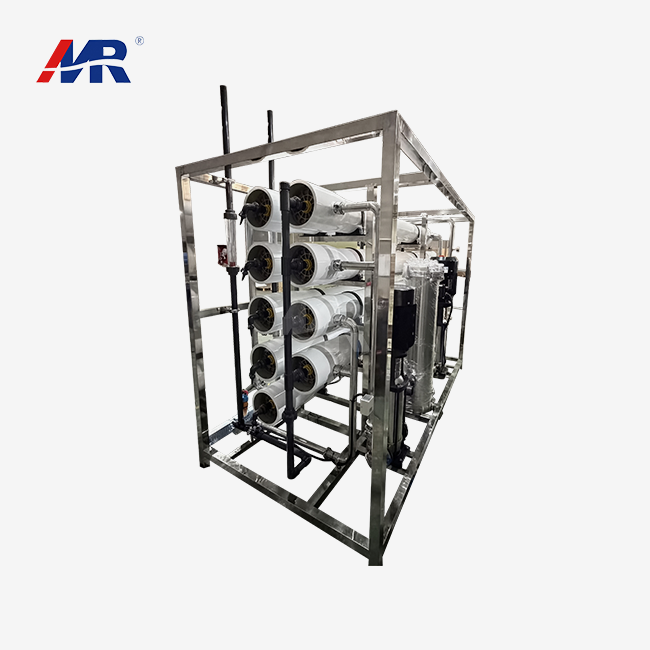 VIEW MOREro reverse osmosis water filter
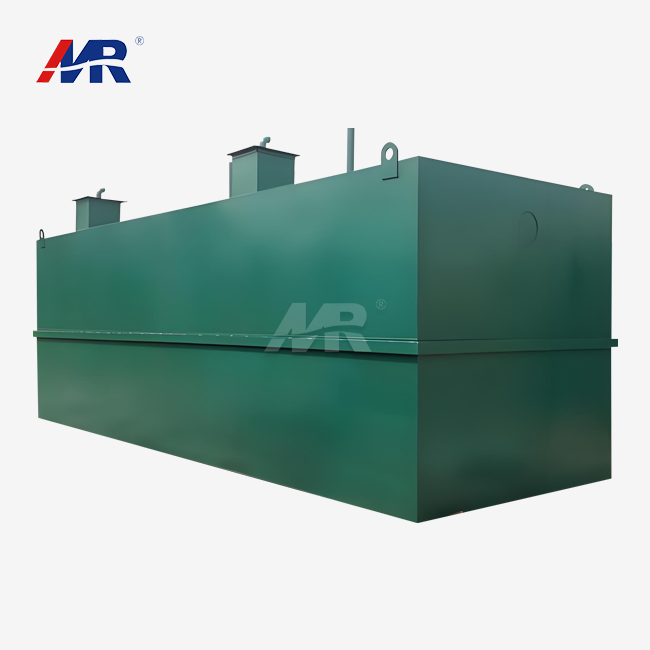 VIEW MOREwaste water treatment system
 VIEW MOREro edi system
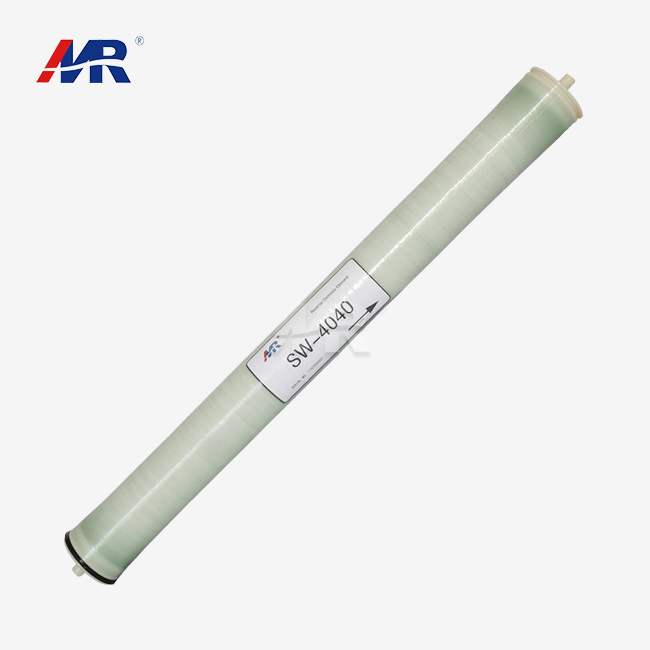 VIEW MORE4040 seawater reverse osmosis membrane
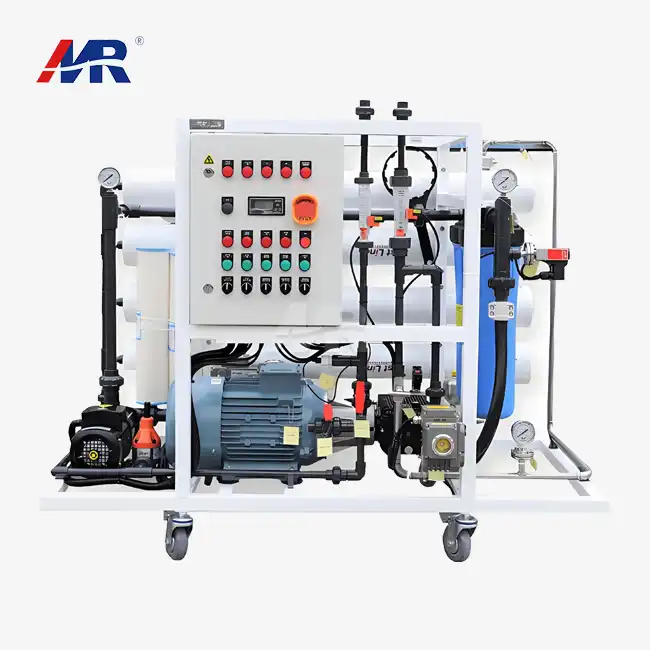 VIEW MORE2m3/hour seawater desalination equipment
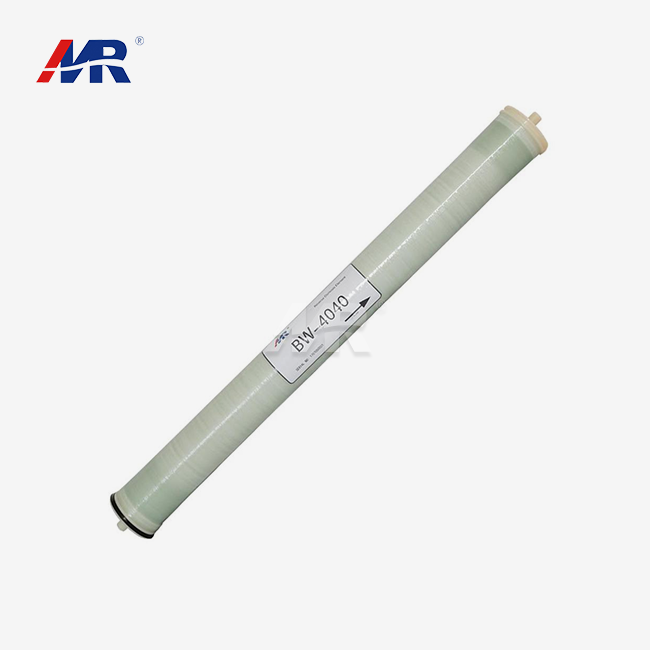 VIEW MOREindustrial ro membrane
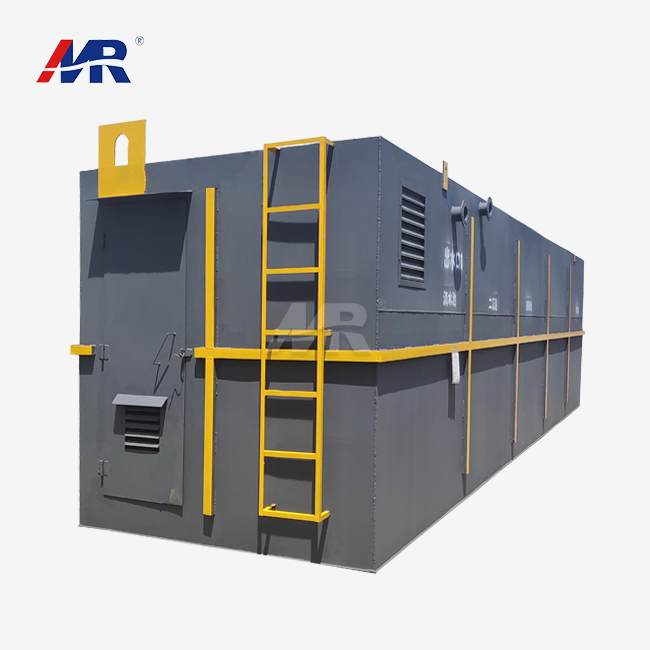 VIEW MOREhome wastewater treatment plant
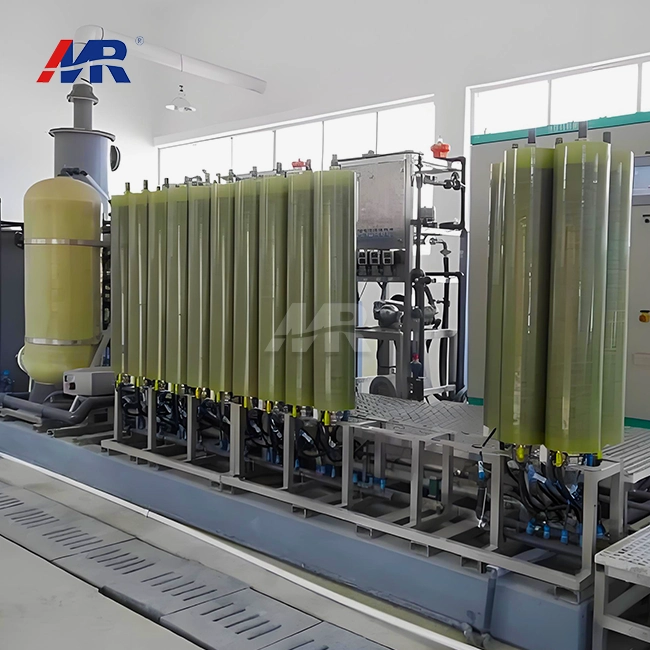 VIEW MOREDTRO Landfill Leachate Treatment
