_1745823981883.webp)

Portable Desalination Machine Applications for Remote Operations
When important operations take place far from city water grids, portable desalination machine technology saves the day and keeps operations safe, productive, and successful. These small, portable water treatment systems use advanced reverse osmosis filters to turn salty or brackish water into high-quality drinking water. They were designed to work in difficult off-grid settings. Unlike fixed desalination plants that need stable infrastructure, these units can be set up quickly and can run on their own using solar integration or DC power sources. This makes it possible to solve water shortage problems in places where standard supply chains can't reach.
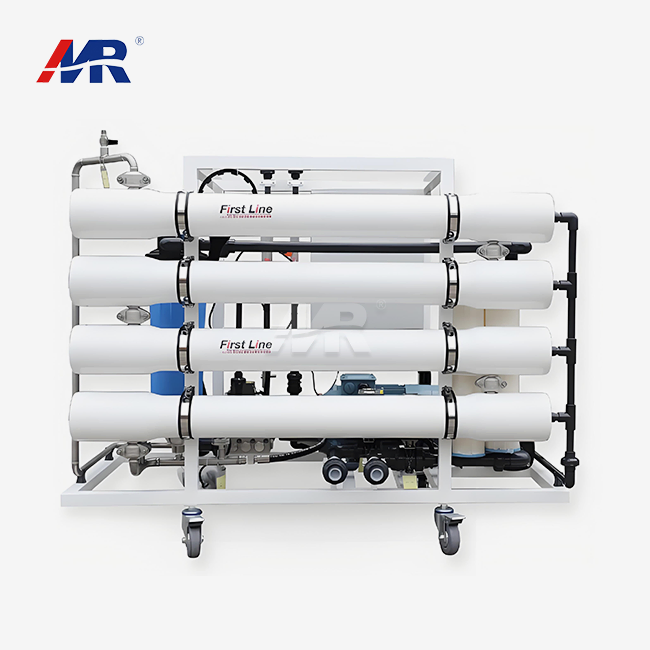
Understanding Portable Desalination Machines and Their Role in Remote Operations
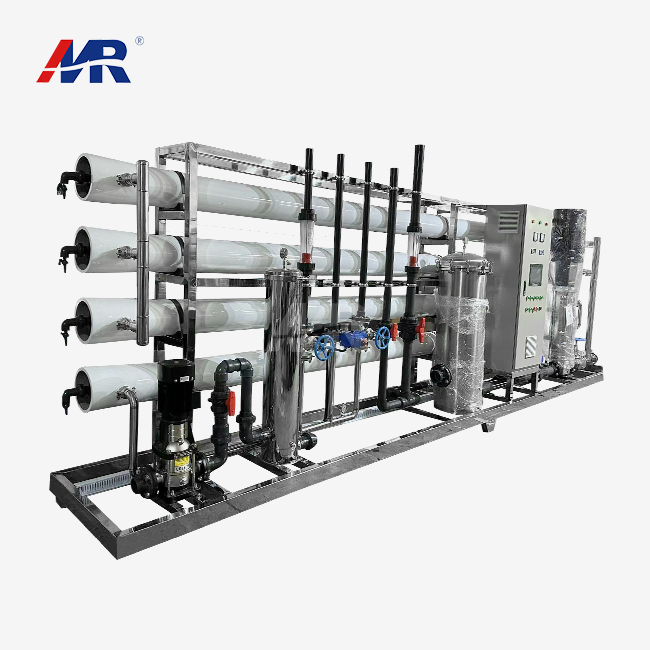
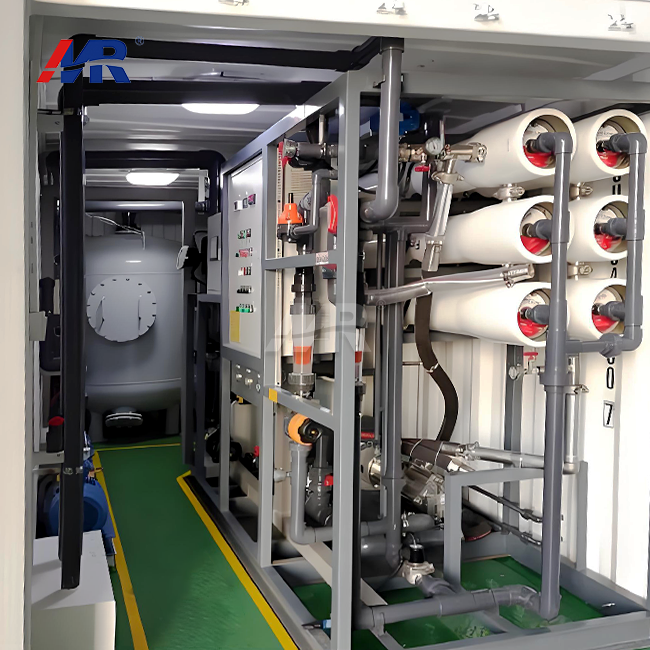
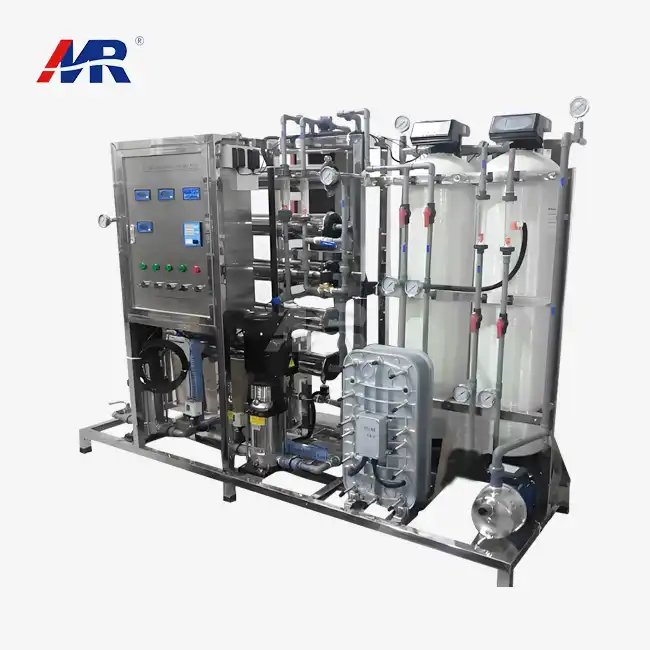
The portable osmosis technology is a big step forward in decentralised water security. These systems are made up of flexible pieces that can be moved to almost any place by light planes, boats, or cars. They include high-pressure pumps, semi-permeable screens, and multi-stage pre-filtration.
Core Technology Behind Mobile Water Purification
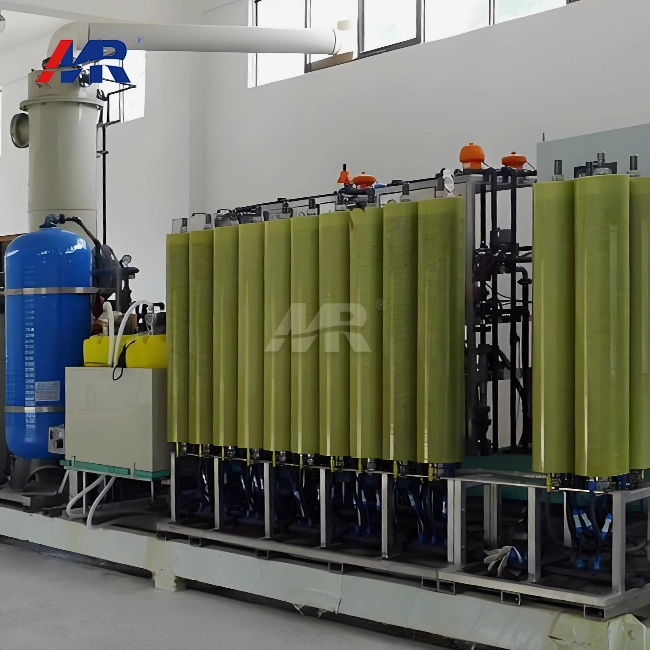
Most of the time, Thin Film Composite (TFC) reverse osmosis (RO) membranes are used in these units because they can reject salt at rates higher than 99.4%. Before it hits the ro membrane, water goes through pre-filters with 20-micron and 5-micron pore sizes. The pressures are between 800 and 1000 psi. Pathogens, heavy metals, and biological toxins are also taken out by this solid barrier, along with dissolved salts. Energy Recovery Devices (ERDs) in more advanced models can recover up to 40% of the energy they receive, greatly lowering the amount of power they need—this is especially important when using limited power sources like solar panels or portable generators.
Scalability Meets Mobility in Design
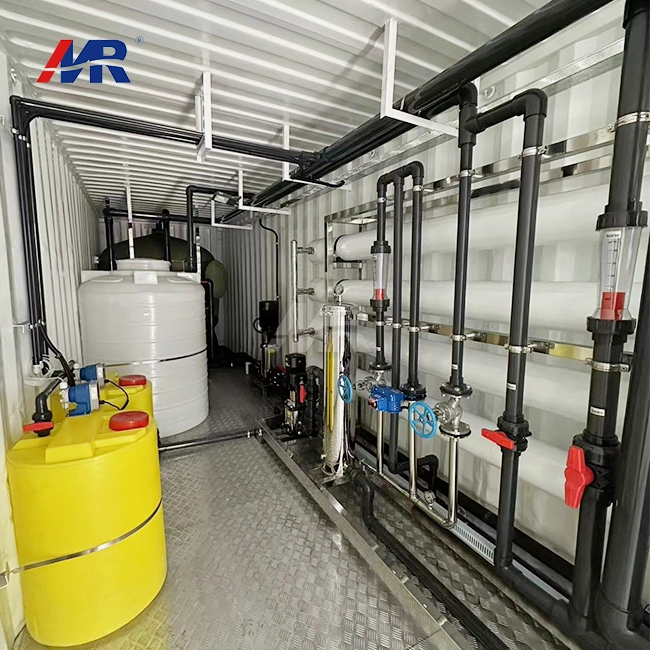
Production ability changes a lot depending on the needs of the application. For small teams, suitcase-style units that make 100 to 200 litres of water a day are best. For bigger businesses, containerised systems that make 3,000 litres or more are best. Duplex stainless steel and strengthened carbon fibre are used in the construction to make sure that the structure will last in harsh sea settings and temperatures ranging from -10°C to 50°C. Integrated Total Dissolved Solids (TDS) sensors check the quality of the water in real time, making sure that the product always meets WHO standards for drinking water, which are below 500 mg TDS.
Environmental and Economic Advantages for Procurement Teams
People who work in procurement who are looking at these tools see high long-term cost savings. When difficulties are taken into account, transporting bottled water to remote areas can cost more than $15 to $25 per gallon. Within the first year, a movable desalination machine that produces 500 litres of water every day cuts operating water costs by 70–85%. Getting rid of single-use plastic trash and lowering the carbon footprint of water movement are two environmental perks. Meeting the quality standards set by ISO 9001 and getting CE Certifications gives organisations that need proof of legal compliance even more peace of mind.
Key Applications of Portable Desalination Machines in Remote Operations
Mobile purification technology is useful for many businesses that have trouble getting water. Knowing the specific needs of an application helps expert decision-makers choose systems that are set up correctly.
Emergency Response and Disaster Relief Initiatives
During natural disasters, water infrastructure in cities is often damaged, putting people at risk (portable desalination machine). Within 24 to 48 hours of coastal disasters like storms or tsunamis, humanitarian groups set up movable purification units. These systems clean dirty seawater or salty groundwater so that medical centres, temporary housing, and field hospitals can use it for drinking. Lightweight designs make it possible to get to places that roads can't reach by chopper or all-terrain vehicle. Volunteers who have been trained can run systems with little technical help because they are easy to maintain. This makes sure that water is always available during key healing stages.
Off-Grid Industrial and Mining Operations
Offshore oil platforms, research spots, and mine camps that are far away from freshwater sources work. Setting up water logistics through delivery by truck or plane is too expensive and leaves operations open to risk. By installing a movable desalination system, you can take care of your own water needs, keep your tools cool, and keep the dust down. Solar-powered designs are in line with efforts to be more environmentally friendly, and they also use less gas fuel for engine usage. Coastal areas that are dry benefit the most because they can turn large amounts of seawater into stable groundwater sources. Strong pre-filtration handles high-turbidity conditions that are common near drilling operations, keeping the membrane's integrity and extending the time between service calls.
Maritime and Offshore Platform Applications
Commercial ships, study ships, and remote platforms can work for long periods without being able to reach a port. Portable desalination units on board can be used in addition to or instead of standard water storage systems. They turn seawater into endless freshwater sources. Modern marine-grade systems can handle being in saltwater, moving around all the time, and vibrations. Small systems can fit in equipment areas that aren't very big and can produce 200 to 1,500 litres of water a day, based on the size of the team. Yachts and sailing ships can use small models that are driven by the ship's electrical system or solar panels. This lets them go on long trips without having to limit how much water they use.
Military and Expeditionary Deployment Scenarios
For defence activities in rural areas, safe, independent water sources are needed. Forward operating bases, field hospitals, and military teams that work in coastal or salty water can use portable purification equipment. Designs made to tough military standards can be moved in rough conditions, set up quickly under pressure, and used by people with different levels of technical knowledge. With tactical mobility, units can move with advance areas and keep water secure for the length of the task. Low electromagnetic signals and silent operation modes meet tactical security needs, and quick-disconnect valves let people get out quickly if they need to.
How to Choose the Right Portable Desalination Machine for Remote Operations
To choose the best tools, you have to look at a lot of technical and practical factors. Structured evaluation systems that balance performance standards with budget limits are helpful for procurement teams.
Evaluation of Capacity and Daily Water Need
Accurately predicting demand keeps operations (portable desalination machine) from being compromised by under-sizing or wasted capital by over-specification. Figure out how much water each person needs each day (15–25 litres for drinking, cooking, and basic cleanliness), then times that number by the number of people who will be using it, and add 20% more in case of emergencies. For industrial uses, extra formulas are needed to cool down machinery, mix chemicals, or clean it. Systems that can be expanded in modules can handle growing operations without having to replace whole units.
Filtration System Quality and Membrane Specifications
The kind of membrane you use has a direct effect on how pure the result is and how long it lasts. Thin Film Composite (TFC) membranes are better at keeping salt out and not getting clogged than Cellulose Triacetate (CTA) membranes. To get the most freshwater while releasing the least amount of salt, make sure that the salt rejection rate is higher than 99% and the recovery ratio is between 35 and 45%. Activated carbon and sand filters used in multiple stages of pre-filtration keep membranes from breaking down too quickly. Biofouling can happen between operating cycles, and automated freshwater cleaning systems stop it. This is especially important in warm water settings where bacteria grow quickly.
Energy Requirements and Power Source Compatibility
Power supply has a big impact on the tools that is chosen. DC types that run on 12V or 24V work perfectly with solar panel systems and battery banks, making them perfect for places where you can't get to a generator. Units that are driven by AC need stable 110V or 220V power from generators or shore power. Check how much energy is used, measured in watt-hours per litre of production. Newer systems need 10+ Wh/L, while more energy-efficient systems only need 3–6 Wh/L. Energy recovery systems greatly lower energy use in large units, which justifies the higher starting cost by saving money over time.
Portability Factors and Deployment Requirements
The ability to move something depends on its size and weight. Units that look like suitCases and weigh between 15 and 30 kg can be dropped off by chopper or carried by small teams on backpacks. A wheeled cart with a balance capacity of 50 to 100 kg and the ability to be moved by hand. Containerised systems that weigh more than 200 kg need to be moved by truck, but can produce more. Think about how long it will take to set up. Some units can be fully operational within 15 to 30 minutes of arriving, while others may need several hours of building and charging.
Cost Analysis and Total Ownership Evaluation
Basic compact units cost around $3,000 to buy, while advanced high-capacity systems cost more than $50,000. Figure out the total cost of ownership, which includes replacing the membrane every 3 to 5 years, the filter refills every 3 to 12 months, and the energy used. Companies that buy a lot of units can often get savings of 10 to 20 per cent through bulk purchase deals. Two to five-year warranties protect against problems with the way the product was made, and long-term service contracts help you plan your budget for upkeep. Rental choices are good for short-term projects because they usually cost 8–12% of the buying price per month.
Navigating Procurement: Where and How to Buy Portable Desalination Machines
To do good buying, you need to find providers you can trust that offer high-quality tools and full support services.
Evaluating Manufacturers and Supplier Credentials
Reputable makers show that they have a good track record by getting industry qualifications, customer reviews, and case studies that are written down and checked. ISO 9001 approval means that the quality management system is strong, and CE marking means that the product meets European safety standards. Ask for references from clients who work in similar settings and then get in touch with them to find out about the performance, dependability, and response of the equipment's maker. Guangdong Morui Environmental Technology Co., Ltd. is a leader in its field, with over 500 workers, 20 specialised engineers, and 14 branch offices in operating regions to support its own membrane production facilities. This combined ability makes sure that quality control is always the same, from making the parts to putting the whole system together.
Technical Support and After-Sales Service Infrastructure
Remote businesses (portable desalination machine) can't afford to be down for long periods of time while they wait for parts or expert help. Give more weight to providers that offer expert help by phone, email, and video chat 24 hours a day, seven days a week. Check to see if new membranes, filter tubes, and other important extra parts are available and that they will be delivered on time. Full operator training, whether it's in person, online, or through specific written materials, makes sure that employees can do simple repairs and upkeep. Response times are much shorter on service networks with regional influence than on international-only support systems.
Pricing Structures and Budget Planning
Prices on the market are based on features, size, and the quality of the build. Portable units that can hold 100 to 300 litres per day start at about $3,000 to $8,000. Systems that can hold 500 to 1,000 litres cost between $12,000 and $25,000, while industrial units with a lot of space cost more than $40,000. Ask for thorough quotes that list the prices of base tools, extra parts kits, training services, and shipping. You can discuss net-30 or net-60 terms with known buyers, but for new ties, you'll usually need a deposit of 30 to 50 per cent, with the rest due before shipment. Leasing works well for projects with clear deadlines because it turns capital costs into routine costs.
International Logistics and Import Considerations
Cross-border buying includes government fees, rules about importing goods, and the mechanics of shipping. Check how the equipment is classified under Harmonised System (HS) codes to get an idea of the duty rates. For example, water filter equipment is usually classified under HS code 8421.21, and the duties range from 0% to 7.5% based on the target country. Shipping methods combine cost and speed: sea freight takes 4–8 weeks to deliver, but it costs a lot less than air freight, which can do it in 5–10 days. Hire freight forwarders who know how to handle paperwork like business bills, packing lists, and certificates of origin for water treatment equipment.
Future Trends and Innovations in Portable Desalination Technology
As new technologies come out, they keep making portable purification better, which gives early users chances to get practical benefits.
Enhanced Energy Efficiency Through Advanced Membranes
Graphene oxide and biomimetic aquaporin proteins are being used in next-generation membrane materials that offer 30–50% less energy use while keeping the same salt rejection performance. These new ideas lower the costs of running a solar-powered system and make it more useful in areas with average weather. Increasing the lifespan of membranes from 3 to 10 years lowers the number of times they need to be replaced and the long-term costs of ownership.
Smart Monitoring and IoT Integration
Internet-of-Things connection lets you watch your system from afar using cloud-based apps that you can access from your computer or smartphone. Real-time information on flow rates, pressure levels, TDS readings, and membrane performance lets you plan maintenance ahead of time, before problems happen. Automated alerts let workers know when parameters aren't working as they should, which keeps water quality problems from happening. Companies that use tools at various places can keep track of their assets with GPS tracking built into mobile units.
Renewable Energy Integration and Sustainability Focus
Concerns about climate change and companies' promises to be environmentally friendly make people want carbon-neutral water options. Hybrid power systems that use solar panels, wind machines, and batteries to store energy get rid of all need for fossil fuels. Life cycle reviews play a bigger role in buying choices these days. Buyers look at things like how things are made, how much space they take up, and how easily they can be recycled at the end of their useful lives. Modular designs that let you update parts of a system make it last longer and use less electronics than replacing the whole thing.
Conclusion
Portable desalination machines deliver essential water security across diverse remote operations, from humanitarian missions to industrial sites and maritime applications. These compact systems combine advanced reverse osmosis technology with mobile designs, providing reliable freshwater supplies where infrastructure cannot reach. Careful evaluation of capacity requirements, energy sources, filtration quality, and supplier credentials ensures optimal equipment selection. As innovations in energy efficiency, smart monitoring, and renewable integration continue advancing, these systems become increasingly vital for organisations operating beyond traditional water grids. Strategic procurement decisions today establish operational resilience for tomorrow's challenges.
FAQ
1. How often do membranes require replacement in portable desalination systems?
With proper pre-filtration and regular freshwater flushing protocols, RO membranes typically maintain effective performance for 3-5 years. Operational conditions significantly impact lifespan—high-turbidity source water or inconsistent maintenance accelerates degradation. Monitor TDS levels in product water monthly; increases above baseline by 15-20% indicate membrane wear requiring replacement. Storing units during the off-seasons using pickling solutions with food-grade sodium metabisulfite prevents biological growth that shortens membrane life.
2. Can these systems operate reliably on solar power alone?
Many DC-powered portable desalination units integrate seamlessly with solar arrays, though system sizing requires careful calculation. Solar panels must generate sufficient wattage to overcome initial pump start-up current—typically 2-3 times running wattage—necessitating battery buffering for consistent operation. A system consuming 180 watts during operation needs approximately 300-400 watts of solar capacity plus 200Ah battery storage for reliable all-day production in moderate sunlight conditions. Cloudy weather may reduce daily output by 40-60% compared to full-sun performance.
3. What maintenance do operators need to perform regularly?
Routine maintenance includes replacing sediment and carbon pre-filters every 3-6 months, depending on source water quality, checking pressure gauges for abnormal readings indicating membrane fouling, and verifying TDS levels in product water. Flush membranes with freshwater after each use to remove salt deposits. Inspect seals and O-rings quarterly for wear or cracking. Annual professional servicing should include pressure testing, membrane performance evaluation, and pump inspection to identify issues before they cause failures.
Partner with a Trusted Portable Desalination Machine Supplier
Morui stands ready to support your remote water security needs with comprehensive portable desalination machine solutions engineered for reliability in the world's most challenging environments. Our vertically integrated capabilities—from proprietary membrane manufacturing to complete system assembly—ensure consistent quality that B2B procurement professionals trust. With 20 specialised engineers, 14 regional branches, and partnerships with industry-leading brands like Shimge Water Pumps and Runxin Valves, we deliver turnkey installations with ongoing Technical support. Whether you require emergency response systems, industrial site water supplies, or maritime applications, Our Team provides expert consultation, matching equipment specifications to your operational requirements. Contact our procurement specialists at benson@guangdongmorui.com to discuss your project parameters, request detailed technical specifications, or arrange equipment demonstrations.
References
1. World Health Organization (2022). Guidelines for Drinking-Water Quality: Fourth Edition Incorporating the First Addendum. Geneva: WHO Press.
2. Elimelech, M., & Phillip, W. A. (2021). The Future of Seawater Desalination: Energy, Technology, and the Environment. Science, 333(6043), 712-717.
3. International Desalination Association (2023). Portable and Mobile Desalination Systems: Market Analysis and Technology Trends. Topsfield: IDA Publications.
4. Greenlee, L. F., Lawler, D. F., Freeman, B. D., Marrot, B., & Moulin, P. (2020). Reverse Osmosis Desalination: Water Sources, Technology, and Today's Challenges. Water Research, 43(9), 2317-2348.
5. U.S. Department of Energy (2023). Energy Requirements of Desalination Processes: Current Status and Future Prospects for Improvement. Washington: Office of Energy Efficiency and Renewable Energy.
6. National Research Council (2022). Desalination: A National Perspective on Water Availability and Technology Innovation. Washington: The National Academies Press.